Scrap Metal Baler Buying Guide: How to Choose the Right Machine for Your Recycling Plant

Introduction to Scrap Metal Baler Procurement
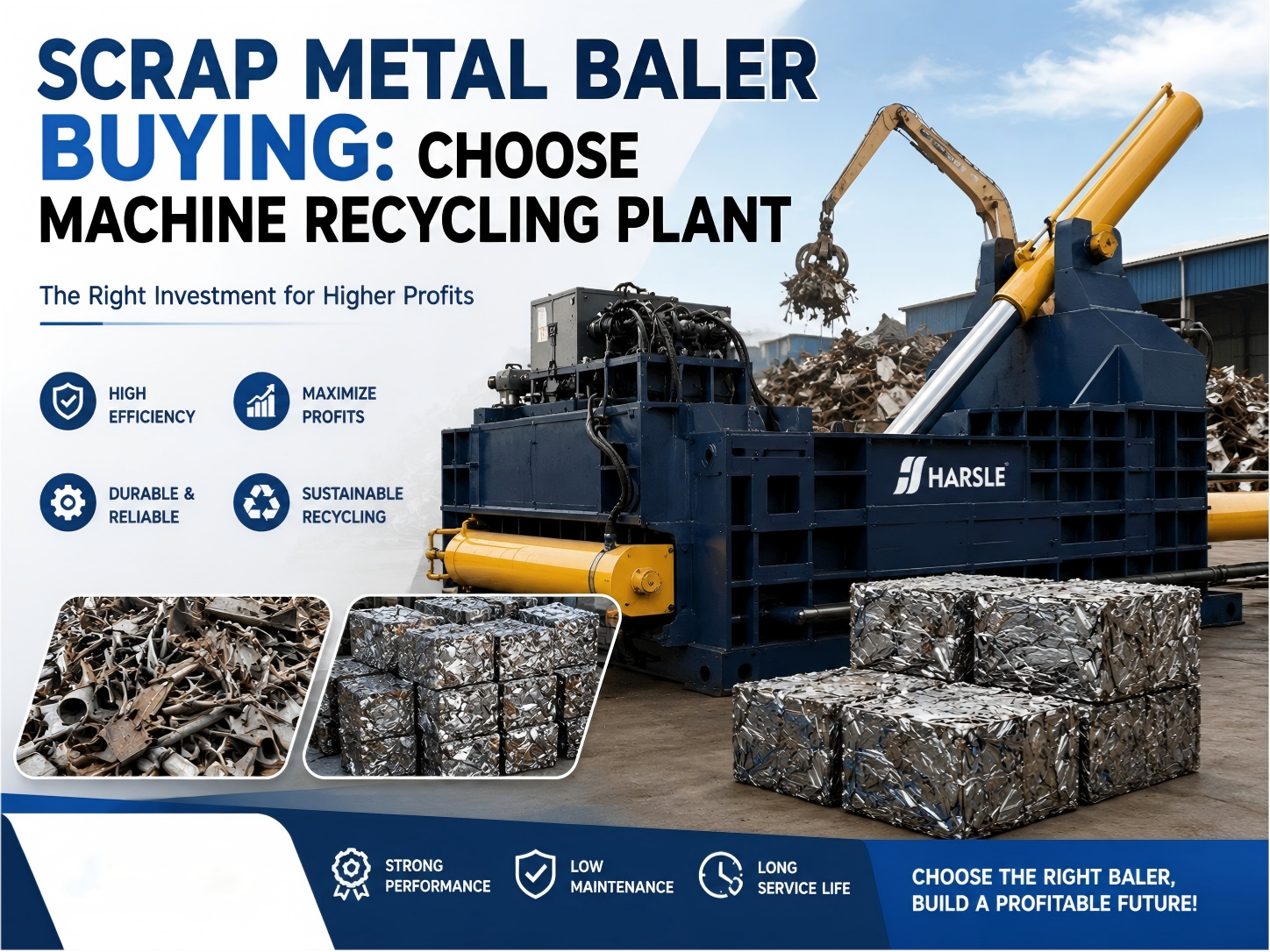
In the modern industrial landscape, the efficiency of a recycling plant is often measured by its ability to process large volumes of waste material into manageable, high-density units. This is where the scrap metal baler becomes the heartbeat of the operation. Whether you are dealing with aluminum cans, copper wiring, steel shavings, or bulky automotive scrap, choosing the right machine is a critical decision that impacts your operational costs, labor efficiency, and ultimately, your bottom line. This Scrap Metal Baler Buying Guide is designed to help you navigate the complexities of the market and ensure you choose the right machine for your recycling plant.
The global shift toward a circular economy has increased the demand for recycled metals, making the processing stage more lucrative than ever. However, the variety of machines available—ranging from small vertical units to massive fully automatic horizontal balers—can be overwhelming for plant managers and business owners. A Scrap Metal Baler Buying decision involves more than just looking at the price tag; it requires a deep dive into hydraulic pressures, cycle times, material compatibility, and long-term maintenance requirements. At HARSLE, we understand that every recycling facility has unique needs, and this guide aims to provide the technical and financial clarity needed for a successful investment.
Price Range Overview: What to Expect
When you begin the process to choose a machine for your recycling plant, the first question is usually about the budget. Scrap metal balers vary significantly in price based on their capacity, automation level, and the force they exert. Generally, the market can be divided into three primary tiers. Entry-level machines, often small vertical balers or manual horizontal units, typically range from $15,000 to $35,000. These are ideal for small-scale collectors or facilities that process non-ferrous metals like aluminum and copper in lower volumes.

Mid-range balers, which offer higher hydraulic pressure and semi-automatic features, usually fall between $40,000 and $90,000. These machines are the workhorses of most regional recycling centers, capable of handling heavier materials and producing denser bales that optimize shipping costs. Finally, high-end, fully automatic industrial balers designed for 24/7 operation in large-scale plants can exceed $150,000. These units often include advanced PLC controls, integrated conveyors, and massive shearing forces to process heavy structural steel and automotive scrap.
Main Cost Drivers in Scrap Metal Baler Manufacturing
Understanding why one machine costs twice as much as another is essential for an informed Scrap Metal Baler Buying experience. The primary cost driver is the hydraulic system. High-quality pumps from brands like Rexroth or Vickers, combined with precision-engineered cylinders, ensure longevity and consistent pressure. A machine that uses generic, low-cost hydraulics may save you money upfront but will likely lead to frequent downtime and expensive repairs in the future.
The quality of the steel used in the frame and the baling chamber is another significant factor. Industrial balers are subject to immense internal stress. Machines built with high-tensile, wear-resistant steel (such as Hardox liners) will naturally command a higher price. Additionally, the level of automation plays a role. A fully automatic machine requires complex sensors, a robust PLC (Programmable Logic Controller), and sophisticated software to manage the baling cycles without human intervention. These components increase the initial capital expenditure but significantly reduce labor costs over time.
Configuration Impact: Matching Machine to Material
To choose the right machine for your recycling plant, you must first analyze the type of scrap you process most frequently. Not all balers are created equal. For example, a baler designed for light aluminum extrusions will struggle—and likely fail—if used to process heavy steel plate. The configuration of the baling chamber, the number of compression sides (two-ram vs. three-ram), and the presence of integrated shears are all critical technical specifications.
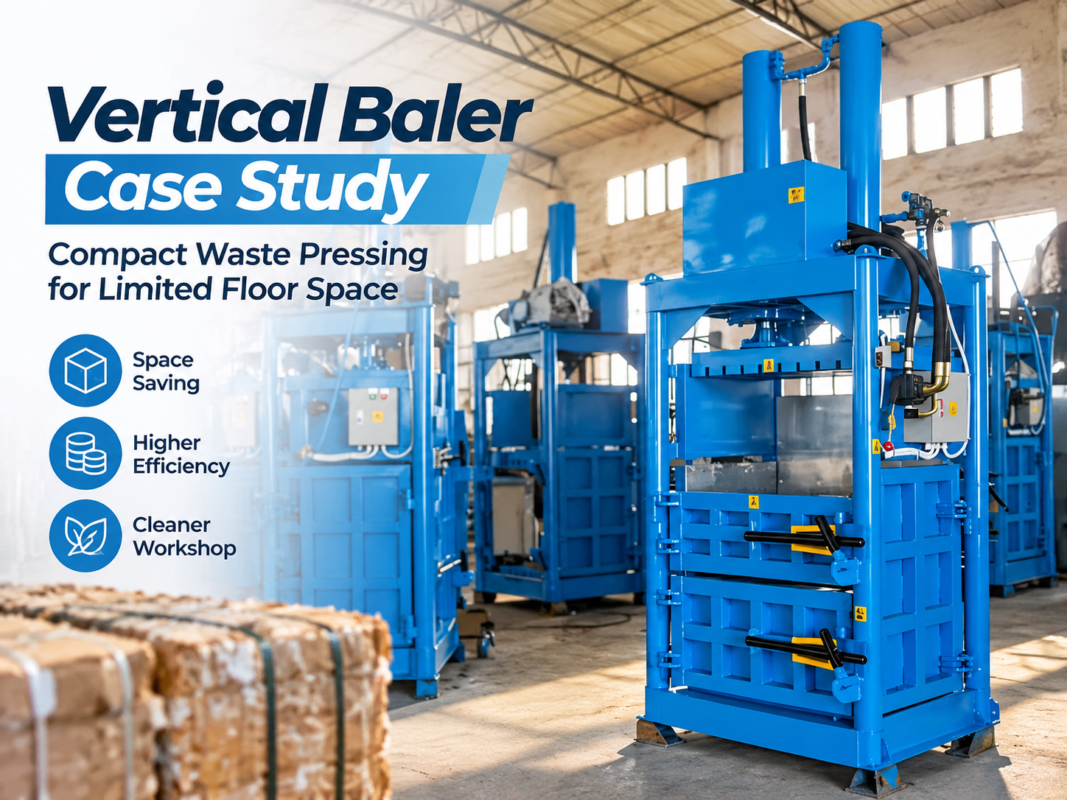
- Vertical Balers: Best for small spaces and low-volume non-ferrous materials. They require manual loading and tying.
- Horizontal Semi-Automatic: Ideal for medium volumes. They offer continuous feeding but usually require manual tying of the bales.
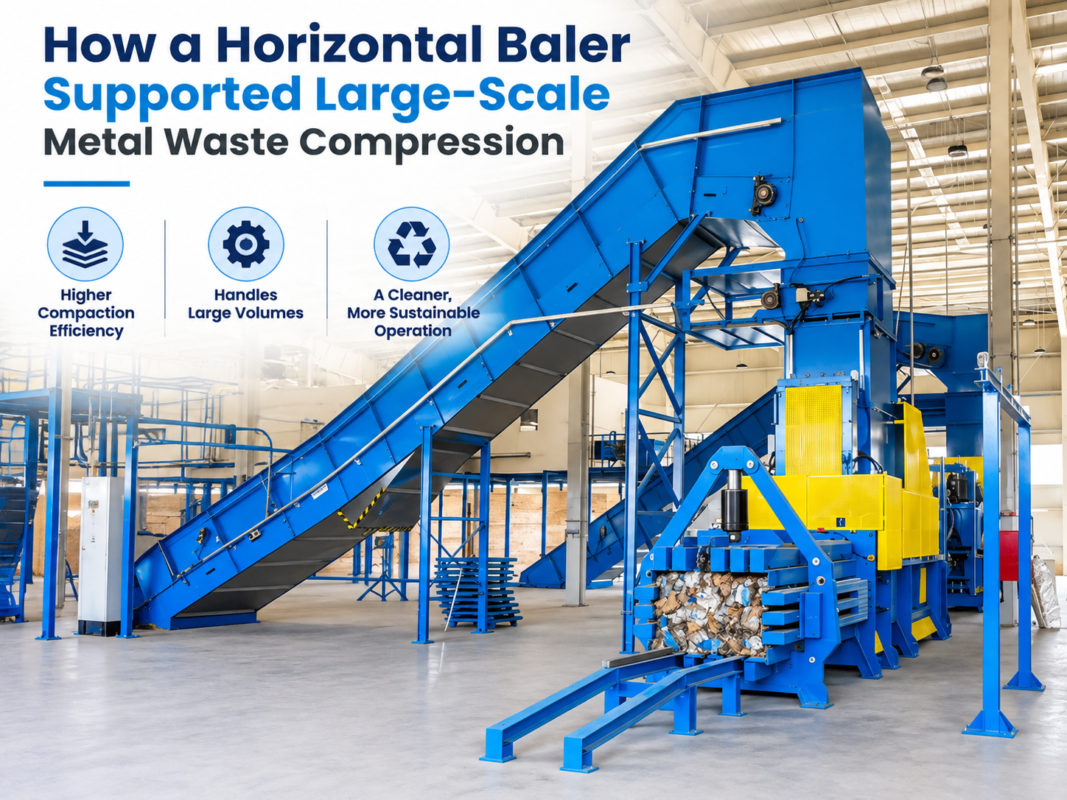
- Fully Automatic Horizontal Balers: The gold standard for high-volume plants. These machines handle everything from feeding to tying and ejecting automatically.
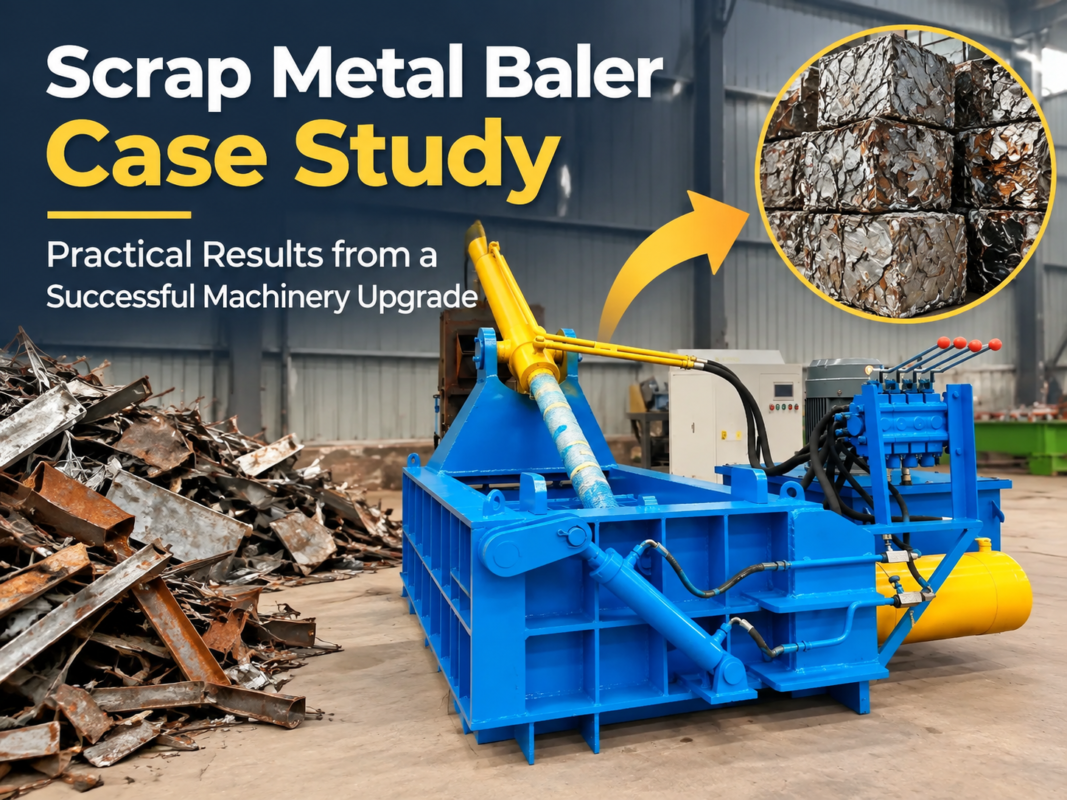
- Shear Balers: These machines include a shearing mechanism to cut long pieces of metal before baling, essential for structural scrap.
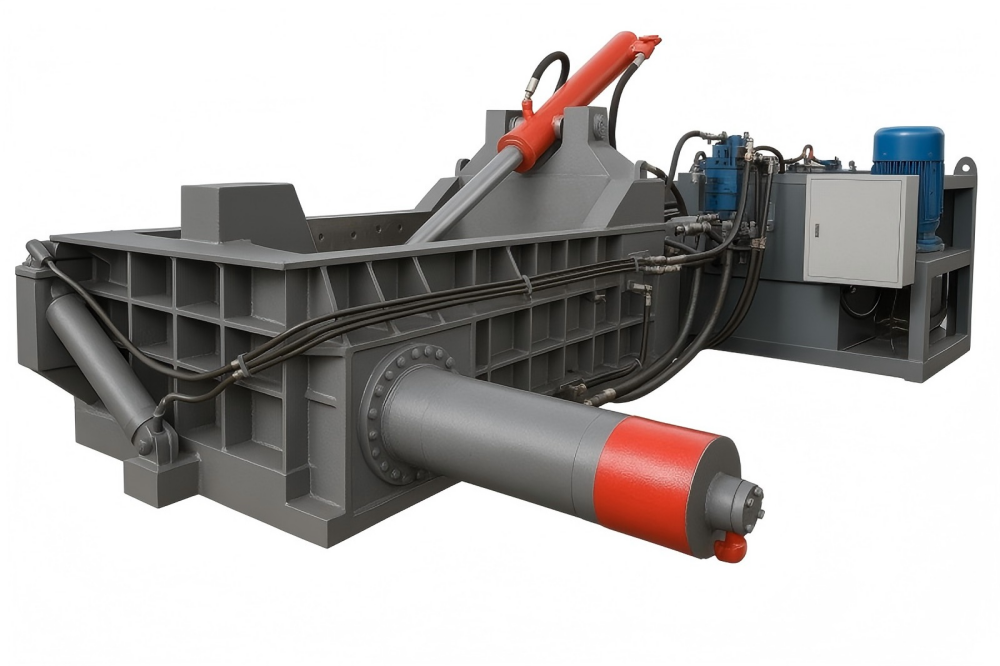
The “Cycle Time” is another configuration detail that is often overlooked. This refers to the time it takes for the ram to complete one full stroke. In a high-volume environment, a difference of 10 seconds per cycle can result in tons of lost productivity over a month. When evaluating configurations, always ask for the dry cycle time and the estimated hourly throughput for your specific material type.
Hidden Costs of Ownership
The purchase price is just the beginning of the financial commitment. When planning your Scrap Metal Baler Buying strategy, you must account for several hidden costs. Shipping and installation are the first hurdles. These machines are incredibly heavy and often require specialized freight, cranes for offloading, and professional technicians to calibrate the hydraulic systems upon arrival. Depending on your location, this can add thousands to the total cost.
Operational costs are also significant. A large baler can consume a substantial amount of electricity. If your plant’s electrical infrastructure isn’t rated for the high amperage required by the baler’s motors, you may need an expensive utility upgrade. Furthermore, hydraulic oil is a major recurring expense. A large horizontal baler can hold hundreds of gallons of specialized hydraulic fluid, which must be filtered and periodically replaced. Finally, consider the cost of wear parts. Blades, liners, and seals are consumables that will need replacement based on your processing volume.
ROI Calculation: Is the Investment Worth It?
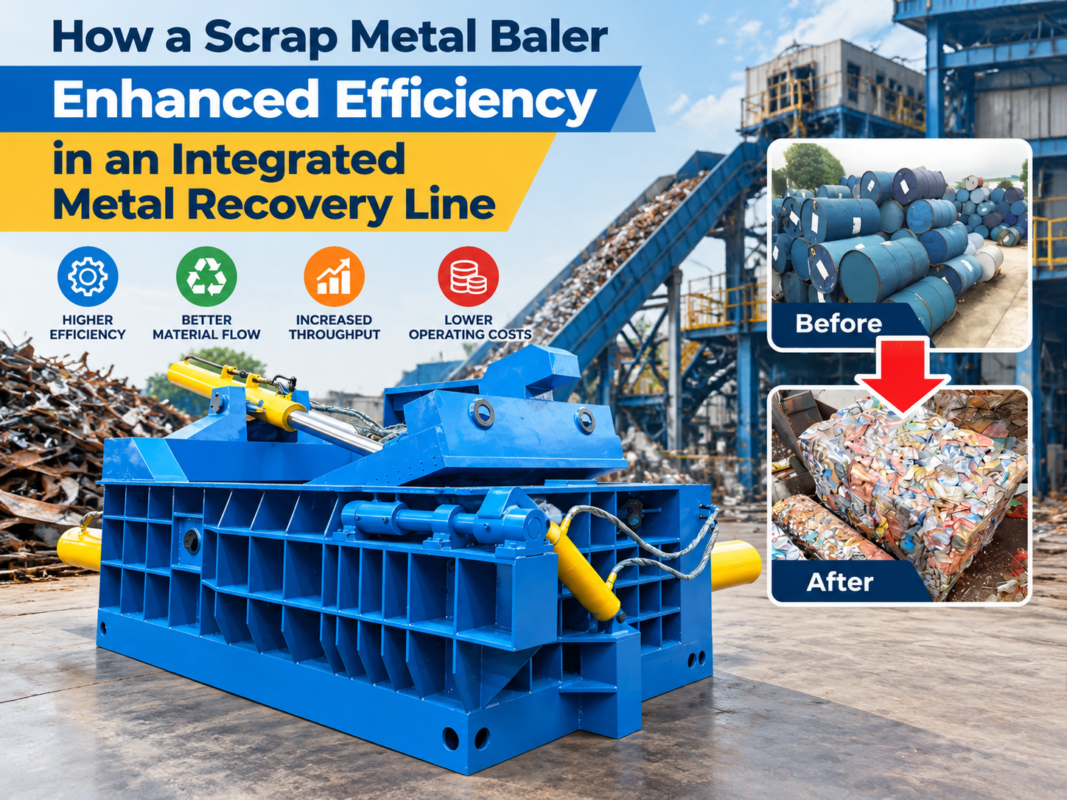
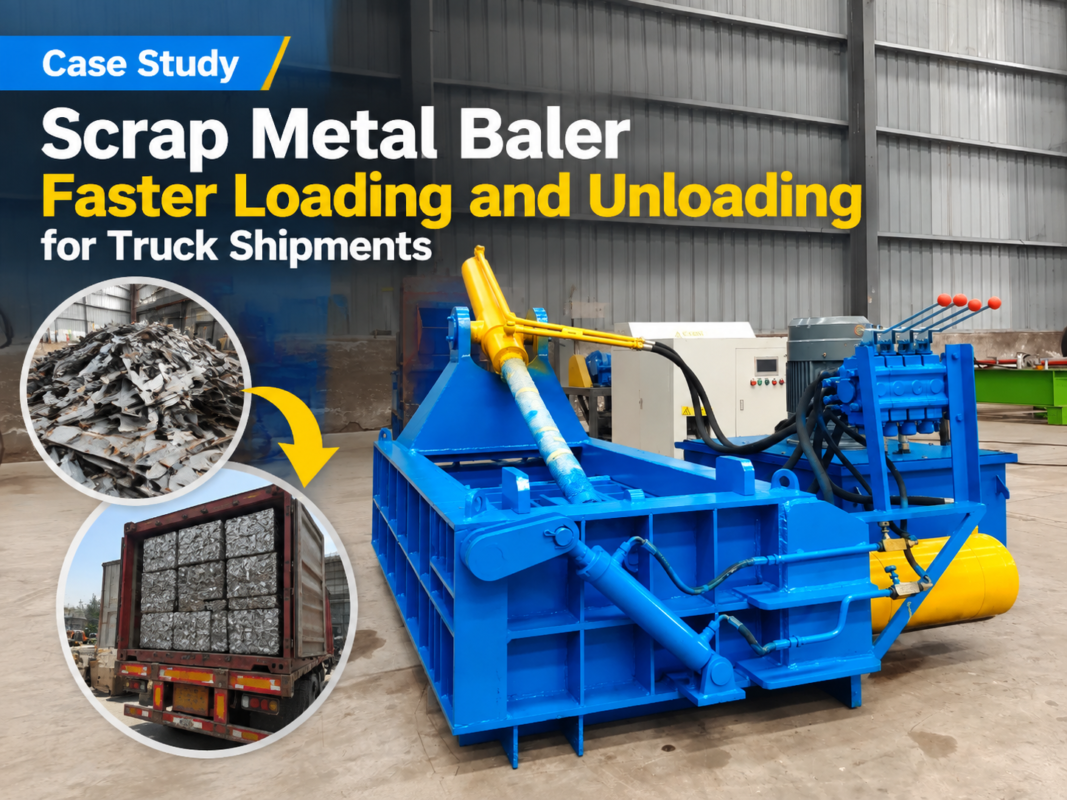
A successful Scrap Metal Baler Buying : Choose Machine Recycling Plant strategy relies on a clear Return on Investment (ROI) calculation. To determine the ROI, you need to look at three main areas: labor savings, transportation efficiency, and material value. Loose scrap is expensive to transport because you are essentially paying to ship air. Baled scrap increases the density of your loads, allowing you to fit more weight into every truckload, which can reduce shipping costs by 50% or more.
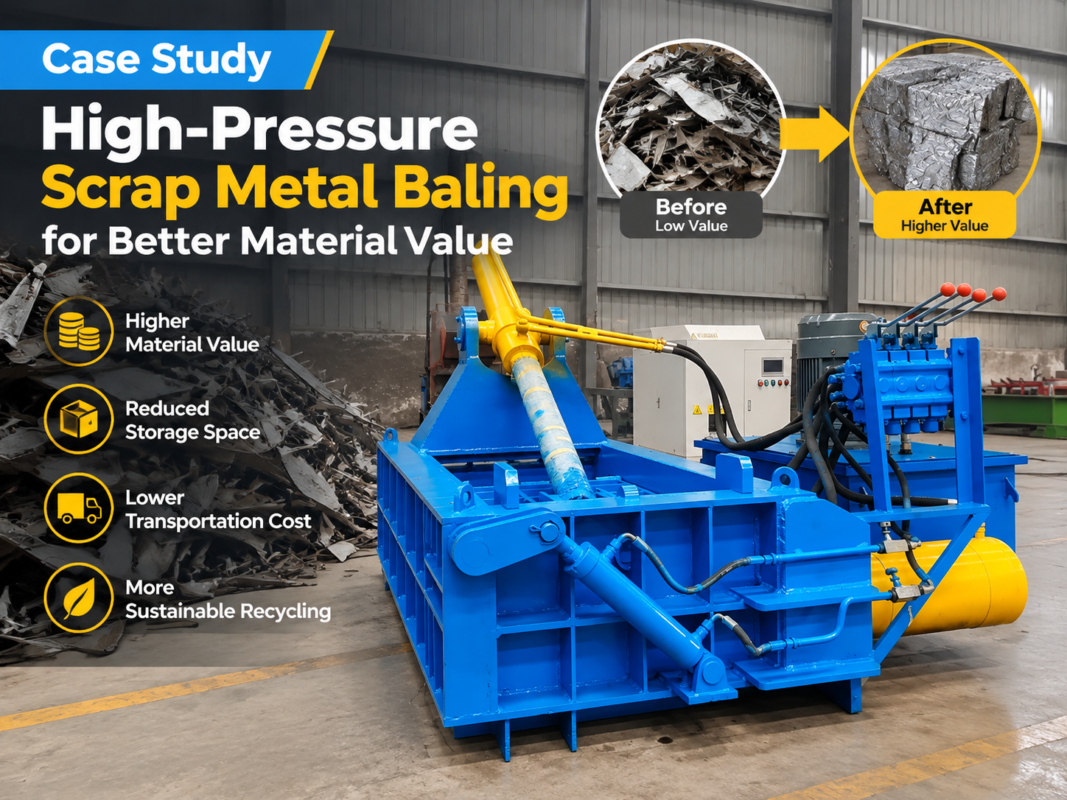
Furthermore, many steel mills and foundries pay a premium for baled material because it is easier for them to handle and melt. This “price spread” between loose and baled scrap is where the machine pays for itself. For example, if baling your aluminum increases its value by $100 per ton and you process 50 tons a month, you are generating an extra $5,000 in monthly revenue. When you subtract the monthly financing and operating costs, you can determine the exact “payback period” for the machine.
| Factor | Loose Scrap Impact | Baled Scrap Impact | ROI Contribution |
|---|---|---|---|
| Transport Density | Low (High Cost/Ton) | High (Low Cost/Ton) | Significant Savings |
| Market Value | Standard Rate | Premium Rate | Increased Revenue |
| Labor Requirements | High (Manual Sorting) | Low (Automated Processing) | Reduced Overhead |
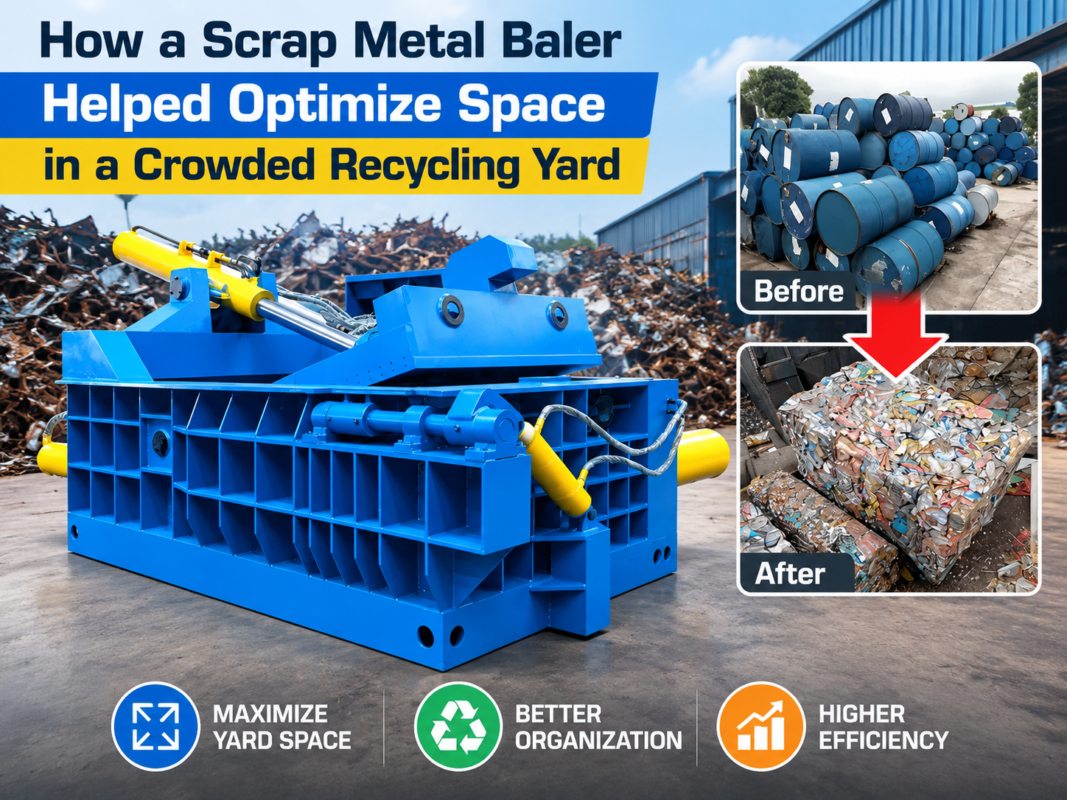
| Storage Space | Large Footprint | Compact Stacking | Improved Efficiency |
Buying Advice: Expert Tips for a Smooth Purchase
Before signing a contract, there are several steps you should take to ensure you are making the right choice. First, always request a video of the machine processing material similar to yours. Better yet, visit a facility where the model is currently in operation. Seeing the machine under load will tell you more than any brochure ever could. Pay attention to the noise levels, the smoothness of the hydraulic strokes, and the density of the finished bales.
Second, evaluate the manufacturer’s after-sales support. A scrap metal baler is a long-term asset that will eventually need parts and technical expertise. Does the manufacturer have a local service team? How quickly can they ship replacement seals or PLC components? At HARSLE, we emphasize the importance of a robust spare parts inventory and remote technical support to minimize our customers’ downtime. Choosing a machine from a reputable manufacturer with a proven track record in the recycling industry is often more important than finding the absolute lowest price.
Frequently Asked Questions (FAQ)
1. Can one baler handle all types of metal?
While many balers are versatile, it is best to choose a machine optimized for your primary material. A baler designed for soft non-ferrous metals may suffer structural damage if used for heavy ferrous scrap. Always check the maximum shear and compression force ratings.
2. How often does a scrap metal baler need maintenance?
Daily inspections of hydraulic levels and hose integrity are essential. A full service, including oil filtration and blade sharpening/rotation, should typically occur every 1,000 to 2,000 operating hours, depending on the intensity of use and the environment.
3. What is the difference between a two-ram and a three-ram baler?
A two-ram baler uses one ram to compress the material and another to eject it or provide side compression. A three-ram baler (often called a triple-compression baler) compresses the material from three sides, resulting in the highest possible bale density, which is often required for high-grade smelting processes.
4. Do I need a special foundation for an industrial baler?
Yes, most large horizontal balers require a reinforced concrete pad to handle the weight and the vibration generated during the compression cycle. Smaller vertical units can often sit on a standard industrial concrete floor, but you should always consult the manufacturer’s installation manual.
5. How do I choose the right bale size?
Bale size should be determined by your downstream customers (the mills or foundries) and your transport method. Standard sizes like 60x30x48 inches are common because they stack perfectly in standard shipping containers and truck trailers.
Conclusion
The journey to choose the right machine for your recycling plant is a multifaceted process that requires balancing technical specifications with financial reality. By following this Scrap Metal Baler Buying Guide, you can move forward with confidence, knowing that you have considered the critical factors of hydraulic power, material compatibility, and long-term ROI. A high-quality baler from HARSLE is not just a piece of machinery; it is a strategic investment in the future of your recycling business, providing the reliability and efficiency needed to thrive in a competitive global market.