Baler Machine Applications in Metal Scrap Recycling

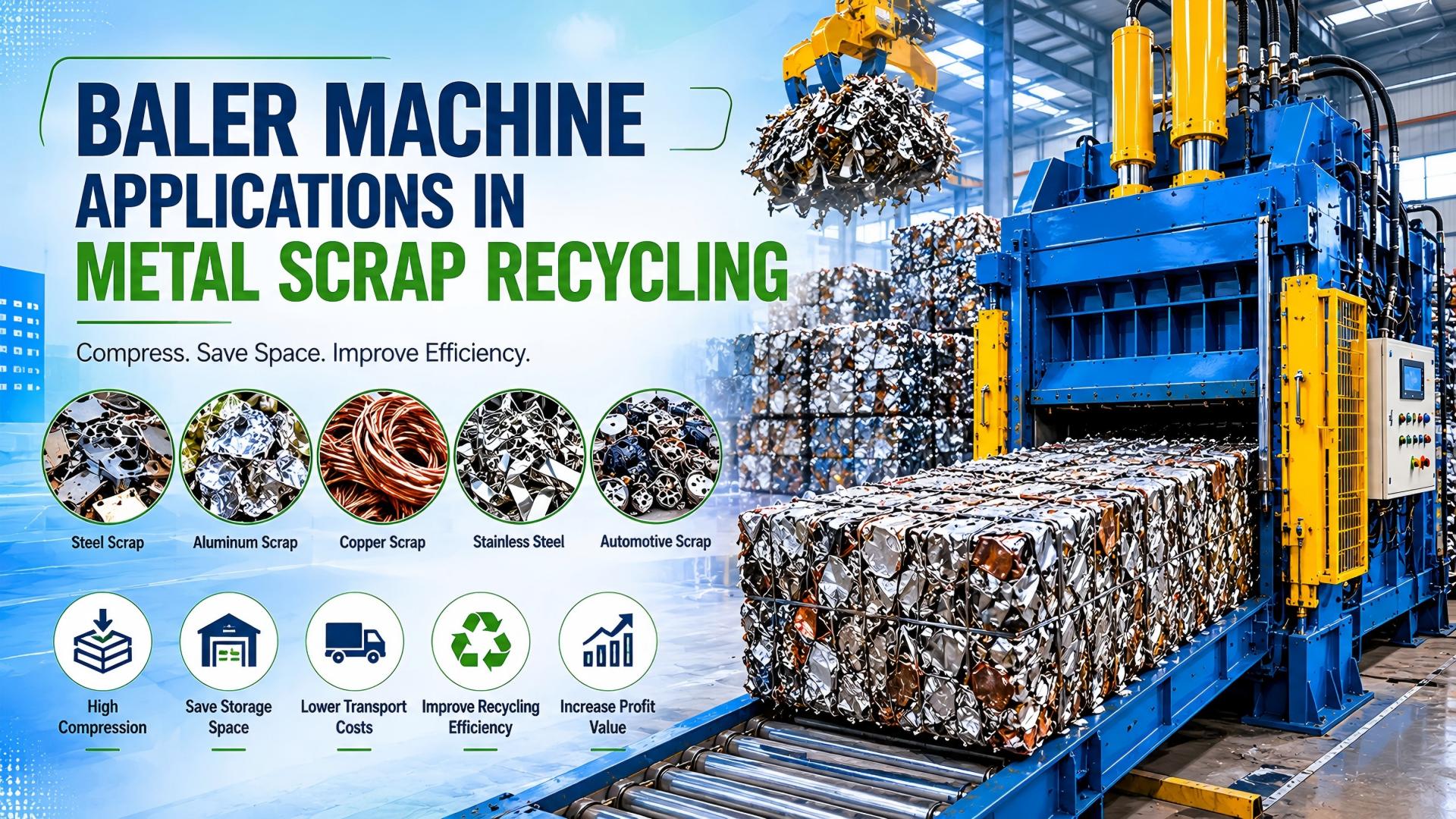
Baler Machine Applications in Metal Scrap Recycling are becoming increasingly important as the global recycling industry continues to focus on sustainability, waste reduction, and resource conservation. Among the many types of recycling equipment available today, the baler machine has become one of the most effective solutions for handling and processing metal scrap efficiently.
From steel and aluminum to copper and stainless steel, metal scrap recycling facilities generate large volumes of loose materials every day. Without proper processing equipment, these materials are difficult to store, transport, and recycle profitably. This is where baler machines play a critical role.
In this article, I will explain the major applications of baler machines in metal scrap recycling and why they are essential for modern recycling operations.
What Is a Baler Machine?

A baler machine is industrial equipment designed to compress loose scrap materials into dense and compact bales. Using hydraulic pressure, the machine reduces the volume of metal waste and forms uniform blocks that are easier to handle, store, and transport.
Metal recycling companies commonly use baler machines to process:
- Steel scrap
- Aluminum scrap
- Copper wire
- Stainless steel
- Iron scrap
- Automotive scrap
- Sheet metal waste
- Industrial production leftovers
Depending on the material type and production requirements, recycling facilities can choose between vertical balers, horizontal balers, automatic balers, or heavy-duty hydraulic metal balers.
Steel Scrap Recycling Applications
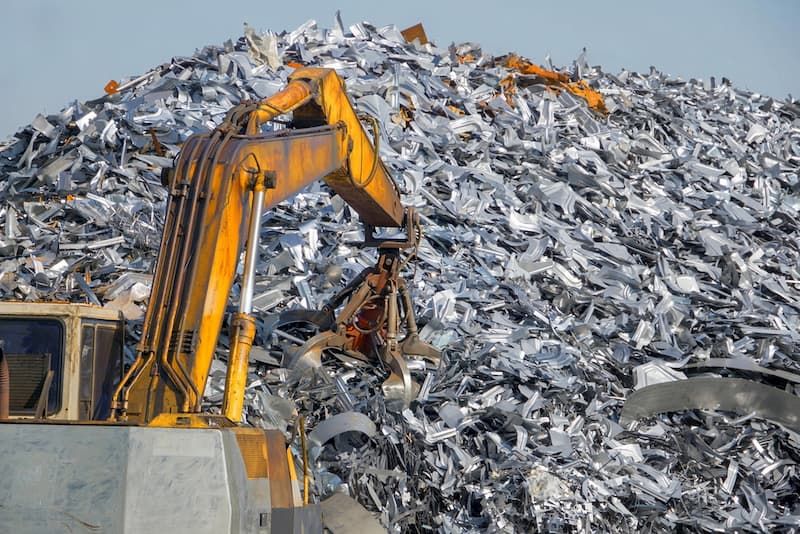
Steel is one of the most widely recycled metals in the world. Large quantities of steel scrap are generated from construction sites, automotive manufacturing, machinery production, and demolition projects.
Loose steel scrap occupies significant storage space and is expensive to transport. A baler machine compresses the scrap into dense steel bales, making storage and transportation much more efficient.
The advantages include:
- Reduced warehouse space requirements
- Lower transportation costs
- Easier loading and unloading
- Improved furnace feeding efficiency
Steel mills and foundries also prefer compact steel bales because they simplify material handling during the melting process.
Aluminum Scrap Processing
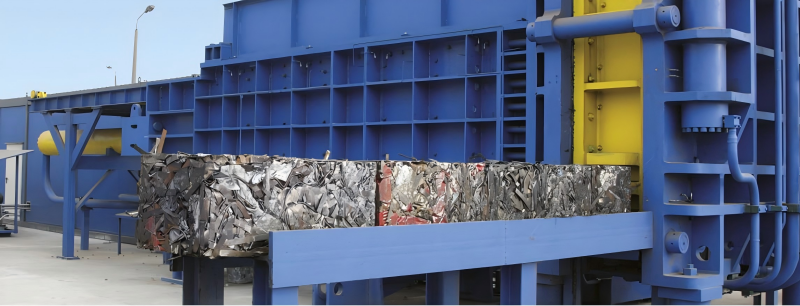
Aluminum recycling is another important application for baler machines. Aluminum cans, profiles, and industrial aluminum scrap are lightweight but extremely bulky when loose.
By compressing aluminum scrap into dense bales, recycling companies can dramatically increase transportation efficiency. Trucks can carry more aluminum per shipment, reducing fuel consumption and logistics costs.
Baler machines are commonly used in:
- Beverage can recycling plants
- Aluminum extrusion factories
- Automotive aluminum recycling
- Window and door manufacturing facilities
Because aluminum has high recycling value, proper baling also helps improve the resale price of the material.
Automotive Scrap Recycling
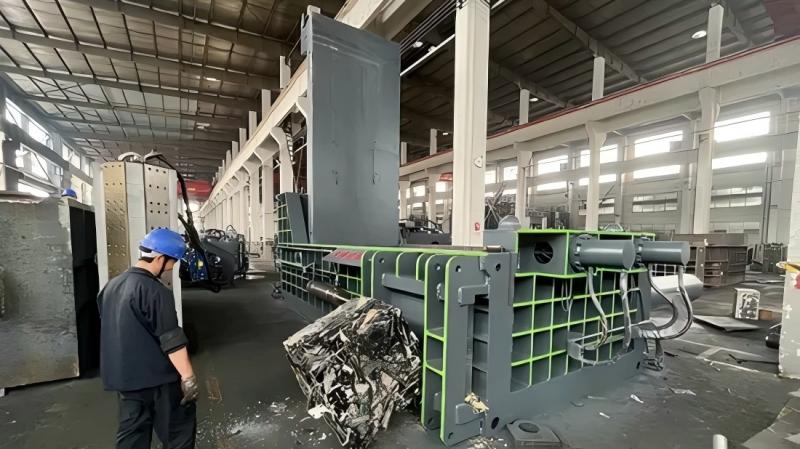
The automotive recycling industry produces large amounts of metal waste, including steel frames, aluminum components, wheels, and engine parts.
Baler machines are widely used in vehicle dismantling and scrap yards to compress automotive scrap before transportation to recycling plants.
Applications include:
- Car body compression
- Engine scrap processing
- Metal component recycling
- Automotive stamping scrap handling
By reducing scrap volume, balers help automotive recyclers maximize storage capacity and improve operational efficiency.
Sheet Metal Manufacturing Waste Recycling
Metal fabrication factories generate a large amount of leftover sheet metal during cutting, punching, bending, and stamping operations. Without proper recycling systems, these metal scraps create cluttered workshops and increase waste handling costs.
Baler machines help manufacturers recycle production waste efficiently by compressing leftover materials into manageable bales.
Industries that commonly use balers include:
- Sheet metal fabrication
- HVAC manufacturing
- Appliance production
- Electrical cabinet manufacturing
- Construction equipment manufacturing
Using a baler machine improves workshop cleanliness and supports lean manufacturing practices.
Industrial Scrap Collection Centers
Industrial recycling centers collect mixed scrap materials from factories, warehouses, construction sites, and manufacturing facilities. These collection centers often handle large quantities of loose metal every day.
Baler machines allow scrap yards to process and organize materials more effectively. Compact bales simplify inventory management and improve overall yard operations.
Major benefits include:
- Faster scrap sorting
- Improved storage efficiency
- Better material classification
- Reduced manual labor
For large recycling facilities, automatic balers can significantly increase daily processing capacity.
Export and International Scrap Trade
Many recycling companies export processed scrap metal to international markets. Loose scrap is difficult and expensive to ship overseas because container space is limited.
Baler machines solve this problem by creating dense and uniform bales that maximize shipping container utilization.
This provides several advantages:
- Lower shipping costs
- Increased export efficiency
- Better cargo stability
- Easier customs inspection
As international metal recycling demand grows, baler machines are becoming increasingly important for global scrap trade operations.
Environmental Benefits in Metal Recycling
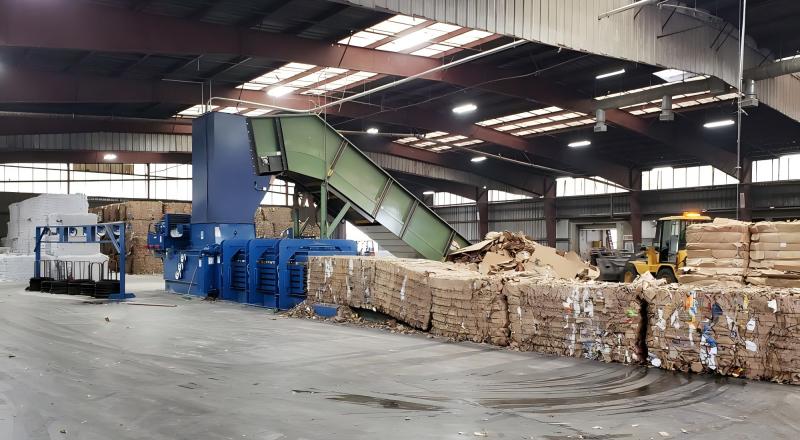
Baler machines also support environmental sustainability by improving recycling efficiency and reducing waste transportation emissions.
Compressed scrap requires fewer transportation trips, which helps lower fuel consumption and carbon emissions. Efficient recycling also reduces the need for raw material mining and conserves natural resources.
Environmental advantages include:
- Reduced landfill waste
- Lower greenhouse gas emissions
- Improved recycling rates
- Better resource conservation
As governments continue to strengthen environmental regulations, efficient metal recycling equipment becomes even more valuable.
Why Modern Recycling Facilities Need Baler Machines
Today’s recycling industry demands higher efficiency, lower operating costs, and improved environmental performance. Manual scrap handling methods can no longer meet the requirements of large-scale recycling operations.
Modern baler machines offer:
- High automation
- Fast processing speed
- Reliable hydraulic systems
- Low labor requirements
- Consistent bale quality
Advanced balers also include intelligent control systems, automatic feeding, and safety protection features that improve operational reliability.
Conclusion
Baler machines have become essential equipment in metal scrap recycling industries worldwide. Their ability to compress loose metal waste into compact and manageable bales helps recycling companies improve storage efficiency, reduce transportation costs, and increase recycling profitability.
From steel and aluminum to copper and automotive scrap, baler machines support a wide range of recycling applications across multiple industries. As global demand for sustainable recycling solutions continues to rise, investing in a high-quality baler machine is a smart choice for modern metal recycling businesses.