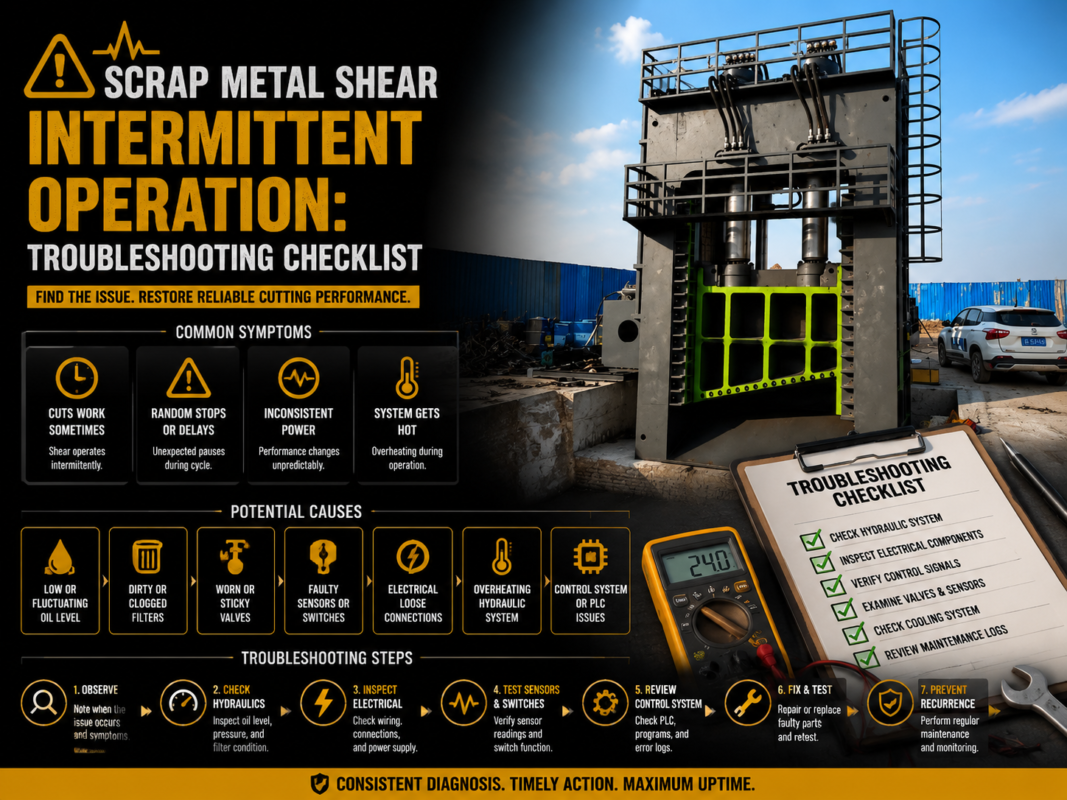
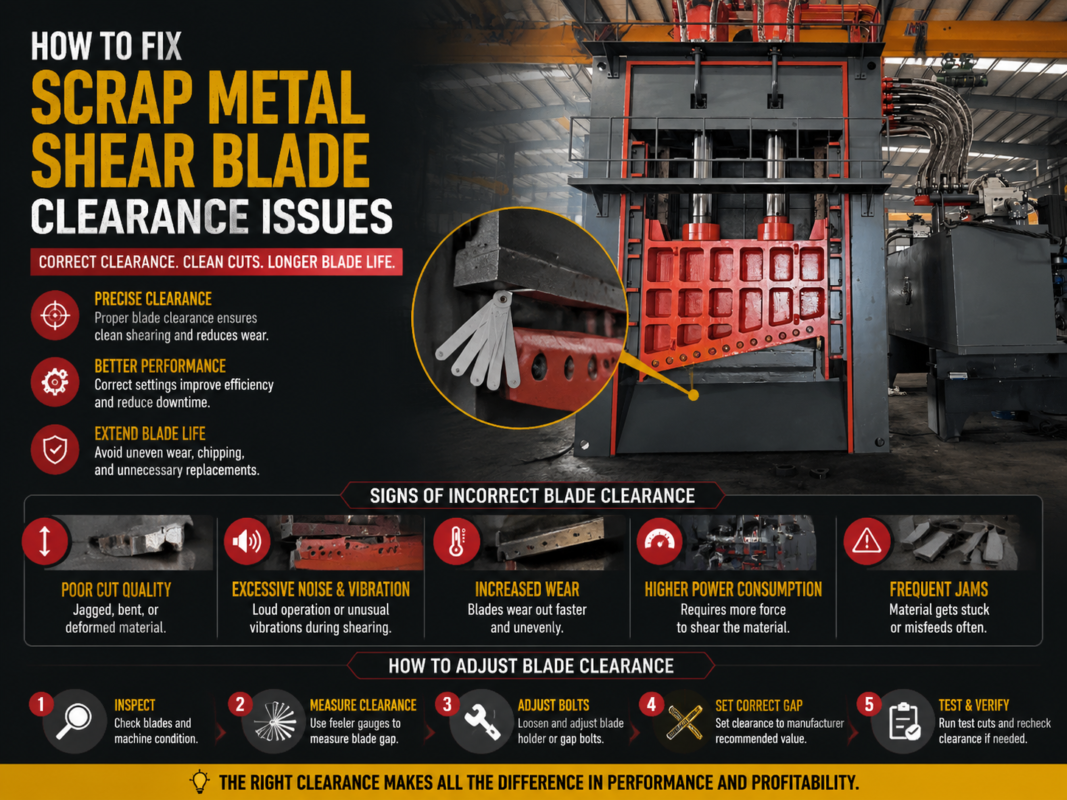
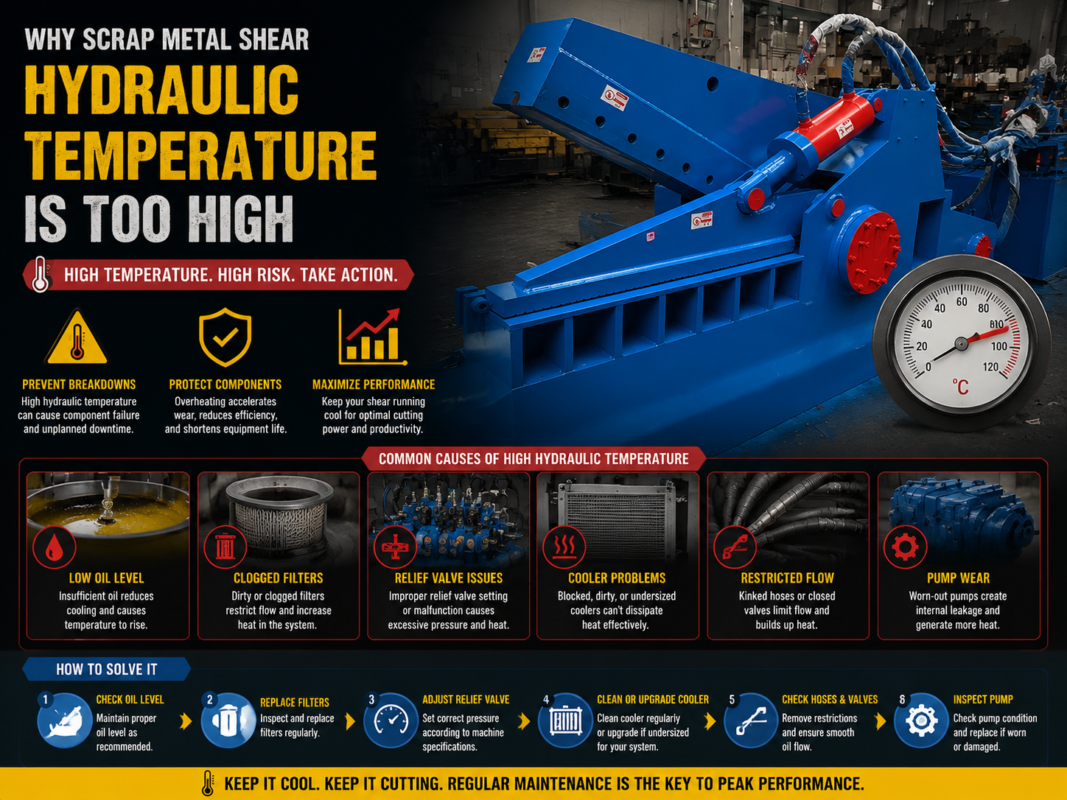
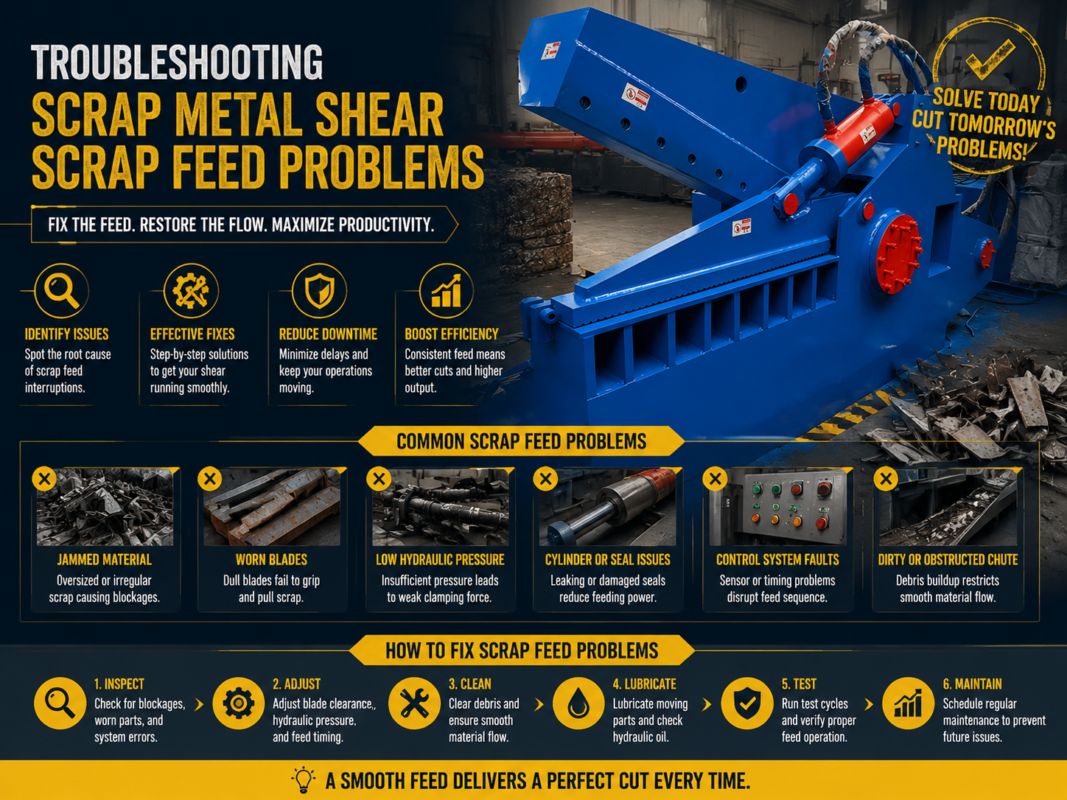
Scrap Metal Shear Safety Guard Faults: Troubleshooting Steps & Maintenance Guide

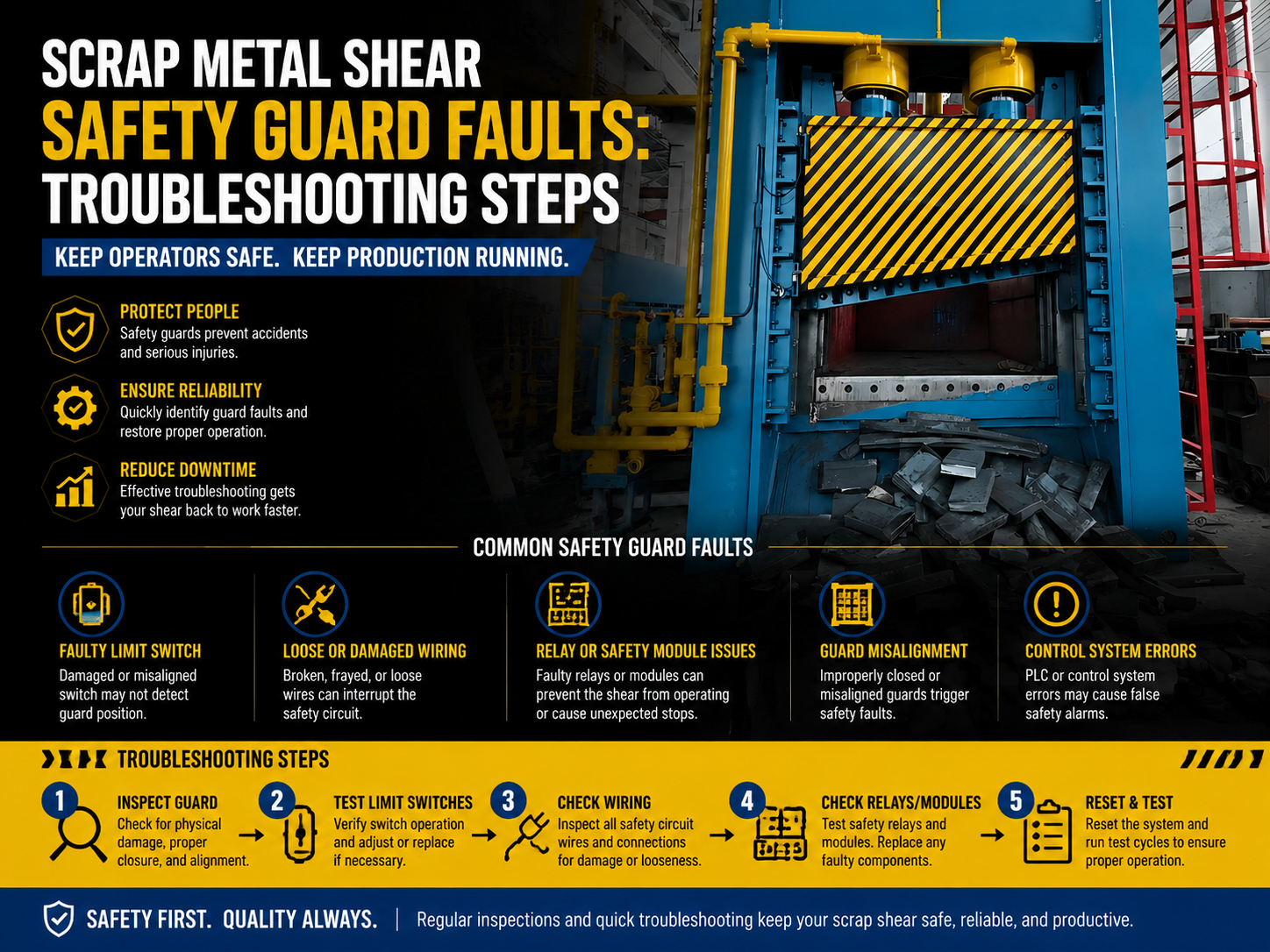
Introduction to Scrap Metal Shear Safety Guard Faults
In the high-intensity environment of a scrap metal recycling facility, the scrap metal shear stands as a cornerstone of productivity. These massive machines exert thousands of tons of pressure to slice through structural steel, automotive frames, and industrial waste. However, the sheer power of these machines necessitates rigorous safety protocols. The safety guard system is the primary line of defense protecting operators from flying debris, mechanical entrapment, and catastrophic injury. When a fault occurs in these systems, the machine typically enters a lockout state, halting production and impacting the bottom line.
Understanding Scrap Metal Shear Safety Guard Faults: Troubleshooting Steps is essential for maintenance teams and facility managers. A fault isn’t just a nuisance; it is a signal that the integrity of the safety perimeter has been compromised. Whether it is a misaligned light curtain, a damaged physical barrier, or a malfunctioning interlock switch, identifying the root cause quickly is vital for maintaining both safety and operational efficiency. HARSLE, a leader in metal fabrication machinery, emphasizes that a well-maintained safety system is just as important as the hydraulic pump or the cutting blades themselves.
This comprehensive guide will delve into the technical nuances of safety guard systems used in modern scrap shears. We will explore the common reasons why these systems fail, how to systematically diagnose issues, and the best practices for ensuring long-term reliability. By following these troubleshooting steps, you can minimize downtime while ensuring your facility remains compliant with international safety standards like OSHA and CE.
Key Considerations for Safety Guard Integrity
Before diving into the technical troubleshooting, it is important to understand the factors that influence safety guard performance. The environment of a scrap yard is inherently hostile to sensitive electronics and precision mechanical components. Dust, extreme temperature fluctuations, heavy vibrations, and the constant impact of metal fragments create a challenging landscape for safety hardware. Therefore, the first consideration is the durability of the components chosen for the shear.
Regulatory compliance is another critical factor. Safety guards are not merely optional accessories; they are legally mandated components. In many jurisdictions, operating a scrap metal shear with a bypassed or faulty safety guard can lead to massive fines and legal liability. Troubleshooting these faults must be done with the goal of restoring the system to its original, certified state, rather than finding a temporary “workaround” that compromises operator safety.
Furthermore, the integration between the safety system and the machine’s PLC (Programmable Logic Controller) is a complex relationship. A fault in the safety guard often triggers a “Category 0” or “Category 1” stop, which cuts power to the hydraulic actuators. Understanding how your specific HARSLE machine handles these signals is key to effective troubleshooting. You must consider the entire circuit, from the physical sensor to the relay in the control cabinet.
Finally, consider the human element. Many safety guard faults are actually caused by improper operator interaction or lack of routine cleaning. A buildup of grease on a light curtain lens or a bent gate hinge from a forklift collision are common scenarios. Training operators to recognize the early signs of wear in the safety system can prevent a full system shutdown later on.
Technical Details of Safety Guard Systems
Modern scrap metal shears utilize a multi-layered approach to safety. The most common components include physical barriers, electromechanical interlocks, and optoelectronic devices like light curtains. Each of these components has specific failure modes that require different troubleshooting approaches. For instance, physical barriers are robust but prone to mechanical deformation, while light curtains are precise but sensitive to environmental interference.
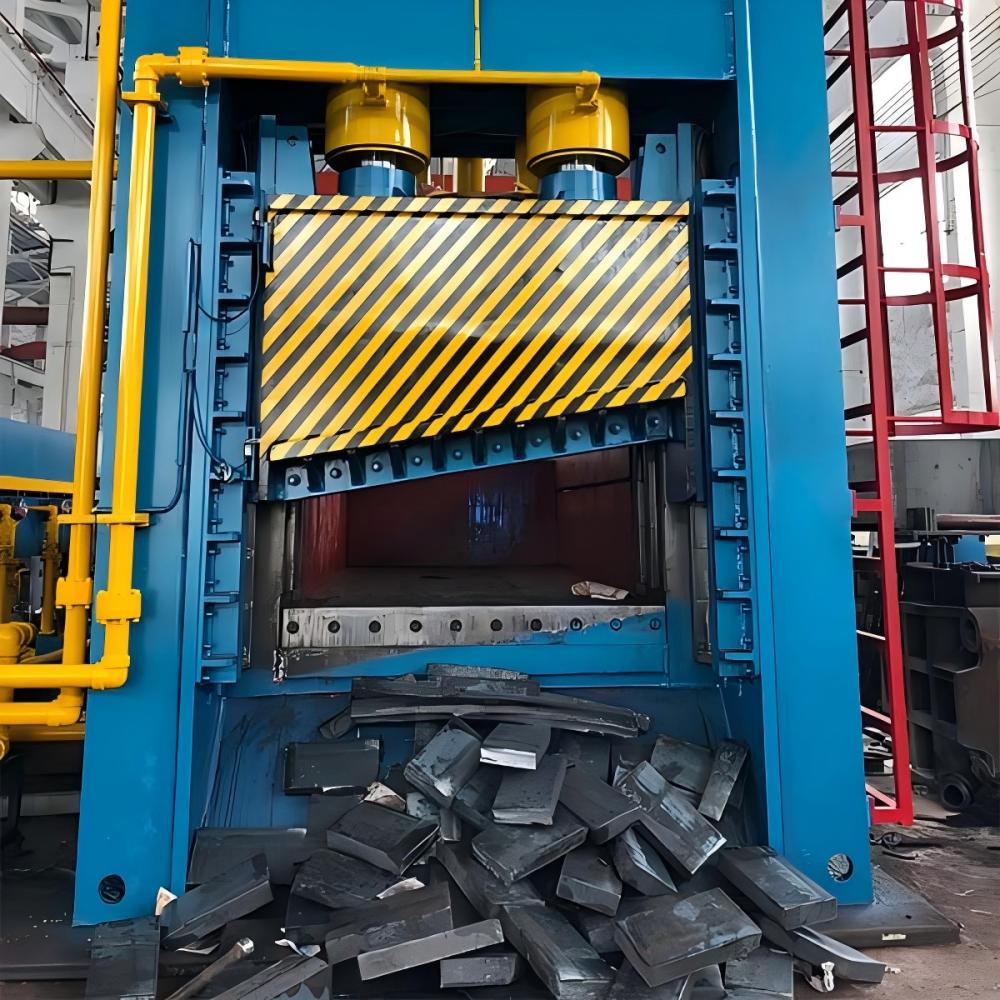
Electromechanical interlocks are often found on access doors to the hydraulic power unit or the blade chamber. These switches ensure that the machine cannot run if a door is open. Technically, these are “dual-channel” systems, meaning there are two separate circuits that must both agree the door is closed. If one channel fails due to a broken wire or internal contact wear, the safety relay will detect a discrepancy and trigger a fault. This redundancy is a core feature of industrial safety design.
Light curtains work by emitting a grid of infrared beams. If any beam is broken, the machine stops. In the context of Scrap Metal Shear Safety Guard Faults: Troubleshooting Steps, light curtains are frequently the source of intermittent faults. These can be caused by “optical short circuits” where highly reflective scrap metal bounces the infrared light back to the receiver, or by simple misalignment caused by the intense vibration of the shearing process. Understanding the resolution and the protective field of these sensors is vital for technical staff.
The hydraulic integration is the final technical layer. When a safety fault is triggered, a safety-rated solenoid valve typically dumps the hydraulic pressure to the tank or blocks the flow to the cylinders. If the electrical side of the safety guard is functioning but the machine fails to stop (or fails to restart), the issue may lie within these specialized hydraulic valves. Testing these requires a combination of electrical multimeters and hydraulic pressure gauges.
Step-by-Step Troubleshooting for Safety Guard Faults
Step 1: Initial Diagnostic and Error Code Verification
The first step in any troubleshooting process is to consult the HARSLE HMI (Human Machine Interface). Modern shears will provide a specific error code related to the safety circuit. Common codes might indicate an “E-Stop String Open,” “Light Curtain Muting Error,” or “Gate Interlock Discrepancy.” Documenting these codes before resetting the system is crucial for identifying recurring patterns. If the HMI indicates a general safety fault, you will need to proceed with a manual inspection of all components in the safety loop.
Step 2: Visual Inspection of Physical Barriers and Sensors
Walk around the machine and inspect all physical guards. Look for signs of impact damage or loose mounting brackets. For interlock switches, ensure that the actuator key is properly aligned with the switch body. Even a few millimeters of misalignment due to a sagging hinge can prevent the switch from engaging correctly. Clean the lenses of all light curtains and laser scanners using a soft, lint-free cloth and an approved cleaning solution. Dust and oil film are the leading causes of “phantom” beam breaks.
Step 3: Testing the Continuity of the Safety String
Using a calibrated multimeter, check the continuity of the safety circuit. Since most industrial safety systems are “normally closed” (NC), a fault is usually caused by an open circuit. Start at the control cabinet and work your way out to the individual devices. Check for loose terminals, which are common in high-vibration environments like scrap yards. Pay close attention to junction boxes where multiple sensor cables meet; these are frequent points of moisture ingress and corrosion.
Step 4: Analyzing Light Curtain Alignment and Synchronization
If the fault is localized to a light curtain, check the status LEDs on the transmitter and receiver units. Most units have a series of lights that indicate signal strength and alignment. If the “Alignment” LED is red or flashing, adjust the mounting brackets until the signal is maximized. In some cases, the vibration of the shear may have loosened the mounting bolts. Ensure that the “Muting” sensors (if equipped) are also functioning correctly, as these allow material to pass through the guard without triggering a stop.
Step 5: Evaluating the Safety Relay and PLC Logic
If all field devices appear functional, the fault may lie within the safety relay or the PLC safety module. Check the status lights on the relay inside the electrical cabinet. If the relay shows a “Feedback Fault,” it means the relay is detecting that a downstream contactor or valve has failed to move to its safe state. This indicates a mechanical failure in a power component rather than a sensor issue. Replacing a faulty safety relay should only be done with an identical, certified part.
Selection Advice: Choosing and Upgrading Safety Systems
When purchasing a new scrap metal shear or retrofitting an older model, the choice of safety guard system is paramount. You should look for systems that offer a high “Performance Level” (PL), typically PLd or PLe, according to ISO 13849-1. These ratings ensure that the system has the necessary redundancy and diagnostic coverage to handle the high-risk nature of metal shearing. HARSLE machines are designed with these standards in mind, integrating top-tier components from brands like Sick, Omron, or Schneider Electric.
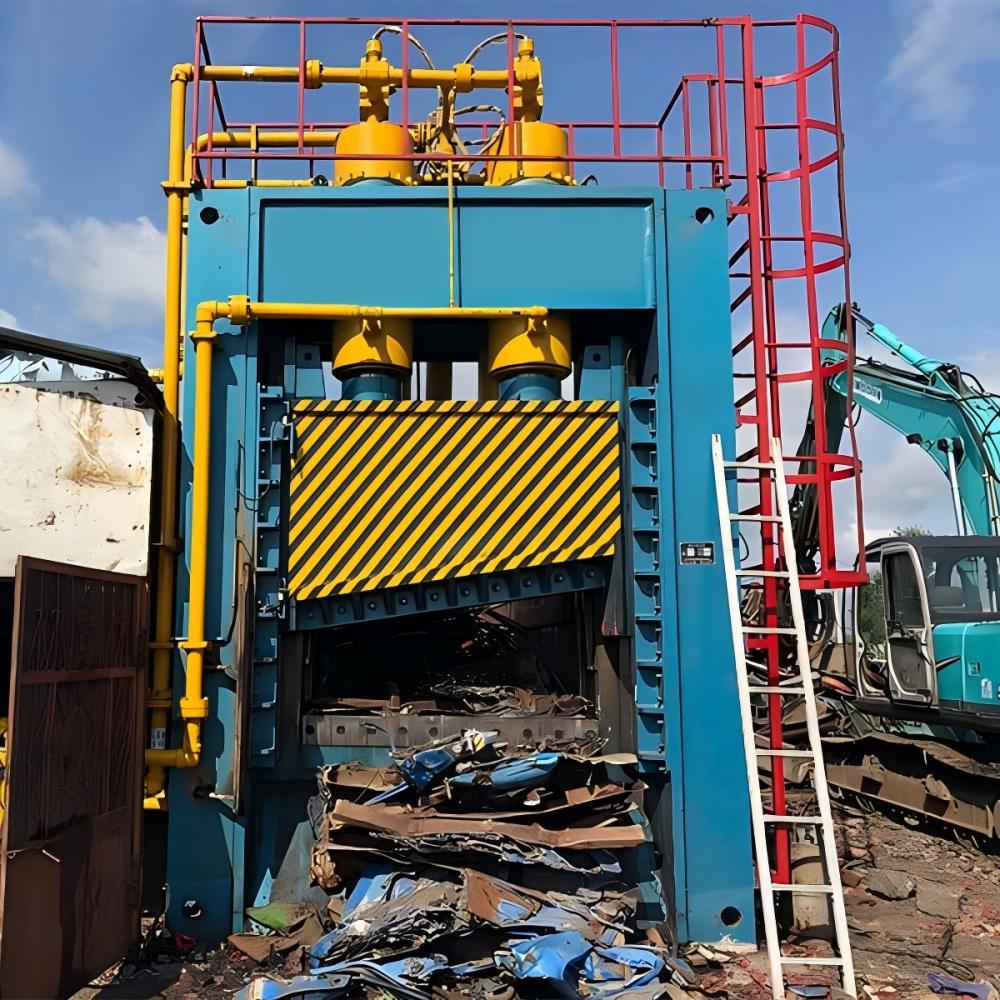
Consider the environment when selecting sensors. For scrap yards, “Heavy Duty” or “IP67/IP69K” rated sensors are a must. These are sealed against water and dust and are built to withstand physical shocks. Furthermore, look for systems that offer detailed diagnostics. A safety system that can tell you exactly which door is open or which beam is blocked saves hours of troubleshooting time compared to a simple “Safety Fault” light.
Retrofitting is also a viable option for older machinery. Adding modern light curtains and programmable safety controllers to a 20-year-old shear can significantly improve its safety profile and bring it up to modern regulatory standards. However, this should always be done in consultation with the original manufacturer or a certified safety engineer to ensure that the new components integrate correctly with the existing hydraulic and electrical systems.
FAQ: Common Questions About Scrap Metal Shear Safety
| Question | Answer |
|---|---|
| Why does my shear stop randomly even when no one is near it? | This is often caused by vibration-induced misalignment of light curtains or loose wiring in the safety circuit. Environmental factors like heavy rain or steam can also trigger optical sensors. |
| Can I bypass a safety guard to finish a production run? | Absolutely not. Bypassing safety systems is a major violation of safety regulations and puts lives at risk. It can also lead to severe damage to the machine if a mechanical fault occurs. |
| How often should safety guards be tested? | Safety systems should be functionally tested at the start of every shift. This includes checking E-stops, opening gates to ensure the machine stops, and verifying light curtain operation. |
| What is the difference between a Category 0 and Category 1 stop? | Category 0 is an immediate removal of power (uncontrolled stop). Category 1 is a controlled stop where power is maintained to bring the machine to a halt before cutting power. |
| Does HARSLE provide replacement safety components? | Yes, HARSLE provides a full range of OEM replacement parts, including safety relays, sensors, and interlock switches specifically calibrated for their machinery. |
Conclusion: Prioritizing Safety for Long-Term Success
Mastering Scrap Metal Shear Safety Guard Faults: Troubleshooting Steps is not just about keeping the machine running; it is about fostering a culture of safety and precision. The complex interplay between mechanical barriers, electronic sensors, and hydraulic controls requires a systematic approach to maintenance. By understanding the common failure points—such as sensor misalignment, wiring degradation, and environmental interference—maintenance teams can transition from reactive repairs to proactive prevention.
HARSLE remains committed to providing the scrap recycling industry with machinery that is both powerful and safe. However, the longevity of these safety systems depends on the end-user’s commitment to regular inspections and proper troubleshooting techniques. Remember that a safety fault is a protective measure, not a hindrance. Treating it with the technical respect it deserves ensures that your operators go home safe every day and your equipment remains a productive asset for years to come. Whether you are dealing with a minor sensor glitch or a major system overhaul, always prioritize the integrity of the safety circuit above all else.