Why Scrap Metal Balers Are Essential for High-Volume Metal Recycling Facilities

Introduction to High-Volume Metal Recycling
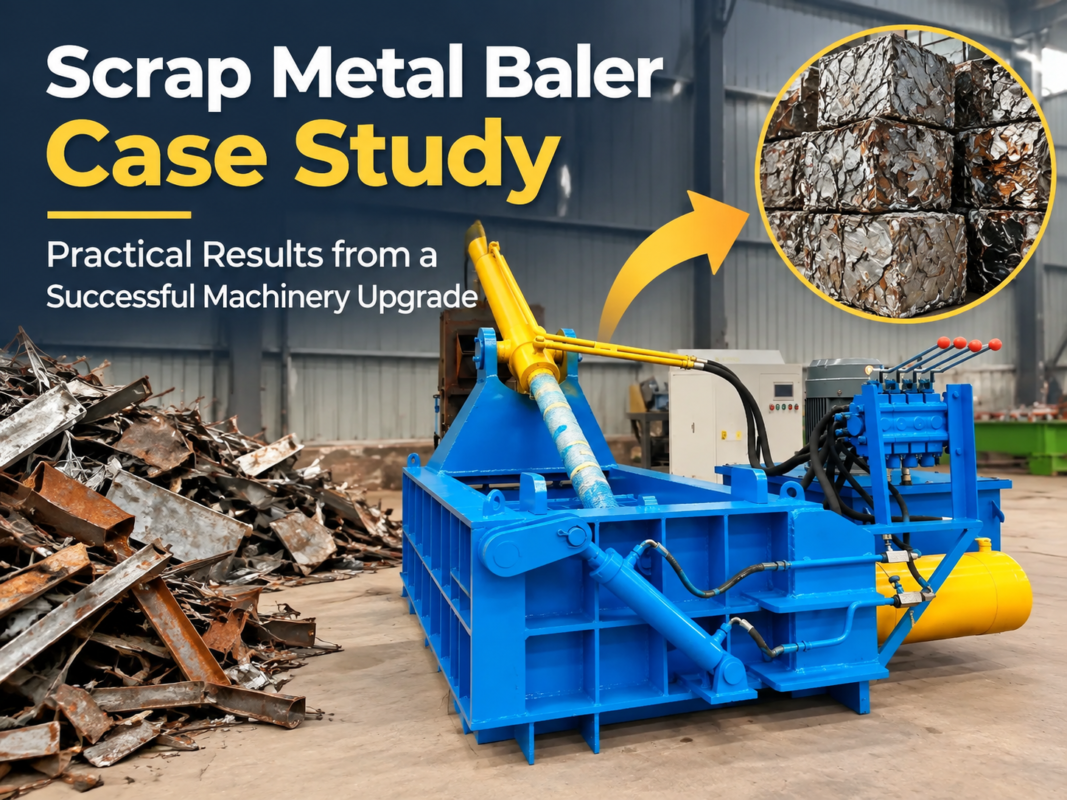
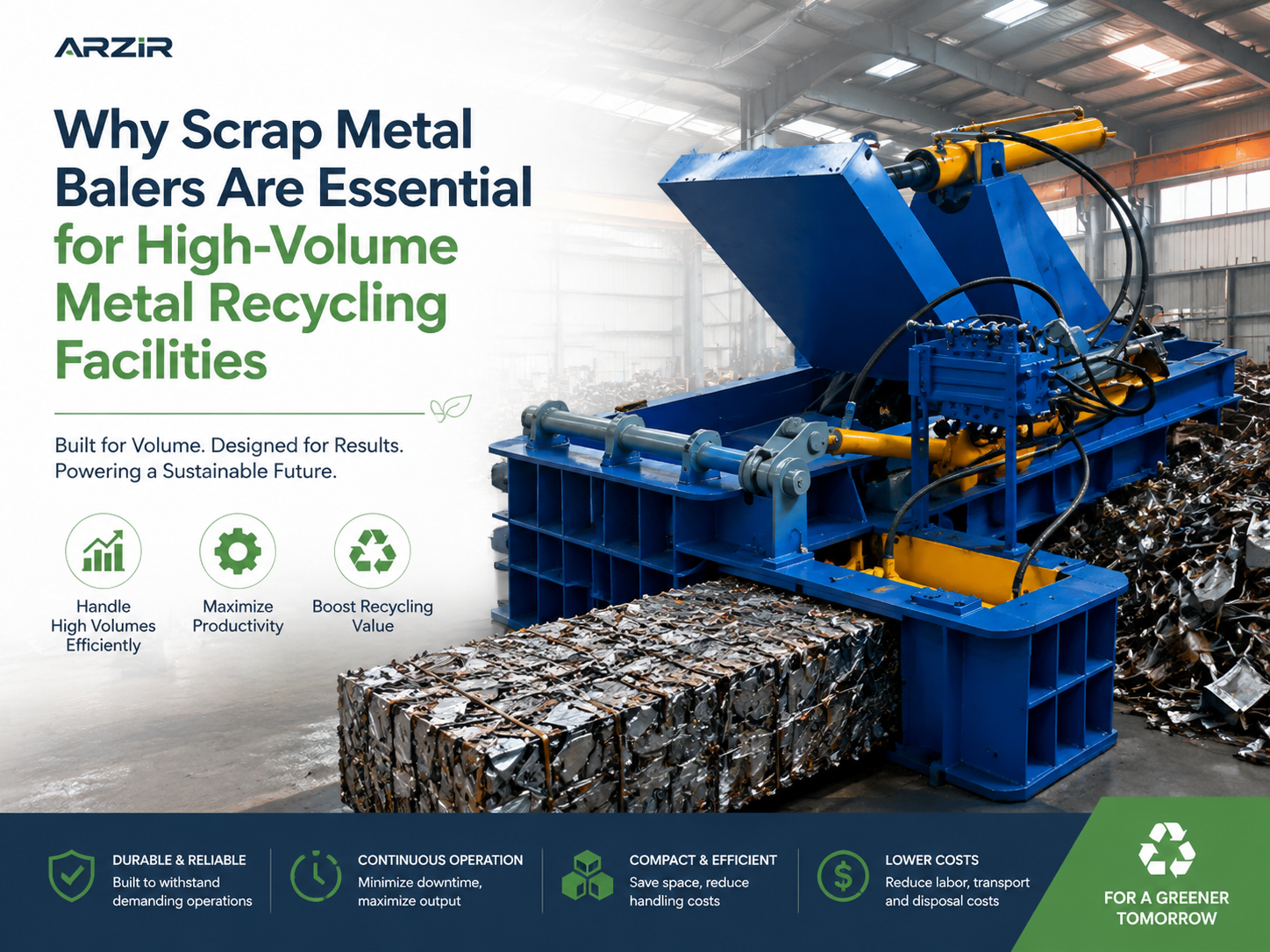
In the modern industrial landscape, the management of waste materials has transitioned from a logistical burden to a significant profit center. For high-volume metal recycling facilities, the ability to process thousands of tons of scrap efficiently is the difference between a thriving enterprise and a struggling operation. This is where the scrap metal baler becomes the heartbeat of the facility. Understanding why scrap metal balers are essential high-volume metal recycling facilities requires a deep dive into the mechanics of logistics, material density, and market demand.
HARSLE, a leader in metal fabrication machinery, recognizes that high-capacity facilities face unique challenges. These include the rapid accumulation of bulky, irregular scrap, the rising costs of transportation, and the stringent quality requirements of smelting plants. A high-performance scrap metal baler addresses these issues by transforming loose, chaotic metal waste into dense, stackable, and highly marketable bales. This article explores the technical and economic reasons why these machines are indispensable for large-scale recycling operations.
Application Scenarios for Scrap Metal Balers
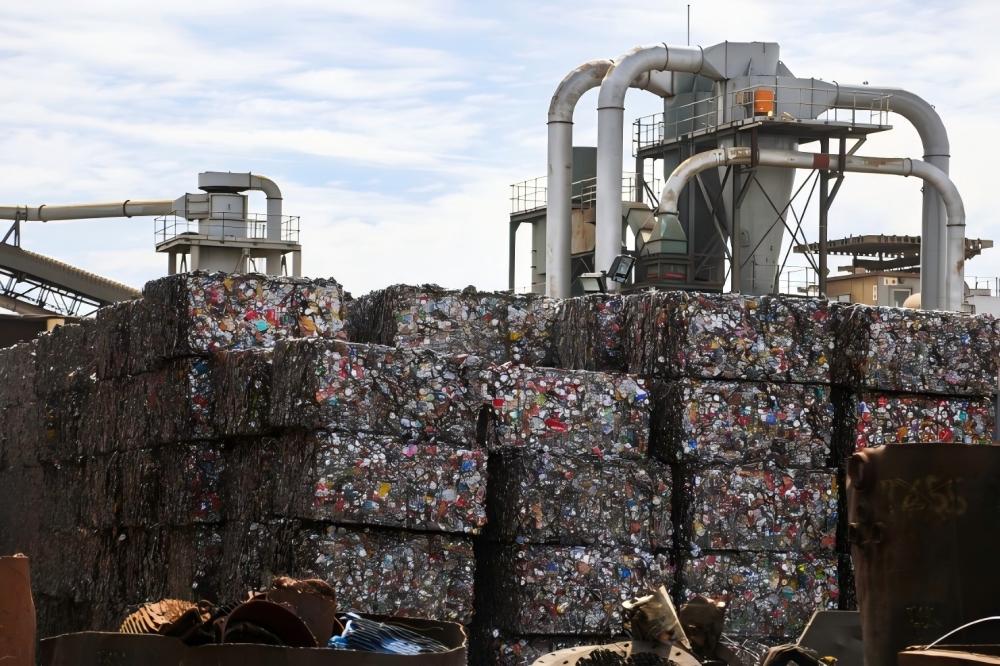
High-volume metal recycling facilities are not monolithic; they serve various sectors, each with specific demands. One of the primary application scenarios is the Automotive Dismantling Industry. When vehicles reach the end of their life cycle, they are stripped of fluids and engines, leaving behind a bulky steel shell. Without a baler, these shells occupy massive amounts of real estate. A scrap metal baler compresses these frames into compact blocks, allowing a single trailer to carry dozens of cars instead of just a few.
Another critical scenario is Industrial Manufacturing Waste Management. Large-scale stamping plants, CNC machining centers, and construction equipment manufacturers generate tons of offcuts, turnings, and skeletons daily. In these environments, scrap metal balers are essential high-volume metal recycling facilities because they allow for the immediate processing of waste at the source or at a centralized collection point, preventing the facility from being overrun by sharp, hazardous metal debris.
Furthermore, Municipal and Commercial Scrap Yards deal with a diverse stream of materials, from old appliances (white goods) to structural steel from demolition sites. The versatility of a heavy-duty hydraulic baler allows these facilities to switch between different material types, ensuring that regardless of the incoming scrap stream, the output remains consistent and ready for the furnace. In these scenarios, the baler acts as the primary tool for volume reduction, which is the cornerstone of profitable recycling.
Material and Process Requirements
To understand why scrap metal balers are essential high-volume metal recycling facilities, one must look at the materials being processed. High-volume facilities typically handle a mix of ferrous and non-ferrous metals. Ferrous metals, such as carbon steel and iron, require immense hydraulic force to overcome their structural integrity. Non-ferrous metals like aluminum, copper, and brass are softer but often come in high volumes and require high-density baling to prevent oxidation and loss during the melting process.
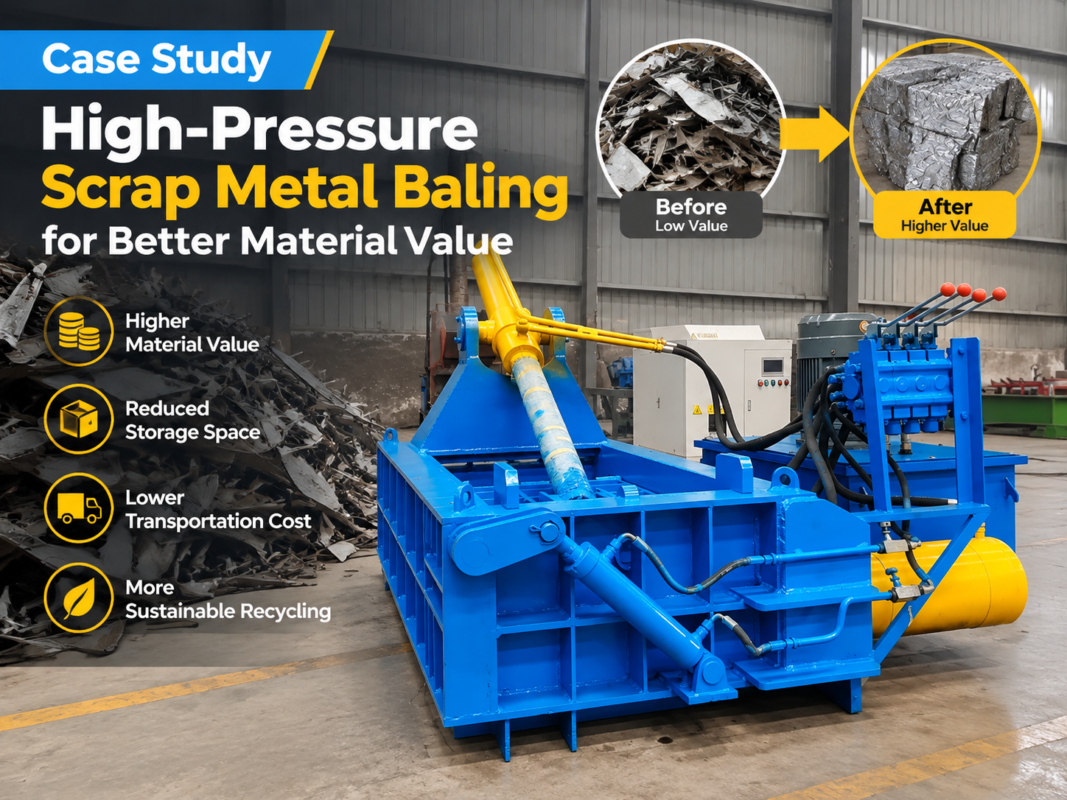
The process requirements for high-volume operations are centered around Density and Uniformity. Smelters and foundries provide better pricing for scrap that meets specific density targets. Dense bales melt more efficiently, reducing energy consumption and “burn loss” (where small pieces of metal vaporize before melting). Therefore, a baler must be capable of exerting hundreds of tons of pressure to ensure the bale is structurally sound and meets the buyer’s specifications.
Additionally, Contamination Management is a vital part of the process. High-volume balers often include features that allow for the drainage of residual fluids or the separation of smaller debris during the compression cycle. The machine must be robust enough to handle “dirty” scrap—metal that may still have attachments or coatings—without sustaining damage to the hydraulic cylinders or the compression chamber liners.
Recommended Machine Configuration for High-Volume Facilities
When selecting a scrap metal baler for a high-volume facility, the configuration must prioritize durability, speed, and automation. HARSLE recommends several key features that make these machines suitable for 24/7 operations:
- Triple Compression Logic: High-volume balers often use a three-way compression system. The first ram pushes from the side, the second from the top (the lid), and the third (the main ram) finishes the bale. This ensures maximum density from all angles.
- Hardox Wear Liners: The internal chamber of the baler is subjected to extreme abrasion. Using replaceable Hardox or similar high-strength steel liners extends the life of the machine and maintains the integrity of the compression chamber.
- Advanced Hydraulic Systems: For high-volume work, the hydraulic system must include high-flow pumps and large-diameter cylinders. Variable displacement pumps are preferred as they adjust power output based on the resistance of the metal, saving energy during the initial stages of the cycle.
- PLC and Automation: Modern facilities cannot rely on manual lever operation. A PLC (Programmable Logic Controller) with a touch-screen interface allows operators to select pre-set programs for different materials (e.g., “Aluminum Cans” vs. “Steel Plate”), ensuring optimal cycle times.
- Integrated Cooling Systems: Continuous operation generates significant heat in the hydraulic oil. An integrated air or water cooling system is essential to prevent seal failure and maintain consistent pressure throughout the shift.
The Workflow of a High-Volume Baling Operation
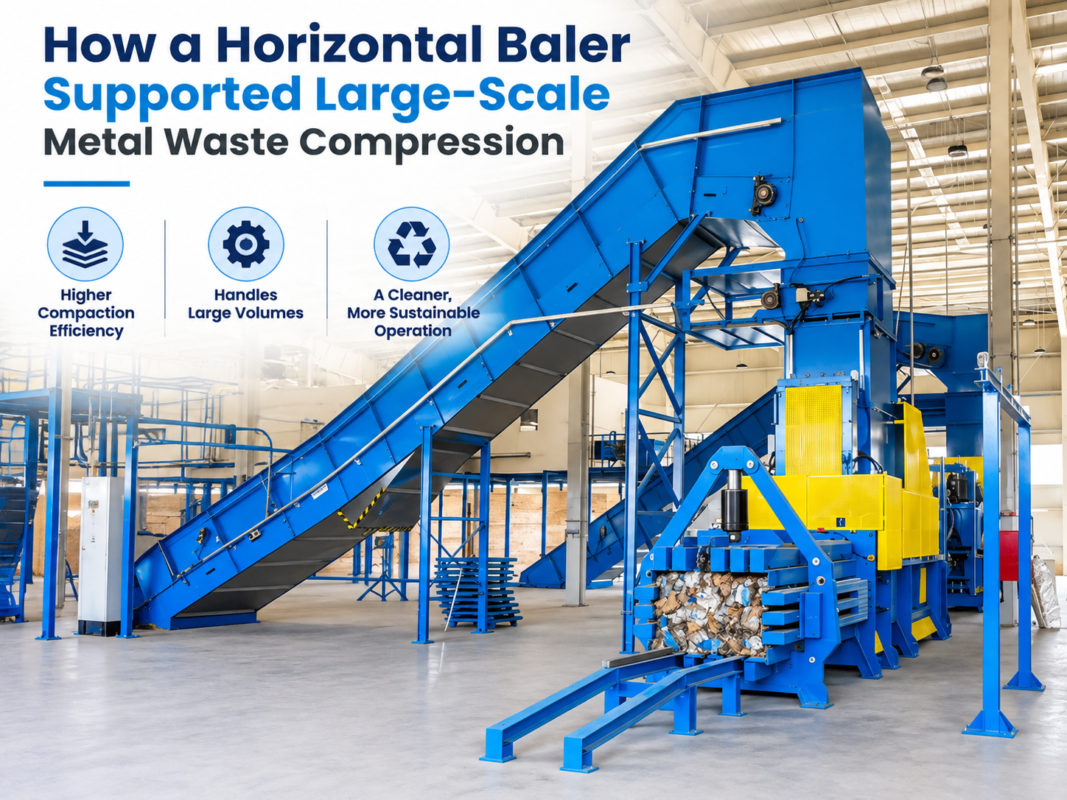
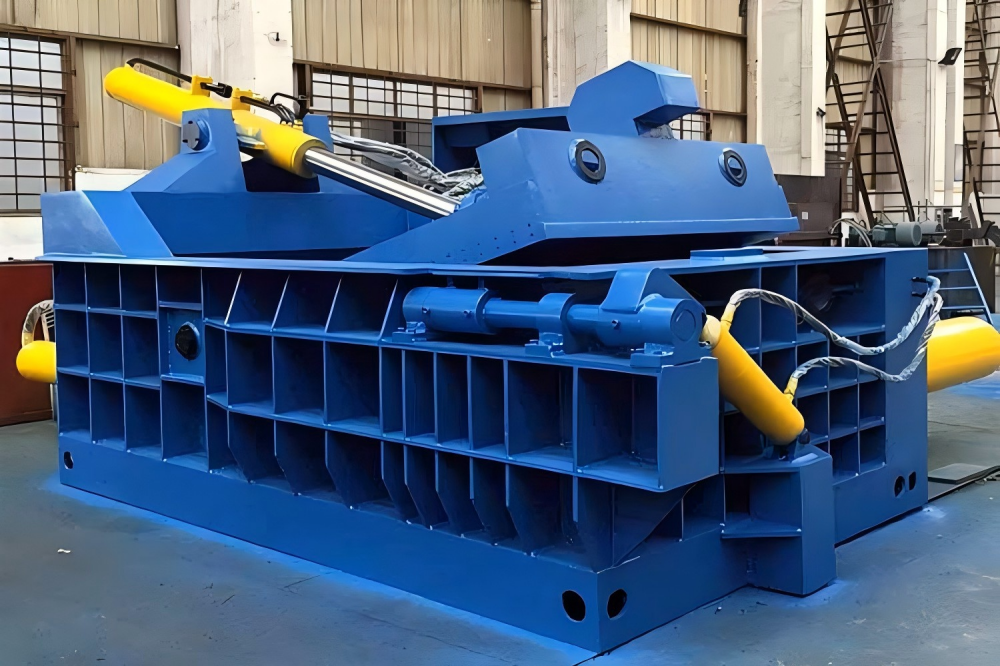
The efficiency of a recycling facility is determined by its workflow. A typical high-volume workflow involving a scrap metal baler follows a structured sequence designed to minimize downtime. It begins with Material Sorting and Preparation. Large cranes or forklifts equipped with magnets or grapples feed the scrap into a pre-load hopper. This hopper acts as a buffer, ensuring the baler always has material ready for the next cycle.
Once the material enters the Compression Chamber, the automated cycle begins. The heavy-duty lid closes, shearing off any overhanging metal—a process made possible by integrated shear blades on the lid and chamber edges. The hydraulic rams then engage in sequence. In a high-volume setting, the cycle time (from loading to ejection) is critical; top-tier machines can complete a full bale in under 90 to 120 seconds.
The final stage is Bale Ejection and Transport. Depending on the machine design, the bale is either pushed out the side (side-push) or tipped out (turn-out). In high-volume facilities, these bales are often moved immediately by conveyor or forklift to a weighing station and then directly onto a shipping container or railcar. This seamless flow from loose scrap to loaded product is why scrap metal balers are essential high-volume metal recycling facilities.
Productivity and Economic Benefits
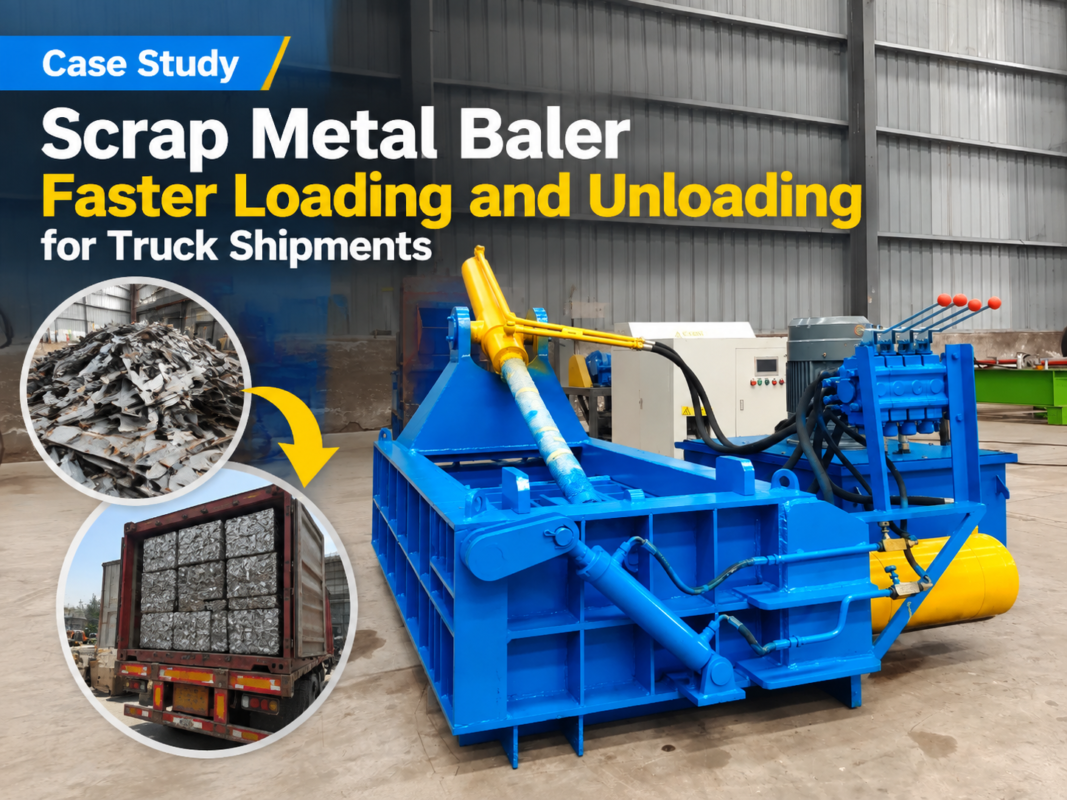
The primary reason why scrap metal balers are essential high-volume metal recycling facilities is the massive boost in Logistical Efficiency. Loose scrap is incredibly inefficient to transport. A truck filled with loose aluminum siding might only weigh 5 tons, despite the trailer being full. The same truck loaded with compressed bales can reach its maximum weight capacity of 20-25 tons. This 400-500% increase in transport efficiency directly translates to lower fuel costs, fewer drivers, and a smaller carbon footprint.
Beyond logistics, there is the Market Value Premium. Scrap dealers and mills pay a premium for baled material because it is easier for them to handle and charge into their furnaces. By investing in a high-quality baler, a facility can move up the value chain, selling directly to end-users rather than middleman processors. This increase in price per ton often pays for the machine’s capital expenditure within the first 12 to 18 months of operation.
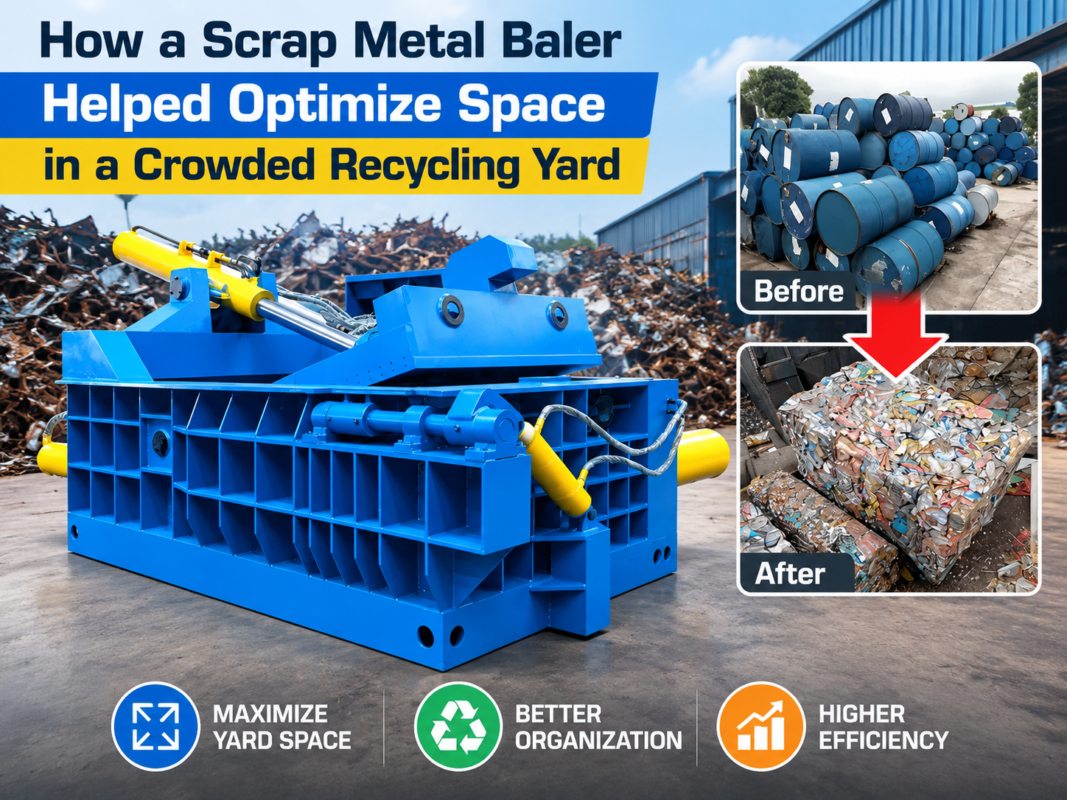
Furthermore, Space Optimization is a critical benefit. In urban or high-rent industrial zones, every square foot of yard space is valuable. Baling allows a facility to store five to ten times more material in the same footprint. This increased storage capacity enables the facility to “play the market”—holding onto material when prices are low and selling in bulk when prices peak, without running out of operational space.
Case Example: Transforming a Regional Scrap Yard
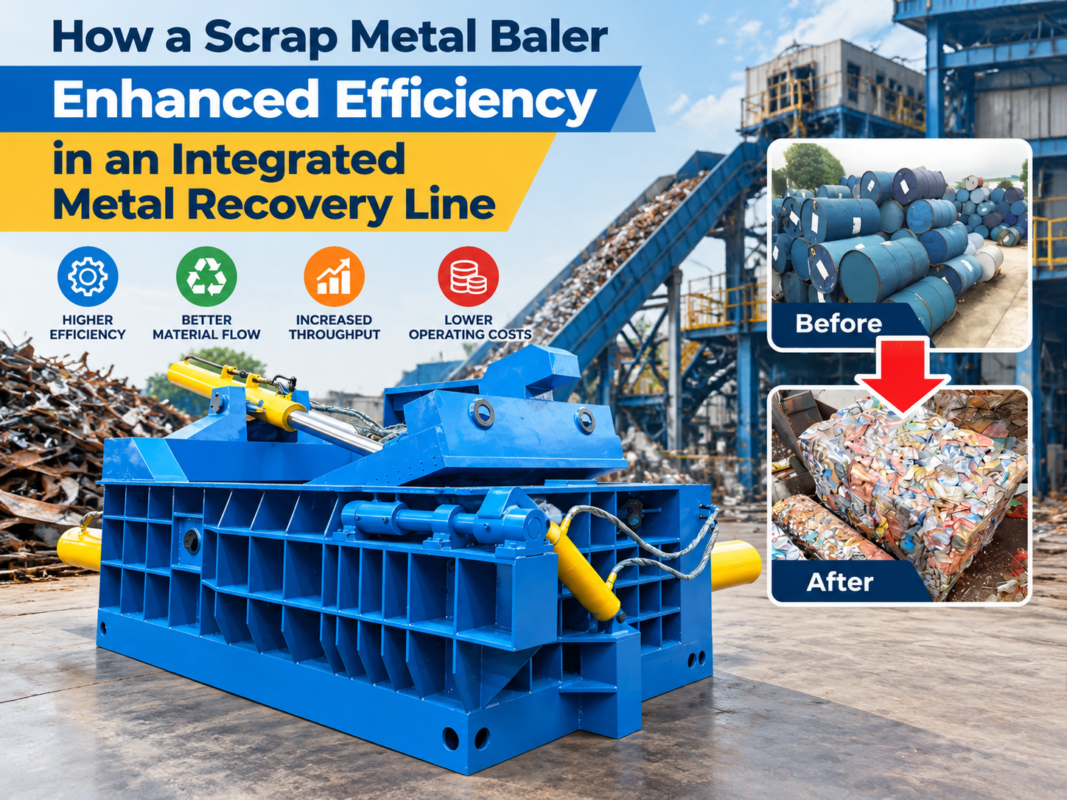
Consider a regional scrap yard in the Midwest that was processing approximately 800 tons of mixed metal scrap per month. Before installing a HARSLE high-volume hydraulic baler, the facility relied on manual sorting and small, portable units. Their transport costs were astronomical, and they were frequently forced to stop accepting new scrap because the yard was physically full of loose debris.
After integrating a heavy-duty triple-compression baler with an automated feed conveyor, the facility’s throughput increased to 1,500 tons per month. The labor required for processing dropped by 40% as the machine’s PLC handled the compression cycles. Most importantly, their shipping costs per ton dropped by 65% because they could now maximize the weight of every outgoing trailer. This case illustrates why scrap metal balers are essential high-volume metal recycling facilities; they don’t just process metal—they transform the entire business model from a labor-intensive yard to a high-efficiency industrial processor.
Frequently Asked Questions (FAQ)
1. What is the average lifespan of a high-volume scrap metal baler?
With proper maintenance, a high-quality industrial baler from HARSLE can last 15 to 20 years. Key factors in longevity include regular hydraulic oil changes, timely replacement of wear liners, and ensuring the machine is not consistently overloaded beyond its rated capacity.
2. Can one baler handle both aluminum and steel?
Yes, most modern scrap metal balers are versatile. However, for high-volume facilities, it is important to clean the chamber between different material runs to prevent cross-contamination, which can lower the resale value of the bales. PLC systems often have different pressure settings for different metals.
3. How do I determine the right size baler for my facility?
Selection should be based on your daily tonnage and the largest size of scrap you typically receive. If you process bulky items like car bodies, you need a large chamber and high shearing force. If you process factory offcuts, a smaller, faster cycle-time machine might be more efficient.
4. What are the maintenance requirements for the hydraulic system?
The hydraulic system is the heart of the baler. Maintenance involves monitoring oil temperature, checking for leaks in hoses and seals, and replacing filters. In high-volume settings, an oil cooling system is mandatory to maintain viscosity and protect the pumps.
5. Is automation necessary for scrap baling?
While manual machines exist, they are not recommended for high-volume facilities. Automation ensures consistency in bale density and cycle times, reduces the risk of operator error, and allows the operator to focus on loading and yard safety rather than toggling valves.
Conclusion: Investing in the Future of Recycling
In conclusion, the question of why scrap metal balers are essential high-volume metal recycling facilities is answered by the sheer necessity of efficiency in a competitive global market. These machines provide the density required for economical shipping, the uniformity required by smelters, and the volume reduction required for yard management. For any facility looking to scale its operations and maximize its ROI, a robust scrap metal baler is not just an option—it is a fundamental requirement.
HARSLE continues to innovate in the field of metal fabrication and recycling machinery, providing the tools that allow businesses to turn waste into wealth. By choosing the right machine configuration and maintaining a disciplined workflow, high-volume recycling facilities can ensure long-term profitability and environmental sustainability.
Ready to upgrade your facility’s processing power? Contact HARSLE today to discuss our range of high-performance scrap metal balers and find the perfect fit for your high-volume recycling needs.