Comprehensive Guide: What Products Can Be Made with an Aluminium Extrusion Press?

Introduction to Aluminium Extrusion Versatility
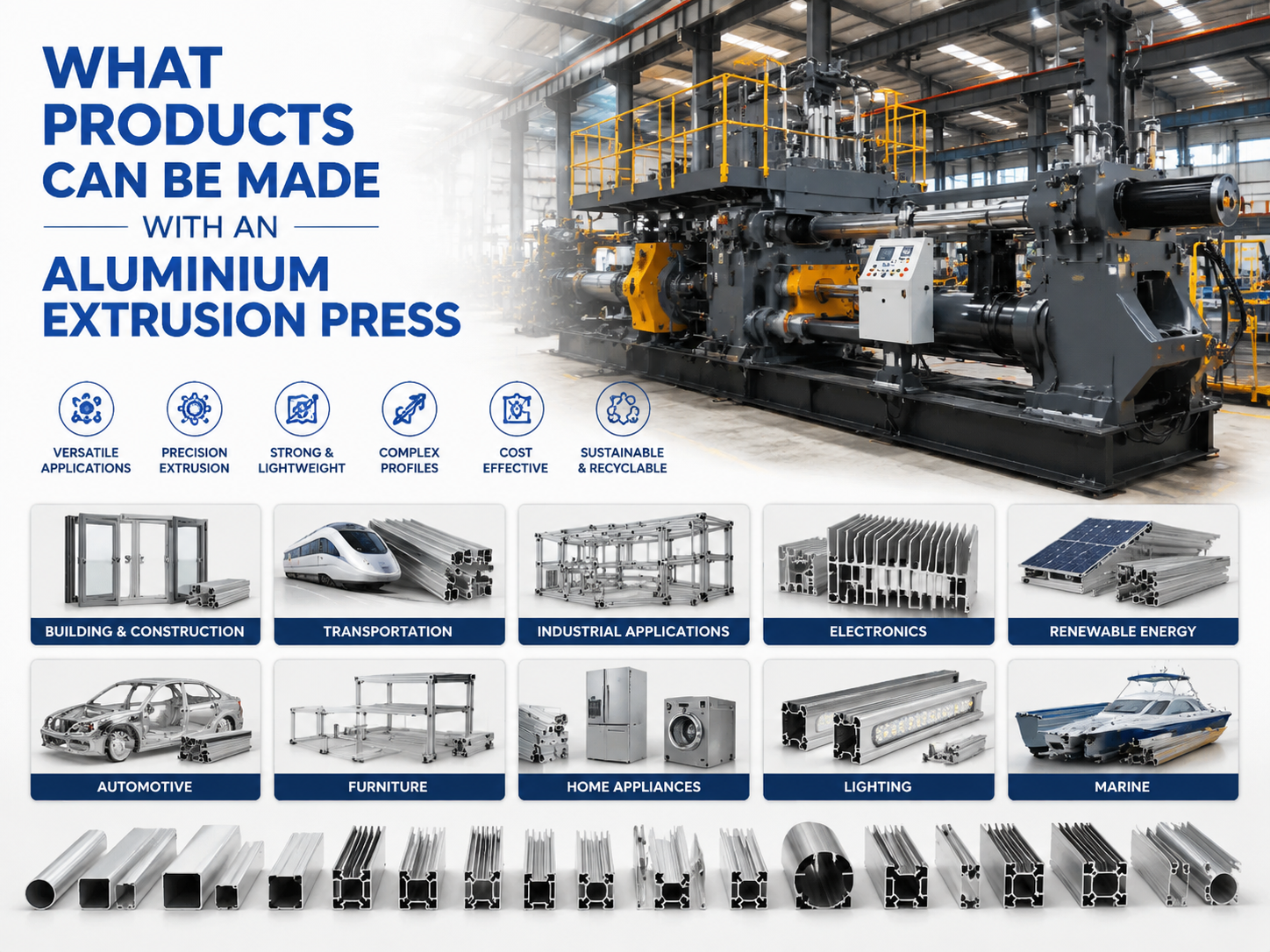
The aluminium extrusion press is a cornerstone of modern manufacturing, transforming raw aluminium billets into complex, high-strength profiles used in nearly every sector of the global economy. When asking what products can be made an aluminium extrusion press, the answer spans from the microscopic components in your smartphone to the structural skeletons of high-speed trains. The process involves forcing heated aluminium through a precision-engineered die, resulting in a continuous length of material with a consistent cross-section. This capability allows for the creation of shapes that would be impossible or prohibitively expensive to produce via machining or casting.
HARSLE, a leader in metal fabrication machinery, provides advanced extrusion solutions that cater to a wide array of industrial needs. Understanding the scope of products possible with this technology is essential for engineers and business owners looking to optimize their production lines. The versatility of aluminium—being lightweight, corrosion-resistant, and highly conductive—combined with the precision of a HARSLE extrusion press, opens up a world of design possibilities. In this guide, we will delve deep into the application scenarios, technical requirements, and the specific products that define the extrusion industry today.
Application Scenarios: Industries Transformed by Extrusion
1. Architecture and Construction
The construction industry is perhaps the largest consumer of extruded aluminium. The products can be made an aluminium extrusion press for this sector include window and door frames, curtain walls, roofing systems, and structural supports. Aluminium’s natural resistance to corrosion makes it ideal for exterior applications where exposure to the elements is constant. Furthermore, the ability to create thermal break profiles—where a non-conductive material is sandwiched between two aluminium extrusions—has revolutionized energy efficiency in modern building design.
Beyond simple frames, extrusion presses produce complex scaffolding systems, glass railings, and decorative interior trim. The high strength-to-weight ratio of aluminium allows architects to design larger glass spans with thinner supporting structures, leading to the sleek, glass-heavy aesthetics of contemporary skyscrapers. HARSLE machines ensure that these profiles meet the strict tolerances required for structural integrity and aesthetic finish.
2. Automotive and Transportation
In the quest for fuel efficiency and reduced emissions, the automotive industry has turned heavily toward aluminium. Extruded components are vital for reducing vehicle weight without sacrificing safety. Key products include engine blocks, transmission housings, roof rails, and chassis components. In the burgeoning Electric Vehicle (EV) market, the products can be made an aluminium extrusion press are even more critical. Battery trays and housings, which require precise cooling channels integrated into the profile, are almost exclusively made via extrusion.
The transportation sector also extends to rail and marine applications. High-speed train bodies are often constructed from large-scale aluminium extrusions that provide aerodynamic efficiency and structural rigidity. In marine environments, extruded aluminium is used for masts, hulls, and decking, where its resistance to saltwater corrosion is a primary advantage.
3. Aerospace and Defense
Aerospace engineering demands the highest levels of precision and material performance. Extrusion presses are used to create seat tracks, wing spars, and fuselage stringers. These components must withstand extreme pressure and temperature fluctuations. By using high-strength alloys like the 7xxx series, manufacturers can produce parts that are as strong as steel but significantly lighter, directly impacting the payload and fuel range of aircraft.
4. Electronics and Thermal Management
Aluminium is an excellent conductor of heat, making it the material of choice for thermal management. Heat sinks, which dissipate heat from CPUs, LED lights, and power transistors, are classic examples of products can be made an aluminium extrusion press. The extrusion process allows for the creation of thin, high-density fins that maximize surface area for cooling. Additionally, laptop casings, smartphone frames, and tablet housings are often extruded to achieve a premium metallic feel and robust protection for internal components.
Material and Process Requirements
To produce high-quality extruded products, one must understand the relationship between the material and the machinery. Not all aluminium is the same; different alloys are selected based on the intended application of the final product. The 6xxx series (containing magnesium and silicon) is the most common for general extrusion due to its excellent extrudability, strength, and corrosion resistance. For example, 6063 is the standard for architectural profiles, while 6061 is preferred for structural components.
The process begins with the aluminium billet, which must be heated to a plastic state (typically between 400°C and 500°C). The temperature must be precisely controlled; if the billet is too cold, the press will require excessive force, potentially damaging the die. If it is too hot, the metal may become too fluid, leading to surface defects or structural weaknesses. HARSLE extrusion presses incorporate advanced temperature monitoring systems to ensure the billet enters the container at the optimal thermal point.
Die design is another critical factor. A die is a steel tool with an opening that matches the desired cross-section. For hollow profiles, a bridge or porthole die is used to split the metal flow and weld it back together around a mandrel. The precision of the die determines the dimensional accuracy of the products can be made an aluminium extrusion press. High-quality H13 tool steel is typically used for dies to withstand the immense pressure and heat of the extrusion cycle.
Recommended Machine Configuration
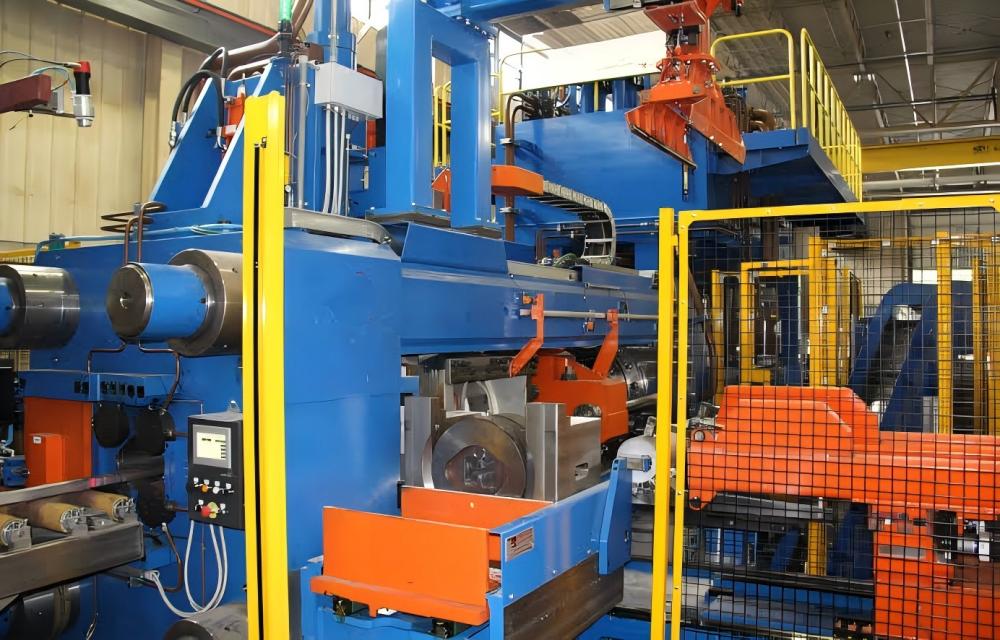
Choosing the right configuration for an aluminium extrusion press depends on the size and complexity of the products you intend to manufacture. HARSLE offers a range of tonnages and automation levels to suit different production scales. Below is a breakdown of recommended configurations:
| Component | Small-Scale (600T – 1000T) | Large-Scale (2000T – 5000T+) |
|---|---|---|
| Primary Products | Heat sinks, trim, small tubes | Structural beams, EV battery trays |
| Hydraulic System | Standard high-pressure pumps | Servo-driven energy-saving pumps |
| Control System | PLC with basic HMI | Advanced CNC with remote monitoring |
| Cooling System | Air cooling fans | Water quench + high-velocity air |
| Handling System | Manual or semi-auto pullers | Fully automated double-puller systems |
For high-precision products can be made an aluminium extrusion press, a servo-hydraulic system is highly recommended. This technology allows for precise control over the extrusion speed, which is vital for maintaining consistent wall thickness and surface finish. Furthermore, an automated puller system is essential for preventing the profile from twisting or warping as it exits the die, ensuring that long lengths of material remain perfectly straight.
The Extrusion Workflow: From Billet to Finished Product
The workflow of a HARSLE aluminium extrusion press is a synchronized sequence of mechanical and thermal events. Understanding this workflow is key to maximizing productivity and product quality.
- Billet Preparation: Raw aluminium logs are cut into billets of specific lengths. These billets are then heated in a gas or induction furnace to the required extrusion temperature.
- Die Preheating: The extrusion die must also be heated to prevent the aluminium from chilling and sticking during the initial push.
- Loading: The heated billet is transferred to the press container. A lubricant is often applied to the ram and the die to facilitate smooth flow.
- Extrusion: The hydraulic ram applies immense pressure, forcing the billet through the die. The aluminium emerges on the other side as a continuous profile.
- Cooling (Quenching): As the profile exits, it must be cooled rapidly to “lock in” its metallurgical properties. This is done using air fans or water mist.
- Stretching: Once cooled, the profile is moved to a stretching table. A mechanical stretcher pulls the profile from both ends to straighten it and relieve internal stresses.
- Cutting: The long profiles are cut to the customer’s specified lengths using high-speed saws.
- Aging: Finally, the profiles are placed in an aging oven. This heat-treatment process precipitates elements within the alloy, significantly increasing the hardness and strength of the finished product.
Productivity Benefits of Using a HARSLE Press
Investing in a high-quality extrusion press offers numerous competitive advantages. First and foremost is material efficiency. Extrusion is a near-net-shape process, meaning the final shape is achieved with very little waste compared to machining from a solid block. Any scrap generated (such as the “butt” end of the billet) can be 100% recycled back into new billets, making it an environmentally sustainable manufacturing method.
Another benefit is the complexity of design. A single extrusion can often replace an assembly of multiple parts. For example, a structural beam can be designed with integrated screw ports, snap-fit joints, and cooling channels, all produced in a single pass. This reduces assembly time, lowers labor costs, and eliminates potential points of failure like welds or fasteners.
HARSLE presses are engineered for high uptime and reliability. With robust frames and high-quality hydraulic components, these machines can operate 24/7 in demanding industrial environments. The integration of smart sensors allows for predictive maintenance, alerting operators to potential issues before they cause costly downtime. This reliability is crucial for meeting the tight deadlines of the automotive and construction sectors.
Case Example: Solar Panel Mounting Systems
A prominent example of products can be made an aluminium extrusion press is the solar panel mounting rail. As the global demand for renewable energy surges, the production of these rails has become a massive industry. These profiles require high structural strength to withstand wind loads, yet they must be lightweight for easy installation on rooftops.
A HARSLE client in the renewable energy sector utilized a 1200T extrusion press to produce 6005-T6 alloy rails. By optimizing the die design, they were able to include integrated channels for cable management and specialized slots for rapid-clamping hardware. This innovation reduced the installation time of solar arrays by 30%. The precision of the HARSLE press ensured that every rail was perfectly straight, allowing for seamless alignment across large-scale solar farms. This case highlights how the right machinery can not only produce a part but also add value to the end-user’s application.
Frequently Asked Questions (FAQ)
What is the maximum size of a product that can be extruded?
The size is limited by the press tonnage and the diameter of the container. Small presses (600T) typically produce profiles that fit within a 4-5 inch circle, while massive 10,000T presses can produce profiles up to 30 inches wide. HARSLE provides machines across this spectrum to meet diverse size requirements.
Can the extrusion press handle different alloys without major changes?
Yes, the same press can extrude various alloys, but the process parameters (temperature, speed, and pressure) must be adjusted. Some high-strength alloys (like the 7xxx series) require much higher pressure and slower extrusion speeds compared to the 6xxx series.
How long does an extrusion die last?
Die life depends on the complexity of the shape and the alloy being extruded. On average, a well-maintained die can produce between 1,000 and 5,000 kilograms of aluminium before requiring reconditioning or replacement. Proper nitriding (surface hardening) of the die can significantly extend its lifespan.
What secondary processes are usually required after extrusion?
While many products can be made an aluminium extrusion press are used as-is, others undergo secondary operations like CNC machining (drilling, milling), anodizing (for color and corrosion resistance), or powder coating. HARSLE’s precise extrusions provide an excellent baseline for these finishing steps.
Conclusion: Partnering with HARSLE for Extrusion Excellence
The range of products can be made an aluminium extrusion press is virtually limitless, constrained only by the imagination of the designer and the capabilities of the machinery. From the essential structural components of our cities to the intricate parts of our most advanced technologies, aluminium extrusion remains a vital manufacturing process. By choosing HARSLE, you are investing in a legacy of engineering excellence, ensuring that your production line is equipped to handle the challenges of modern industry.
Whether you are looking to enter the automotive market, expand your construction offerings, or innovate in the electronics sector, HARSLE has the expertise and the equipment to help you succeed. Our commitment to quality, efficiency, and customer support makes us the ideal partner for your metal fabrication journey. Contact HARSLE today to learn more about our aluminium extrusion press solutions and how we can help you turn raw billets into world-class products.