How to Compare Scrap Metal Balers Before You Buy: A Technical Buyer’s Guide

Introduction to Scrap Metal Baler Procurement
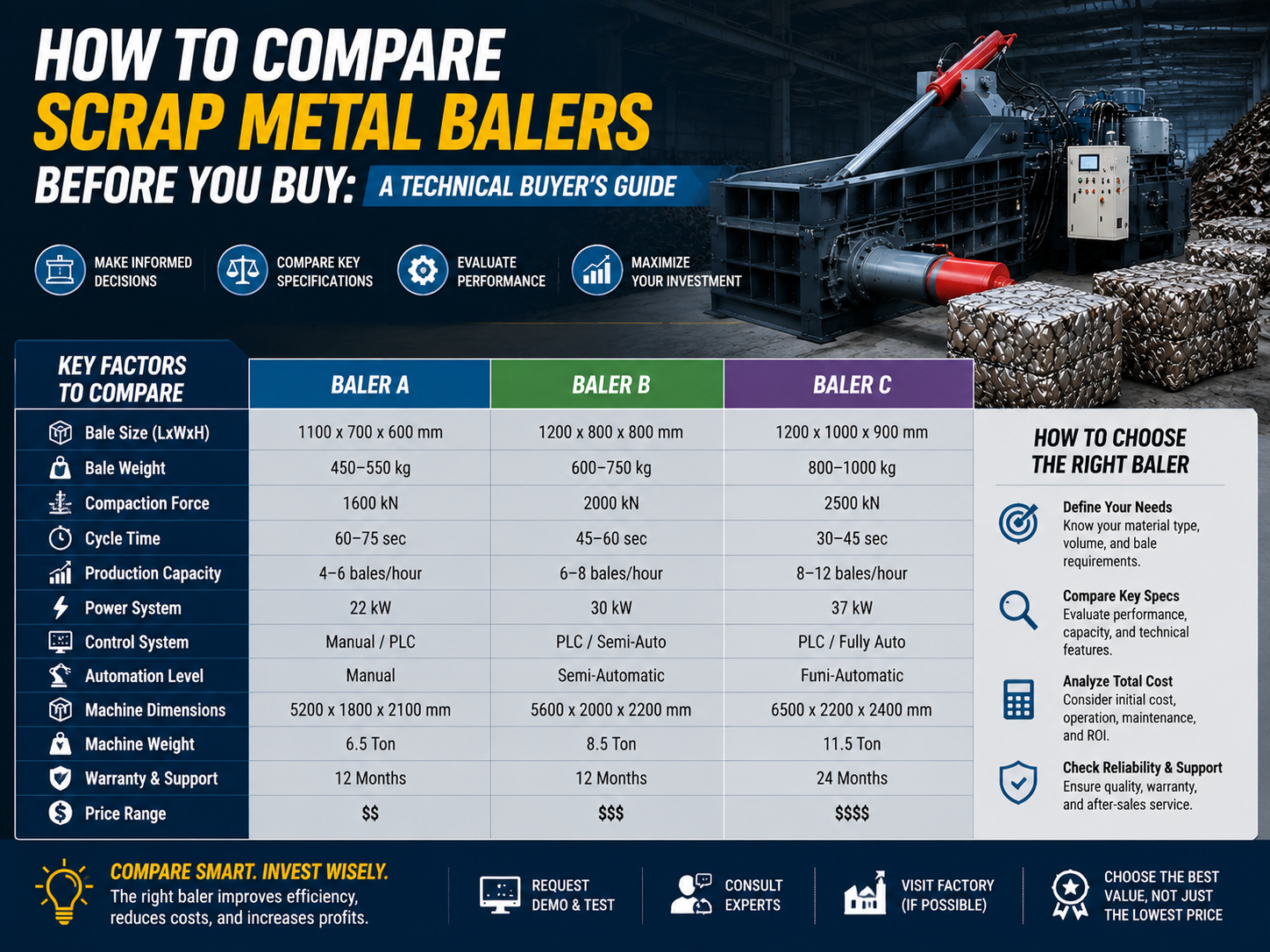
In the rapidly evolving world of metal recycling and industrial fabrication, the efficiency of your waste management system can be the difference between a profitable operation and a logistical nightmare. Scrap metal balers are the workhorses of this industry, designed to compress voluminous metal waste into dense, manageable blocks. However, the market is saturated with various models, ranging from small vertical units to massive, fully automated horizontal systems. To Compare Scrap Metal Balers Before You Buy: A Technical Buyer’s guide is essential for any facility manager or business owner looking to optimize their capital expenditure.
Choosing the right baler involves more than just looking at the price tag. It requires a deep dive into hydraulic pressures, cycle times, material compatibility, and long-term operational costs. At HARSLE, we understand that a baler is a long-term investment. This guide is designed to provide you with the technical framework necessary to evaluate different machines objectively, ensuring that the equipment you select aligns perfectly with your production volume and material types.
Price Range Overview: Understanding the Market Tiers
When you begin to Compare Scrap Metal Balers Before You Buy: A Technical Buyer’s perspective must first acknowledge the wide variance in pricing. Generally, scrap metal balers are categorized into three primary price tiers based on their capacity, automation level, and structural integrity.
Entry-Level Vertical and Small Horizontal Balers ($5,000 – $20,000)
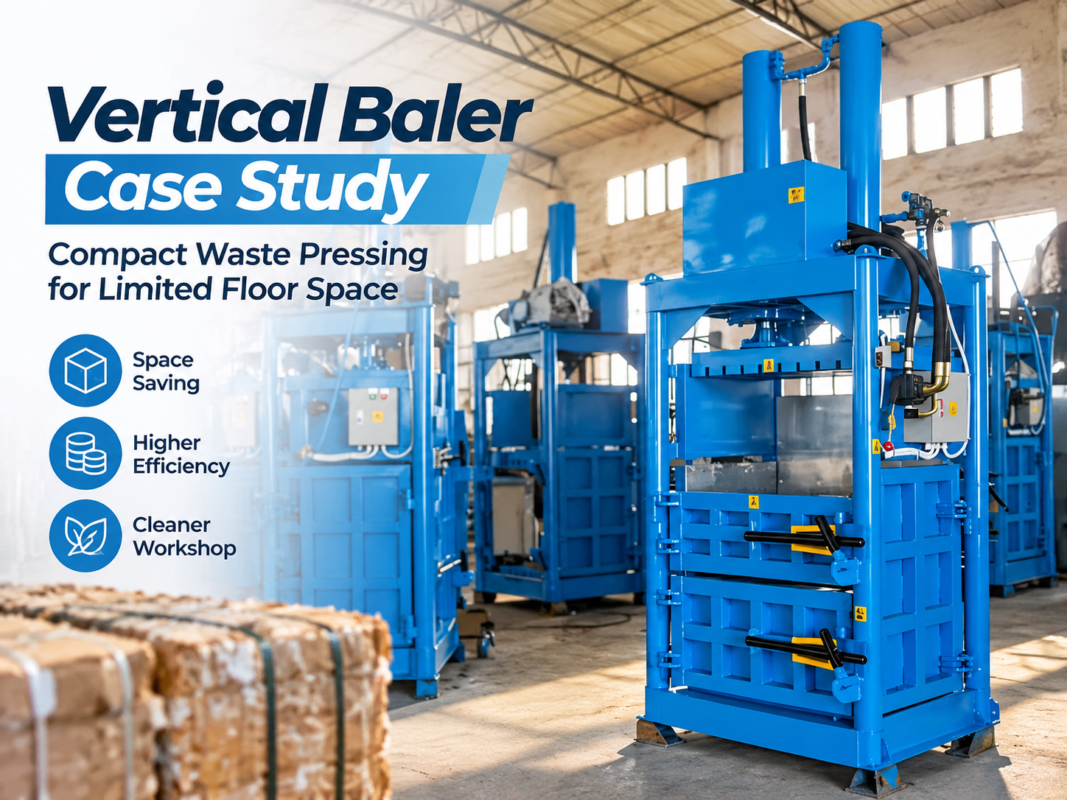
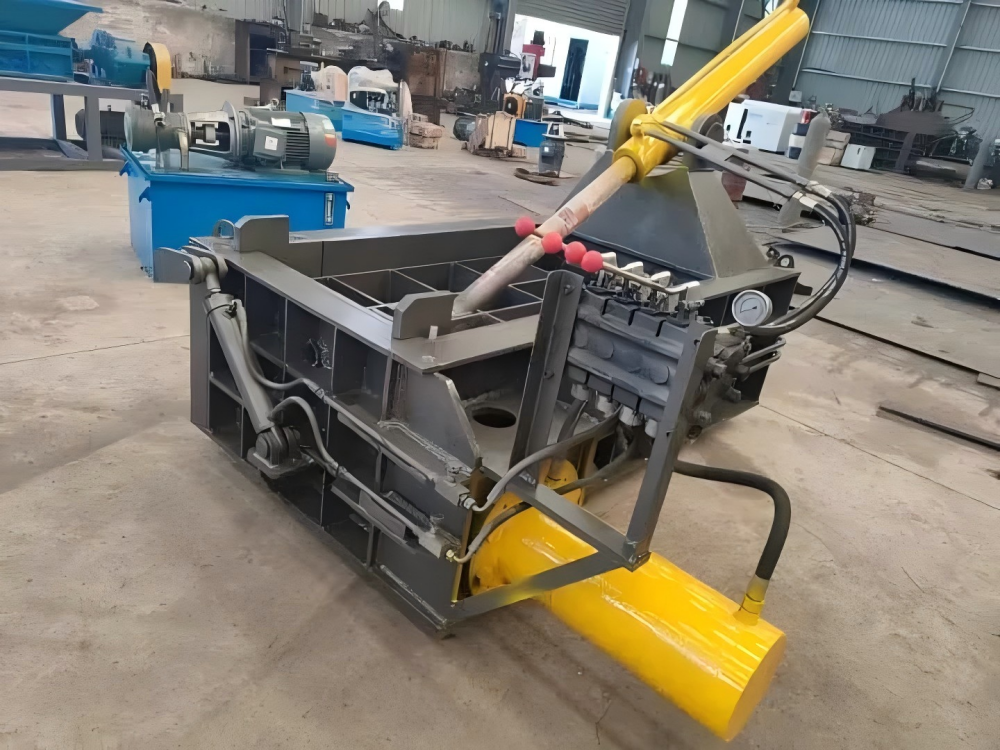
These machines are typically designed for low-volume operations or facilities that process lighter non-ferrous metals like aluminum cans, copper wiring, or thin sheet metal scraps. They often feature manual controls and smaller hydraulic cylinders (typically 30 to 60 tons of pressure). While affordable, they have slower cycle times and require more manual labor for loading and tying bales.
Mid-Range Industrial Balers ($25,000 – $75,000)
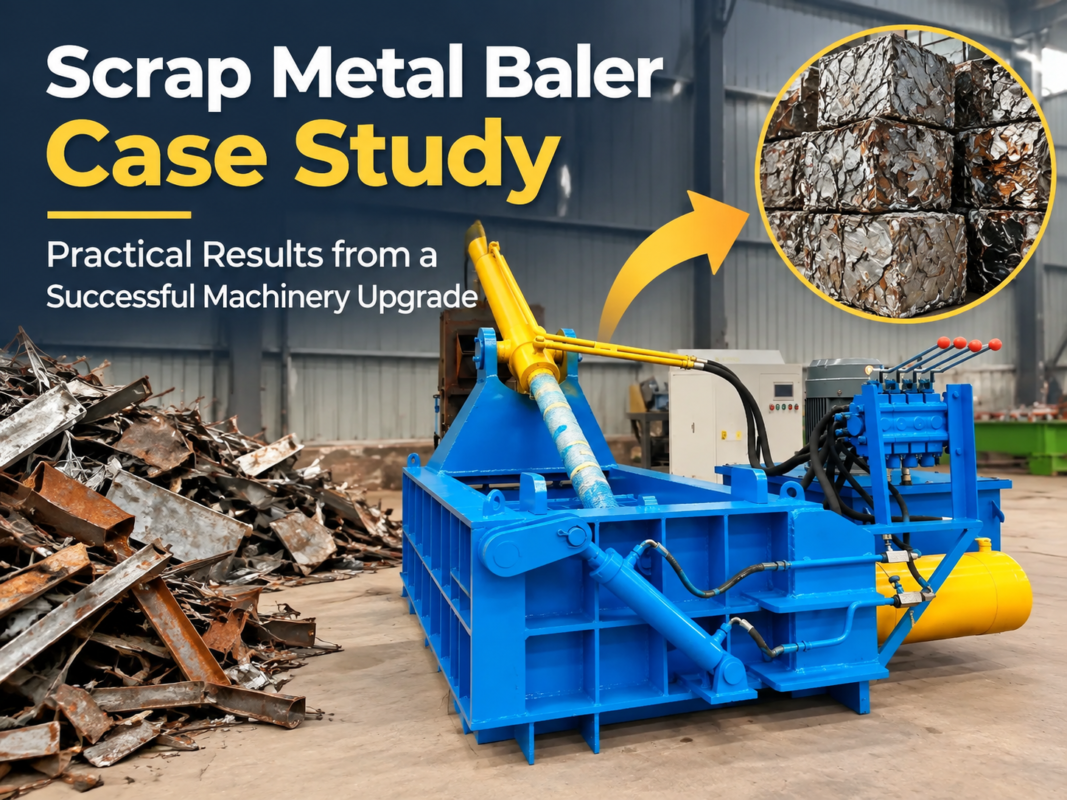
This is the most common category for medium-sized recycling centers and fabrication shops. These machines offer higher compression forces (100 to 200 tons) and are capable of handling heavier ferrous materials. You will often find semi-automatic features, improved hydraulic cooling systems, and more robust wear liners. They strike a balance between throughput and capital investment.
High-Capacity Fully Automated Systems ($80,000 – $250,000+)
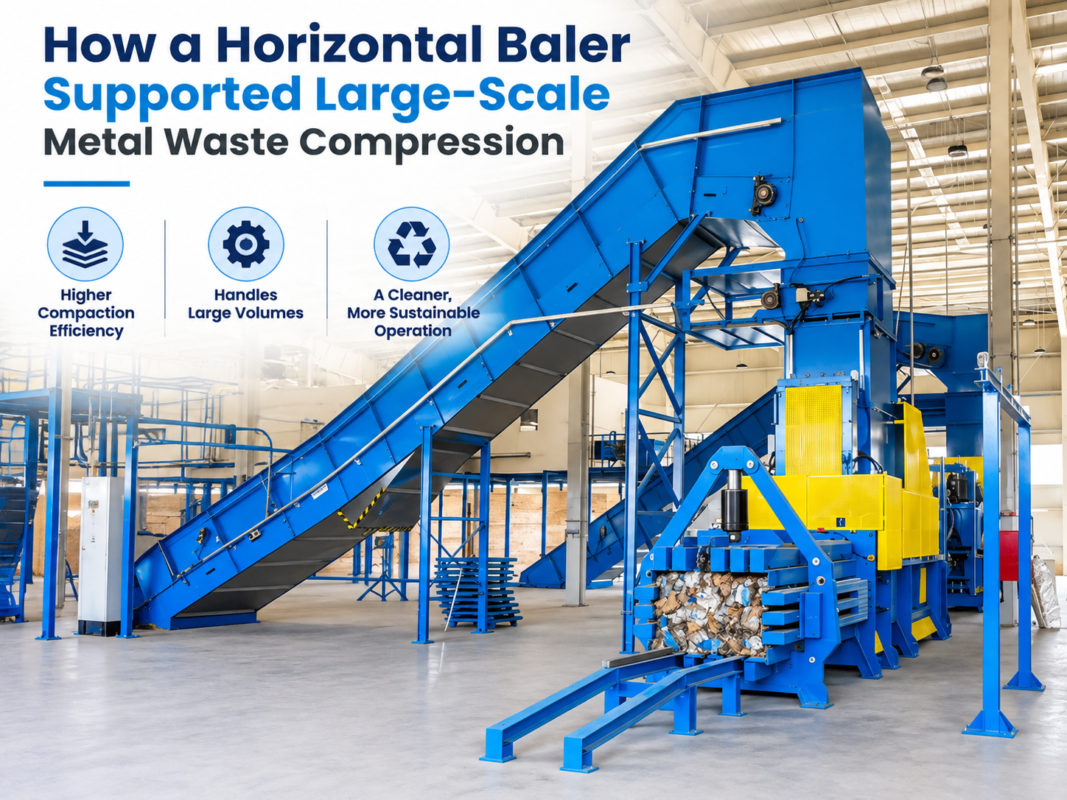
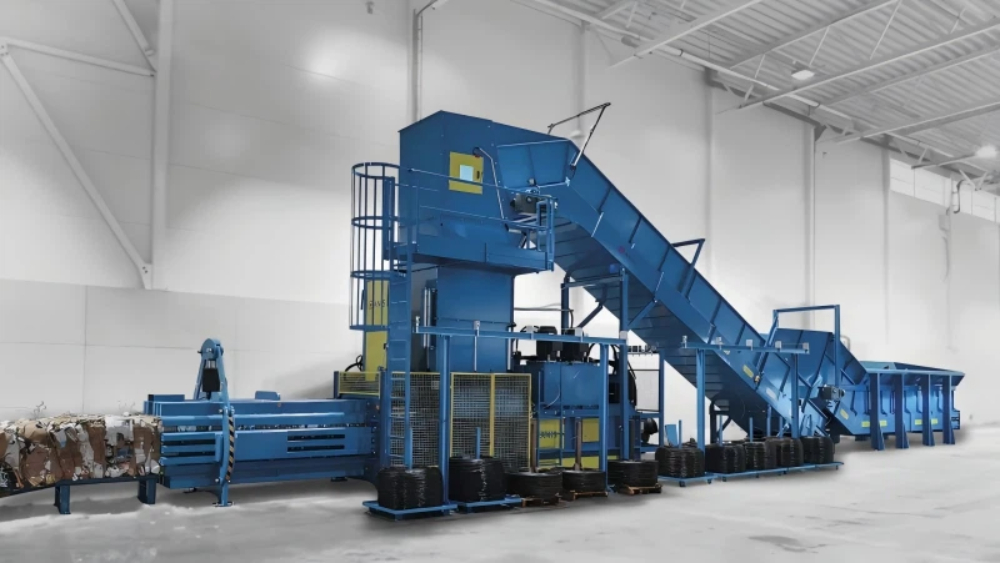
Designed for 24/7 operations, these balers feature massive hydraulic systems, high-speed cycle times, and fully automated bale ejection and strapping. They are built with premium materials like Hardox wear plates and utilize advanced PLC systems for remote monitoring and diagnostics. These are intended for large-scale scrap yards processing hundreds of tons of metal per month.
Main Cost Drivers: What Are You Actually Paying For?
When you Compare Scrap Metal Balers Before You Buy: A Technical Buyer’s analysis should focus on the components that drive the manufacturing cost. Understanding these drivers helps you identify where a manufacturer might be cutting corners or where the extra investment provides genuine value.
1. Hydraulic System Sophistication
The heart of any baler is its hydraulic system. High-end balers use variable displacement pumps (like Rexroth or Vickers) which adjust flow based on pressure requirements, significantly reducing energy consumption and heat generation. Cheaper models may use fixed gear pumps that run at full capacity constantly, leading to higher electricity bills and faster component wear.
2. Structural Steel and Wear Liners
The frame of a baler must withstand immense internal pressures. Premium balers use high-tensile structural steel and, more importantly, replaceable wear liners in the compression chamber. If a baler uses standard mild steel for the chamber walls without liners, the abrasive nature of scrap metal will quickly erode the structure, leading to catastrophic failure. Look for NM450 or Hardox 500 liners in the technical specifications.
3. Cylinder Force and Bore Size
Not all “100-ton” balers are created equal. Some reach that tonnage at the very limit of their hydraulic pressure (which stresses the seals), while others achieve it comfortably at 70% capacity. A larger cylinder bore allows for higher force at lower pressures, extending the lifespan of the entire hydraulic circuit.
4. Motor Efficiency and Power
The kilowatt (kW) or horsepower (HP) rating of the motor determines the cycle speed. A higher-powered motor allows the hydraulic pumps to move more fluid quickly, reducing the time it takes to compress a bale. When comparing, check if the motors are IE3 premium efficiency rated, as this impacts your monthly utility costs.
Configuration Impact: Tailoring the Machine to Your Workflow
The configuration of a baler dictates how it fits into your existing facility and how much labor is required to operate it. When you Compare Scrap Metal Balers Before You Buy: A Technical Buyer’s checklist must include the following configuration options:
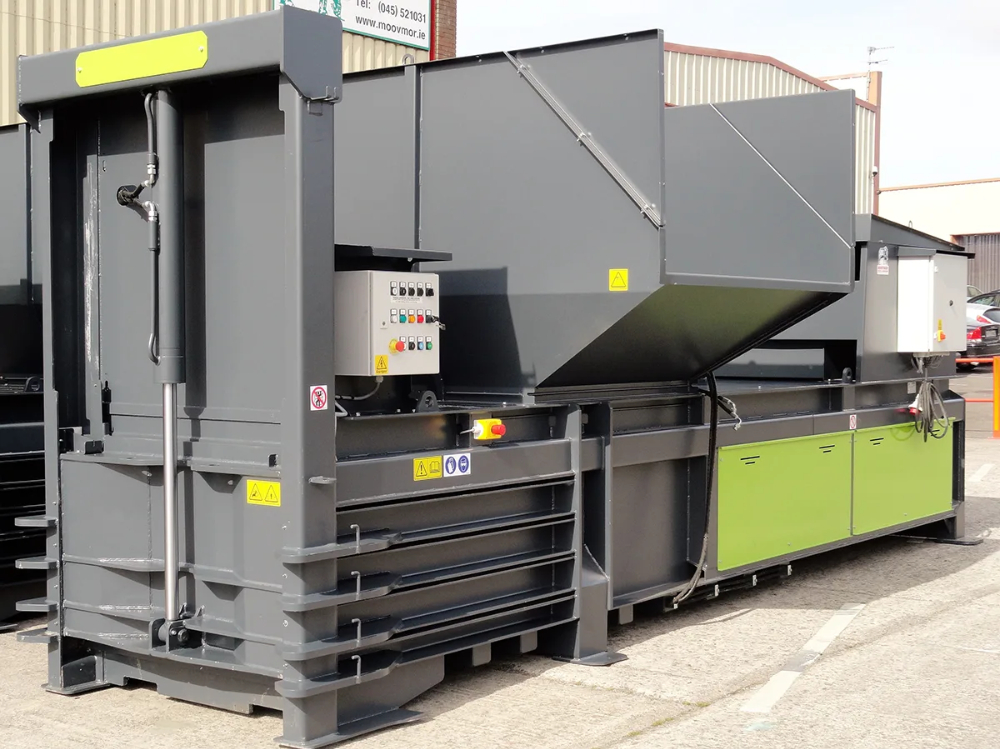
- Loading Method: Top-loading (hopper) vs. Side-loading. Top-loading is generally more efficient for crane or conveyor feeding, while side-loading may be better for manual or forklift feeding.
- Bale Ejection Style: Side-push, front-push, or “turn-out” ejection. Side-push is common in high-speed horizontal balers, whereas turn-out is often found in smaller, more compact units.
- Cooling Systems: For operations in hot climates or those running multiple shifts, an industrial oil cooler (air-cooled or water-cooled) is mandatory to prevent hydraulic fluid breakdown.
- Control Interface: Modern balers utilize PLC (Programmable Logic Controller) systems with HMI touchscreens. This allows for precise adjustment of pressure settings, bale lengths, and provides real-time error reporting.
Hidden Costs: Beyond the Initial Purchase Price
The “sticker price” of a scrap metal baler is only the beginning. To truly Compare Scrap Metal Balers Before You Buy: A Technical Buyer’s evaluation must account for the total cost of ownership (TCO). Many buyers overlook these critical expenses:
Installation and Commissioning
Heavy-duty balers require a reinforced concrete foundation to handle the vibration and weight. Additionally, you may need a professional electrician to run high-voltage lines to the machine. Some manufacturers include commissioning in the price, while others charge extra for a technician to fly out and set up the unit.
Hydraulic Oil Requirements
A large horizontal baler can require 500 to 1,000 liters of high-grade hydraulic oil. This is a significant upfront cost and a recurring maintenance expense. The quality of the oil used will also affect the longevity of the valves and pumps.
Shipping and Logistics
Because these machines are incredibly heavy and often oversized, shipping costs can be substantial, especially for international orders. You must also consider the cost of a crane rental to offload the machine at your facility.
Spare Parts and Consumables
Baling wire, wear plates, and hydraulic seals are consumables. Before buying, verify the availability and cost of these parts. A cheap baler from an unknown brand might become a paperweight if you cannot source a specific hydraulic seal or PLC module three years down the line.
ROI Calculation: Justifying the Investment
A scrap metal baler should be viewed as a profit center, not just an expense. To Compare Scrap Metal Balers Before You Buy: A Technical Buyer’s analysis should include a projected Return on Investment (ROI). Use the following table as a template for your calculation:
| Factor | Loose Scrap (Before Baler) | Baled Scrap (After Baler) | Impact |
|---|---|---|---|
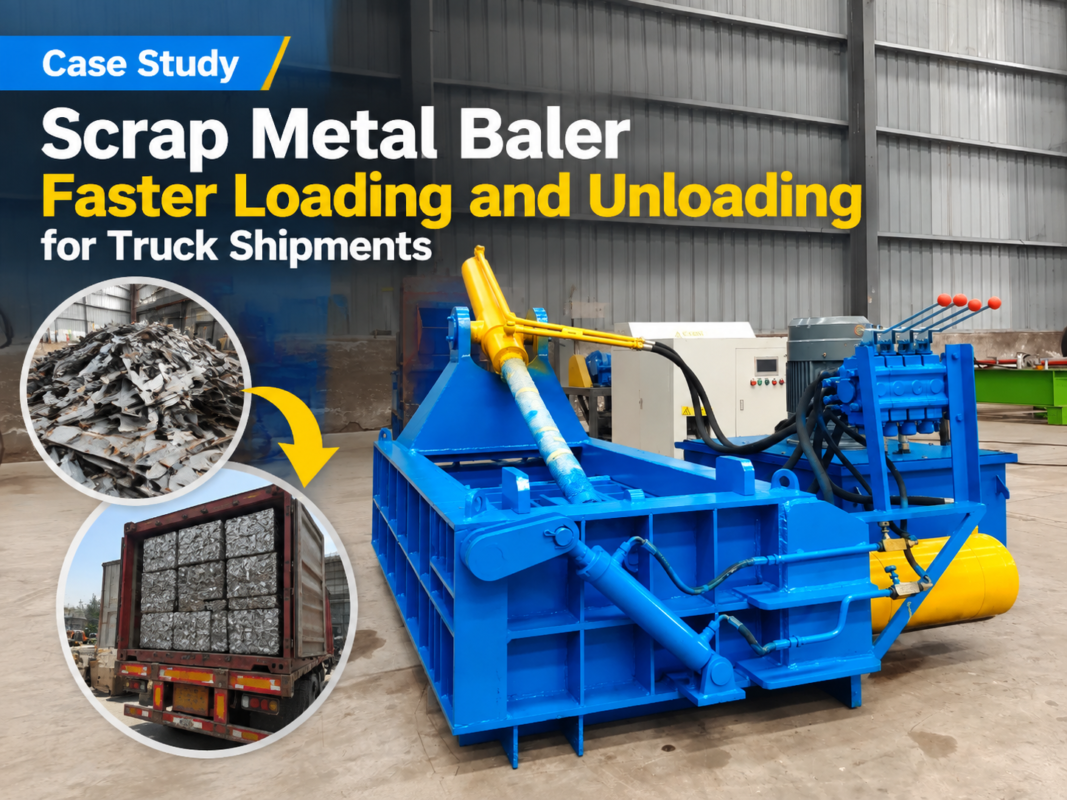
| Transportation Cost | High (Low density, more trips) | Low (High density, fewer trips) | Up to 70% reduction in freight |
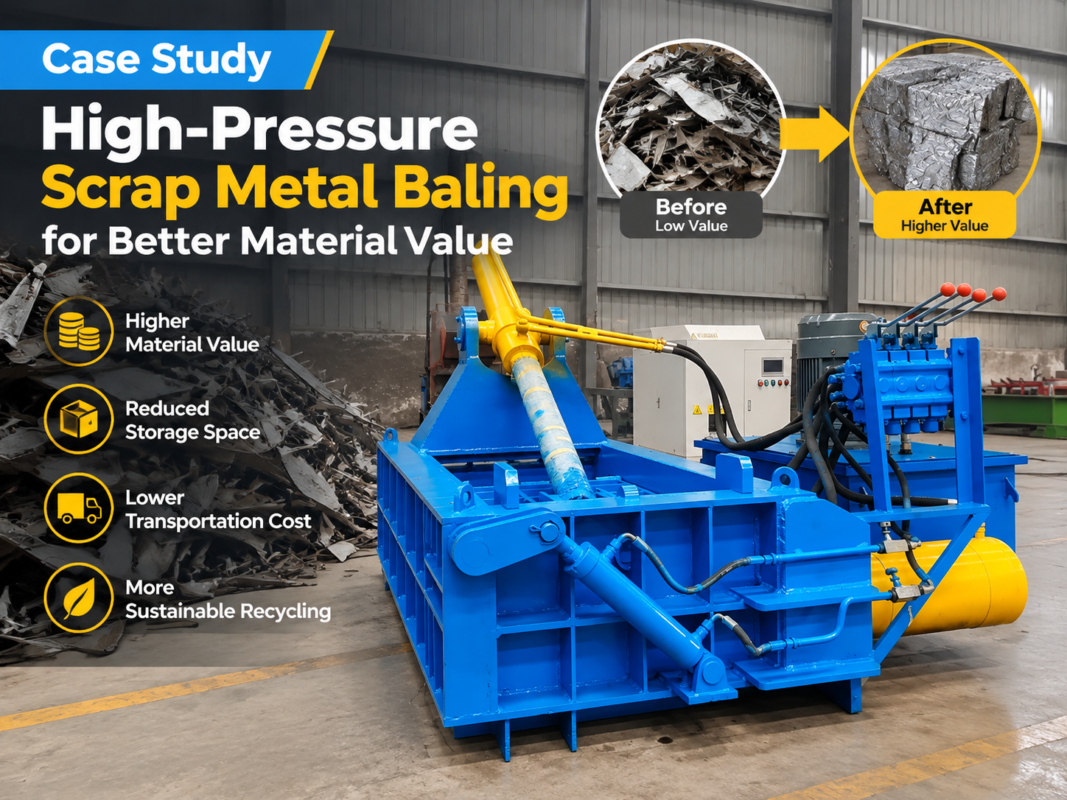
| Material Value | Standard Market Price | Premium Price (Foundry Ready) | $10-$40 increase per ton |
| Labor Hours | High (Manual sorting/loading) | Low (Automated processing) | Reduced man-hours per ton |
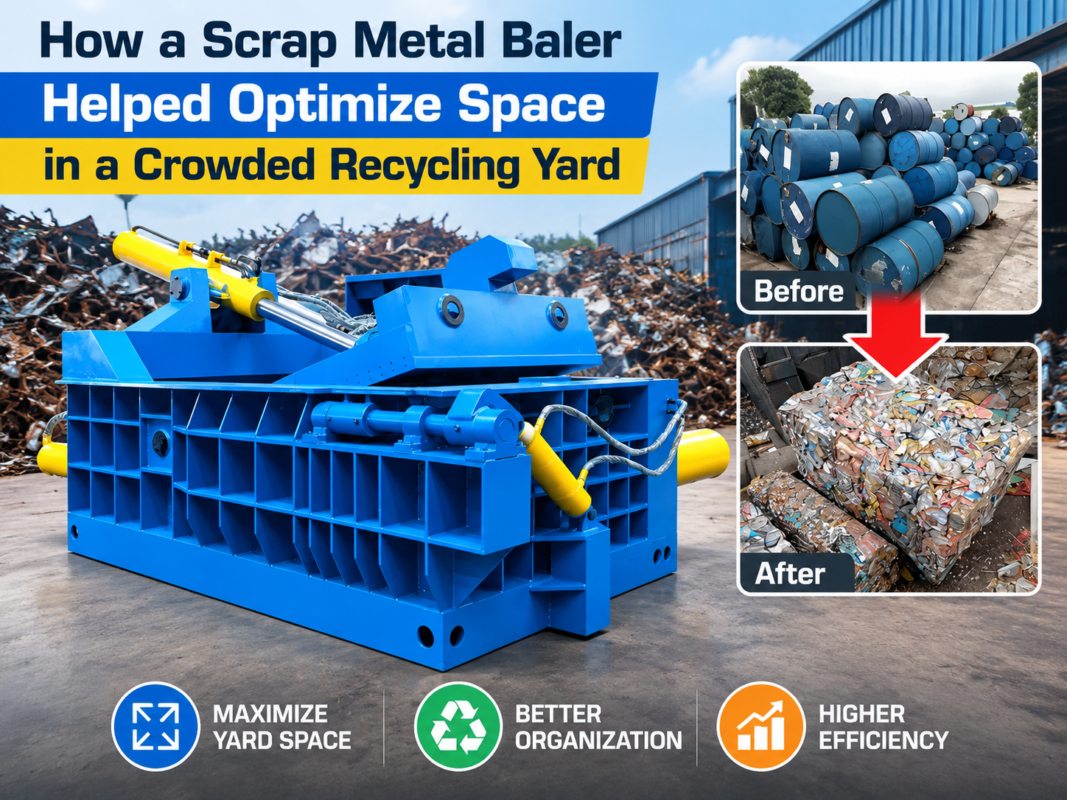
| Storage Space | Large footprint required | Compact, stackable bales | Reclaims up to 80% of floor space |
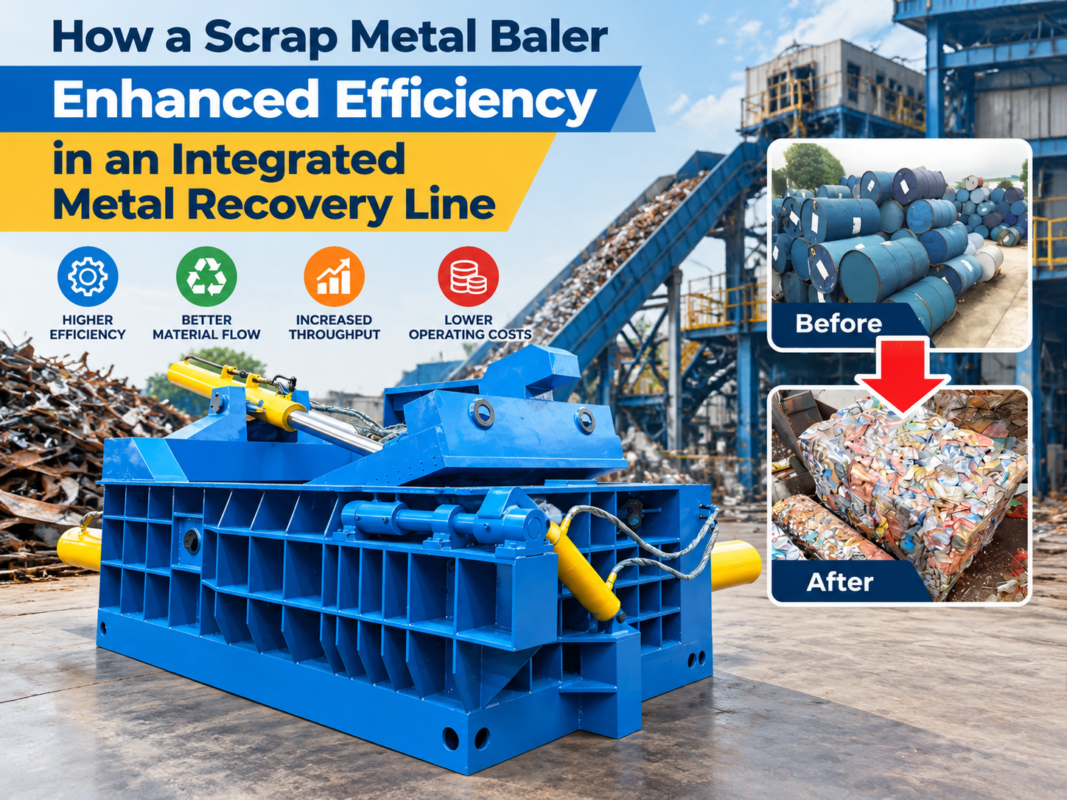
By calculating the monthly savings in transportation and the increase in material value, most high-volume facilities find that a quality baler pays for itself within 12 to 24 months.
Buying Advice: How to Make the Final Decision
After you have gathered all the technical data, how do you make the final choice? Here is our expert advice for the final stage of your comparison:
- Test with Your Own Material: If possible, send samples of your typical scrap to the manufacturer for a test bale. Different alloys compress differently; what works for soft aluminum might fail for spring steel.
- Check the Cycle Time: Don’t just look at the “dry cycle time.” Ask for the cycle time under load. A machine that is fast when empty but slows down significantly when compressing metal will kill your productivity.
- Evaluate the Frame Rigidity: Look at the weight of the machine. In the world of balers, heavier is usually better. It indicates thicker steel plates and a more robust structure that can handle the stress of thousands of cycles.
- Vendor Reputation and Support: Choose a manufacturer like HARSLE that has a proven track record in metal fabrication machinery. Ensure they offer comprehensive manuals, technical support, and a clear warranty policy.
Frequently Asked Questions (FAQ)
What is the most important specification to look at?
While tonnage is important, the cycle time and chamber size are often more critical for daily productivity. A high-tonnage machine that takes 3 minutes to make one bale might be less profitable than a medium-tonnage machine that takes 45 seconds.
Can one baler handle all types of metal?
Technically yes, but it is not always efficient. For example, a baler designed for heavy steel might be overkill for aluminum cans, leading to unnecessary energy consumption. Conversely, a light-duty baler will sustain damage if fed heavy structural steel scrap.
How often does a scrap metal baler need maintenance?
Daily checks should include oil levels and leak inspections. Monthly maintenance should involve checking bolt tightness and greasing moving parts. Wear liners should be inspected every 6 months depending on the abrasiveness of your material.
Is an automatic strapping system worth the extra cost?
If you are processing more than 5 tons of scrap per day, yes. The labor saved by not having to manually tie bales will quickly offset the higher initial cost of an automatic system.
What hydraulic oil should I use?
Most industrial balers require ISO 46 or ISO 68 anti-wear hydraulic oil. Always refer to the manufacturer’s manual, as using the wrong viscosity can lead to pump cavitation or overheating.
Conclusion
To Compare Scrap Metal Balers Before You Buy: A Technical Buyer’s journey requires diligence, technical understanding, and a clear vision of your operational needs. By focusing on hydraulic efficiency, structural integrity, and long-term ROI rather than just the initial price, you ensure that your facility remains competitive and efficient for years to come. At HARSLE, we are committed to providing high-performance baling solutions that stand the test of time. Contact our technical team today to discuss your specific scrap processing requirements and find the perfect machine for your business.