Comprehensive Guide to Scrap Metal Shear Blade Wear Issues: What to Check First

Introduction to Scrap Metal Shear Blade Health
In the high-intensity world of metal recycling and industrial fabrication, the scrap metal shear stands as a cornerstone of productivity. Whether you are operating a massive gantry shear or a versatile alligator shear, the efficiency of your operation is directly tied to the condition of your cutting blades. When blades begin to fail or wear prematurely, the ripple effects are felt throughout the entire facility: increased energy consumption, reduced throughput, and potential damage to the machine’s hydraulic and structural components. Understanding Scrap Metal Shear Blade Wear Issues Check First is not just a maintenance requirement; it is a financial imperative for any scrap yard or fabrication shop.
HARSLE has long been at the forefront of manufacturing robust metal fabrication machinery, and through years of field experience, we have identified that most catastrophic shear failures begin as minor blade wear issues that were overlooked. The shearing process involves immense forces—often hundreds of tons—concentrated on a relatively small surface area. This environment makes wear inevitable, but the rate of that wear is something that can be managed through diligent inspection and technical understanding. This guide aims to provide a deep dive into the mechanics of blade wear and a systematic approach to troubleshooting.
When we talk about scrap metal shear blade wear, we are referring to the degradation of the cutting edge, the deformation of the blade seat, and the loss of the critical clearance gap between the upper and lower knives. If these factors are not monitored, the machine will eventually ‘chew’ rather than ‘cut,’ leading to jammed materials and excessive stress on the hydraulic cylinders. By focusing on what to check first, operators can extend the life of their consumables and ensure the longevity of their HARSLE equipment.
Key Considerations for Shear Blade Longevity
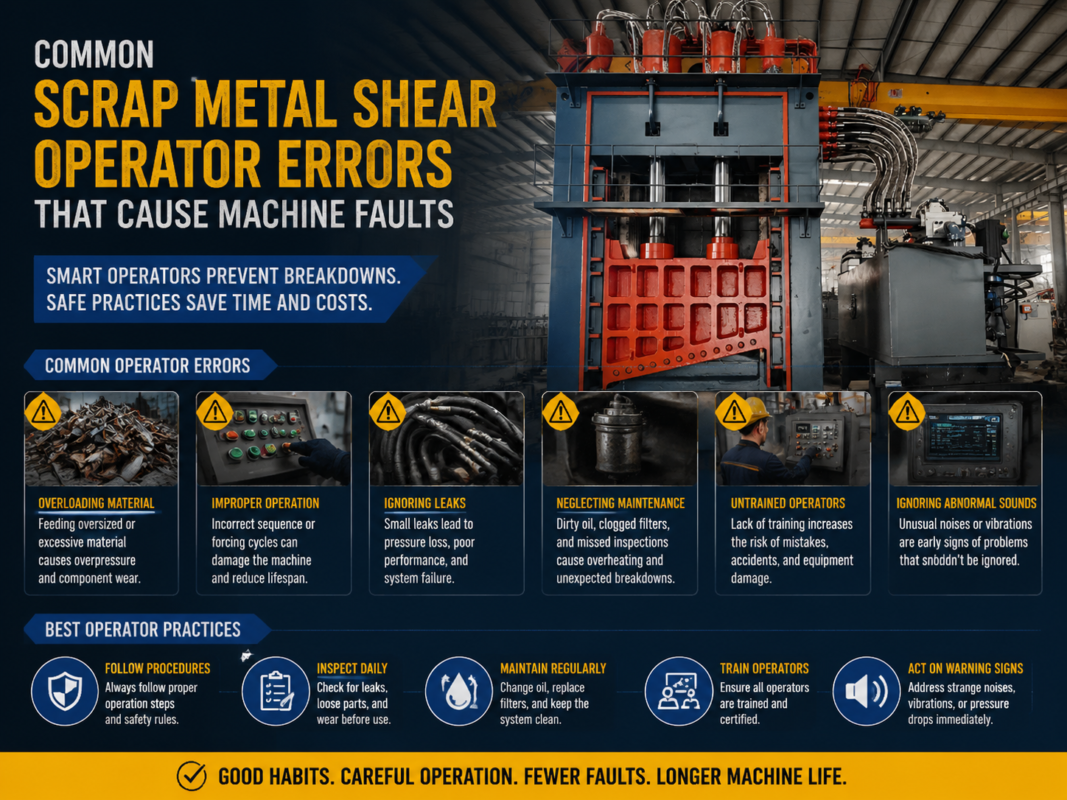
Before diving into the technical minutiae, it is essential to consider the environmental and operational factors that influence blade life. The most significant factor is the type of material being processed. Processing clean, structural steel is vastly different from shearing contaminated demolition scrap that may contain hardened pins, concrete, or high-alloy tool steels. Operators must be trained to recognize materials that exceed the machine’s rated capacity, as a single ‘hard hit’ can cause immediate chipping or cracking of the blade.
Another key consideration is the lubrication and cooling of the shearing area. While many scrap shears operate ‘dry,’ the heat generated during high-speed shearing cycles can temper the blade steel, reducing its hardness. Furthermore, the presence of abrasive dust and scale acts like a grinding compound between the blades. Regular cleaning of the blade area and ensuring that the hydraulic cooling system is functioning correctly will indirectly protect the blades by maintaining consistent operating temperatures and reducing thermal expansion of the machine frame.
Finally, the human element cannot be ignored. The way an operator feeds the machine—ensuring the material is seated correctly and not ‘side-loading’ the shear—plays a massive role in preventing uneven wear. Side-loading occurs when material is placed too far to one side of the throat, causing the ram to twist slightly and forcing the blades to rub against each other or pull apart, both of which lead to rapid degradation. Consistent, centered loading is a fundamental practice for maintaining blade integrity.
Technical Details: The Science of Shearing
Metallurgy and Blade Composition
Industrial shear blades are typically manufactured from high-carbon, high-chromium tool steels such as D2, H13, or S7. Each material offers a different balance of hardness (resistance to wear) and toughness (resistance to impact). For example, D2 is excellent for abrasive wear resistance but can be brittle under heavy impact. Conversely, S7 is highly shock-resistant but may wear faster when processing abrasive materials. Understanding the metallurgy of your blades is the first step in diagnosing wear issues. If you notice frequent chipping, your blades might be too hard for the application; if the edges round over quickly, they may be too soft.
The Mechanics of the Shear Gap
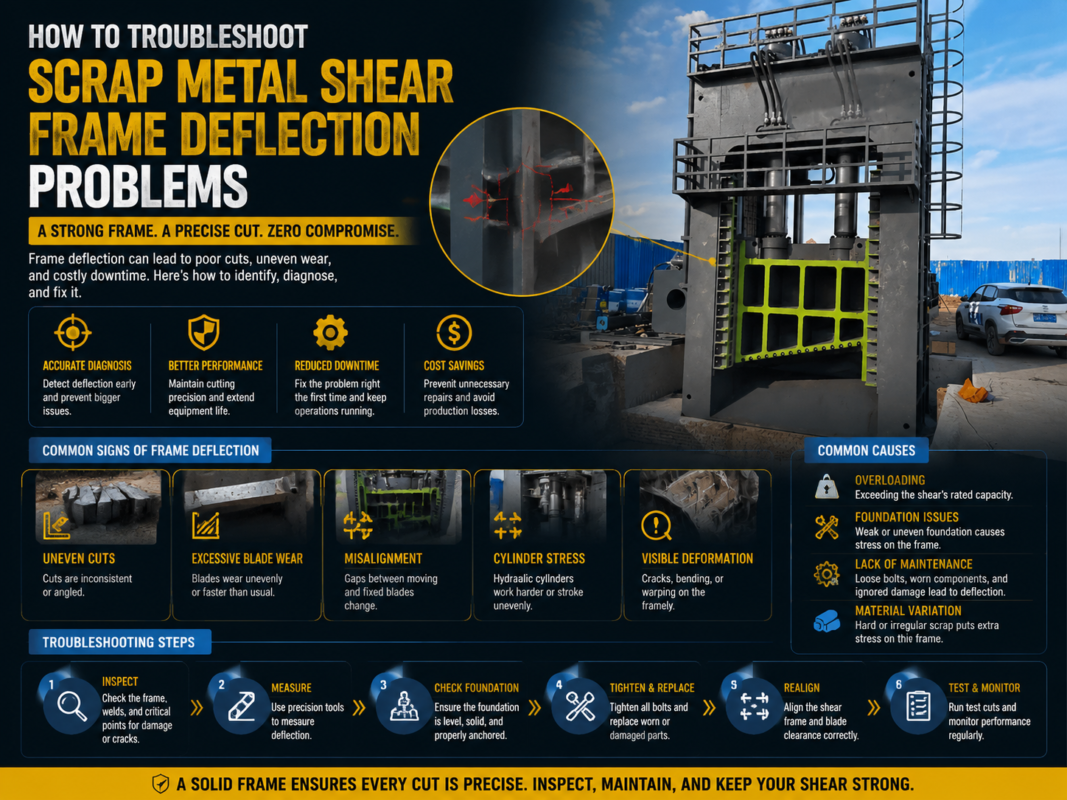
The ‘gap’ or ‘clearance’ is the distance between the moving blade and the stationary blade as they pass each other. This gap is usually calculated as a percentage of the material thickness (typically 5% to 10%). If the gap is too large, the metal will bend and ‘draw’ into the gap, causing a massive increase in friction and heat. If the gap is too small, the blades may actually make contact due to the natural deflection of the machine under load, leading to catastrophic blade ‘clashing.’ Maintaining this gap is the single most important technical task for a shear operator.
Wear Patterns and Their Meanings
Analyzing the wear pattern on a used blade can tell a story of what is happening inside the machine. Uniform rounding of the edge suggests normal abrasive wear. Chipping at the corners often indicates that the blade bolts are loose, allowing the blade to shift. Deep gouges on the face of the blade usually point to ‘tramp’ metal—unusually hard objects like engine valves or hardened shafts that should not have been fed into the shear. By identifying these patterns early, maintenance teams can adjust their processes before the machine frame itself is damaged.
Scrap Metal Shear Blade Wear Issues: What to Check First
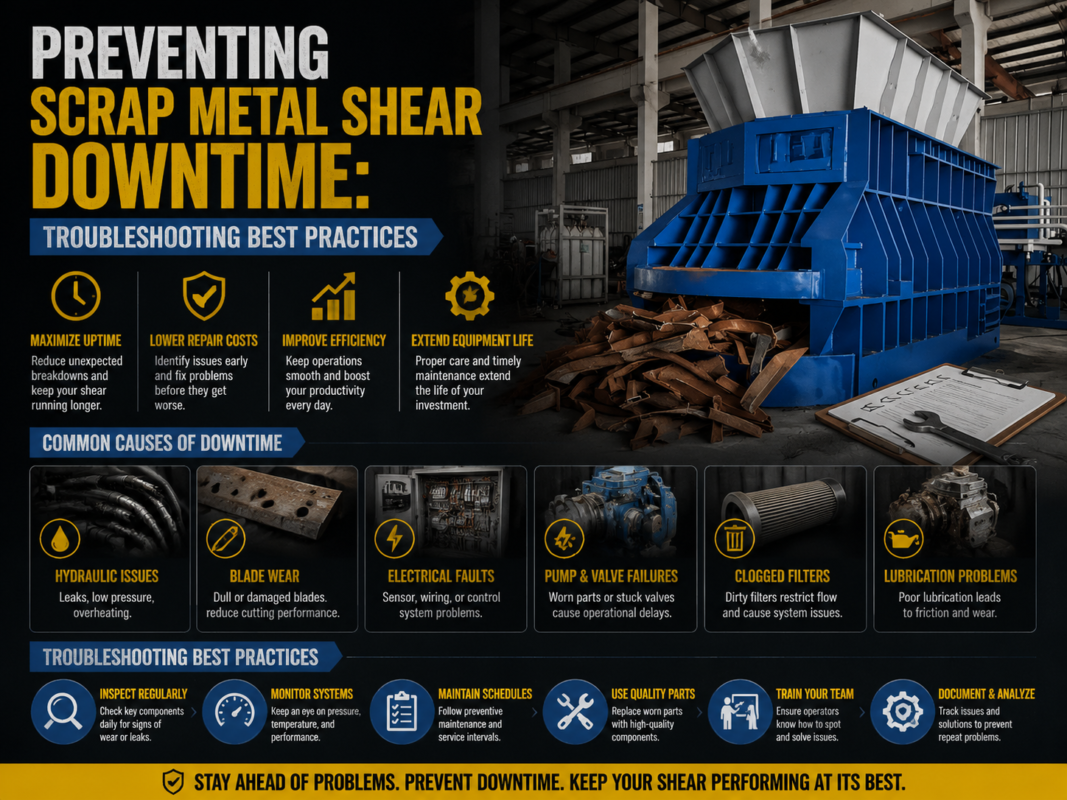
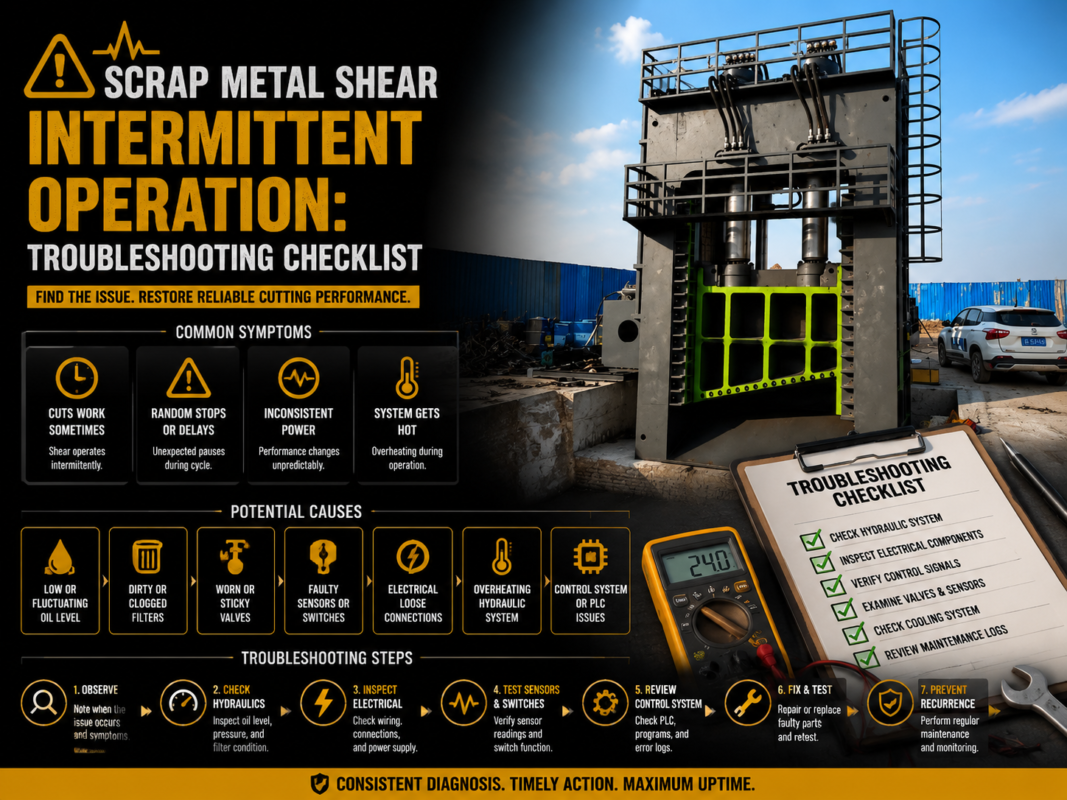
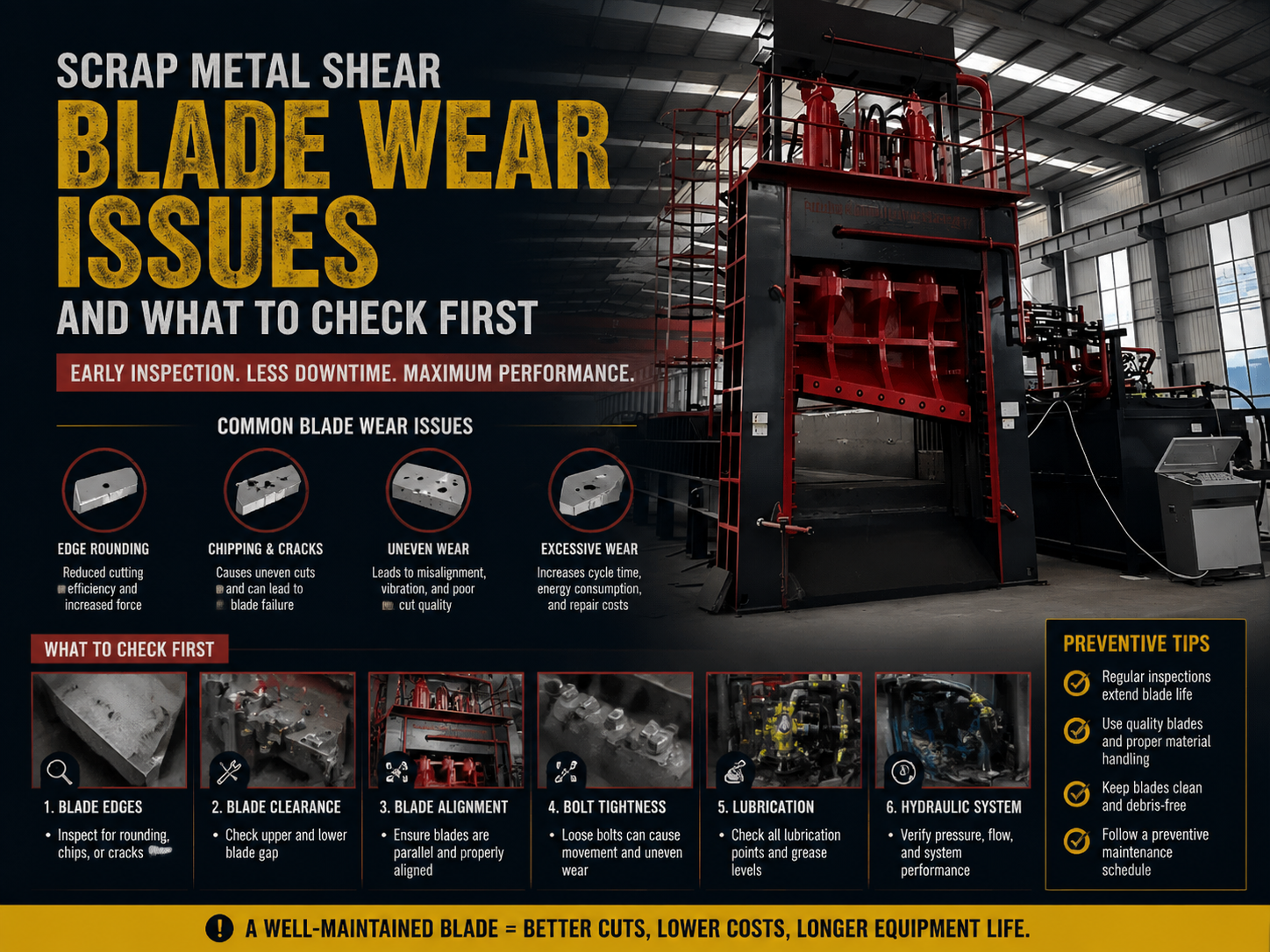
When performance drops or noise levels increase, you need a systematic checklist. Here is the definitive list of Scrap Metal Shear Blade Wear Issues Check First:
- 1. Blade Clearance (The Gap): Use feeler gauges to check the clearance across the entire length of the blade. It is common for the gap to be correct at the ends but too wide in the middle due to ‘bowing’ of the blade seat or wear in the slide guides.
- 2. Bolt Torque and Integrity: Shear blades are held in place by high-tensile bolts. Over time, the vibration and shock of shearing can stretch these bolts. A loose blade will vibrate, leading to rapid edge crumbling and potential seat damage. Check that all bolts are torqued to the manufacturer’s specifications.
- 3. Blade Seat Cleanliness: When changing or rotating blades, the ‘seat’ (the recessed area where the blade sits) must be perfectly clean. Even a small piece of metal scale behind the blade can cause it to sit unevenly, creating a ‘high spot’ that will wear prematurely or cause the blade to crack.
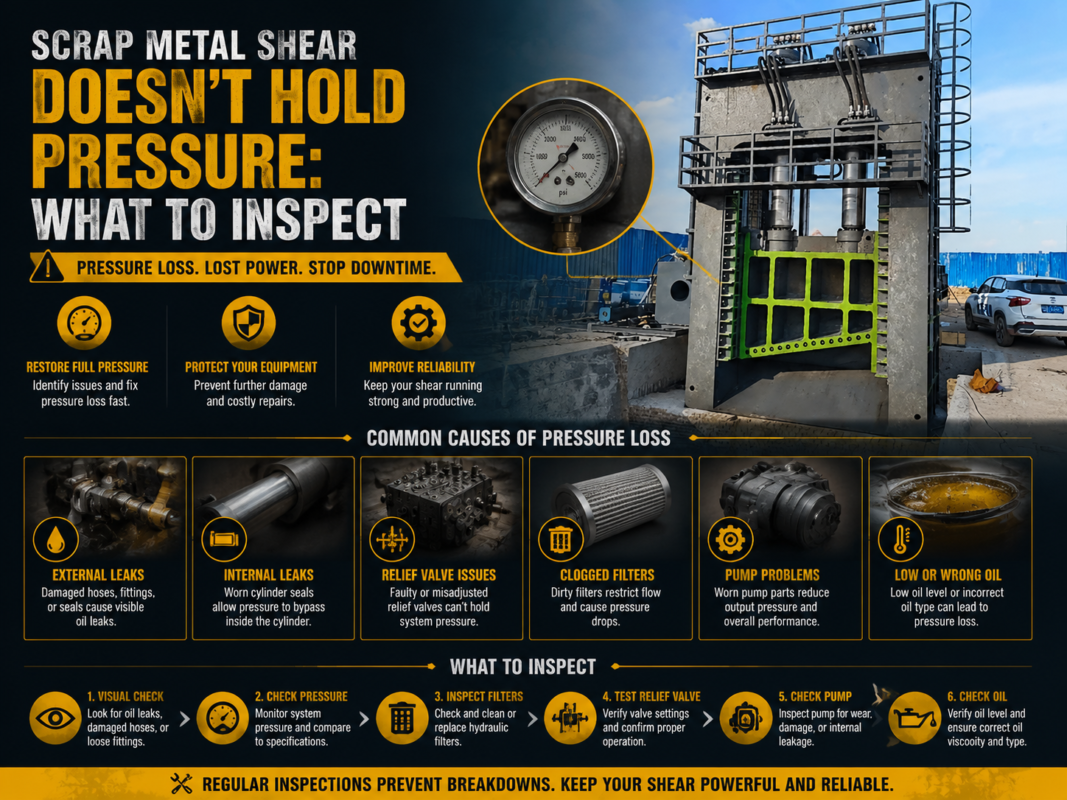
- 4. Hydraulic Pressure and Cycle Speed: If the blades are dull, the hydraulic system will have to work harder, leading to higher pressures and slower cycle times. Check your pressure gauges; if the machine is hitting relief pressure on material it used to cut easily, the blades are likely the culprit.
- 5. Guide Slide Adjustment: The ram that holds the upper blade travels in guides or ‘gibs.’ If these guides are worn, the ram will shift during the cut, causing the blade gap to fluctuate. Check for excessive play in the ram movement.
| Issue | Probable Cause | Immediate Action |
|---|---|---|
| Rapid Edge Rounding | Material too abrasive or gap too wide | Check gap; consider harder blade grade |
| Blade Chipping | Loose bolts or impact with hardened scrap | Retighten bolts; sort scrap more carefully |
| Material Folding | Excessive blade clearance | Adjust blades to tighter tolerance |
| Excessive Noise/Vibration | Dull blades or worn ram guides | Rotate or sharpen blades; check gibs |
Selection Advice for Scrap Metal Shears and Blades
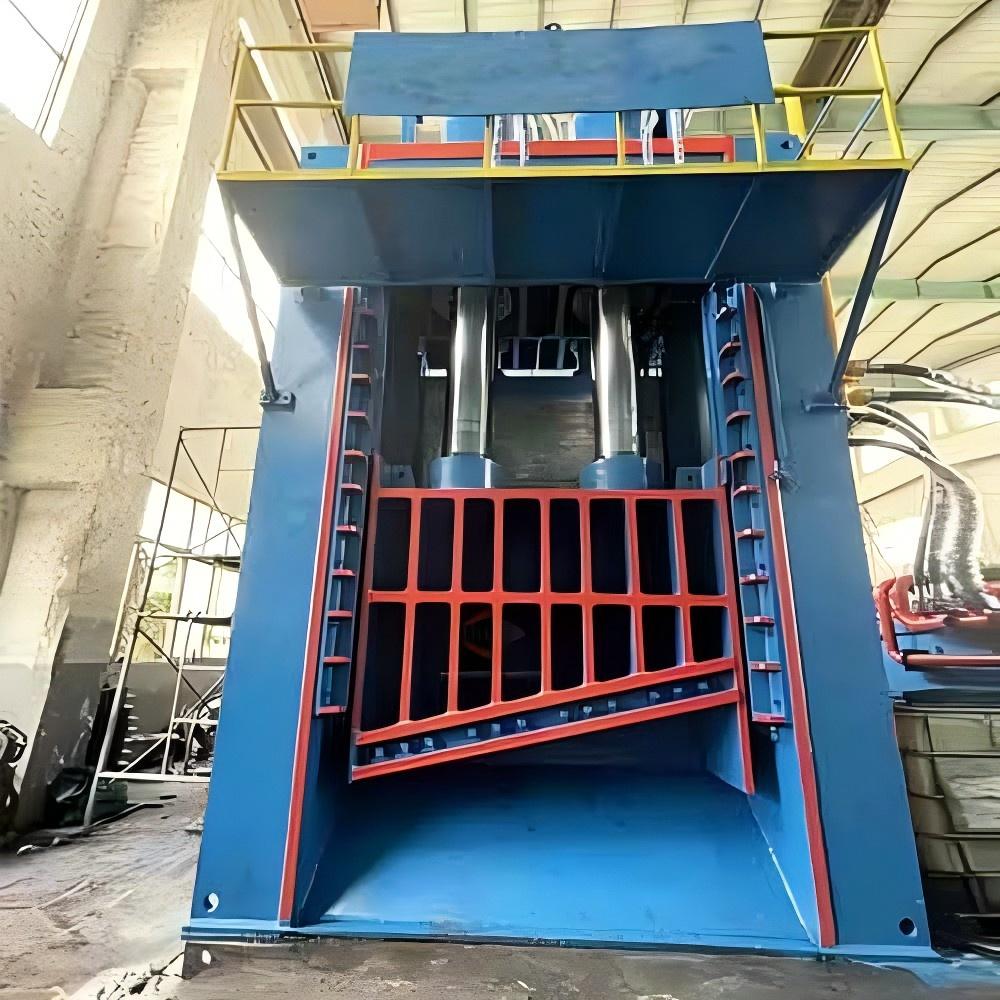
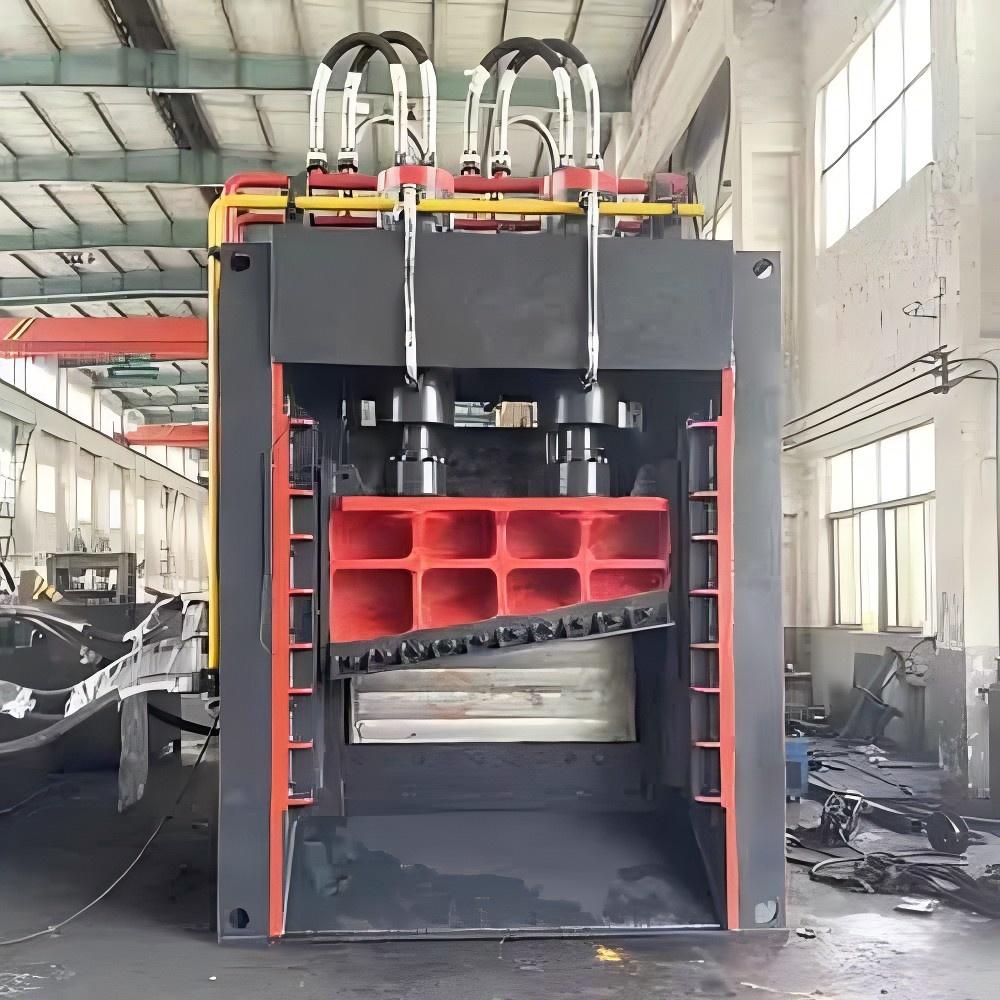
Choosing the right machinery and consumables is the best way to prevent wear issues before they start. When selecting a scrap metal shear, consider the HARSLE MS series, which is engineered with adjustable blade seats and high-strength guide systems to minimize deflection. The MS-800 and MS-1000 models are particularly noted for their ease of maintenance, allowing operators to access and rotate blades quickly, which encourages more frequent inspections.
When it comes to blade selection, do not simply buy the cheapest option. Look for blades that have been vacuum heat-treated for consistent hardness throughout the cross-section. If you are processing a variety of scrap, a ‘universal’ grade of shock-resistant tool steel is often the best compromise. However, if you specialize in one type of material (like aluminum extrusions or heavy HMS 1 steel), you should select a blade grade optimized for that specific hardness and thickness.
Furthermore, always keep a spare set of blades on hand. The temptation to run dull blades “just one more week” is what leads to expensive repairs of hydraulic pumps and cylinders. Having a sharpened set ready to go ensures that maintenance can be performed during scheduled downtime rather than during an emergency breakdown.
Frequently Asked Questions (FAQ)
How often should I rotate my scrap shear blades?
Blade rotation frequency depends entirely on the volume and type of material processed. A good rule of thumb is to inspect the edges every 40 to 80 hours of operation. Most modern shear blades have four usable edges; rotating them as soon as the first edge shows signs of rounding (usually a 1.5mm to 2mm radius) will ensure the best cutting performance and protect the blade seats.
Can I sharpen my own shear blades?
While it is possible to sharpen blades in-house using a surface grinder, it is critical to maintain the parallelism and the correct angles. Improper grinding can remove the surface hardness or introduce heat cracks. Many operators prefer to send blades to professional grinding services that specialize in industrial knives to ensure the metallurgy remains intact.
What happens if I ignore blade wear?
Ignoring blade wear leads to a ‘snowball effect.’ Dull blades require more force to cut, which increases hydraulic oil temperature, wears out seals, and puts immense stress on the machine’s frame. Eventually, the material will jam between the blades, which can snap the blade bolts or even crack the main ram of the shear.
Why do my blade bolts keep breaking?
Broken bolts are usually a sign of either ‘blade clashing’ (where the blades hit each other) or excessive vibration caused by loose blades. If the bolts are not torqued correctly, the blade will move slightly during each cut, creating a shearing force on the bolt itself. Always use the specific grade of bolt recommended by HARSLE, usually Grade 12.9 or higher.
Is there a way to reduce wear when cutting stainless steel?
Stainless steel work-hardens rapidly, making it very abrasive. To reduce wear, ensure your blade gap is tighter than it would be for mild steel to prevent the material from ‘smearing.’ Using a blade with a higher chromium content can also help resist the abrasive nature of stainless scrap.
Conclusion: Proactive Maintenance for Maximum ROI
Managing Scrap Metal Shear Blade Wear Issues Check First is the difference between a profitable recycling operation and one plagued by downtime and repair costs. By understanding the technical requirements of blade clearance, the importance of metallurgy, and the necessity of regular inspections, you can ensure that your HARSLE machinery performs at its peak for decades. The blades are the most critical interface between your machine and your profit; treating them with the respect they deserve is fundamental to industrial success.
In summary, always start with the basics: check your gap, verify your bolt torque, and ensure your material is appropriate for the machine’s capacity. Proactive maintenance not only saves money on parts but also improves the safety of the work environment by reducing the risk of catastrophic machine failure. For those looking to upgrade their capabilities, HARSLE continues to provide the heavy-duty solutions needed to tackle the toughest scrap challenges in the industry today.