
Comprehensive Guide to Hammer Shredder Applications in Scrap Metal Recycling Plants

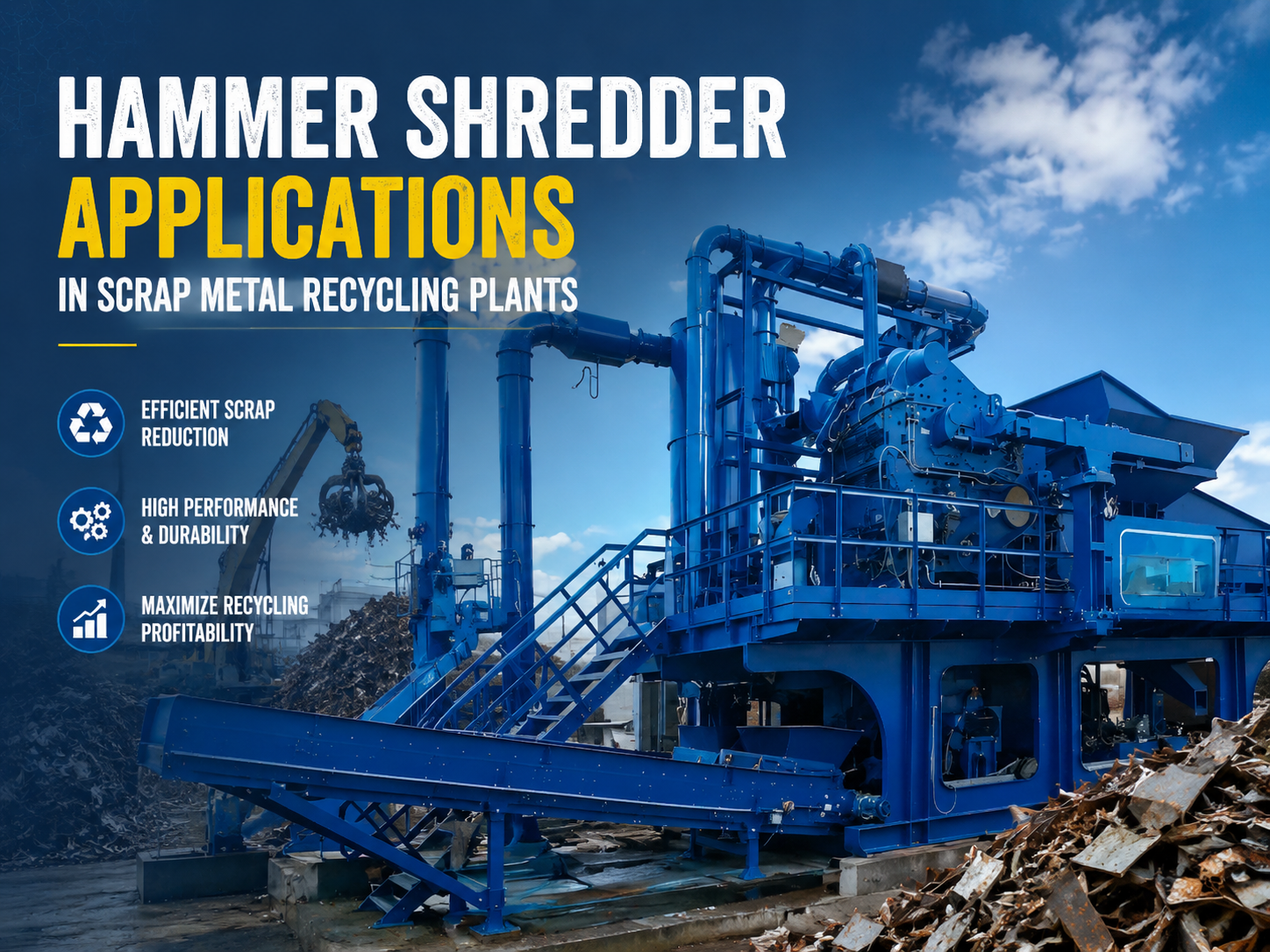
Introduction to Hammer Shredder Applications in Scrap Metal Recycling Plants
In the modern industrial landscape, the circular economy has transitioned from a conceptual framework to a fundamental operational requirement. At the heart of this transition lies the scrap metal recycling industry, which relies heavily on advanced machinery to process vast quantities of waste into high-quality raw materials. Among the most critical pieces of equipment in this sector is the hammer shredder. Understanding the diverse Hammer Shredder Applications in Scrap Metal Recycling Plants is essential for facility managers and investors looking to optimize their processing lines and maximize profitability.
A hammer shredder, often referred to as a hammer mill in specific contexts, is a high-torque, high-speed machine designed to reduce large pieces of metal scrap into smaller, denser, and more manageable fragments. Unlike shear shredders that use a cutting action, hammer shredders utilize kinetic energy and impact force. Heavy-duty hammers attached to a rapidly rotating rotor strike the material, shattering it against internal liners and grate bars. This process not only reduces size but also cleans the metal by knocking off paint, dirt, and non-metallic attachments, resulting in a high-purity end product that is highly valued by secondary smelters and steel mills.
HARSLE has been at the forefront of developing robust recycling solutions that cater to the evolving needs of the global market. Our hammer shredders are engineered to handle everything from light aluminum scrap to heavy-duty automotive components. By integrating advanced metallurgy with precision engineering, these machines ensure long-term reliability in the harshest environments. In this guide, we will delve deep into the technical nuances, application varieties, and selection criteria that define the role of hammer shredders in contemporary recycling facilities.
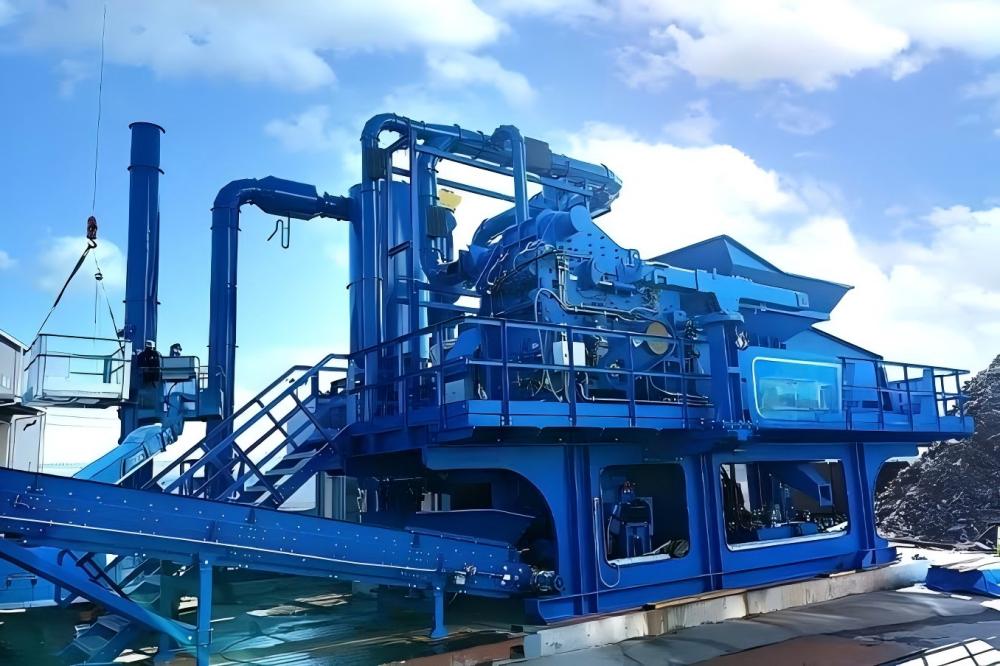
Key Considerations for Implementing Hammer Shredders
When integrating a hammer shredder into a recycling plant, several strategic factors must be evaluated to ensure the investment yields the desired ROI. The first consideration is the nature of the feedstock. Scrap metal is rarely uniform; it can range from thin-gauge household appliances to thick structural steel. A hammer shredder must be sized according to the maximum thickness and density of the input material to prevent catastrophic failure or excessive wear on the rotor and hammers.
Throughput requirements are equally vital. Recycling plants operate on thin margins where volume is king. Determining the required tons-per-hour (TPH) helps in selecting the motor power and rotor dimensions. A machine that is underpowered for its workload will suffer from frequent jams and overheating, while an oversized machine leads to unnecessary energy expenditure. HARSLE provides a range of power configurations to match specific throughput targets, ensuring that energy efficiency is balanced with processing power.
Environmental and regulatory compliance is another critical pillar. Modern hammer shredders generate significant noise, dust, and vibration. Implementing a shredder requires a comprehensive plan for dust suppression systems, acoustic enclosures, and vibration-dampening foundations. Furthermore, the separation of non-metallic residues (fluff) produced during the shredding process must be managed according to local environmental laws. High-efficiency air separation and magnetic sorting systems are often paired with the shredder to manage these outputs effectively.
Finally, the total cost of ownership (TCO) must be analyzed. This includes not just the initial purchase price, but the ongoing cost of wear parts. Hammers, liners, and grates are sacrificial components that require regular replacement. Choosing a shredder with easy-access maintenance doors and high-quality alloy components can significantly reduce downtime and labor costs over the machine’s lifecycle. HARSLE designs its equipment with the operator in mind, featuring hydraulic opening mechanisms that allow for rapid part replacement.
Technical Details of Hammer Shredder Technology
The efficiency of Hammer Shredder Applications in Scrap Metal Recycling Plants is rooted in the physics of impact. The core component is the rotor assembly, which consists of a central shaft, several discs or a solid drum, and the hammers themselves. These hammers are typically made from manganese steel or specialized alloy steels that work-harden under impact, meaning they become tougher as they strike more material. The weight of the hammers can range from a few kilograms for light applications to over 100 kilograms for heavy-duty car shredding.
The shredding chamber is lined with replaceable wear plates that protect the main housing from the violent internal environment. At the bottom of the chamber, a series of grate bars or screens determine the final particle size. Material remains in the chamber, being struck repeatedly, until it is small enough to pass through the openings in the grates. This “densification” process is what makes hammer shredders unique; the resulting “shredded scrap” has a much higher bulk density than the original input, which reduces transportation costs and improves melting efficiency in furnaces.
Technical Specifications Overview
| Feature | Light-Duty Shredder | Heavy-Duty Shredder |
|---|---|---|
| Motor Power | 110kW – 250kW | 400kW – 2000kW+ |
| Rotor Diameter | 800mm – 1200mm | 1500mm – 2500mm |
| Hammer Material | Manganese Steel | Chrome-Moly Alloy |
| Output Size | 20mm – 50mm | 50mm – 150mm |
| Typical Feedstock | Aluminum Cans, E-waste | Car Bodies, HMS 1/2 |
Advanced hammer shredders also incorporate hydraulic coupling or frequency drives to manage the massive torque required during startup and to protect the motor from sudden shocks when unshreddable items (like heavy engine blocks or thick shafts) enter the chamber. Many HARSLE models feature an automatic “reject door” or “dump door” that allows the machine to eject non-shreddable objects before they cause internal damage, a feature that is indispensable for maintaining high uptime in mixed-scrap environments.
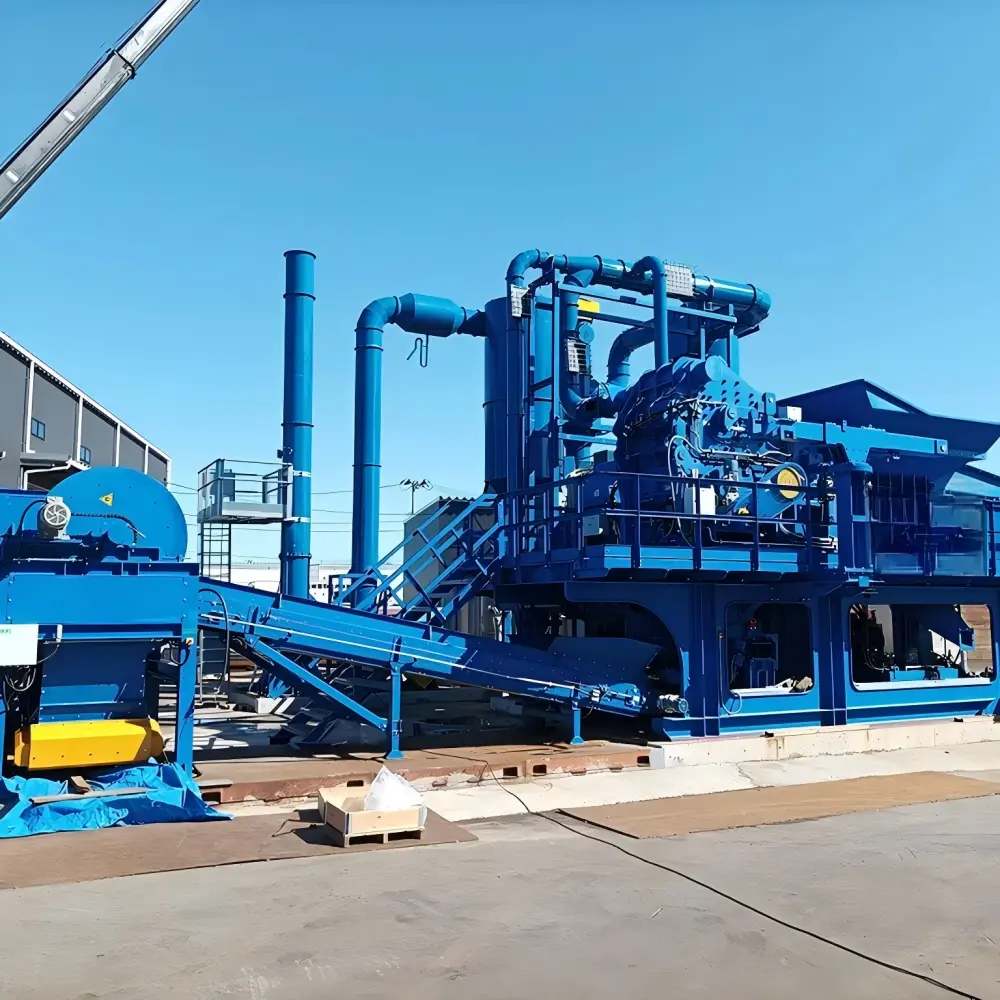
Primary Hammer Shredder Applications in Scrap Metal Recycling Plants
The versatility of the hammer shredder allows it to be the centerpiece of various specialized recycling lines. One of the most prominent applications is the processing of End-of-Life Vehicles (ELVs). After fluids and hazardous materials are removed, the entire car body can be fed into a large-scale hammer shredder. The machine reduces the vehicle to fist-sized pieces of steel, while simultaneously liberating non-ferrous metals like copper wiring and aluminum components from the steel frame. This liberation is crucial for downstream sorting technologies like eddy current separators.
Another significant application is in the processing of aluminum scrap, particularly Used Beverage Cans (UBCs) and aluminum profiles. Aluminum shredding requires a specific hammer profile to prevent excessive “fines” (tiny particles that burn up in the furnace). By shredding and densifying aluminum, recyclers can provide smelters with a consistent product that has a high surface-area-to-volume ratio, optimizing the de-coating and melting process. This is a key area where HARSLE machinery excels, providing clean, uniform output.
Electronic Waste (WEEE) recycling also relies heavily on hammer shredders. Circuit boards, computers, and household appliances contain a complex mix of plastics, precious metals, and base metals. A hammer shredder effectively breaks the mechanical bonds between these materials. For instance, it can strip the plastic insulation from copper wiring or break down a refrigerator casing into its constituent steel, foam, and plastic parts. The resulting mixture is then processed through a series of air tables, magnets, and optical sorters to recover high-value materials.
Industrial and municipal scrap processing further demonstrates the machine’s utility. From old bicycles and metal furniture to factory offcuts and demolition debris, the hammer shredder acts as a universal size-reduction tool. In municipal solid waste (MSW) plants, hammer shredders are used to recover ferrous metals from the waste stream that would otherwise end up in landfills. The ability to handle contaminated or mixed-material streams makes the hammer shredder an essential tool for modern waste management facilities aiming for zero-waste targets.
Selection Advice: Choosing the Right HARSLE Shredder
Selecting the appropriate hammer shredder requires a deep dive into your operational goals. The first step is to define your “Primary Input.” If your facility primarily handles light-gauge aluminum, a high-speed, lower-torque machine with smaller hammers is ideal. However, if you are processing heavy industrial scrap or automotive skeletons, you must prioritize rotor mass and motor horsepower. A common mistake is underestimating the “shock load” that heavy scrap places on the drive system.
Consider the “Output Requirement.” Different buyers of shredded scrap have different specifications for density and purity. If you are selling to a foundry that requires very small, dense nuggets, you will need a shredder with a specific grate configuration and perhaps a secondary milling stage. HARSLE engineers work closely with clients to simulate these output requirements, ensuring the machine configuration matches the market demand for the processed material.
Maintenance accessibility should be a top priority during the selection process. In a recycling plant, downtime is the enemy of profit. Look for features such as hydraulic housing opening, which allows for the rotor to be exposed in minutes rather than hours. Check the availability and cost of wear parts. HARSLE ensures a robust supply chain for hammers and liners, using standardized sizes that are easy to source and replace. Additionally, consider the control system; an intelligent PLC that monitors motor load and automatically adjusts the feed rate can prevent 90% of common shredder jams.
Buyer’s Checklist for Hammer Shredders
- Motor Type: Does the application require a high-voltage motor or a diesel drive for remote locations?
- Rotor Design: Is a disc rotor (better for heavy impact) or a spider rotor (better for cooling and airflow) more suitable?
- Grate Configuration: Are the grates easily swappable to change output sizes for different contracts?
- Safety Systems: Does the machine include vibration sensors, temperature probes for bearings, and emergency stop circuits?
- After-Sales Support: Does the manufacturer provide on-site installation, training, and a clear warranty on structural components?
Maintenance and Safety Protocols
Operating a hammer shredder involves managing extreme forces, which necessitates a rigorous maintenance and safety regime. Daily inspections are mandatory. Operators should check for loose bolts, cracks in the housing, and the condition of the hammers. Hammers should be rotated or replaced when they lose their leading edge to maintain shredding efficiency and prevent the rotor from becoming unbalanced. An unbalanced rotor can cause catastrophic bearing failure and structural damage to the entire plant.
Lubrication is the lifeblood of the shredder’s bearings. Given the dusty and hot environment of a recycling plant, automatic lubrication systems are highly recommended. These systems ensure that the main shaft bearings receive a constant, measured amount of grease, flushing out contaminants and reducing friction. Monitoring bearing temperatures via the PLC can provide early warning signs of potential issues before they lead to a breakdown.
Safety protocols must be strictly enforced. The shredding area should be restricted, and “missile protection” (heavy-duty curtains or steel plates) must be installed around the feed and discharge areas to catch any metal fragments that might be ejected at high velocity. Lock-out/Tag-out (LOTO) procedures are critical during maintenance to ensure the rotor cannot be engaged while personnel are inside the chamber. HARSLE equipment includes integrated safety interlocks that prevent the machine from starting if the maintenance doors are not fully secured.
Frequently Asked Questions (FAQ)
What is the typical lifespan of hammers in a metal shredder?
The lifespan of hammers varies significantly based on the material being processed. For abrasive materials like contaminated scrap, hammers might need to be flipped or replaced every 40-80 hours of operation. For cleaner materials like aluminum, they can last several hundred hours. Using high-quality manganese or alloy steel from HARSLE can extend this interval.
Can a hammer shredder process non-metallic materials?
Yes, hammer shredders are excellent at processing wood, plastics, and rubber, often used in MSW or tire recycling. However, if a machine is configured for metal, processing soft materials may be inefficient unless the grates and rotor speed are adjusted. The impact action is most effective on brittle or semi-rigid materials.
How does a hammer shredder differ from a twin-shaft shear shredder?
A twin-shaft shear shredder operates at low speed and high torque, using knives to cut material. It is best for volume reduction of bulky items. A hammer shredder operates at high speed and uses impact to shatter and densify material. Hammer shredders are superior for liberating different materials and creating a high-density “nugget” output.
What is the importance of the ‘dump door’ in a shredder?
The dump door (or reject door) is a safety feature that allows the machine to eject large, unshreddable pieces of steel (like an engine crank or a thick plate) that could damage the rotor or hammers. It is usually triggered by a sudden spike in motor current or a physical impact sensor.
Conclusion: The Future of Metal Shredding with HARSLE
The role of Hammer Shredder Applications in Scrap Metal Recycling Plants will only grow in importance as global demand for recycled metals increases and environmental regulations tighten. These machines are the workhorses of the industry, providing the essential link between raw scrap and furnace-ready material. By choosing a high-quality shredder, recycling facilities can ensure they remain competitive, efficient, and capable of handling the complex waste streams of the future.
HARSLE remains committed to innovation in this field, continuously refining our hammer shredder designs to offer better energy efficiency, lower maintenance costs, and superior material liberation. Whether you are setting up a new facility or upgrading an existing line, understanding the technical requirements and application potential of your shredder is the first step toward operational excellence. Investing in robust, reliable machinery today is the key to a sustainable and profitable recycling business tomorrow.


