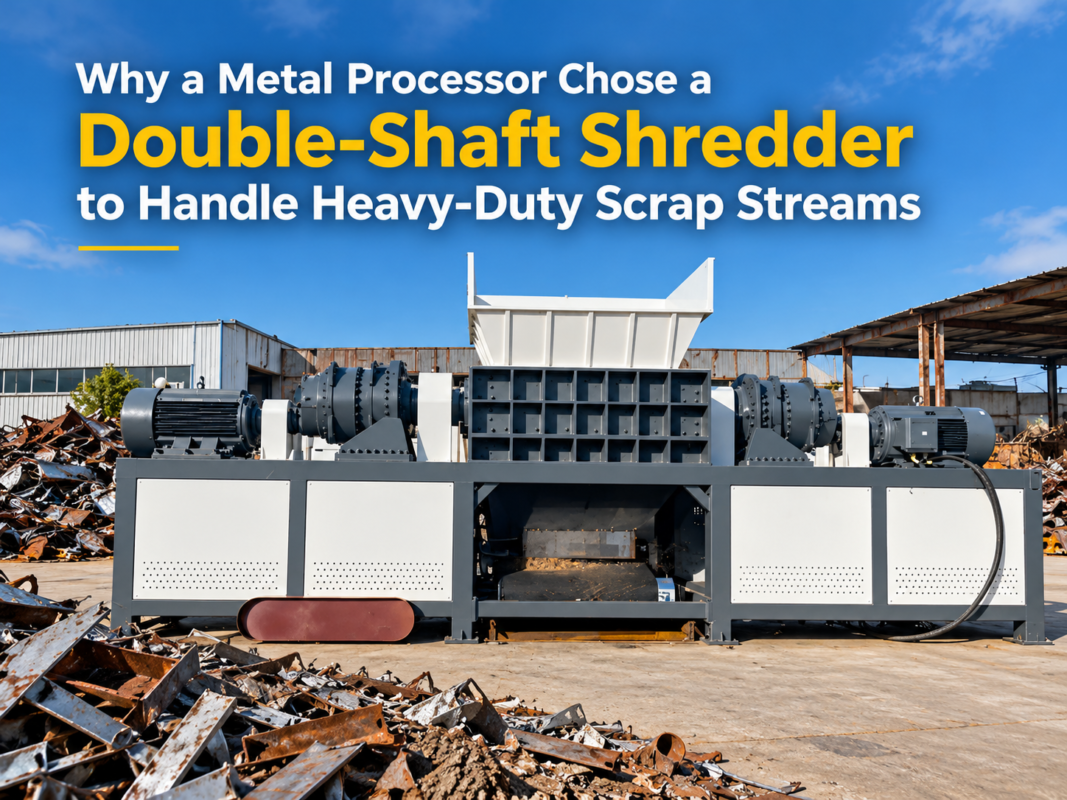
Top Factors to Consider When Purchasing a Hammer Shredder for Industrial Use

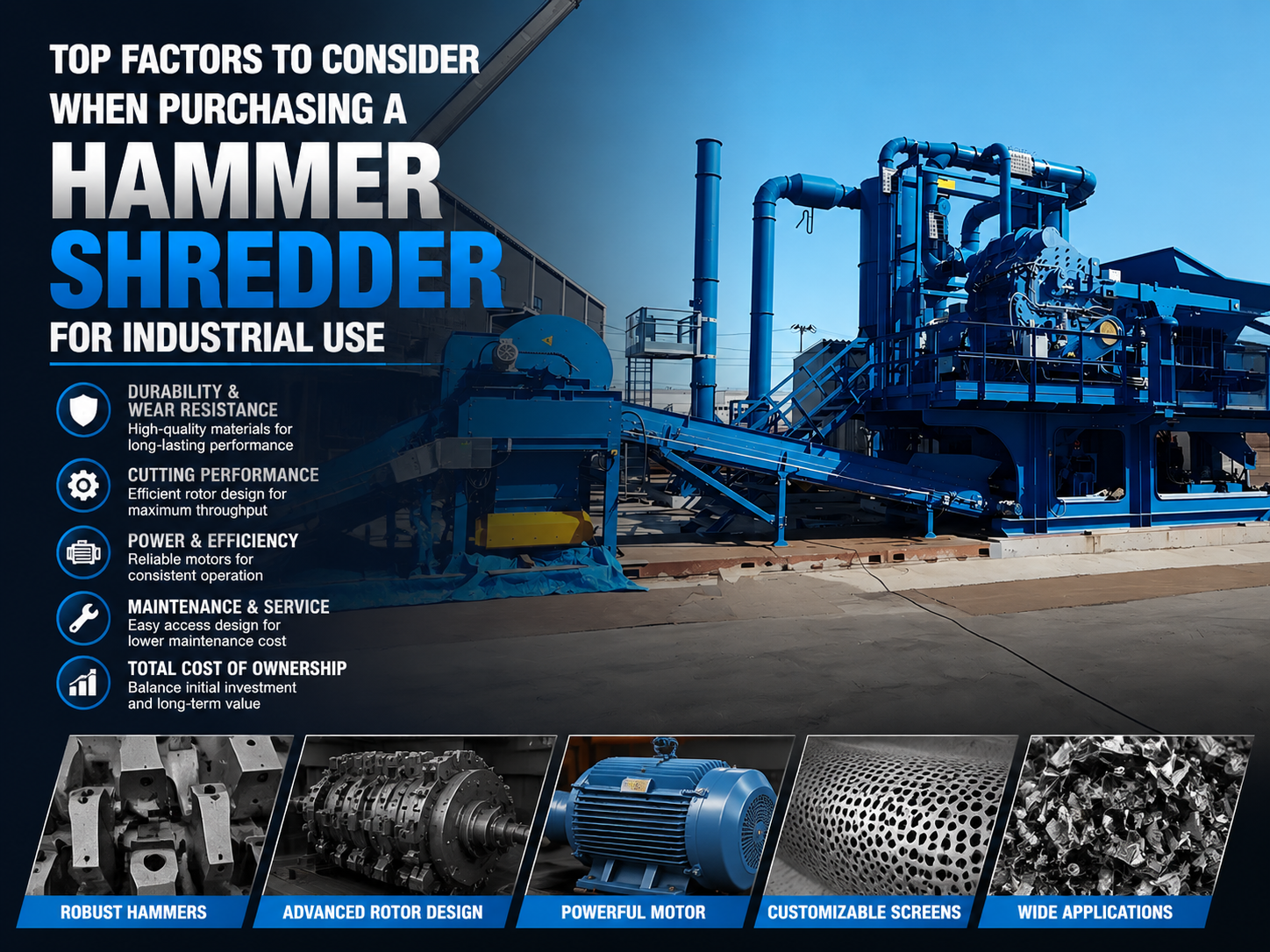
Introduction to Industrial Hammer Shredders
In the modern landscape of metal recycling and waste management, the hammer shredder stands as a cornerstone of efficiency. These robust machines are designed to reduce large volumes of scrap metal, electronic waste, and industrial debris into smaller, more manageable, and highly marketable fragments. However, investing in such equipment is a significant capital expenditure. Understanding the top factors consider when purchasing a hammer shredder industrial use is essential for ensuring that your facility achieves maximum throughput with minimal downtime.
HARSLE, a leader in metal fabrication machinery, recognizes that every industrial application has unique requirements. Whether you are processing end-of-life vehicles (ELVs), aluminum profiles, or mixed electronic scrap, the configuration of your shredder will dictate your long-term profitability. This guide provides a deep dive into the technical and financial considerations necessary for an informed purchase, ensuring your investment aligns with your operational goals.
Price Range Overview: What to Expect
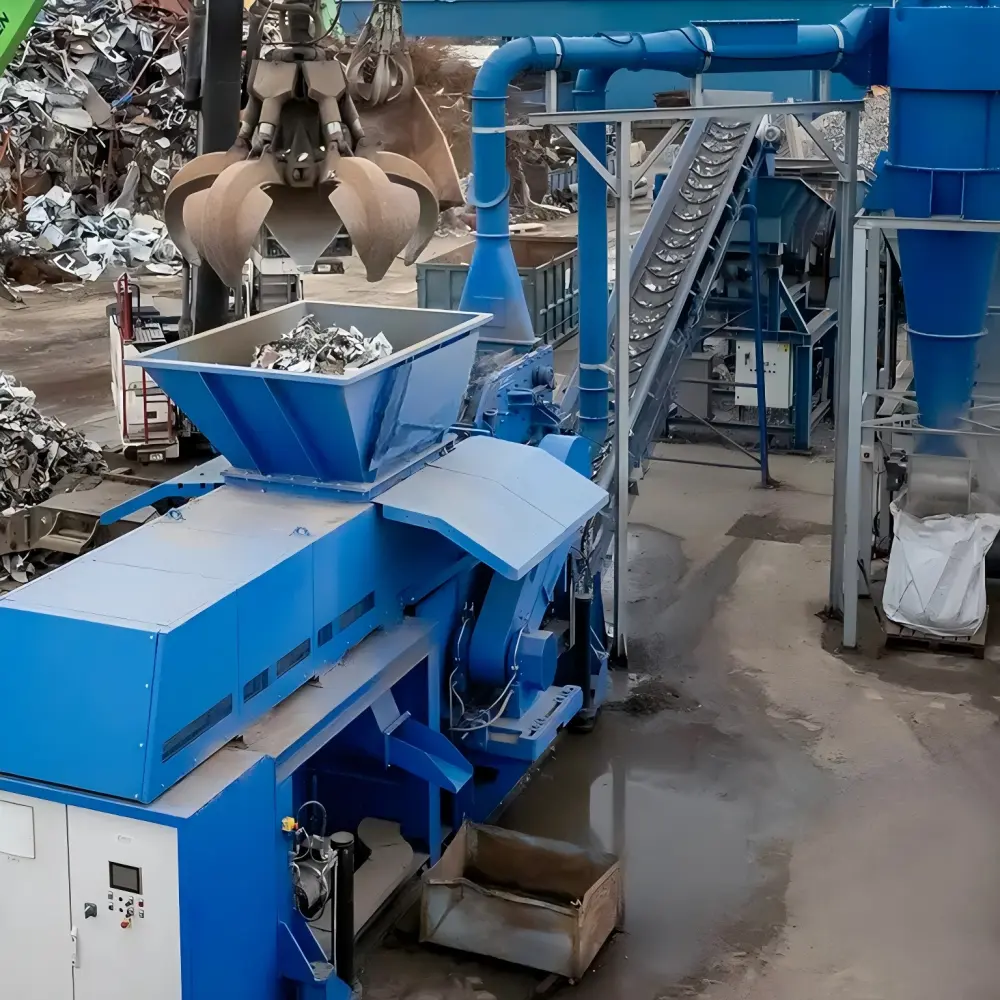
The cost of an industrial hammer shredder can vary wildly based on capacity, build quality, and automation features. Generally, the market is divided into three primary tiers. Entry-level industrial units, often used for lighter materials like aluminum cans or thin-gauge sheet metal, typically range from $25,000 to $60,000. These machines are suitable for smaller recycling centers that process 1-3 tons per hour.
Mid-range shredders, which are the workhorses of the industry, fall between $70,000 and $200,000. These units feature reinforced housings, more powerful motors (often exceeding 150kW), and advanced hydraulic systems for easy maintenance. They are capable of handling heavier scrap and higher daily volumes, often reaching 5-10 tons per hour depending on the material density.
At the top end, heavy-duty large-scale shredding plants can exceed $500,000. These are not just machines but integrated systems including vibratory feeders, magnetic separators, and sophisticated dust suppression systems. When evaluating the top factors consider when purchasing a hammer shredder industrial use, price must always be weighed against the projected volume of material and the specific purity requirements of the end product.
Main Cost Drivers in Hammer Shredder Manufacturing
Several technical elements drive the final price of a hammer shredder. Understanding these helps buyers distinguish between a “cheap” machine and a “value-driven” machine. The most significant cost driver is the rotor assembly. As the heart of the shredder, the rotor must be balanced perfectly and constructed from high-strength steel to withstand the immense kinetic energy generated during operation.
- Metallurgy of Wear Parts: Hammers made from high-manganese steel or specialized chromium alloys cost more but offer significantly longer service lives.
- Motor Quality: Premium brands like Siemens or ABB provide better energy efficiency and reliability, adding to the initial cost but reducing long-term operational expenses.
- Housing Thickness: Industrial-grade shredders use thick, wear-resistant plates for the main body. A thinner frame might be cheaper but will succumb to metal fatigue and vibration damage much sooner.
- Hydraulic Systems: Features like hydraulic opening of the top casing for hammer replacement significantly increase the price but drastically reduce labor costs during maintenance.
Furthermore, the inclusion of a sophisticated PLC (Programmable Logic Controller) system allows for automated load sensing. This prevents the motor from stalling by automatically adjusting the feed rate, a feature that adds cost but protects the machine from catastrophic failure.
Configuration Impact on Performance
The configuration of a hammer shredder is not a one-size-fits-all scenario. One of the top factors consider when purchasing a hammer shredder industrial use is the specific arrangement of the hammers and the size of the discharge grates. For instance, a “staggered” hammer arrangement is often preferred for uniform shredding, whereas a “grouped” arrangement might be better for heavy impact on dense materials.
The discharge grate (or sieve) determines the final particle size. Smaller holes result in a finer product but reduce the overall throughput and increase energy consumption per ton. Conversely, larger holes allow for faster processing but may require a secondary shredding stage if the buyer requires a specific density. It is crucial to match the grate configuration to the specific demands of your downstream sorting equipment or the requirements of the foundries purchasing your scrap.
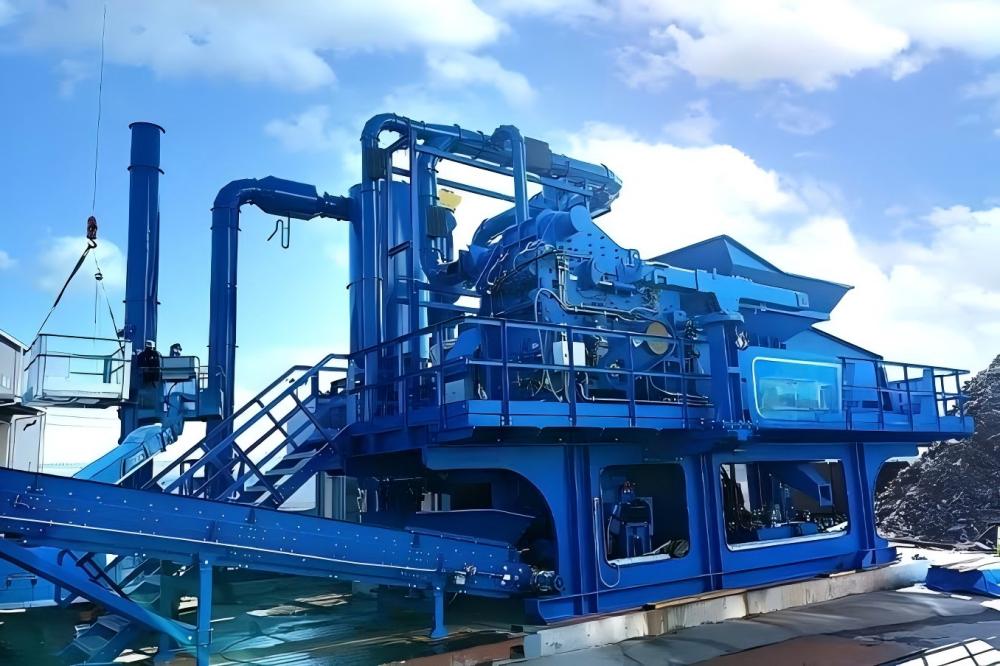
Table: Configuration Comparison for Different Materials
| Material Type | Recommended Hammer Type | Grate Size (mm) | Motor Power Requirement |
|---|---|---|---|
| Aluminum Cans (UBC) | Lightweight Manganese | 30 – 50 | Low to Medium |
| Electronic Waste (WEEE) | Hardened Alloy Steel | 15 – 30 | Medium |
| Light Iron / White Goods | Heavy-Duty Forged | 80 – 120 | High |
| Industrial Turnings | Sharp-Edge Hammers | 20 – 40 | Medium |
Hidden Costs of Ownership
The purchase price is only the beginning of the financial commitment. One of the most overlooked top factors consider when purchasing a hammer shredder industrial use is the ongoing cost of wear parts. Hammers are sacrificial components; depending on the abrasiveness of the material, they may need to be rotated or replaced every few hundred hours. If your machine uses non-standard hammer sizes, you may be locked into expensive proprietary replacements.
Energy consumption is another major hidden cost. A shredder running a 200kW motor for 8 hours a day can result in massive utility bills. Investing in a machine with a high-efficiency motor and a variable frequency drive (VFD) can mitigate these costs. Additionally, consider the cost of dust collection and environmental compliance. Shredding metal generates significant particulates and noise; failing to account for filtration systems and soundproofing in your initial budget can lead to regulatory fines or the need for expensive retrofitting.
ROI Calculation: Turning Scrap into Profit
Calculating the Return on Investment (ROI) for a hammer shredder involves more than just looking at the throughput. You must consider the “value-add” of the shredded material. For example, loose aluminum scrap might sell for a certain price, but shredded and magnetically separated aluminum fetches a much higher premium from smelters due to its density and purity.
To calculate ROI, use the following formula: (Monthly Revenue from Shredded Scrap – Monthly Operating Costs) / Total Investment Cost. Operating costs must include labor, electricity, replacement hammers, and scheduled maintenance. Most high-volume industrial facilities aim for a payback period of 18 to 24 months. If the top factors consider when purchasing a hammer shredder industrial use are handled correctly during the selection phase, the machine can remain a profit center for over a decade.
Buying Advice for Industrial Professionals
When you are ready to make a purchase, HARSLE recommends a rigorous vetting process. First, always request a material test. A reputable manufacturer should be able to process a sample of your specific scrap material and provide a report on throughput and particle size distribution. This eliminates guesswork regarding the machine’s capability.
Second, evaluate the manufacturer’s after-sales support. Does the supplier keep critical spare parts in stock? How quickly can they dispatch a technician? In the industrial world, a week of downtime can cost more than the machine itself. Finally, consider the future-proofing of the equipment. Is the frame robust enough to handle a motor upgrade later? Can the grate system be easily swapped if your market requirements change? Choosing a versatile and well-supported machine like those offered by HARSLE ensures that your facility remains competitive as the recycling industry evolves.
Frequently Asked Questions (FAQ)
What is the typical lifespan of hammers in an industrial shredder?
The lifespan varies greatly depending on the material. For soft metals like aluminum, hammers may last 300-500 hours. For heavy iron or abrasive materials, they may need attention every 100-150 hours. Regular rotation of the hammers can extend their useful life before a full replacement is necessary.
Can a hammer shredder handle stainless steel?
While possible, stainless steel is significantly harder and more abrasive than carbon steel. It requires a shredder with high-torque motors and specialized hammers. Processing large amounts of stainless steel will increase the frequency of maintenance and the cost of wear parts.
How do I minimize dust and noise during operation?
Most modern industrial hammer shredders can be equipped with water spray systems for dust suppression at the intake and discharge points. For noise, acoustic enclosures and vibration-dampening mounts are highly recommended, especially if the facility is located near residential areas.
Is a vertical or horizontal hammer shredder better?
Horizontal shredders are more common for general scrap and offer easier feeding of bulky items. Vertical shredders (often called vertical mills) are typically used for specialized applications where a very high density and “balling” of the metal is required, such as in high-grade copper or aluminum recovery.
What safety features should I look for?
Essential safety features include emergency stop buttons at multiple locations, safety interlocks on all access doors, and a “tramp metal” release door. The latter allows non-shreddable items (like a solid steel shaft) to be ejected from the chamber before they cause catastrophic damage to the rotor.
”
}