Comprehensive Guide: How to Troubleshoot a Recycling Baler With Low Hydraulic Force

Introduction to Hydraulic Force in Recycling Balers
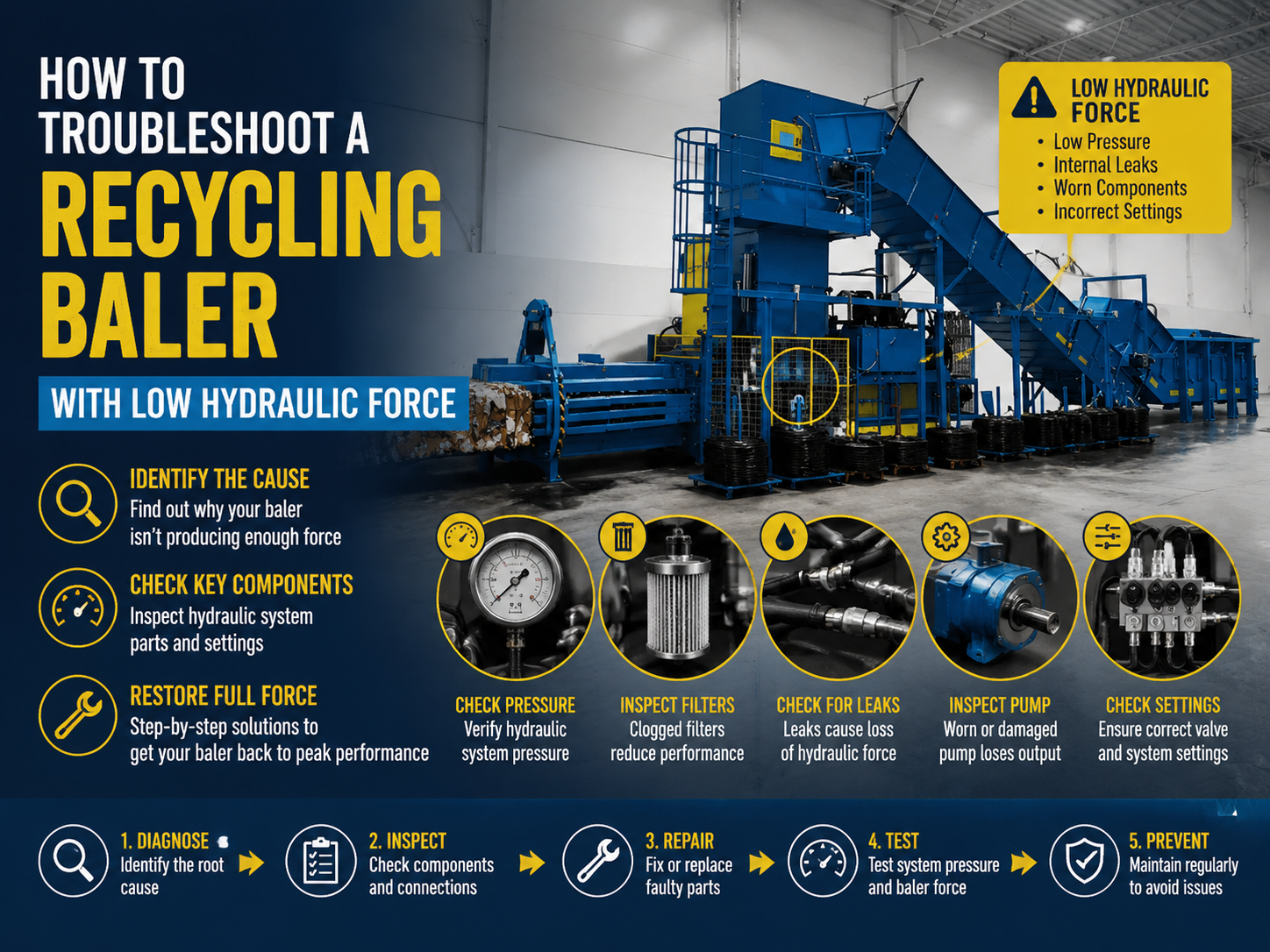
In the world of waste management and metal fabrication, the recycling baler stands as a cornerstone of operational efficiency. These machines are designed to compress voluminous materials—ranging from cardboard and plastics to scrap metal and aluminum extrusions—into dense, manageable blocks. The heart of this operation is the hydraulic system. When a machine begins to lose its compression power, the entire workflow is compromised. Learning how to Troubleshoot A Recycling Baler Low Hydraulic Force is not just a maintenance skill; it is a necessity for ensuring the longevity of your equipment and the profitability of your recycling plant.
HARSLE has long been a leader in providing high-performance industrial machinery, and we understand that downtime is the enemy of productivity. Low hydraulic force manifests in several ways: bales that are too loose, the ram failing to complete its stroke, or the machine taking significantly longer to process a single cycle. These issues often stem from a breakdown in the hydraulic circuit, which includes the pump, valves, cylinders, and the fluid itself. By systematically addressing each component, operators can identify the root cause and implement a fix before a minor issue turns into a catastrophic failure.
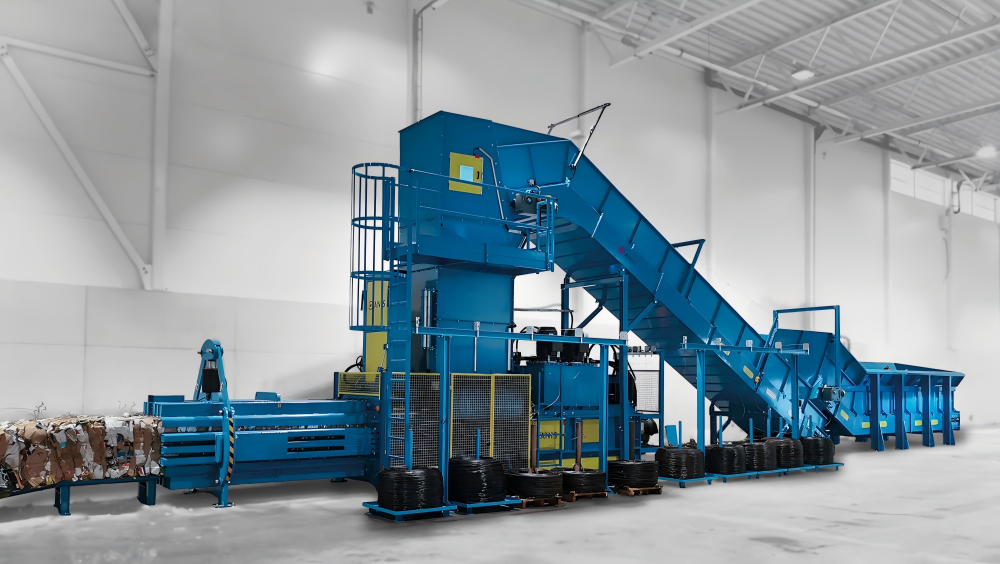
This guide provides a deep dive into the technical aspects of hydraulic pressure loss. We will explore the common culprits, from worn-out seals to misconfigured relief valves, and provide actionable steps to restore your baler to its original factory specifications. Whether you are operating a vertical baler for retail waste or a heavy-duty horizontal scrap baler, the principles of hydraulic troubleshooting remain remarkably consistent.
Key Considerations Before You Begin Troubleshooting
Before diving into the mechanical components, safety must be the primary consideration. Hydraulic systems operate under extreme pressure, often exceeding 3,000 PSI. A pinhole leak in a hydraulic hose can release a stream of fluid with enough force to penetrate human skin, leading to serious injury or even death. Always wear appropriate Personal Protective Equipment (PPE), including safety glasses and heavy-duty gloves. Ensure the machine is fully powered down and follow Lockout/Tagout (LOTO) procedures to prevent accidental activation during inspection.
Another key consideration is the distinction between ‘low pressure’ and ‘low flow.’ While both can result in poor performance, they point to different problems. Low pressure usually means the system cannot generate the force required to compress the material, often due to a leak or a faulty relief valve. Low flow, on the other hand, usually results in slow cycle times but might still reach full pressure eventually. Understanding this distinction will help you narrow down whether you are looking for a volumetric efficiency issue (pump wear) or a pressure regulation issue (valve failure).
Environmental factors also play a significant role. Is the baler operating in an extremely cold warehouse? Hydraulic oil becomes more viscous in low temperatures, which can lead to pump cavitation and reduced force. Conversely, in high-heat environments, the oil may thin out too much, losing its ability to provide a proper seal within the pump and cylinders. Always check the ambient temperature and ensure your hydraulic fluid is rated for your specific operating conditions.
Finally, consider the history of the machine. Has the hydraulic oil been changed recently? Are the filters clean? Often, the most complex-looking problems have the simplest solutions. Contaminated oil is the leading cause of hydraulic component failure. Small particles of metal or dirt can score the internal surfaces of valves and pumps, leading to internal bypass and a subsequent drop in hydraulic force. Always start with the basics before dismantling expensive components.
Technical Details: Identifying the Root Causes of Low Force
1. The Hydraulic Pump: The Heart of the System
The hydraulic pump is responsible for converting mechanical energy into hydraulic flow. In recycling balers, gear pumps or piston pumps are most common. Over time, the internal tolerances of the pump begin to widen due to wear and tear. When this happens, fluid begins to slip back from the high-pressure side to the low-pressure side within the pump housing. This is known as a loss of volumetric efficiency.
To troubleshoot the pump, you should first listen for unusual noises. A high-pitched whining or growling sound often indicates cavitation—a condition where the pump is not receiving enough oil, causing air bubbles to form and implode. This not only reduces force but can destroy the pump in a matter of hours. Check the suction line for blockages or air leaks. If the pump is quiet but the pressure is low, a flow meter test may be required to determine if the pump is delivering its rated output under load.
2. Relief Valve Malfunctions
The relief valve is the ‘safety gate’ of the hydraulic system. It is designed to open when the pressure reaches a pre-set limit, diverting oil back to the reservoir to prevent the machine from breaking itself. If the relief valve is stuck partially open, or if the spring inside has weakened, the system will never reach the pressure required for a full-density bale. This is a very common cause when you need to Troubleshoot A Recycling Baler Low Hydraulic Force.
Inspect the relief valve for signs of debris. Even a tiny speck of metal can prevent the valve poppet from seating correctly. You can attempt to adjust the relief valve while monitoring a pressure gauge, but be cautious. Never exceed the manufacturer’s recommended maximum pressure, as this can lead to structural failure of the baler frame or the hydraulic cylinder. If adjusting the valve yields no change in pressure, the valve likely needs to be cleaned or replaced.
3. Internal Cylinder Leakage (Bypassing)
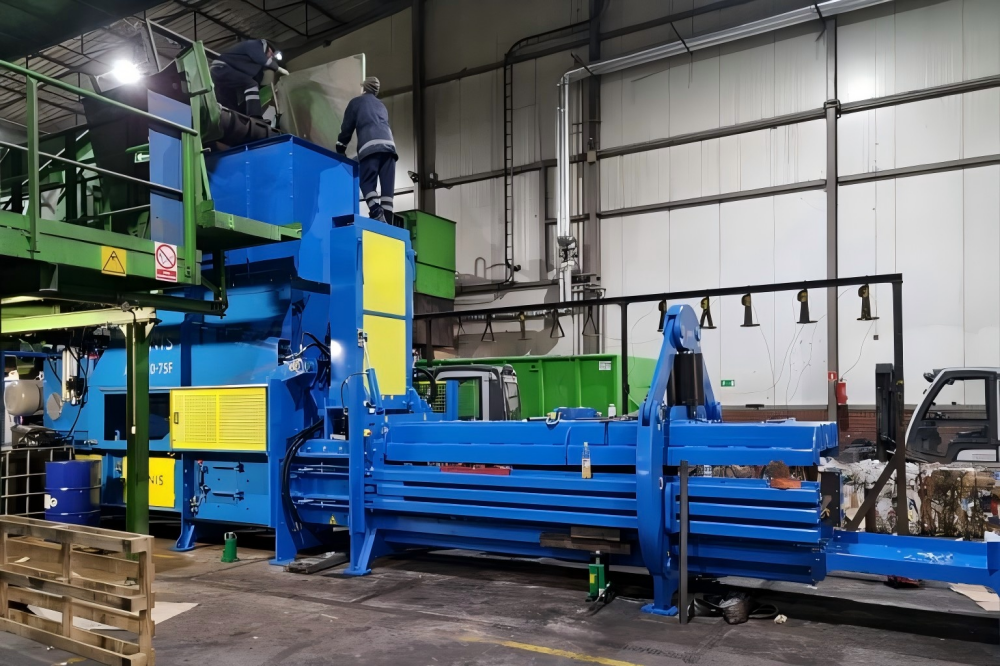
The hydraulic cylinder is where the work happens. It contains a piston with seals that separate the extend and retract sides of the cylinder. If these seals are worn or damaged, high-pressure oil can ‘leak’ across the piston to the low-pressure side. This internal bypass means that even if the pump and valves are working perfectly, the cylinder cannot generate the necessary force to compress the material.
A simple way to test for cylinder bypass is the ‘end-of-stroke’ test. Extend the cylinder fully until it bottoms out. With the control valve still held in the extend position, carefully crack open the fitting on the retract side of the cylinder (use extreme caution and proper containment). If oil continues to flow out of the retract port while the piston is stationary at the end of its stroke, the internal seals are bypassing and must be replaced. This is a frequent issue in older balers that have processed abrasive materials.
4. Directional Control Valve Issues
The directional control valve (DCV) directs the flow of oil to either the top or bottom of the cylinder. In many modern balers, these are solenoid-operated. If the valve spool is not shifting fully, it can create a restriction that drops the pressure. Furthermore, if the internal lands of the valve body are worn, oil can leak across the spool, reducing the effective force delivered to the cylinder. Check the electrical signals to the solenoids to ensure they are receiving the correct voltage and that the coils are not burnt out.
Selection Advice: Choosing a Baler That Minimizes Downtime
When purchasing a new recycling baler, the design and quality of the hydraulic system should be your top priority. At HARSLE, we emphasize the use of high-quality components to minimize the need for future troubleshooting. Here are several factors to consider when selecting a machine to ensure long-term hydraulic reliability:
- Component Brand: Look for balers that utilize reputable hydraulic brands like Rexroth, Vickers, or Parker. These components are built to tighter tolerances and are easier to find replacement parts for globally.
- Filtration Systems: A high-quality baler should have a multi-stage filtration system, including a suction strainer and a high-pressure return line filter. Some HARSLE models also include magnetic traps to catch fine metallic particles before they reach the pump.
- Cooling Systems: For high-volume operations, an integrated oil cooler (air or water-cooled) is essential. Keeping the oil within the optimal temperature range (usually 40°C to 55°C) prevents seal degradation and maintains consistent hydraulic force.
- Frame Rigidity: A baler with a weak frame will flex under pressure. This flexing can cause misalignment of the hydraulic cylinder, leading to uneven seal wear and premature failure. Ensure the machine has a heavy-duty, welded steel construction.
- Ease of Access: Choose a design where the hydraulic manifold and pump are easily accessible. If a machine is difficult to service, routine maintenance is more likely to be neglected, leading to the very issues we are trying to avoid.
By investing in a well-engineered machine from the start, you significantly reduce the frequency with which you will need to Troubleshoot A Recycling Baler Low Hydraulic Force. HARSLE’s engineering team focuses on ‘over-speccing’ hydraulic components, ensuring that the machine operates well within its limits during standard use, which drastically extends the service life of the seals and pumps.
Maintenance Checklist for Optimal Hydraulic Performance
To prevent low hydraulic force, a proactive maintenance schedule is mandatory. Use the following table as a guide for your routine inspections:
| Frequency | Component | Action Required |
|---|---|---|
| Daily | Oil Level | Check the sight glass; ensure the reservoir is full. |
| Daily | Hoses & Fittings | Inspect for leaks, weeping, or frayed outer jackets. |
| Weekly | Oil Temperature | Monitor during peak operation; ensure it stays below 60°C. |
| Monthly | Filters | Check the bypass indicator on the return line filter. |
| Quarterly | Relief Valve | Verify pressure settings using a calibrated gauge. |
| Annually | Hydraulic Oil | Perform an oil analysis or replace the fluid entirely. |
Consistent oil analysis is one of the most cost-effective ways to manage a fleet of recycling balers. By sending a small sample of oil to a lab, you can detect the presence of microscopic metal shavings (indicating pump wear) or water contamination (indicating a cooling system leak) long before these issues result in a loss of hydraulic force.
Frequently Asked Questions (FAQ)
Why is my baler making a loud banging noise when the ram moves?
This is often caused by air trapped in the hydraulic lines or ‘shock loading.’ If the air is not bled from the system, it compresses and expands rapidly, causing a banging sound. It could also indicate that the cylinder mounting bolts are loose or that the ram guides need lubrication.
Can I use any hydraulic oil in my HARSLE baler?
No. You must use the oil viscosity grade recommended in your manual (typically ISO 46 or ISO 68). Using the wrong oil can lead to poor lubrication, overheating, and a significant drop in hydraulic force. In colder climates, a multi-grade ‘HV’ oil may be necessary to ensure flow during startup.
How do I know if the motor or the pump is failing?
If the electric motor is humming but not turning, it is likely an electrical issue (capacitor, contactor, or phase loss). If the motor is spinning freely but no pressure is generated, the coupling between the motor and the pump may have sheared, or the pump itself has failed internally.
What is the most common cause of low pressure?
Statistically, the most common cause is a contaminated or improperly adjusted relief valve. Before replacing expensive pumps or cylinders, always inspect and clean the relief valve and check the condition of the hydraulic filters.
Is it possible to repair a hydraulic cylinder myself?
While seal kits are available, repairing a large baler cylinder requires specialized tools, including heavy-duty wrenches and a clean environment to prevent contamination. For large-scale industrial cylinders, professional honing and resealing are usually recommended to ensure a proper fix.
Conclusion: Restoring Power to Your Recycling Operation
Successfully learning how to Troubleshoot A Recycling Baler Low Hydraulic Force requires a blend of patience, safety consciousness, and technical knowledge. By understanding the relationship between the pump, the relief valve, and the cylinder, operators can quickly move from a state of confusion to a clear plan of action. Most hydraulic issues are not mysterious; they are the result of physical wear or contamination that can be identified through systematic testing.
At HARSLE, we are committed to supporting our customers through every stage of the machine’s lifecycle. From selecting the right baler for your specific material needs to providing the technical documentation required for deep-level troubleshooting, our goal is to keep your facility running at peak efficiency. Remember that the best troubleshooting tool is a rigorous preventative maintenance program. By keeping your oil clean, your filters fresh, and your seals intact, you ensure that your recycling baler continues to deliver the high-density bales your business depends on for years to come.
If you have followed the steps in this guide and are still experiencing issues with your hydraulic force, do not hesitate to contact a certified technician. Sometimes, an expert eye and a professional pressure testing kit are all that stands between a malfunctioning machine and a fully operational recycling line. Stay safe, stay proactive, and keep your hydraulic systems under pressure.