Why Recycling Baler Speed Drops After Heavy Use and What to Check

Introduction to Recycling Baler Performance Degradation
In the demanding world of waste management and metal fabrication, the recycling baler stands as a cornerstone of operational efficiency. These machines are designed to handle immense pressure, compacting everything from scrap metal and cardboard to plastics and textiles. However, a common frustration among facility managers is the noticeable decline in cycle speed after periods of heavy, continuous use. When a Recycling Baler Speed Drops After Heavy Use Check becomes necessary, it is often a sign that the internal systems are struggling to maintain the hydraulic equilibrium required for peak performance.
The speed of a recycling baler is directly tied to its hydraulic flow rate and the efficiency of its mechanical components. Under heavy use, components are subjected to thermal stress, friction, and fluid contamination. If the cycle time increases from 45 seconds to 60 seconds, that 25% drop in speed translates directly to a 25% loss in daily throughput. For high-volume operations, this can mean the difference between meeting a shipping quota and falling behind. Understanding the root causes of this slowdown is the first step in restoring the machine to its factory-rated specifications.
HARSLE recognizes that industrial machinery must be resilient. However, even the most robust balers require systematic checks to counteract the effects of wear and tear. This article provides a deep dive into the technical reasons behind speed drops, offering a comprehensive checklist for maintenance teams and operators to ensure their equipment remains productive for years to come. We will explore the intricacies of hydraulic circuits, the impact of temperature on oil viscosity, and the mechanical bottlenecks that often go unnoticed during routine inspections.
Key Considerations: Why Speed Drops Occur
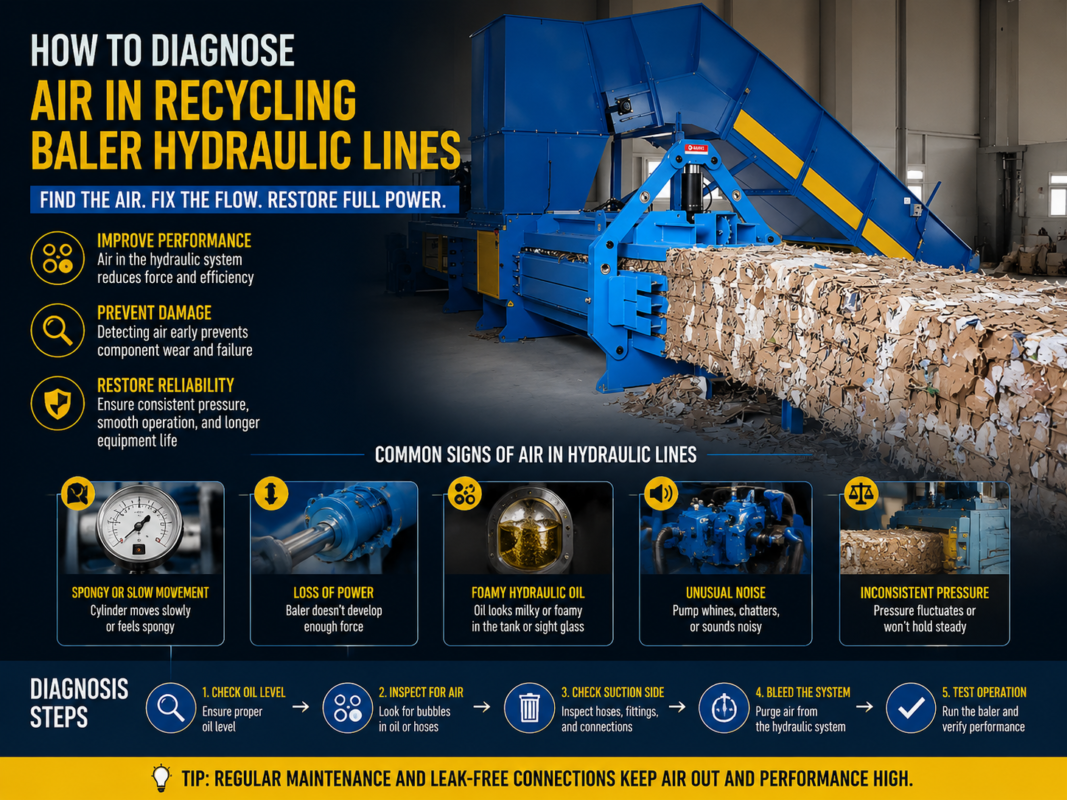
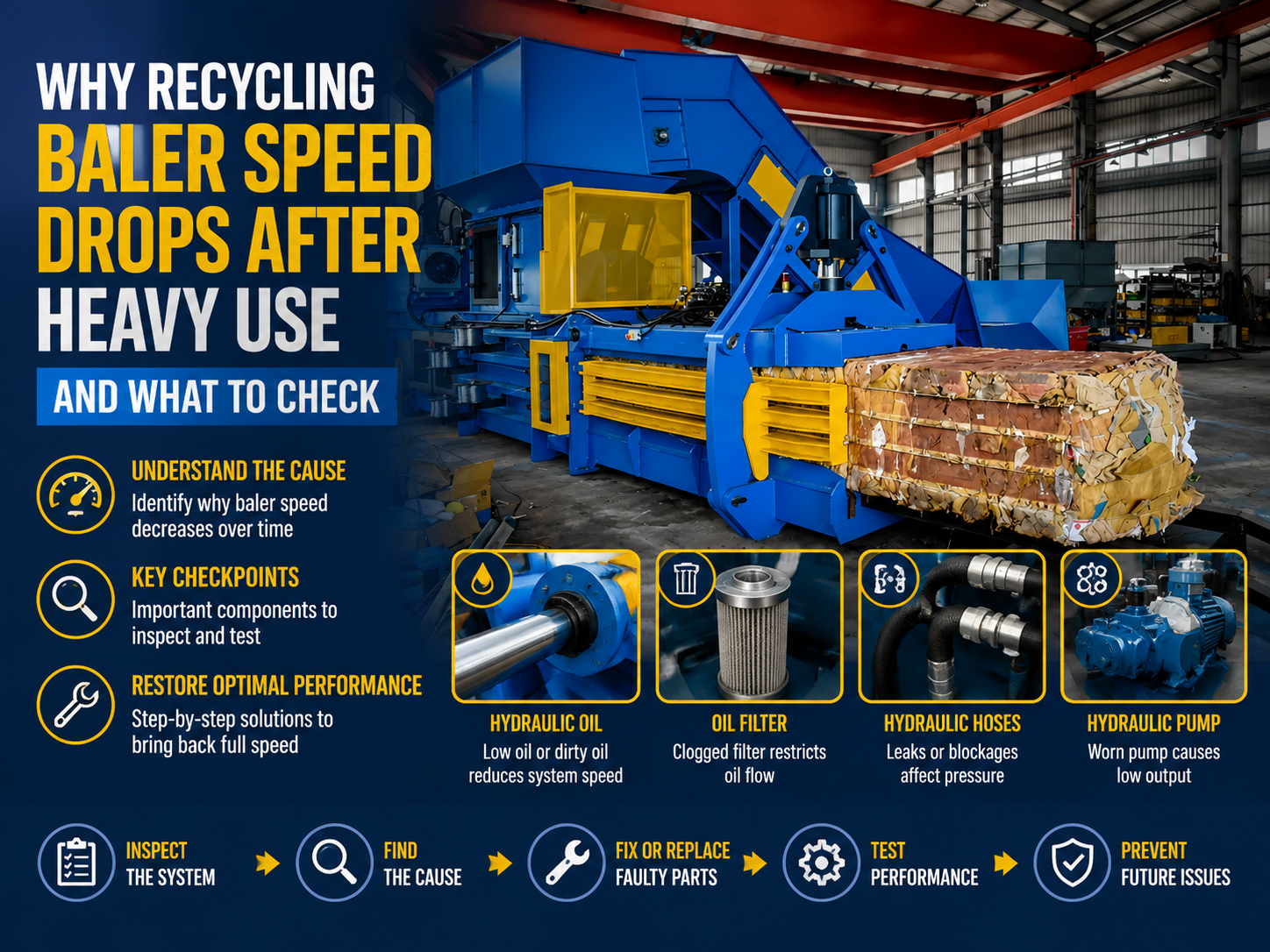
When investigating why a Recycling Baler Speed Drops After Heavy Use Check is required, the primary suspect is almost always the hydraulic system. Hydraulics rely on the incompressible nature of oil to transmit power. However, as the machine runs for 8, 12, or 24 hours straight, several factors begin to degrade this power transmission. The most significant factor is heat. As hydraulic oil heats up, its viscosity decreases, making it ‘thinner.’ Thin oil is more prone to internal leakage within pumps and valves, meaning less fluid reaches the cylinder to perform work, resulting in slower movement.
Another critical consideration is the condition of the filtration system. Heavy use generates microscopic metal particles and sludge. If the suction or return filters are partially clogged, the pump must work harder to draw oil, leading to cavitation. Cavitation not only slows down the machine but also causes catastrophic damage to the pump’s internal vanes or pistons. Operators often overlook the ‘breather’ cap on the oil tank as well; if air cannot enter the tank freely, a vacuum forms, restricting the flow of oil to the main pump.
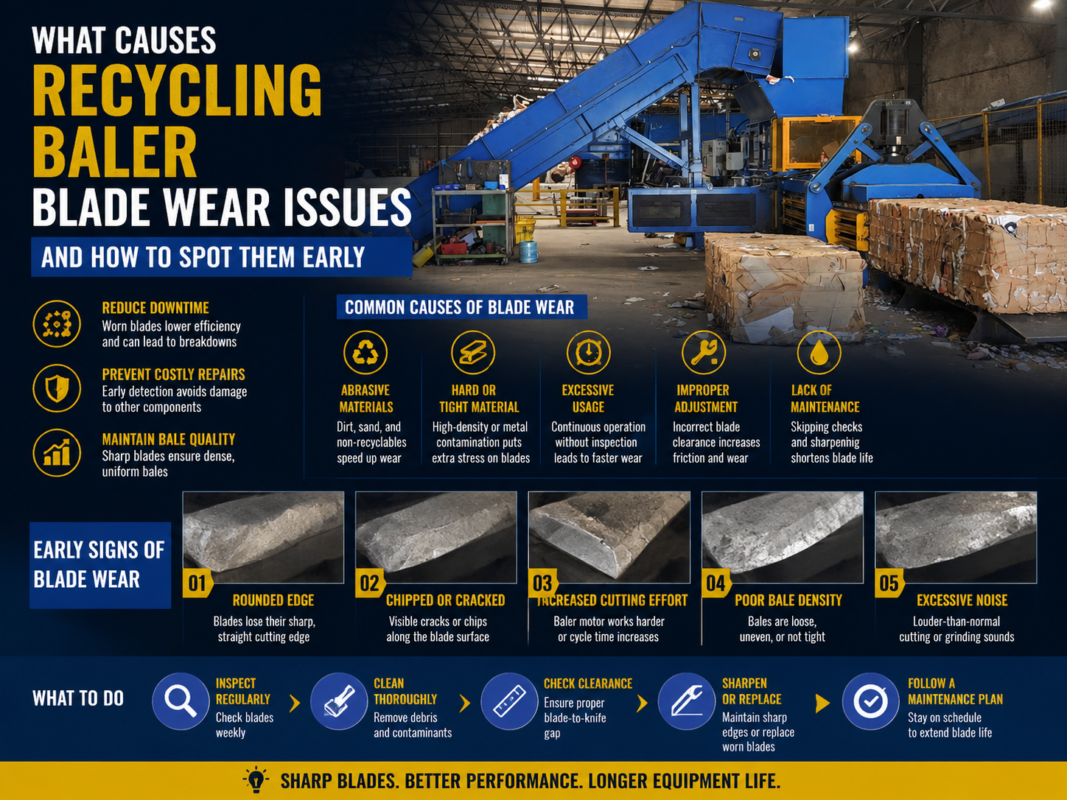
Furthermore, mechanical friction cannot be ignored. The ram of a recycling baler moves on wear plates or rollers. Over time, these surfaces can become scarred or lose their lubrication. If the ram is fighting against increased friction, the hydraulic system must build higher pressure just to move the load, which often results in a slower approach speed. In some cases, the structural frame of the baler may even experience slight thermal expansion or misalignment after years of heavy use, creating ‘tight spots’ in the stroke that slow down the cycle.
Technical Details: Deep Dive into the Hydraulic Circuit
The Role of the Main Hydraulic Pump
The pump is the heart of the recycling baler. Most modern balers use either a high-pressure piston pump or a dual-stage vane pump. In a dual-stage system, one pump provides high flow at low pressure (for fast ram movement), and the other provides low flow at high pressure (for the final squeeze). If the high-flow stage fails or its relief valve is set incorrectly, the baler will move at a ‘crawl’ speed throughout the entire cycle. During a Recycling Baler Speed Drops After Heavy Use Check, technicians should use a flow meter to verify if the pump is still delivering its rated Gallons Per Minute (GPM).
Directional Control Valves and Solenoid Response
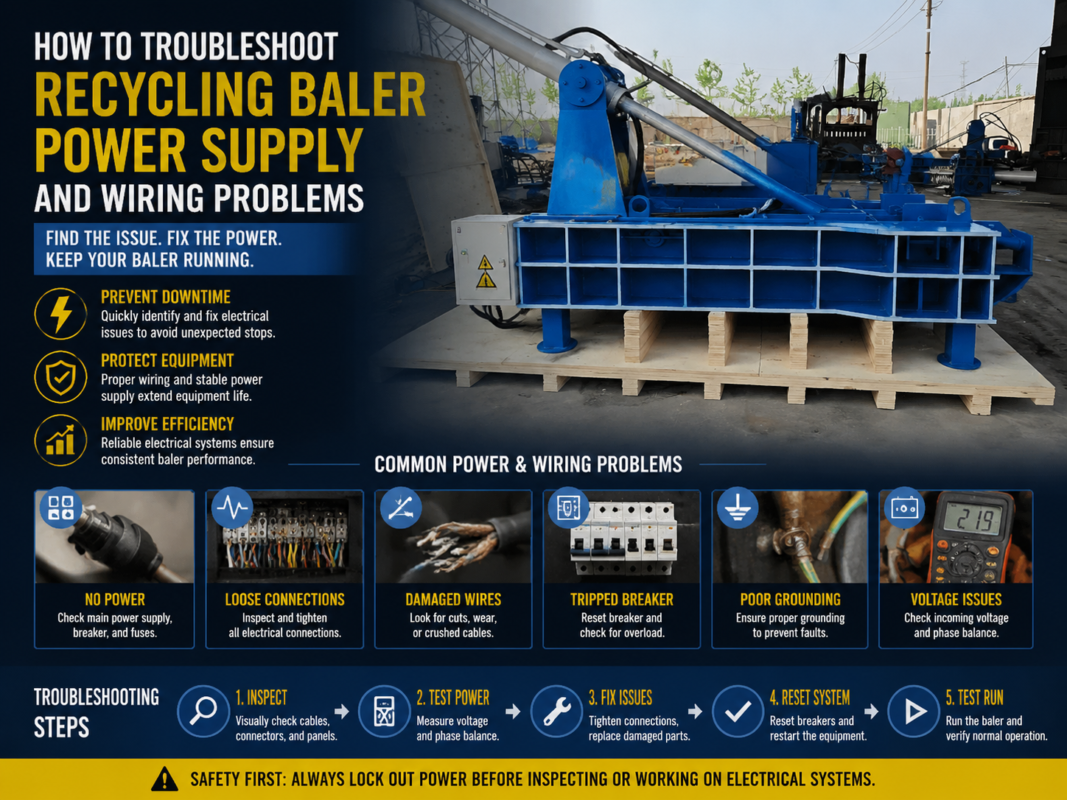
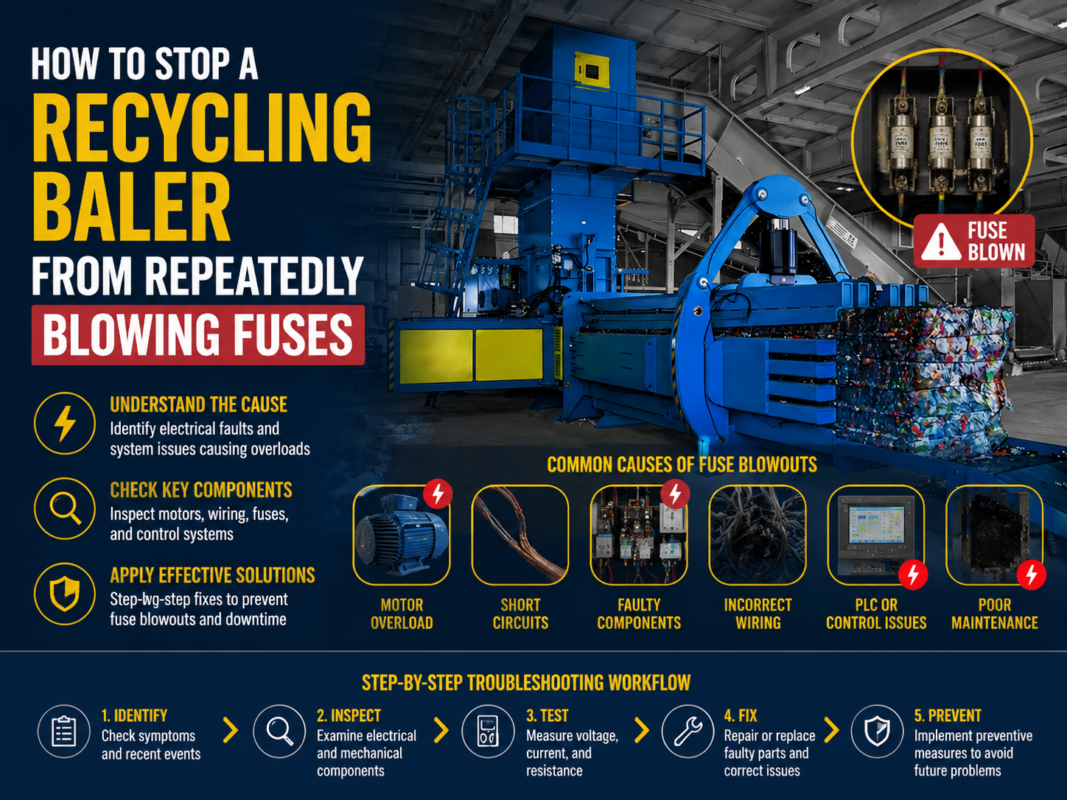
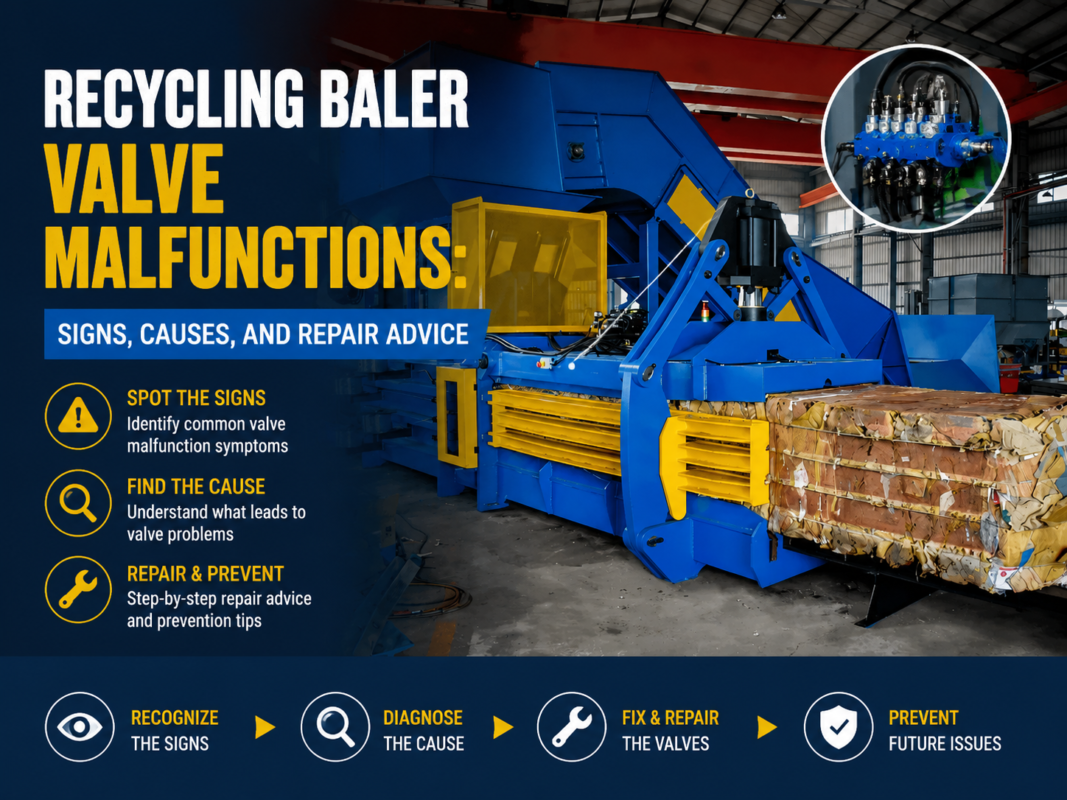
The speed of the ram is also dictated by how quickly and fully the directional control valves open. These valves are actuated by electrical solenoids. After heavy use, the solenoid coils can weaken due to heat, or the internal spools can become sticky due to varnished oil. If a valve spool only opens 80% of the way, it creates a bottleneck, restricting oil flow and slowing the ram. Additionally, check the ‘pilot pressure’—if the system uses pilot-operated valves, a drop in pilot pressure will prevent the main valves from shifting fully.
Cylinder Internal Leakage
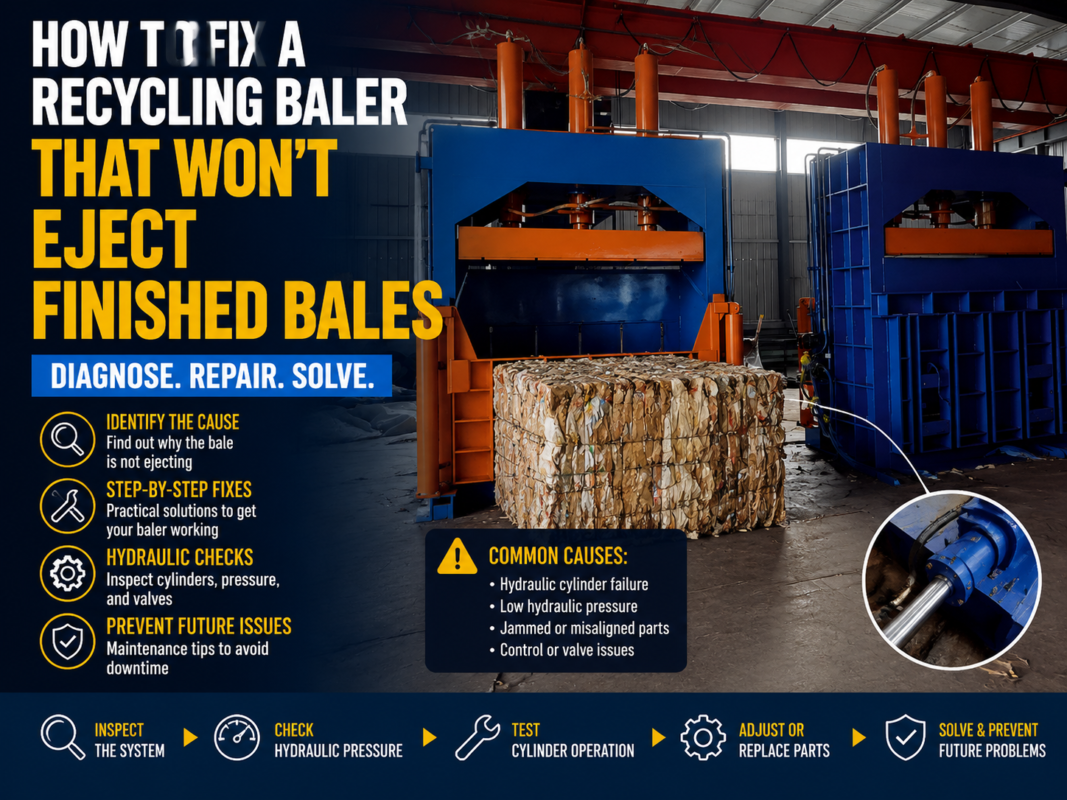
Perhaps the most deceptive cause of speed loss is internal leakage within the hydraulic cylinder. The piston inside the cylinder is fitted with seals that prevent oil from bypassing the piston head. If these seals are worn, oil can leak from the high-pressure side to the low-pressure side. This doesn’t cause an external leak, so it often goes unnoticed. However, it means that a portion of the pump’s output is simply ‘looping’ inside the cylinder rather than pushing the ram forward. This is especially common after heavy use where the cylinder walls may have become slightly enlarged due to heat and pressure.
Selection Advice: Choosing a Baler That Maintains Speed
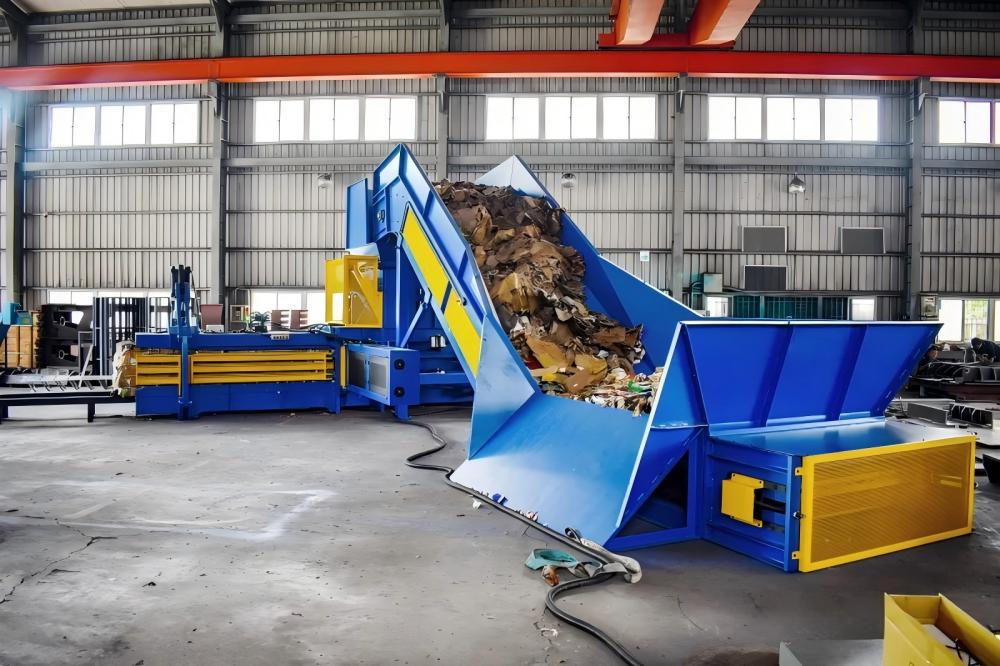
When purchasing a new recycling baler, it is essential to look for features that mitigate the risk of speed drops. Not all balers are created equal, and the cheapest option often lacks the cooling and filtration capacity needed for heavy-duty cycles. First, prioritize machines with integrated oil cooling systems. Whether it is an air-cooled heat exchanger or a water-cooled system, keeping the oil within the optimal temperature range (usually 40°C to 55°C) is the single best way to prevent speed degradation.
Second, consider the pump technology. Variable displacement piston pumps are generally more efficient and generate less heat than fixed-gear pumps. They can adjust their output based on the load, which saves energy and reduces the thermal load on the oil. Additionally, look for balers that utilize ‘manifold’ blocks rather than excessive hosing. Manifolds reduce the number of potential leak points and minimize fluid friction, which helps maintain higher flow velocities.
Finally, evaluate the frame construction and wear part accessibility. A baler that allows for easy adjustment of the ram’s wear pads will be much easier to maintain. If you can keep the ram perfectly aligned with minimal friction, the hydraulic system won’t have to work as hard. HARSLE recommends checking the specifications for ‘cycle time under load’ rather than just ‘dry cycle time,’ as this provides a more realistic expectation of how the machine will perform in a real-world recycling environment.
Checklist for Buying a High-Speed Recycling Baler
- Cooling Capacity: Does the machine have an oversized radiator or heat exchanger?
- Filtration: Are there high-micron return filters and suction strainers with bypass indicators?
- Pump Brand: Does the manufacturer use reputable pump brands like Rexroth, Parker, or Vickers?
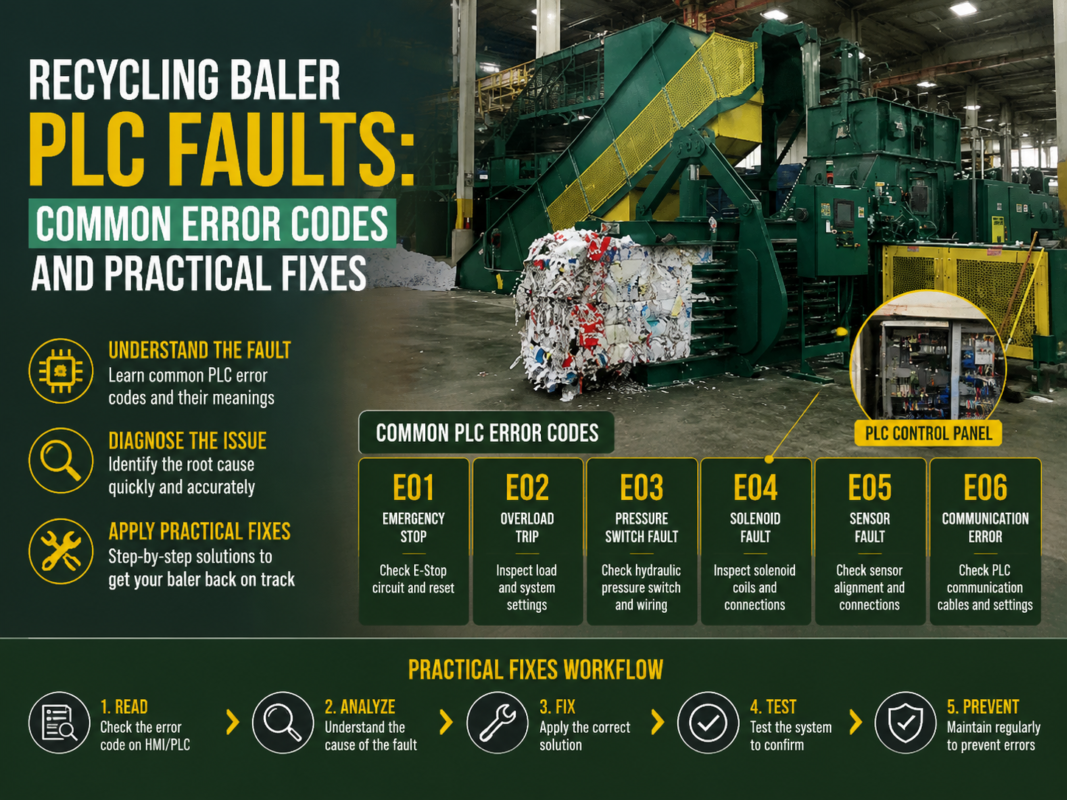
- PLC Control: Does the software include ‘soft-start’ and ‘soft-stop’ to reduce hydraulic shock?
- Regenerative Circuit: Does the hydraulic design include a regenerative valve for faster ram extension?
Maintenance Checklist: What to Check When Speed Drops
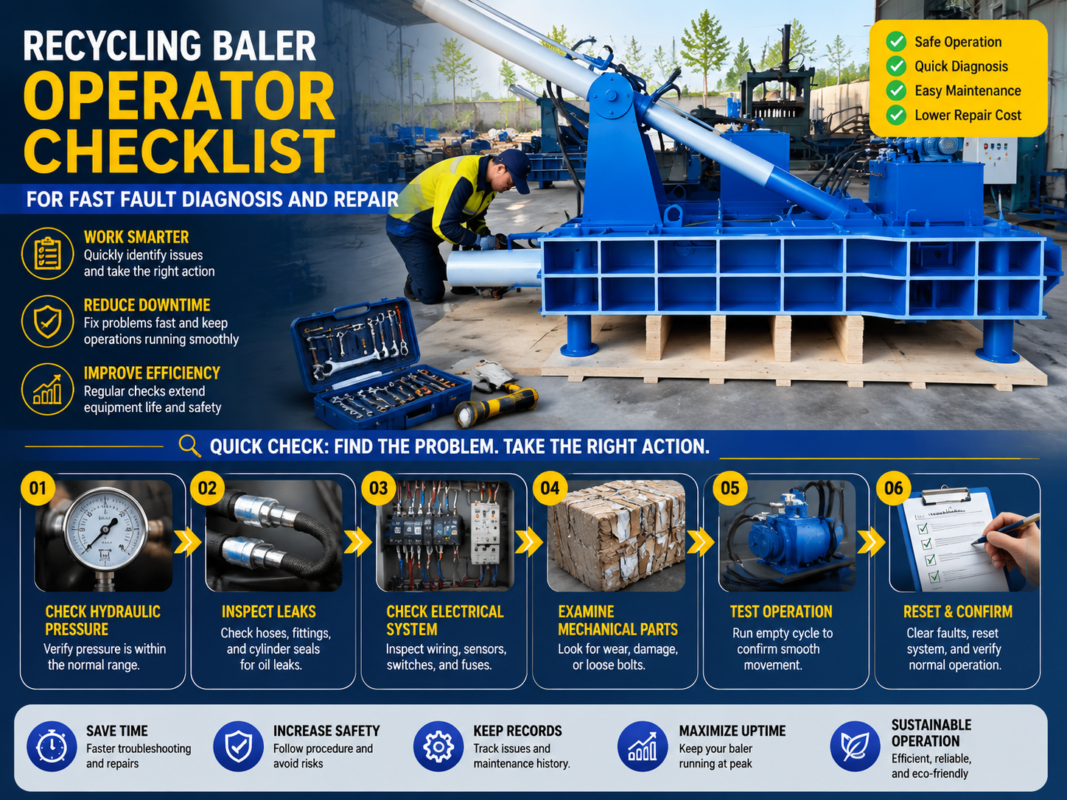
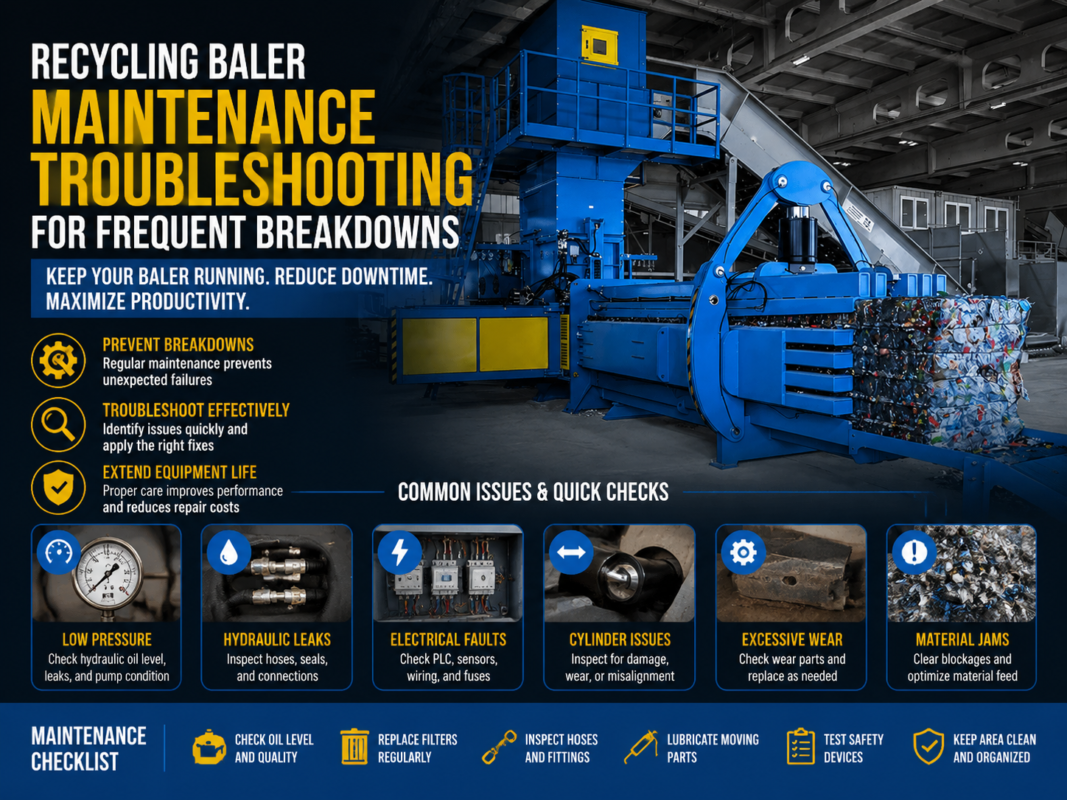
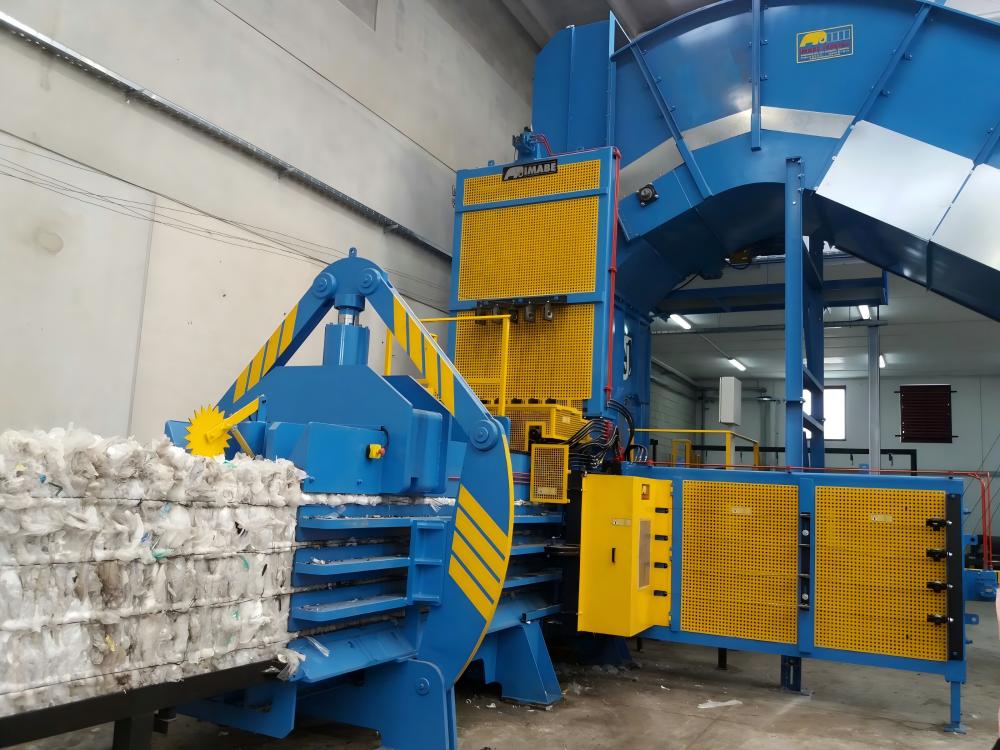
If you are currently experiencing a Recycling Baler Speed Drops After Heavy Use Check, follow this systematic troubleshooting guide to identify the culprit. Start with the simplest solutions before moving to complex component replacements.
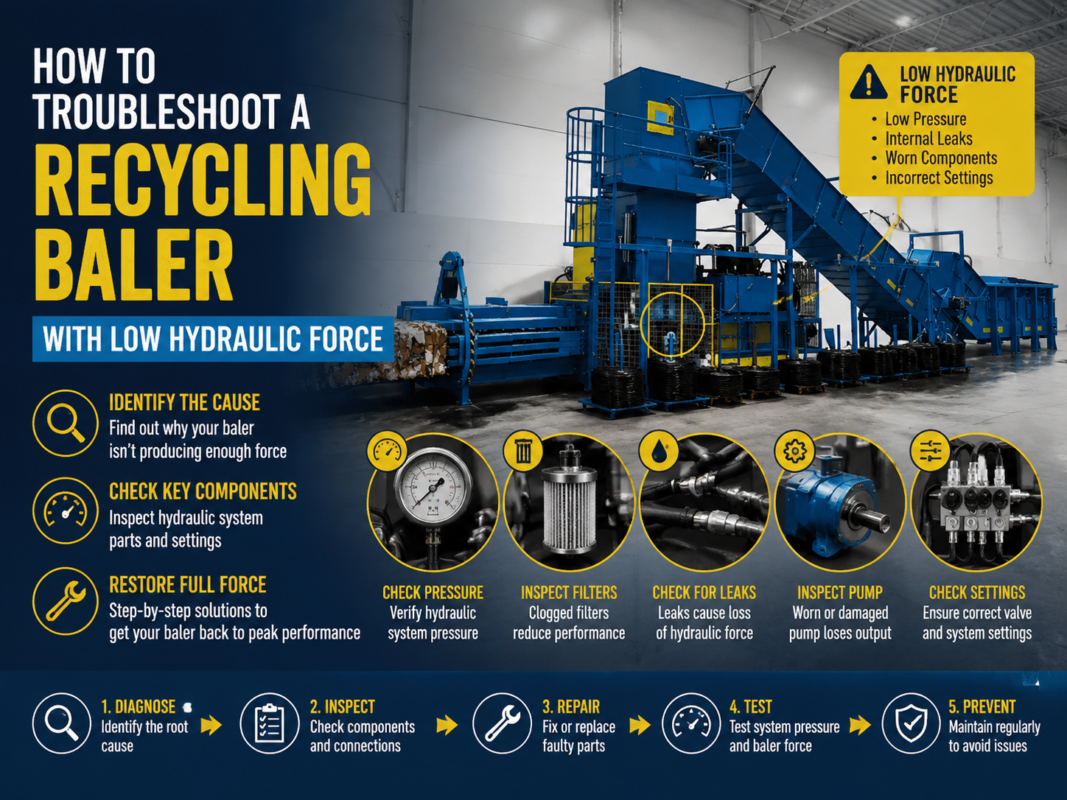
- Check Oil Temperature: Use an infrared thermometer to check the tank and the pump casing. If the oil is above 65°C, the speed drop is likely due to low viscosity. Check the cooling fan and clean the heat exchanger fins.
- Inspect Filters: Replace all hydraulic filters. Even if they don’t look dirty, microscopic particles can restrict flow. Check the suction strainer inside the tank for any signs of ‘ragging’ or debris.
- Monitor System Pressure: Install a pressure gauge. If the system reaches maximum pressure too early in the stroke, there is mechanical resistance. If it never reaches full pressure, the pump or relief valve is failing.
- Test the Solenoids: Swap solenoids between the ‘advance’ and ‘retract’ functions. If the speed issue moves to the other direction, you have a faulty electrical coil or a sticky valve spool.
- Check for Aeration: Look at the oil in the sight glass. If it appears foamy or milky, air is entering the system. Air is compressible and will significantly slow down hydraulic response times.
- Examine Ram Alignment: Ensure the ram is not rubbing against the side walls of the baling chamber. Adjust the wear shoes to provide the correct clearance.
FAQ: Common Questions About Baler Speed
Q: Can I just turn up the pressure to make the baler faster?
A: No. Increasing the pressure does not increase the flow rate (GPM). In fact, turning the pressure up beyond the manufacturer’s specifications can cause the pump to wear out faster and generate even more heat, which will eventually slow the machine down further. Speed is a function of flow, not pressure.
Q: How often should I change the hydraulic oil?
A: For heavy-use recycling balers, oil should be analyzed every 2,000 hours and typically changed every 4,000 to 5,000 hours. However, if the oil has been overheated, it may need to be changed sooner as the chemical additives break down, leading to ‘varnishing’ of the internal components.
Q: Why does my baler start fast in the morning but slow down by noon?
A: This is a classic symptom of thermal thinning of the hydraulic oil. As the machine works, the oil heats up. If the cooling system is inadequate or the pump is internally worn, the loss of viscosity causes internal leakage, which manifests as a speed drop as the day progresses.
Q: Does the type of material being baled affect the speed?
A: Yes. Denser materials like aluminum extrusions or heavy plastics require the baler to stay in the ‘high pressure/low flow’ stage longer. This makes the overall cycle time feel slower compared to baling light cardboard, where the machine stays in ‘high flow’ for most of the stroke.
Conclusion: Maintaining Peak Efficiency with HARSLE
A Recycling Baler Speed Drops After Heavy Use Check is not just a maintenance task; it is a vital part of protecting your capital investment. By understanding that speed loss is usually a symptom of heat, contamination, or internal wear, operators can take proactive steps to keep their machines running at peak performance. Regular oil analysis, filter changes, and cooling system maintenance are the best defenses against the gradual slowdown that plagues many recycling facilities.
At HARSLE, we engineer our recycling balers with the rigors of heavy use in mind. From oversized hydraulic reservoirs that aid in natural cooling to high-precision valves and pumps, our equipment is built to maintain its cycle times even in the most demanding environments. However, no machine is immune to the laws of physics. By following the technical advice and maintenance checklists provided in this guide, you can ensure that your HARSLE baler—or any industrial baler—continues to deliver the throughput your business depends on. Remember, a well-maintained machine is a fast machine, and a fast machine is a profitable one.
If you are still experiencing speed issues after performing these checks, it may be time for a professional hydraulic audit. Contact your equipment manufacturer or a certified hydraulic technician to perform a flow-test on your pump and a bypass test on your cylinders. Addressing these issues early prevents minor slowdowns from turning into major mechanical failures.