How to Use a Hydraulic Briquetting Machine in Machining Workshops

Introduction to Metal Waste Management in Modern Machining
In the high-precision world of modern manufacturing, the efficiency of a workshop is often measured not just by the quality of the parts produced, but by how effectively it manages its waste. Machining processes—such as milling, turning, and drilling—generate vast quantities of metal swarf, chips, and turnings. These waste products, while seemingly insignificant on a per-part basis, accumulate into massive volumes that occupy valuable floor space, create safety hazards, and represent a significant loss of potential revenue. This is where the decision to use a hydraulic briquetting machine in machining workshops becomes a game-changer for operational excellence.
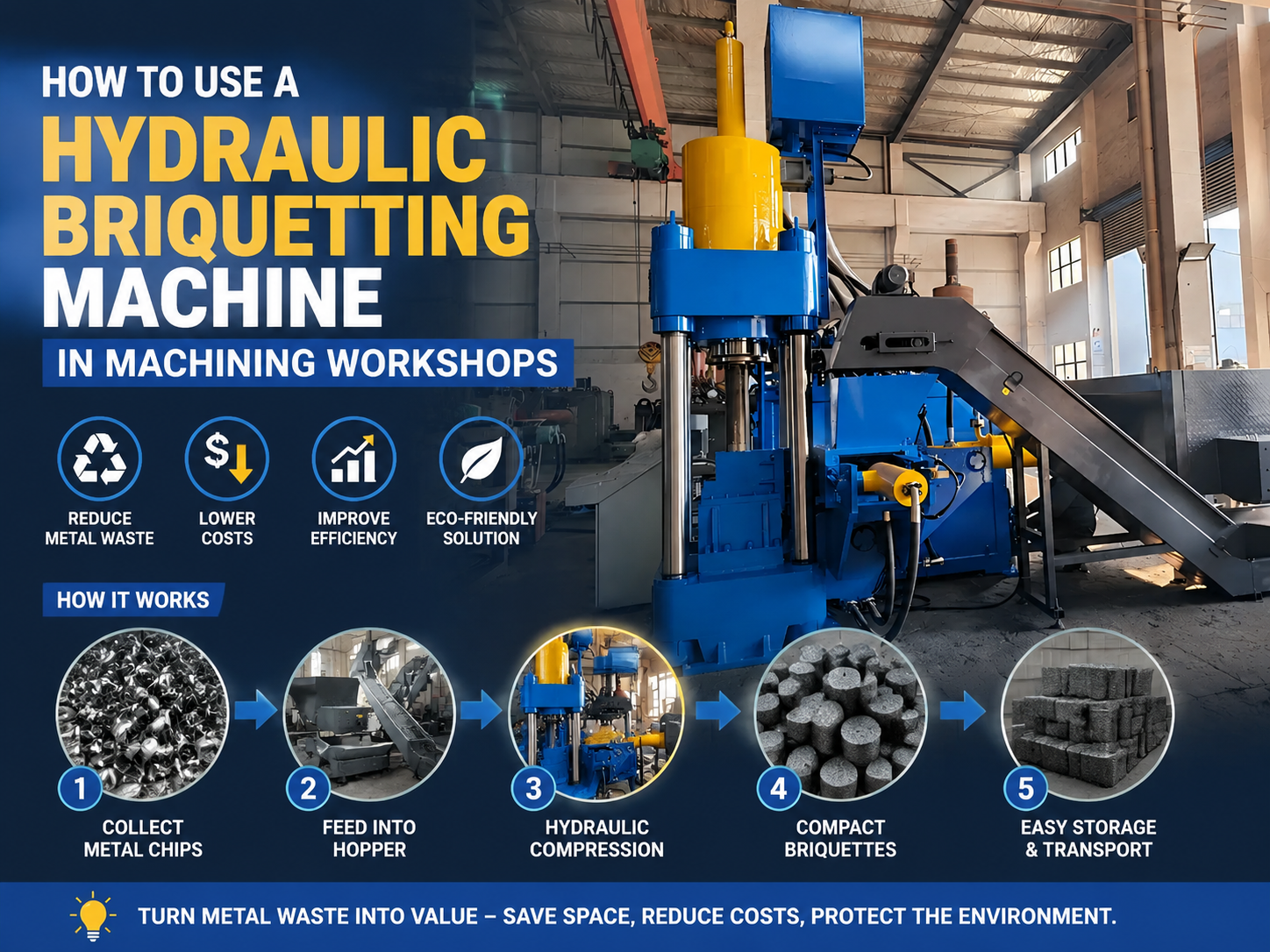
A hydraulic briquetting machine is a specialized piece of industrial equipment designed to compress loose metal chips into dense, compact blocks known as briquettes. By applying immense hydraulic pressure, these machines reduce the volume of metal waste by up to 90%. This transformation is not merely about tidiness; it is a strategic move that enhances the recyclability of the metal, allows for the recovery of expensive cutting oils and coolants, and significantly increases the resale value of scrap material. For workshops looking to transition toward sustainable, “green” manufacturing, briquetting is an essential step.
HARSLE, a leader in metal fabrication machinery, provides advanced hydraulic briquetting solutions tailored for various industrial needs. Whether you are dealing with aluminum, steel, cast iron, or copper, understanding how to properly integrate and operate these machines is vital. In this comprehensive guide, we will explore the technical nuances, operational procedures, and strategic advantages of implementing briquetting technology in your facility.
Key Considerations Before You Use A Hydraulic Briquetting Machine In Machining Workshops
Before integrating a briquetting system into your workflow, several factors must be evaluated to ensure maximum ROI and operational safety. The first consideration is the type of material your workshop produces. Different metals have different compression characteristics. For instance, aluminum chips are lightweight and ductile, requiring specific pressure settings to form a stable briquette without crumbling. Conversely, cast iron chips are often brittle and produce a lot of fine dust, necessitating a robust filtration system within the machine.
Another critical factor is the moisture content of the swarf. Most machining processes use coolants or cutting oils. When you use a hydraulic briquetting machine in machining workshops, the compression process naturally squeezes these fluids out of the metal. You must have a plan for collecting and potentially recycling these fluids. High-quality machines like those from HARSLE often include integrated collection trays and pumps to facilitate this recovery, which can save a workshop thousands of dollars in coolant costs annually.
The physical size and shape of the chips also matter. Long, stringy turnings from a lathe may require a shredder or crusher before they can be fed into the briquetting machine’s hopper. If the material is too bulky, it may bridge in the hopper, leading to inconsistent briquette density or machine downtime. Evaluating the entire waste stream—from the CNC machine to the briquetter—is essential for a seamless operation.
Finally, consider the workshop layout and logistics. A briquetting machine should be positioned to minimize the manual handling of loose scrap. Ideally, it should be located near the primary source of waste or in a centralized recycling zone with easy access for forklifts to remove the finished briquettes. Proper ventilation and power supply (typically 3-phase industrial power) are also fundamental requirements that must be addressed during the planning phase.
Technical Details of Hydraulic Briquetting Systems
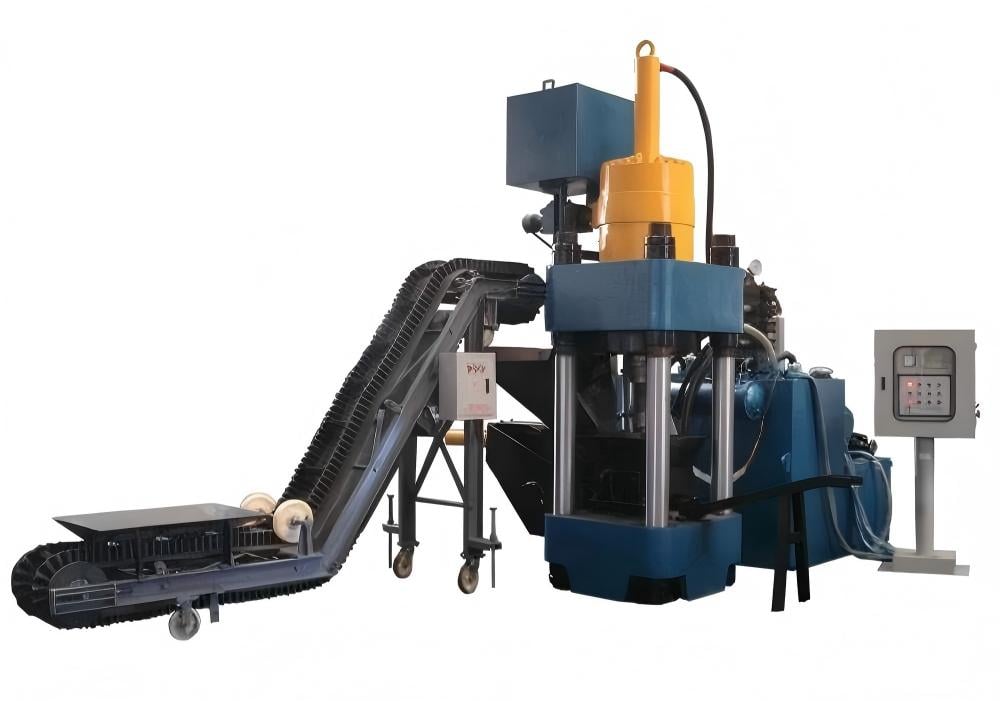
To effectively use a hydraulic briquetting machine in machining workshops, operators and managers should understand the underlying technology. At its core, the machine relies on Pascal’s Law, where pressure applied to a confined fluid is transmitted undiminished in every direction. In a briquetter, this pressure is harnessed by a series of hydraulic cylinders to compress metal chips within a hardened steel mold or chamber.
The Hydraulic Power Unit (HPU)
The HPU is the heart of the machine. It consists of a high-pressure pump, an electric motor, a reservoir for hydraulic oil, and a manifold of valves. The HPU must be capable of generating consistent pressure, often exceeding 200-300 bars, to ensure the metal chips reach their plastic deformation point. HARSLE machines utilize high-efficiency motors and precision valves to ensure that the energy consumption is optimized while maintaining the necessary force for high-density briquetting.
The Compression Chamber and Tooling
The compression chamber is where the actual transformation happens. It is typically lined with wear-resistant materials because metal chips, especially steel and cast iron, are highly abrasive. The tooling—consisting of the punch and the die—must be precisely machined to ensure the briquettes are uniform in size. Uniformity is crucial for secondary smelting processes, as foundries prefer briquettes that fit standard furnace charging buckets and melt consistently without excessive oxidation.
PLC Control Systems
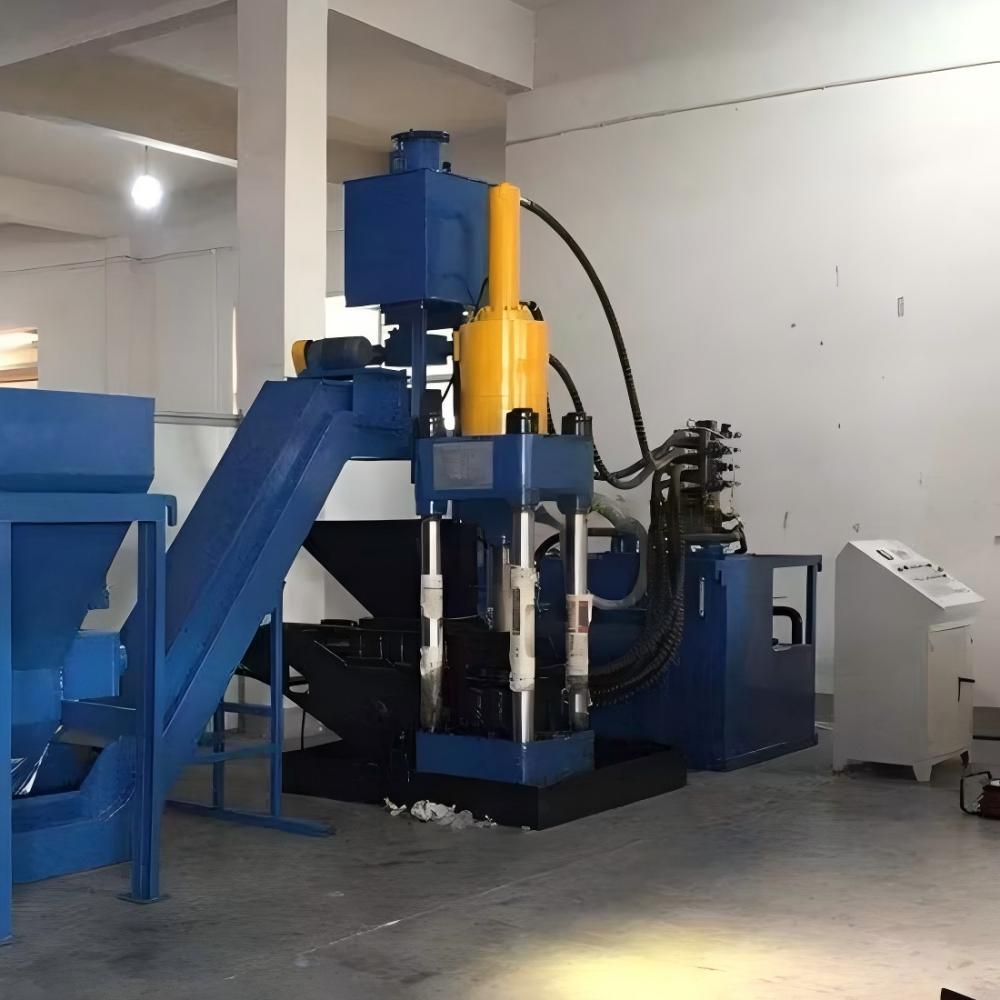
Modern briquetting machines are controlled by Programmable Logic Controllers (PLCs). These systems allow the operator to adjust parameters such as cycle time, pressure dwell, and feeding speed. Sensors throughout the machine monitor oil temperature, fluid levels, and the position of the cylinders. If a jam occurs or if the oil overheats, the PLC will automatically trigger a shutdown or an alert, preventing damage to the machine and ensuring operator safety.
Step-by-Step Guide: How to Use A Hydraulic Briquetting Machine In Machining Workshops
Operating a briquetting machine requires a blend of technical knowledge and adherence to safety protocols. Below is a detailed operational workflow to ensure efficiency and longevity of the equipment.
1. Pre-Operational Inspection
Before starting the machine, perform a thorough walk-around. Check the hydraulic oil level and ensure the oil is clean. Inspect the hoses for any signs of leaks or wear. Ensure that the hopper is free of large foreign objects (like discarded tools or heavy bolts) that could damage the compression screw or the internal liners. Verify that the emergency stop buttons are functional and that the safety guards are securely in place.
2. Material Preparation and Loading
Ensure the metal chips are relatively consistent. If you are processing different materials (e.g., switching from aluminum to brass), clean the hopper to avoid cross-contamination, which lowers the scrap value. Load the material into the hopper. Many HARSLE machines feature automatic screw feeders that move the material from the hopper into the pre-compression chamber. If your setup is manual, avoid overfilling the hopper to the point where it interferes with the agitator mechanism.
3. Setting the Parameters
Using the PLC touch screen, select the appropriate program for the material being processed. For example, steel requires higher pressure and a longer dwell time than aluminum. If the machine is equipped with a cooling system for the hydraulic oil, ensure it is activated, especially during long production runs. Adjust the “briquette length” setting if necessary; shorter briquettes are often denser but take longer to produce per ton.
4. Monitoring the Cycle
Once the machine is running in automatic mode, monitor the discharge chute. The briquettes should be firm and hold their shape when handled. If they are crumbling, you may need to increase the pressure or check if the chips are too dry (sometimes a tiny amount of moisture or residual oil actually helps the chips bind). Observe the oil temperature gauge; if it exceeds the recommended range (usually 50-60°C), the machine’s efficiency will drop, and seal damage may occur.
5. Fluid Recovery and Discharge
As the briquettes are formed, cutting fluids will drain into the collection tank. Periodically check this tank and pump the recovered fluid into a filtration system for reuse. The finished briquettes should be collected in a bin or on a conveyor. Ensure the collection area is clear to prevent the machine from backing up, which could cause a mechanical jam in the discharge gate.
Selection Advice for Machining Workshops
Choosing the right machine is as important as knowing how to use it. When you decide to use a hydraulic briquetting machine in machining workshops, consider the following selection criteria:
- Throughput Capacity: Calculate the weight of scrap your workshop produces per hour. Choose a machine that can handle 20% more than your peak production to allow for future growth.
- Briquette Density: Higher density means better oil recovery and higher scrap value. Look for machines with high-tonnage main cylinders.
- Automation Level: Do you need a standalone unit or a fully integrated system with conveyors and shredders? HARSLE offers modular designs that can grow with your business.
- Footprint: In a crowded workshop, space is at a premium. Vertical briquetters often have a smaller footprint than horizontal ones, though horizontal models may be easier to maintain.
- After-Sales Support: Ensure the manufacturer provides readily available spare parts (like seals and liners) and technical support.
For small to medium workshops, a compact unit with a capacity of 200-500 kg/h is often sufficient. Large-scale automotive or aerospace suppliers may require heavy-duty systems capable of processing several tons per hour. Always request a material test from the manufacturer to see how your specific chips perform in their machine.
Maintenance and Longevity
To ensure your investment continues to perform, a strict maintenance schedule is mandatory. Hydraulic systems are sensitive to contamination. Changing the hydraulic oil and filters according to the manufacturer’s guidelines is the single most important maintenance task. Over time, the abrasive nature of metal chips will wear down the compression chamber liners and the punch. These are consumable parts and should be inspected monthly. Replacing a liner before it fails can prevent expensive damage to the main cylinder block.
Lubrication of moving parts, such as the hopper agitator and the discharge gate hinges, should be done weekly. Additionally, check all electrical connections for tightness, as the vibrations from the hydraulic pump can occasionally loosen terminal screws. A well-maintained HARSLE briquetting machine can easily last 10-15 years in a demanding industrial environment.
Frequently Asked Questions (FAQ)
What is the ROI of a hydraulic briquetting machine?
The Return on Investment (ROI) typically comes from three sources: increased scrap value (briquettes sell for significantly more than loose chips), recovered cutting fluids (which can be reused), and reduced floor space/transportation costs. Most workshops see a full ROI within 12 to 24 months.
Can I mix different metals in the same briquette?
While the machine can physically do it, it is not recommended. Mixed-metal briquettes have much lower scrap value because they are difficult for foundries to use. It is best to process one material at a time and clean the machine between batches.
Does the machine require a specialized operator?
No. Modern machines with PLC controls are designed for ease of use. After a basic training session on safety and parameter adjustment, a standard workshop technician can operate the machine. However, maintenance should be performed by someone familiar with hydraulic systems.
How much volume reduction can I expect?
Depending on the material and the initial fluffiness of the chips, you can expect a volume reduction between 5:1 and 20:1. This drastically reduces the number of scrap bins needed on the shop floor.
Conclusion
The decision to use a hydraulic briquetting machine in machining workshops is a strategic move toward higher profitability and environmental responsibility. By converting messy, oil-soaked swarf into clean, high-density briquettes, manufacturers can reclaim lost revenue, improve workshop safety, and streamline their logistics. HARSLE remains committed to providing robust, high-efficiency briquetting solutions that meet the rigorous demands of the modern metalworking industry. By following the operational and maintenance guidelines outlined in this guide, your workshop can transform its waste management from a cost center into a profit-generating department.