Industrial Aluminium Extrusion Press Applications in Furniture and Interior Design: A Comprehensive Guide

Introduction to Aluminium Extrusion in Modern Design
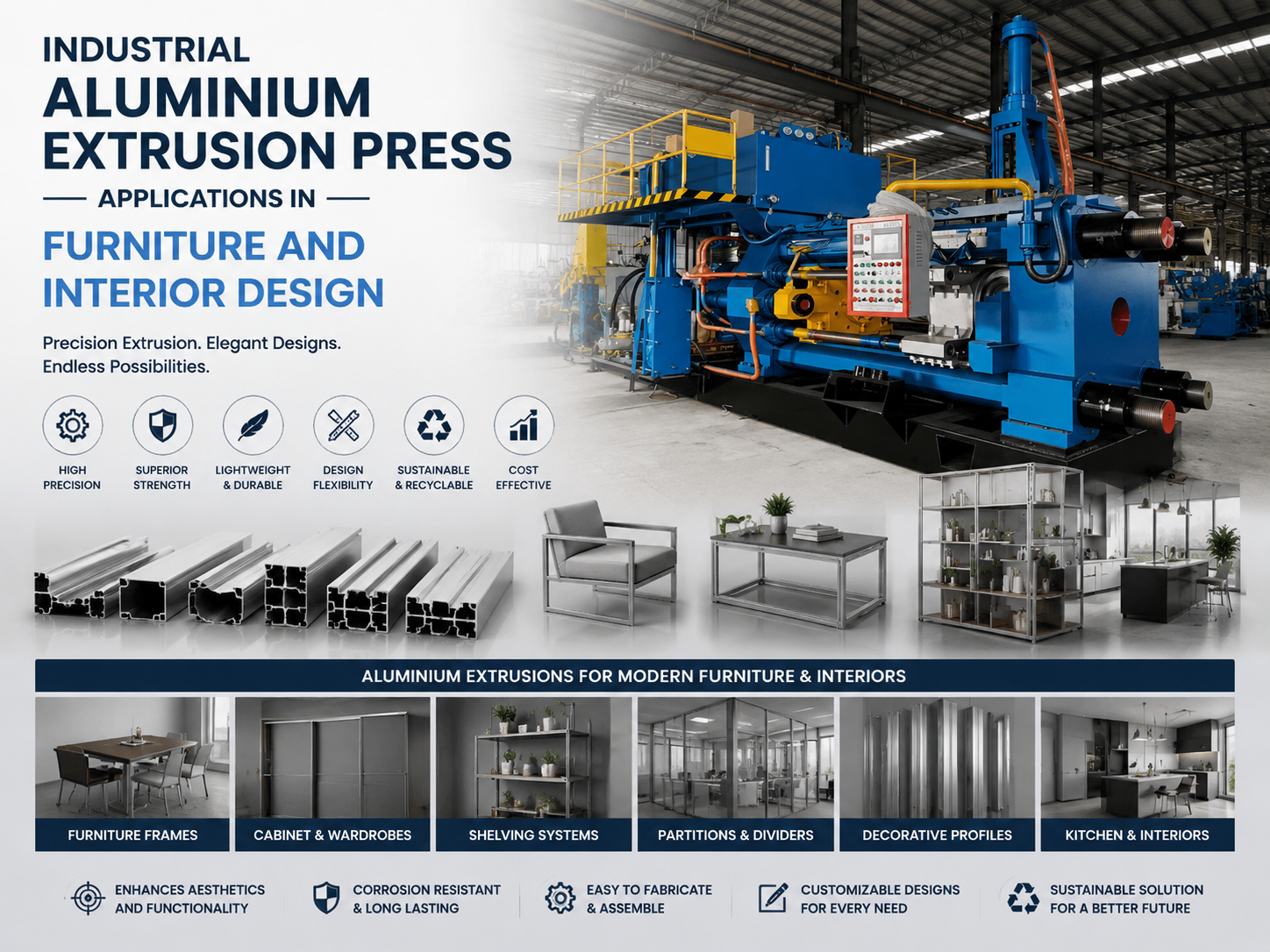
The landscape of furniture manufacturing and interior design has undergone a radical transformation over the last decade. While wood and steel were once the primary materials of choice, aluminum has emerged as a frontrunner due to its versatility, strength-to-weight ratio, and aesthetic appeal. Central to this shift is the Industrial Aluminium Extrusion Press Applications In Furniture Interior Design. These machines allow designers to create complex, lightweight, and durable profiles that were previously impossible or too expensive to manufacture.
HARSLE, a leader in metal fabrication machinery, provides state-of-the-art extrusion presses that cater specifically to the high-precision demands of the interior design industry. From minimalist office partitions to intricate decorative moldings, the industrial aluminium extrusion press is the engine behind modern architectural innovation. This article explores the deep integration of extrusion technology in the furniture sector, detailing the processes, machinery, and benefits that define this industrial synergy.
Application Scenarios: Where Extrusion Meets Aesthetics
The versatility of extruded aluminum profiles allows them to be used in a staggering array of interior applications. One of the most prominent scenarios is in modular office furniture. Modern workspaces require flexibility; extruded aluminum frames provide the structural integrity for height-adjustable desks, modular shelving units, and lightweight privacy screens. These profiles often feature integrated channels for cable management, a feat only achievable through precise extrusion dies.
In residential settings, aluminum extrusion is the backbone of high-end kitchen cabinetry and wardrobe systems. Handle-less designs, integrated LED lighting tracks, and ultra-slim door frames rely on the tight tolerances of an industrial aluminium extrusion press. The ability to create “hollow” profiles allows for the concealment of hardware and electronics, maintaining the sleek, minimalist aesthetic currently trending in global markets.
Furthermore, architectural interior elements such as suspended ceiling grids, wall cladding systems, and decorative room dividers utilize extruded profiles. These components must be perfectly straight and consistent over long spans, a requirement that HARSLE’s precision machinery meets with ease. Outdoor furniture also benefits significantly, as extruded aluminum is naturally resistant to corrosion, making it ideal for luxury patio sets and poolside loungers.
Material and Process Requirements for Furniture Profiles
Not all aluminum is created equal, especially when it comes to the visible surfaces of high-end furniture. The 6000 series alloys, particularly 6063 and 6061, are the industry standards. Alloy 6063 is often referred to as the “architectural alloy” because it provides an excellent surface finish and is highly responsive to anodizing and powder coating. It offers a balance of moderate strength and high extrudability, allowing for complex cross-sections with thin walls.
The process requirements for furniture-grade profiles are significantly more stringent than those for structural industrial use. Surface quality is paramount; any die lines, scratches, or inconsistencies in the extrusion will be magnified once the profile is anodized or painted. This necessitates high-quality die steel and precise temperature control during the extrusion process to ensure the metal flows smoothly and uniformly.
Heat treatment is another critical factor. Most furniture profiles undergo a T5 or T6 tempering process. T5 involves cooling the profile immediately after extrusion (often with air or water mists) and then artificially aging it in a furnace. This ensures the aluminum reaches the necessary hardness to resist denting and scratching during everyday use in a home or office environment. HARSLE’s extrusion lines integrate these cooling and aging stages seamlessly to maintain material integrity.
Recommended Machine Configuration for Interior Design Production
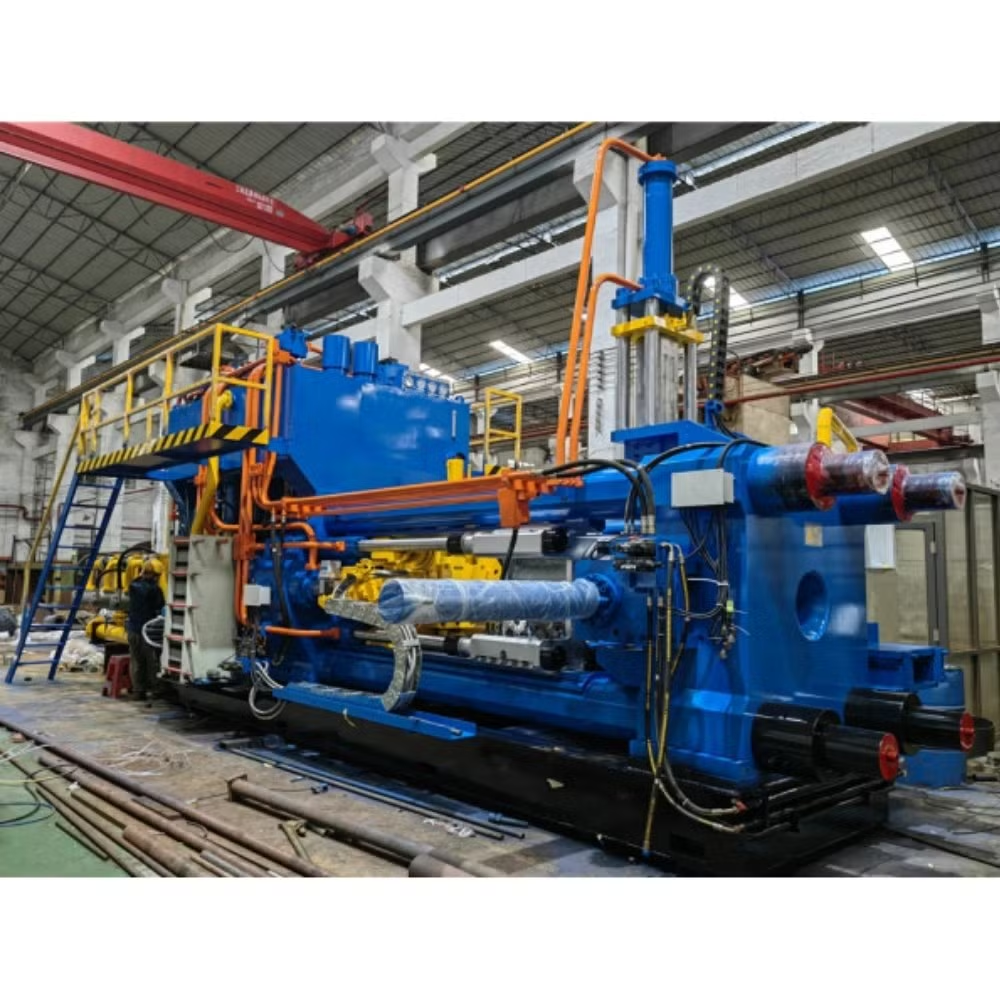
Choosing the right Industrial Aluminium Extrusion Press Applications In Furniture Interior Design requires understanding the specific needs of the product line. For furniture components, which are often smaller but more complex than structural beams, a press in the 600-ton to 1500-ton range is typically ideal. This allows for the high pressure needed for thin-walled profiles without the massive energy overhead of larger industrial presses.
Key Components of a HARSLE Extrusion Line:
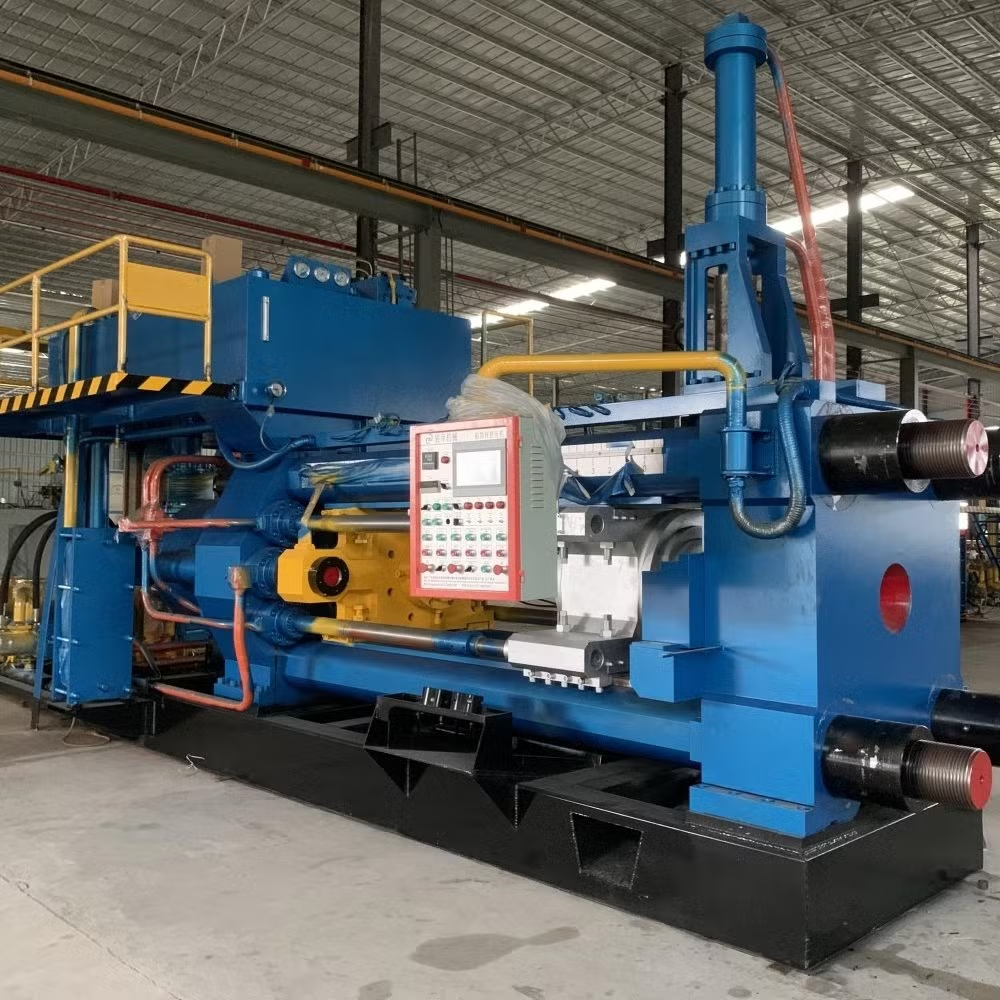
- Main Hydraulic Press: Features a robust four-column or frame-type design with high-precision PLC controls (often Siemens or Schneider) to manage the extrusion speed and pressure accurately.
- Billet Heating Furnace: An induction or gas-fired furnace that brings the aluminum logs to the optimal extrusion temperature (usually between 400°C and 500°C).
- Die Oven: Essential for pre-heating the extrusion dies to prevent thermal shock and ensure consistent metal flow from the very first billet.
- Handling System: Includes the initial cooling table, puller (to maintain profile straightness), and a stretching machine to remove internal stresses and ensure dimensional accuracy.
- Finishing Saw: A high-speed precision saw to cut the profiles to the exact lengths required for furniture assembly.
The Workflow: From Billet to Designer Furniture
The production workflow begins with Die Design and Preparation. Engineers design the cross-section of the furniture profile, considering wall thickness, screw ports, and aesthetic grooves. Once the die is manufactured and polished, it is placed in the die oven. Simultaneously, aluminum billets are loaded into the billet heater. Achieving the “sweet spot” in temperature is crucial; too cold, and the press will struggle; too hot, and the metal may tear or develop surface defects.
Once heated, the billet is placed into the container of the Industrial Aluminium Extrusion Press. A hydraulic ram pushes the softened metal through the die. As the profile emerges, it is guided by a puller along a cooling table. For furniture applications, air cooling is often preferred to minimize distortion, though water quenching may be used for thicker, structural components. The profile is then stretched to ensure it is perfectly straight—a critical step for items like 3-meter-long wardrobe handles or office partition tracks.
After stretching, the profiles are cut to manageable lengths and moved to the Aging Oven. Here, they are baked at a controlled temperature for several hours to achieve the desired T5 or T6 hardness. The final stage involves surface treatment. Profiles are sent for anodizing (to achieve metallic finishes like champagne, bronze, or black) or powder coating (for a wide range of RAL colors). Finally, the profiles are ready for CNC machining—drilling holes or milling slots—before being assembled into the final furniture piece.
Productivity Benefits of Using HARSLE Extrusion Presses
Implementing a HARSLE industrial aluminium extrusion press offers significant productivity gains for furniture manufacturers. Firstly, material efficiency is greatly improved. Extrusion allows for the creation of “near-net-shape” components, meaning very little material is wasted compared to machining parts from solid blocks or welding multiple steel pieces together. Any scrap aluminum generated during the process is 100% recyclable, fitting perfectly into the “green manufacturing” initiatives of modern brands.
Secondly, the reduction in assembly time is substantial. Extruded profiles can be designed with “snap-fit” joints, screw ports, and interlocking mechanisms. This eliminates the need for complex welding or excessive fasteners, allowing for faster assembly lines and even “flat-pack” shipping options for end consumers. The consistency of the extrusion process ensures that every part fits perfectly, reducing the rate of rejects and rework.
Finally, design freedom is perhaps the greatest benefit. Designers are no longer limited by the constraints of traditional materials. They can create ultra-thin profiles that are incredibly strong, or complex shapes that combine structural and decorative functions. This capability allows furniture brands to differentiate themselves in a crowded market by offering unique, high-tech designs that resonate with modern consumers.
Case Example: Revolutionizing Office Partition Manufacturing
A leading manufacturer of modular office partitions recently upgraded their facility with a HARSLE 1000-ton extrusion press line. Previously, they outsourced their aluminum profiles, which led to long lead times and inconsistent surface quality. By bringing the Industrial Aluminium Extrusion Press Applications In Furniture Interior Design in-house, they were able to reduce their production cycle from six weeks to just five days.
The manufacturer developed a new line of “slim-line” glass partitions using 6063-T5 aluminum. The HARSLE press allowed them to achieve a wall thickness of just 1.2mm while maintaining the structural rigidity required for floor-to-ceiling installations. By integrating the screw ports directly into the extruded profile, they reduced the number of assembly components by 30%. The result was a more aesthetic product that was cheaper to produce and faster to install, leading to a 25% increase in their market share within the first year of operation.
Frequently Asked Questions (FAQ)
1. What is the typical lifespan of an industrial aluminium extrusion press?
With proper maintenance, a high-quality press from HARSLE can last 20 to 30 years. Key components like hydraulic seals and pumps may need replacement every 5-10 years, but the main frame and structure are built for long-term industrial durability.
2. Can I produce different shapes with the same machine?
Yes. The shape of the profile is determined by the die. Changing the die allows you to produce completely different profiles, from simple square tubes to complex decorative moldings, on the same extrusion press.
3. What is the minimum wall thickness achievable for furniture profiles?
For furniture applications using 6063 alloy, a wall thickness as low as 0.8mm to 1.2mm is achievable depending on the overall size of the profile and the press capacity. HARSLE machines provide the stability required for these precision thin-wall extrusions.
4. How much space is required for a full extrusion line?
A complete line, including the furnace, press, cooling table, and aging oven, typically requires a long, narrow space. A standard 1000-ton line might require an area of approximately 50 meters in length and 10 meters in width.
5. Is aluminum extrusion environmentally friendly?
Yes, aluminum is one of the most sustainable materials in the world. It is infinitely recyclable without losing its properties. Furthermore, the extrusion process itself is highly efficient, and modern HARSLE presses use energy-saving servo-hydraulic systems to reduce power consumption.
Conclusion: Partnering with HARSLE for the Future of Design
The integration of Industrial Aluminium Extrusion Press Applications In Furniture Interior Design is not just a trend; it is a fundamental shift toward more efficient, sustainable, and beautiful manufacturing. As the demand for customized and high-quality interior solutions grows, having the right machinery becomes the ultimate competitive advantage. HARSLE is committed to providing the furniture industry with the tools needed to push the boundaries of what is possible with aluminum.
Whether you are a large-scale manufacturer looking to bring production in-house or a specialized design firm seeking to innovate your product line, HARSLE’s extrusion solutions offer the precision, reliability, and efficiency required for success. Explore our range of extrusion presses today and take the first step toward transforming your manufacturing capabilities.
Ready to Elevate Your Furniture Production?
Contact HARSLE today to discuss your specific requirements for aluminum extrusion. Our team of experts is ready to help you configure the perfect machine line for your interior design applications.
Visit our website: www.harsle.com
Email us: info@harsle.com