Common Scrap Metal Shear Applications in Modern Metal Recovery Systems

Introduction to Modern Metal Recovery
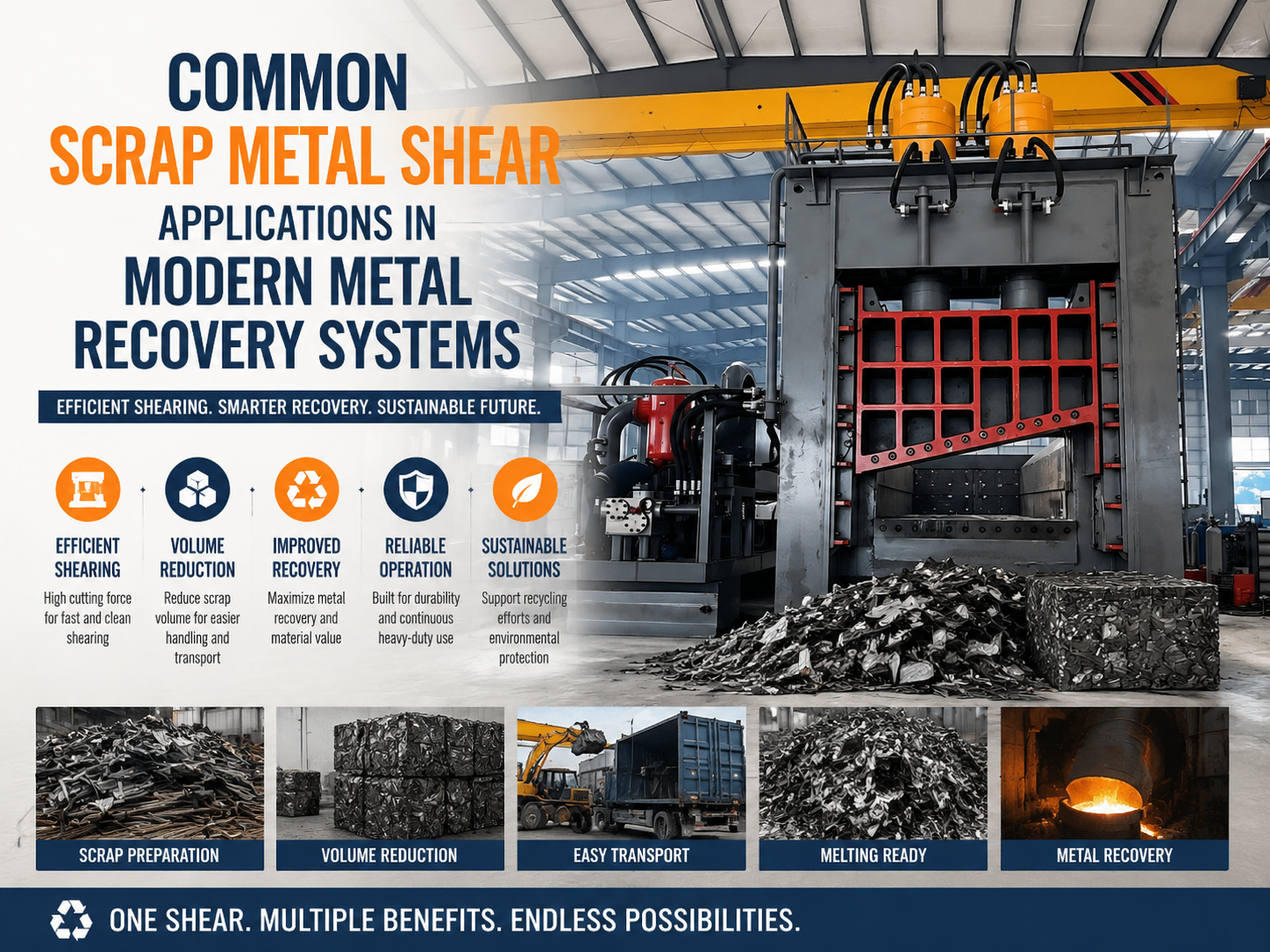
In the contemporary industrial landscape, the circular economy is no longer just a buzzword; it is a fundamental pillar of sustainable manufacturing. Central to this movement are modern metal recovery systems, which transform vast quantities of industrial and post-consumer waste into valuable raw materials. At the heart of these systems lies the scrap metal shear. This heavy-duty machinery is designed to cut, size, and densify various types of metal, making them suitable for transport and smelting. Understanding the common scrap metal shear applications in modern metal recovery systems is crucial for scrap yard operators, demolition contractors, and industrial manufacturers looking to optimize their waste management and profitability.
The evolution of hydraulic technology and material science has allowed manufacturers like HARSLE to develop shears that are more efficient, durable, and precise than ever before. From massive gantry shears that can process entire ship hulls to compact alligator shears for precision sorting, the versatility of these machines is unmatched. This article provides an in-depth exploration of how these machines are utilized across various sectors, the technical requirements for different materials, and the productivity benefits that modern shearing technology brings to the table.
Application Scenarios for Scrap Metal Shears
1. Automotive Recycling and End-of-Life Vehicle (ELV) Processing
One of the most prominent common scrap metal shear applications in modern metal recovery systems is the processing of end-of-life vehicles. Every year, millions of cars reach the end of their functional lives. These vehicles are a complex mix of high-strength steel, aluminum, copper wiring, and cast iron. Modern recovery systems utilize heavy-duty shears to dismantle car frames and cut them into manageable pieces. This process is essential for separating different metal types and ensuring that the resulting scrap meets the size requirements of secondary steel mills.
In this scenario, shears are often used after the initial depollution and stripping of high-value components like engines and transmissions. The remaining chassis is fed into a large gantry shear or a container shear. The shearing action flattens and cuts the frame, significantly increasing the bulk density of the material. This allows for more efficient transportation to shredding facilities or direct melting in electric arc furnaces (EAF).
2. Structural Demolition and Construction Waste
The demolition industry generates enormous volumes of scrap metal, including I-beams, rebar, steel plates, and piping. Processing this material on-site or at a specialized recovery center requires robust shearing solutions. Common scrap metal shear applications in modern metal recovery systems within the demolition sector focus on reducing the size of oversized structural members. Large I-beams used in skyscrapers or bridges are too large for standard transport and must be cut into ‘furnace-ready’ lengths.
Mobile shears or containerized shears are particularly popular in this application. They can be moved directly to the demolition site, reducing the need to transport oversized loads. By shearing the metal on-site, contractors can sort the material by grade (e.g., HMS 1 vs. HMS 2), which significantly increases the resale value of the scrap. The ability to process heavy structural steel quickly is a key factor in keeping demolition projects on schedule.
3. Shipbreaking and Marine Salvage
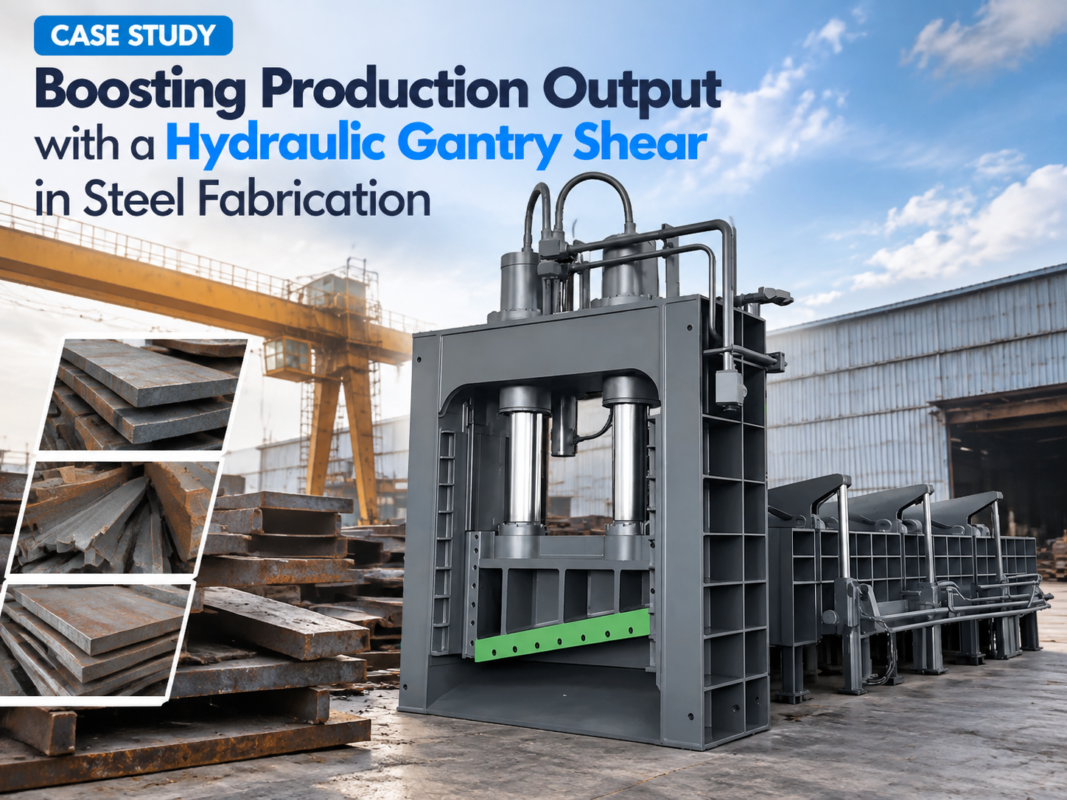
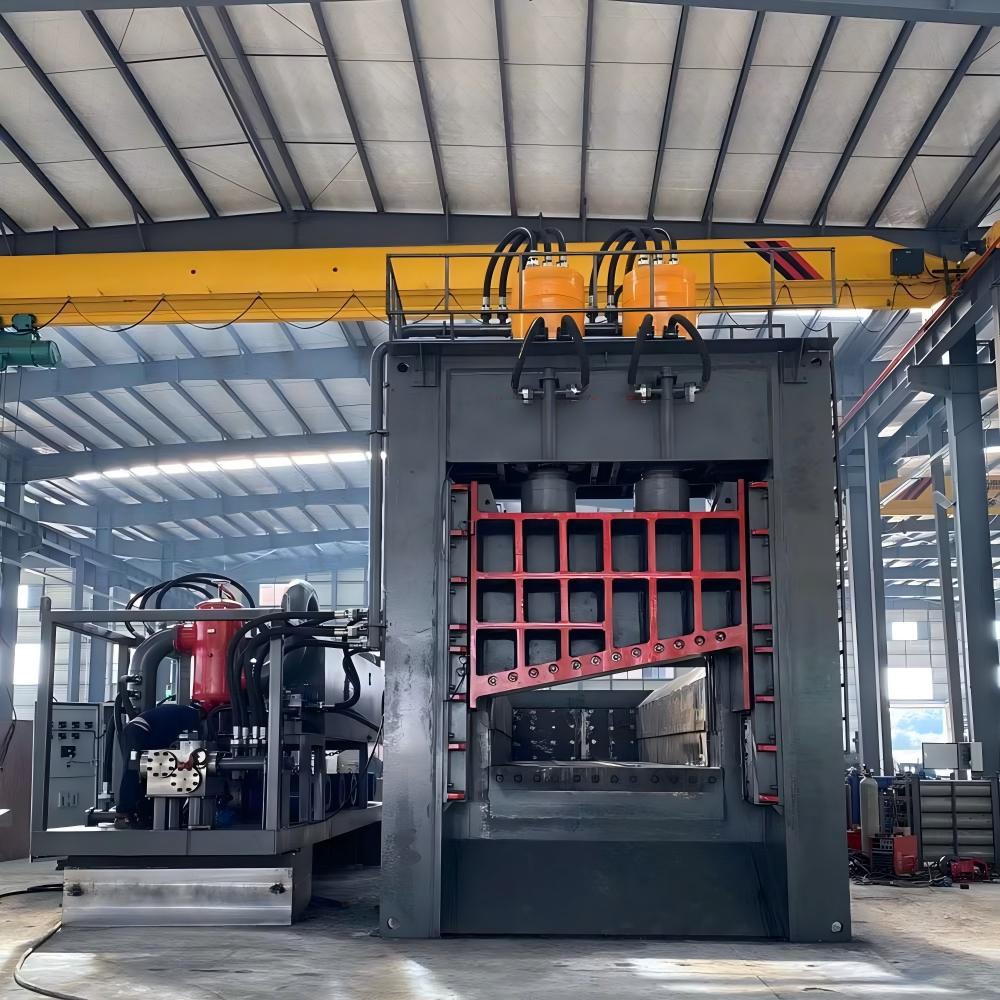
Shipbreaking is perhaps the most demanding application for scrap metal shears. Decommissioned vessels consist of massive steel plates and heavy internal structures that are often several inches thick. Traditional torch cutting is slow, labor-intensive, and poses significant environmental and safety risks. Modern metal recovery systems in shipbreaking yards now rely heavily on high-force hydraulic gantry shears.
These shears are capable of exerting thousands of tons of pressure, easily slicing through thick hull plating and reinforced bulkheads. The use of shears in shipbreaking not only speeds up the process but also produces a cleaner cut with less slag compared to thermal cutting methods. This improves the quality of the scrap and makes it more desirable for steel mills that require high-purity feedstock.
4. Industrial Manufacturing Offcuts and Skeleton Scrap
Manufacturing plants, particularly those involved in automotive stamping, appliance production, and heavy machinery fabrication, generate a constant stream of ‘new’ scrap. This includes skeletons from CNC laser or plasma cutting tables, stamping offcuts, and defective parts. While this material is often high-quality and uniform, its awkward shapes make it difficult to handle and transport.
In these modern recovery systems, shears are integrated into the production line or located in a dedicated recycling area within the factory. Small to medium-sized hydraulic shears are used to cut long skeletons into small, uniform pieces. This ‘densification’ allows the manufacturer to store more scrap in less space and reduces the frequency of scrap pickups, leading to lower logistics costs and a smaller carbon footprint.
Material and Process Requirements
To maximize the effectiveness of common scrap metal shear applications in modern metal recovery systems, it is essential to understand the material properties and process requirements. Not all scrap is created equal, and the choice of shear must align with the specific characteristics of the metal being processed.
Ferrous vs. Non-Ferrous Metals
Ferrous metals (iron and steel) are the primary focus of most heavy-duty shearing operations due to their volume and structural strength. These materials require high cutting forces and wear-resistant blades. Non-ferrous metals, such as aluminum, copper, and stainless steel, are often softer but can be more ‘gummy’ or abrasive. Shears used for non-ferrous recovery often feature different blade clearances and geometries to prevent material sticking and ensure a clean cut.
Thickness and Tensile Strength
The thickness of the material is the most critical factor in determining the required shear force. A shear designed for 10mm plate will struggle or fail when faced with 50mm structural beams. Furthermore, the tensile strength of the alloy plays a role. High-strength low-alloy (HSLA) steels require significantly more force to shear than standard carbon steel. Modern recovery systems must specify machines based on the maximum expected thickness and the highest tensile strength of the materials in their waste stream.
Volume and Throughput Requirements
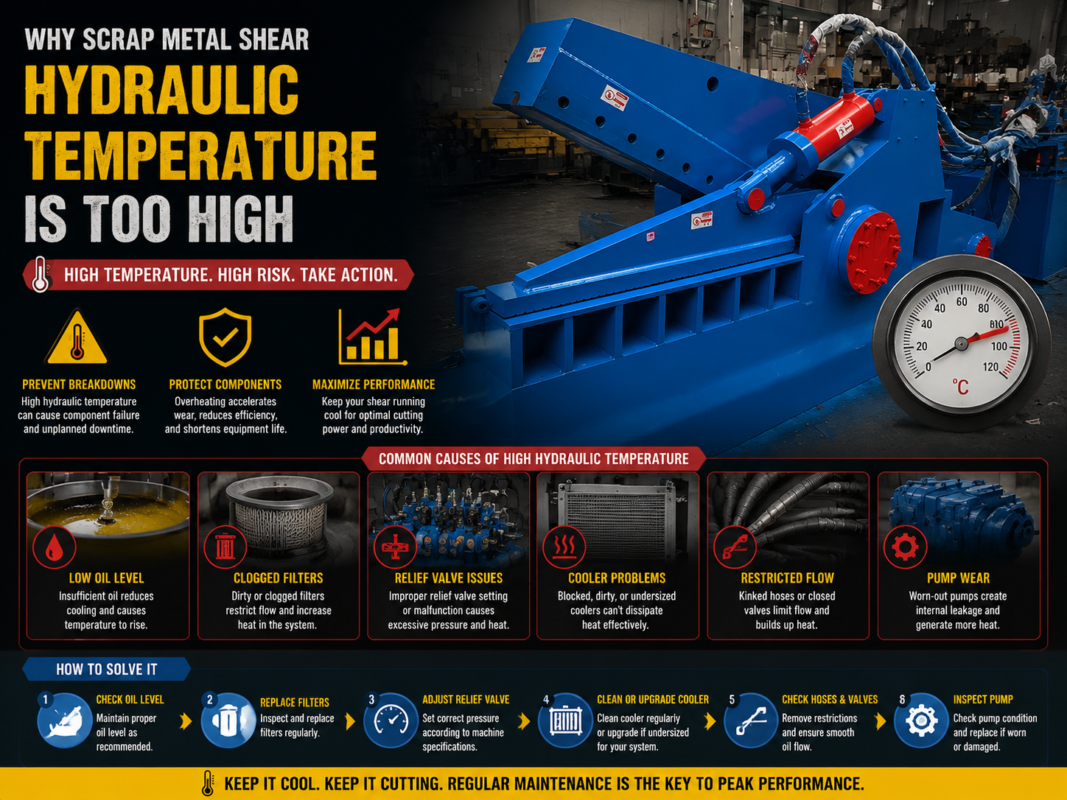
The scale of the operation dictates the type of shear required. A small scrap yard might process 50 tons a week, whereas a major regional recovery center might process 500 tons a day. High-volume applications require automated feeding systems, continuous shearing cycles, and advanced cooling systems for the hydraulic fluid to prevent overheating during 24/7 operation.
| Material Type | Typical Application | Required Shear Feature |
|---|---|---|
| Heavy Structural Steel | Demolition, Shipbreaking | High Tonnage, Deep Throat Gantry |
| Automotive Scrap | ELV Processing | Large Compression Box, Rapid Cycle |
| Aluminum Extrusions | Window Frames, Industrial | Precision Blades, High Speed |
| Rebar and Rods | Construction Waste | Alligator Shear, Hardened Blades |
| Sheet Metal Skeletons | Manufacturing Waste | Automated Feed, Compact Design |
Recommended Machine Configuration
Choosing the right configuration is vital for the success of common scrap metal shear applications in modern metal recovery systems. HARSLE offers several configurations tailored to specific industrial needs.
Gantry Shears (Heavy-Duty)
Gantry shears are the workhorses of the recycling industry. They feature a vertical cutting action and a large compression box. The material is loaded into the box, where lateral and longitudinal rams compress it into a dense log before it is pushed under the shear head. This configuration is ideal for high-volume processing of mixed scrap, HMS 1/2, and bulky structural items. Modern gantry shears often include PLC controls and remote diagnostics for optimized performance.
Container Shears (Mobile and Versatile)
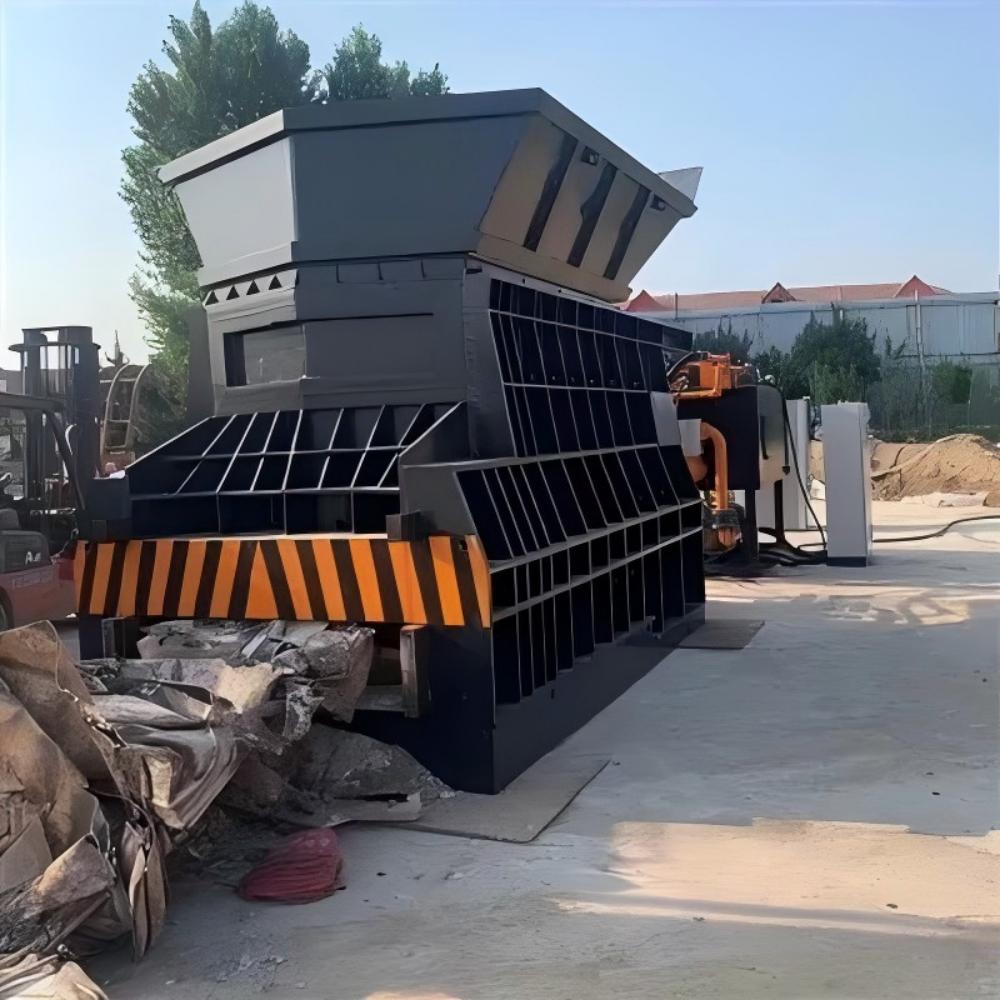
Container shears are a relatively modern innovation that has revolutionized the industry. These machines are built within a standard container-sized frame, making them easy to transport via truck or rail. They do not require permanent foundations, which is a massive advantage for temporary demolition sites or yards with limited space. Despite their mobility, they offer significant cutting force and are highly efficient for processing light to medium scrap.
Alligator Shears (Precision and Sorting)
For smaller operations or for the precision sorting of high-value non-ferrous metals, alligator shears are the preferred choice. These machines feature a jaw-like cutting action. They are manually fed and are excellent for cleaning scrap—such as cutting off steel ends from aluminum extrusions or cleaning copper radiators. Their simplicity and low maintenance make them a staple in almost every metal recovery system.
Workflow in a Modern Metal Recovery System
The integration of a scrap metal shear into a recovery system follows a structured workflow designed to maximize efficiency and safety. While specific steps may vary, the general process remains consistent across most common scrap metal shear applications in modern metal recovery systems.
- Collection and Sorting: Scrap is collected from various sources and brought to the facility. Initial sorting separates ferrous from non-ferrous materials and removes hazardous components (e.g., fuel tanks, batteries).
- Pre-Processing: Large or awkward items may be pre-cut using torches or mobile shears to fit into the main shear’s compression box.
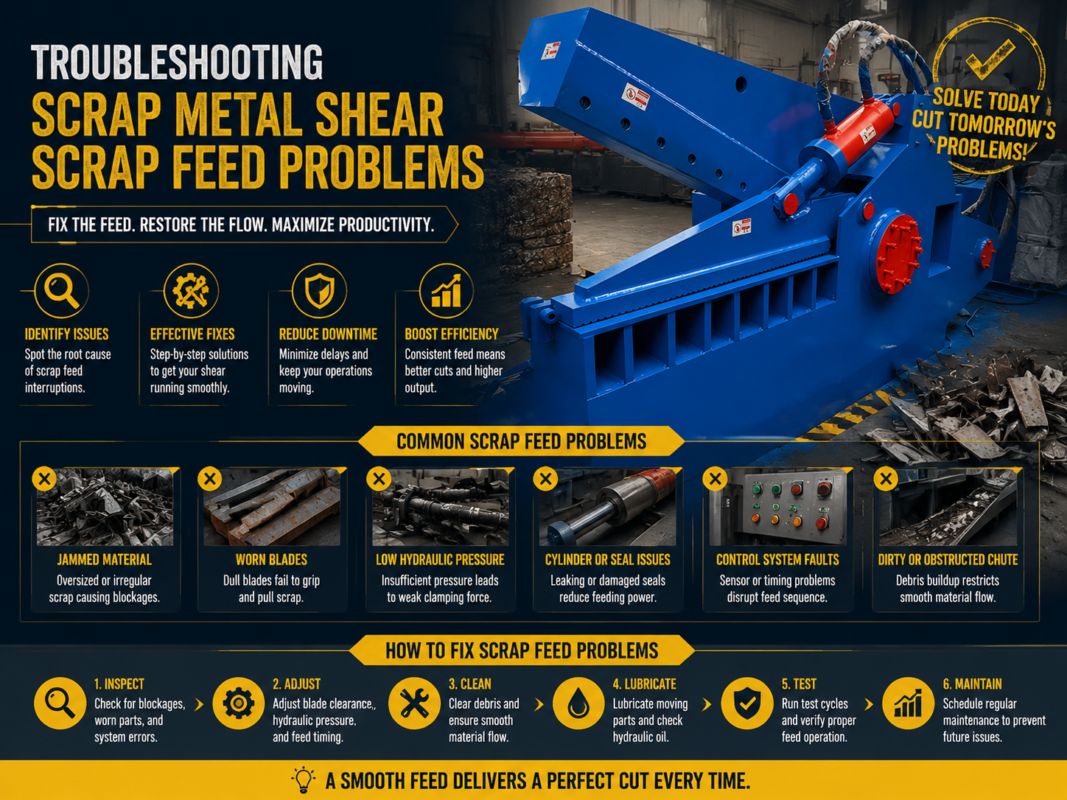
- Feeding: Material is loaded into the shear’s hopper or compression box using a grapple crane or conveyor system. In automated systems, sensors detect the volume and adjust the feeding speed.
- Compression: The hydraulic rams in the compression box squeeze the scrap. This step is crucial as it stabilizes the material and increases its density, ensuring a more efficient cut.
- Shearing: The shear blade descends, cutting the compressed metal into the desired lengths. The length is usually adjustable via the machine’s control system to meet specific mill requirements.
- Discharge and Transport: The sheared metal falls onto a discharge conveyor or into a collection bin. From here, it is either baled for further densification or loaded directly into containers for shipment to the foundry.
Productivity Benefits of Modern Shearing Technology
Implementing advanced shearing solutions within metal recovery systems offers numerous productivity and economic benefits. These advantages are the driving force behind the widespread adoption of common scrap metal shear applications in modern metal recovery systems.
Volume Reduction and Logistics Savings
One of the most immediate benefits is the drastic reduction in material volume. Loose scrap is incredibly inefficient to transport. By shearing and densifying the metal, operators can fit significantly more weight into each truckload or shipping container. This reduces transportation costs by up to 50% and lowers the overall carbon footprint of the recycling process.
Increased Scrap Value (Furnace-Ready)
Steel mills and foundries pay a premium for ‘furnace-ready’ scrap. This refers to metal that is cut to specific dimensions (usually under 3 feet or 1 meter) and is free of contaminants. By using a high-quality shear, recovery systems can produce a consistent, high-grade product that commands a higher market price compared to unprocessed or poorly sized scrap.
Labor Efficiency and Safety
Modern hydraulic shears are highly automated. A single operator using a grapple crane can feed a gantry shear that does the work of ten workers with cutting torches. This not only reduces labor costs but also significantly improves safety. Torch cutting involves risks of fire, explosions, and inhalation of toxic fumes. Shearing is a cold-cutting process that eliminates these hazards, creating a much safer working environment.
Energy Efficiency
While hydraulic shears require significant power to operate, they are often more energy-efficient than alternative processing methods when measured per ton of material. Modern HARSLE shears utilize variable displacement pumps and regenerative hydraulic circuits that minimize energy waste during the non-cutting portions of the cycle.
Case Example: Upgrading a Regional Scrap Yard
Consider a regional scrap yard that previously relied on manual sorting and torch cutting for its structural steel intake. The yard processed approximately 200 tons of metal per month but struggled with high labor costs and slow turnaround times. Their primary output was ‘unprepared’ scrap, which fetched the lowest market prices.
By investing in a HARSLE 600-ton Gantry Shear, the yard transformed its operations. The new workflow allowed them to process the same 200 tons in just a few days. With the increased capacity, they began bidding on larger demolition contracts. Within six months, their monthly throughput increased to 800 tons. Because the shear produced high-quality, furnace-ready HMS 1 scrap, their profit margin per ton increased by 25%. The investment in the shear was fully recouped within the first 14 months of operation, demonstrating the immense value of modern shearing technology in the recovery sector.
Frequently Asked Questions (FAQ)
What is the typical lifespan of scrap metal shear blades?
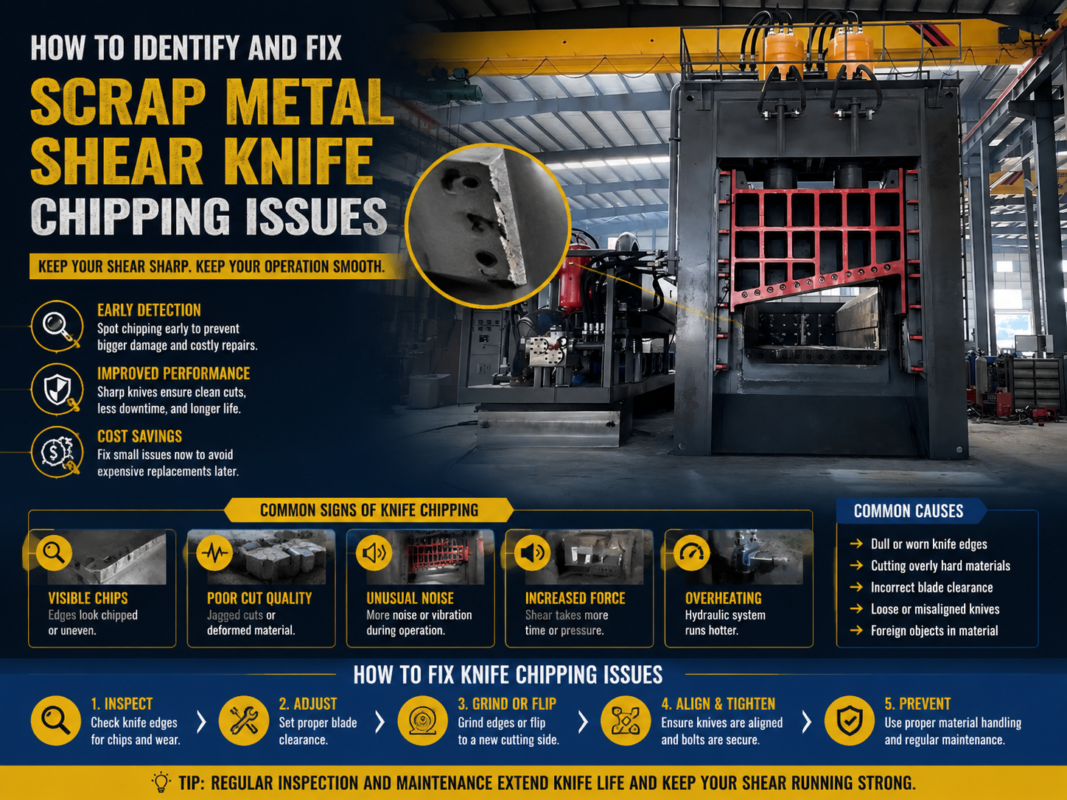
The lifespan of blades depends heavily on the material being processed and the frequency of maintenance. For standard steel scrap, blades can typically process 2,000 to 5,000 tons before requiring flipping or regrinding. Most modern shears feature four-sided blades that can be rotated to provide four fresh cutting edges before replacement is necessary.
Can a scrap metal shear handle stainless steel?
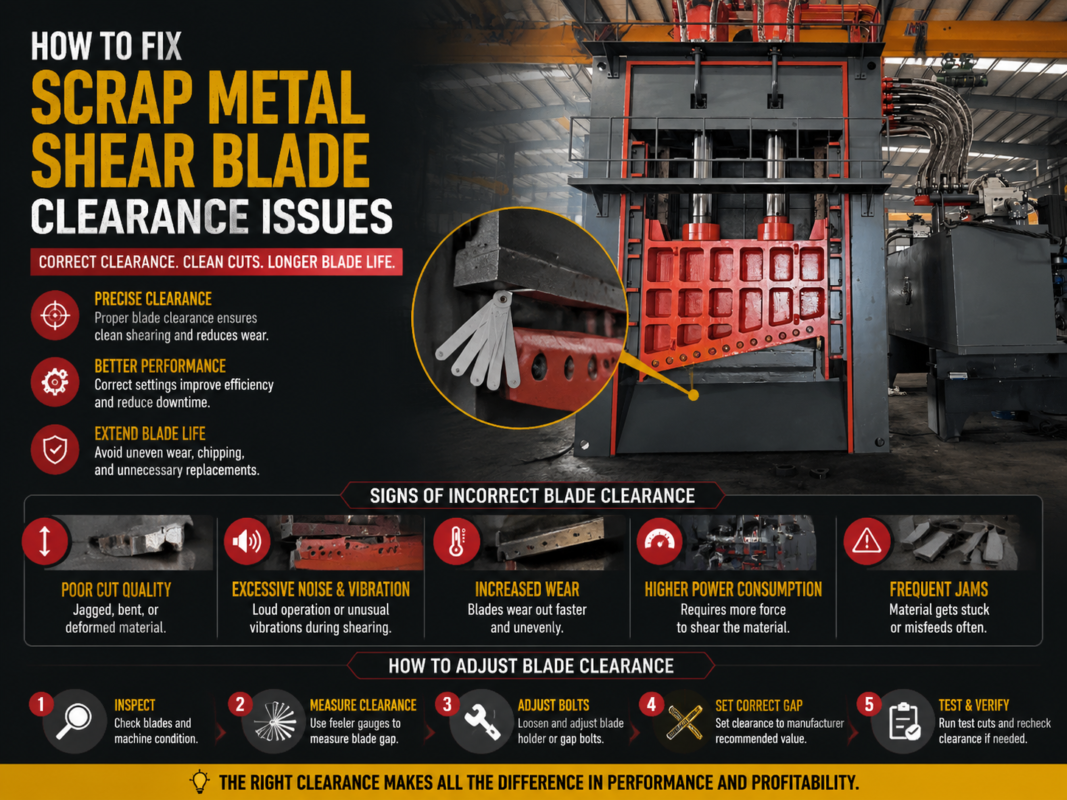
Yes, but with caution. Stainless steel is much harder and work-hardens quickly. When shearing stainless, it is important to use blades made from high-alloy tool steel and to ensure that the shear has sufficient tonnage. The blade clearance may also need adjustment to prevent the material from ‘tearing’ rather than cutting cleanly.
How do I choose between a gantry shear and a container shear?
The choice depends on your site requirements. If you have a permanent facility with high volumes and a dedicated foundation, a gantry shear offers the highest throughput and durability. If you need to move the machine between different sites or have limited space and want to avoid foundation costs, a container shear is the better option.
What maintenance is required for a hydraulic scrap shear?
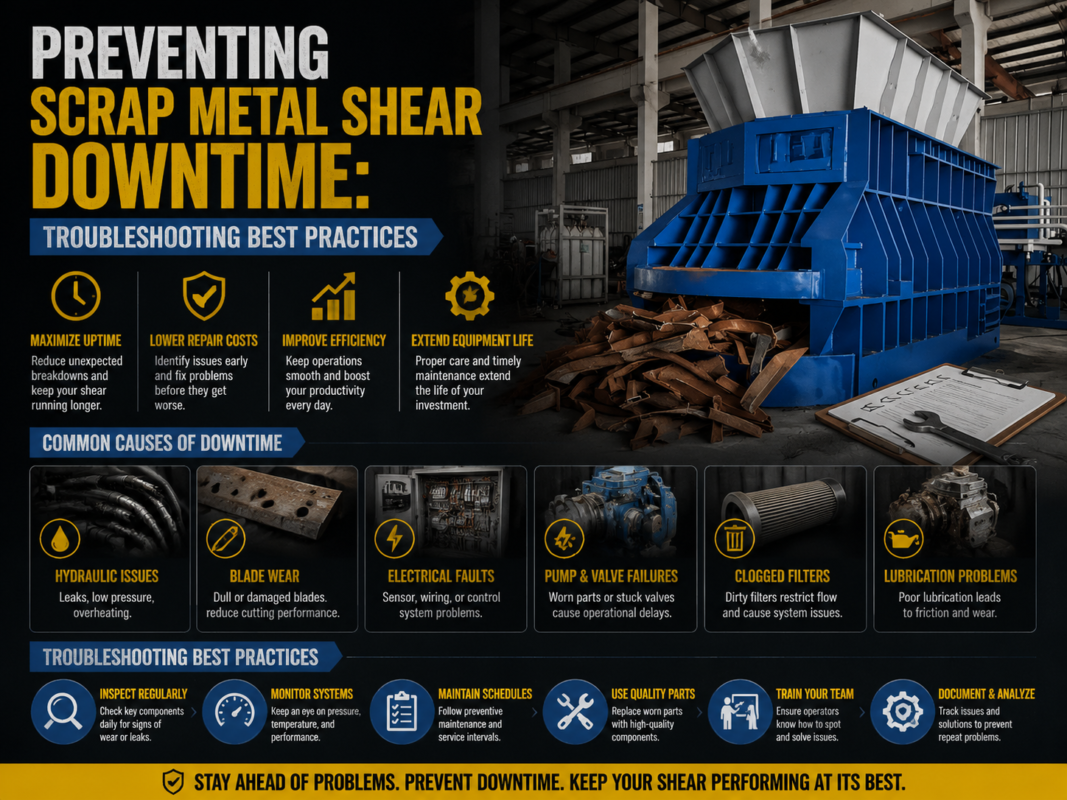
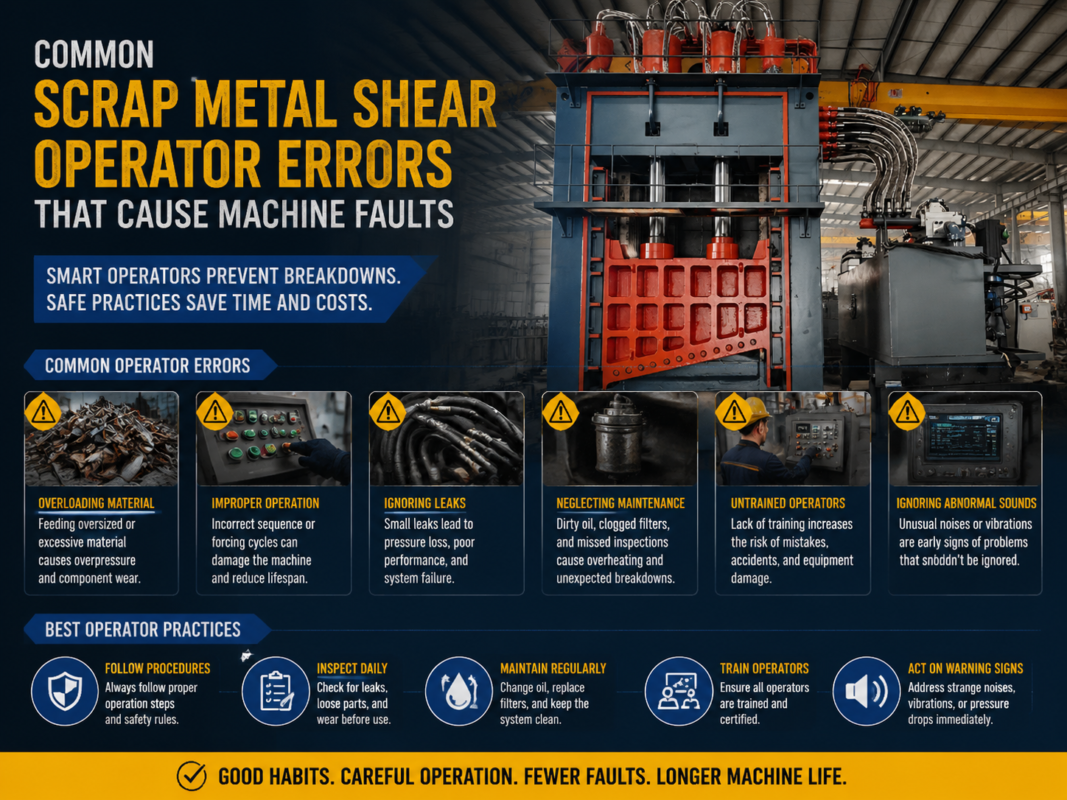
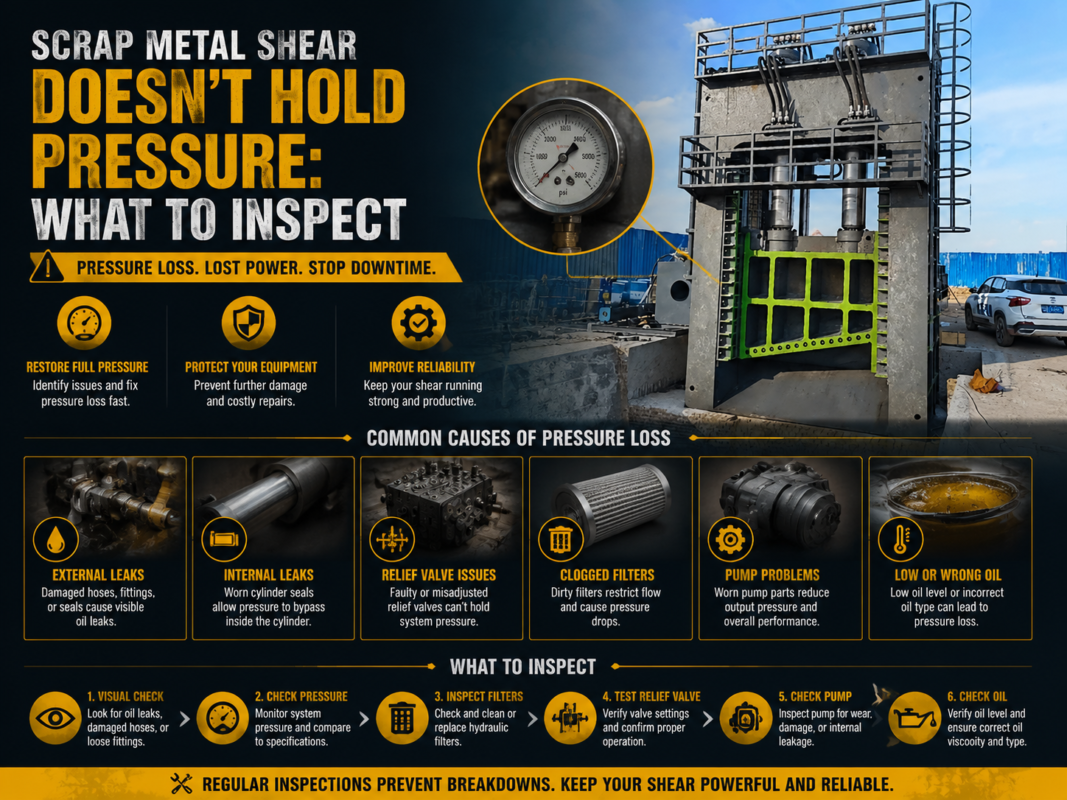
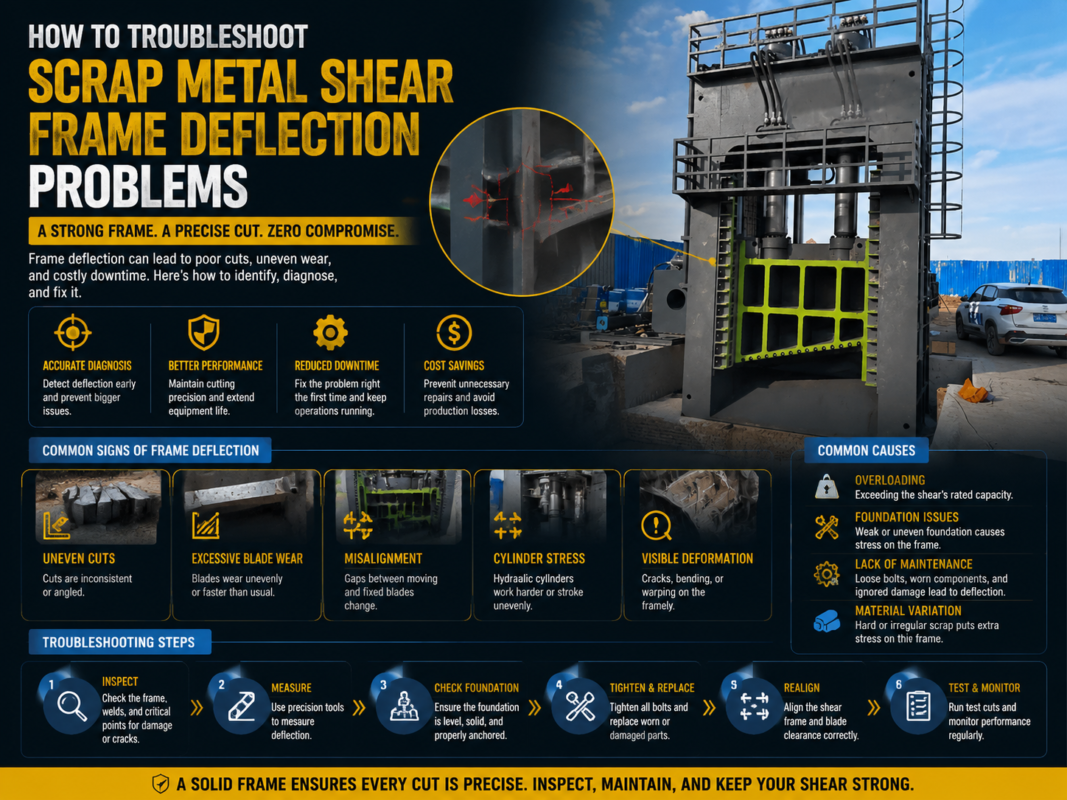
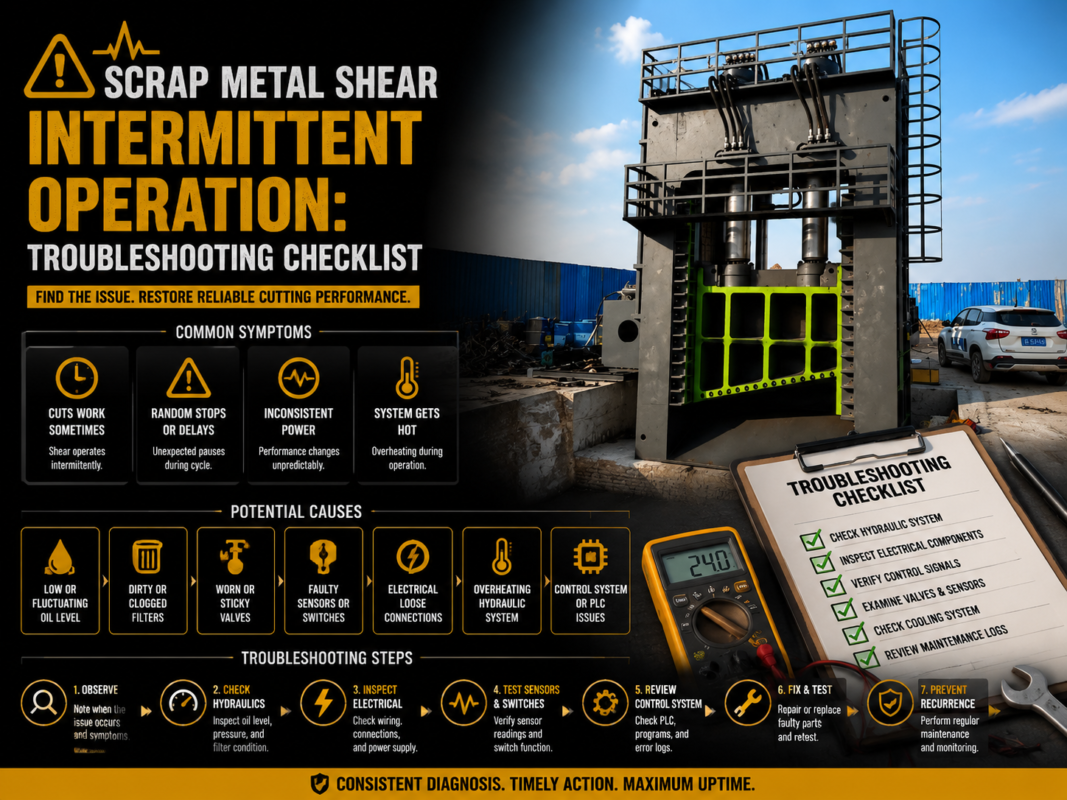
Regular maintenance includes monitoring hydraulic oil levels and cleanliness, lubricating moving parts, checking blade bolts for tightness, and inspecting the hydraulic hoses for wear. It is also critical to maintain the correct blade clearance to ensure clean cuts and prevent unnecessary stress on the machine frame.
Is shearing better than shredding?
Shearing and shredding serve different purposes. Shearing is best for heavy, thick, or oversized scrap that a shredder cannot handle. Shredding is ideal for light, mixed scrap (like whole cars) where the goal is to separate different materials (plastics, glass, metals) into small fragments. Many modern recovery systems use both: a shear to pre-process heavy items and a shredder for the final refinement.
Conclusion and Call to Action
The common scrap metal shear applications in modern metal recovery systems are diverse and essential for the efficiency of the global recycling industry. Whether it’s processing automotive waste, demolition debris, or industrial offcuts, the right shearing technology can transform a struggling operation into a high-profit enterprise. By reducing volume, increasing material value, and improving safety, modern shears are the cornerstone of sustainable metal management.
At HARSLE, we specialize in providing high-performance hydraulic shears tailored to the rigorous demands of the recycling industry. Our range of gantry, container, and alligator shears is engineered for maximum durability and efficiency. If you are looking to upgrade your metal recovery system or need expert advice on the best machine configuration for your specific needs, contact HARSLE today. Let us help you turn your scrap into a valuable resource with our industry-leading machinery solutions.