Comprehensive Guide to Scrap Metal Shear Applications for Rebar, Plates, and Profiles

Introduction to Modern Scrap Metal Shearing
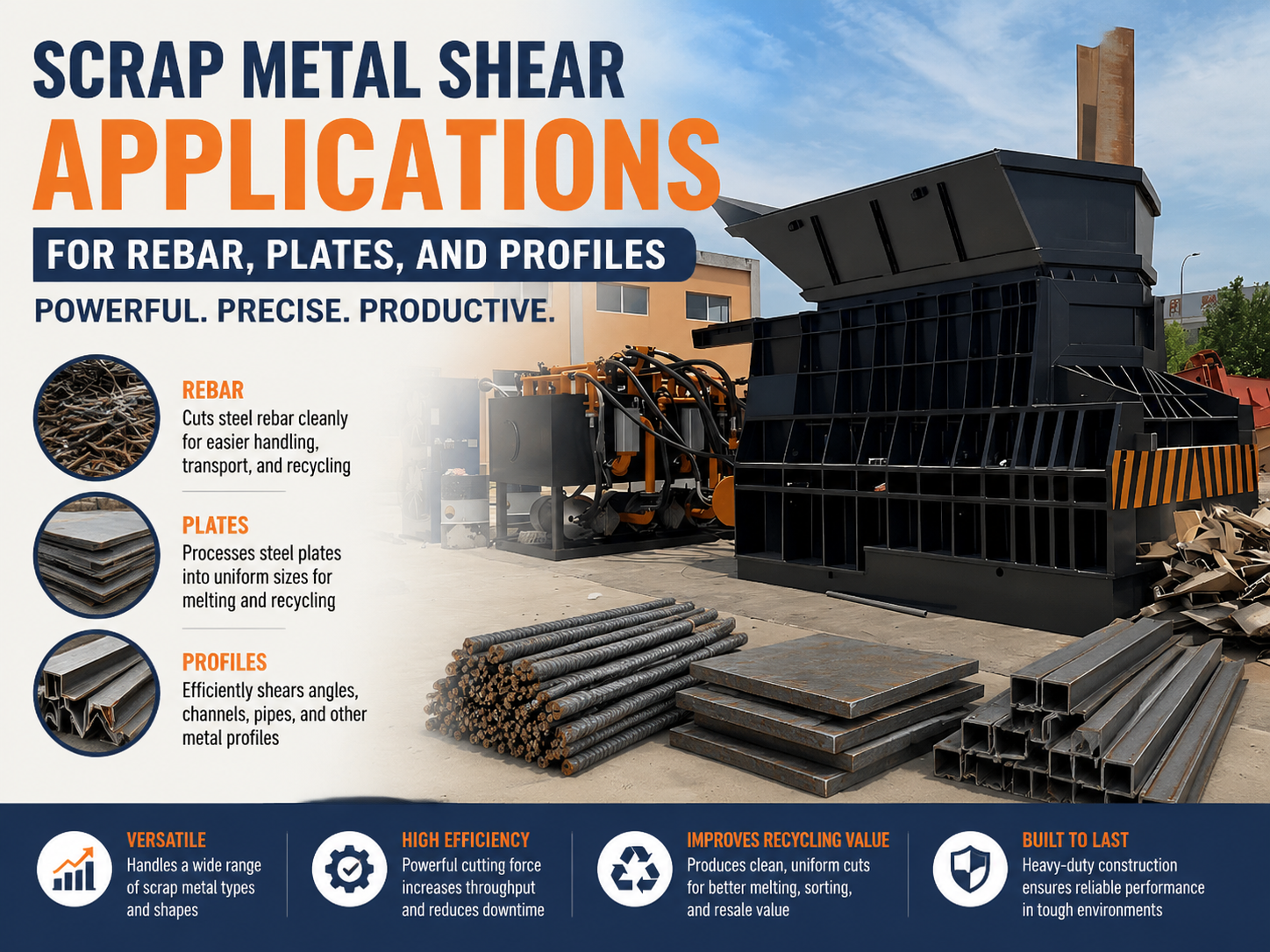
In the rapidly evolving landscape of global metal recycling and industrial fabrication, the efficiency of material processing stands as a cornerstone of profitability and sustainability. Scrap metal shears have emerged as indispensable tools, transforming bulky, irregular metal waste into standardized, high-value furnace-ready scrap. Whether dealing with the high-tensile strength of construction rebar, the substantial thickness of industrial steel plates, or the complex geometries of structural profiles like H-beams and I-beams, the right shearing technology is critical.
HARSLE, a leader in metal fabrication machinery, provides advanced hydraulic shearing solutions designed to meet the rigorous demands of modern scrap yards and steel mills. This guide explores the multifaceted scrap metal shear applications for rebar, plates, and profiles, detailing the technical requirements, machine configurations, and operational workflows that drive industrial success. By understanding the nuances of these applications, businesses can optimize their equipment selection to ensure maximum throughput and minimal operational overhead.
Application Scenarios for Scrap Metal Shears
The versatility of scrap metal shears allows them to be deployed across a wide range of industrial environments. One of the primary scenarios is in Construction and Demolition (C&D) waste management. As old infrastructure is dismantled, massive quantities of reinforced concrete yield significant volumes of rebar. Scrap shears are used on-site or at processing centers to cut this rebar into manageable lengths, facilitating easier transport and melting. Without efficient shearing, rebar remains a tangled, low-density mess that is expensive to move and difficult for furnaces to consume.
Another critical application is found in Shipbreaking and Heavy Equipment Salvage. Large vessels and industrial machines are composed of thick steel plates and heavy structural profiles. Scrap metal shears, particularly heavy-duty gantry or container shears, are utilized to slice through these massive components. The ability to process plates exceeding 50mm in thickness and profiles with large cross-sections is essential for converting a decommissioned ship into recyclable raw material. This process not only recovers valuable steel but also ensures that the material meets the size specifications required by secondary steel producers.
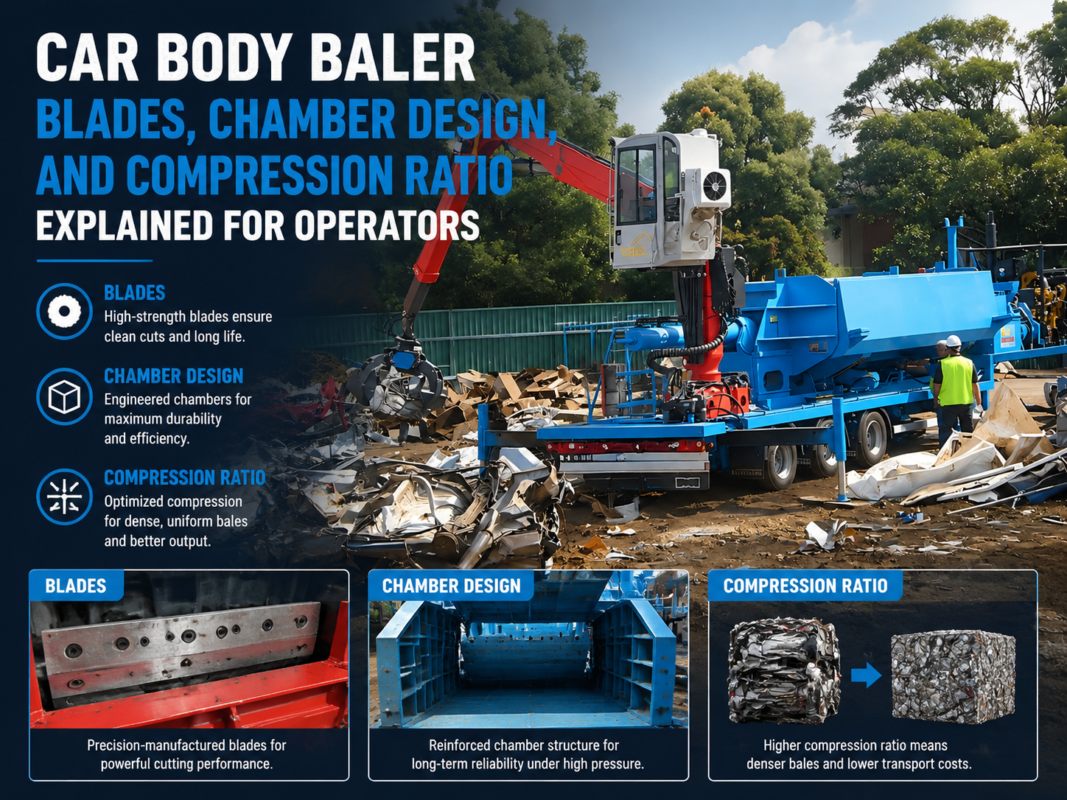
In Automotive and Manufacturing Scrap Processing, shears are used to handle production offcuts and end-of-life vehicle components. While much of a car’s body is shredded, the structural frame and engine components often require shearing to reduce their size before further processing. Manufacturing facilities that produce large steel structures often generate significant ‘skeletons’ from plate cutting; these skeletons are efficiently processed by scrap shears to reclaim floor space and recoup material costs. The precision and force of HARSLE shears ensure that even the toughest alloys used in modern manufacturing are handled with ease.
Material and Process Requirements
Processing Rebar (Reinforcing Bar)
Rebar presents unique challenges due to its high tensile strength and tendency to ‘spring’ or deform during the shearing process. Most rebar used in construction is Grade 60 or higher, meaning it has a minimum yield strength of 60,000 psi. When shearing bundles of rebar, the machine must exert consistent pressure to prevent the bars from sliding or overlapping, which can cause blade damage. The process requires a shear with a high-clamping force and blades made from shock-resistant tool steel, such as Cr12MoV, to withstand the repetitive impact of cutting multiple bars simultaneously.
Shearing Heavy Steel Plates
Steel plates, often used in bridge construction, shipbuilding, and pressure vessels, require shears with significant throat depth and high tonnage. The primary requirement here is the ‘cleanliness’ of the cut and the ability to handle varying thicknesses without frequent blade adjustments. For plates, the shear must overcome the material’s shear strength, which is typically about 75% of its tensile strength. A hydraulic system capable of delivering smooth, progressive force is preferred over mechanical systems to prevent edge cracking in high-carbon steel plates. HARSLE’s hydraulic designs are specifically tuned to provide this steady pressure, ensuring a safe and efficient cut every time.
Handling Structural Profiles (H-Beams, I-Beams, and Channels)
Structural profiles are perhaps the most difficult to shear because of their non-uniform cross-sections. An I-beam has thick flanges and a thinner web; a standard flat blade might crush the web before it begins to cut the flanges, leading to inefficient processing and excessive machine wear. Advanced scrap shears utilize specialized blade geometries or high-pressure ‘wings’ (in the case of container shears) to compress the profile into a solid mass before the shearing blade descends. This pre-compression is vital for maintaining the structural integrity of the machine and ensuring a complete cut through the entire profile in a single stroke.
Recommended Machine Configurations
Choosing the right machine configuration is the most critical decision in optimizing scrap metal shear applications for rebar, plates, and profiles. Depending on the volume and type of material, HARSLE recommends three primary categories of shears:
1. Gantry Scrap Shears
Gantry shears are the workhorses of large-scale scrap yards. They feature a vertical shearing frame and a long charging box. These machines are ideal for processing heavy profiles and thick plates. They often include a side-squeeze mechanism that compacts the scrap into a dense log before shearing. For rebar, gantry shears can process massive bundles in a single cycle, offering the highest throughput in the industry. Configurations typically range from 400 to over 1250 tons of shearing force.
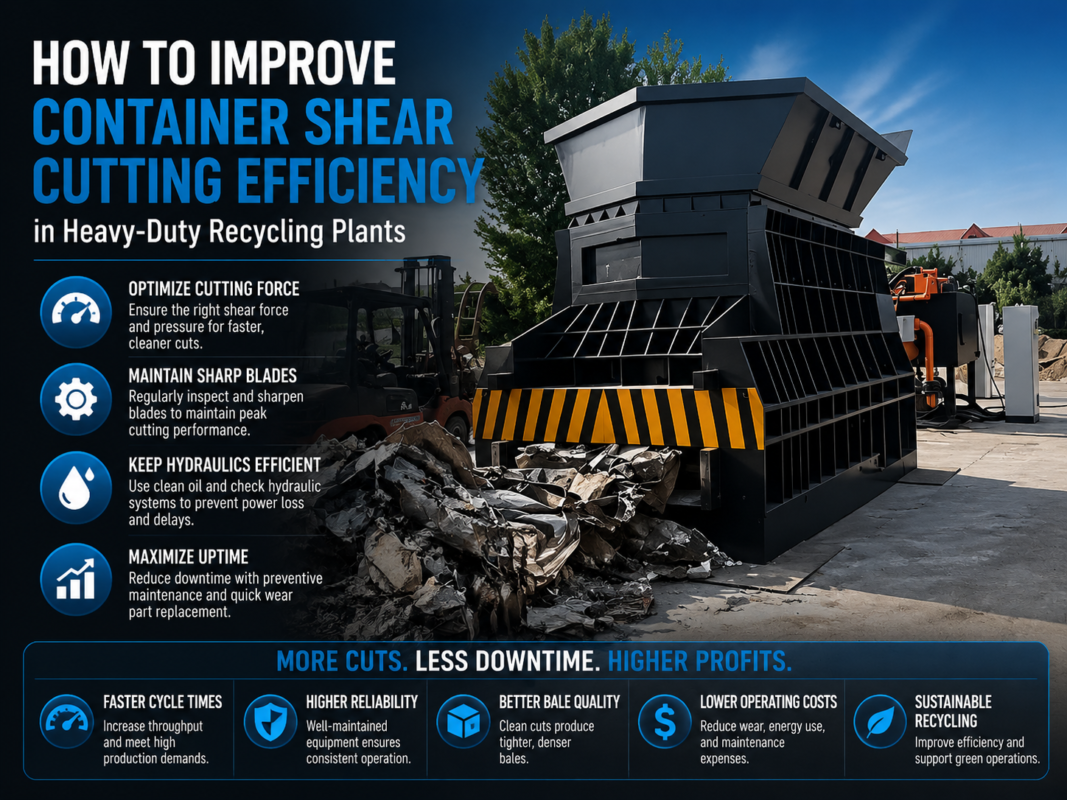
2. Container Shears (Horizontal Shears)
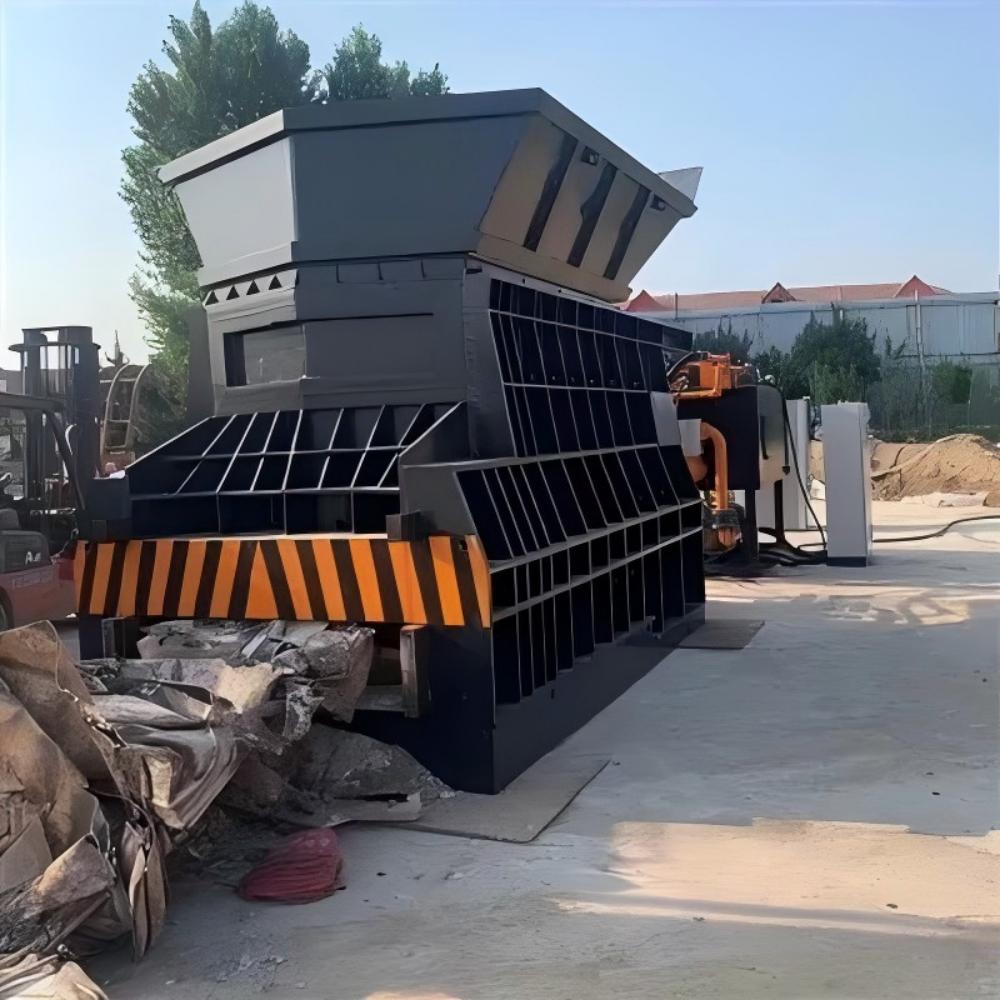
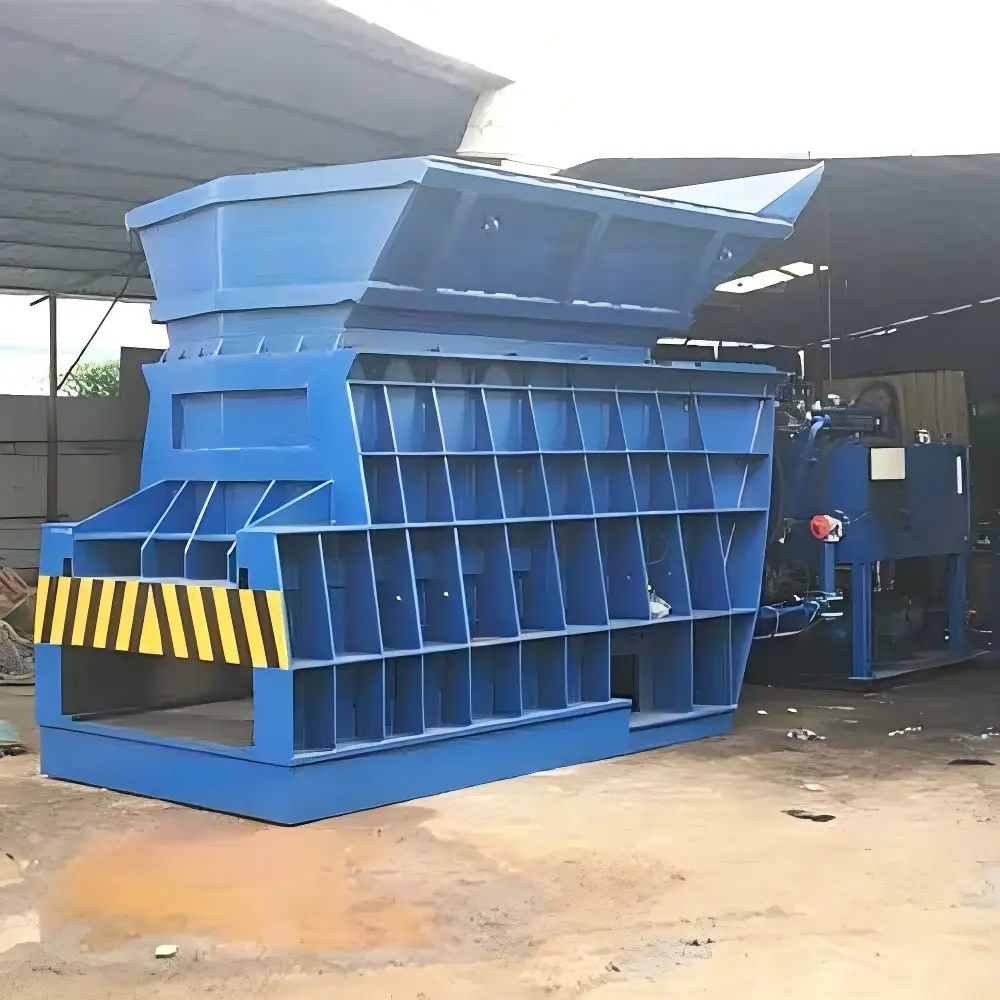
Container shears are a more recent innovation, offering a compact and often portable solution. Unlike gantry shears, the shearing action is horizontal. These machines are excellent for ‘long’ scrap like rebar and medium-sized profiles. The integrated ‘lid’ or ‘wing’ system compresses the material into the shearing channel. Because they do not require extensive foundations, they are perfect for temporary job sites or smaller yards looking for high-performance shearing without the footprint of a gantry system.
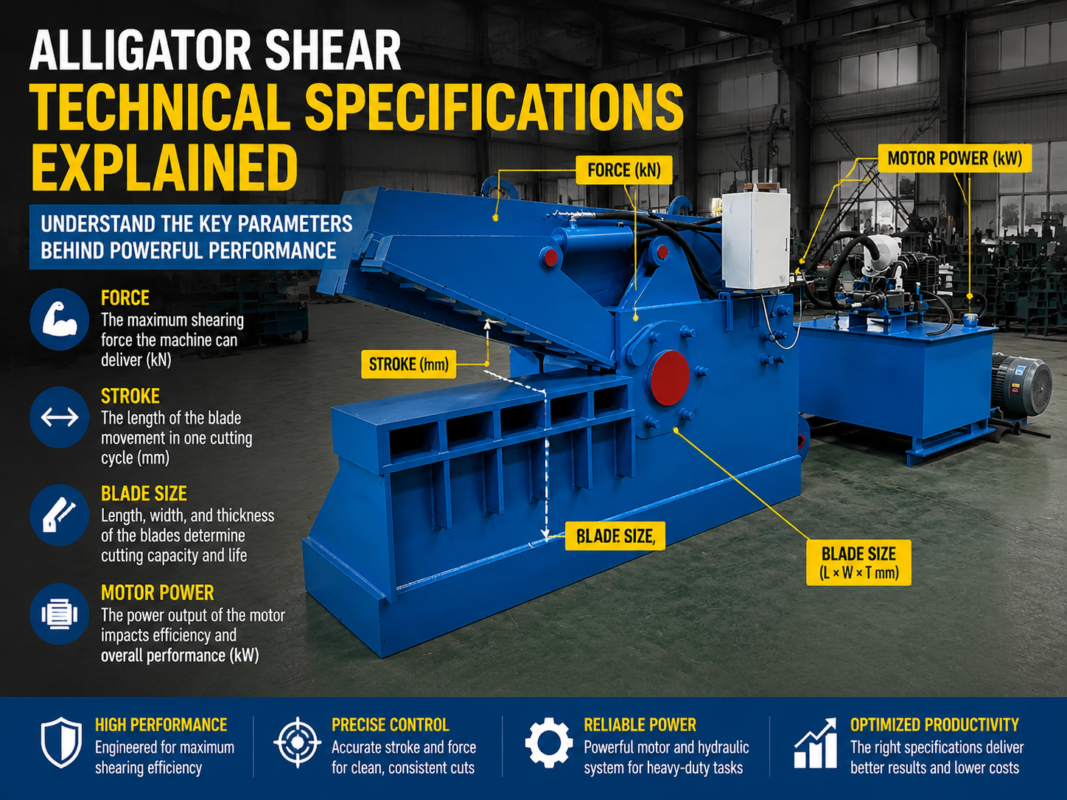
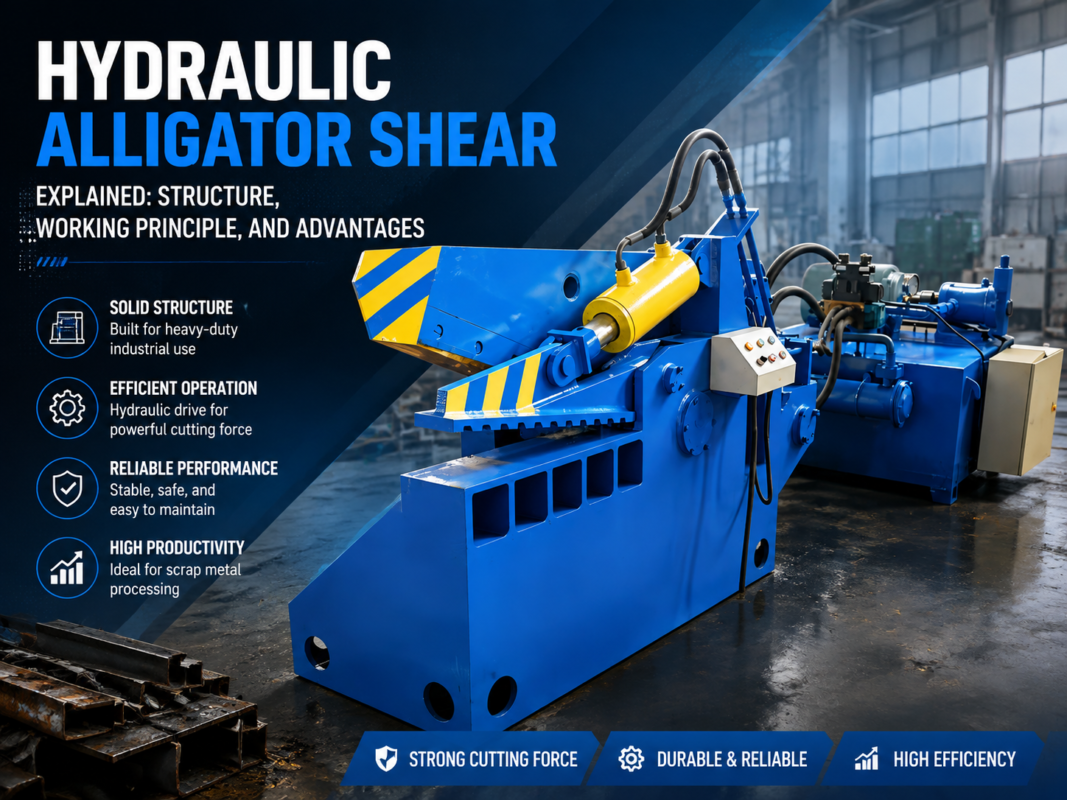
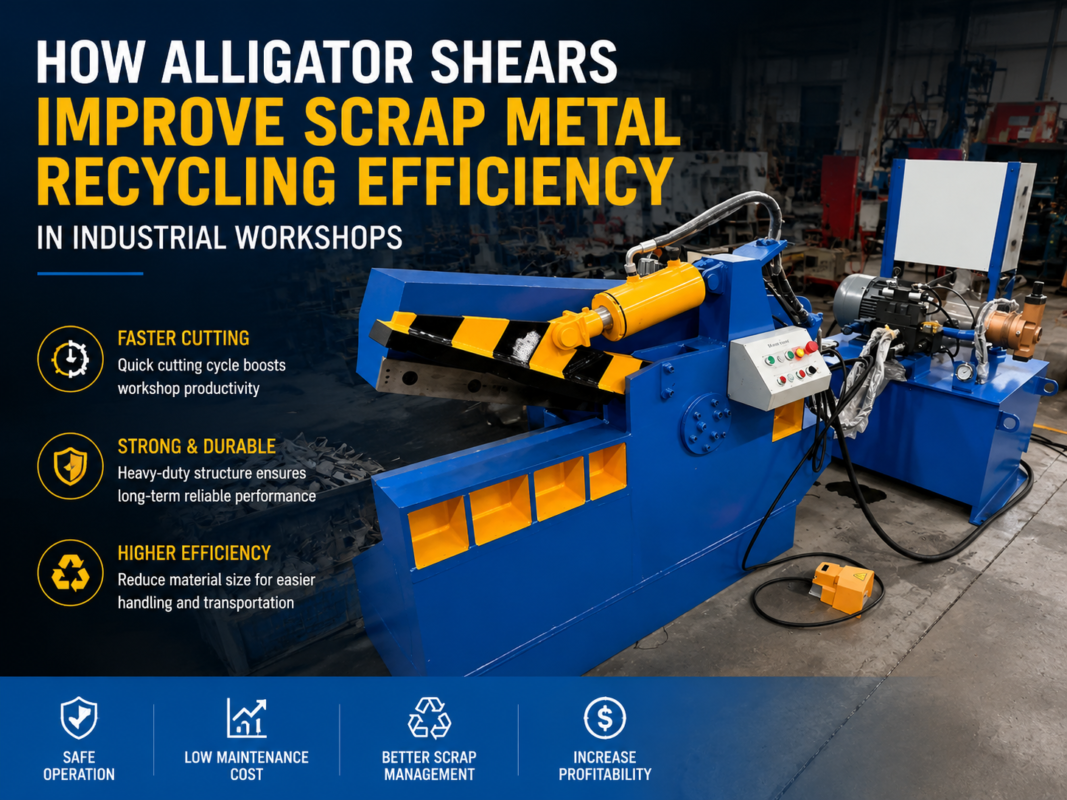
3. Alligator Shears
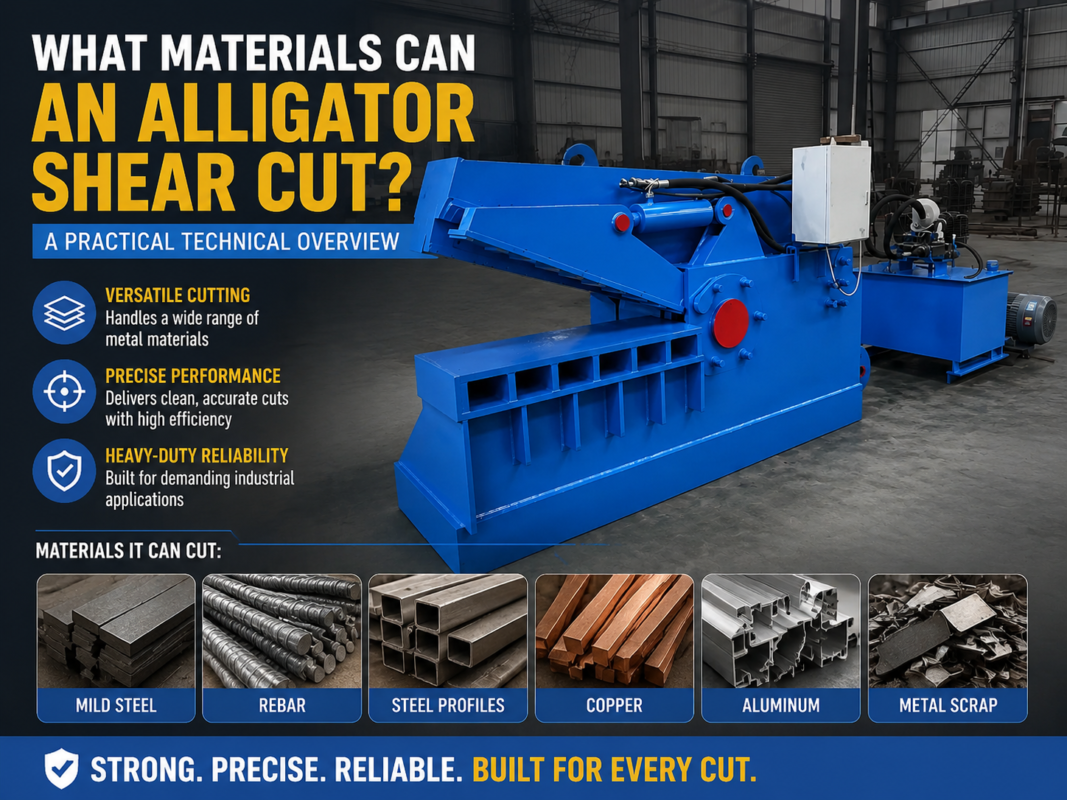
For smaller operations or for cleaning/sorting specific materials like rebar and small profiles, alligator shears are the go-to choice. These are manually fed machines where the operator places the material between the ‘jaws.’ While they have lower throughput than automated systems, they offer precision and are essential for removing non-ferrous attachments from steel profiles or cutting rebar to exact lengths for resale.
Workflow of a Scrap Shearing Operation
The efficiency of a scrap metal shear is not just about the machine itself, but the workflow surrounding it. A typical industrial workflow follows these steps:
- Material Sorting and Preparation: Scrap is sorted by type (e.g., HMS 1 vs. HMS 2). Oversized plates or profiles may be pre-cut with a torch to fit into the shear’s charging box.
- Loading: A crane equipped with a grapple or magnet loads the scrap into the charging box. HARSLE machines feature large, reinforced hoppers to minimize spillage and maximize load density.
- Pre-Compression: Once the box is full, hydraulic cylinders move the ‘wings’ or ‘pusher’ to compress the scrap. This step is crucial for profiles and rebar, as it eliminates air pockets and creates a solid mass for the blade to strike.
- Shearing: The shearing cylinder activates, forcing the blade through the material. The stroke length and speed are often adjustable via a PLC interface to match the material density.
- Discharge and Transport: The cut pieces fall onto a vibrating conveyor or directly into a collection bin. The standardized size of the output allows for efficient loading into shipping containers or furnace baskets.
Productivity and Economic Benefits
Investing in high-quality scrap metal shears for rebar, plates, and profiles yields significant economic returns. Firstly, Volume Reduction is a major factor. Loose scrap is expensive to transport; sheared scrap is dense, allowing for maximum weight capacity in every truckload or railcar. This can reduce logistics costs by up to 50%.
Secondly, Labor Efficiency is greatly improved. Manual torch cutting is slow, dangerous, and requires highly skilled labor. An automated HARSLE gantry shear can do the work of twenty torch cutters in a fraction of the time, with significantly higher safety standards. The reduction in consumables (like oxygen and acetylene) also adds to the bottom-line savings.
Finally, Market Value of the scrap increases. Steel mills pay a premium for ‘clean,’ sized scrap that can be directly charged into an Electric Arc Furnace (EAF). By processing rebar and profiles into standard lengths (e.g., 2 feet or 5 feet), scrap yards can move their product from ‘base grade’ to ‘premium grade,’ significantly increasing their margins.
Case Example: High-Volume Rebar and Profile Processing
A mid-sized recycling facility in Southeast Asia recently upgraded their operations with a HARSLE 600-ton Gantry Shear. Previously, they relied on manual alligator shears and torching to process construction waste consisting mainly of Grade 60 rebar and structural I-beams from demolished factories.
The Challenge: The facility was struggling with a backlog of 5,000 tons of mixed scrap. Their manual process could only handle 15 tons per day, and the inconsistent sizing led to rejections from the local steel mill.
The Solution: After installing the HARSLE Gantry Shear with an automated feeding conveyor, the facility’s throughput jumped to 120 tons per day. The machine’s pre-compression wings allowed them to process entire bundles of rebar and 12-meter I-beams without pre-torching. Within six months, the backlog was cleared, and the facility secured a long-term contract with the steel mill as a preferred supplier of sized structural scrap. The ROI was achieved in less than 14 months through labor savings and increased scrap value.
Maintenance and Longevity of Scrap Shears
To ensure the longevity of a scrap metal shear, a rigorous maintenance schedule is essential. The high-pressure environment of shearing rebar and plates puts immense stress on the hydraulic seals and the blade seats. HARSLE recommends the following maintenance checklist:
| Component | Action | Frequency |
|---|---|---|
| Shear Blades | Check for chips/cracks and rotate edges | Daily/Weekly |
| Hydraulic Oil | Check levels and monitor for contamination | Daily |
| Lubrication Points | Grease all moving joints and slides | Every 8 hours |
| Filters | Replace hydraulic and air filters | Every 500 hours |
| Bolts/Fasteners | Check torque on blade bolts and frame bolts | Weekly |
Proper blade gap adjustment is particularly important when switching between thin plates and thick profiles. A gap that is too wide will cause ‘smearing’ and increased heat, while a gap that is too tight can lead to blade clashing and catastrophic failure. HARSLE machines are designed with accessible adjustment points to make this process as simple as possible for the operator.
Frequently Asked Questions (FAQ)
1. What is the maximum thickness a scrap shear can cut?
The maximum thickness depends on the tonnage of the machine and the material type. For example, a 600-ton shear can typically cut mild steel plates up to 60-70mm thick. However, for high-tensile rebar or alloyed profiles, the capacity may be slightly lower. Always consult the machine’s pressure-to-thickness chart.
2. How long do the blades last when shearing rebar?
Rebar is abrasive and hard. Depending on the blade material (e.g., H13 or Cr12MoV), you can expect 200 to 500 hours of use before needing to rotate the blades. Most HARSLE blades have four usable edges, significantly extending their service life before replacement is necessary.
3. Can a container shear be moved between job sites?
Yes, many container shears are designed with a ‘hook-lift’ or trailer-mounted frame, making them highly portable. This is ideal for demolition contractors who need to process rebar and profiles on-site to save on transport costs.
4. Is it better to use a gantry shear or a shredder for profiles?
For heavy structural profiles (H-beams, thick channels), a shear is far superior. Shredders are designed for thin-gauge material like car bodies or appliances. Attempting to shred heavy profiles will cause excessive wear and potential damage to the shredder’s hammers and rotors.
5. What safety features should I look for in a scrap shear?
Essential safety features include emergency stop buttons at multiple stations, hydraulic pressure relief valves, protective cages for the operator, and infrared sensors (light curtains) to prevent the machine from cycling if a person is in the loading area.
Conclusion: Optimizing Your Scrap Processing with HARSLE
The strategic application of scrap metal shears for rebar, plates, and profiles is a game-changer for any industrial recycling or fabrication operation. By selecting a machine that matches your material requirements and integrating it into an efficient workflow, you can significantly reduce costs, improve safety, and increase the market value of your scrap. HARSLE’s commitment to engineering excellence ensures that our shears provide the power, precision, and durability needed to thrive in the toughest environments.
Whether you are looking to upgrade an existing yard or start a new recycling venture, understanding the technical demands of shearing is the first step toward success. With the right equipment, the challenges of processing heavy structural steel and high-tensile rebar become opportunities for growth and profitability.
Ready to Enhance Your Scrap Processing Efficiency?
HARSLE offers a full range of hydraulic scrap shears tailored to your specific needs. From portable container shears to massive 1250-ton gantry systems, we have the solution for your rebar, plate, and profile shearing applications. Contact our technical team today for a customized quote and expert advice on selecting the right machine for your facility.
Visit HARSLE.com to learn more about our industrial machinery solutions.