How Scrap Metal Shears Support High-Volume Metal Waste Processing

Introduction to High-Volume Scrap Metal Processing
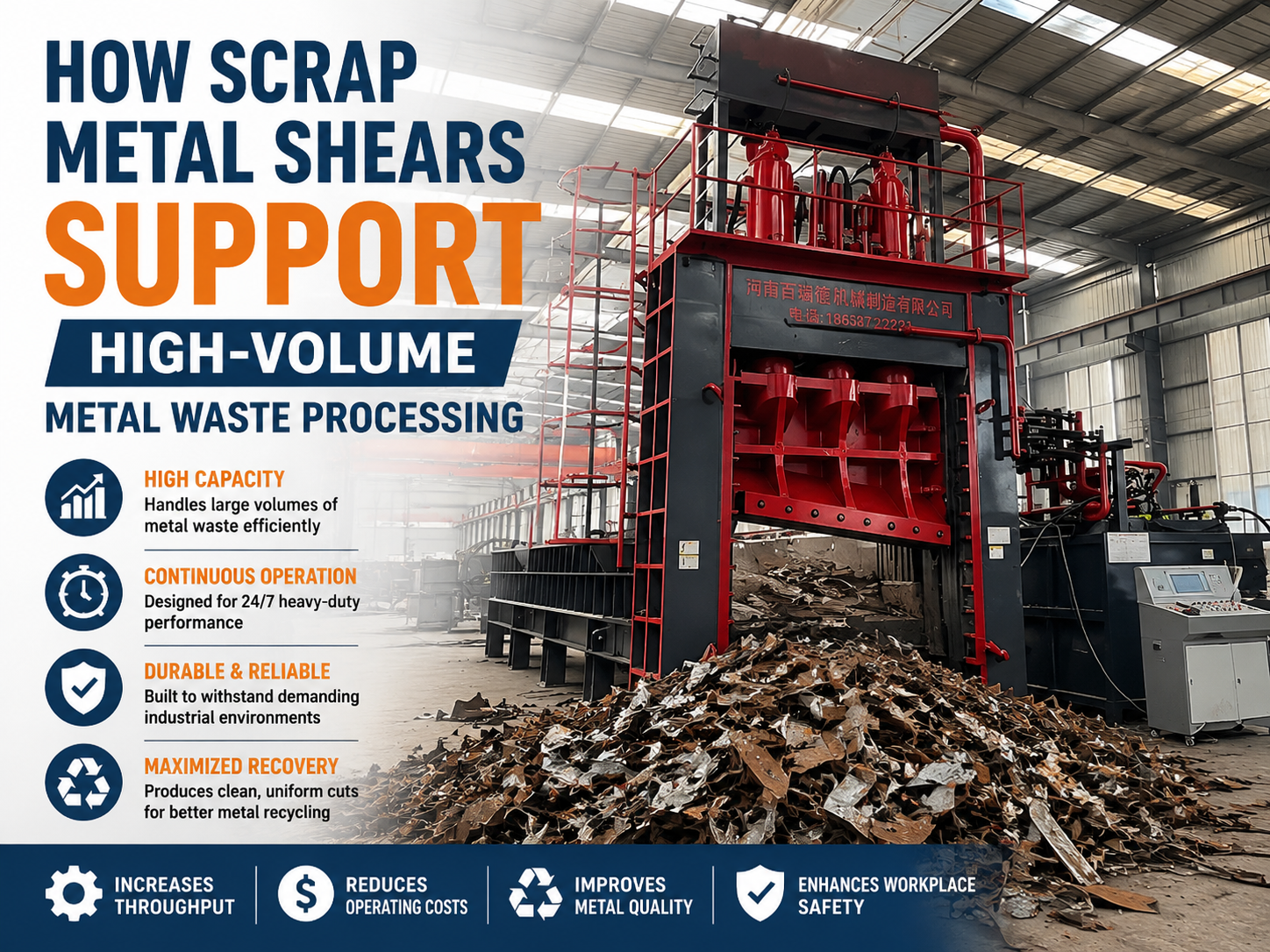
In the modern industrial landscape, the management of metal waste has evolved from a simple disposal task into a sophisticated resource recovery operation. As global demand for steel and non-ferrous metals continues to rise, the efficiency of recycling facilities hinges on their ability to process massive quantities of material quickly and safely. This is where the role of specialized machinery becomes critical. Understanding how scrap metal shears support high-volume metal waste processing is essential for any facility looking to scale its operations and improve its bottom line.
High-volume processing refers to the continuous handling of hundreds or even thousands of tons of scrap metal per month. This includes everything from structural steel beams and decommissioned ships to automotive frames and industrial piping. Without the right equipment, these bulky materials are difficult to transport and even harder to melt down. Scrap metal shears provide the necessary force and precision to reduce these large structures into manageable, uniform pieces that meet the strict specifications of foundries and steel mills worldwide.
HARSLE, a leader in metal fabrication machinery, recognizes that the recycling industry requires more than just raw power. It requires reliability, automation, and energy efficiency. In this comprehensive guide, we will delve into the technical aspects of how scrap metal shears support high-volume metal waste processing, examining the application scenarios, machine configurations, and the tangible productivity benefits they offer to the global recycling market.
Application Scenarios for High-Volume Shearing
The application of high-volume scrap metal shears is diverse, spanning several heavy industries. One of the primary scenarios is the large-scale recycling yard. These facilities act as hubs for regional waste, collecting scrap from construction sites, demolition projects, and manufacturing plants. To maintain a steady flow of material out to the steel mills, these yards must process incoming scrap immediately. Gantry shears and heavy-duty crocodile shears are the workhorses here, ensuring that the yard does not become a bottleneck in the supply chain.
Demolition sites represent another critical application. When large buildings, bridges, or industrial plants are dismantled, the resulting steel structures are often too large to be transported on standard trailers. Mobile or stationary scrap shears located near the site allow for on-site volume reduction. This significantly lowers transportation costs and allows the material to be sold as higher-grade scrap (such as HMS 1 or HMS 2) rather than bulky, unprocessed waste.
The automotive recycling industry also relies heavily on high-volume shearing. After fluids and reusable parts are removed, the remaining chassis and structural components must be processed. While shredders are common, shears are often used as a primary step to cut the frames into sizes that the shredder can handle more efficiently, or to process heavy axles and engine components that might damage a standard shredder. This multi-stage approach is a perfect example of how scrap metal shears support high-volume metal waste processing by preparing material for downstream equipment.
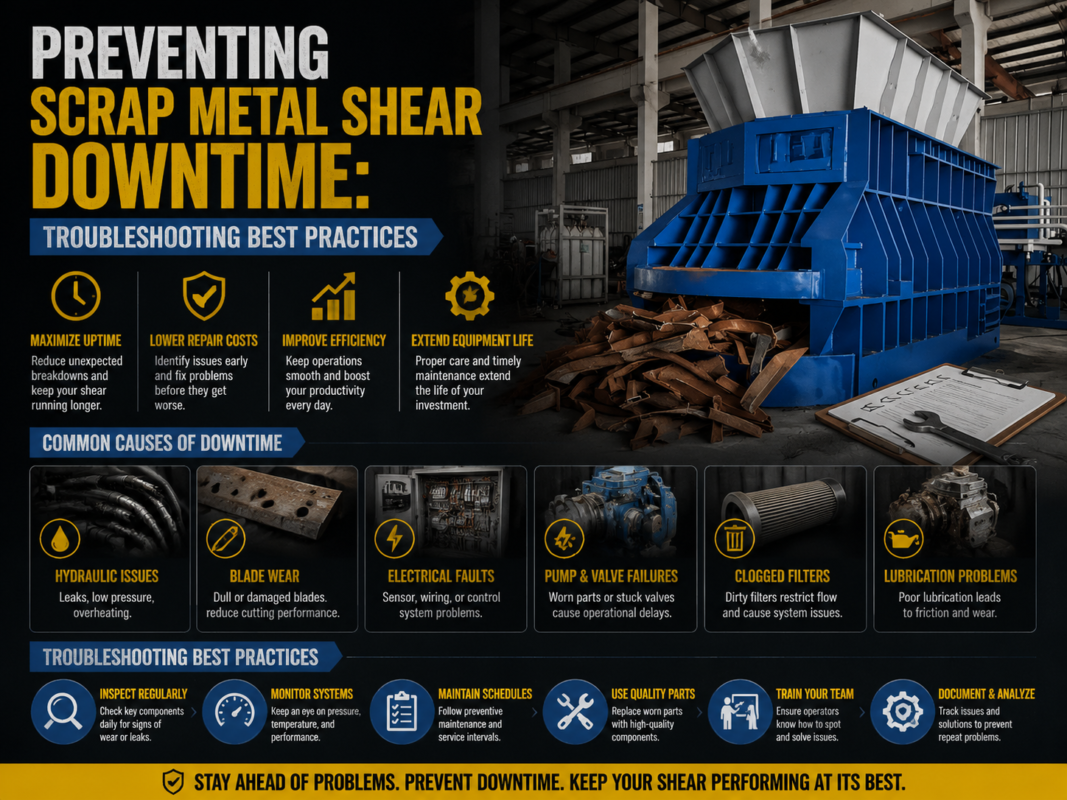
Finally, shipbreaking yards utilize the most powerful shears available. Dismantling a cargo ship or a tanker involves cutting through thick hull plates and massive internal ribs. The sheer scale of these projects demands machinery that can operate 24/7 with minimal downtime. In these environments, the durability of the shear blades and the efficiency of the hydraulic system are the most important factors in maintaining profitability.
Material and Process Requirements
To understand how scrap metal shears support high-volume metal waste processing, one must first understand the materials they are designed to handle. Scrap metal is generally categorized by its thickness, composition, and density. Heavy Melting Scrap (HMS) is the most common category, requiring significant force to cut. HMS 1 typically consists of scrap at least 1/4 inch thick, while HMS 2 may include thinner materials but still requires professional shearing to reach the desired density for furnace charging.
Stainless steel and alloy steels present unique challenges due to their hardness and work-hardening properties. Processing these materials in high volumes requires shears with high-quality tool steel blades that can maintain their edge under extreme pressure. If the blades are too soft, they will dull quickly, leading to increased friction, higher energy consumption, and poor cut quality. Therefore, the material requirement for high-volume processing isn’t just about the scrap itself, but also about the metallurgy of the machine’s cutting components.
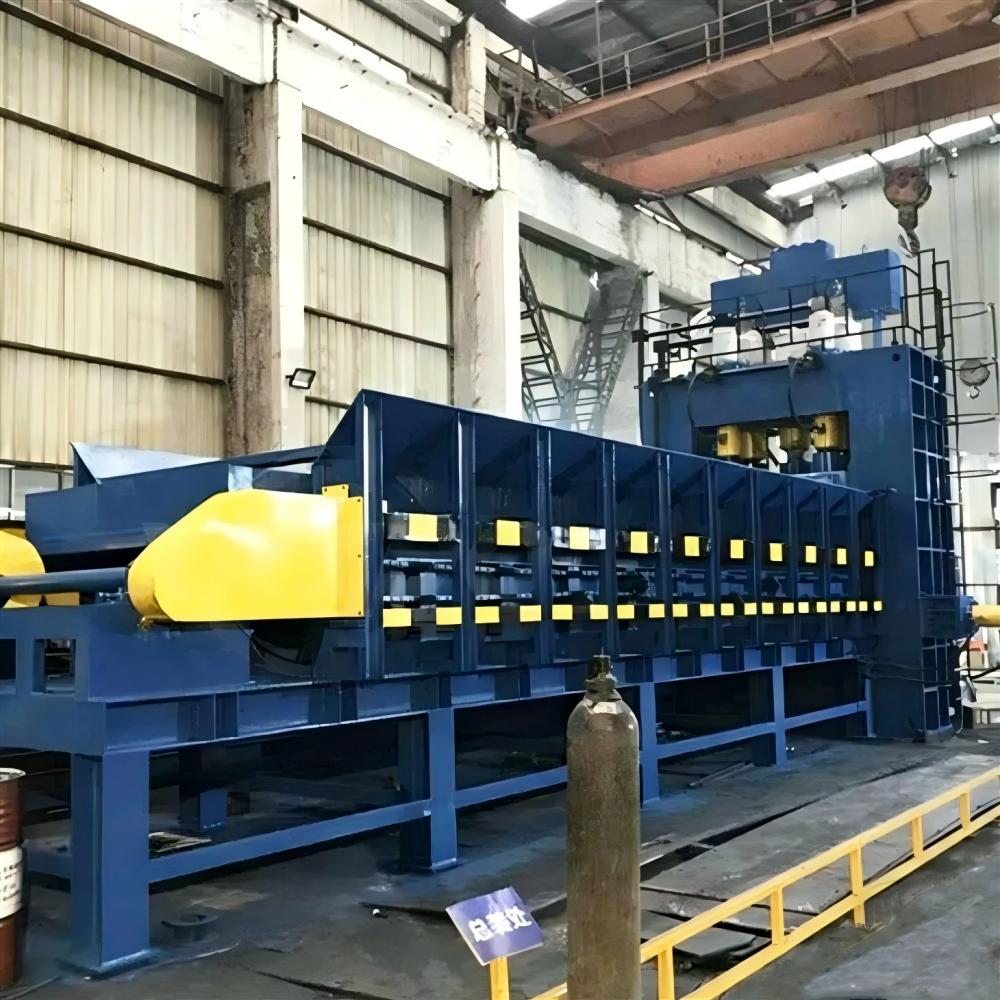
Process requirements also include the need for “density optimization.” Steel mills prefer scrap that is dense because it improves the efficiency of the Electric Arc Furnace (EAF). Loose, bulky scrap takes up too much space and requires multiple “recharges” of the furnace, which wastes energy and time. By shearing scrap into uniform, short lengths, the density is increased, allowing for a single, efficient melt. This requirement drives the design of modern shears, which often include a compression box to pre-compact the scrap before the blade makes its cut.
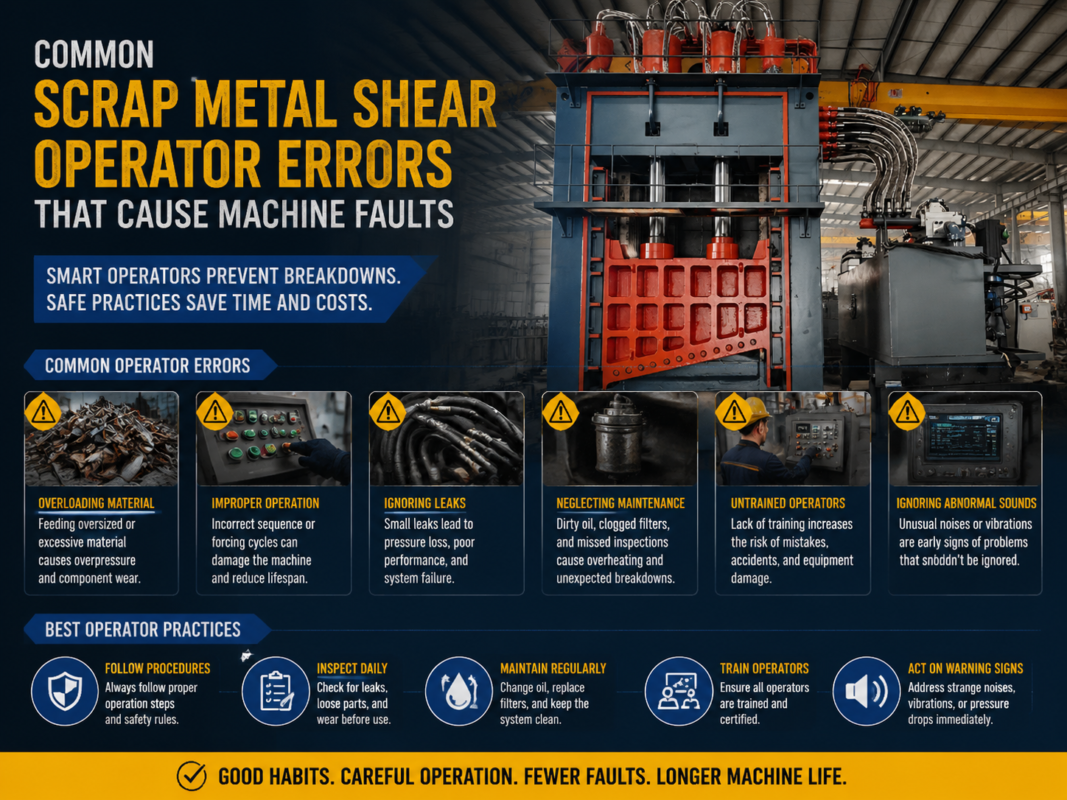
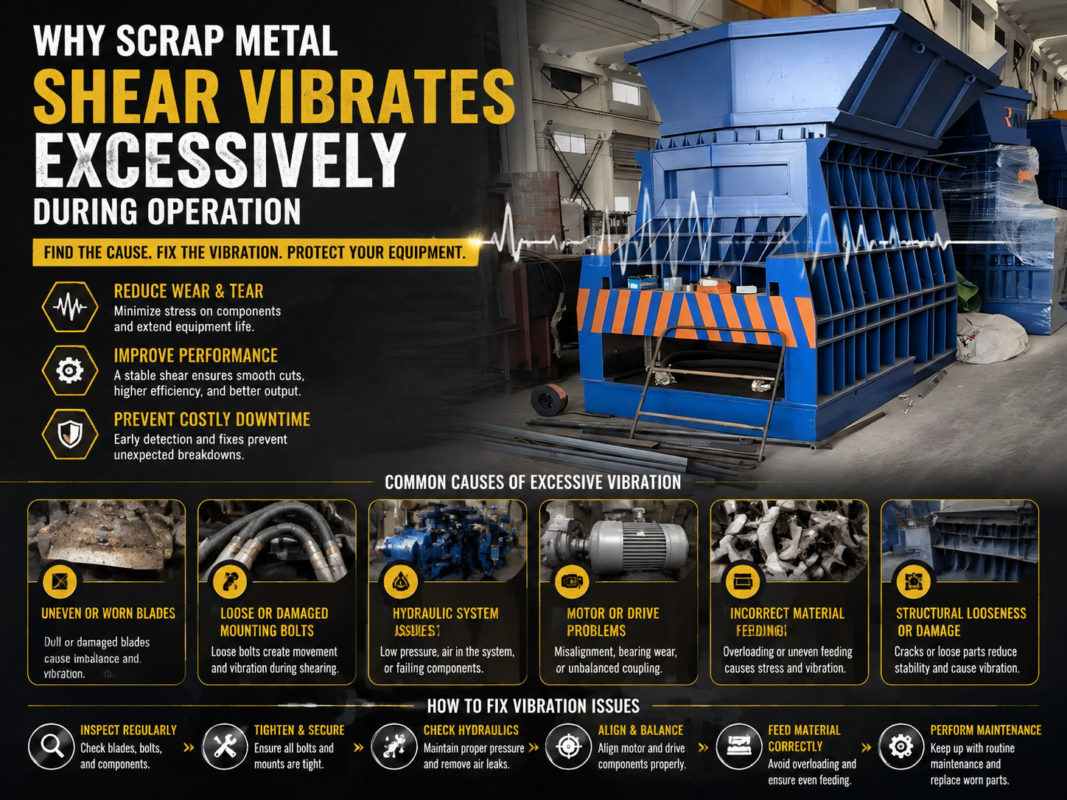
Environmental and safety regulations also dictate process requirements. High-volume processing must be done in a way that minimizes noise and vibration, especially in urban or semi-industrial areas. Furthermore, the process must be safe for operators. Modern shears incorporate remote control systems and automated feeding mechanisms to keep personnel away from the cutting zone, addressing the safety requirements inherent in handling heavy, jagged metal waste.
Recommended Machine Configuration for High Volume
When selecting equipment to ensure that scrap metal shears support high-volume metal waste processing effectively, the configuration of the machine is paramount. For the highest volumes, the **Gantry Shear** (also known as a Guillotine Shear) is the industry standard. These machines are characterized by their massive vertical frames and horizontal compression boxes. A typical high-volume configuration includes a cutting force ranging from 600 to over 1250 tons.
Key components of a high-volume configuration include:
- Hydraulic System: High-displacement pumps and large-diameter cylinders are necessary to provide the speed and force required. Variable displacement pumps are preferred as they can adjust the flow based on the resistance of the material, saving energy during the idle parts of the cycle.
- Compression Box: A three-dimensional compression box is vital. It uses side and top rams to squeeze the scrap into a dense log before it is pushed toward the shear head. This ensures that every stroke of the blade is cutting through a solid mass of metal, maximizing throughput.
- PLC Control Systems: Modern HARSLE shears utilize advanced PLC (Programmable Logic Controller) systems with touch-screen interfaces. These allow for automated cycles where the machine feeds, compresses, and shears the material without constant manual input.
- Blade Material: For high-volume work, blades should be made from high-chromium, high-carbon tool steel, often heat-treated to a specific Rockwell hardness to balance toughness and wear resistance.
For facilities that handle slightly lower volumes or more specialized scrap (like long pipes or extrusions), a heavy-duty **Crocodile Shear** (Alligator Shear) might be recommended. However, for true high-volume industrial waste processing, the gantry shear’s ability to handle diverse, unsorted scrap in a continuous feed makes it the superior choice. The integration of a conveyor belt system for both loading and unloading further enhances the machine’s capability to support a high-volume workflow.
The Workflow of High-Volume Shearing
The workflow of how scrap metal shears support high-volume metal waste processing is a choreographed sequence of mechanical actions designed for maximum efficiency. It begins with the **Loading Phase**. In a high-volume environment, a grapple crane or a large magnet loader is used to drop scrap into the machine’s charging hopper or directly into the compression box. The size of the hopper must be matched to the crane’s capacity to prevent idle time.
Next is the **Compression Phase**. Once the scrap is in the box, the lid closes, and the side rams engage. This stage is crucial because it transforms a chaotic pile of metal into a uniform “log.” By pre-compacting the material, the shear can cut through more metal per stroke, which is the secret to high-volume productivity. This phase also helps to break down large structures, making them easier for the blade to penetrate.
The **Shearing Phase** follows. A hydraulic pusher moves the compacted log forward by a predetermined length (e.g., 20 or 30 inches). The heavy shear blade then descends, slicing through the metal. In high-volume machines, this cycle—push and cut—repeats automatically until the entire log is processed. The speed of this cycle, often measured in cuts per minute, is a primary KPI (Key Performance Indicator) for the facility.
Finally, the **Discharge Phase** involves moving the processed scrap away from the machine. This is typically handled by a vibrating conveyor or a heavy-duty rubber belt. The processed scrap is then stockpiled or loaded directly into containers for transport. A well-designed workflow ensures that the machine never has to stop because the discharge area is full, or the loading area is empty. This continuous loop is exactly how scrap metal shears support high-volume metal waste processing without interruption.
Productivity and Economic Benefits
Investing in high-quality scrap metal shears yields significant productivity and economic benefits. The most immediate benefit is the **Reduction in Labor Costs**. Automated gantry shears require only one operator (often the crane operator) to manage the entire process. Compared to manual torch cutting or using smaller, labor-intensive shears, the output per man-hour is exponentially higher. This allows recycling yards to process more material with fewer staff members.
Another major benefit is **Transportation Efficiency**. Unprocessed scrap is mostly air; it is bulky and inefficient to move. By shearing the metal into dense, uniform pieces, a single truck or railcar can carry significantly more weight. This reduces the number of trips required to move the same amount of material, leading to lower fuel costs and a smaller carbon footprint. In the context of high-volume processing, these savings can amount to tens of thousands of dollars annually.
Furthermore, processed scrap commands a **Higher Market Price**. Steel mills and foundries are willing to pay a premium for “furnace-ready” scrap. It saves them the cost of processing it themselves and allows for faster melt times. By using scrap metal shears to upgrade their material from lower-grade bulky scrap to higher-grade sheared scrap, facilities can increase their profit margins on every ton sold. This value-added step is a core reason why scrap metal shears support high-volume metal waste processing as a profitable business model.
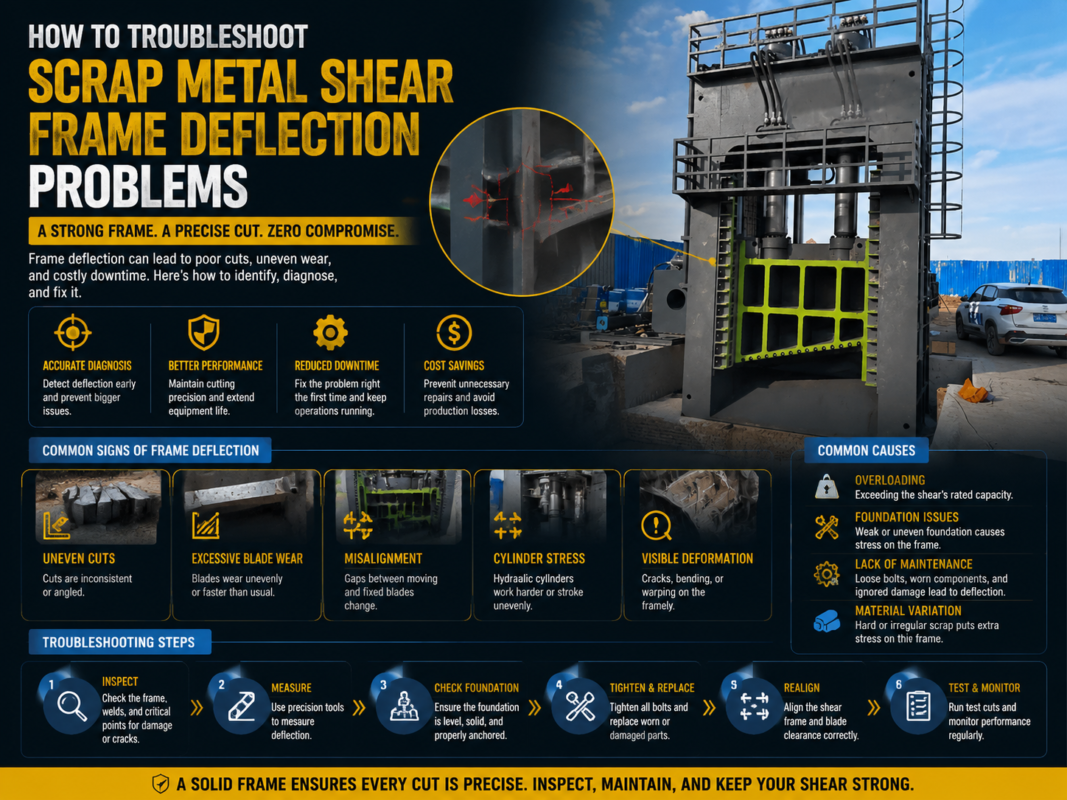
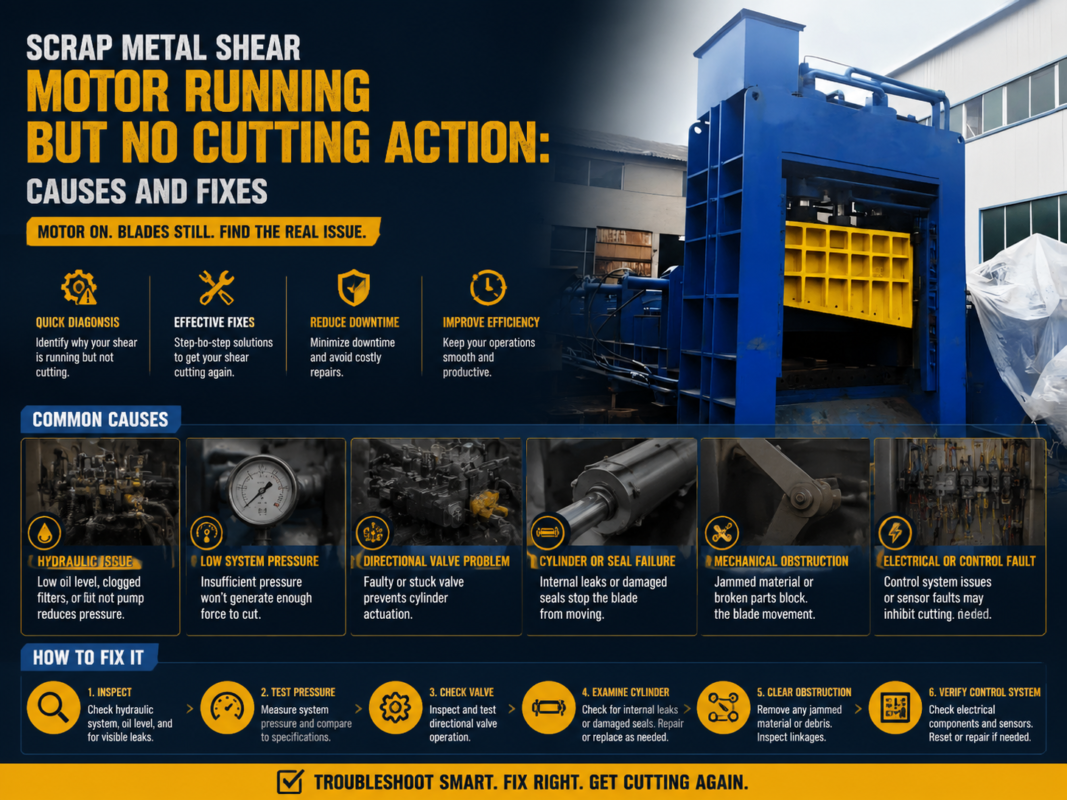
Lastly, there is the benefit of **Equipment Longevity and Reduced Maintenance**. While high-volume processing is demanding, machines designed specifically for this task—like those from HARSLE—are built with wear-resistant liners and robust hydraulic circuits. This reduces the frequency of unexpected breakdowns. When a machine is reliable, the facility can commit to larger contracts and tighter deadlines, further cementing its position in the market.
Case Example: Gantry Shears in Large-Scale Operations
To illustrate how scrap metal shears support high-volume metal waste processing in the real world, let us look at a recent installation. A large-scale recycling facility in the Middle East required a solution to handle a massive influx of industrial demolition scrap. The challenge was the variety of the material, which included heavy I-beams, thick-walled pipes, and reinforced steel plates.
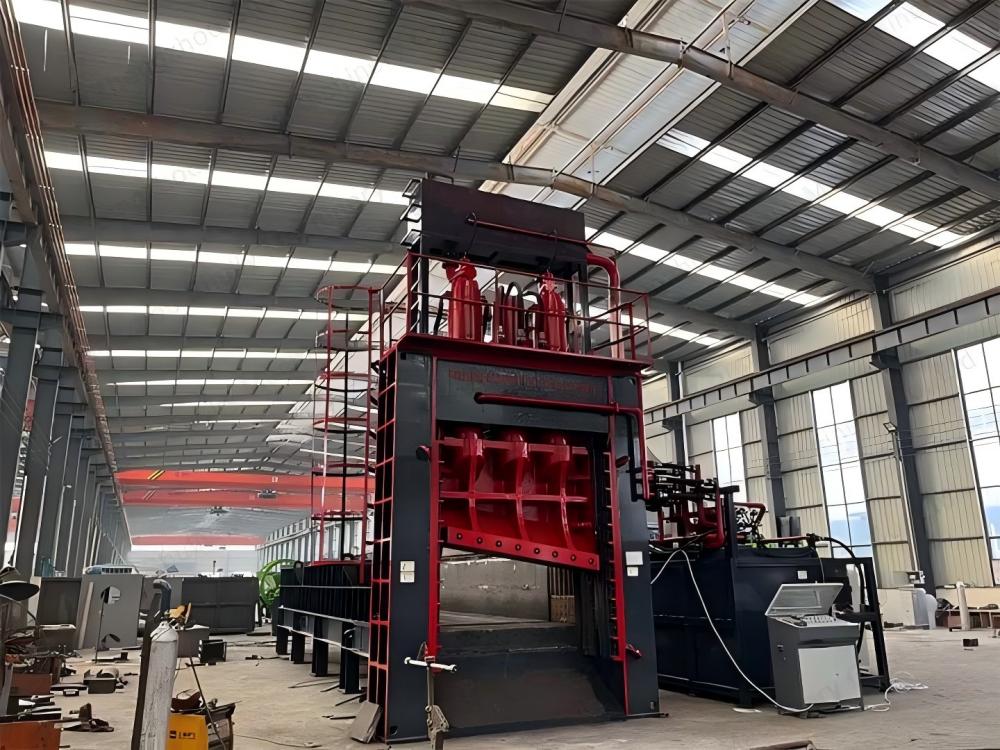
HARSLE provided a customized 1000-ton gantry shear equipped with an extra-long compression box and an automated conveyor system. The customization included specialized hydraulic cooling systems to handle the high ambient temperatures of the region, ensuring the machine could operate for 16 hours a day without overheating. This setup allowed the customer to process over 200 tons of scrap per shift.
The result was a 40% increase in processing speed compared to their previous multi-machine setup. By consolidating their shearing operations into one high-volume gantry shear, they also reduced their energy consumption per ton of metal processed. This case example highlights that the right machine configuration, tailored to the specific environment and material type, is the key to successful high-volume waste management.
Frequently Asked Questions (FAQ)
1. How often do the blades need to be changed in a high-volume shear?
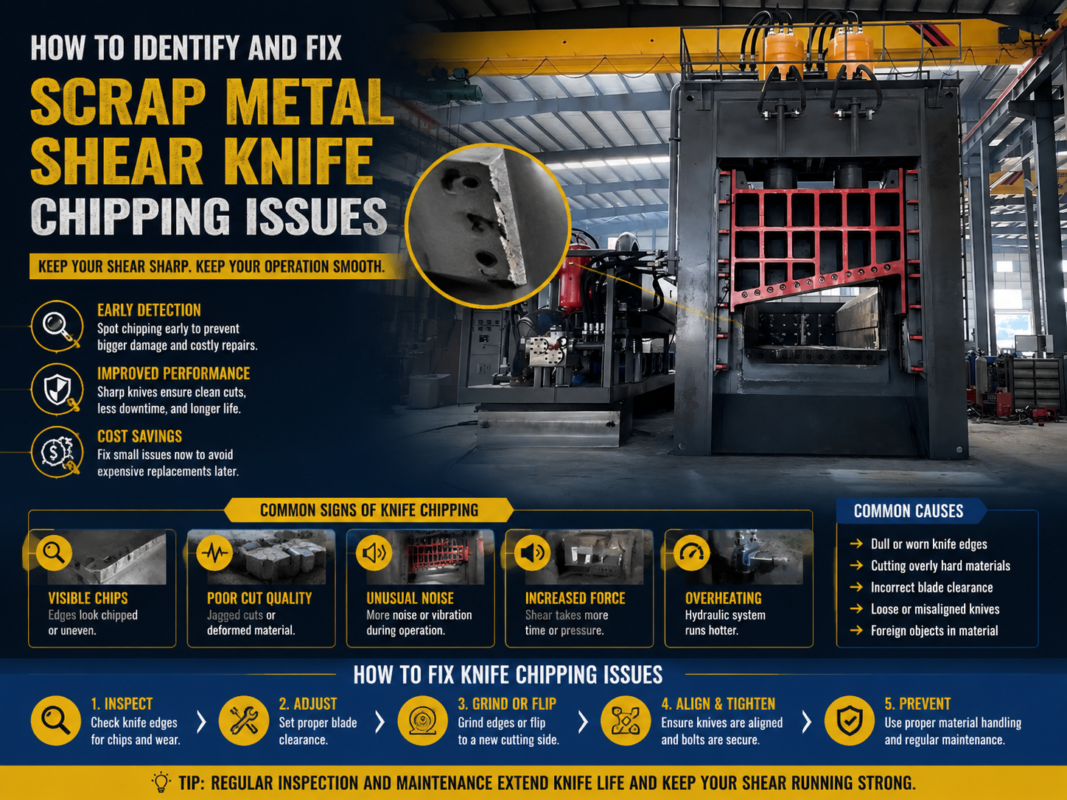
Blade life depends on the material being cut. For standard carbon steel, blades can often last for 200-500 hours of cutting before needing to be rotated or sharpened. Most HARSLE shears feature four-sided blades, meaning you can rotate the blade four times to use a fresh edge before the blade needs to be fully replaced or reground.
2. Can scrap metal shears handle non-ferrous metals like aluminum and copper?
Yes, scrap metal shears are excellent for non-ferrous metals. In fact, because these metals are softer than steel, the shears can often process them even faster. High-volume shears are frequently used to process large aluminum extrusions or heavy copper busbars found in industrial electrical equipment.
3. What is the difference between a gantry shear and an alligator shear?
A gantry shear is a large, vertical machine with a compression box, designed for high-volume, heavy-duty scrap. An alligator (crocodile) shear has a hinged jaw and is typically used for smaller, longer items or for cleaning scrap (removing non-metal attachments). For high-volume waste processing, the gantry shear is the preferred choice due to its automation and higher cutting force.
4. How does the hydraulic system contribute to energy efficiency?
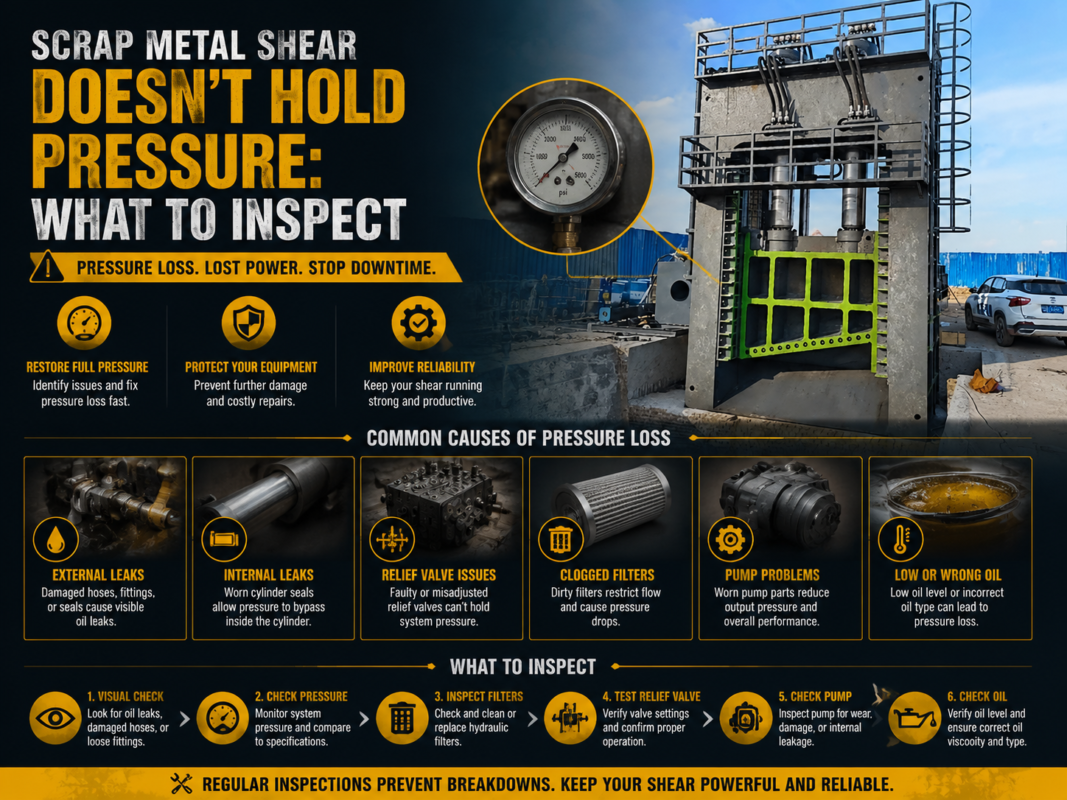
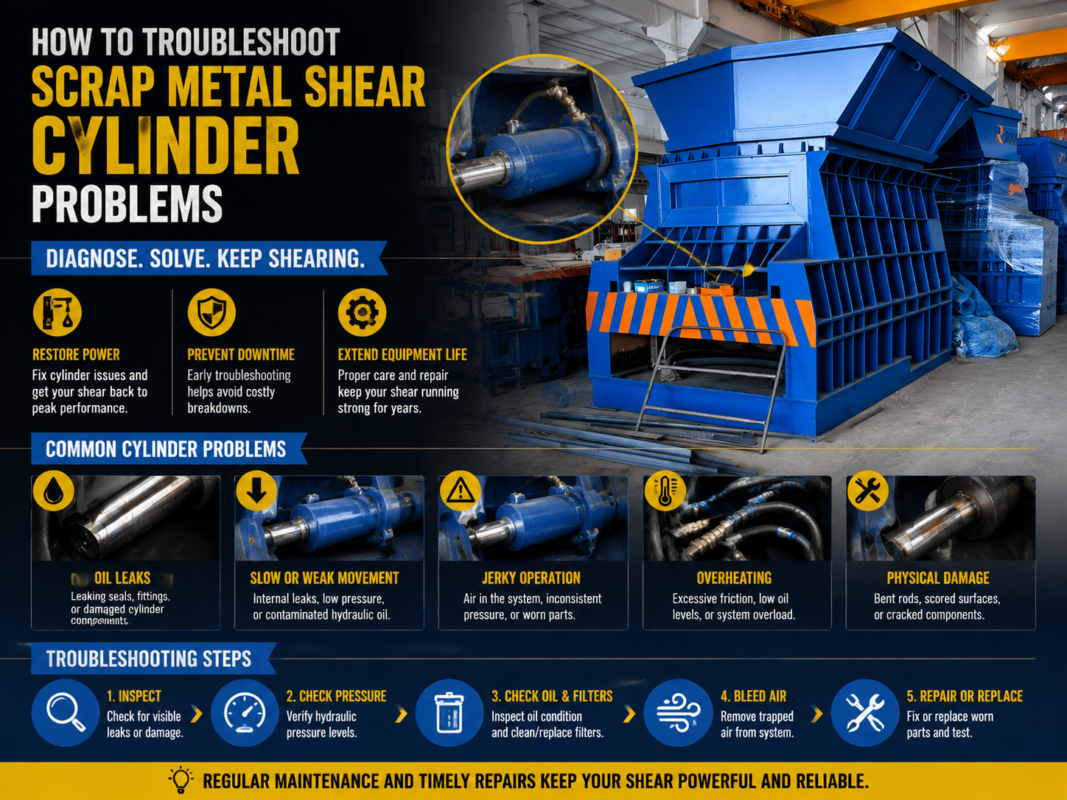
Modern shears use variable displacement pumps and logic valves. These systems only provide the maximum pressure when the blade encounters resistance. During the return stroke or when the pusher is moving, the system operates at lower pressure, significantly reducing electricity consumption compared to older, fixed-flow systems.
5. What safety features are included in high-volume shears?
Safety is a priority in high-volume environments. Features include emergency stop buttons at multiple locations, safety interlocks on the compression box doors, hydraulic pressure relief valves to prevent over-pressurization, and remote control operation to keep the operator at a safe distance from the moving parts and flying debris.
Conclusion and Call to Action
As we have explored, the question of how scrap metal shears support high-volume metal waste processing is answered through a combination of raw hydraulic power, intelligent automation, and robust mechanical design. These machines are the backbone of the recycling industry, turning the challenge of metal waste into a streamlined, profitable, and environmentally friendly operation. By choosing the right machine configuration and maintaining an efficient workflow, recycling facilities can significantly increase their throughput and market competitiveness.
HARSLE is committed to providing the recycling industry with the most advanced shearing technology available. Our range of gantry and crocodile shears is engineered for durability and performance in the most demanding environments. Whether you are looking to upgrade your current facility or starting a new high-volume processing project, our team of experts is here to help you find the perfect solution.
Ready to optimize your scrap processing? Contact HARSLE today to discuss your specific requirements and discover how our scrap metal shears can transform your high-volume waste management operations. Visit our website or reach out to our sales team for a customized quote and technical consultation.