Comprehensive Guide to Scrap Metal Shear Applications In Construction Material Recycling

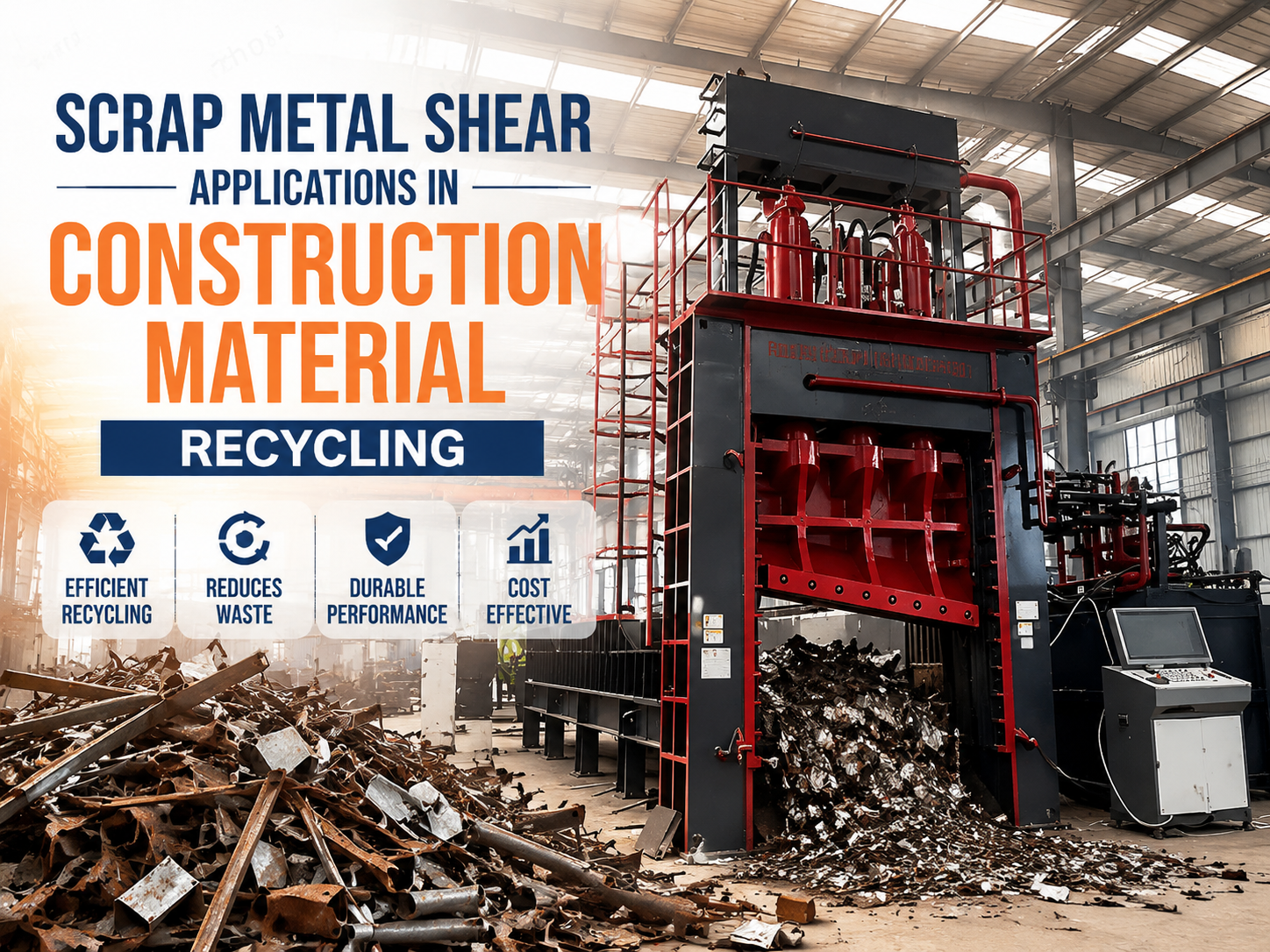
Introduction to Scrap Metal Shear Applications In Construction Material Recycling
The construction industry is one of the largest consumers of raw materials and, consequently, one of the largest producers of waste. As global sustainability goals become more stringent, the recycling of construction and demolition (C&D) waste has transitioned from a secondary concern to a primary industrial priority. Central to this transformation is the use of specialized machinery designed to process heavy-duty materials. Among these, the scrap metal shear stands out as an indispensable tool. Scrap Metal Shear Applications In Construction Material Recycling are diverse, ranging from the processing of structural steel beams to the recovery of reinforcing bars (rebar) from demolished concrete structures.
HARSLE, a leader in metal fabrication equipment, provides advanced shearing solutions that cater specifically to the rigorous demands of the recycling sector. By utilizing high-pressure hydraulic systems and precision-engineered blades, these machines allow recycling facilities to convert bulky, irregular metal waste into standardized, furnace-ready scrap. This article explores the technical nuances, application scenarios, and productivity benefits of integrating scrap metal shears into the construction recycling workflow.
Application Scenario: Where Shears Meet Construction Waste
The primary application scenario for scrap metal shears in construction is at demolition sites and specialized recycling centers. When a building is decommissioned, the structural skeleton—often composed of steel I-beams, H-beams, and heavy-duty piping—must be dismantled. Transporting these long, awkward pieces is logistically challenging and expensive. Scrap metal shears are deployed to cut these components into manageable lengths, significantly increasing the bulk density of the load and reducing transportation costs.
Another critical scenario involves the renovation of infrastructure such as bridges and industrial plants. These projects often yield high-grade structural steel that is coated or contaminated with other materials. Shearing not only resizes the metal but also helps in the mechanical separation of different components. For instance, shearing a composite beam can loosen concrete or insulation, making the subsequent sorting process much more efficient. In urban redevelopment projects, where space is at a premium, the compact footprint of mobile or stationary shears allows for on-site processing, minimizing the environmental impact of heavy truck traffic.
Furthermore, scrap metal shears are vital in the processing of non-ferrous metals found in construction, such as aluminum window frames, copper wiring, and brass fittings. While these materials are softer than steel, they require precision cutting to ensure they meet the purity standards of secondary smelters. The versatility of HARSLE’s shearing equipment ensures that both heavy ferrous metals and lighter non-ferrous alloys can be processed using the same infrastructure, albeit with different pressure settings and blade configurations.
Material and Process Requirements
The effectiveness of Scrap Metal Shear Applications In Construction Material Recycling depends heavily on understanding the material properties of the waste. Construction scrap is rarely uniform. It includes high-tensile rebar, thick-walled structural tubing, and weathered plate steel. Each of these materials exerts different stresses on the shearing machine. For example, rebar is designed to be flexible yet strong; when bundled, it requires a shear with a high closing force and a blade design that prevents the bars from sliding or jamming.
Process requirements also dictate the choice of machinery. In a high-volume recycling plant, the process is continuous. The machine must be capable of handling a constant feed of material without overheating or requiring frequent blade adjustments. The “shearability” of the metal—a factor of its thickness, yield strength, and temperature—must be matched with the machine’s hydraulic capacity. HARSLE machines are engineered to handle materials with high yield strengths, ensuring that even the toughest industrial alloys used in modern construction can be processed reliably.
Purity is another essential requirement. To fetch the highest price on the scrap market, the metal must be free of non-metallic contaminants. The shearing process often acts as a preliminary cleaning stage. By cutting the material into smaller pieces, trapped debris is released. Additionally, the process must be safe. Construction scrap is often jagged and unpredictable; therefore, the shearing equipment must feature robust guarding, automated feeding systems, and emergency stop mechanisms to protect operators from flying debris or mechanical failure.
Recommended Machine Configuration
Choosing the right machine configuration is critical for optimizing Scrap Metal Shear Applications In Construction Material Recycling. Generally, the industry relies on two main types of shears: Alligator Shears and Gantry Shears. Each serves a specific niche within the recycling ecosystem.
1. Alligator Shears
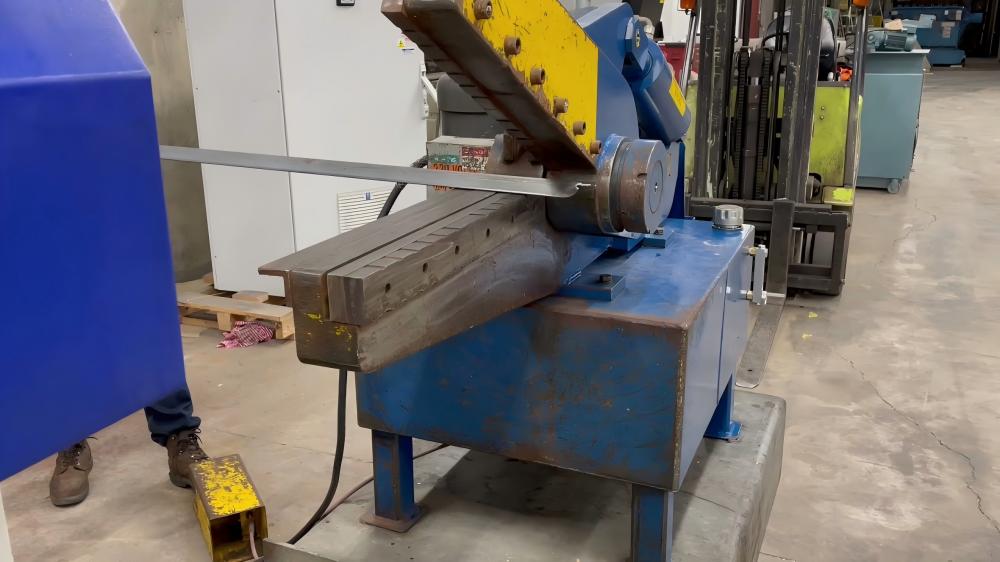
Alligator shears are the workhorses of smaller recycling yards and on-site demolition teams. They feature a jaw-like cutting action and are typically used for processing longer pieces of scrap like pipes, profiles, and rebar. For construction recycling, a HARSLE alligator shear with a blade length of 600mm to 1200mm is recommended. These machines are often equipped with foot-pedal controls, allowing the operator to precisely position the scrap before cutting. They are excellent for “cleaning” scrap—cutting off contaminated ends or separating joints.
2. Gantry Shears (Heavy-Duty)
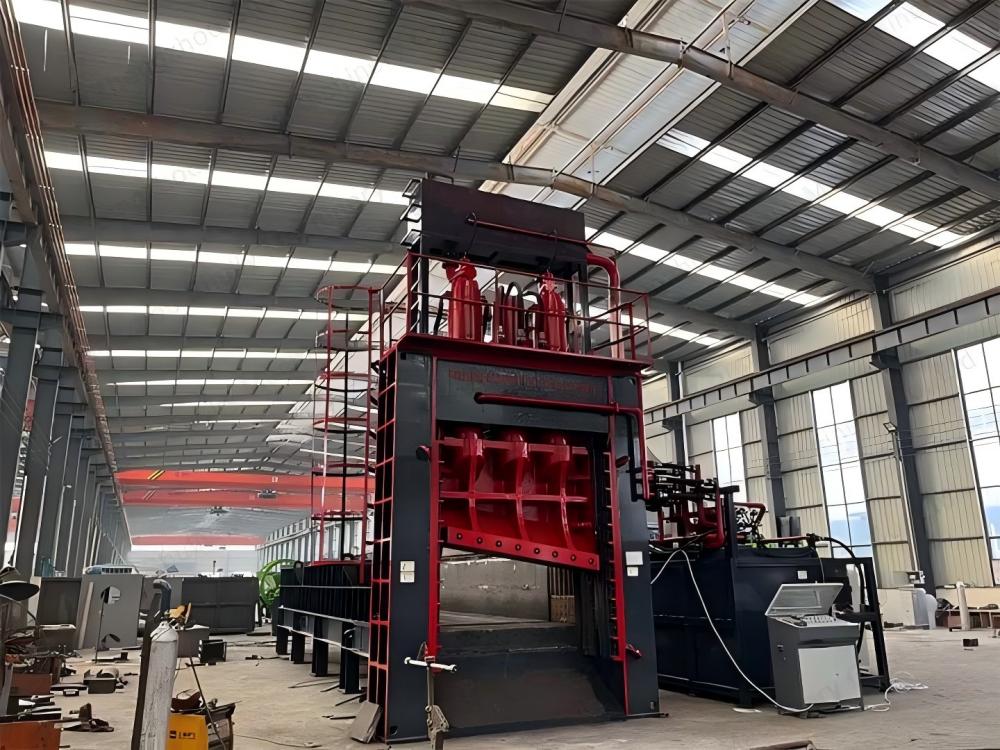
For large-scale construction waste processing, Gantry Shears (also known as Guillotine Shears) are the preferred choice. These machines are designed for high-volume, automated operation. A typical configuration for construction recycling includes a large hopper or charging box where bulky scrap is loaded by a crane. A hydraulic pusher then forces the material into the shearing area. HARSLE’s gantry shears offer shearing forces ranging from 400 to over 1250 tons, capable of slicing through thick structural steel beams as if they were paper. These machines are often integrated with PLC systems to automate the cutting cycle, ensuring consistent output sizes.
3. Hydraulic and Blade Specifications
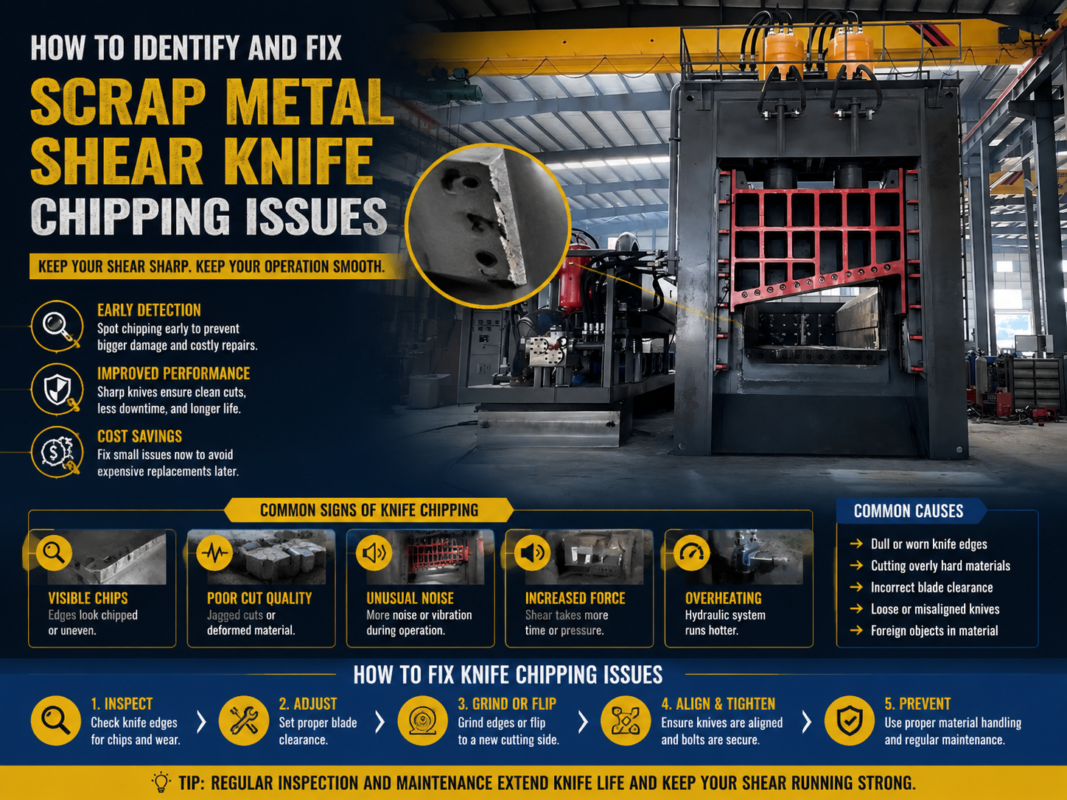
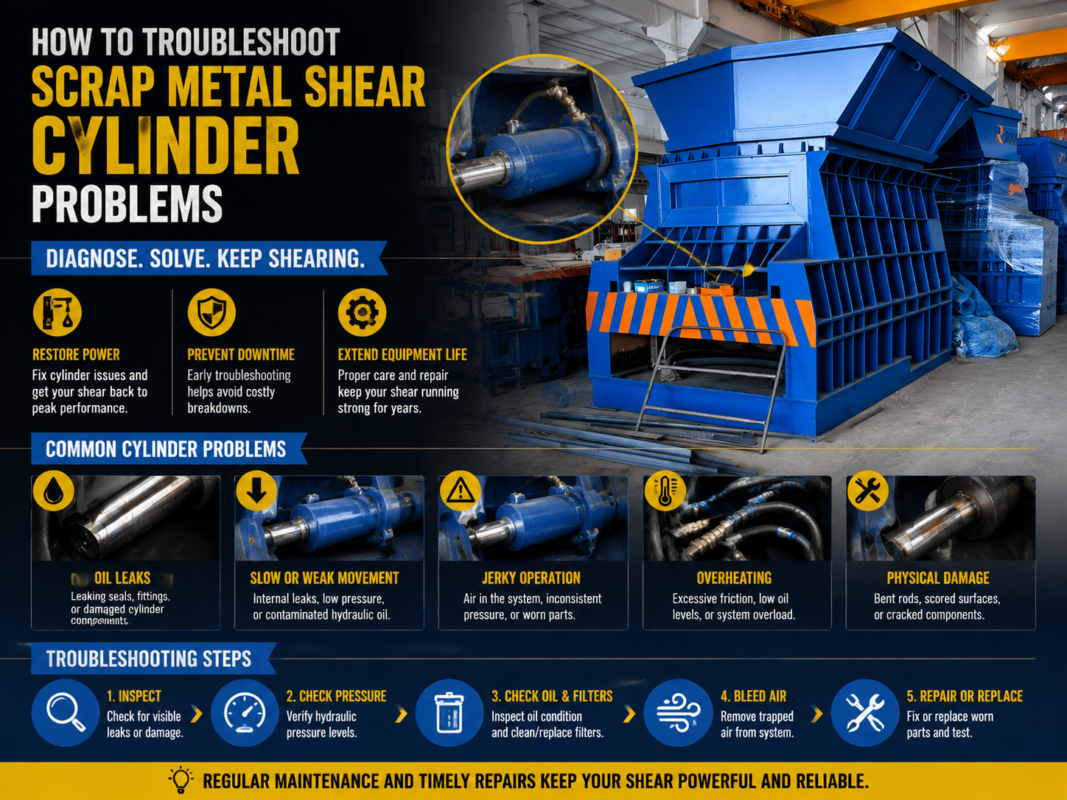
Regardless of the type, the hydraulic system is the heart of the shear. High-pressure piston pumps and heavy-duty cylinders are necessary to provide the force required for construction-grade steel. Furthermore, the blades must be made from high-strength tool steel (such as H13 or Cr12MoV) and heat-treated to withstand the impact and abrasion of recycled metal. HARSLE ensures that all blades are four-sided, allowing them to be rotated when one edge becomes dull, thereby doubling the service life before regrinding is needed.
Workflow in a Construction Recycling Facility
The integration of a scrap metal shear into a recycling facility follows a structured workflow designed to maximize efficiency and material value. The process typically begins with Collection and Sorting. Mixed construction waste is brought to the facility, where magnets and manual labor separate ferrous metals from non-ferrous metals, concrete, and wood.
Once the metal is isolated, it moves to the Pre-Processing Stage. Large, oversized structures that cannot fit into the shear’s charging box are reduced using oxy-fuel torches or mobile hydraulic shears attached to excavators. This ensures that the primary stationary shear can operate at peak efficiency without jams.
The core stage is the Shearing Process. Material is fed into the HARSLE shear. For a gantry shear, this involves a continuous cycle of loading, compressing, and cutting. The operator monitors the hydraulic pressure and the flow of material to ensure the blades are engaging correctly. The sheared pieces, usually cut to lengths of 400mm to 800mm (depending on the requirements of the steel mill), fall onto a discharge conveyor.
Finally, the Post-Processing and Transport stage involves a final magnetic separation to remove any remaining non-metallic bits released during shearing. The processed scrap is then stockpiled or loaded directly into containers for transport to the foundry. This streamlined workflow ensures that the Scrap Metal Shear Applications In Construction Material Recycling result in a high-quality product that is ready for the electric arc furnace (EAF).
Productivity Benefits of Advanced Shearing
Implementing high-quality shearing machinery offers significant productivity benefits that directly impact the bottom line of a recycling operation. The most immediate benefit is Volume Reduction. Construction scrap is notoriously bulky. By shearing it into uniform, dense pieces, a facility can fit significantly more weight into a single transport truck or rail car. This reduces logistics costs by up to 50%, as fewer trips are required to move the same tonnage of material.
Another benefit is Labor Efficiency. Manual cutting with torches is slow, dangerous, and expensive due to the cost of gases and skilled labor. An automated HARSLE gantry shear can process more material in an hour than a team of torch cutters can in a day. This automation also enhances safety, as operators are moved away from the immediate cutting zone, reducing the risk of accidents related to fire, fumes, and heavy lifting.
Furthermore, sheared scrap commands a Higher Market Value. Steel mills prefer sheared scrap over torch-cut scrap because it is cleaner and has a more consistent size, which improves the efficiency of the melting process. By investing in a scrap metal shear, a recycling business can move from selling “unprepared” scrap to “prepared” scrap, capturing a higher margin per ton. Additionally, the durability of HARSLE equipment means lower downtime and maintenance costs, ensuring that the facility remains productive even during peak demolition seasons.
Case Example: Urban Infrastructure Recycling Project
Consider a large-scale urban redevelopment project in a metropolitan area where several old industrial warehouses and a decommissioned steel bridge were being dismantled. The project generated over 5,000 tons of structural steel and 2,000 tons of reinforced concrete. The contractor initially struggled with the logistics of moving the 15-meter long bridge girders through narrow city streets.
By installing a HARSLE 800-ton Gantry Shear at a temporary processing site near the project, the contractor was able to transform the workflow. The girders were brought to the site, quickly processed into 600mm sections, and loaded into standard dump trucks. The rebar extracted from the concrete was bundled and processed through a HARSLE Alligator Shear to remove concrete remnants and cut it to size.
The result was a 40% reduction in transportation costs and a 25% increase in the resale value of the scrap metal due to its “prepared” status. The project was completed two weeks ahead of schedule because the on-site processing eliminated the bottleneck of waiting for specialized oversized-load permits. This case highlights how Scrap Metal Shear Applications In Construction Material Recycling are not just about cutting metal, but about optimizing the entire project lifecycle.
Frequently Asked Questions (FAQ)
1. What is the maximum thickness a scrap metal shear can cut?
The cutting capacity depends on the machine’s tonnage and the material’s tensile strength. For example, a HARSLE 600-ton gantry shear can typically cut through solid steel plates up to 60-80mm thick or structural beams with much larger dimensions. Always consult the machine’s specification sheet for the exact limits regarding different metal grades.
2. How often do the shearing blades need to be replaced?
Blades do not necessarily need frequent replacement but do require regular maintenance. HARSLE blades are designed with four cutting edges. Depending on the volume and type of material (e.g., sandy or rusty construction scrap is more abrasive), you might rotate the blades every 2-4 months. With proper regrinding, a single set of blades can last over a year in a high-volume environment.
3. Can these shears handle non-ferrous metals like aluminum and copper?
Yes, scrap metal shears are excellent for non-ferrous metals. In fact, because these metals are softer, the shear can often process them much faster or in larger bundles. The precision of HARSLE shears ensures clean cuts, which is vital for maintaining the purity of aluminum profiles or copper busbars.
4. Is it better to have a mobile or stationary shear for construction recycling?
Stationary shears, like gantry shears, offer much higher throughput and are better for permanent recycling yards. Mobile shears (mounted on excavators) are better for on-site demolition where the machine needs to move to the material. Many large operations use a combination of both: mobile shears for primary reduction and stationary shears for final processing.
5. What safety features should I look for in a scrap metal shear?
Key safety features include emergency stop buttons, hydraulic overload protection, safety cages or guards around the cutting zone, and automated feeding systems that keep operators at a safe distance. HARSLE machines also include sensors to detect jams and prevent mechanical damage.
Conclusion and Call to Action
The role of Scrap Metal Shear Applications In Construction Material Recycling cannot be overstated. As the world moves toward a circular economy, the ability to efficiently recover and reuse metal from our built environment is essential. HARSLE’s range of alligator and gantry shears provides the power, precision, and reliability needed to turn construction waste into a valuable resource. By investing in the right shearing technology, businesses can reduce costs, improve safety, and contribute to a more sustainable future.
Are you looking to upgrade your recycling capabilities or start a new construction waste processing project? Contact HARSLE today to speak with our technical experts. We can help you select the perfect machine configuration tailored to your specific material requirements and volume goals. Visit our website to view our full catalog of metal fabrication and recycling equipment.