Key Factors to Consider When Purchasing a Single-Shaft Shredder: A Comprehensive Industrial Guide

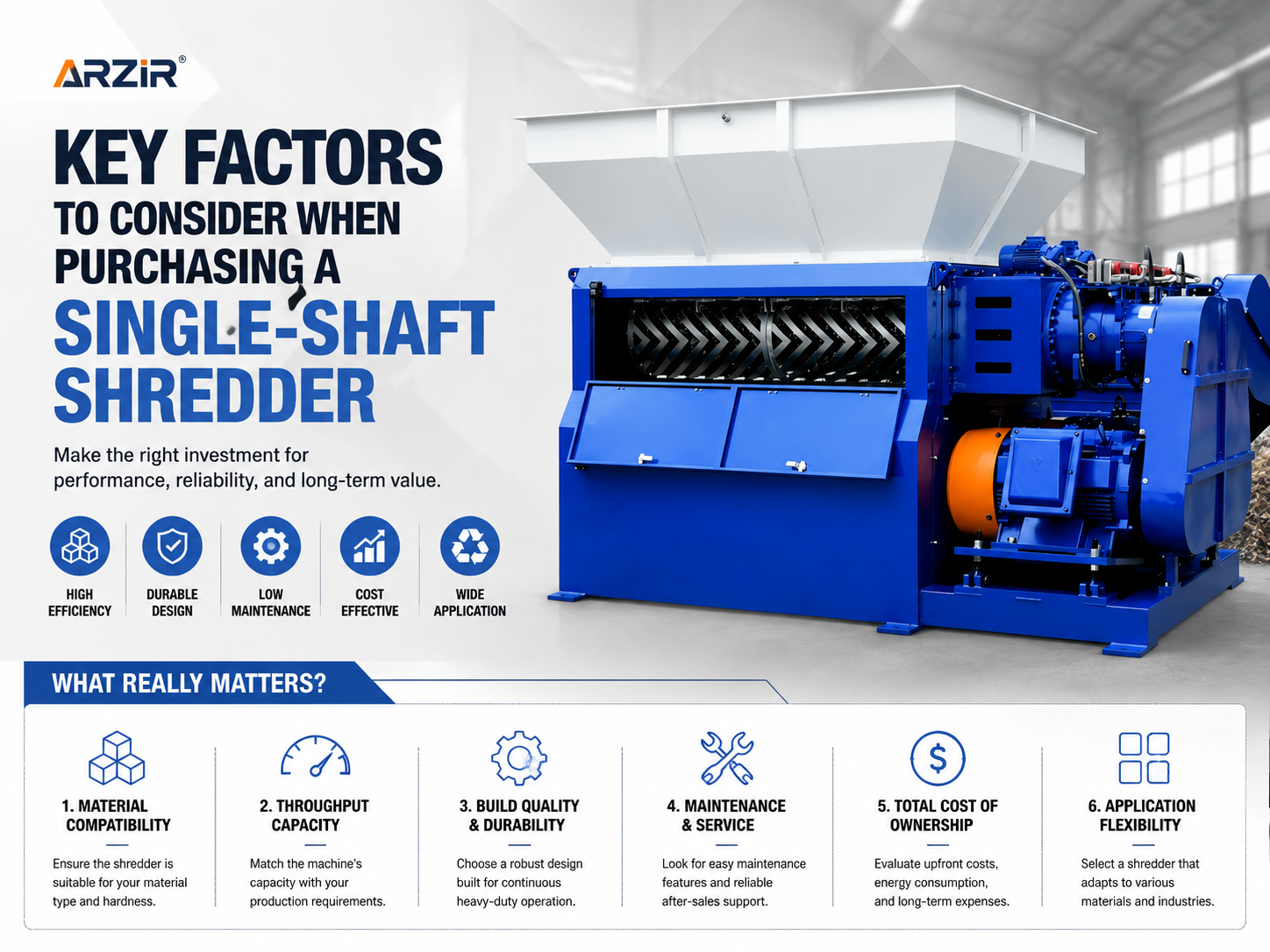
Introduction to Single-Shaft Shredder Procurement
In the modern industrial landscape, waste management and material recycling have transitioned from secondary operational concerns to primary drivers of profitability and environmental compliance. The single-shaft shredder stands as a cornerstone of this transition. Designed to handle a diverse array of materials—ranging from plastics and rubber to wood and light non-ferrous metals—these machines are prized for their versatility and precision. However, the market is saturated with various models, configurations, and price points, making the procurement process daunting for many facility managers and business owners.
Understanding the Key Factors Consider When Purchasing A Single-Shaft Shredder is not merely about finding the lowest price; it is about aligning machine capabilities with specific production requirements. A mismatch can lead to frequent downtime, excessive energy consumption, and poor output quality. This guide provides an in-depth analysis of the technical and financial considerations necessary to make an informed investment in shredding technology, ensuring that your equipment serves as a long-term asset rather than a maintenance liability.
Price Range Overview: Understanding the Market Landscape
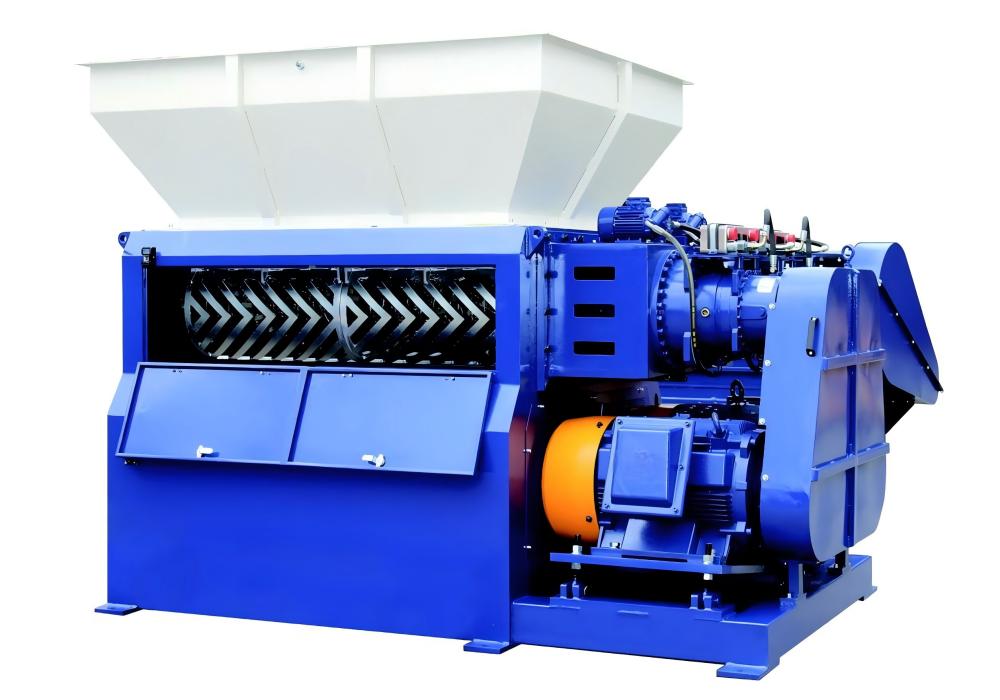
The price of a single-shaft shredder can vary significantly based on its scale, throughput capacity, and technological sophistication. Generally, the market is divided into three primary tiers. Entry-level or small-scale shredders, often used for light plastic purging or small wood shops, typically range from $10,000 to $25,000. These machines are designed for intermittent use and smaller volumes, featuring lower horsepower and simplified control systems.
Mid-range industrial shredders, which constitute the bulk of the market for professional recycling facilities, usually fall between $30,000 and $80,000. These units offer robust construction, advanced PLC controls, and higher torque motors capable of handling tougher materials like thick-walled HDPE pipes or rubber tires. At the top end of the spectrum are heavy-duty, high-capacity systems that can exceed $150,000. These are often integrated into fully automated recycling lines and feature specialized rotors, high-efficiency drive systems, and extensive safety monitoring.
When evaluating the price, it is crucial to look beyond the initial capital expenditure (CAPEX). A lower-priced machine might utilize inferior steel for the frame or lower-grade alloys for the blades, leading to higher operational costs (OPEX) over time. At HARSLE, we emphasize the importance of balancing initial investment with the total cost of ownership, ensuring that the machine’s build quality justifies its price tag through longevity and performance consistency.
Main Cost Drivers in Shredder Manufacturing
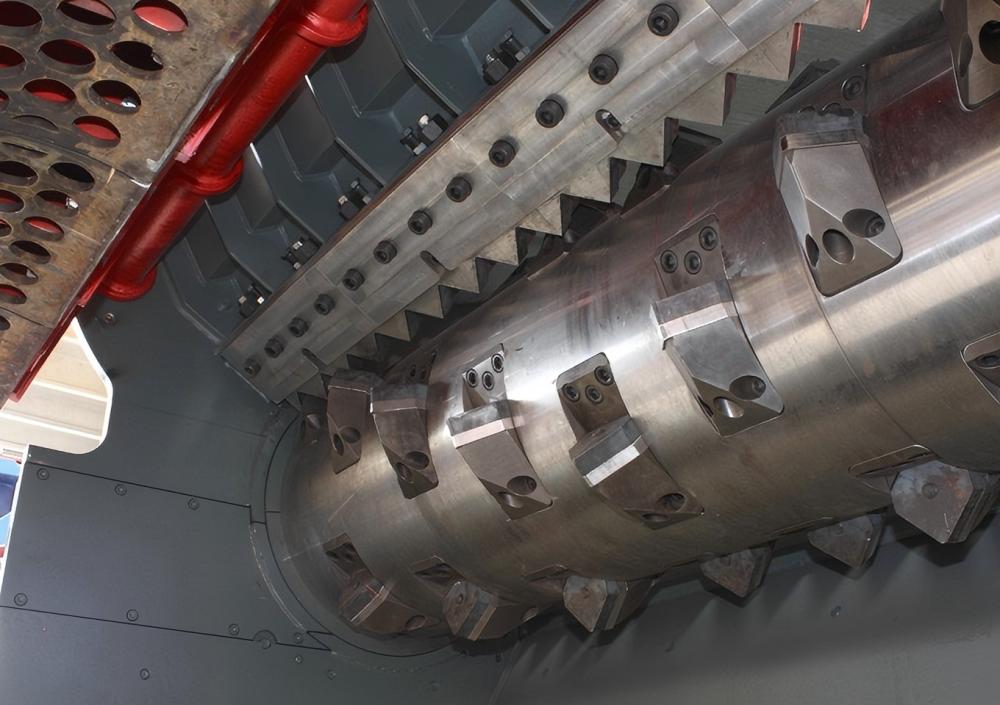
Several technical components dictate the manufacturing cost and, consequently, the selling price of a single-shaft shredder. The most significant of these is the rotor assembly. The rotor is the heart of the machine, and its design—whether it is a solid-steel machined rotor or a hollow-welded design—impacts both durability and price. High-quality rotors are often hard-faced or treated to resist abrasion, especially when processing glass-filled plastics or contaminated materials.
The motor and drive system represent another major cost driver. High-torque, low-speed motors are essential for effective shredding, and the choice between a standard electric motor and a hydraulic drive system can alter the price by thousands of dollars. Furthermore, the inclusion of a high-quality gearbox is non-negotiable. Gearboxes from reputable brands like SEW-Eurodrive or Bonfiglioli add to the cost but provide the reliability needed for 24/7 operations. Cheap, unbranded gearboxes are a common failure point in budget shredders.
Finally, the control system and automation features play a role. Modern shredders utilize Programmable Logic Controllers (PLCs) to manage the hydraulic pusher’s movement, monitor motor load, and trigger auto-reverse functions to prevent jams. Systems equipped with Siemens or Schneider Electric components are more expensive but offer better diagnostic capabilities and easier integration into factory-wide SCADA systems. The quality of the blades (knives) also matters; using D2 or SKD-11 tool steel ensures longer intervals between sharpenings, though these materials are more costly to source.
Configuration Impact: Tailoring the Machine to Your Material
One of the most critical Key Factors Consider When Purchasing A Single-Shaft Shredder is the configuration of the rotor and the screen. Not all shredders are created equal when it comes to material handling. For instance, a “V-rotor” design is often preferred for general-purpose shredding as it pulls material toward the center, reducing wear on the side walls. Conversely, a flat rotor might be more effective for specific film or fiber applications where wrapping is a concern.
The screen size determines the final particle size of the shredded material. Screens are interchangeable, but the machine’s power must be matched to the screen’s hole diameter. A smaller screen requires more energy and more time to process the same volume of material because the material stays in the cutting chamber longer. If your process requires a very fine output (e.g., 20mm), you may need a more powerful motor than if you were producing a 60mm rough shred.
The hydraulic pusher (or ram) is another configuration variable. Some materials, like large hollow drums, require a specialized “swing-arm” pusher to effectively feed the rotor, while dense blocks of plastic are better handled by a horizontal hydraulic ram. The pressure and speed of this pusher should be adjustable via the PLC to optimize throughput based on the material’s density and resistance. Failure to correctly configure the pusher can result in the machine “glazing” the material or causing frequent motor overloads.
Hidden Costs: What to Look for Beyond the Quote
When purchasing industrial machinery, the “hidden” costs often determine the ultimate success of the investment. Maintenance is the most prominent hidden cost. Single-shaft shredders are high-wear machines by nature. You must account for the cost of replacement blades, the labor required to rotate or sharpen them, and the downtime associated with these tasks. A machine designed with easy access to the rotor and screen will significantly reduce these labor costs.
Energy consumption is another factor that is frequently overlooked. A shredder that operates inefficiently can add thousands of dollars to your monthly utility bill. Look for machines with high-efficiency motors (IE3 or higher) and smart PLC logic that shuts down the machine or enters a low-power mode during idle periods. Additionally, consider the cost of spare parts. Some manufacturers use proprietary parts that are expensive and have long lead times. Choosing a manufacturer like HARSLE, which utilizes standardized high-quality components, ensures that your supply chain remains resilient.
Installation and commissioning costs should also be factored in. Does the price include on-site setup and operator training? Improperly trained operators are the leading cause of premature machine failure. Furthermore, consider the floor space and the need for peripheral equipment like conveyors, magnetic separators, or dust extraction systems. These additions are often necessary for a complete solution but may not be included in the base price of the shredder.
ROI Calculation: Justifying the Investment
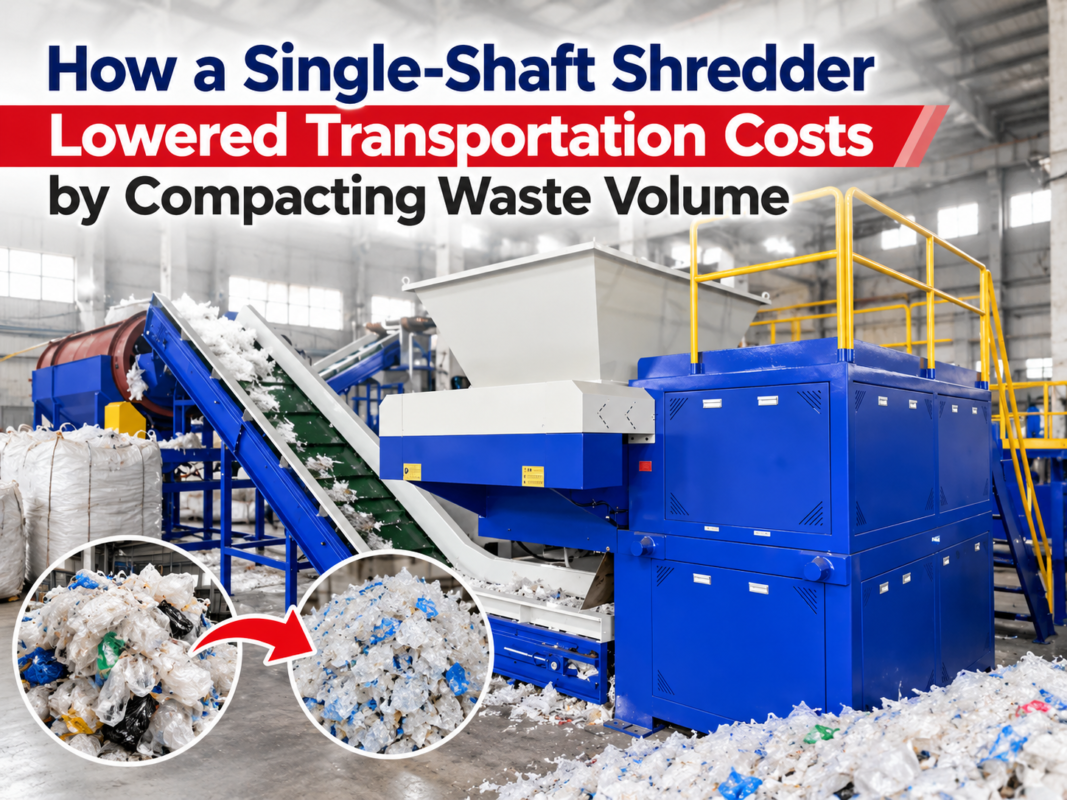
Calculating the Return on Investment (ROI) for a single-shaft shredder involves more than just looking at the scrap value of the output. To get an accurate picture, you must consider several variables. First, calculate the reduction in waste disposal costs. By shredding bulky waste on-site, you can significantly reduce the number of dumpster hauls required, often saving hundreds or thousands of dollars per month.
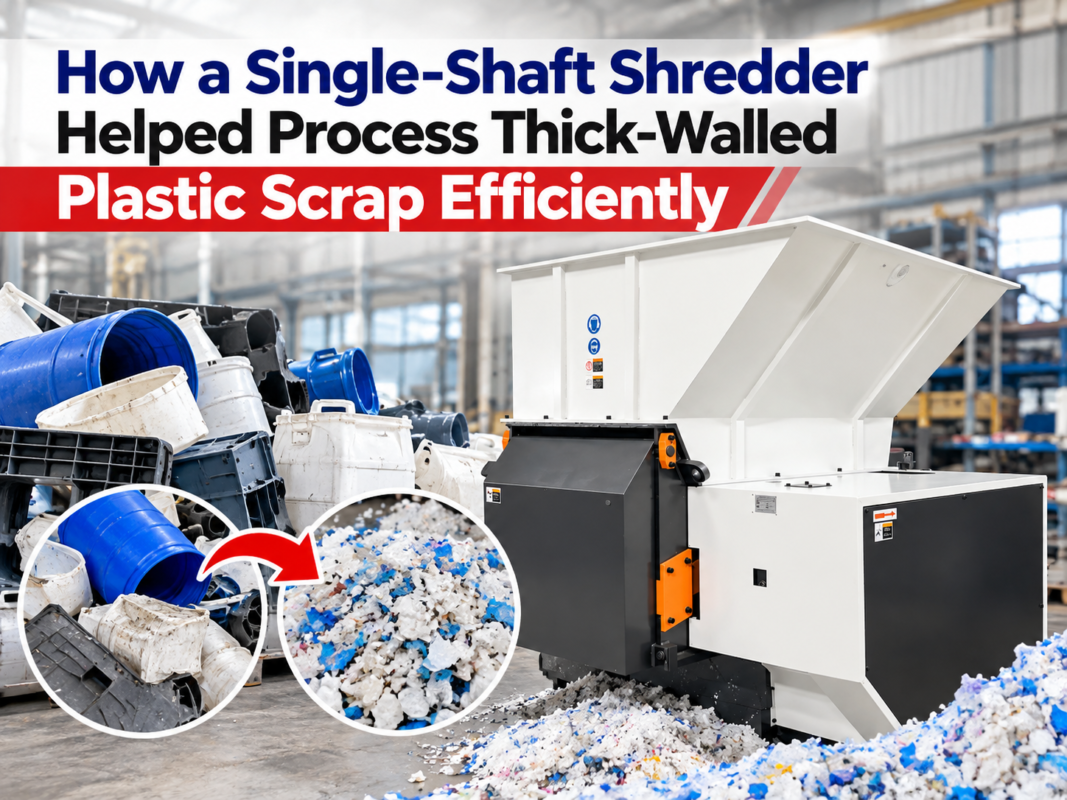
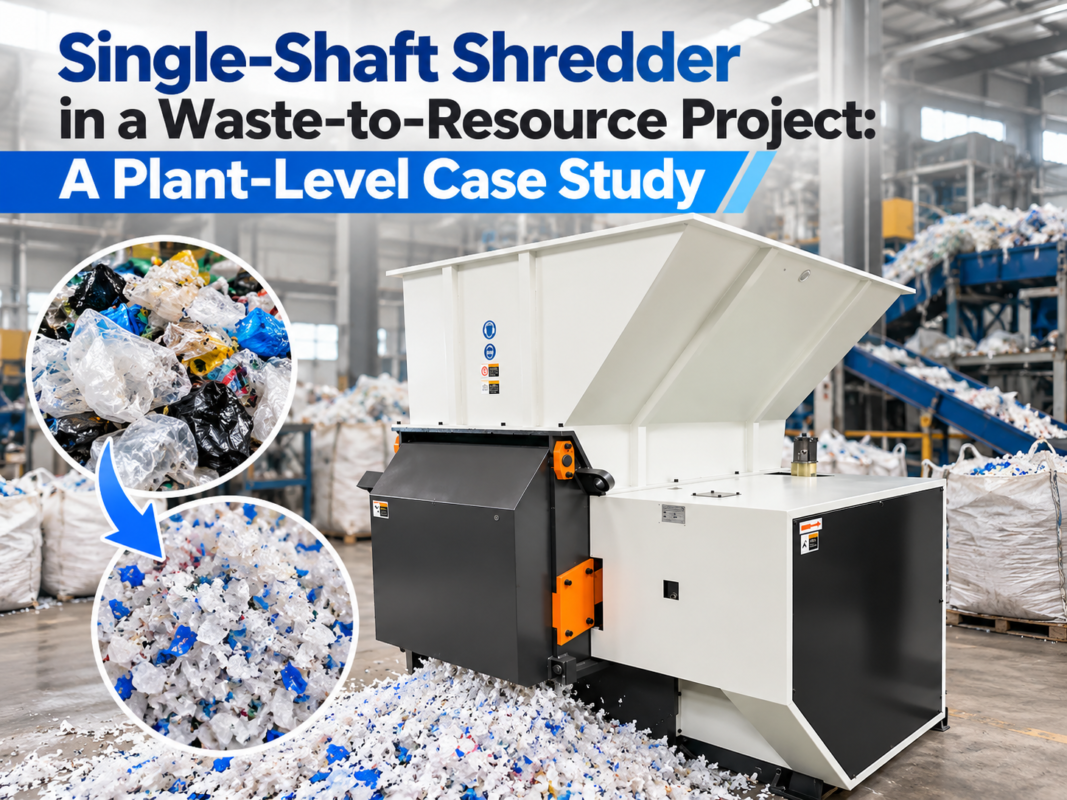
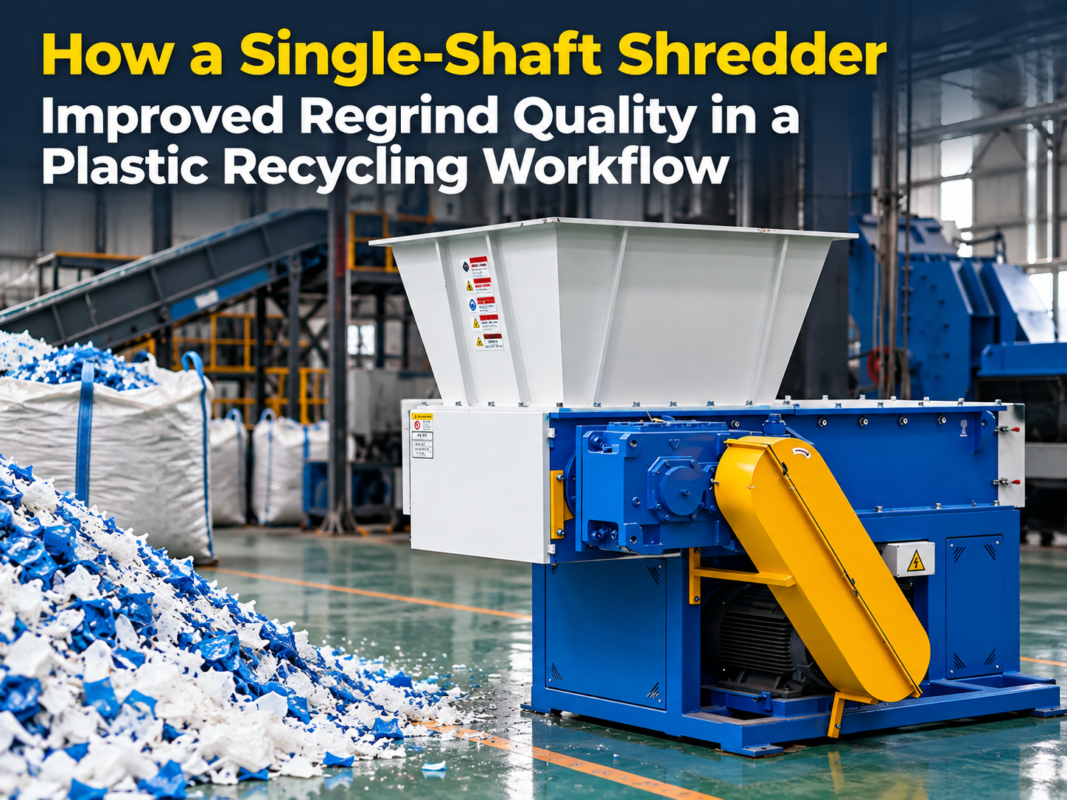
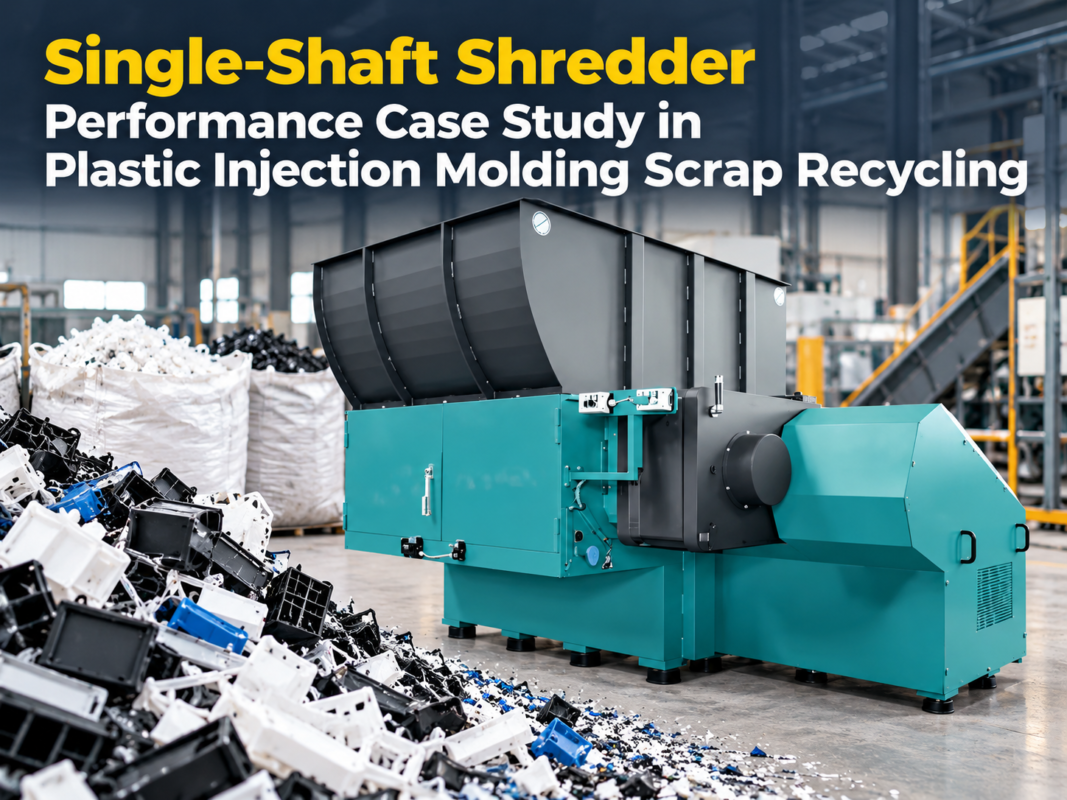
Second, consider the value-add of the shredded material. For many plastics, shredded “regrind” can be sold at a much higher price than raw scrap, or better yet, reused in your own production line to reduce virgin material costs. For example, if a facility processes 500kg of plastic waste per day and the price difference between scrap and regrind is $0.30/kg, the machine generates $150 in value daily. Over a 250-day work year, that is $37,500 in direct value, potentially paying for a mid-range machine in less than two years.
Third, factor in labor savings. Manual size reduction is slow, dangerous, and expensive. An automated shredder can replace several manual labor hours, allowing your team to focus on higher-value tasks. When you combine waste savings, material value, and labor reduction, the ROI for a high-quality single-shaft shredder is often achieved within 12 to 24 months, making it one of the most financially sound investments in a recycling or manufacturing environment.
Buying Advice: A Step-by-Step Selection Strategy
To ensure you select the right machine, follow a structured buying process. Start by defining your material precisely. Provide your manufacturer with samples of the toughest material you plan to shred. At HARSLE, we often perform test shreds for clients to demonstrate exactly how our machines handle their specific waste streams. This eliminates guesswork regarding throughput and particle quality.
Next, evaluate the manufacturer’s reputation and support network. A shredder is a long-term investment; you need a partner who will be there five or ten years down the line with spare parts and technical advice. Check for CE or UL certifications to ensure the machine meets international safety and quality standards. Ask for references from other customers in your industry to hear about their real-world experiences with the machine’s durability.
Finally, prioritize safety features. Industrial shredders are powerful and potentially dangerous. Ensure the machine has emergency stop buttons, safety interlocks on all access panels, and overload protection. A well-designed machine will also have sound-dampening features to protect the hearing of your operators. Don’t compromise on safety to save a few dollars; the cost of a single accident far outweighs any initial savings.
Frequently Asked Questions (FAQ)
1. How often do the blades on a single-shaft shredder need to be changed?
The frequency of blade changes depends entirely on the material being shredded. For clean plastics, blades may last for 500-1,000 hours before needing to be rotated or sharpened. However, if the material is contaminated with sand, metal, or glass, the lifespan can drop significantly. Most modern blades have four cutting edges, allowing you to rotate them three times before a full replacement is needed.
2. Can a single-shaft shredder handle metal?
Single-shaft shredders are primarily designed for plastics, wood, and paper. While they can handle light non-ferrous metals like aluminum cans or thin copper wiring, they are not intended for heavy steel scrap. For heavy metal recycling, a twin-shaft shredder or a specialized metal crusher is usually required to prevent damage to the rotor and motor.
3. What is the difference between a single-shaft and a double-shaft shredder?
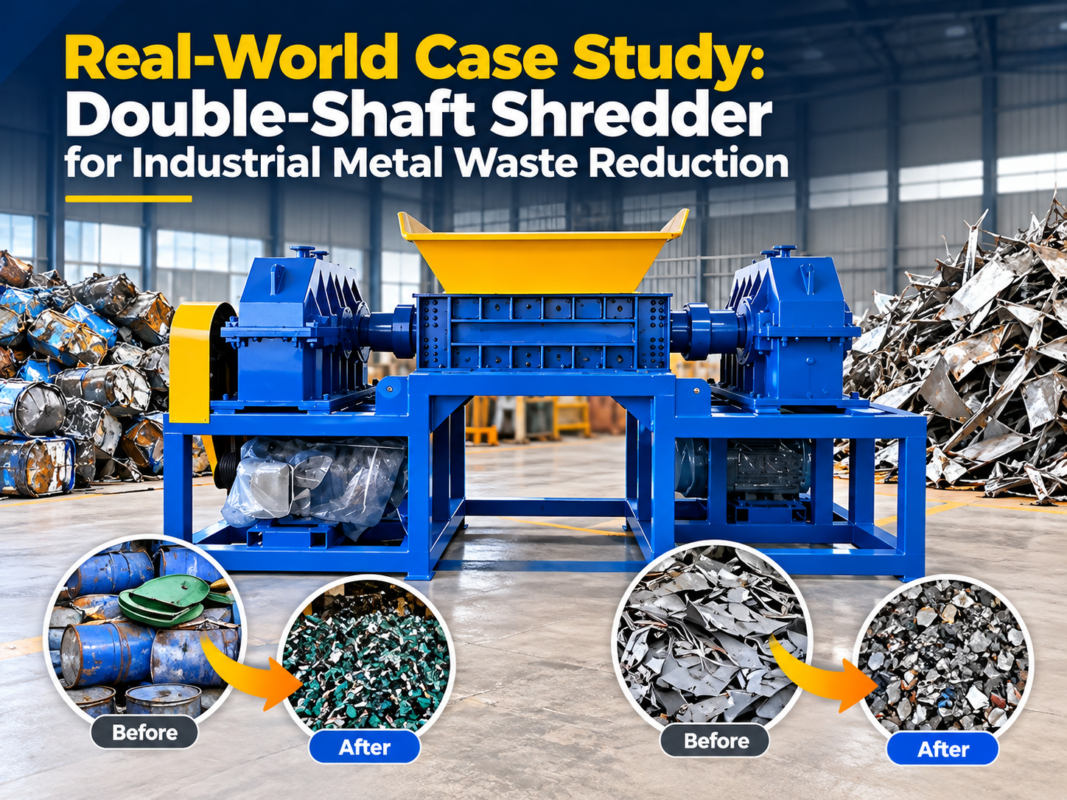
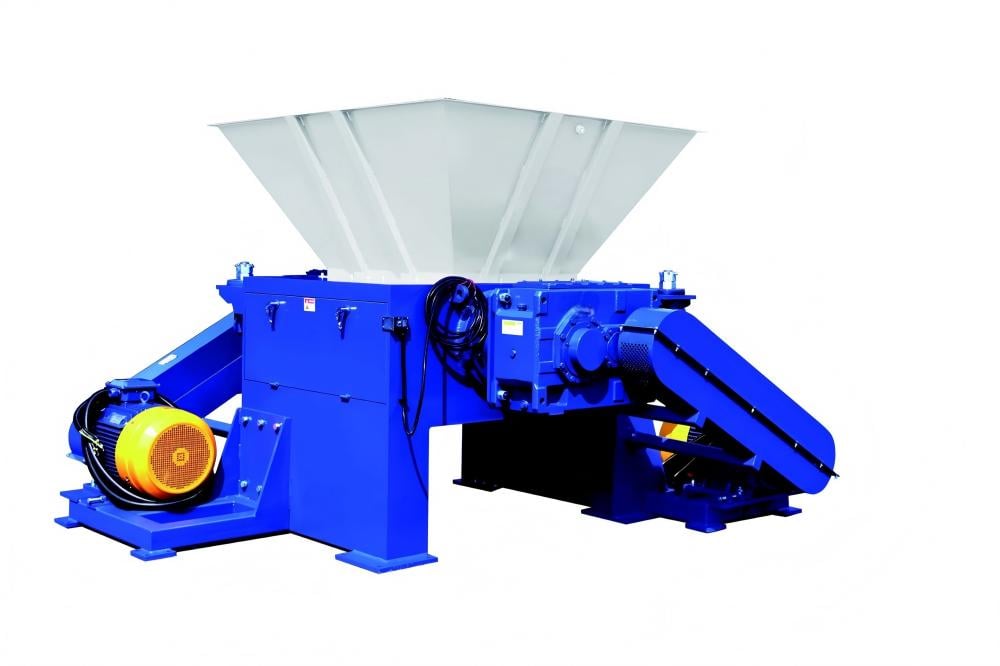
A single-shaft shredder uses a high-speed rotor and a hydraulic pusher to press material against the blades, resulting in a precise, uniform particle size determined by a screen. A double-shaft (or twin-shaft) shredder uses two counter-rotating shafts with interlocking knives. Double-shaft shredders are better for high-volume “rough” shredding of bulky items, but they do not offer the same control over final particle size as a single-shaft model.
4. How do I choose the right motor power (kW/HP)?
Motor power should be determined by your required throughput (kg/hr) and the toughness of the material. As a general rule, tougher materials like solid plastic purgings or rubber require higher torque and more horsepower. It is always better to slightly over-specify the motor power to ensure the machine isn’t constantly running at its limit, which extends the life of the electrical components.
5. What maintenance is required daily?
Daily maintenance is minimal but crucial. Operators should check for loose bolts, inspect the blades for major chips or damage, and ensure the hydraulic fluid levels are adequate. Clearing any dust buildup around the motor and gearbox is also important to prevent overheating. A weekly grease schedule for the main bearings is typically recommended for machines running full shifts.
6. Is it possible to shred wet materials?
Yes, but the machine must be configured for it. Wet shredding is common in plastic washing lines. In these cases, the shredder should be equipped with stainless steel components or specialized coatings to prevent corrosion, and the bearings must be sealed against water ingress. Always inform the manufacturer if you plan to process wet or damp materials.
Conclusion
Investing in a single-shaft shredder is a significant decision that impacts your facility’s efficiency, safety, and bottom line. By focusing on the Key Factors Consider When Purchasing A Single-Shaft Shredder—from rotor design and motor quality to hidden operational costs and ROI—you can ensure that your investment yields maximum returns. At HARSLE, we are committed to providing high-performance shredding solutions tailored to the unique needs of our global clientele. Whether you are looking to reduce waste volume or create high-value regrind, choosing a machine built on quality engineering is the first step toward industrial success.