A Buyer’s Guide to Horizontal Balers: Manual, Semi-Automatic, and Fully Automatic Options

Introduction to Horizontal Baler Selection
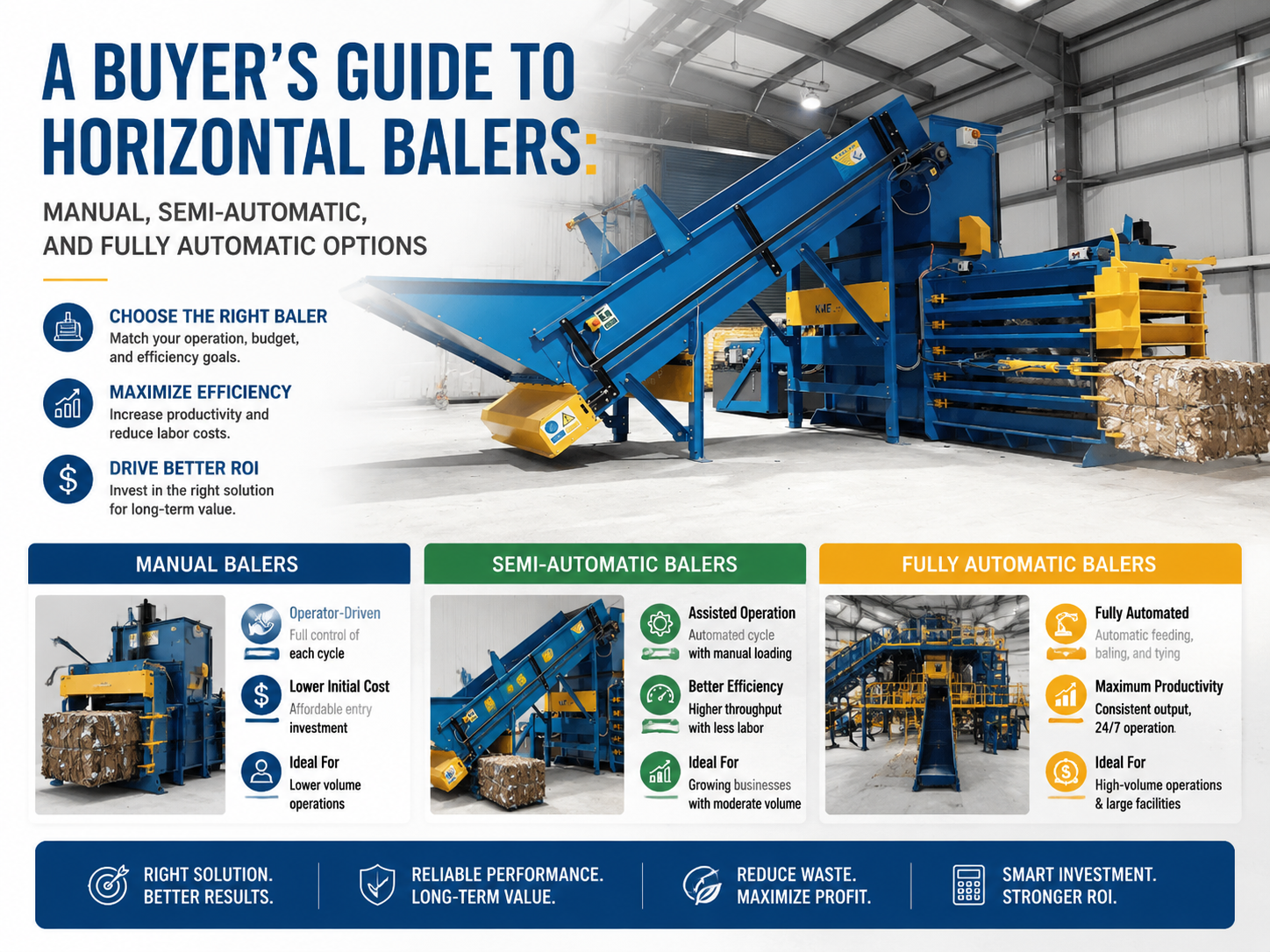
In the modern industrial landscape, waste management is no longer just a secondary concern; it is a critical component of operational efficiency and environmental sustainability. For facilities dealing with high volumes of recyclable materials—such as cardboard, plastics, non-ferrous metals, and paper—the horizontal baler stands as the workhorse of the recycling process. Unlike vertical balers, which are often limited by manual loading and lower throughput, horizontal balers offer a streamlined, high-capacity solution that can be integrated into automated production lines.
Choosing the right horizontal baler requires a deep understanding of your facility’s specific needs, including material volume, labor availability, and long-term financial goals. This guide, provided by HARSLE, aims to demystify the complexities of A Buyer’s Horizontal Balers: Manual, Semi-Automatic, Fully Automatic Options. By the end of this article, you will have a clear roadmap for selecting a machine that maximizes your return on investment while minimizing operational bottlenecks.
Price Range Overview: Understanding the Investment
The financial commitment required for a horizontal baler varies significantly based on the level of automation and the pressing force of the machine. It is essential to view this not just as a purchase price, but as a total cost of ownership over the machine’s 10 to 20-year lifespan.
Manual and Entry-Level Horizontal Balers
Manual horizontal balers, often used for specific materials like textiles or low-volume cardboard, typically range from $15,000 to $35,000. These machines require an operator to manually feed the material, trigger the compression cycle, and tie off the bales using wire or plastic strapping. While the upfront cost is low, the labor costs associated with their operation are the highest among the three categories.
Semi-Automatic Horizontal Balers
Semi-automatic models are the most popular choice for medium-sized recycling centers and manufacturing plants. These machines usually cost between $40,000 and $85,000. They feature automated compression cycles and often include a closed-end design that allows for higher bale density. However, the “semi” aspect refers to the tying process; an operator must still manually thread the wires and tie the bale once the chamber is full.
Fully Automatic Horizontal Balers
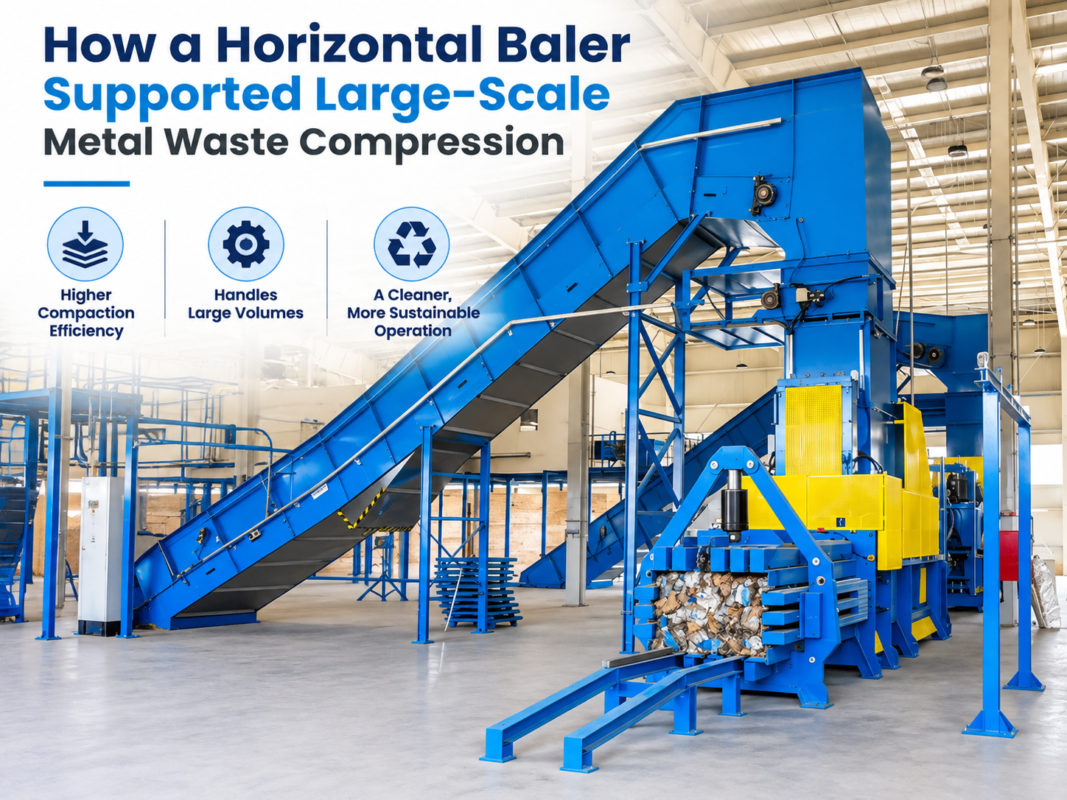
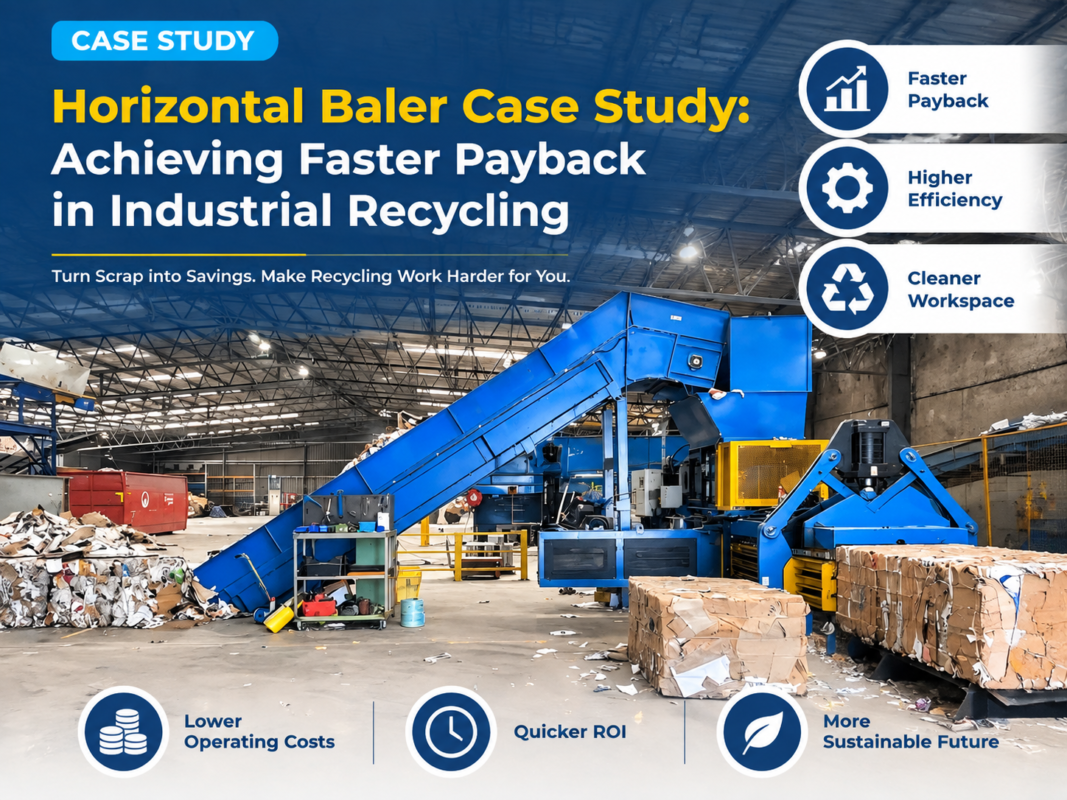
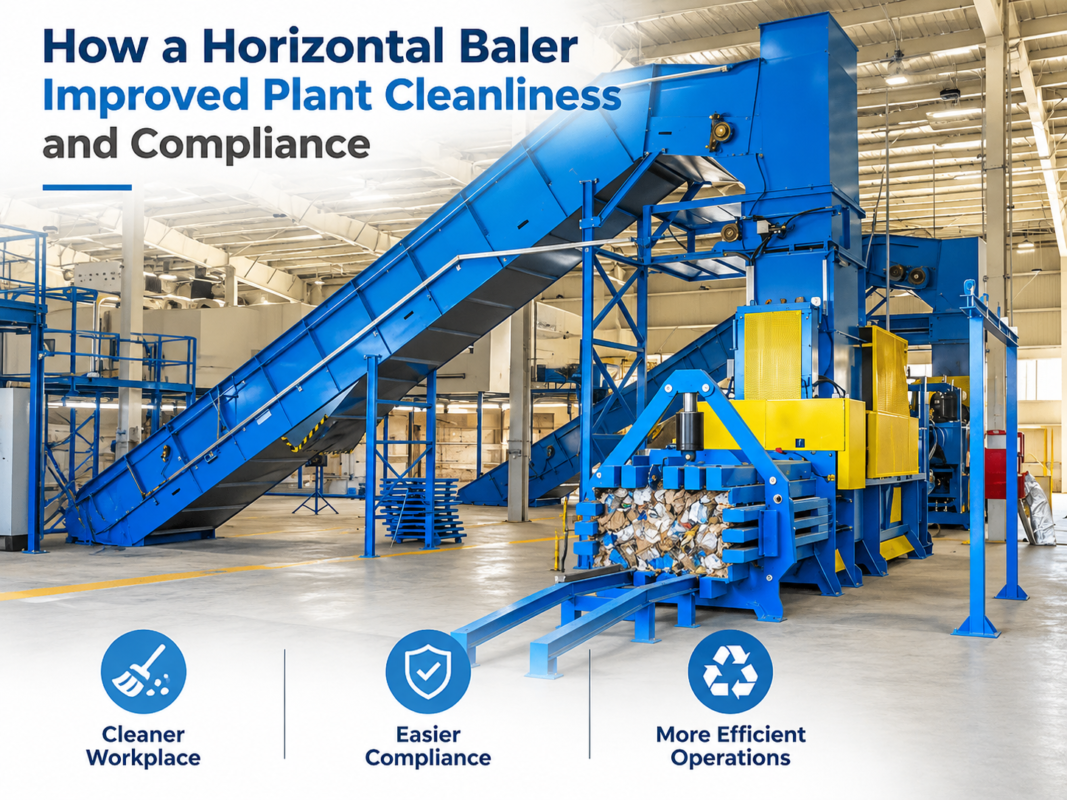
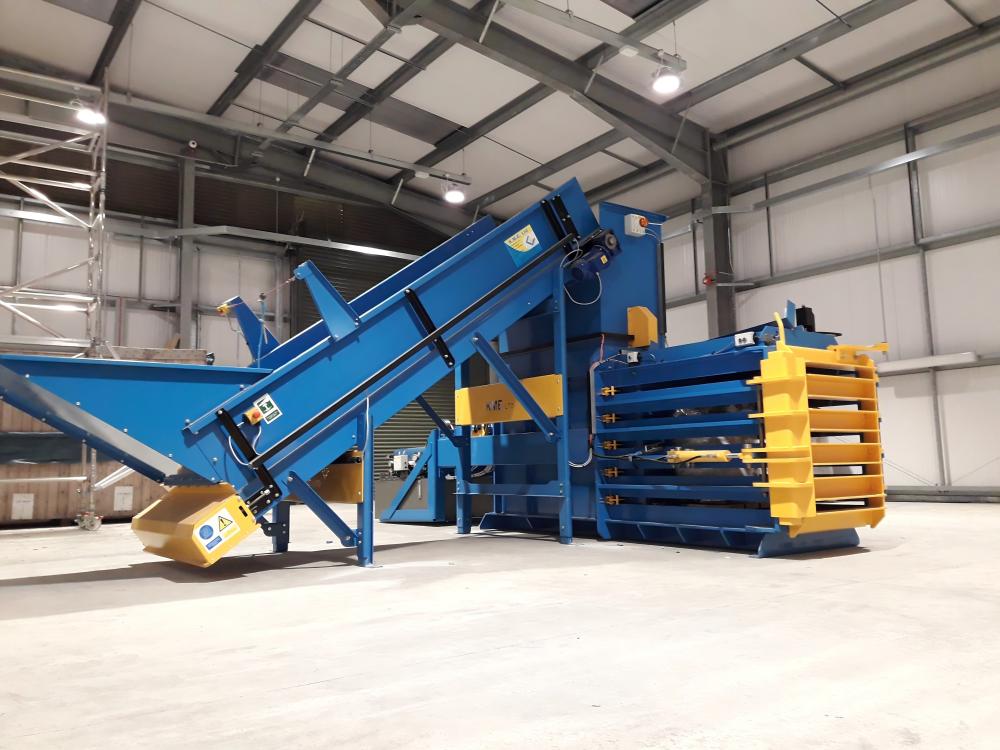
For high-volume operations, fully automatic balers (often called auto-tie balers) are the gold standard. These machines range from $90,000 to over $300,000 for heavy-duty, multi-material systems. These units are designed to run 24/7 with minimal human intervention. They automatically shear the material, compress it, tie the bale with a precision needle system, and eject it onto a conveyor or floor. The high initial investment is offset by massive savings in labor and significantly higher throughput.
Main Cost Drivers in Horizontal Baler Manufacturing
When comparing quotes for A Buyer’s Horizontal Balers: Manual, Semi-Automatic, Fully Automatic Options, you may notice wide price discrepancies between machines that look similar. Several technical factors drive these costs.
1. Hydraulic System and Pressing Force
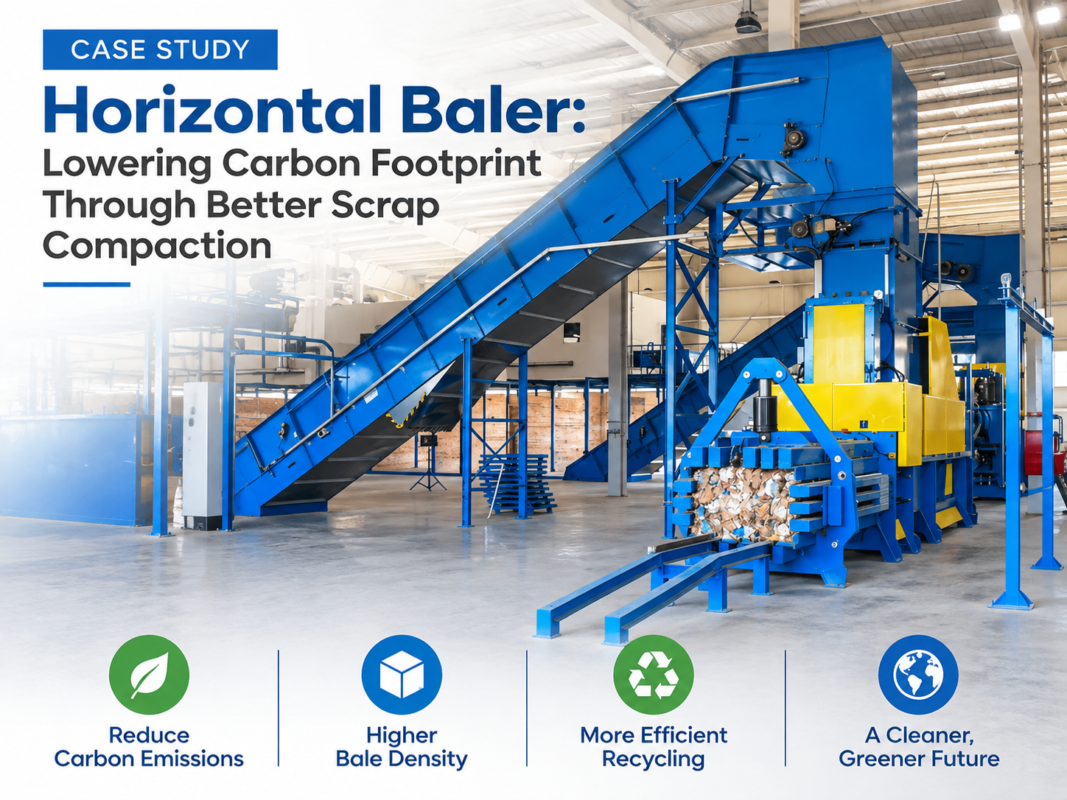
The heart of any baler is its hydraulic system. A machine with a 60-ton pressing force will be significantly cheaper than one with 120 tons of force. The quality of the hydraulic pumps (e.g., Rexroth or Vickers), the diameter of the main cylinder, and the cooling system’s efficiency all contribute to the price. High-pressure systems allow for denser bales, which reduces shipping costs, but they require more robust components to handle the stress.
2. Frame Construction and Steel Quality
Industrial balers are subjected to immense internal pressure. Premium manufacturers like HARSLE use high-grade Q345B steel and reinforced structural beams to prevent frame warping over time. A cheaper machine might use thinner plates, leading to structural failure after a few years of heavy use. The weight of the machine is often a good indicator of its build quality; a heavier machine generally contains more steel and is more durable.
3. Automation and Control Systems
The “brains” of the machine—the PLC (Programmable Logic Controller)—greatly influence the price. Systems utilizing Siemens or Mitsubishi PLCs with touchscreen HMI (Human Machine Interface) allow for precise control over bale length, pressure settings, and diagnostics. Fully automatic machines also require complex sensor arrays and hydraulic needle-tying mechanisms, which are expensive to manufacture and calibrate.
Configuration Impact: Tailoring the Machine to Your Material
The configuration of your baler should be dictated by the material you intend to process. A machine optimized for cardboard may struggle with plastic film or aluminum cans.
Feed Opening and Hopper Design
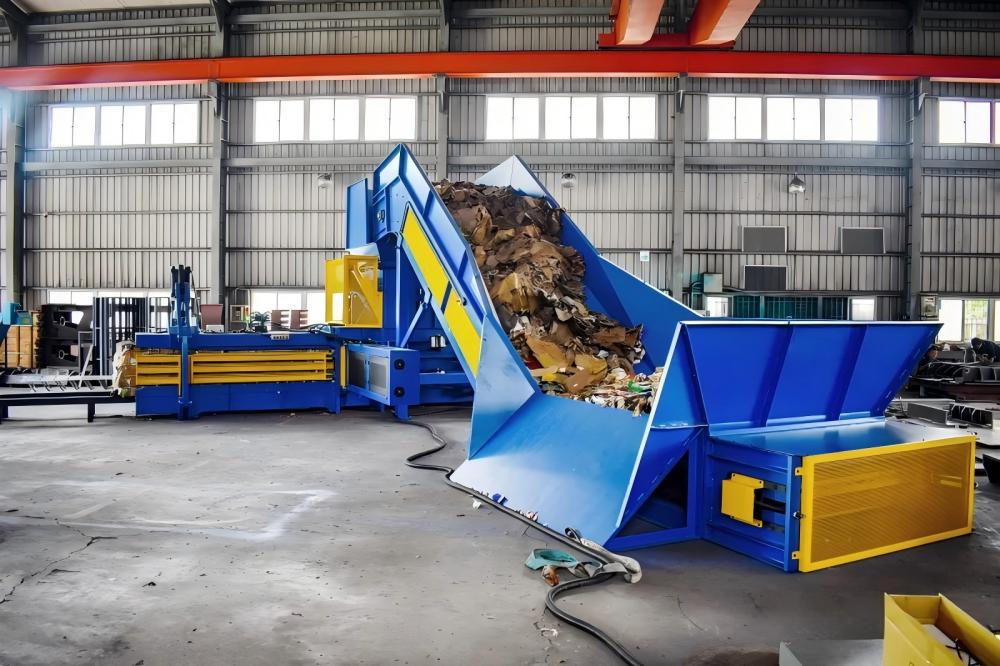
The size of the feed opening determines how much material can be loaded at once. If you are using a conveyor or a forklift to dump large boxes, you need a wide hopper. Some configurations include a “shear blade” at the top of the ram, which cuts off excess material as the ram moves forward. This is essential for preventing jams in fully automatic systems but adds to the mechanical complexity.
Tying Systems: Manual vs. Auto-Tie
In manual and semi-automatic systems, the operator uses bale ties (wire with loops). In fully automatic systems, the machine uses a wire-tier assembly. There are two main types: horizontal ties and vertical ties. Horizontal ties are generally better for solid waste, while vertical ties are often preferred for materials that might expand significantly. The reliability of the auto-tie knotter is a critical configuration point; a failure here can halt the entire production line.
Cooling and Filtration
For operations running multiple shifts, hydraulic oil can overheat, leading to seal failure and reduced efficiency. High-end configurations include air-cooled or water-cooled heat exchangers and advanced filtration systems to keep the hydraulic fluid clean. This is a vital configuration for warm climates or high-intensity environments.
Hidden Costs of Owning a Horizontal Baler
The purchase price is only the beginning. Buyers must account for several “hidden” costs that can impact the total budget.
- Installation and Commissioning: Setting up a 15-ton machine requires a crane, specialized electrical work (often 480V 3-phase power), and professional calibration. Expect to spend $3,000 to $10,000 on professional installation.
- Freight and Logistics: Horizontal balers are oversized loads. Shipping a machine from a manufacturer to your facility can cost thousands of dollars depending on the distance and the need for flatbed or low-boy trailers.
- Consumables: Baling wire is a recurring expense. Fully automatic machines use large coils of wire, while manual machines use pre-cut lengths. Depending on your volume, wire costs can range from $500 to $5,000 per month.
- Maintenance and Wear Parts: Shear blades need sharpening, hydraulic filters need replacing, and wear plates inside the chamber will eventually need to be swapped out. A proactive maintenance contract is highly recommended.
ROI Calculation: When Does Automation Pay Off?
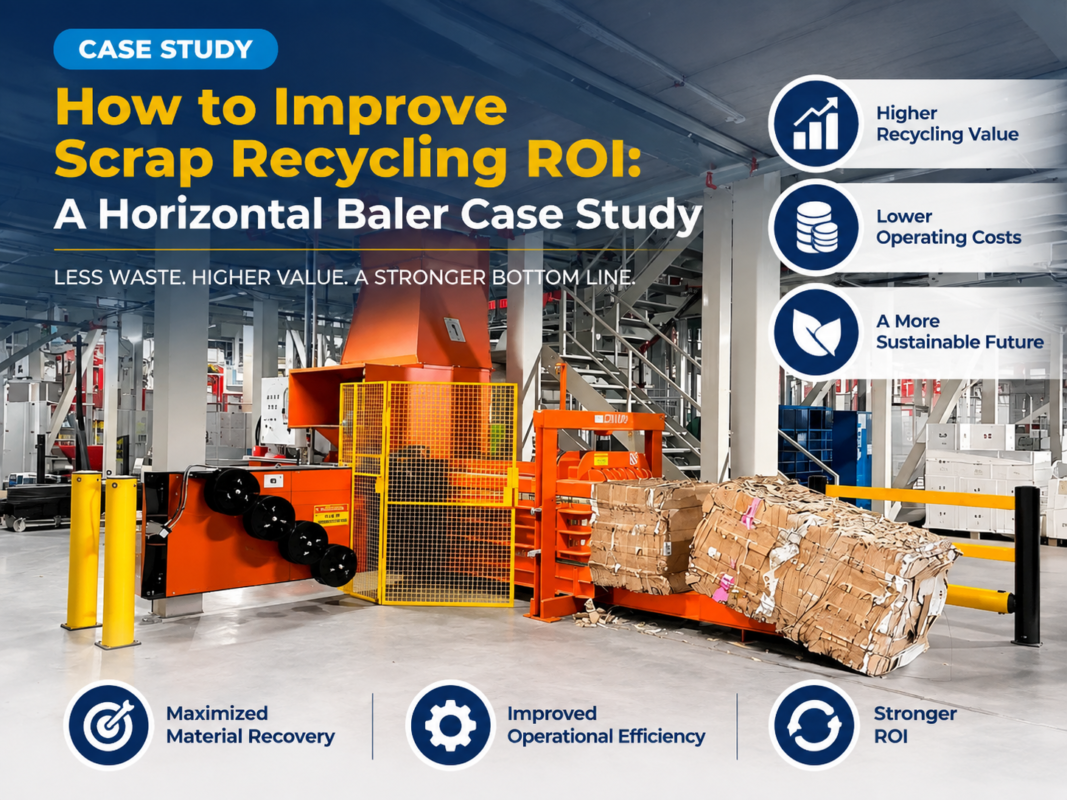
To justify the move from a manual to a fully automatic horizontal baler, you must calculate the Return on Investment (ROI). The primary drivers of ROI are labor savings and increased bale density.
Labor Savings
A manual baler might require a dedicated operator for 8 hours a day. At $20/hour, that’s $41,600 per year in labor. A fully automatic baler can be fed by a conveyor and requires only periodic checks, reducing labor requirements by 80-90%. In many cases, the labor savings alone can pay for the price difference between a semi-auto and a fully auto machine in less than 18 months.
Transportation Efficiency
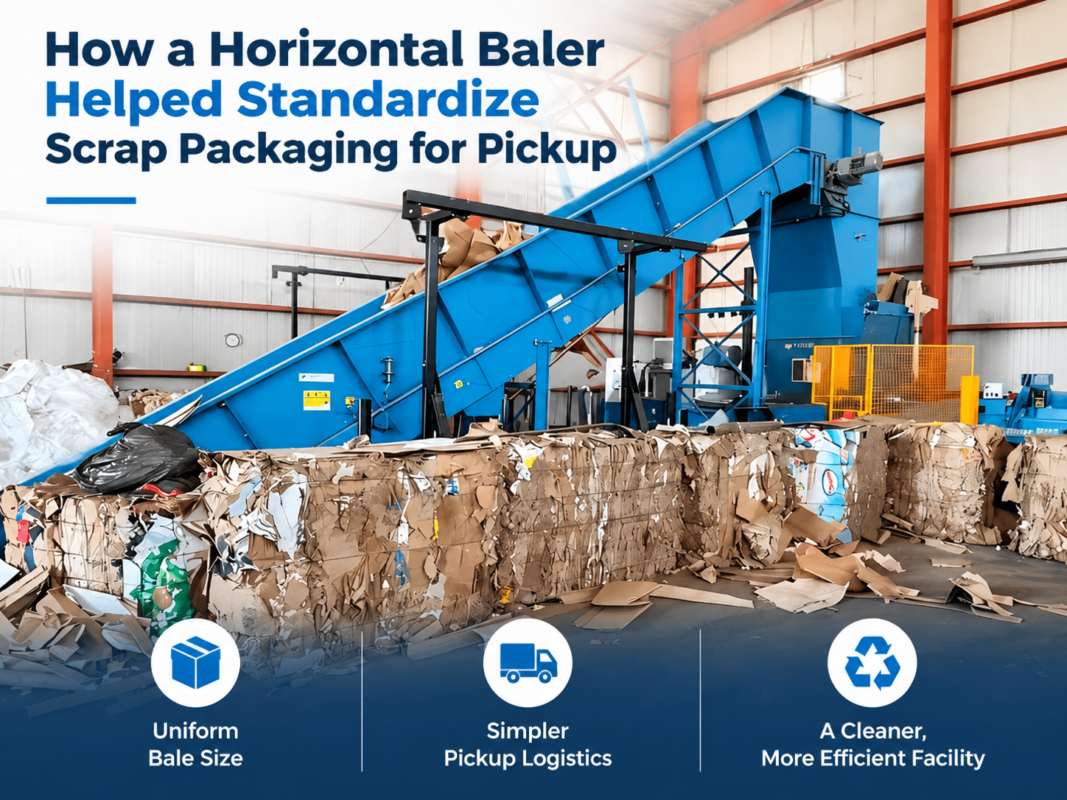
Recyclers pay by the ton, but shipping is charged by the truckload. If a manual baler produces 800lb bales and a high-pressure automatic baler produces 1,400lb bales, you can fit significantly more weight into a single trailer. This reduces the number of truck trips required, directly increasing your profit margin on the sold material.
Material Revenue
Clean, dense, and well-tied bales often fetch a higher price on the commodities market. Some mills refuse to take loosely packed manual bales because they are difficult to process. By investing in a high-quality horizontal baler, you gain access to better-paying buyers.
Buying Advice: Choosing the Right Model for Your Facility
When navigating A Buyer’s Horizontal Balers: Manual, Semi-Automatic, Fully Automatic Options, follow this checklist to ensure you make the right choice:
- Analyze Your Volume: If you process less than 20 tons of material per month, a semi-automatic baler is likely sufficient. If you exceed 50 tons, fully automatic is almost always the better financial choice.
- Measure Your Space: Horizontal balers have a large footprint. Ensure you have enough room for the machine, the bale ejection area, and the material staging area. Don’t forget to account for ceiling height if using a vertical hopper.
- Check Power Requirements: Ensure your facility’s electrical panel can handle the high amperage required by large hydraulic motors (often 30HP to 100HP).
- Evaluate the Manufacturer: Look for a partner like HARSLE that offers robust after-sales support, readily available spare parts, and a proven track record in metal fabrication and waste machinery.
- Test the Material: If you are baling unusual materials (like E-waste or heavy plastics), ask the manufacturer for a test run or a video of the machine processing similar items.
Frequently Asked Questions (FAQ)
What is the difference between a closed-end and an open-end baler?
A closed-end baler has a hydraulic door that stays shut during compression, allowing for extremely high density; these are usually semi-automatic. An open-end baler uses tension rails to create resistance and is typically found in fully automatic, continuous-feed systems.
How long does a horizontal baler typically last?
With proper maintenance, a high-quality horizontal baler can last 15 to 25 years. Key components like the hydraulic pump or PLC may need replacement every 7-10 years, but the structural frame is built for long-term durability.
Can one baler handle multiple types of material?
Yes, most horizontal balers are versatile. However, you will need to adjust the pressure settings and bale length via the PLC when switching from a soft material like paper to a rigid material like plastic bottles. Some machines feature “multi-material” presets for easy switching.
Is a pit-mounted or floor-mounted conveyor better?
Pit-mounted conveyors are more ergonomic as they allow material to be swept or pushed directly into the hopper at floor level. However, they require expensive concrete work. Floor-mounted conveyors are easier to install but require a ramp or a specialized loading system.
What safety features should I look for?
Ensure the machine is compliant with CE or ANSI standards. Essential safety features include emergency stop buttons at multiple locations, safety interlocks on all access doors, and infrared sensors in the hopper to prevent the ram from moving if a person or foreign object is detected.
Conclusion
Investing in a horizontal baler is a transformative step for any industrial facility. Whether you opt for the cost-effective manual approach, the balanced semi-automatic route, or the high-efficiency fully automatic system, the key is to align the machine’s capabilities with your operational reality. By focusing on build quality, hydraulic efficiency, and long-term ROI, you can turn your waste management from a cost center into a streamlined, profitable department. HARSLE remains committed to providing the technical expertise and robust machinery needed to power this transition.