Vertical Baler Specification Guide: Tonnage, Chamber Size, and Cycle Time

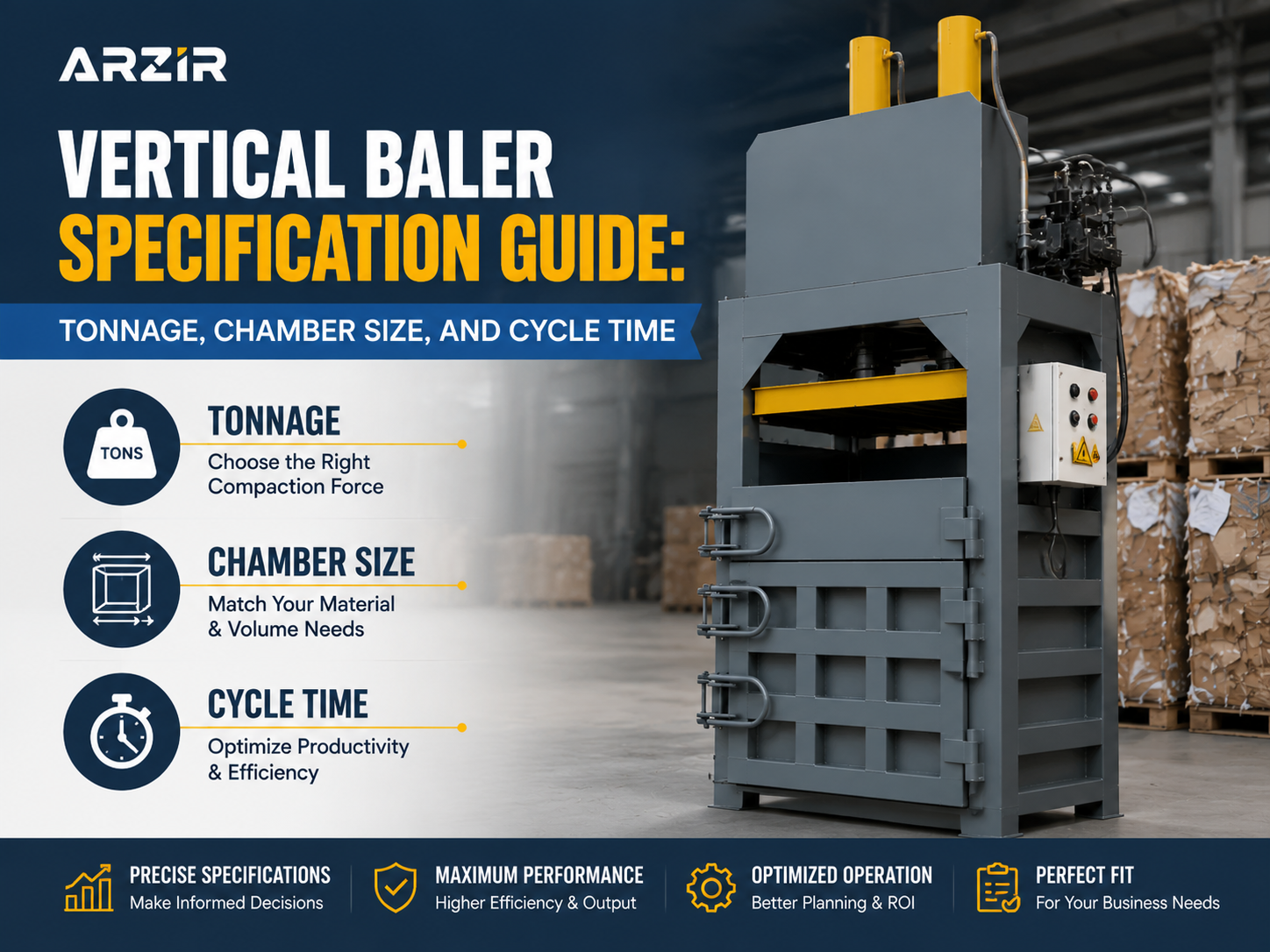
Introduction to Vertical Baler Specifications
In the world of waste management and material recovery, the vertical baler stands as a cornerstone of efficiency. For facilities ranging from retail warehouses to specialized recycling centers, selecting the right machine is not merely a matter of budget, but a technical alignment of machine capabilities with operational demands. Understanding the core specifications—specifically tonnage, chamber size, and cycle time—is essential for any procurement manager or facility engineer looking to optimize their waste stream.
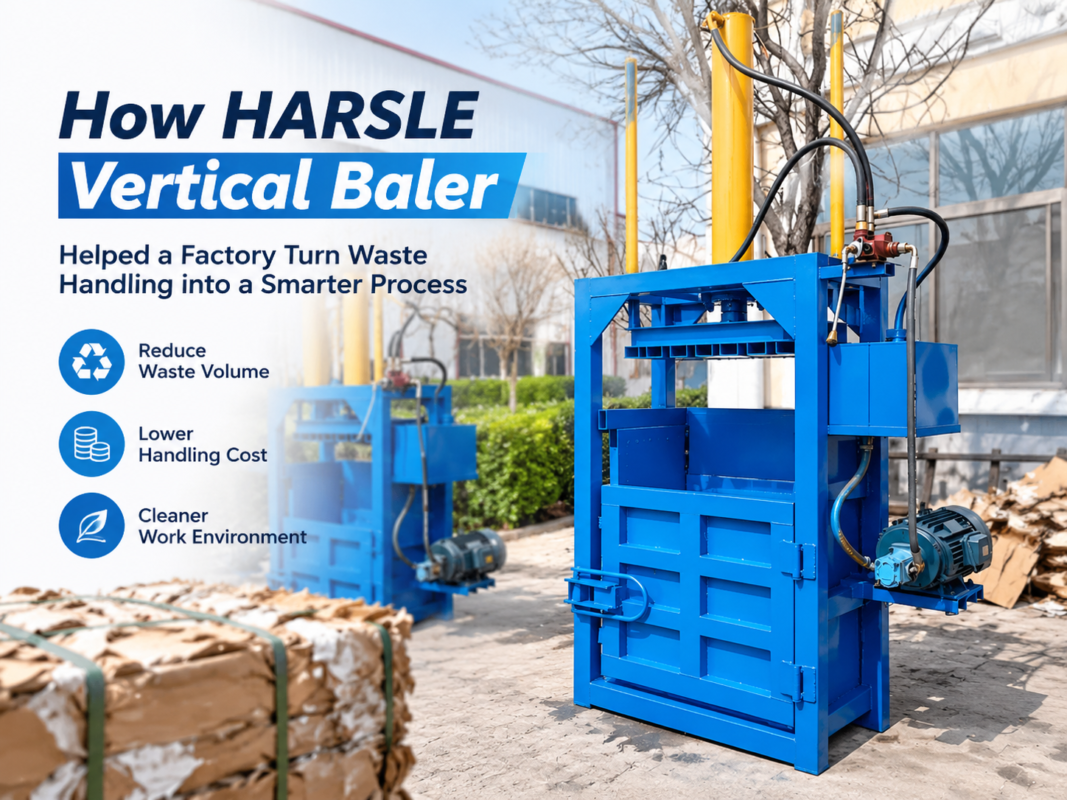
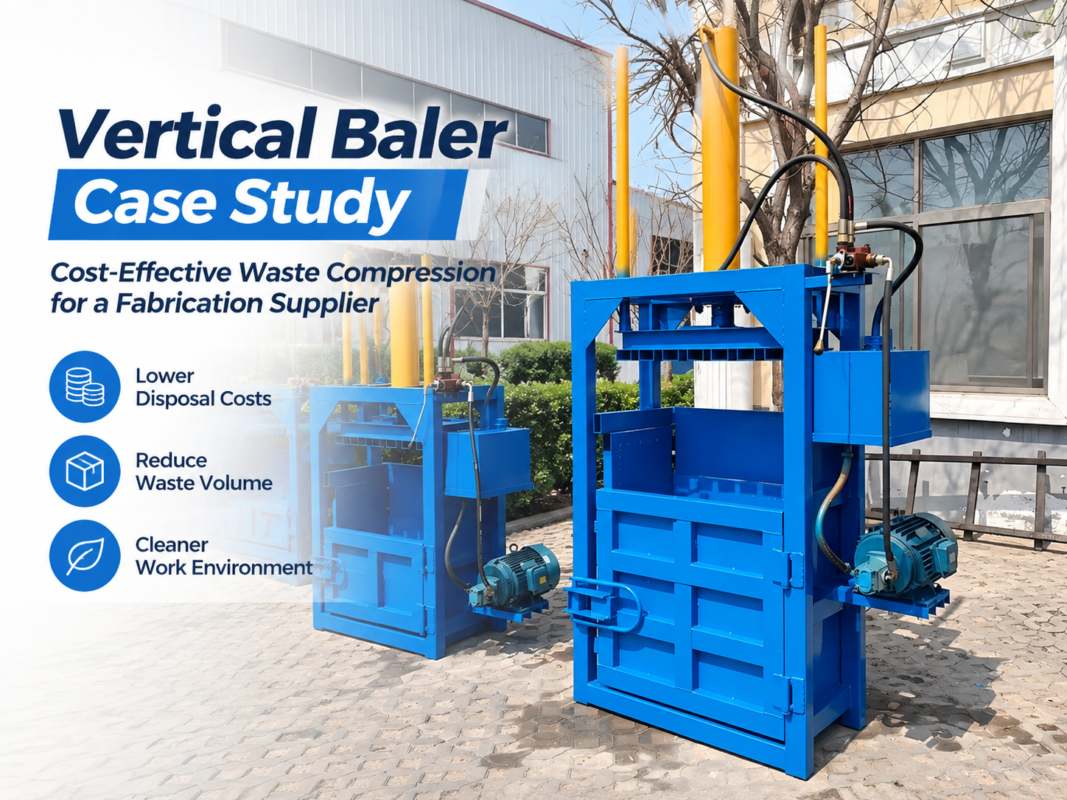
A vertical baler operates by using a hydraulic ram to compress loose materials like cardboard, plastic, or light metals into dense, manageable blocks known as bales. While the concept is simple, the engineering behind it involves a delicate balance of force, volume, and speed. Choosing a machine with insufficient tonnage leads to loose bales that are difficult to transport, while an oversized chamber might result in bales that exceed the weight limits of standard handling equipment. This guide provides a deep dive into these technical parameters to ensure your investment yields the highest possible return.
Price Range Overview: From Entry-Level to Industrial Powerhouses
The price of a vertical baler is primarily dictated by its structural integrity and the sophistication of its hydraulic system. Generally, vertical balers are categorized into three price tiers based on their capacity and intended duty cycle. Understanding these tiers helps in setting realistic budget expectations before diving into specific technical configurations.
| Baler Category | Tonnage Range | Estimated Price (USD) | Typical Applications |
|---|---|---|---|
| Light-Duty / Economy | 5 – 15 Tons | $3,500 – $7,000 | Small retail, convenience stores, offices |
| Mid-Range / Standard | 20 – 40 Tons | $8,000 – $15,000 | Supermarkets, distribution centers, hotels |
| Heavy-Duty / Industrial | 50 – 100+ Tons | $18,000 – $45,000+ | Recycling plants, large factories, scrap yards |
Entry-level machines are designed for low-volume operations where space is at a premium. These units often feature smaller footprints and operate on single-phase power, making them accessible for smaller businesses. However, their lower tonnage limits the types of materials they can effectively process, usually restricted to thin cardboard and soft plastics.
Mid-range balers represent the most common segment of the market. These machines offer a balance of power and speed, capable of producing mill-size bales (typically 60 inches wide) that are highly sought after by recycling brokers. Industrial-grade balers, on the other hand, are built for 24/7 operation. They feature reinforced frames, high-efficiency motors, and advanced cooling systems to handle the heat generated by continuous high-pressure cycles.
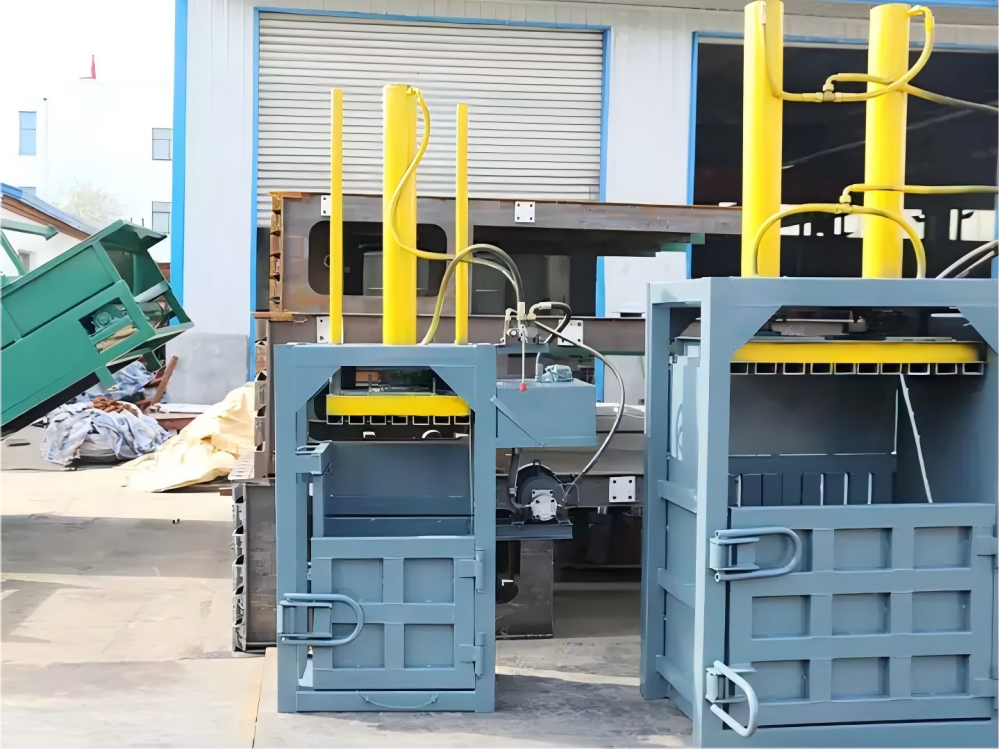
Main Cost Drivers in Vertical Baler Manufacturing
When evaluating the cost of a vertical baler, it is important to look beyond the sticker price and understand what components drive the value. The most significant cost driver is the hydraulic system. This includes the pump, the cylinder, and the valve block. High-quality hydraulic components from reputable brands ensure longevity and consistent pressure, which directly impacts the density of the bales produced.
The structural steel used in the frame and the platen (the pressing plate) is another major factor. A baler subjected to 50 tons of force must be built with heavy-gauge steel and precision welding to prevent frame warping over time. HARSLE utilizes advanced CNC machining and robotic welding to ensure that every joint can withstand the repetitive stress of thousands of cycles. Thicker steel plates and reinforced doors add to the manufacturing cost but significantly extend the machine’s lifespan.
Automation and safety features also play a role in pricing. Modern balers are equipped with PLC (Programmable Logic Controller) systems that monitor oil temperature, bale height, and door safety interlocks. Features like automatic bale ejection systems and touch-screen interfaces increase the initial cost but reduce labor time and improve operator safety, which are critical factors in high-volume environments.
Configuration Impact: Tonnage, Chamber Size, and Cycle Time
The Role of Tonnage in Material Compression
Tonnage refers to the amount of force the hydraulic ram exerts on the material. It is the most critical specification for determining what materials a baler can handle. For example, cardboard has a high “memory,” meaning it wants to spring back to its original shape. To overcome this, a baler needs sufficient tonnage to crush the fibers and create a stable bale. Typically, a 30-ton baler is the minimum requirement for producing dense cardboard bales.
When dealing with more resilient materials like HDPE plastics or aluminum cans, higher tonnage is required. A 50-ton or 60-ton machine provides the necessary pressure to collapse these materials and keep them compressed. If the tonnage is too low, the bale will expand significantly once the wires are tied, potentially breaking the ties or creating a “soft” bale that recyclers may reject or pay less for.
Chamber Size and Bale Dimensions
The chamber size determines the physical dimensions of the bale. The industry standard is the “mill-size” bale, which measures approximately 60″ x 30″ x 48″. Producing mill-size bales is advantageous because they maximize the weight capacity of a standard shipping container or truck trailer, reducing transportation costs. However, the chamber size must also match the volume of waste generated. A chamber that is too large for a low-volume facility will take too long to fill, leading to inefficient use of floor space.
Furthermore, the feed opening size—the window through which material is loaded—is a subset of chamber specifications. A larger feed opening allows operators to toss in large boxes without breaking them down manually, which saves significant labor time. When comparing specifications, always check the ratio of the feed opening to the overall chamber depth to ensure ergonomic loading.
Cycle Time and Throughput Efficiency
Cycle time is the duration it takes for the ram to travel from its home position, compress the material, and return to the top. This is measured in seconds and is a direct indicator of the machine’s productivity. A faster cycle time (e.g., 35 seconds vs. 55 seconds) allows the operator to process more material in a shorter period. This is particularly important in facilities where waste is generated in bursts, such as during a truck unloading shift.
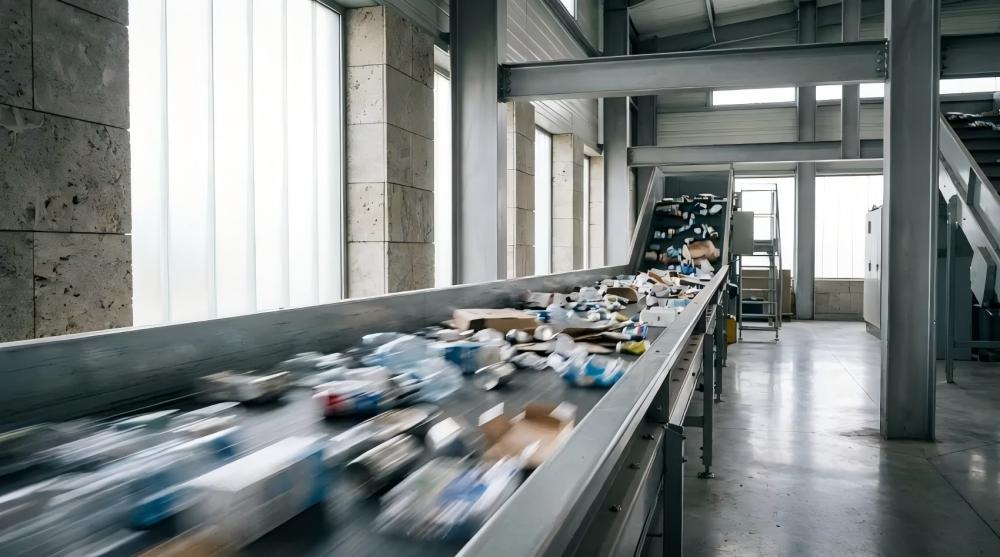
Cycle time is influenced by the motor horsepower and the hydraulic pump’s flow rate (GPM). A larger motor can drive a higher-capacity pump, moving the hydraulic fluid faster. However, faster cycle times also generate more heat, necessitating better cooling systems. For most vertical applications, a cycle time between 40 and 50 seconds is considered the industry standard for balancing speed and mechanical longevity.
Hidden Costs of Owning a Vertical Baler
While the purchase price is the most visible expense, several hidden costs can impact the total cost of ownership (TCO). Shipping and installation are often overlooked. Because vertical balers are heavy and top-heavy, they require specialized freight and rigging for installation. Some models may also require a concrete pad of a specific thickness to handle the vibration and weight.
Electrical requirements are another potential hidden cost. Many industrial balers require three-phase power. If your facility only has single-phase power, you may need to invest in a phase converter or an electrical service upgrade, which can cost thousands of dollars. Additionally, ongoing maintenance—such as hydraulic oil changes, filter replacements, and seal inspections—must be factored into the annual budget to prevent costly downtime.
Consumables, specifically baling wire or twine, are a recurring expense. The type of wire required (gauge and length) depends on the bale weight and material type. High-tonnage machines producing heavy bales require thicker, more expensive wire to prevent breakage. Over a year, the cost of wire can add up, especially in high-volume operations.
ROI Calculation: Turning Waste into Revenue
Calculating the Return on Investment (ROI) for a vertical baler involves looking at three primary areas: labor savings, waste disposal savings, and recycling revenue. Before a baler, employees often spend hours breaking down boxes and hauling them to an outdoor dumpster. With a baler, this time is drastically reduced. If a baler saves 10 hours of labor per week at $20/hour, that is over $10,000 in annual savings alone.
Waste disposal savings come from reducing the frequency of “pulls” or pickups by your waste hauler. Loose cardboard in a dumpster is mostly air; a baler compresses that waste by a ratio of up to 10:1. This can reduce the number of dumpster pickups from four times a month to once every two months. Finally, many recyclers will pay for dense, mill-size bales of cardboard and plastic. Instead of paying to have your waste removed, you can receive a rebate check, turning a cost center into a profit center.
Buying Advice: Selecting the Right HARSLE Baler
When selecting a vertical baler, start by auditing your waste stream. What is the primary material? What is the daily volume? If you generate more than 5 tons of cardboard per week, a 60-inch mill-size baler is almost always the best choice. For smaller volumes or specialized materials like plastic film, a smaller 30-inch or 48-inch unit may suffice.
Consider the ceiling height and floor space. Vertical balers require significant overhead clearance for the hydraulic cylinder when the ram is in the up position. Always check the “operating height” in the specification sheet against your facility’s dimensions. Additionally, look for machines with a “full bale” indicator light, which prevents overfilling and ensures consistent bale weights.
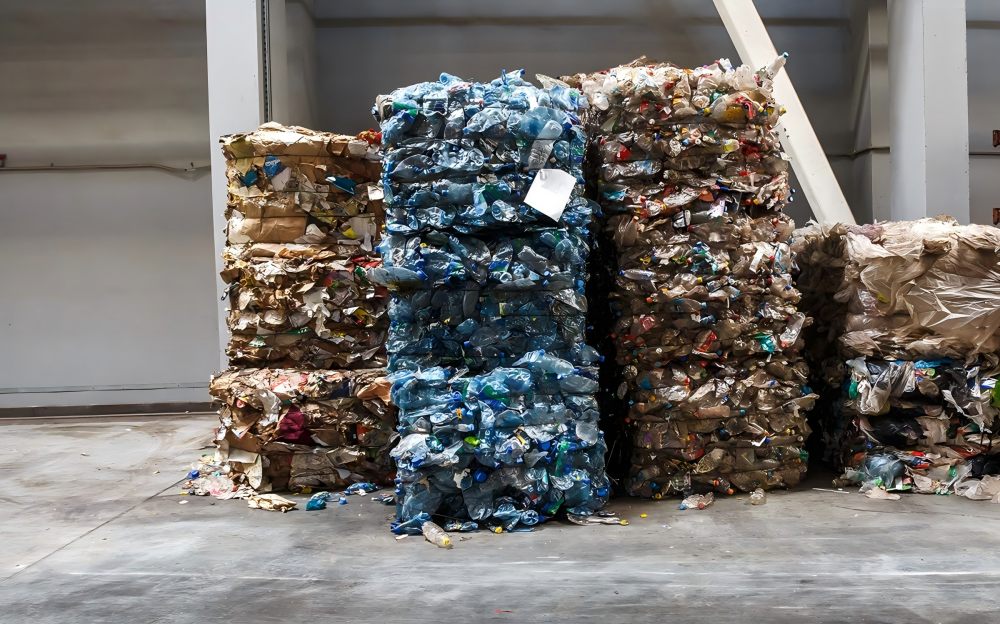
Finally, prioritize safety and support. Ensure the machine is ANSI and OSHA compliant. Working with a manufacturer like HARSLE ensures you have access to technical support, spare parts, and guidance on the best configuration for your specific industry needs. A well-chosen baler should last 10 to 15 years with proper maintenance, making the initial research phase critical to long-term success.
Frequently Asked Questions (FAQ)
What is the difference between a vertical and horizontal baler?
Vertical balers are loaded from the front and compress material downward. They have a smaller footprint and are generally less expensive, making them ideal for low-to-medium volumes. Horizontal balers are loaded from the top (often via conveyor) and compress material sideways. They are designed for high-volume, continuous industrial operations but require much more floor space and a higher investment.
Can I bale different materials in the same machine?
Yes, most vertical balers can handle multiple materials like cardboard, paper, and various plastics. However, you must bale them separately to maintain the purity of the material for recyclers. You should also adjust the pressure settings if your machine allows it, as plastic often requires higher pressure and more “dwell time” (holding the ram down) to set the shape.
How much does a standard cardboard bale weigh?
A standard 60-inch vertical baler typically produces cardboard bales weighing between 800 and 1,200 pounds, depending on the tonnage of the machine and how tightly the operator packs the chamber. These are known as “mill-size” bales and are the industry standard for maximizing shipping efficiency.
What electrical power do I need for an industrial baler?
Most mid-to-large vertical balers require 208, 230, or 460-volt three-phase power. Smaller, light-duty units may run on standard 110-volt or 220-volt single-phase power. It is crucial to verify your facility’s electrical capacity before purchasing, as upgrading electrical panels can be a significant expense.
How often should I change the hydraulic oil?
For most vertical balers, the hydraulic oil should be changed every 1,000 to 2,000 operating hours, or at least once a year. Regular oil analysis can help determine the exact timing. Keeping the oil clean and at the correct temperature is the single most important factor in extending the life of the hydraulic pump and cylinders.