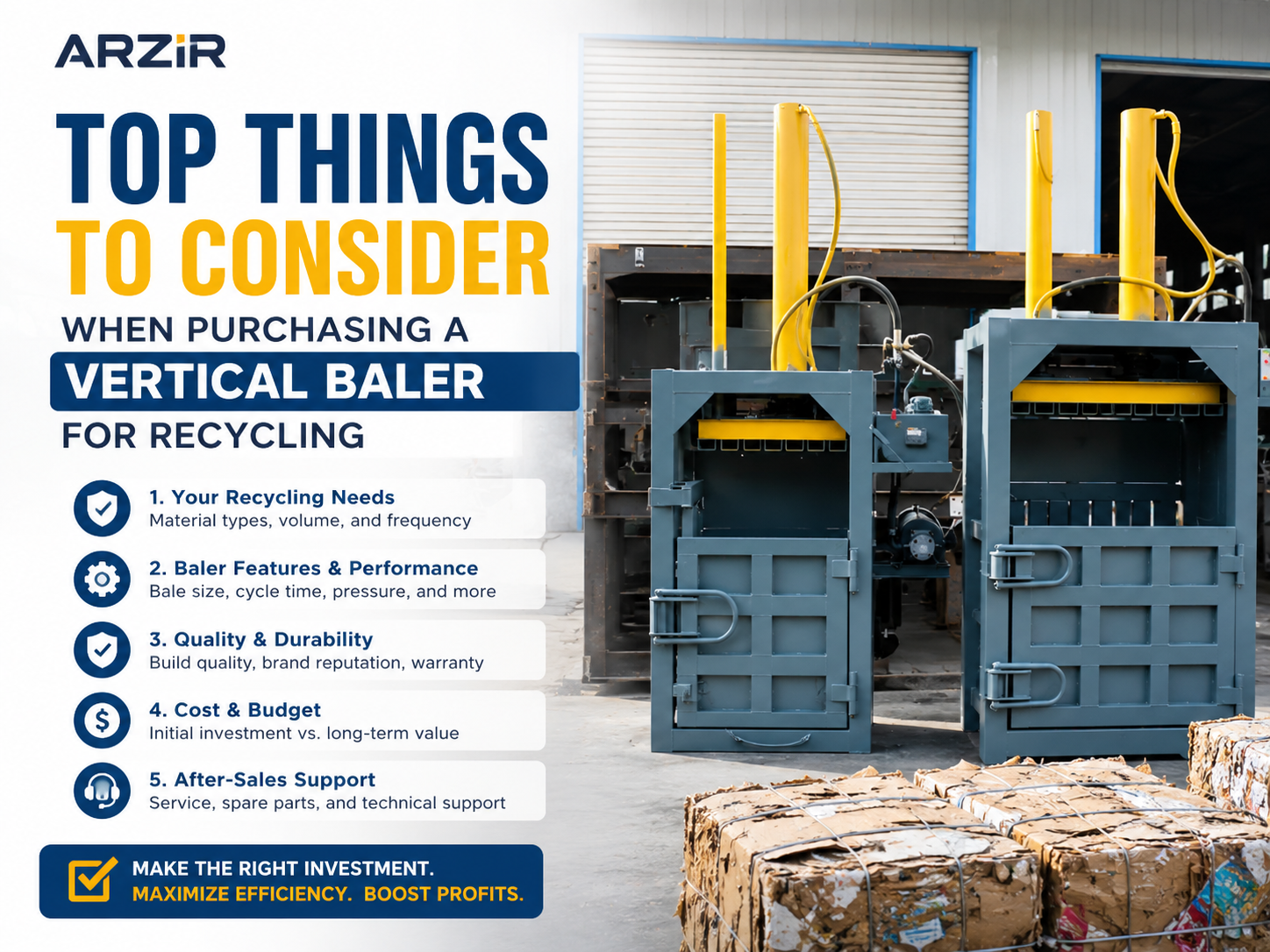
Top Things to Consider When Purchasing a Vertical Baler for Recycling: A Comprehensive Guide

Introduction to Vertical Balers in Modern Recycling
In the current industrial landscape, waste management has evolved from a secondary operational concern to a primary driver of efficiency and sustainability. For businesses dealing with significant volumes of cardboard, plastic, textiles, or light metals, the vertical baler is an indispensable tool. However, selecting the right machine is not merely a matter of picking a model from a catalog. It requires a deep understanding of your operational needs, material characteristics, and long-term financial goals. This guide explores the top things consider when purchasing a vertical baler recycling to ensure you make an investment that delivers maximum value.
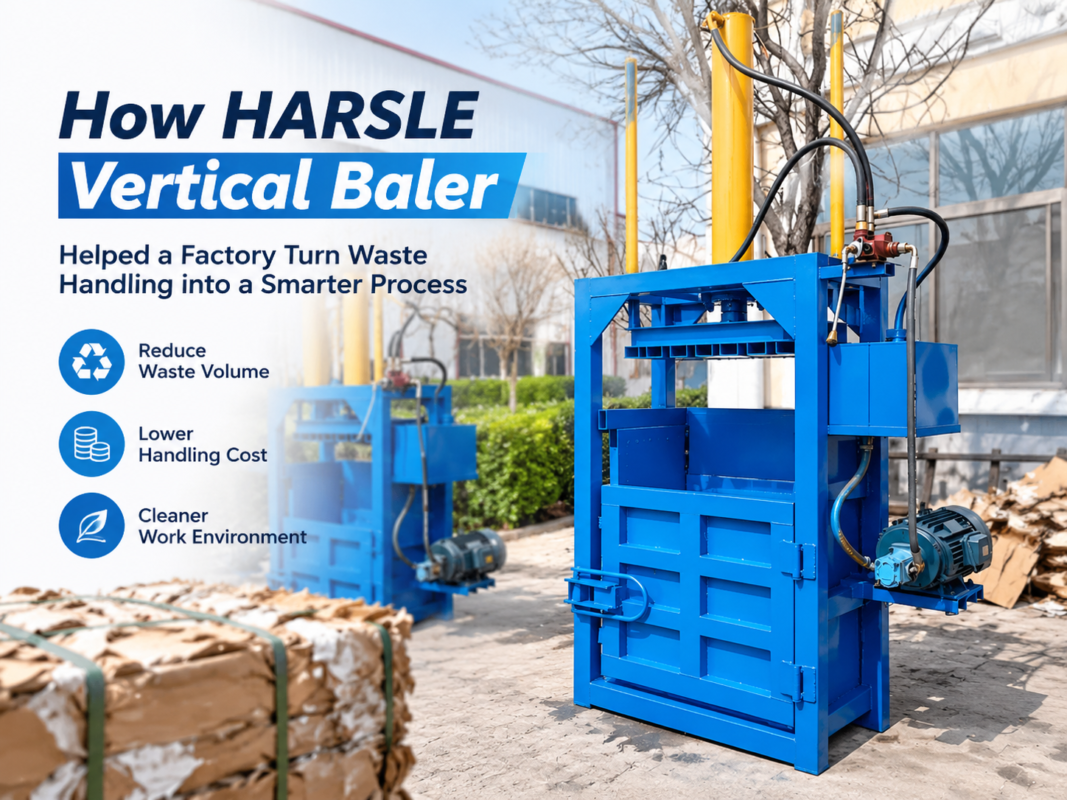
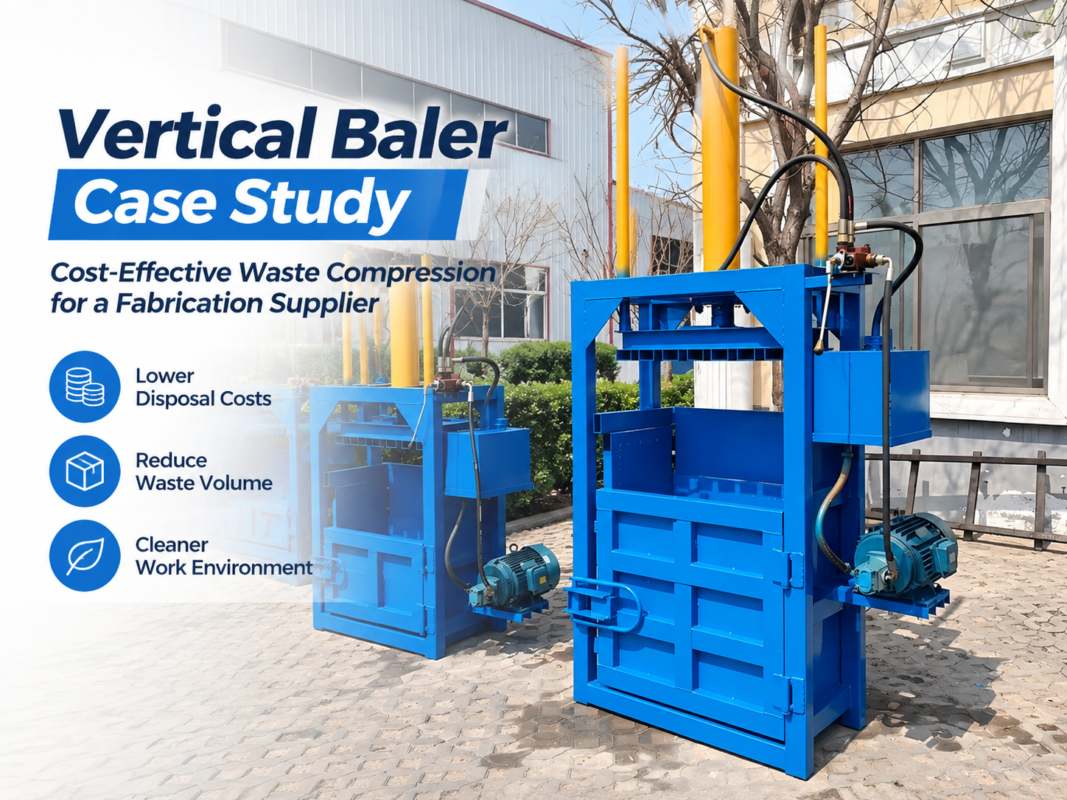
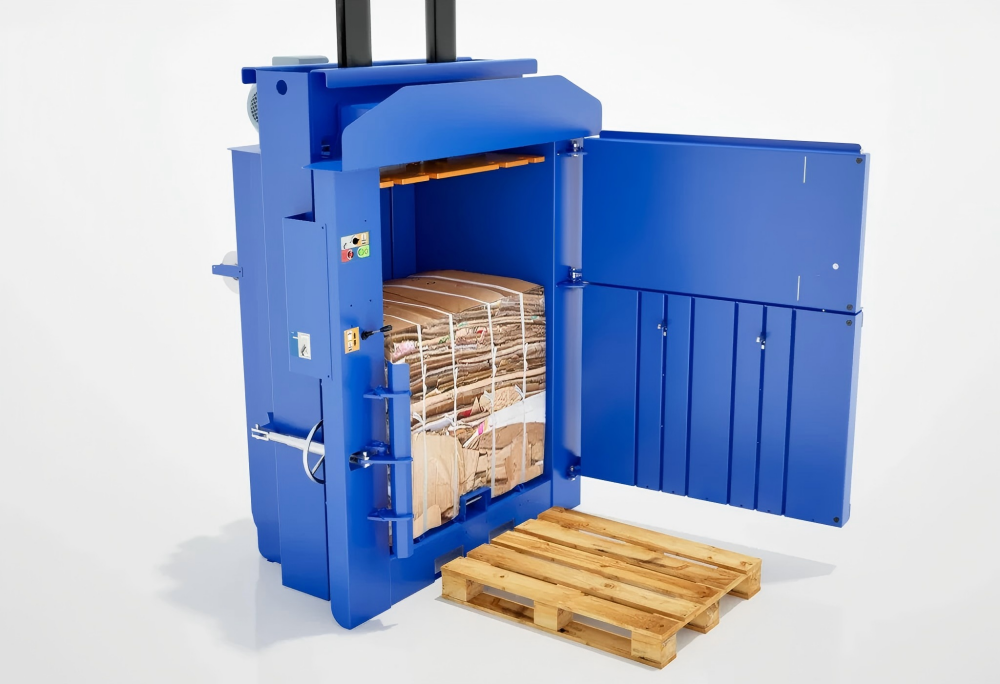
Vertical balers are designed to compress loose waste into dense, manageable blocks known as bales. By reducing the volume of waste, companies can significantly lower transportation costs, minimize storage space requirements, and even generate revenue by selling high-density bales to recycling facilities. As a leader in metal fabrication and industrial machinery, HARSLE understands that the nuances of hydraulic pressure, structural integrity, and safety features are what separate a mediocre machine from a high-performance asset.
Price Range Overview: Understanding the Market
When evaluating the top things consider when purchasing a vertical baler recycling, the initial capital expenditure is often the first point of discussion. The price of a vertical baler can vary significantly based on its capacity, pressing force, and automation level. Generally, the market is divided into three primary tiers: entry-level, mid-range, and heavy-duty industrial models.
Entry-level vertical balers, often used by small retail outlets or grocery stores, typically range from $3,000 to $7,000. These machines are designed for low-volume applications, offering pressing forces between 5 and 15 tons. While they are affordable, they are limited in the types of materials they can process and the density of the bales they produce. For businesses with minimal waste, these provide a quick way to organize backroom space.
Mid-range balers, which are the most common in manufacturing and distribution centers, fall between $8,000 and $18,000. These machines offer pressing forces of 20 to 50 tons and are capable of producing “mill-size” bales. Mill-size bales are the industry standard for recycling, weighing approximately 1,000 lbs (450 kg), which makes them highly attractive to recycling brokers. Investing in this range often provides the best balance between cost and utility.
Heavy-duty and specialized vertical balers can exceed $25,000. These machines are engineered for high-density materials like PET plastics, aluminum cans, or heavy textiles. They feature reinforced frames, high-performance hydraulic systems, and advanced PLC controls. While the upfront cost is higher, their ability to handle difficult materials and produce extremely dense bales can lead to higher commodity prices and lower shipping costs over time.
Main Cost Drivers: What Influences the Price Tag?
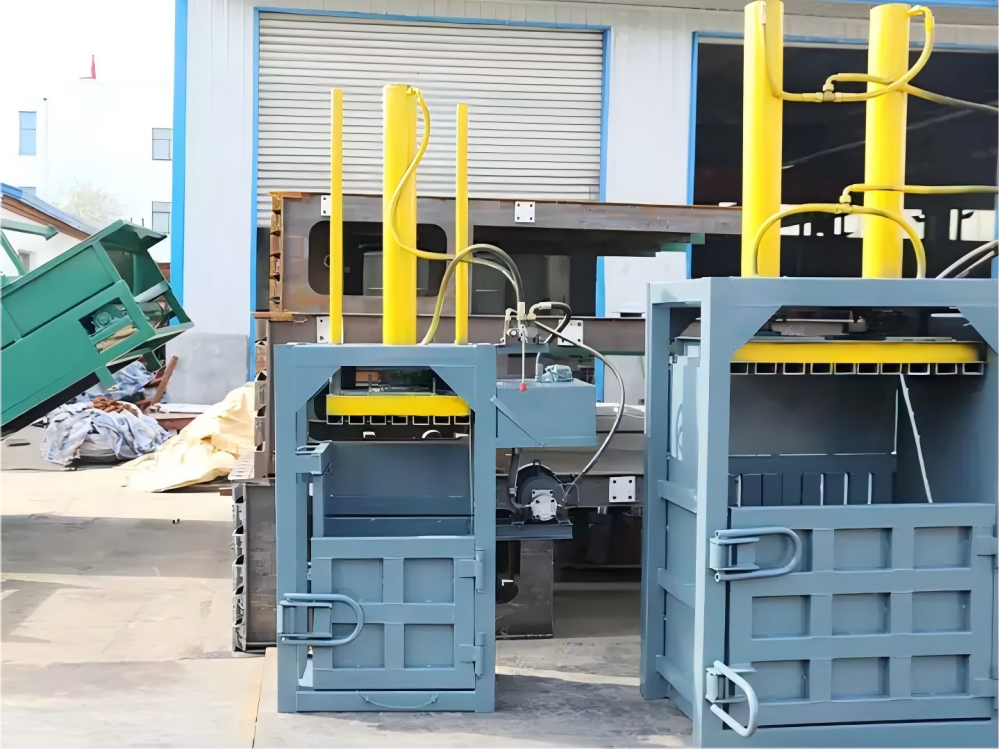
Understanding the top things consider when purchasing a vertical baler recycling requires a look under the hood. Several technical factors drive the manufacturing cost and, consequently, the purchase price of the machine. The most significant driver is the hydraulic system. The quality of the hydraulic pump, the diameter of the cylinders, and the complexity of the valve blocks determine the machine’s pressing force and cycle time. A high-quality hydraulic system ensures smooth operation and longevity, reducing the risk of leaks and pressure drops.
Structural steel and build quality also play a crucial role. A baler subjected to 50 tons of pressure thousands of times a year must have a robust frame. Machines built with thicker steel plates and reinforced stress points will naturally cost more but will resist warping and structural failure. At HARSLE, we emphasize the use of high-grade steel to ensure that the machine maintains its alignment and safety standards throughout its service life.
The motor and electrical components are another major cost factor. High-efficiency motors (often rated IE3 or higher) reduce energy consumption but come with a higher price tag. Furthermore, the inclusion of a Programmable Logic Controller (PLC) allows for automated cycles, safety monitoring, and diagnostic capabilities. While a manual lever-operated machine is cheaper, a PLC-controlled baler offers better safety and operational consistency, which are critical in a professional industrial environment.
Configuration Impact: Tailoring the Machine to Your Needs
Configuration is perhaps the most critical aspect of the top things consider when purchasing a vertical baler recycling. A machine that is poorly matched to your material will result in inefficient bales and increased labor costs. The first configuration choice is the bale size. If you intend to sell your recycled material, you must ensure the baler produces a size that your local recycler accepts. Mill-size bales (typically 60 inches wide) are the gold standard for maximizing transport efficiency.
Material-specific configurations are also vital. For example, if you are baling plastic bottles, you need a machine with a long stroke and high pressure to overcome the “memory” of the plastic, which tends to expand after compression. If you are baling textiles, you might need a fully enclosed chamber to prevent snagging. Some balers also offer “dual-mode” settings, allowing operators to switch between different pressure profiles for cardboard and plastic.
Loading height and door configuration are often overlooked but impact daily ergonomics. A low-profile baler is easier to load manually, whereas a standard height baler might require a conveyor or a lift. Additionally, the choice between a vertical sliding door and a swing-out door depends on the available floor space in your facility. Sliding doors are excellent for tight spaces, while swing doors offer easier access for cleaning and maintenance.
Hidden Costs: Beyond the Initial Purchase
When calculating the total cost of ownership, you must look beyond the invoice price. Shipping and logistics are significant hidden costs, especially for heavy industrial machinery. A 50-ton vertical baler can weigh several tons, requiring specialized freight and offloading equipment like heavy-duty forklifts or cranes. It is essential to get a landed cost estimate that includes delivery to your specific location.
Installation and commissioning are also factors. While some small balers are “plug-and-play,” larger industrial units require professional electrical hookups and hydraulic fluid filling. Training your staff is another critical investment. Improper use of a baler can lead to machine damage or, worse, workplace injuries. Budgeting for a professional setup and a comprehensive training session is a hallmark of a responsible purchasing strategy.
Consumables and maintenance represent ongoing hidden costs. Every bale requires baling wire or high-strength twine. Depending on your volume, these costs can add up. Furthermore, hydraulic oil needs to be changed periodically, and seals must be inspected for wear. Choosing a machine with standard, non-proprietary parts can significantly lower your long-term maintenance costs, as you won’t be locked into a single supplier for simple components like filters or switches.
ROI Calculation: Turning Waste into Profit
One of the top things consider when purchasing a vertical baler recycling is the Return on Investment (ROI). A vertical baler is one of the few pieces of industrial equipment that can pay for itself relatively quickly. The ROI is calculated by looking at three main areas: waste disposal savings, labor efficiency, and commodity revenue.
First, consider the reduction in waste hauling fees. Most waste management companies charge by the “pull” (each time they empty a bin) or by volume. By compressing waste into bales, you can reduce the frequency of pickups by up to 90%. If you currently pay for four pickups a month at $500 each, and a baler reduces that to one pickup every two months, the savings are substantial. Over a year, these savings alone can often cover the cost of a mid-range baler.
Second, evaluate labor costs. Without a baler, employees often spend hours breaking down boxes manually or walking back and forth to an outdoor dumpster. A strategically placed vertical baler allows employees to process waste immediately, keeping the workspace clean and allowing them to focus on more productive tasks. Finally, there is the revenue from the bales themselves. While commodity prices for cardboard and plastic fluctuate, high-density, mill-size bales always command a higher price than loose or poorly compacted material.
Buying Advice: Expert Tips for a Successful Purchase
To ensure you select the best machine, follow these expert tips. First, always perform a waste audit. Track the volume and type of waste your facility generates over a two-week period. This data is essential for determining the required tonnage and bale size. If you produce more than 20 tons of cardboard a month, you might even consider a horizontal baler, but for most medium-sized operations, a high-capacity vertical baler is the most cost-effective choice.
Second, prioritize safety features. Ensure the machine is CE or ANSI compliant. Look for safety interlocks that prevent the machine from operating while the door is open, emergency stop buttons in accessible locations, and clear warning labels. A cheap machine that lacks robust safety features is a liability that no business can afford. At HARSLE, safety is integrated into the design phase, not added as an afterthought.
Third, consider the vendor’s reputation and after-sales support. Industrial machinery requires occasional service. Ask the vendor about their warranty terms, the availability of spare parts, and whether they offer remote or on-site technical support. A slightly more expensive machine from a reputable manufacturer like HARSLE is often a better deal than a “bargain” machine with no support network. Check customer reviews and ask for references from businesses in similar industries.
Checklist for Purchasing a Vertical Baler
- Material Type: Is the machine rated for the specific materials you handle (e.g., PET, OCC, Aluminum)?
- Volume: Can the cycle time and chamber size handle your peak waste periods?
- Space: Do you have the ceiling height and floor space for the machine and the ejected bales?
- Power: Does your facility have the required voltage (220V, 480V, etc.) and phase (Single or Three-phase)?
- Safety: Does the machine meet all local and international safety standards?
- Logistics: How will the machine be delivered and moved into position?
Frequently Asked Questions (FAQ)
1. How long does a vertical baler typically last?
With proper maintenance, a high-quality industrial vertical baler can last 15 to 20 years. The lifespan depends heavily on the quality of the hydraulic system and the regularity of oil changes and structural inspections. Machines used in harsh environments or pushed beyond their rated capacity may have a shorter lifespan.
2. Can I bale different materials in the same machine?
Yes, most vertical balers are versatile. However, you should not mix materials within a single bale. You can bale cardboard in the morning and plastic in the afternoon, provided you clear the chamber in between. Some materials, like aluminum cans, may require a specialized liner or a specific pressure setting to prevent the material from falling through the floor slots.
3. What is a “mill-size” bale and why does it matter?
A mill-size bale typically measures 60″ x 30″ x 48″ and weighs around 1,000 lbs. It is the industry standard because it maximizes the space in a standard shipping container or truck trailer. Recyclers prefer these bales because they are ready for the pulping mill or processing plant without further compaction, allowing them to offer you better prices.
4. Do I need a special license to operate a vertical baler?
In most jurisdictions, no special license is required, but OSHA (in the US) and similar bodies elsewhere have strict age and training requirements. Generally, operators must be at least 18 years old and must have received documented training on the specific machine’s safety protocols and operation procedures.
5. How often should I change the hydraulic oil?
For most vertical balers, the hydraulic oil should be changed every 2,000 hours of operation or once a year, whichever comes first. You should also check the oil level and clarity monthly. If the oil appears milky or dark, it may indicate water contamination or overheating, requiring immediate attention to prevent pump damage.
6. What is the difference between a single-ram and a dual-ram vertical baler?
A single-ram baler uses one hydraulic cylinder to push the platen. This is standard for most applications. A dual-ram baler uses two cylinders, which provides more even pressure distribution across the platen. Dual-ram systems are often found in wide-chamber balers or machines designed for very dense, uneven materials to prevent the platen from tilting and damaging the seals.
Conclusion
Selecting the right recycling equipment is a strategic decision that impacts your bottom line and your environmental footprint. By focusing on the top things consider when purchasing a vertical baler recycling—from technical specifications and cost drivers to ROI and safety—you can ensure a successful acquisition. HARSLE remains committed to providing high-quality, durable, and efficient vertical balers that meet the rigorous demands of modern industry. Whether you are a small business looking to organize your waste or a large manufacturer aiming to optimize your recycling revenue, the right vertical baler is a cornerstone of operational excellence.