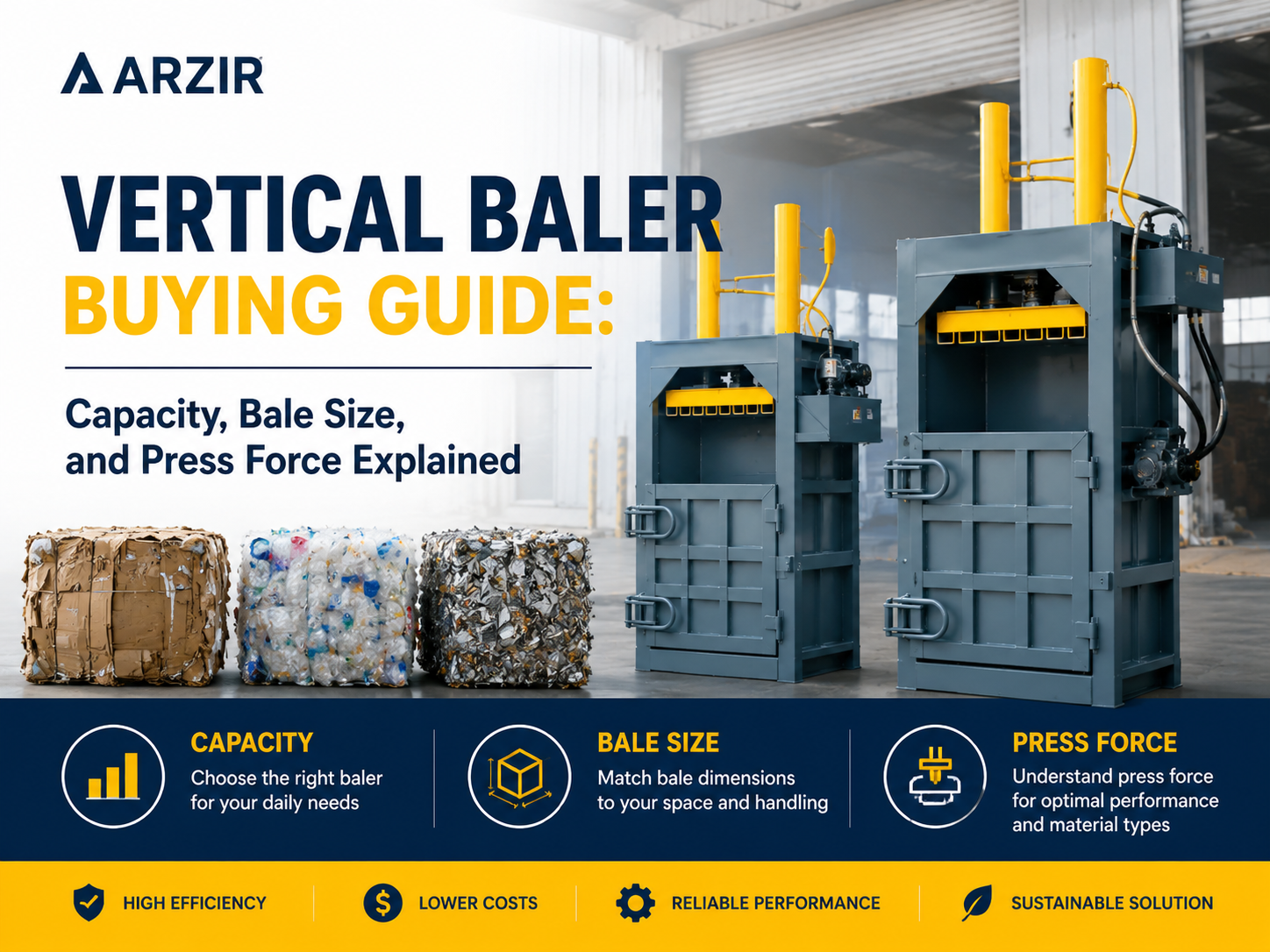
Vertical Baler Buying Guide: Capacity, Bale Size, and Press Force Explained

Introduction to Vertical Baler Procurement
In the modern industrial landscape, waste management is no longer just a logistical necessity; it is a critical component of operational efficiency and sustainability. For facilities dealing with high volumes of cardboard, plastic, textiles, or light metal scraps, a vertical baler is an indispensable tool. However, navigating the market for these machines requires a deep understanding of technical specifications. This Vertical Baler Buying Guide: Capacity, Bale Size, and Press Force Explained is designed to help procurement managers and facility owners make an informed investment that aligns with their specific waste streams and throughput requirements.
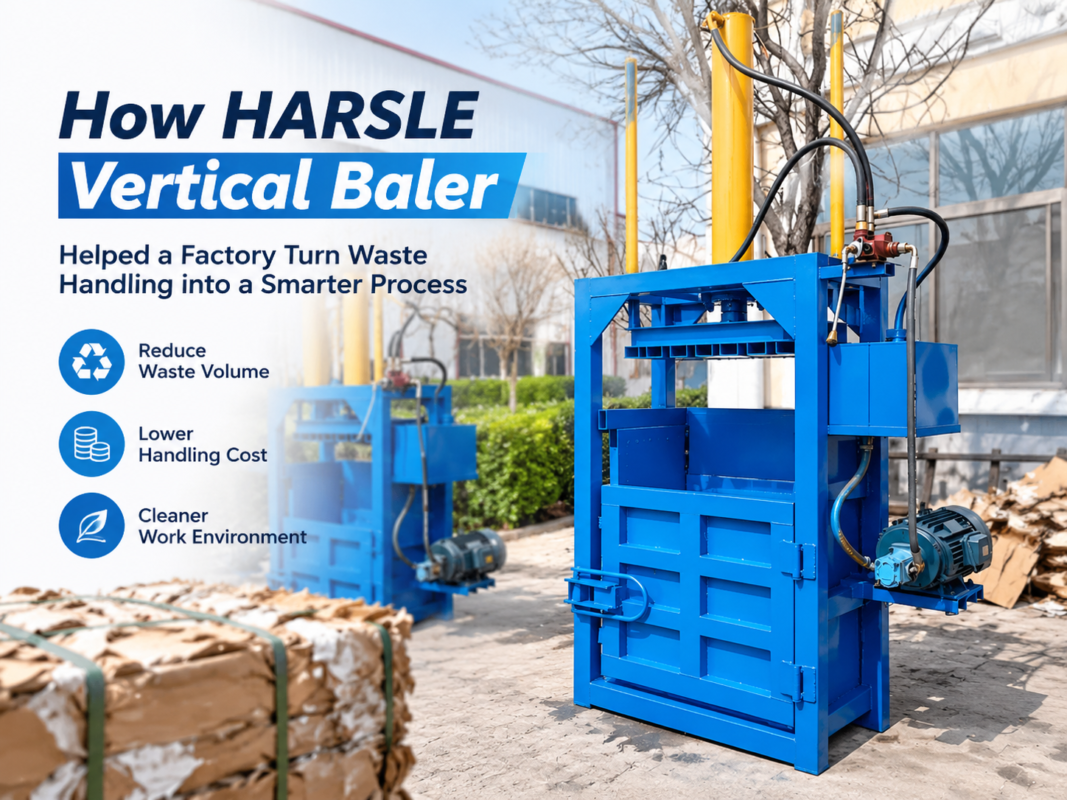
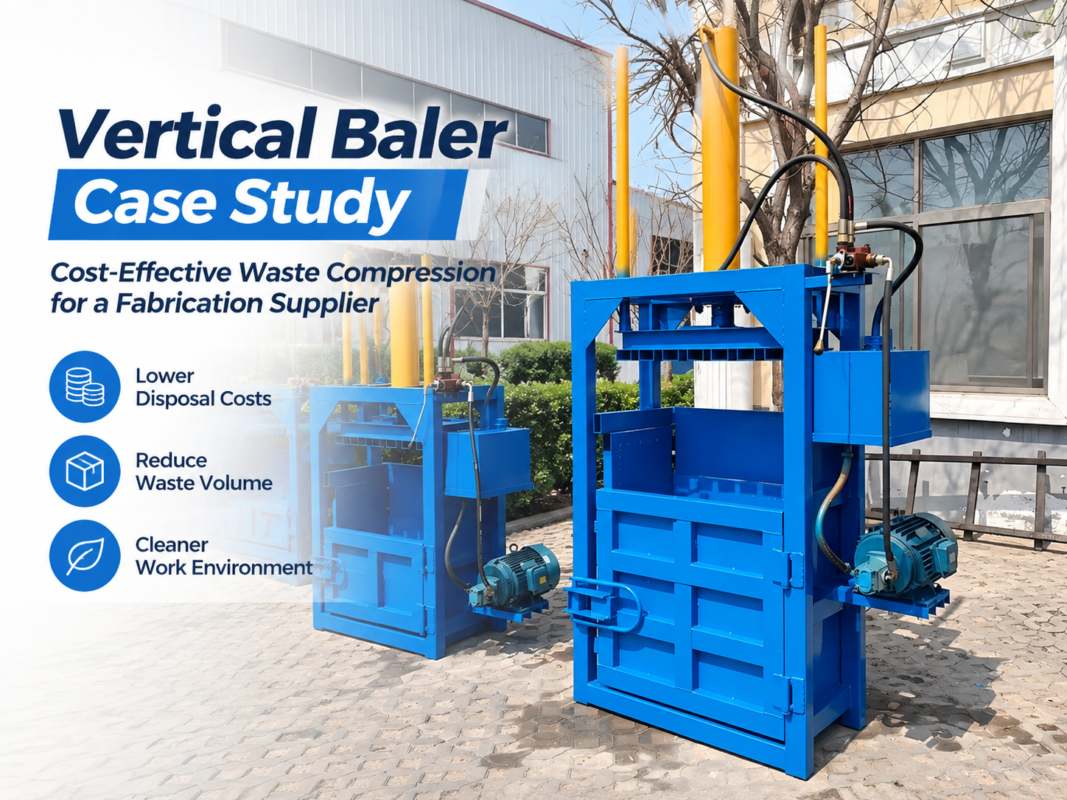
A vertical baler works by using a hydraulic ram to compress loose material into dense, manageable blocks known as bales. Unlike horizontal balers, which are designed for continuous, high-volume automated processing, vertical balers are loaded from the front and operate in cycles. They are favored for their smaller footprint and lower initial capital expenditure. But choosing the wrong machine—one with insufficient press force or an incompatible bale size—can lead to equipment failure, safety hazards, and lost revenue from recycling centers. In this guide, we will break down the financial and technical aspects of selecting the perfect HARSLE vertical baler for your facility.
Price Range Overview: What to Expect
The cost of a vertical baler varies significantly based on its engineering complexity, material handling capacity, and the quality of its hydraulic components. Generally, the market is divided into three primary tiers: entry-level, mid-range, and heavy-duty industrial balers.
- Entry-Level Balers ($2,500 – $6,000): These are typically small-footprint machines designed for retail environments or small warehouses. They usually offer a press force between 5 to 15 tons and produce smaller bales (under 100kg). They are ideal for low-volume cardboard and plastic film.
- Mid-Range Industrial Balers ($7,000 – $15,000): This is the most common category for manufacturing plants. These machines offer 20 to 50 tons of press force and produce standard mill-size bales (approx. 400kg to 500kg). They are robust, featuring better safety interlocks and faster cycle times.
- Heavy-Duty & Specialized Balers ($16,000 – $35,000+): These are high-tonnage machines (60 to 100+ tons) designed for difficult materials like PET bottles, aluminum cans, or heavy textiles. They often feature reinforced chambers, specialized hydraulic cooling systems, and advanced PLC controls for high-frequency operation.
Main Cost Drivers in Vertical Baler Manufacturing
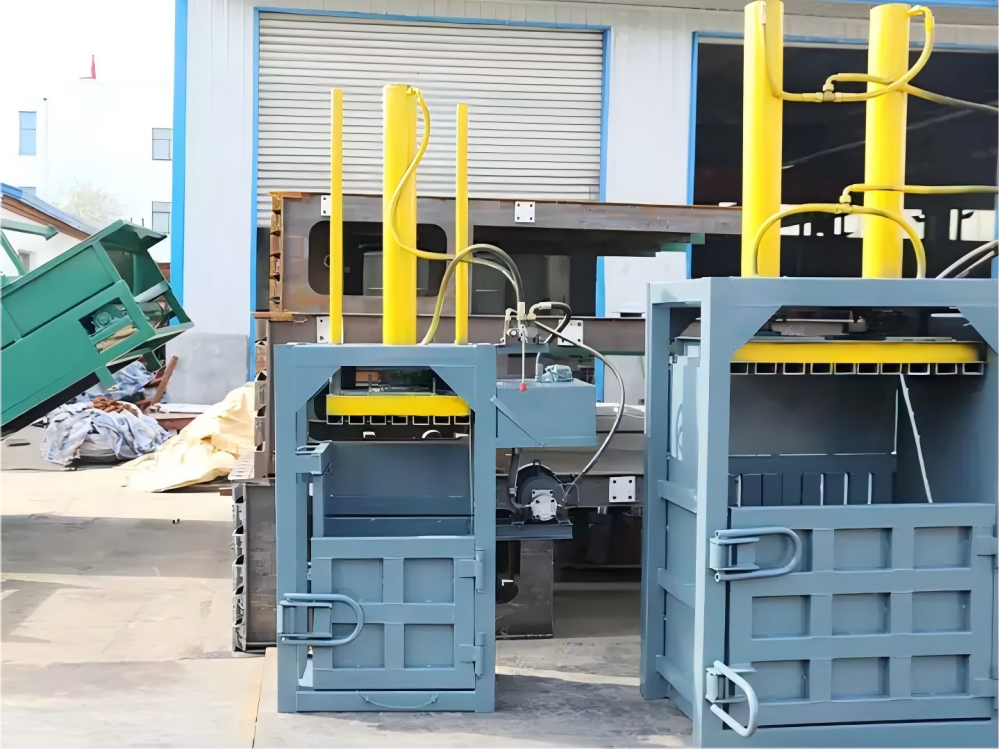
When evaluating the price of a vertical baler, it is essential to look beyond the sticker price and understand what drives the manufacturing costs. The primary driver is the Press Force. Higher tonnage requires larger hydraulic cylinders, more powerful motors, and thicker structural steel to withstand the internal pressure. A 50-ton baler requires significantly more raw material and precision engineering than a 10-ton unit.
The Hydraulic System is another major cost factor. High-quality pumps and valves from reputable brands ensure longevity and consistent pressure. Cheaper machines often use undersized pumps that overheat during continuous use, leading to seal failures. Furthermore, the Control System adds to the cost. Modern HARSLE balers utilize PLC (Programmable Logic Controller) systems that manage safety sensors, cycle times, and bale-full indicators. These electronics improve safety and ease of use but represent a higher initial investment compared to simple manual lever-operated valves.
Finally, Structural Integrity cannot be overlooked. The frame of the baler must resist warping under thousands of pounds of pressure. Machines built with high-grade Q235 or Q345 steel and reinforced with heavy-duty I-beams will naturally cost more but will last decades rather than years. The quality of the welding and the finish (such as powder coating) also play roles in the machine’s durability in harsh industrial environments.
Configuration Impact: Capacity, Bale Size, and Press Force Explained
Understanding the relationship between capacity, bale size, and press force is the core of this Vertical Baler Buying Guide. These three factors determine whether the machine can actually handle your waste stream efficiently.
1. Press Force (Tonnage)
Press force is the amount of pressure the hydraulic ram exerts on the material. If the press force is too low for the material type, the bale will not be dense enough, leading to “memory” where the material expands and breaks the baling wire. For cardboard (OCC), 20-30 tons is usually sufficient. However, for plastic bottles (PET) or tires, you need 50 tons or more to overcome the natural elasticity of the material. High press force ensures maximum density, which is critical for reducing shipping costs.
2. Bale Size and Weight
Bale size is often dictated by the recycling center that will purchase your waste. The “Mill-Size” bale (typically 60″ x 30″ x 48″) is the industry standard. Producing mill-size bales allows you to sell directly to paper mills and large-scale recyclers, fetching a higher price per ton. Smaller balers produce “grocery-size” bales, which are easier to move with a hand jack but often require a middleman for recycling, reducing your profit margin.
3. Throughput Capacity
Capacity refers to how much material the machine can process in an hour. This is influenced by the Cycle Time (the time it takes for the ram to go down and come back up) and the Feed Opening Size. If you have a high volume of large boxes, a small feed opening will require employees to spend time breaking down boxes manually, which increases labor costs. A larger feed opening and a faster cycle time (e.g., 35-45 seconds) allow for much higher throughput.
Hidden Costs of Owning a Vertical Baler
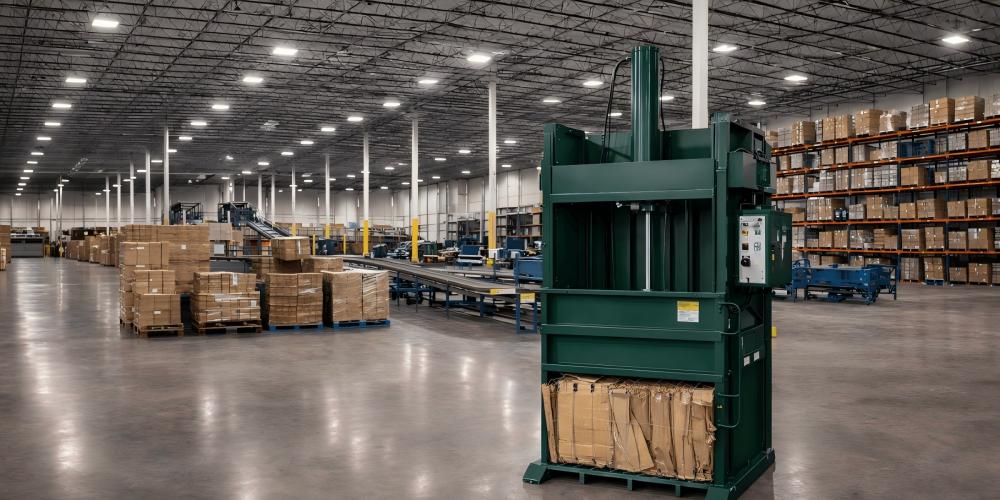
While the purchase price is the most visible expense, several hidden costs should be factored into your budget. Installation and Site Preparation are the first. Most industrial vertical balers require a 3-phase power supply. If your facility only has single-phase power, you may need to invest in a phase converter or an electrical upgrade. Additionally, the floor must be level and capable of supporting the concentrated weight of the machine and the compressed bales.
Consumables represent an ongoing operational cost. Vertical balers require baling wire or high-strength polyester strapping to secure the bales. Depending on your volume, these costs can add up to hundreds of dollars per month. Furthermore, Maintenance and Repairs are inevitable. Hydraulic oil needs to be changed periodically, and seals or hoses may eventually leak. Choosing a machine with standard, non-proprietary parts (like those from HARSLE) can significantly lower long-term maintenance costs because parts are easier to source locally.
Lastly, consider Labor and Training. Operating a baler is relatively simple, but it requires strict adherence to safety protocols to prevent accidents. Regular training sessions for new employees and the time spent loading, tying off, and ejecting bales are all part of the total cost of ownership. An automated bale ejection system can reduce labor time, but it increases the initial machine cost.
ROI Calculation: Is a Vertical Baler Worth It?
To justify the investment in a vertical baler, you must calculate the Return on Investment (ROI). This is typically achieved through three avenues: labor savings, waste disposal cost reduction, and recycling revenue.
| Factor | Before Baler | After Baler | Monthly Savings/Revenue |
|---|---|---|---|
| Waste Collection Frequency | 4 times/week | 1 time/month | $800 – $1,200 |
| Labor (Breaking boxes) | 15 hours/week | 5 hours/week | $600 – $800 |
| Recycling Revenue | $0 (Cost to dump) | $50 – $100 per ton | $200 – $500 |
| Total Monthly Benefit | – | – | $1,600 – $2,500 |
In this hypothetical scenario, a mid-range baler costing $10,000 could pay for itself in as little as 4 to 6 months. By compacting waste, you reduce the number of dumpster hauls significantly. Many waste management companies charge per “tip” or per haul; reducing these trips is the fastest way to see a return. Furthermore, loose cardboard is a fire hazard and takes up valuable floor space. By baling it, you reclaim square footage that can be used for production or storage, which has an indirect but significant financial impact.
Buying Advice: Choosing the Right HARSLE Baler
When you are ready to purchase, follow this checklist to ensure you select the right model. First, Analyze Your Waste Stream. Weigh your waste for a week to determine your average daily volume. If you produce more than 2 tons of cardboard a day, you might need a heavy-duty model or even a horizontal baler. Second, Measure Your Space. Vertical balers require vertical clearance for the hydraulic ram at its highest point. Ensure your ceiling height is sufficient.
Third, Check Your Power Supply. As mentioned, most industrial units require 208-230V or 460V 3-phase power. Fourth, Consider the Operator. If the machine will be used by many different employees, look for models with simple, one-touch controls and robust safety gates. HARSLE machines are known for their user-friendly interfaces and comprehensive safety features, including emergency stop buttons and magnetic interlock switches that prevent the machine from operating if the door is open.
Finally, Evaluate the Manufacturer’s Support. Does the supplier provide a clear manual, a solid warranty, and technical support? Buying from an established manufacturer like HARSLE ensures that you have access to engineering expertise and spare parts long after the initial sale. Don’t be tempted by “no-name” machines that lack certification or local support, as a broken baler can quickly lead to a backlog of waste that disrupts your entire operation.
Frequently Asked Questions (FAQ)
What is the difference between a single-cylinder and a dual-cylinder vertical baler?
A single-cylinder baler uses one large hydraulic ram in the center. It is simpler and often faster. A dual-cylinder baler uses two smaller rams, which allows for a lower overall machine height (ideal for low ceilings) and can provide more even pressure across the top of the bale, which is useful for unevenly loaded material.
Can I bale different materials in the same machine?
Yes, most vertical balers are versatile. You can bale cardboard, then switch to plastic film. However, you must ensure the chamber is completely empty between materials to avoid contaminating the recycling stream. Also, the press force must be high enough for the densest material you plan to process.
How long does a typical vertical baler last?
With proper maintenance—such as regular oil changes, greasing moving parts, and checking bolt tightness—a high-quality industrial vertical baler from a brand like HARSLE can last 15 to 20 years or more. The hydraulic pump and motor are usually the first components to require service after a decade of use.
Do I need a forklift to remove the bales?
For mill-size bales (400kg+), a forklift is absolutely necessary for safe removal and loading onto trucks. For smaller grocery-size bales, a heavy-duty pallet jack may suffice, but a forklift is always the safer and more efficient option in an industrial environment.
What safety certifications should I look for?
In the United States, look for ANSI Z245.5 compliance. In Europe and other international markets, ensure the machine is CE certified. These certifications guarantee that the machine meets specific safety standards regarding structural integrity, electrical safety, and operator protection.