Scrap Metal Baler Applications in Demolition Projects for On-Site Metal Waste Compaction

Introduction to On-Site Metal Waste Compaction in Demolition
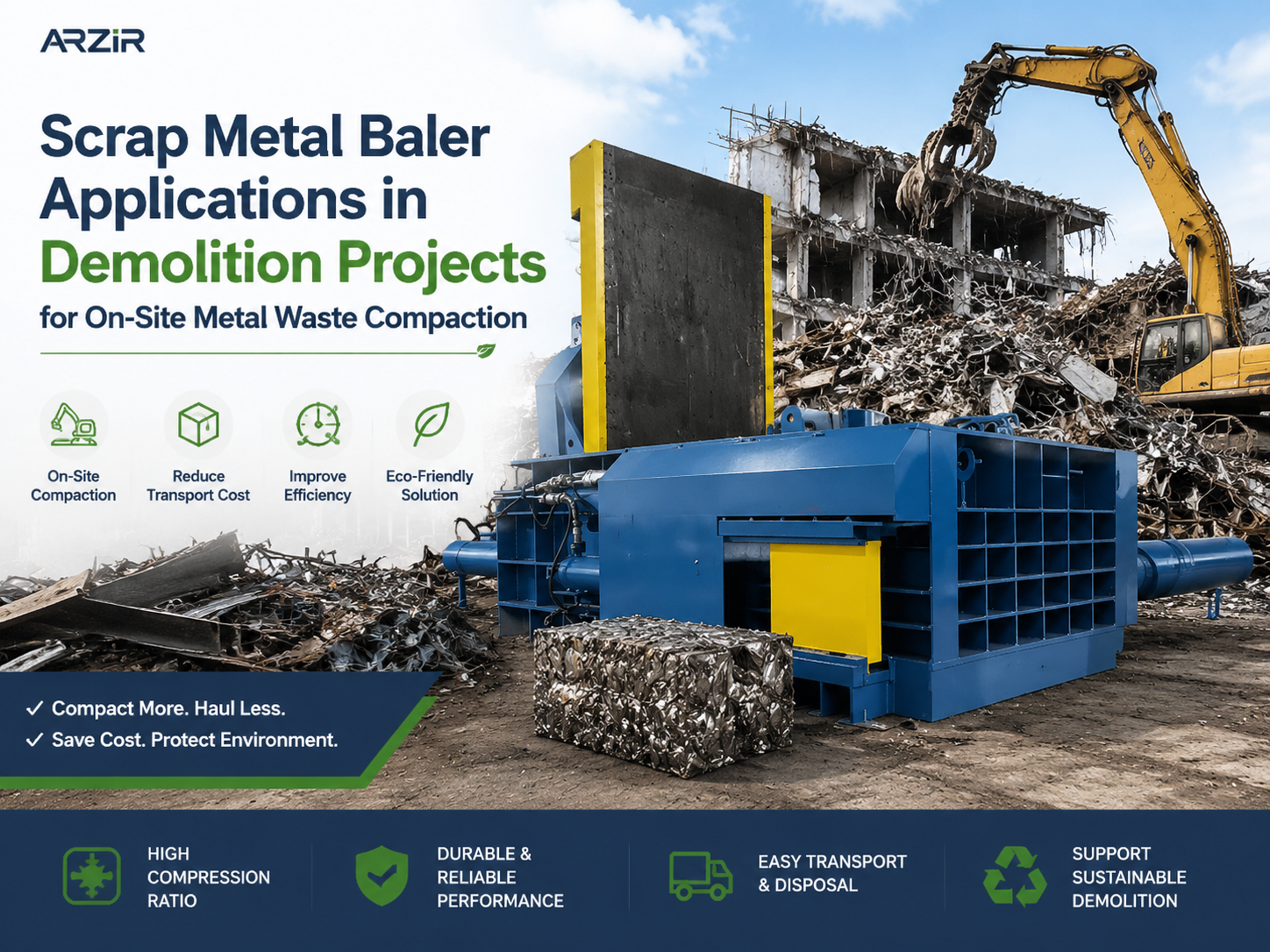
In the modern construction and demolition (C&D) industry, the management of scrap metal has evolved from a secondary concern into a primary driver of project profitability and environmental compliance. Demolition sites generate vast quantities of ferrous and non-ferrous metals, ranging from structural steel beams and rebar to copper wiring and aluminum siding. Traditionally, this material was hauled away in its loose, bulky form, leading to inefficient logistics and high transportation costs. However, the integration of Scrap Metal Baler Applications In Demolition Projects On-Site Metal Waste Compaction has revolutionized the workflow, allowing contractors to process waste at the source.
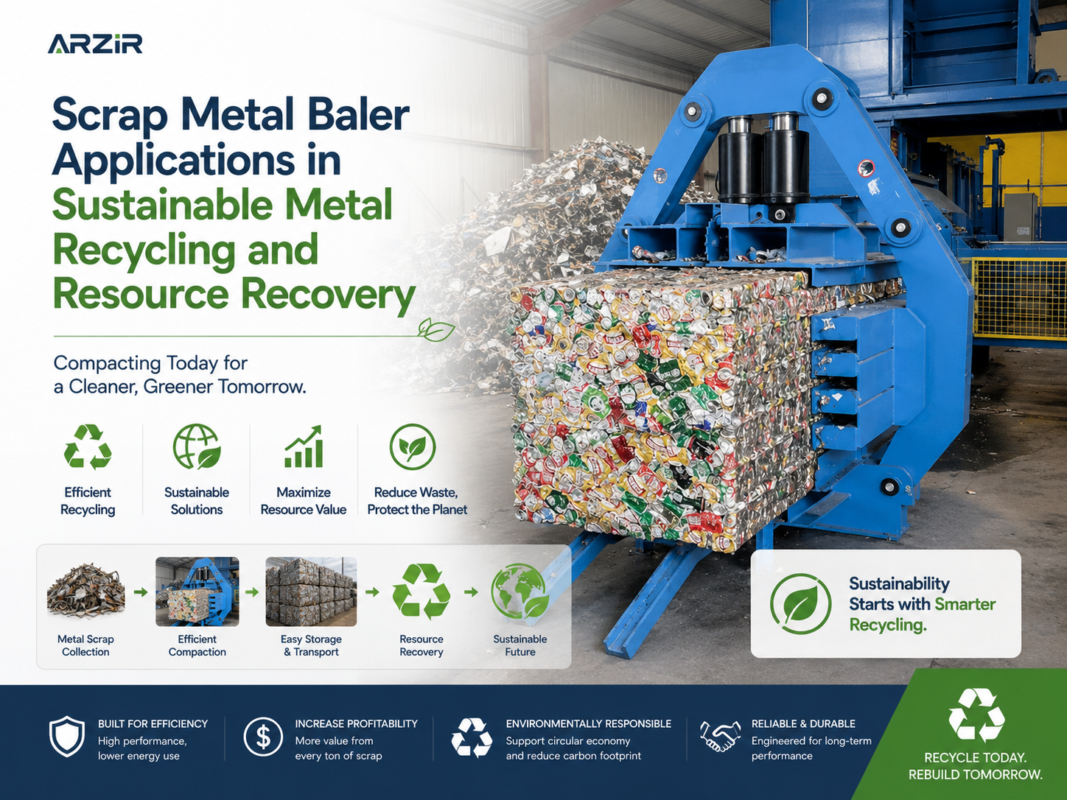
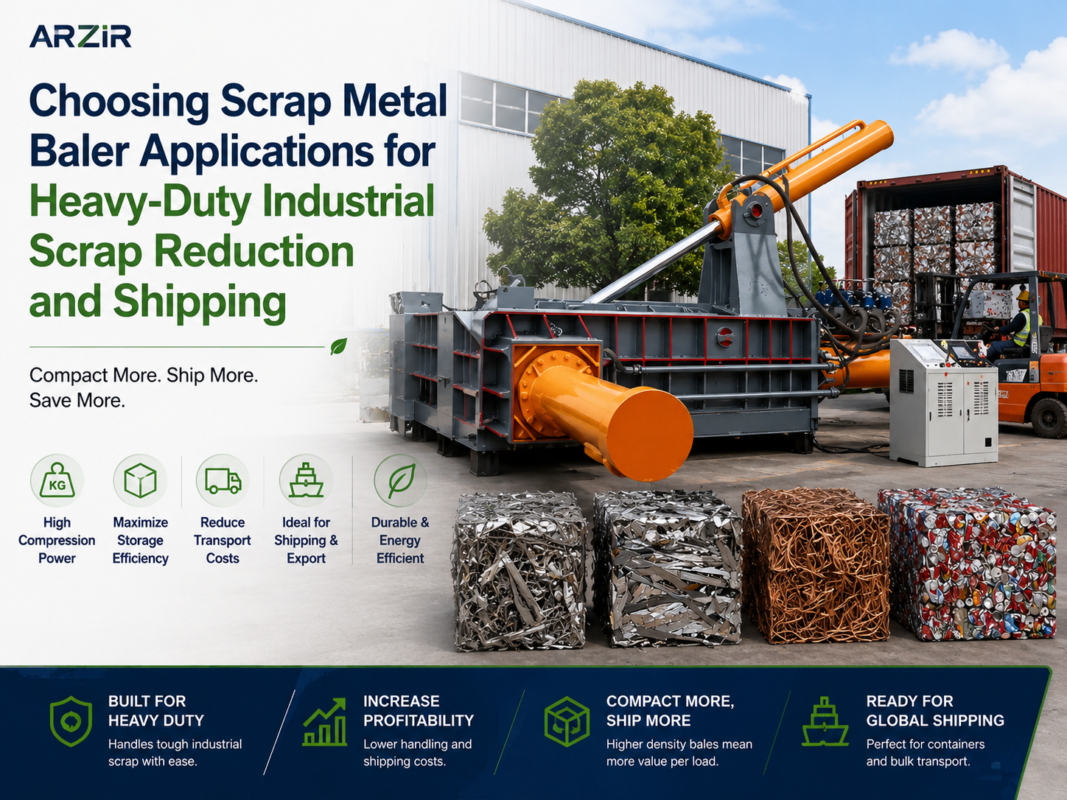
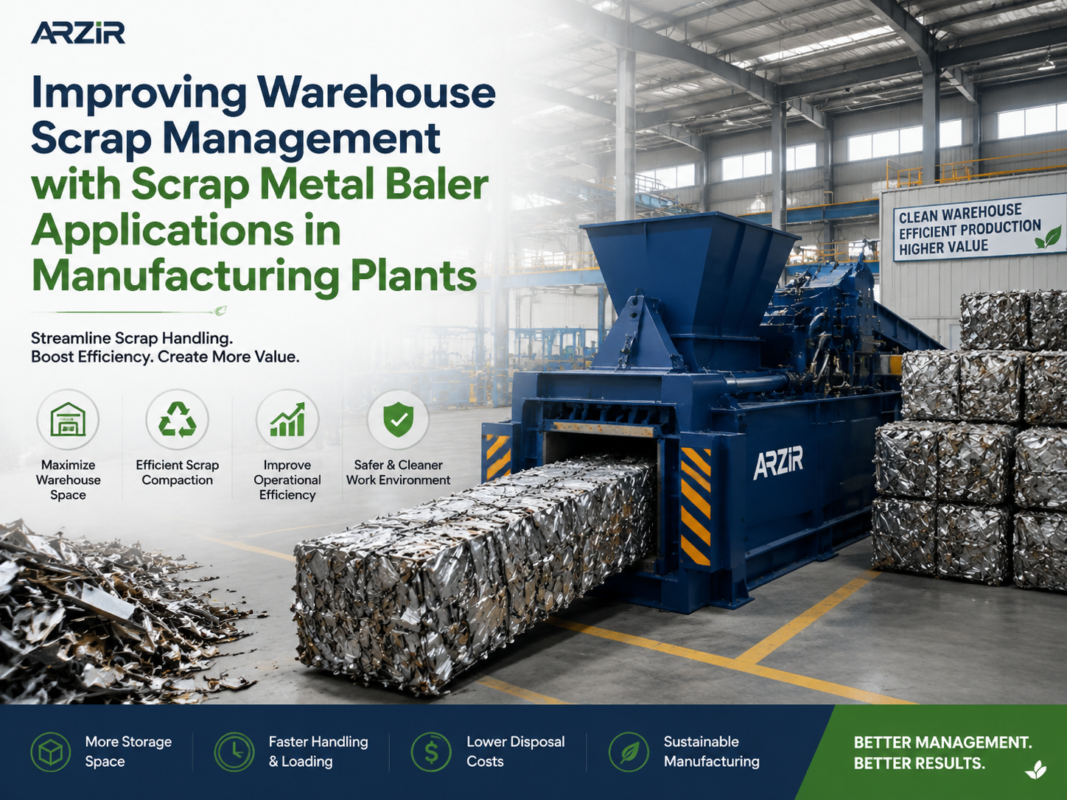
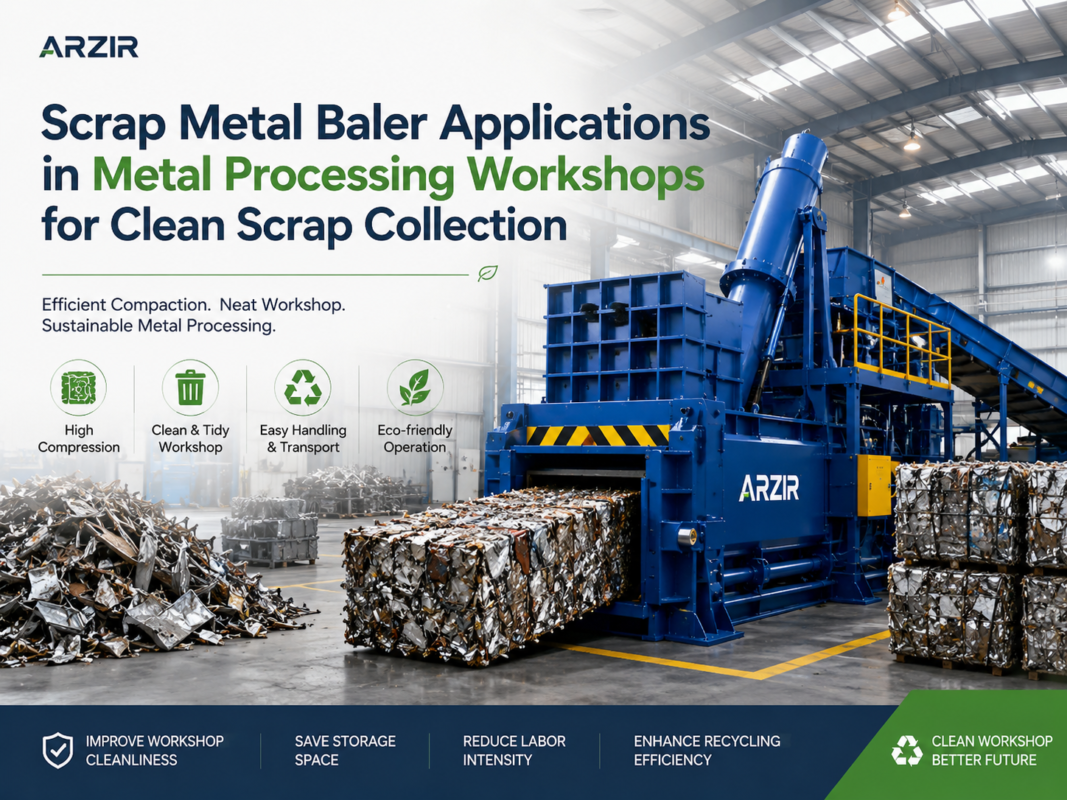
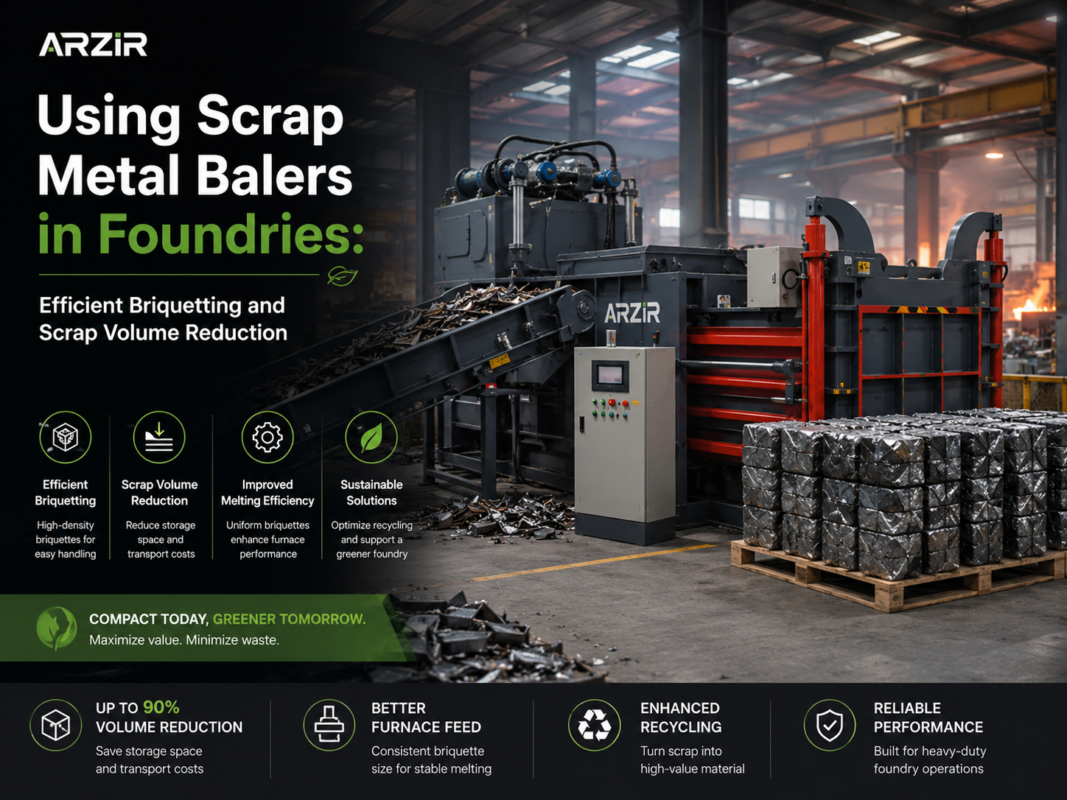
On-site compaction involves using heavy-duty hydraulic balers to compress loose scrap into dense, manageable blocks or ‘bales.’ This process significantly reduces the volume of the waste, often by a ratio of 5:1 or higher, depending on the material type. By implementing these scrap metal baler applications, demolition firms can maximize the payload of every truck leaving the site, minimize the number of trips required, and secure better pricing from scrap yards and smelters who prefer pre-processed, high-density material. This article explores the technical nuances, strategic advantages, and operational workflows of using HARSLE scrap metal balers in the demanding environment of a demolition site.
Application Scenarios for Scrap Metal Balers in Demolition
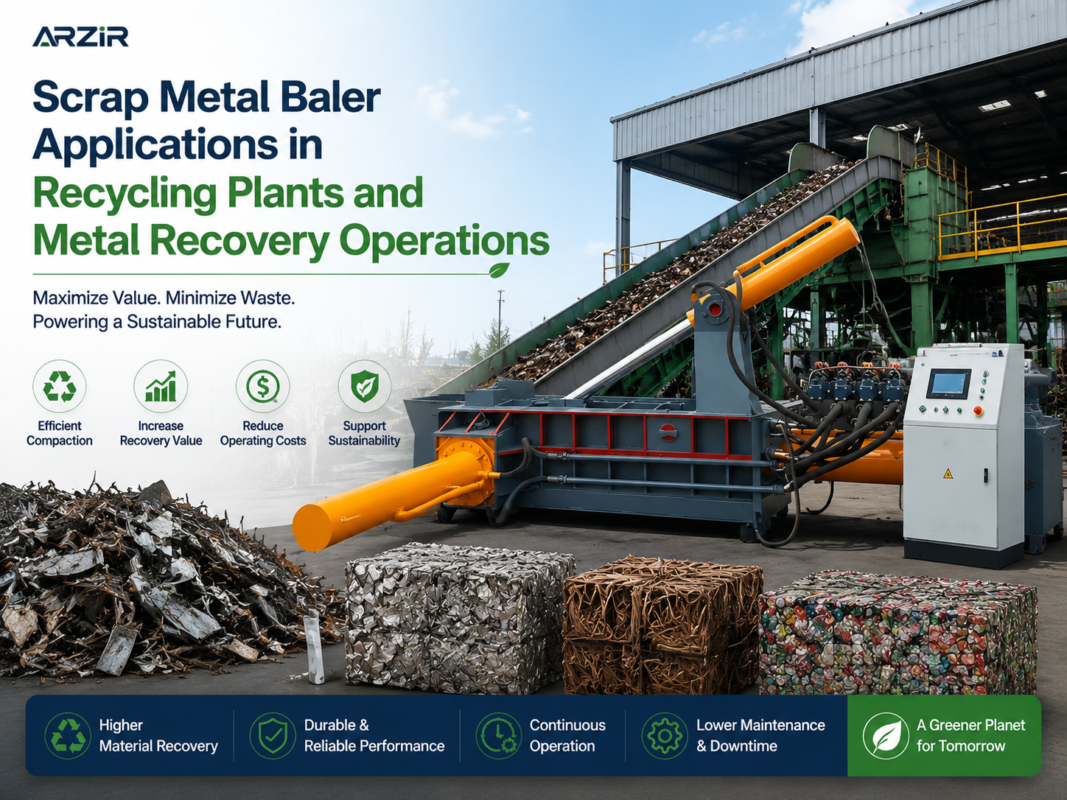
The application of scrap metal balers is not limited to a single type of project; rather, it spans across various demolition environments, each with unique challenges. One of the most common scenarios is Industrial Decommissioning. When old factories or power plants are dismantled, the volume of structural steel, piping, and machinery is staggering. On-site baling allows for the immediate processing of these materials, preventing the site from becoming cluttered and hazardous. By compacting heavy-duty steel on-site, contractors can maintain a cleaner workspace and improve the overall safety of the demolition crew.
Another critical scenario is Urban Demolition. In densely populated city centers, space is at a premium, and traffic regulations often limit the number of heavy vehicle movements allowed per day. Using a scrap metal baler for on-site metal waste compaction allows contractors to store more processed material in a smaller footprint. Instead of having ten trucks filled with loose, ‘light’ scrap, the same amount of metal can be transported in just two or three trucks filled with dense bales. This efficiency is vital for meeting tight project deadlines and adhering to municipal noise and traffic ordinances.
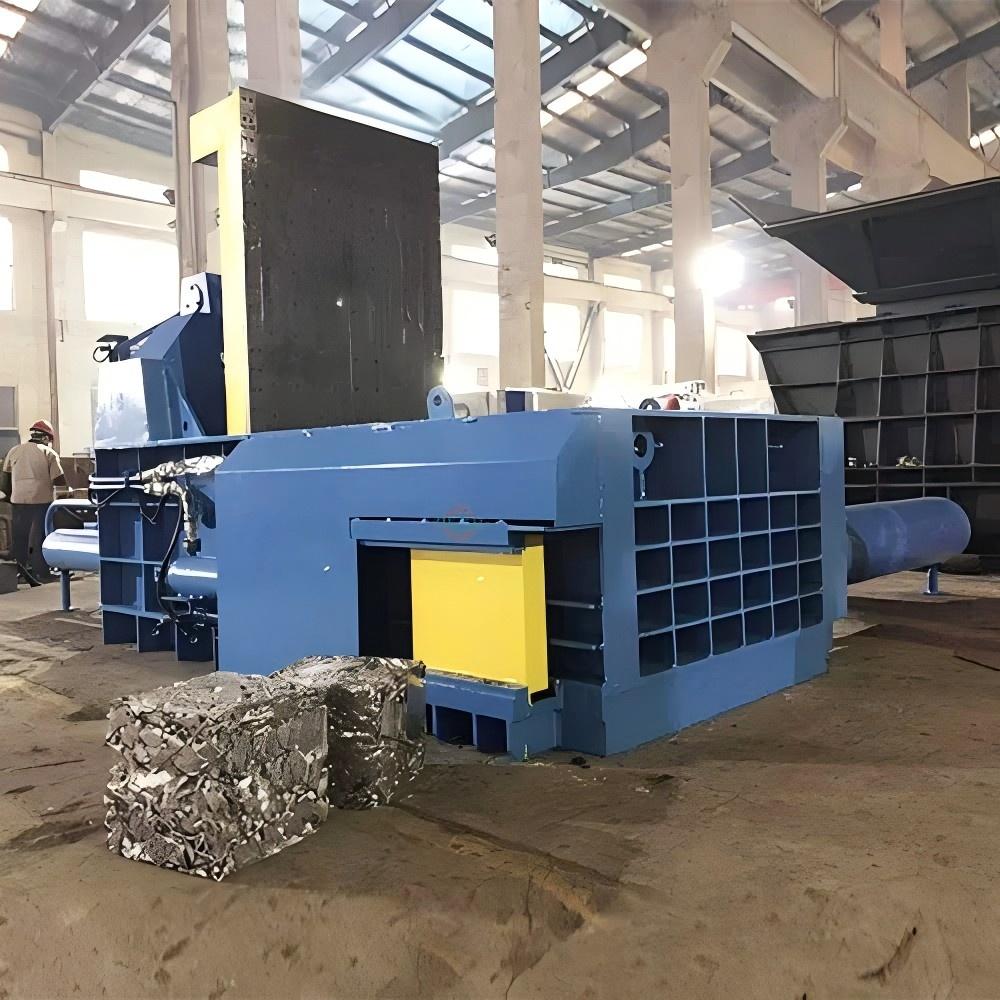
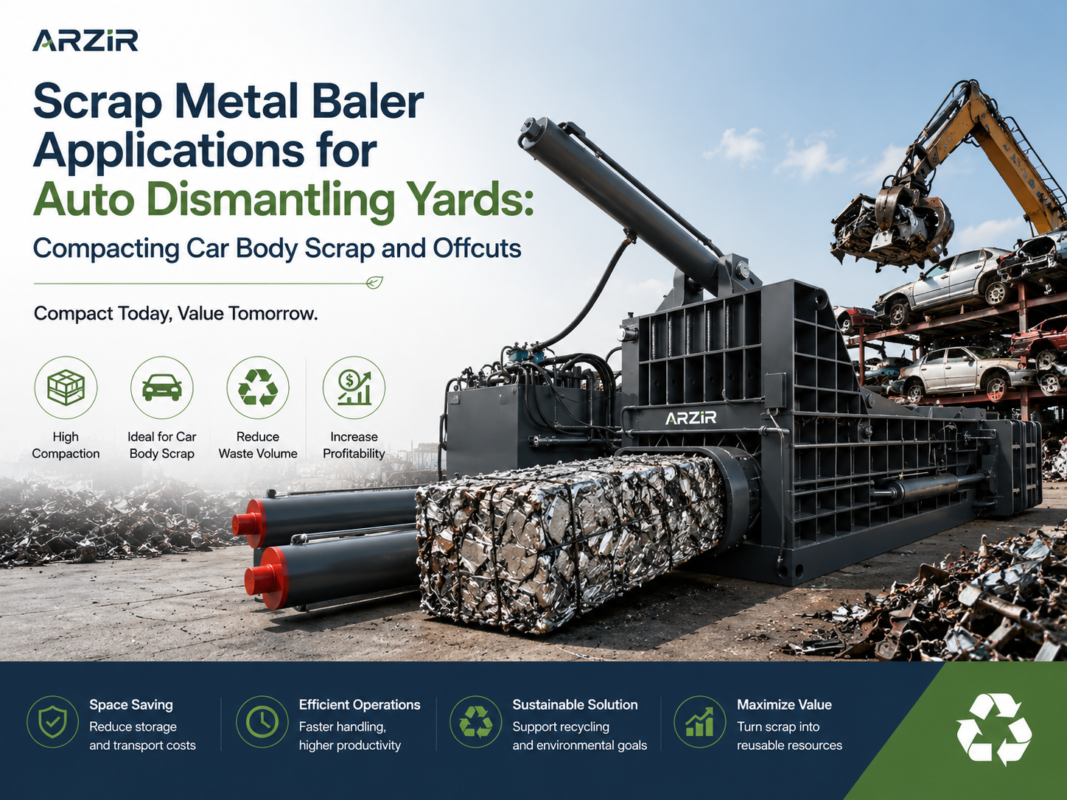
Furthermore, Infrastructure Projects, such as the demolition of bridges or railway stations, benefit immensely from mobile baling solutions. These projects often occur in remote or restricted areas where the cost of hauling loose rebar and girders to a distant recycling center is prohibitive. A portable or skid-mounted HARSLE baler can be positioned directly at the work face, turning structural debris into a commodity immediately upon removal. This ‘process-as-you-go’ approach ensures that the site remains organized and that the recovery value of the metal is maximized from the outset.
Material and Process Requirements for Effective Baling
To achieve successful on-site metal waste compaction, it is essential to understand the materials being processed. Demolition scrap is rarely uniform. It includes HMS 1 and 2 (Heavy Melting Steel), which consists of structural steel and plates, as well as lighter materials like tin, galvanized sheets, and aluminum extrusions. Each material requires a specific level of hydraulic force to reach the desired bale density. For instance, structural rebar requires significantly more compression force than thin-walled HVAC ducting. HARSLE balers are designed with adjustable pressure settings to accommodate this variety.
The process requirements also dictate the need for pre-sorting and pre-shearing. While a high-capacity baler can handle large pieces, extremely long beams or thick sections of plate may need to be cut down using hydraulic shears or torches before entering the baling chamber. This ensures that the material fits within the chamber dimensions and that the bale produced is uniform. Uniformity is key for transport stability; bales that are unevenly compacted can shift during transit, posing a safety risk. Therefore, the baling process must be integrated into the broader demolition sequence, with dedicated personnel or machinery (like excavators with grapples) feeding the baler consistently.
Technical Specifications for Demolition-Grade Balers
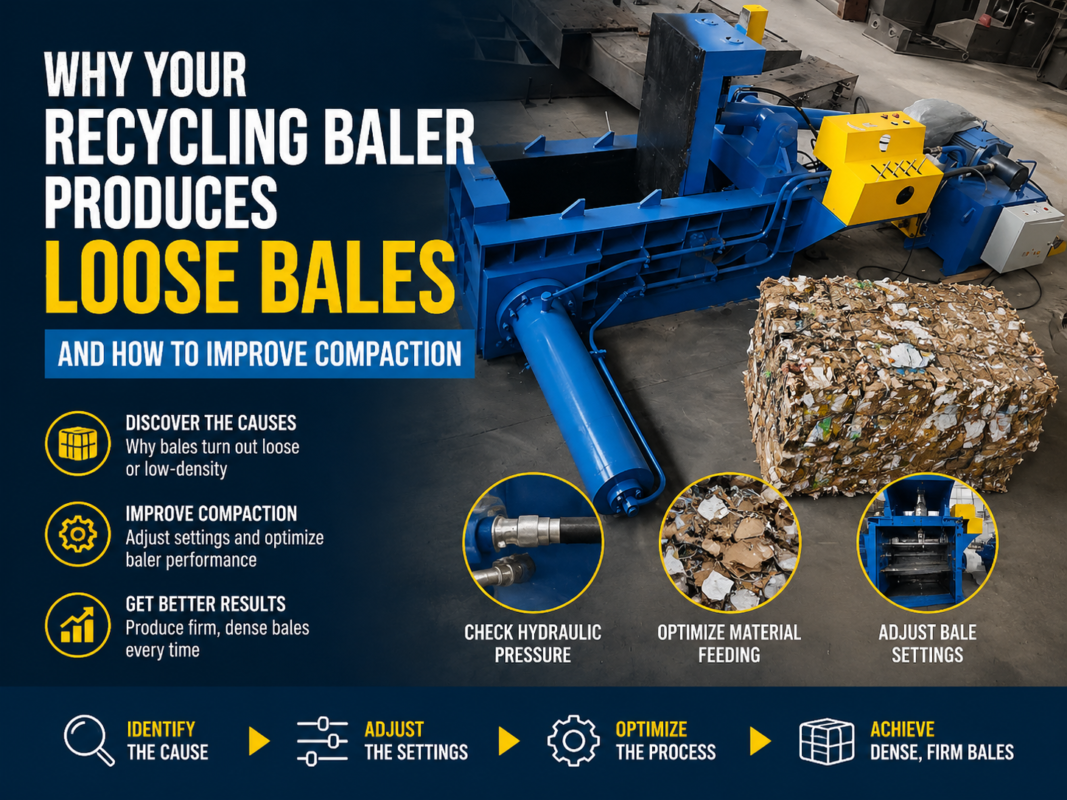
When selecting a machine for demolition projects, certain technical specifications are non-negotiable. The Chamber Size must be large enough to accept common demolition debris without excessive pre-cutting. A chamber length of 2000mm to 5000mm is typical for industrial-scale projects. Additionally, the Nominal Pressure (often ranging from 1250kN to 4000kN or more) determines the density of the final bale. For demolition sites, a ‘triple compression’ baler is often preferred, as it applies force from three directions to create the densest possible bale, which is ideal for heavy structural scrap.
Recommended Machine Configuration for Demolition Sites
For the rigorous demands of a demolition site, HARSLE recommends a specific configuration of scrap metal balers. The most effective units are those equipped with Side-Push or Turn-Out Ejection Systems. In a demolition environment, speed is essential. A turn-out baler allows the finished bale to be flipped out of the chamber quickly, clearing the way for the next load. This minimizes cycle times and keeps pace with the high-volume output of demolition excavators. Furthermore, the inclusion of Hardox Wear Plates inside the compression chamber is critical. Demolition scrap is abrasive and often contains dirt or concrete residue; high-strength liners protect the machine’s structure and extend its service life.
Another recommended feature is Remote Control Operation. Demolition sites are high-risk areas. Allowing the excavator operator to control the baler from the safety of their cab via a wireless remote increases efficiency and reduces the need for ground personnel near the heavy machinery. Additionally, for sites without a stable power grid, Diesel Engine Power Units are a must. These self-contained power sources allow the baler to operate independently of local infrastructure, making it truly mobile and versatile across different sections of a large demolition site.
Hydraulic System and Cooling
The hydraulic system is the heart of the baler. For demolition applications, HARSLE utilizes high-displacement pumps and heavy-duty valves to ensure rapid cycle times. Because these machines often run for 10-12 hours a day in dusty, outdoor environments, an Integrated Oil Cooling System (either air-cooled or water-cooled) is essential. This prevents the hydraulic fluid from overheating, which can lead to seal failure and decreased performance. A robust filtration system is also necessary to prevent contaminants from the demolition site from entering the hydraulic circuit, ensuring long-term reliability.
Workflow: Integrating the Baler into the Demolition Sequence
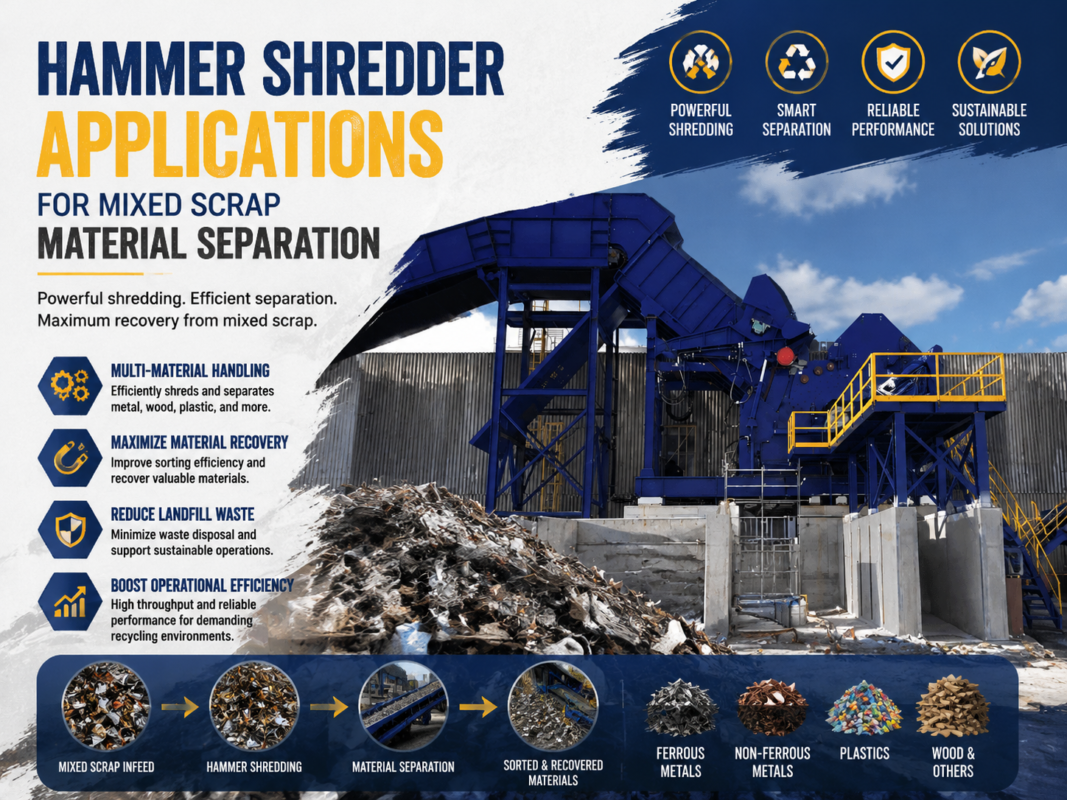
The successful implementation of scrap metal baler applications in demolition projects depends on a well-defined workflow. The process typically begins with Primary Demolition, where structures are brought down. Following this, Material Segregation occurs. Excavators equipped with magnets or grapples separate ferrous metals from concrete, wood, and other debris. This is a crucial step; the cleaner the metal feed, the higher the value of the resulting bale and the lower the wear on the baler.
Once segregated, the metal is moved to the Baling Station. Here, the HARSLE baler is positioned strategically to minimize the travel distance for the loading excavators. The workflow follows these steps:
- Loading: The excavator drops the scrap into the open hopper or chamber.
- Pre-Compression: The lid or side ram moves to enclose the material and provide initial compaction.
- Final Compression: The main ram applies maximum force to reach the target density.
- Ejection: The bale is ejected (turned out or pushed out) and moved to a staging area.
- Loading for Transport: Bales are stacked and loaded onto flatbed trailers or into containers.
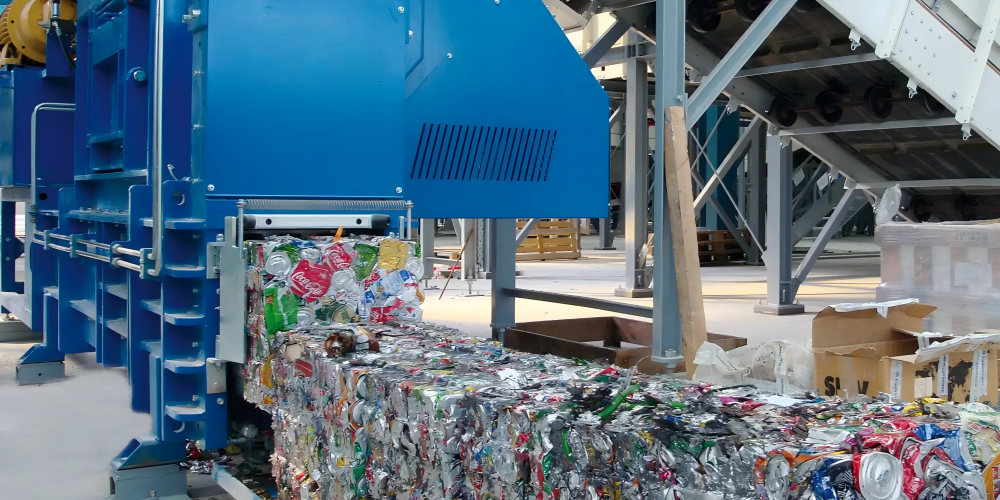
This streamlined workflow ensures that metal waste never accumulates to the point of obstructing site operations. By turning a chaotic pile of twisted metal into neat, stackable bales, the demolition contractor maintains control over the site’s logistics and safety profile.
Productivity and Economic Benefits
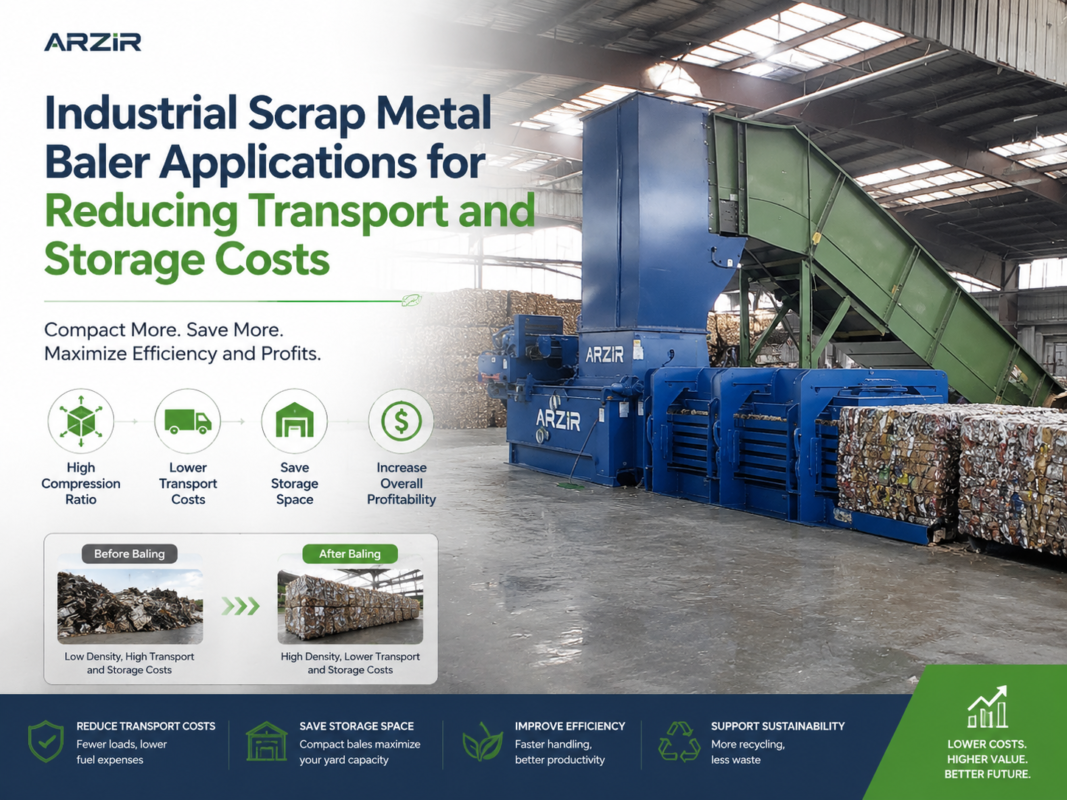
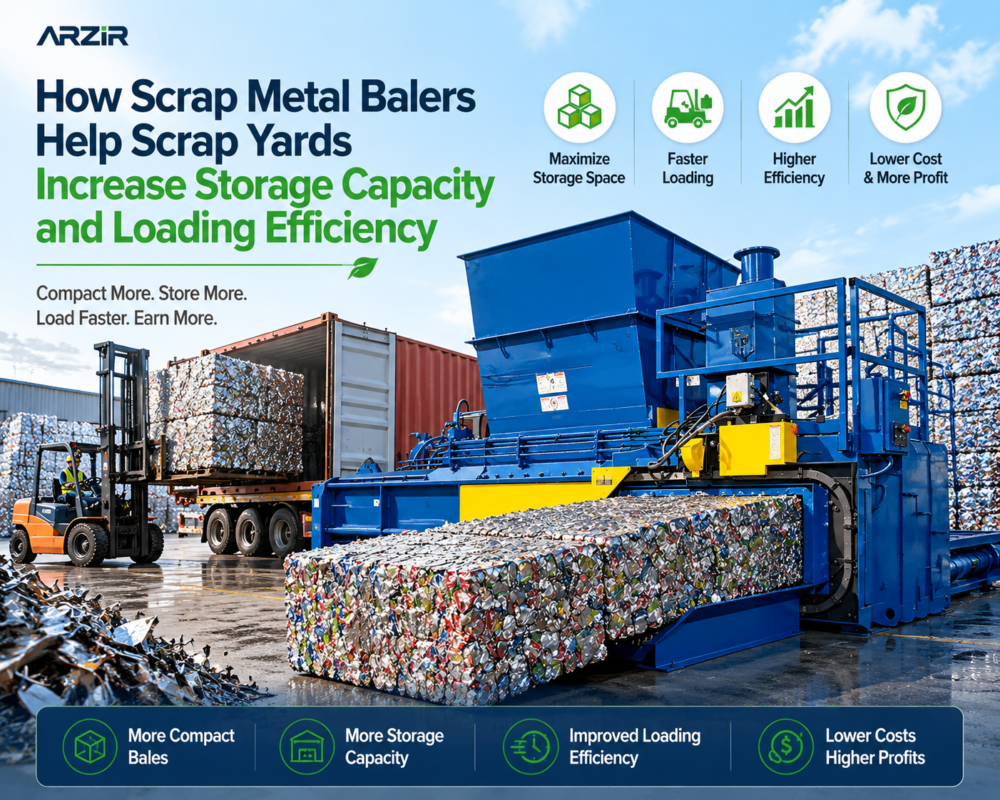
The primary driver for adopting on-site metal waste compaction is the significant Reduction in Logistics Costs. Transporting loose scrap is essentially ‘transporting air.’ A standard roll-off container might only hold 5-8 tons of loose structural steel, whereas the same container can hold 20-25 tons of baled material. This 300% increase in transport efficiency directly translates to lower fuel costs, fewer driver hours, and a smaller carbon footprint for the project. In many cases, the savings in transportation alone can pay for the lease or purchase of the baler within a single large-scale project.
Beyond logistics, there is the Value-Added Revenue. Scrap yards operate on margins; if they receive loose scrap, they must spend time and energy processing it themselves. By delivering high-density bales, the demolition contractor provides a ‘furnace-ready’ product to the recycler. This often commands a premium price per ton. Additionally, on-site baling allows for better inventory control. It is much easier to count and weigh 100 uniform bales than it is to estimate the tonnage of a massive, irregular pile of loose scrap. This transparency ensures that the contractor receives fair market value for every pound of metal recovered.
Environmental and Safety Impact
From an environmental perspective, on-site compaction supports Circular Economy Goals. It ensures that a higher percentage of metal is recovered and recycled rather than lost in mixed waste streams. For projects seeking LEED certification or other green building credentials, the ability to document precise weights of recycled metal is a major advantage. Safety-wise, baling eliminates the ‘spring-back’ hazard of loose rebar and the sharp edges of twisted sheet metal. Once baled, the metal is stable and much safer to handle for both site workers and transport drivers.
Case Example: Industrial Plant Demolition
Consider a recent project involving the demolition of a 100,000-square-foot automotive assembly plant. The site contained thousands of tons of steel framing, conveyor systems, and aluminum ductwork. Initially, the contractor used standard scrap bins, requiring 15 truck pickups per day. The site was constantly congested, and the cost of hauling was eroding the project’s profit margin.
The contractor then deployed a HARSLE Y81 Series Hydraulic Scrap Metal Baler. By setting up a centralized processing zone, they were able to bale all structural steel and aluminum on-site. The results were immediate: truck movements dropped from 15 per day to just 4. The site became significantly safer as the ‘scrap forest’ was replaced by neat stacks of bales. Furthermore, the contractor negotiated a 15% higher price per ton from the local steel mill because the bales met the mill’s density requirements for direct melting. By the end of the six-month project, the contractor reported a 25% increase in net recovery value from the scrap metal, proving the efficacy of scrap metal baler applications in demolition projects.
Frequently Asked Questions (FAQ)
1. What is the average cycle time for a HARSLE scrap metal baler?
The cycle time varies depending on the model and the material being processed, but typically ranges from 60 to 120 seconds. This includes the time for loading, compression, and ejection. High-speed valves and dual-pump systems in HARSLE machines are designed to minimize idle time and maximize throughput.
2. Can these balers handle heavy structural I-beams?
Yes, but with caveats. While the baler can compress structural steel, very thick or long I-beams should be pre-cut to lengths that fit comfortably within the chamber. This prevents excessive stress on the machine’s lid and ensures a more uniform bale density. For heavy-duty applications, we recommend our 400-ton or 630-ton series balers.
3. Is on-site baling cost-effective for smaller demolition projects?
For very small projects (e.g., a single-story residential home), the mobilization cost of a large baler might not be justified. However, for any project generating more than 100 tons of metal, the savings in transport and the increase in scrap value typically outweigh the operational costs of the machine. Portable, smaller-capacity balers are also available for mid-sized projects.
4. What maintenance is required for a baler operating on a demolition site?
Demolition sites are dusty and harsh. Daily maintenance should include checking hydraulic oil levels, inspecting hoses for leaks, and greasing all pivot points. Weekly, the wear plates inside the chamber should be inspected for excessive thinning, and the hydraulic filters should be checked. Keeping the area around the baler clear of debris is also vital to prevent mechanical interference.
5. Do I need a special permit to operate a baler on-site?
Generally, no special ‘baling permit’ is required, but the machine must comply with local noise and safety regulations. Since it is a piece of heavy industrial equipment, operators should be properly trained, and the site’s safety plan should include the baling zone as a high-activity area. Always check local environmental regulations regarding hydraulic fluid containment.
Conclusion: Optimizing Your Demolition Strategy with HARSLE
The integration of Scrap Metal Baler Applications In Demolition Projects On-Site Metal Waste Compaction is no longer a luxury—it is a strategic necessity for competitive demolition firms. By converting bulky, low-value waste into high-density, high-value commodities right at the source, contractors can drastically reduce overhead, improve site safety, and contribute to a more sustainable construction industry. HARSLE’s range of hydraulic scrap metal balers offers the durability, power, and efficiency required to thrive in the toughest demolition environments.
Whether you are tackling a massive industrial decommissioning project or a complex urban demolition, HARSLE has the machinery and the expertise to help you optimize your metal recovery process. Our machines are built to last, designed for ease of use, and backed by a commitment to technical excellence. Contact us today to discuss your specific project requirements and find the perfect baling solution for your next demolition challenge.