Using Scrap Metal Balers in Foundries: Efficient Briquetting and Scrap Volume Reduction

Introduction to Scrap Metal Management in Modern Foundries
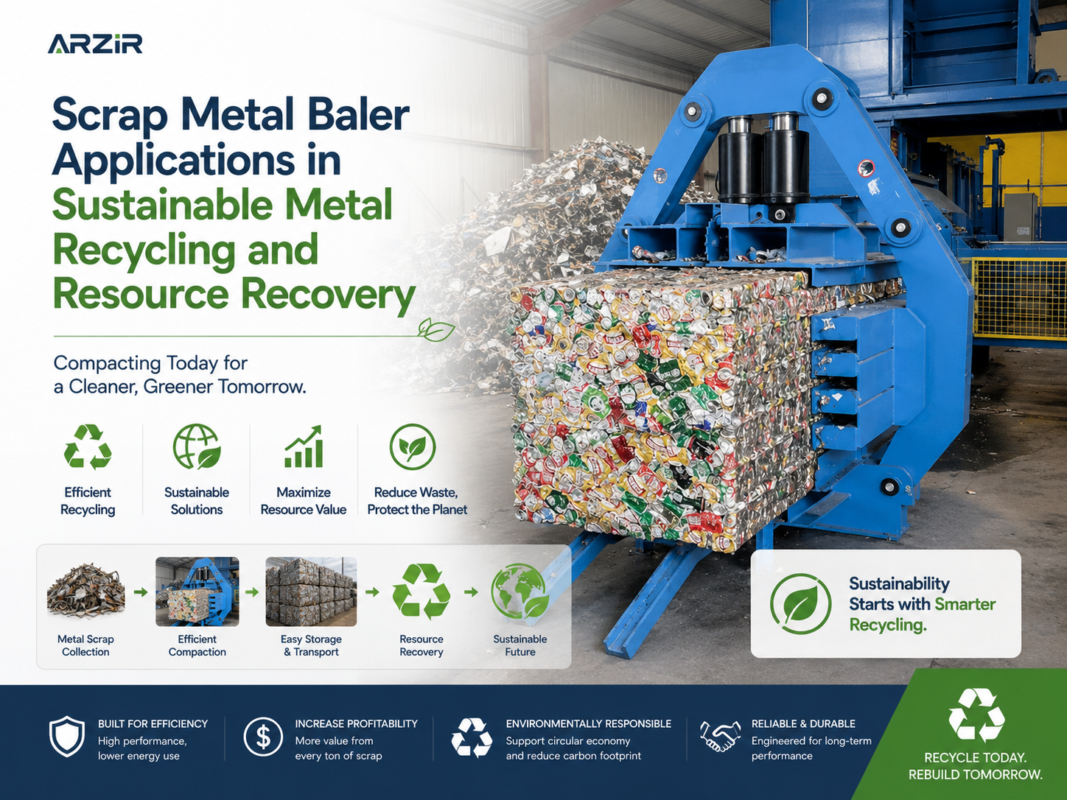
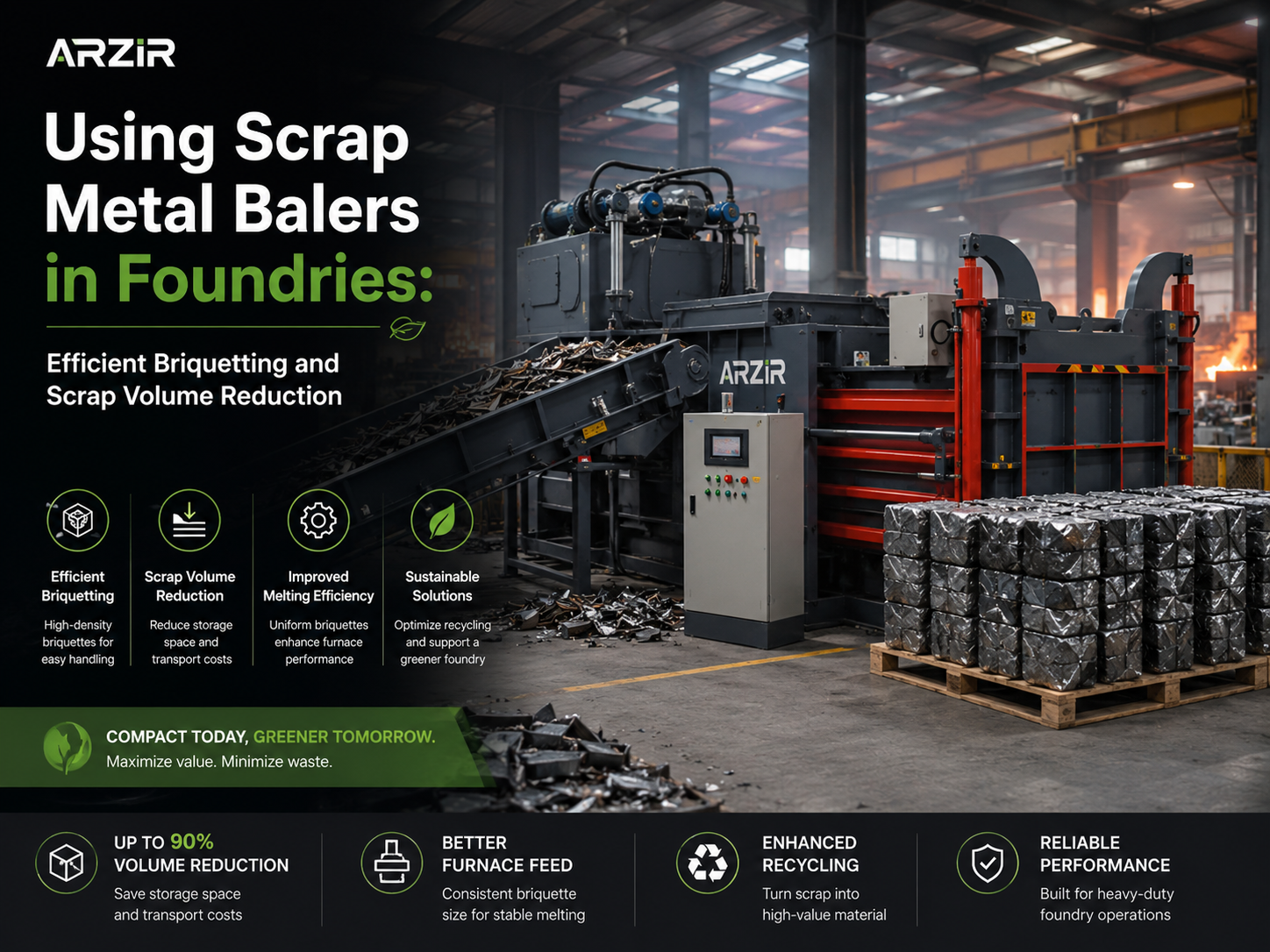
In the high-stakes environment of modern metal casting and smelting, the management of raw materials is as critical as the casting process itself. Foundries generate significant amounts of scrap metal, ranging from internal rejects and gates to external industrial turnings and chips. Managing this waste efficiently is no longer just a matter of housekeeping; it is a core economic driver. The practice of Using Scrap Metal Balers In Foundries: Efficient Briquetting Scrap Volume Reduction has emerged as a transformative solution for facilities looking to optimize their supply chain and furnace efficiency.
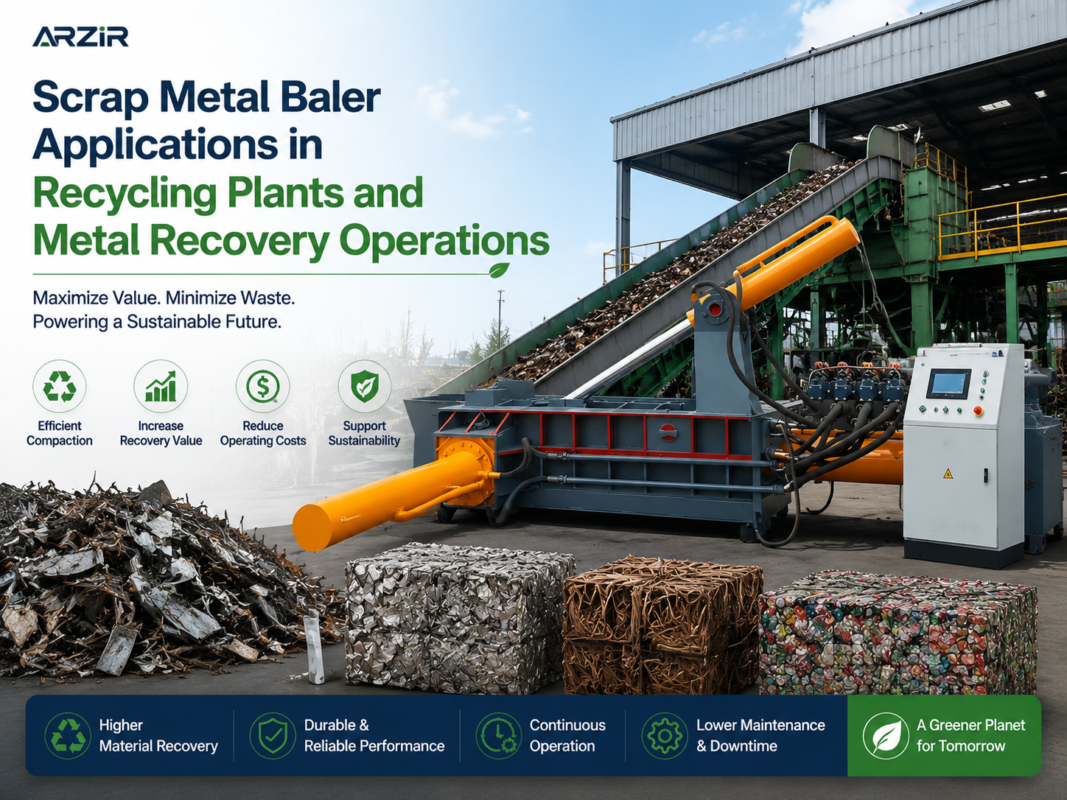
Traditional methods of handling loose scrap are fraught with inefficiencies. Loose metal shavings, chips, and offcuts occupy massive amounts of floor space, create safety hazards, and are notoriously difficult to transport. More importantly, when loose scrap is fed directly into a furnace, the high surface-area-to-volume ratio leads to significant oxidation and ‘burn-off,’ resulting in lower metal yields. By utilizing high-pressure hydraulic balers and briquetting presses, foundries can convert these loose materials into dense, manageable blocks that behave more like solid ingots during the melting process.
HARSLE, a leader in metal fabrication machinery, provides advanced hydraulic solutions designed specifically for the rigorous demands of the foundry industry. This article explores the technical nuances, operational workflows, and economic benefits of integrating scrap metal balers into the foundry ecosystem, ensuring that every ton of scrap is utilized to its maximum potential.
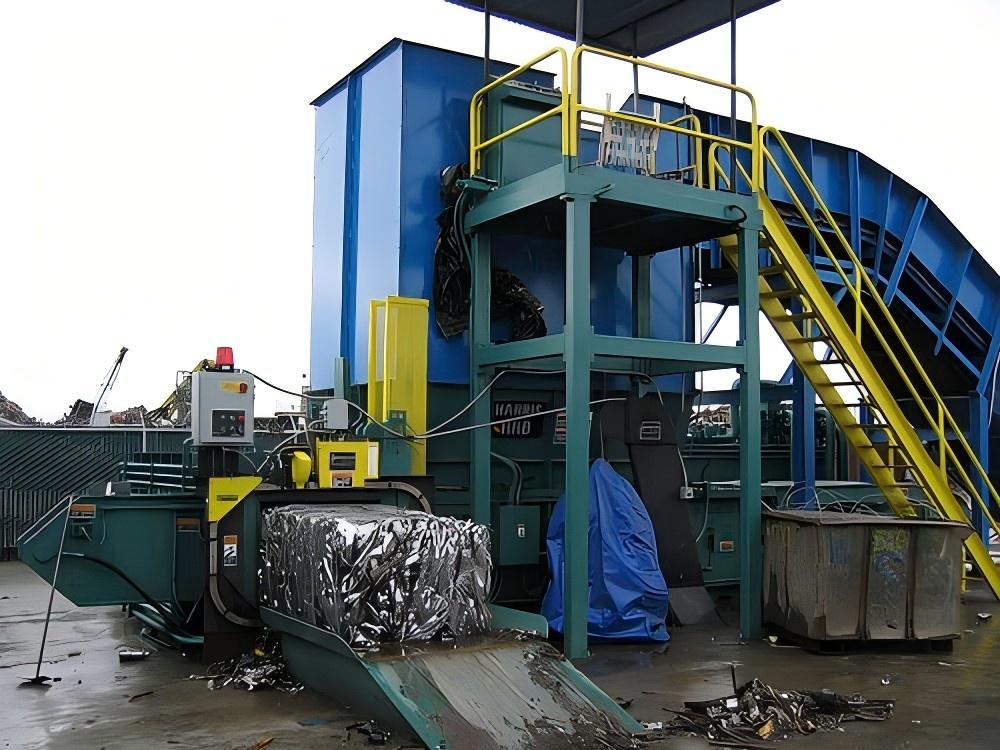
Application Scenario: The Challenges of Loose Scrap
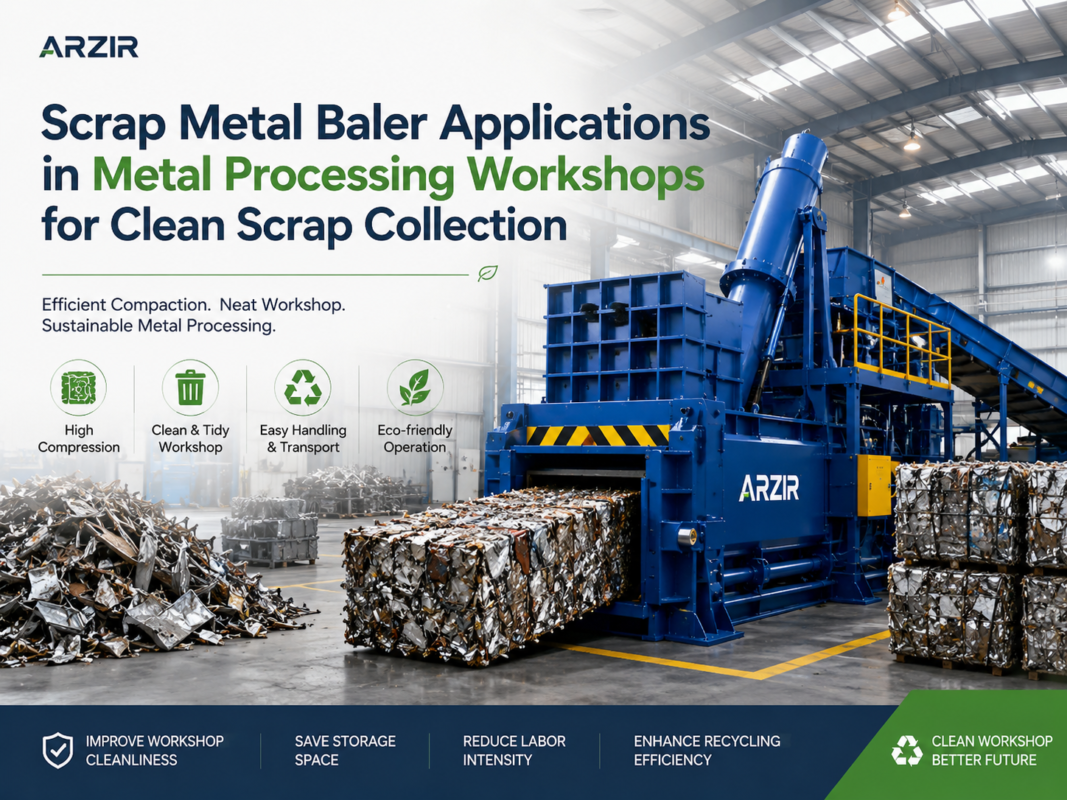
Foundries typically deal with two types of scrap: internal and external. Internal scrap includes ‘home scrap’ such as risers, runners, and defective castings. External scrap often consists of machine shop turnings, borings, and clippings purchased from third-party suppliers. The primary challenge with these materials is their low bulk density. For instance, loose aluminum turnings can have a density as low as 100-200 kg/m³, whereas a compressed briquette can exceed 1800 kg/m³.
In the application scenario of a high-volume automotive foundry, the sheer volume of aluminum or cast iron chips generated daily can overwhelm storage capacities. Without Using Scrap Metal Balers In Foundries: Efficient Briquetting Scrap Volume Reduction, these chips are often stored in large bins or piles, where they are susceptible to moisture absorption and oxidation. When moisture-laden chips are introduced into a molten bath, they can cause dangerous steam explosions or ‘splashes,’ posing a severe risk to personnel and equipment.
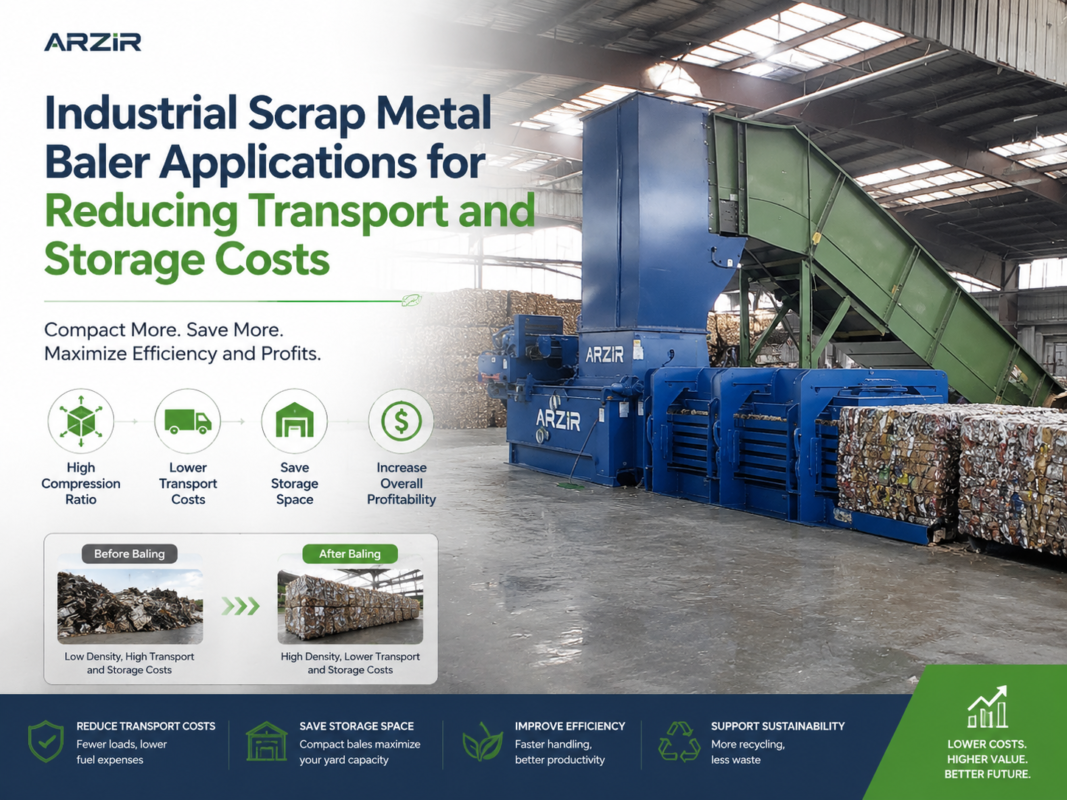
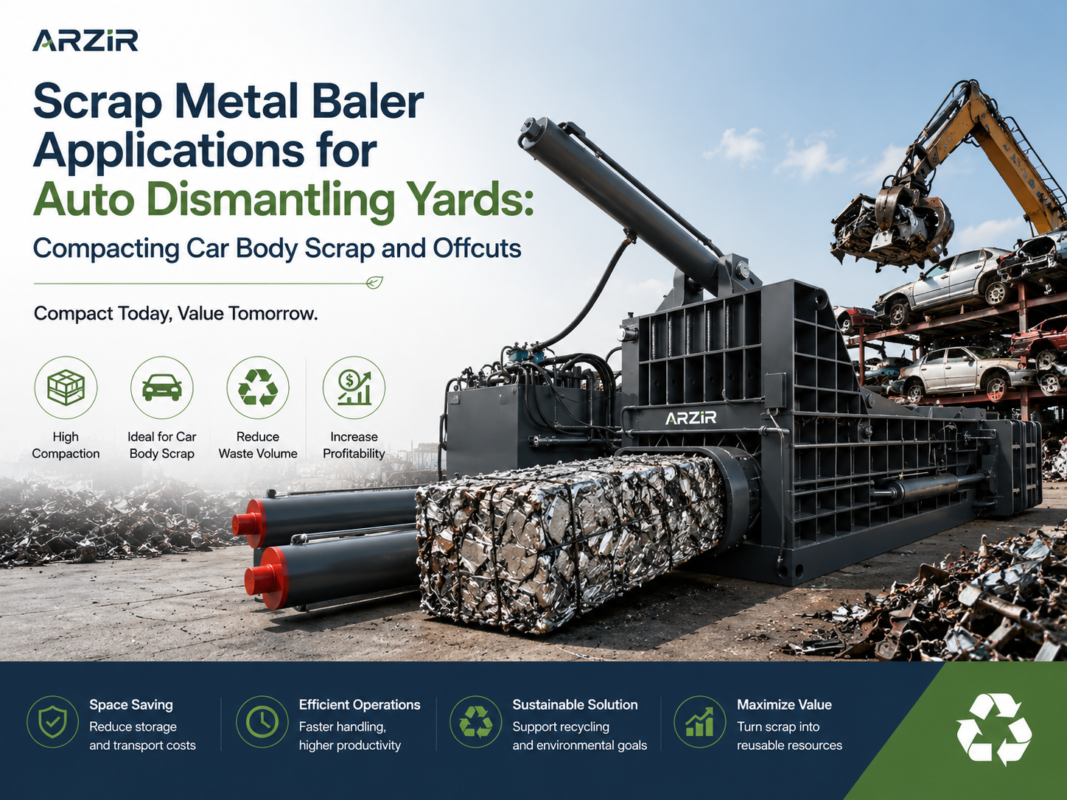
Furthermore, the logistics of moving loose scrap are expensive. A truck filled with loose chips may reach its volume capacity long before it reaches its weight capacity, leading to inefficient transport cycles. By baling or briquetting the scrap on-site, foundries can maximize the weight of every load, whether it is being moved across the factory floor or transported to a secondary smelter. This reduction in volume directly translates to lower carbon footprints and reduced operational overhead.
Material and Process Requirements
Not all scrap is created equal, and the process of briquetting must be tailored to the specific metallurgical properties of the material. Foundries work with a variety of metals, each requiring different compression forces and handling techniques. Understanding these requirements is the first step in selecting the right machinery.
1. Ferrous vs. Non-Ferrous Materials
Steel and cast iron scrap require significantly higher compression forces than aluminum or copper. For ferrous materials, the baler must be equipped with high-strength wear plates (often made of Hardox or similar alloys) to withstand the abrasive nature of the metal. Non-ferrous metals like aluminum are softer but prone to ‘spring-back’ if not compressed with sufficient dwell time. The machine must be able to hold the pressure long enough to ensure the bale remains intact without the need for wire tying in many briquetting applications.
2. Moisture and Contaminant Removal
One of the most critical process requirements in foundry scrap management is the removal of cutting fluids, oils, and moisture. Loose chips from machining centers are often coated in coolants. Using Scrap Metal Balers In Foundries: Efficient Briquetting Scrap Volume Reduction allows for the mechanical ‘squeezing’ of these fluids. Modern HARSLE briquetting presses often include fluid collection trays that allow foundries to reclaim expensive coolants for reuse, while simultaneously preparing a ‘dryer’ scrap for the furnace.
3. Density Targets for Melting
The goal of briquetting for a foundry is to achieve a density that allows the scrap to sink beneath the slag layer in the furnace. If the scrap is too light, it floats on top, where it is exposed to the atmosphere and oxidizes rapidly. This oxidation results in ‘dross’ or ‘slag’ formation, which is essentially wasted metal. The process must ensure that the briquettes reach at least 70-80% of the solid metal’s density to ensure efficient melting and high recovery rates.
Recommended Machine Configuration
Choosing the right machine configuration is vital for long-term reliability. For foundries, the HARSLE Y81 series of hydraulic metal balers and the Y83 series of briquetting presses are the industry standards. These machines are engineered to handle continuous operation in dusty, high-temperature environments.
Key Technical Specifications to Consider:
- Press Force: For standard foundry applications, a press force ranging from 125 tons to 630 tons is typical. Larger foundries processing heavy structural scrap may require upwards of 1000 tons of force.
- Chamber Size: The loading chamber must be sized to accommodate the largest pieces of scrap commonly found in the facility. For chips and turnings, a hopper-fed system is preferred, whereas for larger offcuts, a top-loading ‘lid’ style baler is more effective.
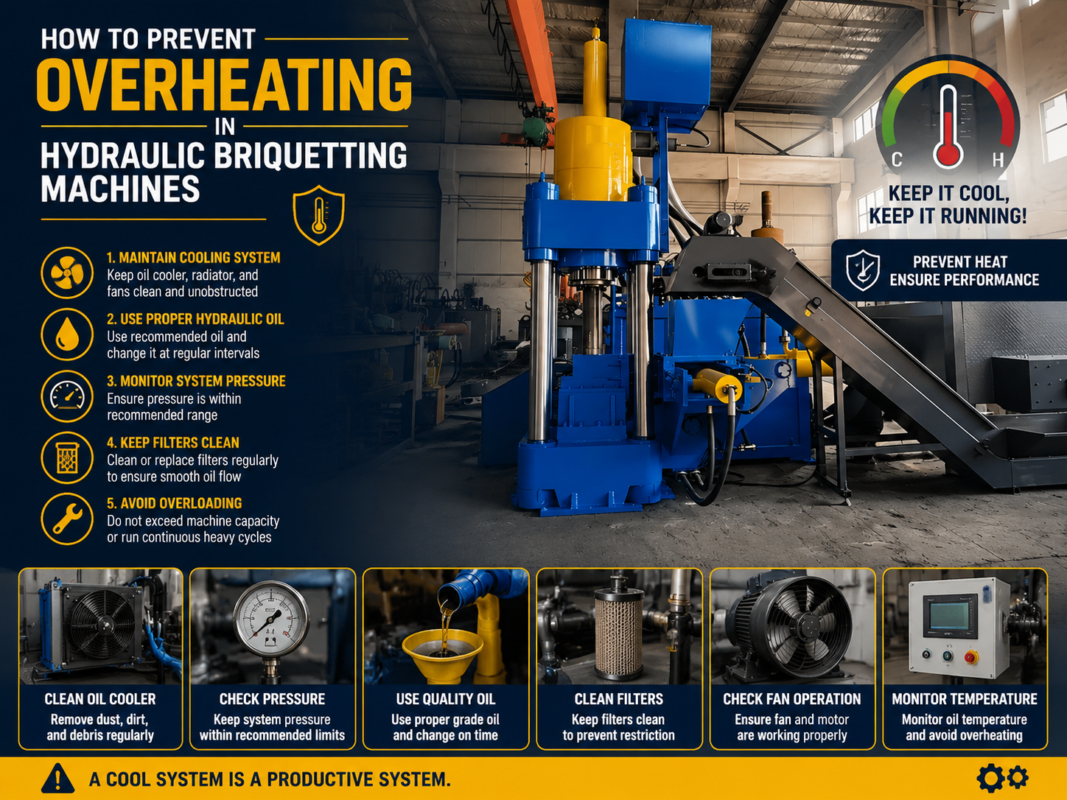
- Cooling Systems: Since hydraulic systems generate heat during continuous compression, an integrated industrial oil cooler (air or water-cooled) is essential to maintain oil viscosity and protect hydraulic seals.
- Automation and PLC Control: Modern machines should feature PLC (Programmable Logic Controller) systems with touch-screen interfaces. This allows operators to adjust pressure settings, cycle times, and bale sizes based on the material being processed.
For foundries focusing specifically on small chips and turnings, a vertical briquetting press is often recommended. These machines occupy a smaller footprint and are designed to produce uniform, cylindrical ‘pucks’ that are ideal for automated furnace charging systems. For larger, mixed scrap, a horizontal multi-stage baler provides the versatility needed to handle diverse shapes and sizes.
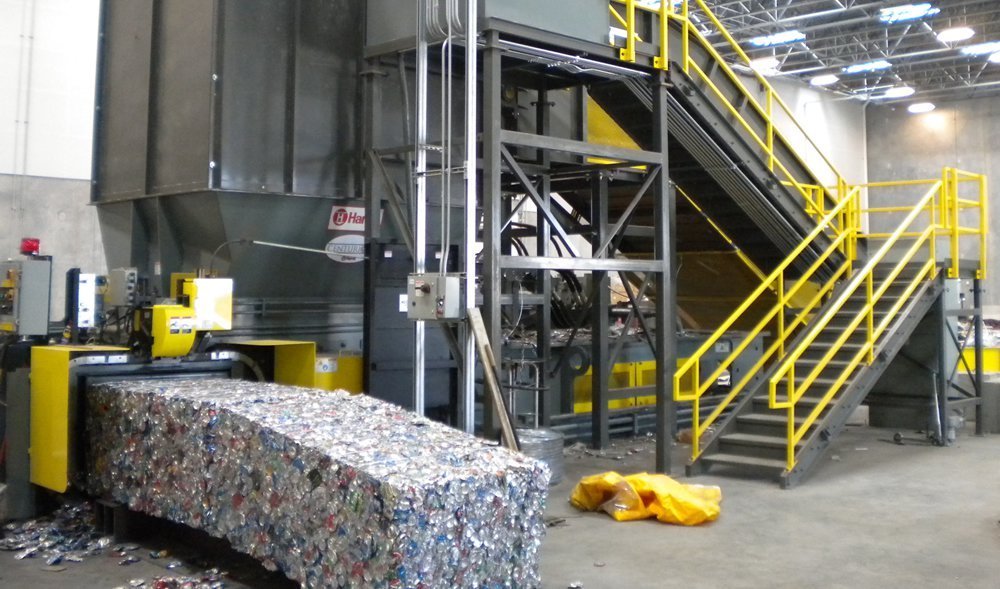
Workflow: From Loose Scrap to Furnace-Ready Briquettes
The integration of a baler into a foundry’s workflow should be seamless. A typical automated or semi-automated workflow involves several key stages designed to maximize efficiency and safety.
Step 1: Collection and Sorting
Scrap is collected from various points in the foundry or machine shop. It is essential to sort scrap by alloy type (e.g., separating 6061 aluminum from 7075) to maintain the chemical integrity of the final melt. Contaminants like plastics, wood, or heavy trash should be removed at this stage.
Step 2: Feeding the Baler
Depending on the machine type, scrap is fed into the compression chamber via a conveyor belt, a grab crane, or a hydraulic hopper. For fine chips, a screw conveyor is often used to ensure a steady flow of material into the briquetting press.
Step 3: Compression Cycle
Once the chamber is full, the hydraulic rams engage. In a multi-stage baler, a side ram may first compress the material into a smaller area before the main ram delivers the final high-pressure stroke. This multi-directional compression ensures maximum density and bale structural integrity.
Step 4: Ejection and Transport
The finished bale or briquette is ejected from the machine. In HARSLE Y81 models, this can be done via ‘turn-out,’ ‘side-push,’ or ‘forward-out’ mechanisms. The briquettes are then collected in bins or moved directly via conveyor to the furnace charging area. Because they are dense and uniform, they can be stacked easily, saving up to 90% of the storage space previously required for loose scrap.
Productivity Benefits: Why Foundries Invest
The decision to implement Using Scrap Metal Balers In Foundries: Efficient Briquetting Scrap Volume Reduction is driven by a rapid Return on Investment (ROI). The benefits extend across financial, operational, and environmental metrics.
1. Enhanced Metal Recovery (Yield)
The most significant financial benefit is the reduction in melting loss. Loose aluminum chips can suffer from a 10-20% loss due to oxidation during melting. Compressed briquettes reduce this loss to less than 3%, as the reduced surface area prevents the metal from burning away before it melts. For a foundry processing hundreds of tons a month, this yield increase alone can pay for the machine within a year.
2. Energy Efficiency
Dense briquettes conduct heat more efficiently than loose piles of scrap. This leads to faster melt times and reduced energy consumption per ton of metal produced. Furthermore, the removal of oils and fluids during the briquetting process means the furnace doesn’t have to expend energy vaporizing these contaminants, which also reduces the load on the foundry’s emission control systems.
3. Improved Workplace Safety
Loose scrap, especially sharp metal turnings, is a constant source of minor injuries and can be a fire hazard if coated in oil. Baling these materials creates a cleaner, more organized workspace. Additionally, the elimination of moisture from the scrap significantly reduces the risk of furnace explosions, a top priority for any foundry manager.
4. Logistics and Storage Optimization
By reducing the volume of scrap by up to 10:1, foundries can reclaim valuable floor space for production activities. Logistics costs are slashed as fewer truck movements are required to handle the same tonnage of material. This is particularly beneficial for foundries located in urban areas where space is at a premium.
Case Example: Aluminum Foundry Transformation
Consider a mid-sized aluminum foundry that produces engine components. Previously, they sold their loose machining turnings to a local recycler at a significant discount because of the high moisture content and low density. They were also struggling with the cost of disposing of used cutting fluids.
After installing a HARSLE Y83 series briquetting press, the foundry began processing their turnings in-house. The results were immediate:
- Fluid Recovery: They reclaimed approximately 50 liters of cutting oil for every ton of briquettes produced, which was filtered and returned to the CNC machines.
- Direct Melting: Instead of selling the scrap, they began charging the briquettes directly into their own induction furnaces. Their metal purchase requirements dropped by 15% because they were now effectively recycling their own high-quality scrap.
- Space Savings: Three large scrap bays were converted into a new finishing line, as the briquettes required only a small fraction of the storage space.
This case illustrates that Using Scrap Metal Balers In Foundries: Efficient Briquetting Scrap Volume Reduction is not just about waste management; it is a strategic move toward a circular economy within the manufacturing facility.
Frequently Asked Questions (FAQ)
Q1: What is the difference between a baler and a briquetting press?
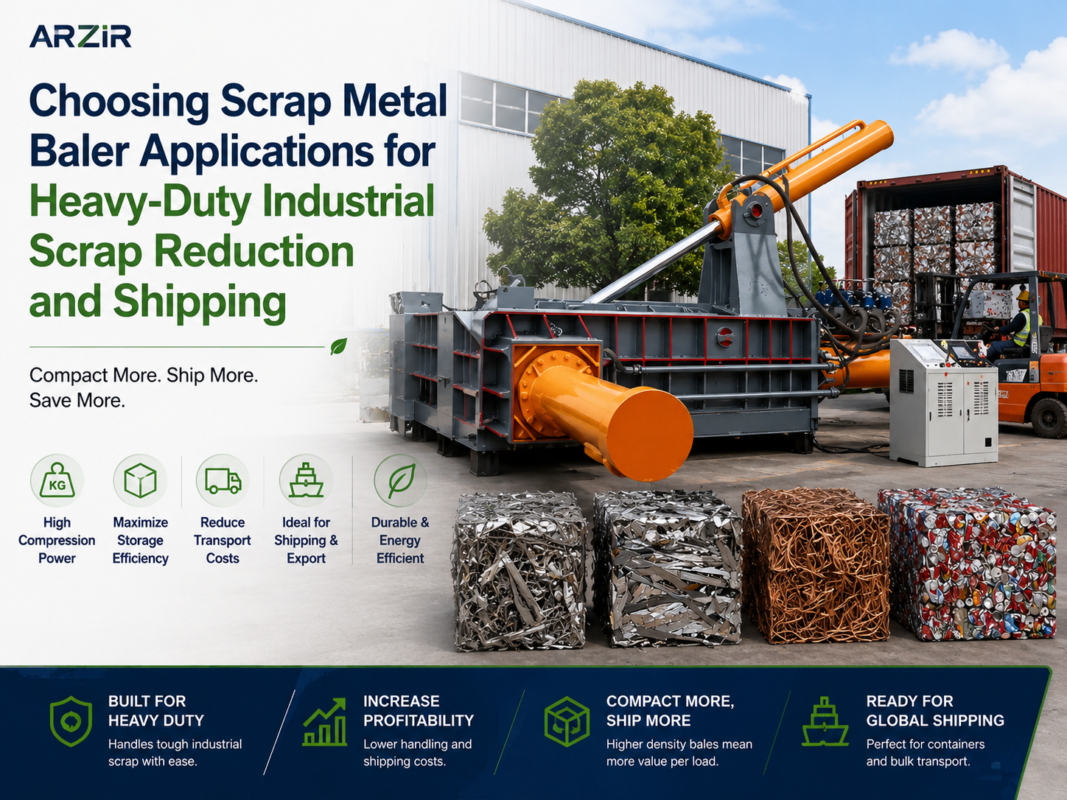
A baler typically produces larger, rectangular blocks (bales) and is often used for mixed scrap or larger offcuts. A briquetting press uses higher pressure to produce smaller, very dense cylindrical or square ‘pucks’ (briquettes), specifically designed for fine chips and turnings. Both achieve volume reduction, but briquettes are generally better for direct furnace charging.
Q2: Can HARSLE balers handle different types of metal in the same machine?
Yes, HARSLE machines are versatile. However, it is crucial to clean the chamber between different alloys to prevent contamination. The PLC settings can be adjusted to provide the appropriate pressure for different materials, such as switching from aluminum to steel.
Q3: How much maintenance do these machines require?
Hydraulic balers are robust but require regular maintenance of the hydraulic oil, filters, and seals. The wear plates inside the compression chamber should be inspected monthly and replaced when they show significant thinning to protect the main structure of the machine. HARSLE designs its machines with accessible components to simplify these tasks.
Q4: Does the briquetting process remove all the oil from the chips?
While it cannot remove 100% of the oil (which would require thermal treatment), high-pressure briquetting can remove up to 95-98% of free-standing liquids. This is usually sufficient to meet environmental regulations and furnace safety requirements.
Q5: What is the typical lifespan of a HARSLE scrap metal baler?
With proper maintenance and adherence to load limits, a HARSLE hydraulic baler can operate efficiently for 10-15 years or more in a demanding foundry environment. Many units remain in service even longer with occasional hydraulic system overhauls.
Conclusion: The Future of Foundry Efficiency
The integration of scrap metal balers and briquetting presses is a hallmark of a forward-thinking foundry. As the global manufacturing industry moves toward more sustainable and cost-effective practices, the ability to process scrap on-site becomes a significant competitive advantage. Using Scrap Metal Balers In Foundries: Efficient Briquetting Scrap Volume Reduction allows for higher yields, lower energy costs, and a safer, cleaner working environment.
HARSLE remains committed to providing the metal fabrication and foundry industries with the heavy-duty machinery needed to meet these challenges. By investing in high-quality hydraulic compression technology, foundries can ensure that their waste streams are transformed into valuable assets, driving profitability and sustainability for years to come.
If you are looking to optimize your foundry’s scrap management process, contact HARSLE today to discuss our range of Y81 and Y83 series machines. Our engineers can help you select the perfect configuration for your specific material types and volume requirements, ensuring a seamless transition to a more efficient production model.