Scrap Metal Baler Applications for Auto Dismantling Yards: Compacting Car Body Scrap and Offcuts

Introduction to Scrap Metal Baler Applications in Auto Dismantling
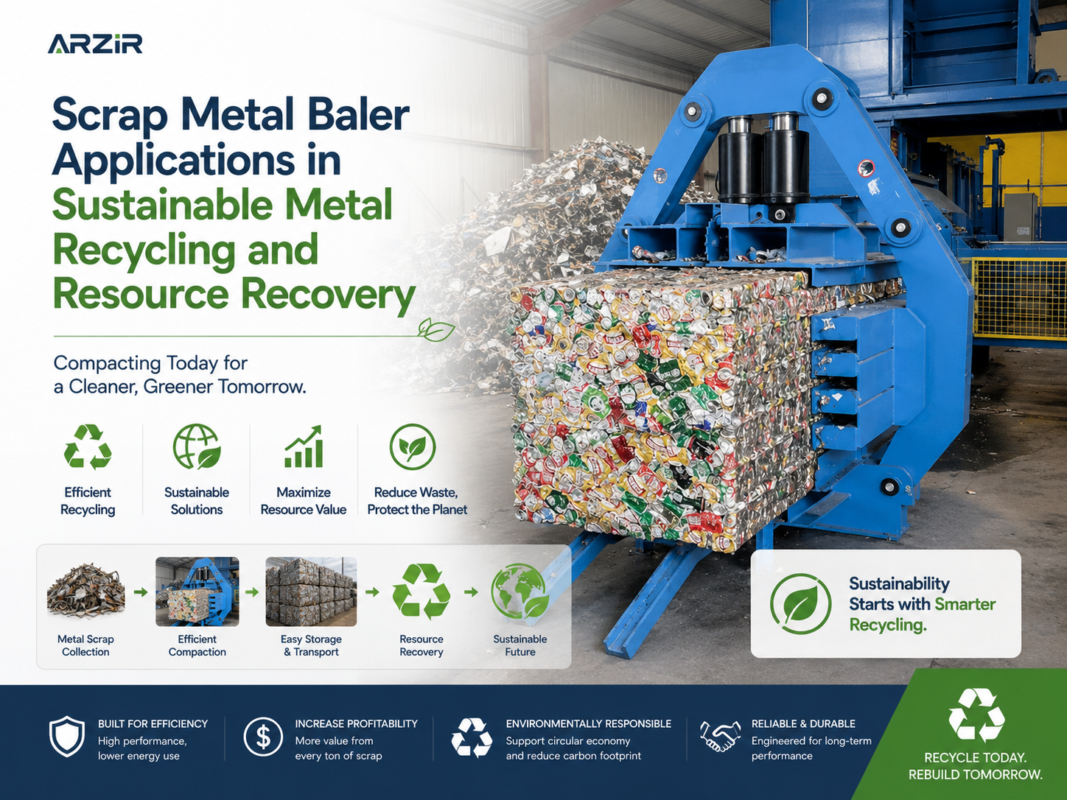
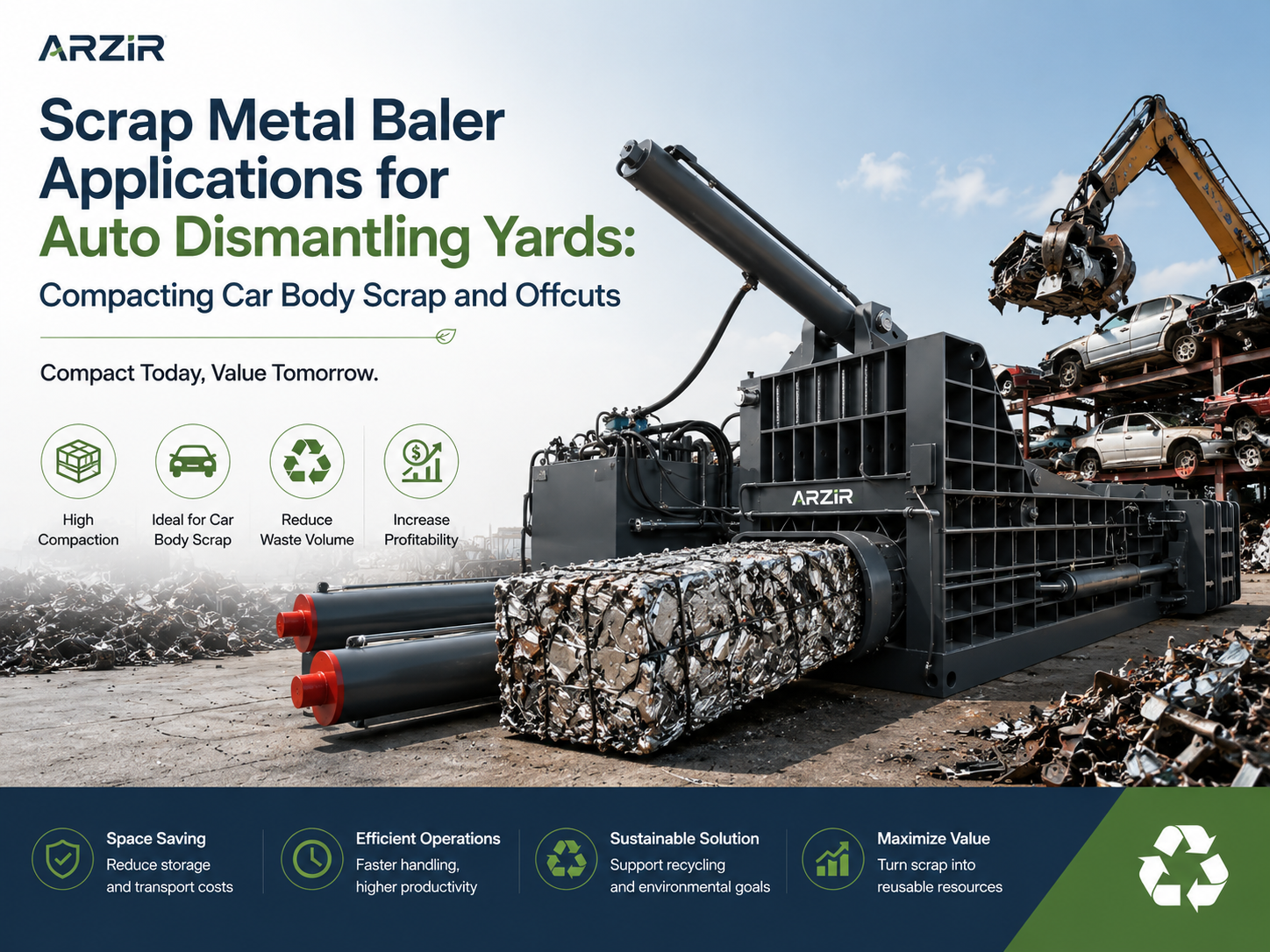
The automotive recycling industry is a cornerstone of the global circular economy. Every year, millions of vehicles reach the end of their operational life, transitioning from functional transport to a complex mix of recyclable materials. For auto dismantling yards, the challenge lies in managing the sheer volume of bulky car body scrap and the various offcuts generated during the stripping process. This is where Scrap Metal Baler Applications Auto Dismantling Yards: Compacting Car Body Scrap Offcuts become indispensable. A high-performance scrap metal baler is not just a piece of equipment; it is the central engine of a yard’s profitability and logistical efficiency.
HARSLE, a leader in metal fabrication machinery, provides advanced hydraulic baling solutions designed specifically to handle the rigors of automotive scrap. By transforming hollow, irregular car shells into dense, stackable blocks, these machines solve the primary issues of storage space and transportation costs. In this comprehensive guide, we will explore the specific application scenarios, technical requirements, and the transformative benefits of integrating a scrap metal baler into an auto dismantling workflow.
Application Scenario: The Modern Auto Dismantling Yard
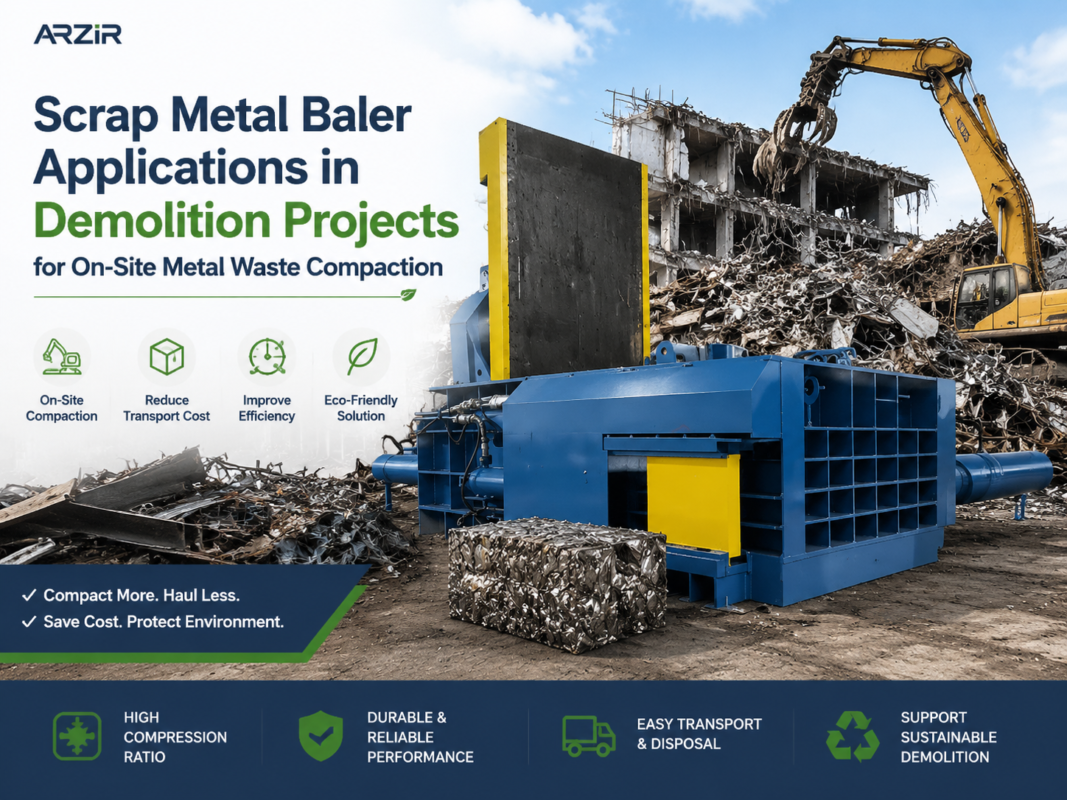
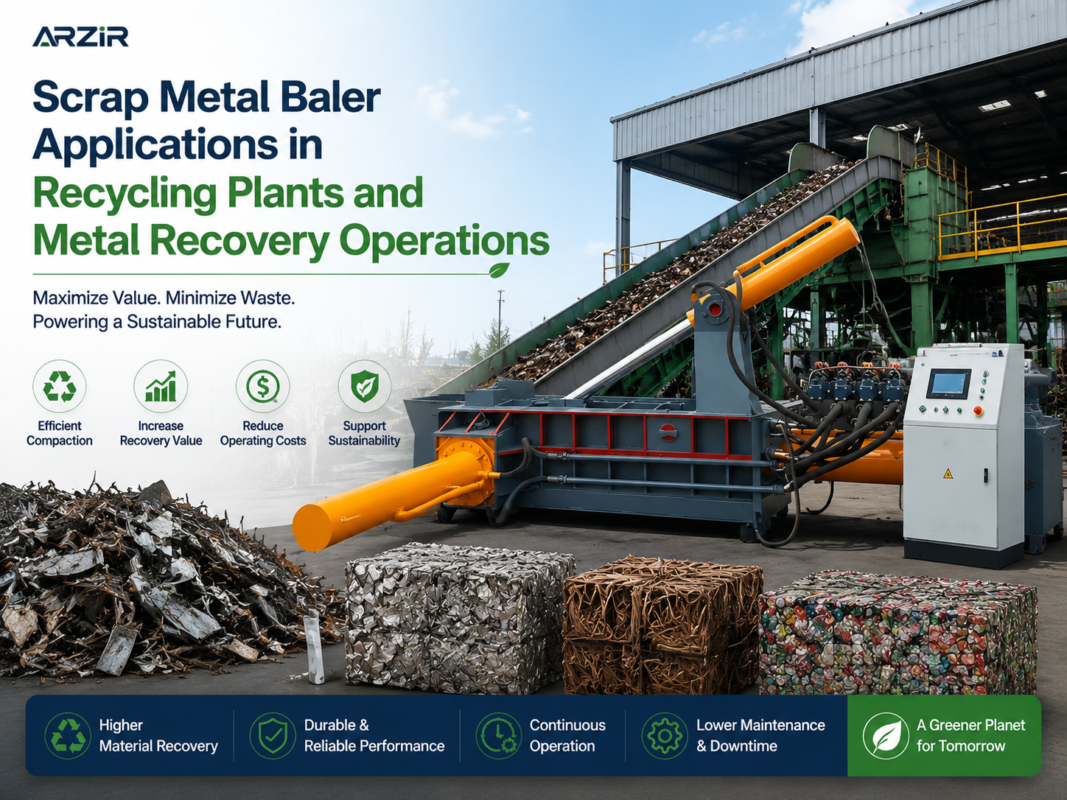
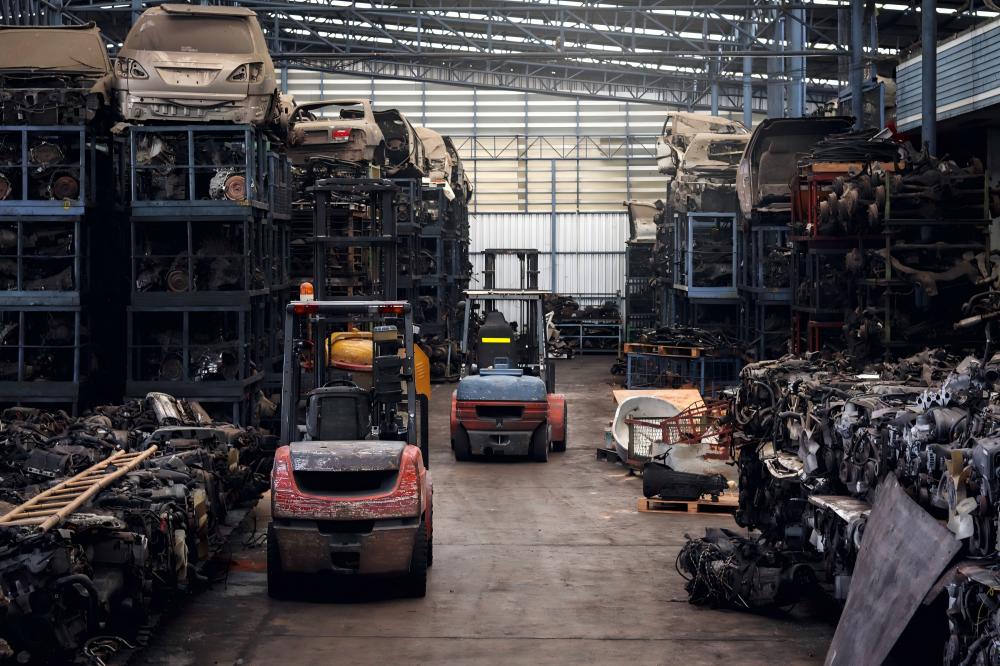
Auto dismantling yards operate in a high-volume environment where speed and space management are critical. The typical lifecycle of a vehicle in such a yard begins with the removal of hazardous fluids, batteries, and tires, followed by the salvaging of high-value components like engines, transmissions, and electronic modules. Once the vehicle is “picked clean,” the remaining structure—the chassis, roof, doors, and pillars—becomes bulky waste that occupies significant real estate.
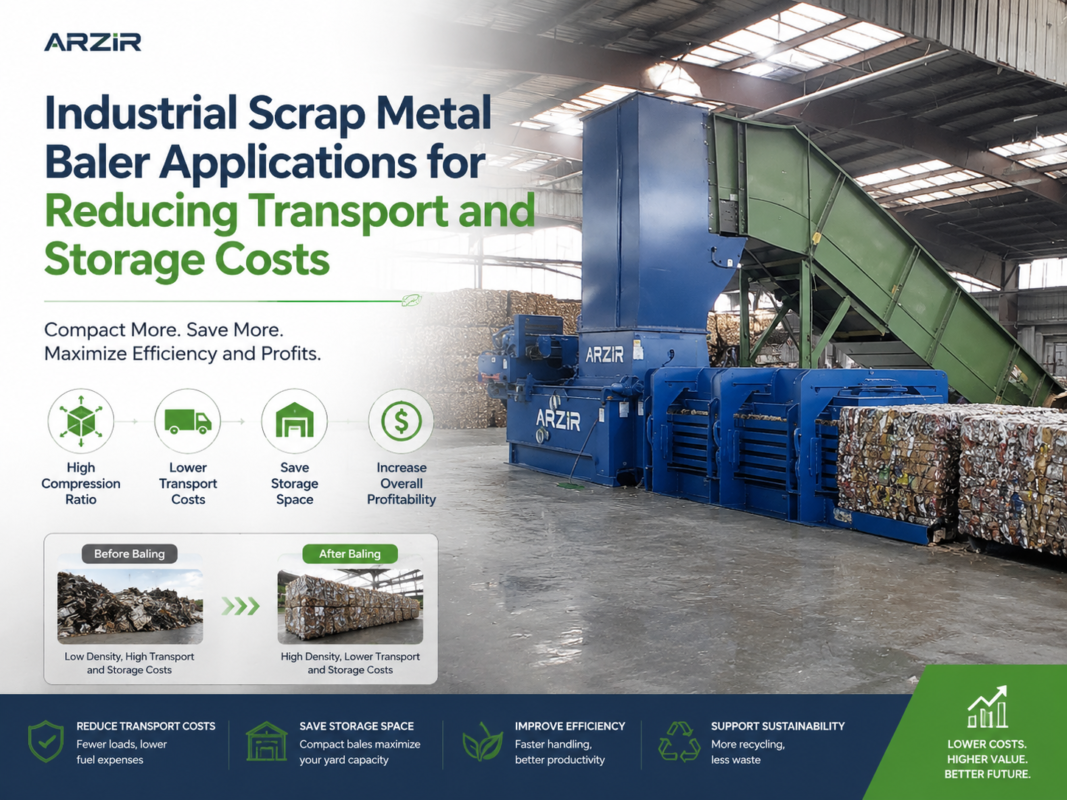
Without a baler, a yard can quickly become a disorganized “car graveyard,” where stacking is difficult and dangerous. Furthermore, transporting uncompacted car shells to a secondary shredder or steel mill is economically unfeasible due to the low weight-to-volume ratio. You would essentially be paying to transport air. The scrap metal baler addresses this by providing a localized solution for volume reduction. Beyond full car bodies, the baler is also used for “offcuts”—the smaller pieces of sheet metal, trim, and structural reinforcements that are cut away during the dismantling process. These smaller pieces, if left loose, are difficult to handle and prone to being lost or causing site hazards.
The Role of Offcut Management
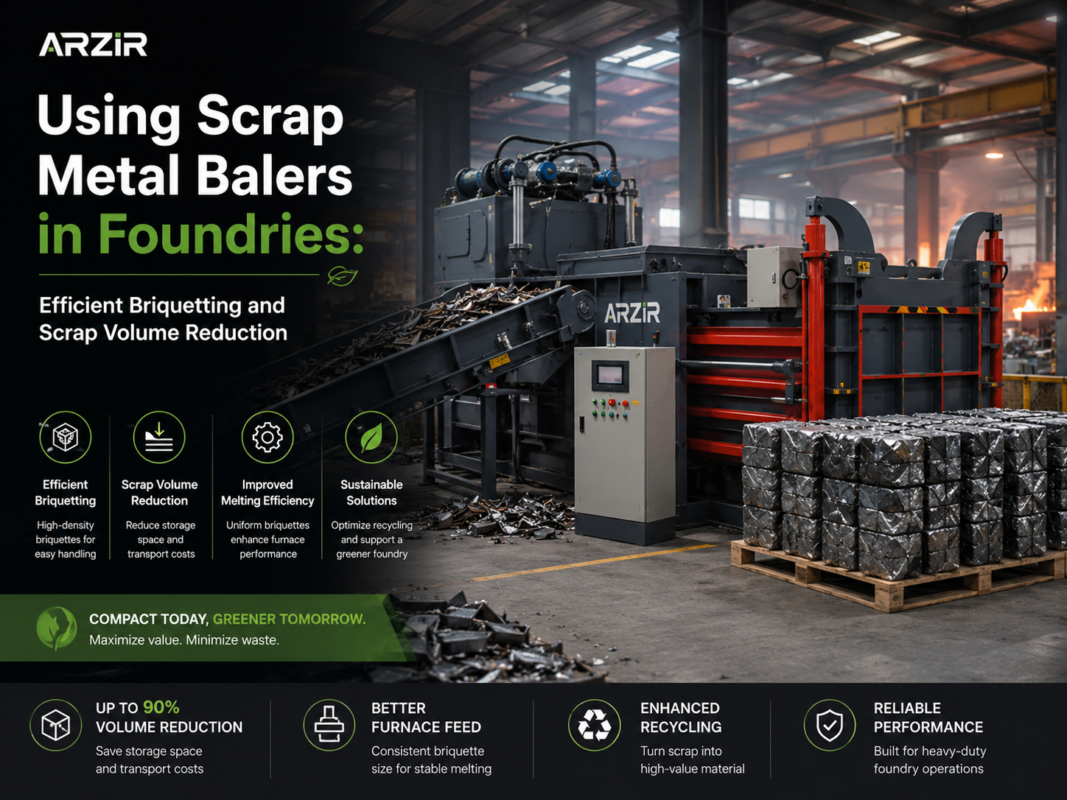
Offcuts in an auto dismantling yard often include high-grade steel, aluminum panels, and stainless steel trim. While smaller than a full chassis, their cumulative volume is substantial. Scrap metal baler applications for auto dismantling yards specifically target these offcuts to ensure that every ounce of metal is accounted for and prepared for the furnace. By mixing offcuts with larger car body sections during the baling process, yards can create highly dense, uniform bales that meet the strict requirements of foundries and steel mills.
Material and Process Requirements
Processing automotive scrap is significantly more demanding than baling light aluminum cans or copper wire. The materials involved are diverse and structurally resilient. Modern vehicles utilize high-strength steels (HSS) and advanced high-strength steels (AHSS) in their safety cages, which require immense hydraulic force to deform and compact.
- Material Diversity: A single car body contains mild steel, galvanized steel, aluminum, and sometimes stainless steel. The baler must be capable of handling these varying hardness levels without excessive wear on the compression chamber.
- Structural Integrity: The pillars (A, B, and C pillars) of a car are designed to resist crushing. A scrap metal baler must exert enough pressure—often exceeding 200 to 600 tons—to overcome this structural resistance.
- Contamination Control: While most fluids are drained, residual oils and greases are common. The baler’s hydraulic system and seals must be robust enough to operate in an environment where grit and lubricants are present.
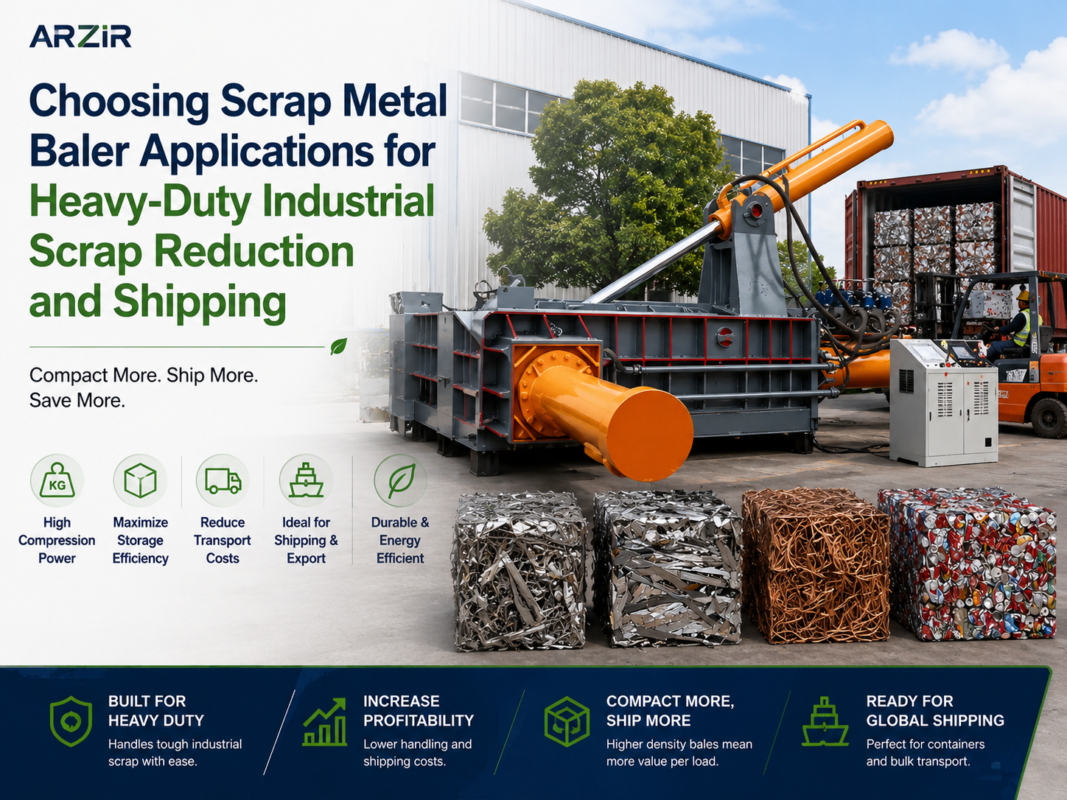
- Bale Density: For optimal shipping, bales typically need to reach a density of 15-30% of the solid metal’s density. This ensures that a standard flatbed or container can be loaded to its maximum weight capacity.
Recommended Machine Configuration for Auto Scrap
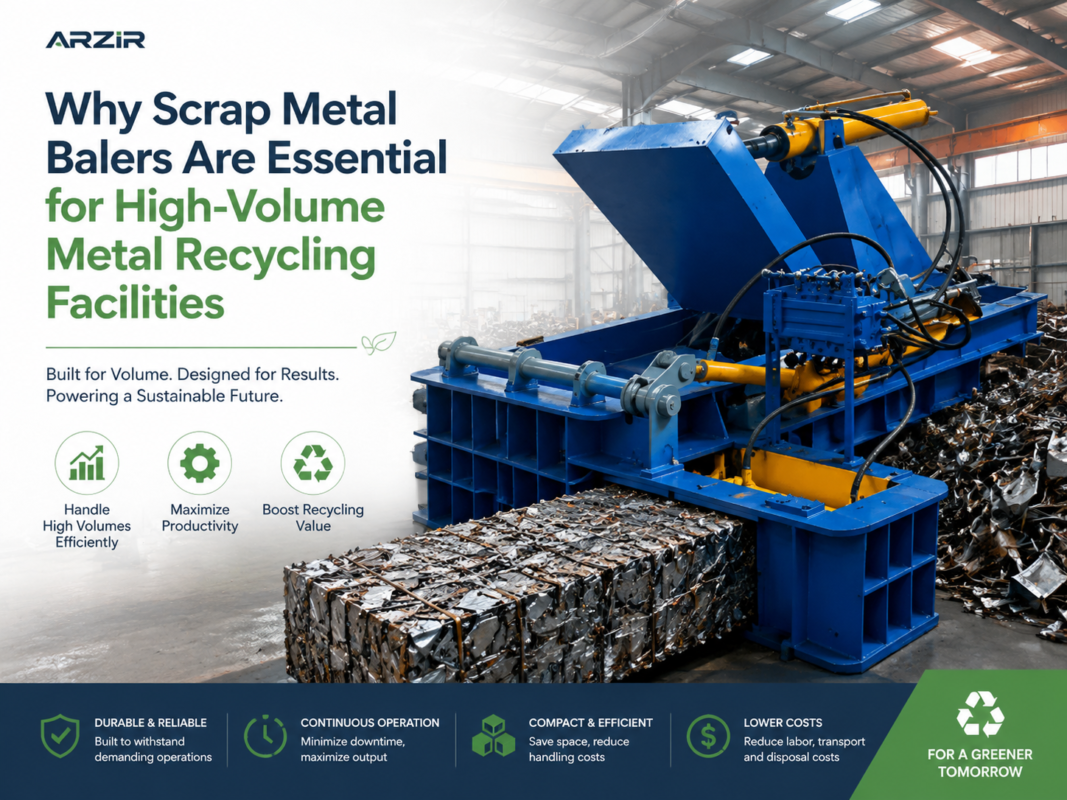
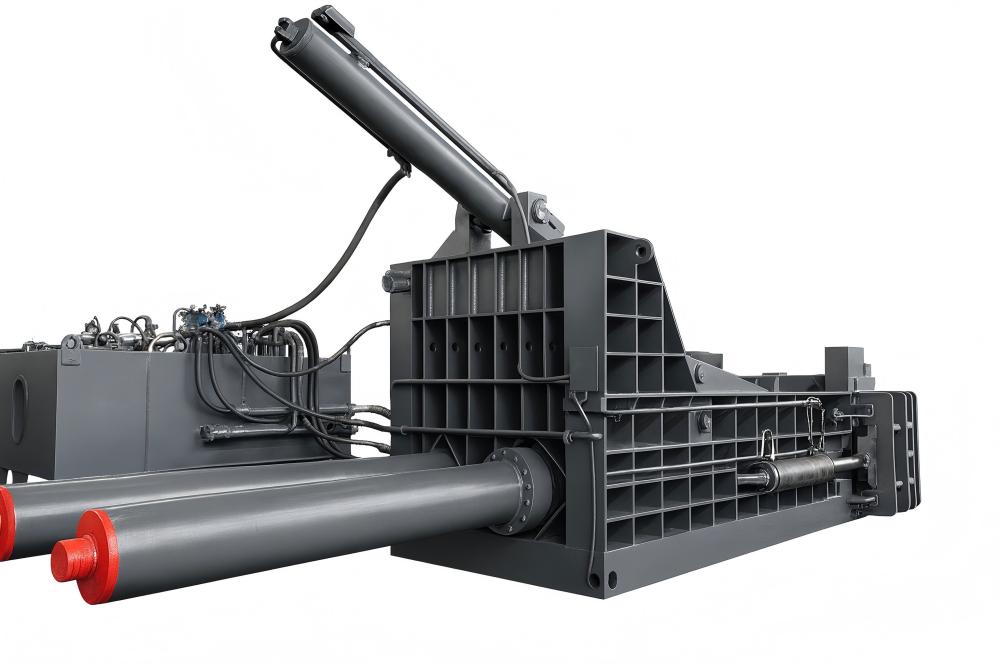
Choosing the right configuration is vital for long-term reliability. For auto dismantling yards, HARSLE recommends the Y81 series of hydraulic metal balers, which are engineered for heavy-duty cycles. Key configuration features include:
1. Triple Compression System
To handle the three-dimensional bulk of a car body, a triple compression system is ideal. This involves a side cylinder that narrows the material, a lid or “cover” cylinder that presses down, and a main longitudinal cylinder that performs the final compaction into a bale. This ensures that the bale is uniform and dense from all sides.
2. Wear-Resistant Liners
The interior of the compression chamber should be lined with replaceable, high-strength wear plates (such as Hardox or equivalent). Automotive scrap is abrasive; the constant friction of steel against the chamber walls would otherwise lead to rapid structural degradation.
3. Large Feeding Chamber
For car bodies, the chamber size is a primary constraint. A chamber length of at least 2000mm to 5000mm is often required to accommodate a full chassis without the need for extensive pre-cutting, which saves labor costs and time.
4. Advanced Hydraulic Cooling
Continuous operation in a busy yard generates significant heat within the hydraulic fluid. An integrated air or water cooling system is essential to maintain oil viscosity and protect the pumps and valves from premature failure.
Workflow: From Chassis to Bale
The workflow in an auto dismantling yard using a HARSLE baler is designed for maximum throughput with minimal manual intervention. The process generally follows these steps:
- Preparation: The vehicle is stripped of non-metallic components and fluids. Large structural parts may be partially folded using a grapple to fit the chamber.
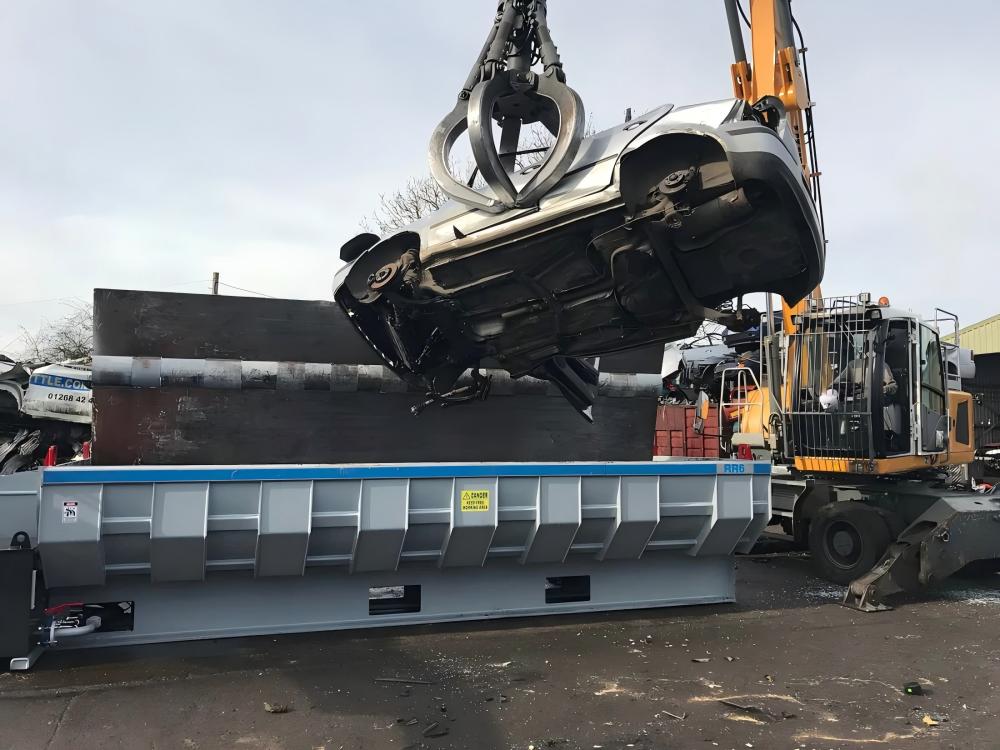
- Loading: An overhead crane or a specialized scrap handler with a grapple drops the car body and associated offcuts into the open baler chamber.
- Pre-Compression: The operator activates the hydraulic lid. As the lid closes, it shears off any overhanging metal and performs the first stage of vertical compression.
- Final Compaction: The side and main cylinders engage sequentially. The main cylinder exerts the maximum rated force to lock the metal into its final rectangular shape.
- Ejection: Depending on the model, the bale is either pushed out from the side (side-push), turned out by a tilting mechanism (turn-out), or pushed forward (forward-out).
- Sorting and Stacking: The finished bales are moved to a designated storage area, categorized by material type (e.g., steel-heavy vs. aluminum-heavy).
Productivity and Economic Benefits
The implementation of Scrap Metal Baler Applications Auto Dismantling Yards: Compacting Car Body Scrap Offcuts yields immediate and measurable returns on investment (ROI). These benefits can be categorized into three main areas:
Logistical Efficiency
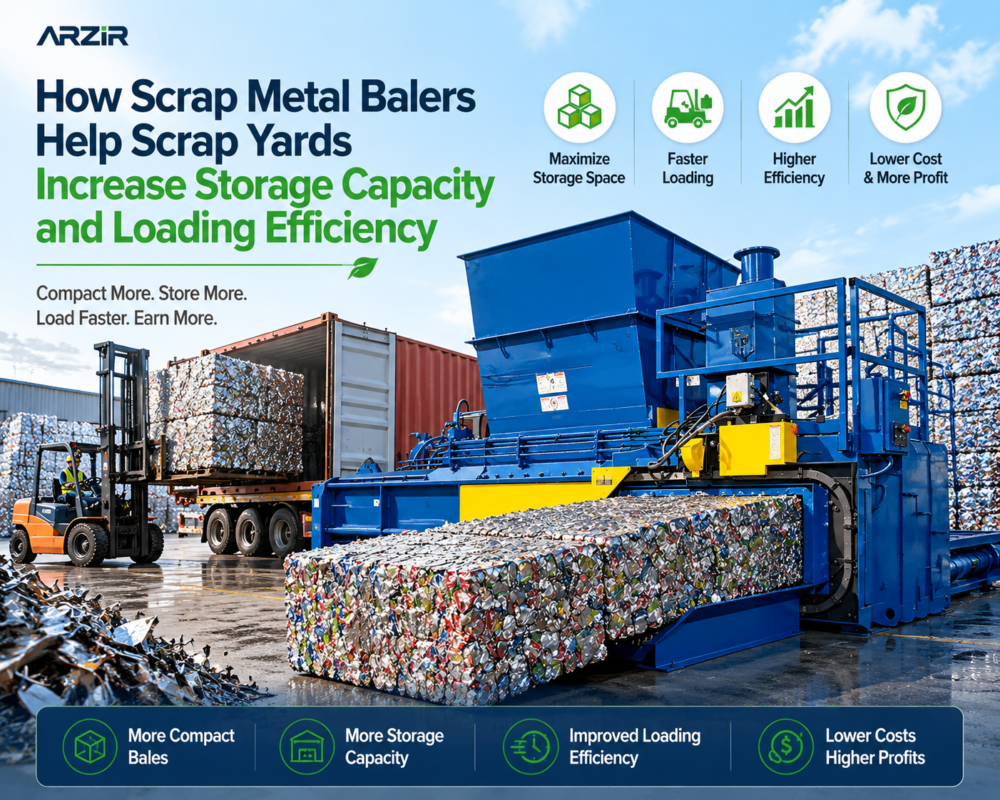
Uncompacted car bodies are incredibly inefficient to move. A standard truck might only be able to carry 5 to 8 loose shells. Once baled, that same truck can carry 20 to 30 tons of material, reaching its legal weight limit. This reduces the number of trips required by 70-80%, drastically cutting fuel costs and carbon emissions.
Space Optimization
In many urban or industrial zones, yard space is expensive. Baling allows for vertical stacking. A yard that could previously only hold 100 cars can now store the equivalent of 500 cars in the same footprint once they are converted into bales. This allows the business to scale its intake without needing to acquire more land.
Increased Market Value
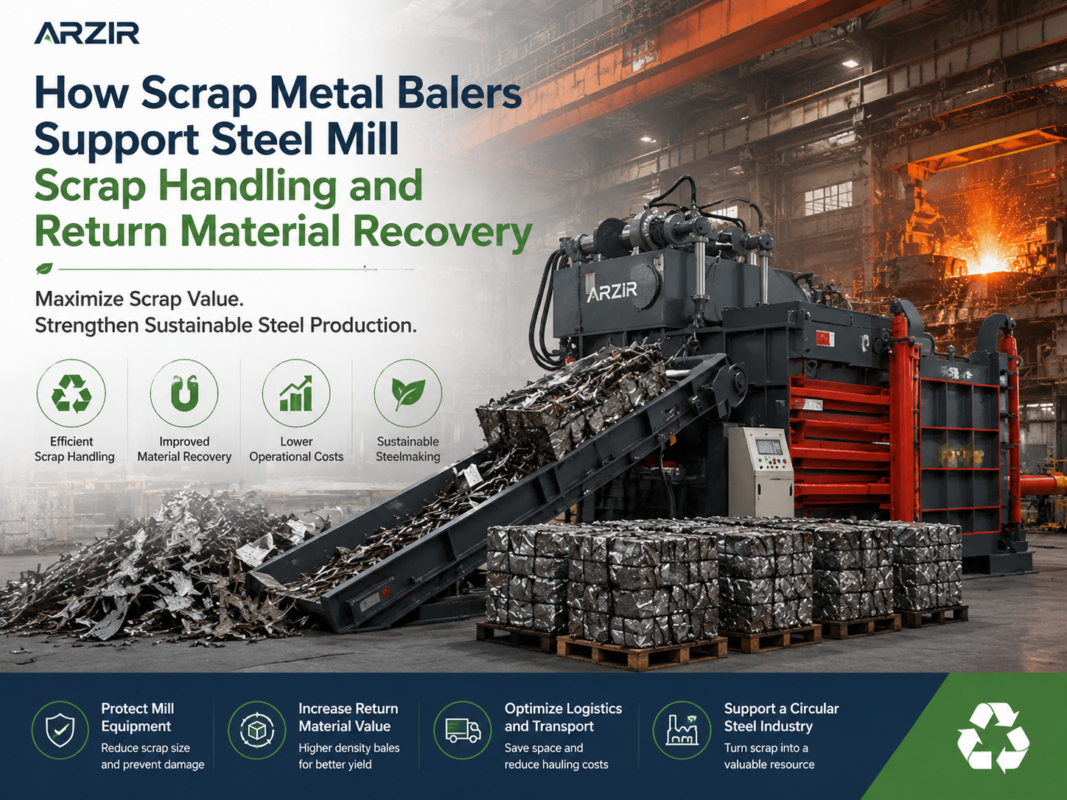
Steel mills and secondary smelters prefer baled scrap. It is easier to handle with electromagnets, fits better into electric arc furnaces (EAF), and has a known density which makes melt-loss calculations more accurate. Consequently, baled scrap often commands a higher price per ton than loose “HMS” (Heavy Melting Scrap).
Case Example: High-Volume Yard Transformation
Consider a mid-sized auto dismantling yard in Eastern Europe that processed approximately 40 vehicles per day. Before installing a HARSLE Y81-series baler, they struggled with a massive backlog of car shells that occupied 60% of their lot. They were forced to sell their scrap to a mobile baling service, which took a significant cut of the profit.
After installing a 400-ton HARSLE scrap metal baler, the yard was able to process their daily intake in just 4 hours of machine operation. They cleared their backlog within a month, freeing up space to install a new engine dismantling line. By selling directly to the steel mill as “Baled Steel Scrap,” their profit margin per ton increased by 22%. The machine paid for itself in less than 14 months through a combination of increased scrap value and eliminated third-party baling fees.
Frequently Asked Questions (FAQ)
What is the best tonnage for a car body baler?
For standard passenger vehicles, a baler with a main cylinder force of 250 to 400 tons is usually sufficient. For yards handling light commercial vehicles or trucks, 600 tons or more is recommended to ensure high-density bales.
Can the baler handle aluminum offcuts separately?
Yes. Most yards run “batches.” They will process steel car bodies for several hours, then clear the chamber to process aluminum offcuts. This prevents cross-contamination and allows the yard to sell high-purity aluminum bales at a premium.
How much maintenance does a scrap metal baler require?
Daily maintenance involves checking hydraulic oil levels and inspecting for leaks. Weekly tasks include greasing moving parts and checking the wear plates. Depending on volume, wear plates may need replacement every 1-2 years.
Is a manual or PLC-controlled baler better?
For auto dismantling, a PLC-controlled system with a remote control is highly recommended. This allows the crane operator to trigger the baling cycle from the cab of the loader, reducing the need for a dedicated ground operator and increasing safety.
Does the baler need a special foundation?
Heavy-duty balers exert significant vibration and force. A reinforced concrete pad is required. HARSLE provides detailed foundation drawings to ensure the machine remains level and stable during high-pressure cycles.
Conclusion: Partnering with HARSLE for Success
The integration of scrap metal balers into auto dismantling yards is a strategic move that addresses the core challenges of the recycling industry. By compacting car body scrap and offcuts, businesses can transform a logistical nightmare into a streamlined, profitable commodity. HARSLE’s commitment to engineering excellence ensures that our balers provide the durability, power, and efficiency required to thrive in the demanding world of automotive recycling.
If you are looking to optimize your yard’s operations, reduce transport costs, and increase the value of your scrap, HARSLE has the expertise to guide you. Our team can help you select the perfect machine configuration tailored to your specific volume and material requirements.
Ready to Upgrade Your Dismantling Yard?
Contact HARSLE today for a technical consultation and a customized quote on our heavy-duty scrap metal balers. Let us help you turn your scrap into profit.