How Scrap Metal Balers Support Steel Mill Scrap Handling and Return Material Recovery

Introduction to Scrap Metal Balers in Modern Steel Production
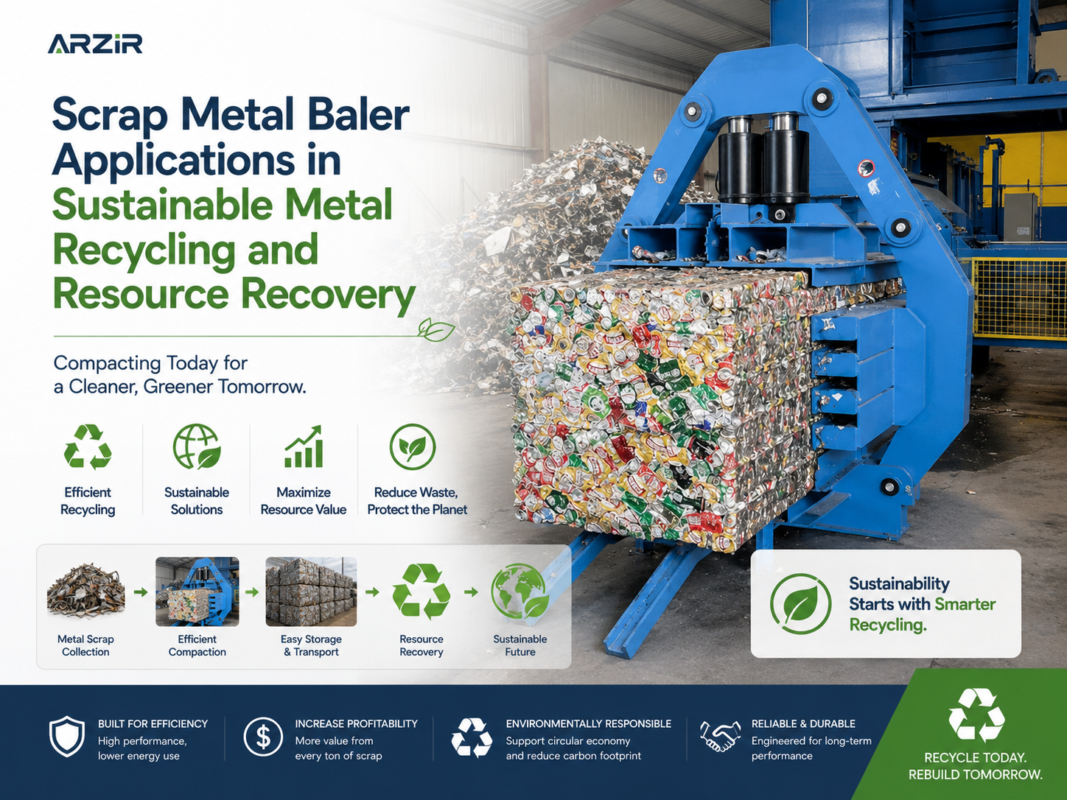
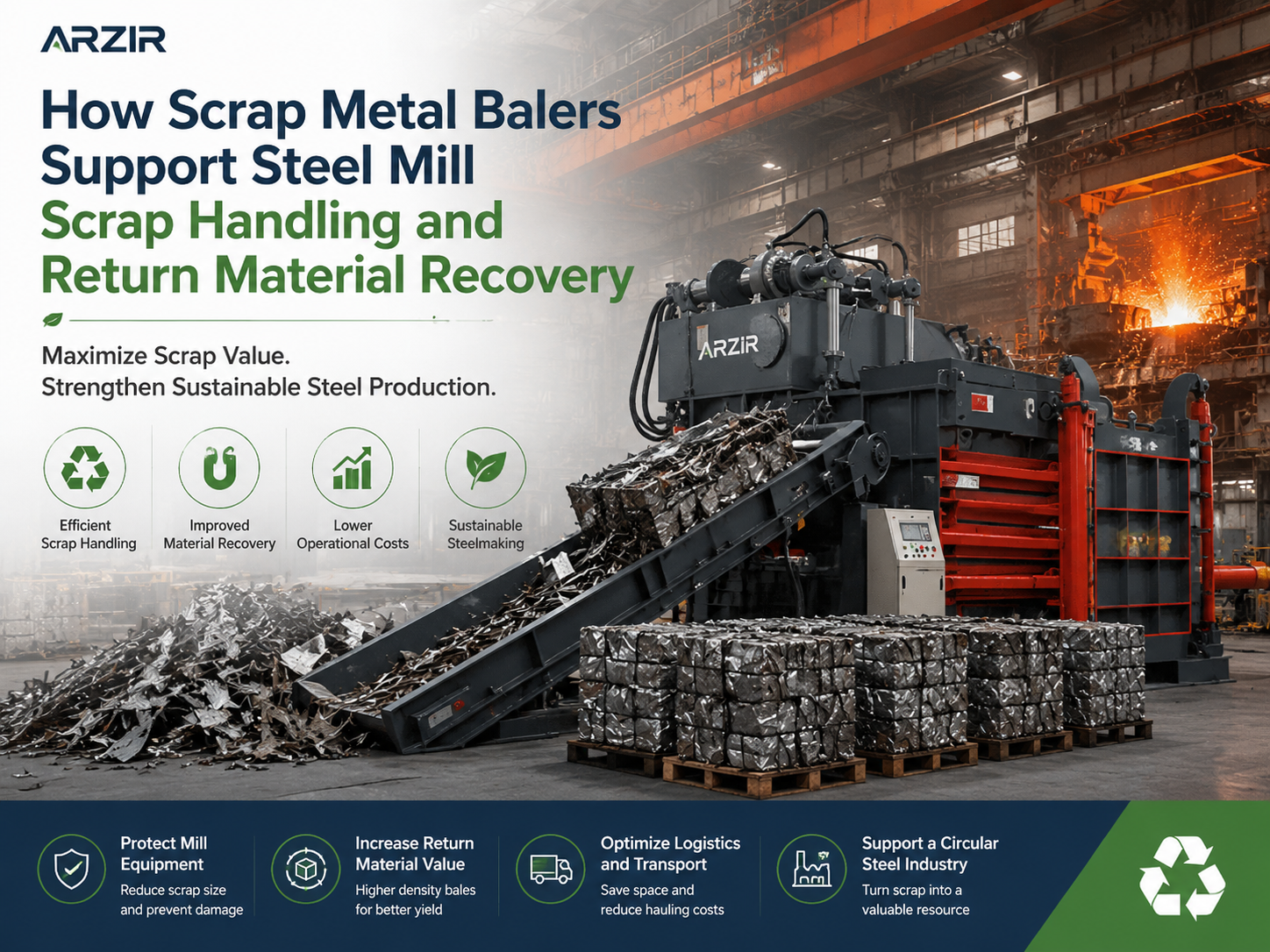
In the high-stakes environment of modern steel manufacturing, efficiency is not just a goal—it is a necessity for survival. As global industries pivot toward circular economy models, the role of scrap metal has evolved from a mere byproduct to a critical raw material. Steel mills today rely heavily on recycled content to reduce energy consumption and carbon emissions. However, the logistics of managing loose, voluminous scrap present a significant challenge. This is where Scrap Metal Balers Support Steel Mill Scrap Handling Return Material Recovery by transforming chaotic piles of metal waste into dense, manageable, and furnace-ready units.
HARSLE, a leader in metal fabrication machinery, provides advanced hydraulic baling solutions designed to meet the rigorous demands of steel mills. These machines are engineered to handle everything from production offcuts to end-of-life scrap, ensuring that every ton of metal is accounted for and reintegrated into the production cycle. By utilizing high-pressure hydraulic systems, these balers significantly increase the bulk density of scrap, which is a fundamental requirement for efficient melting in Electric Arc Furnaces (EAF) and Basic Oxygen Furnaces (BOF).
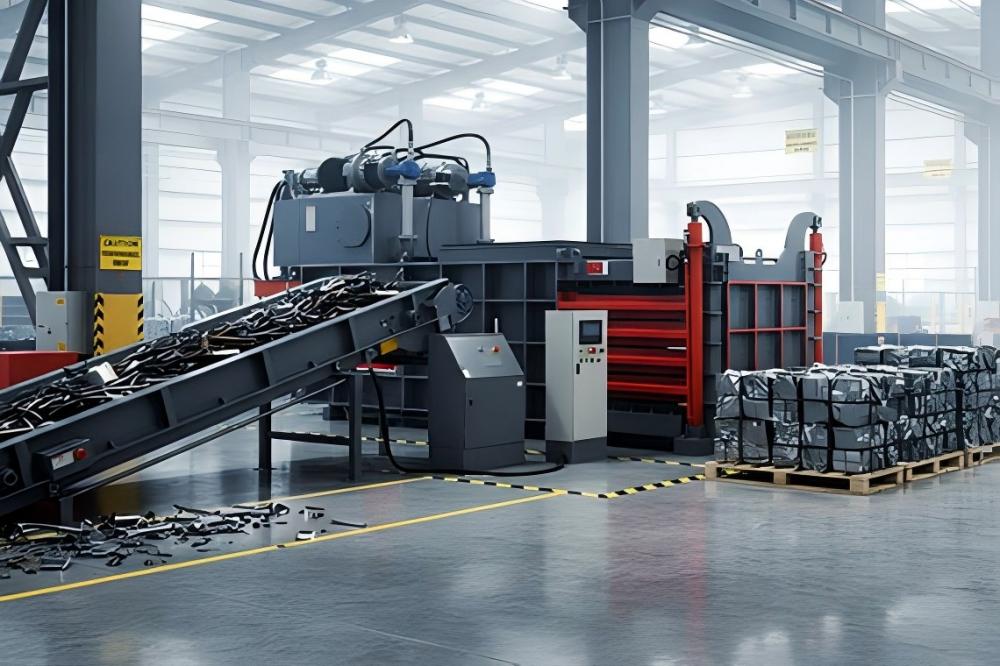
Application Scenario: The Steel Mill Ecosystem
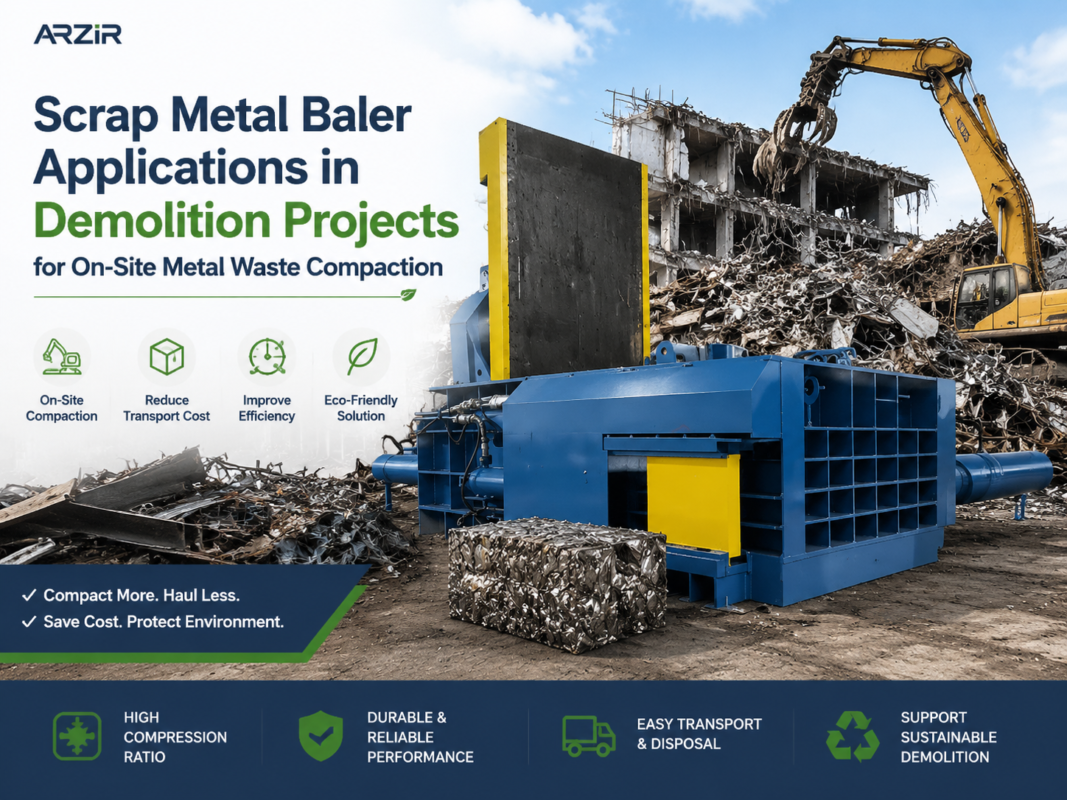
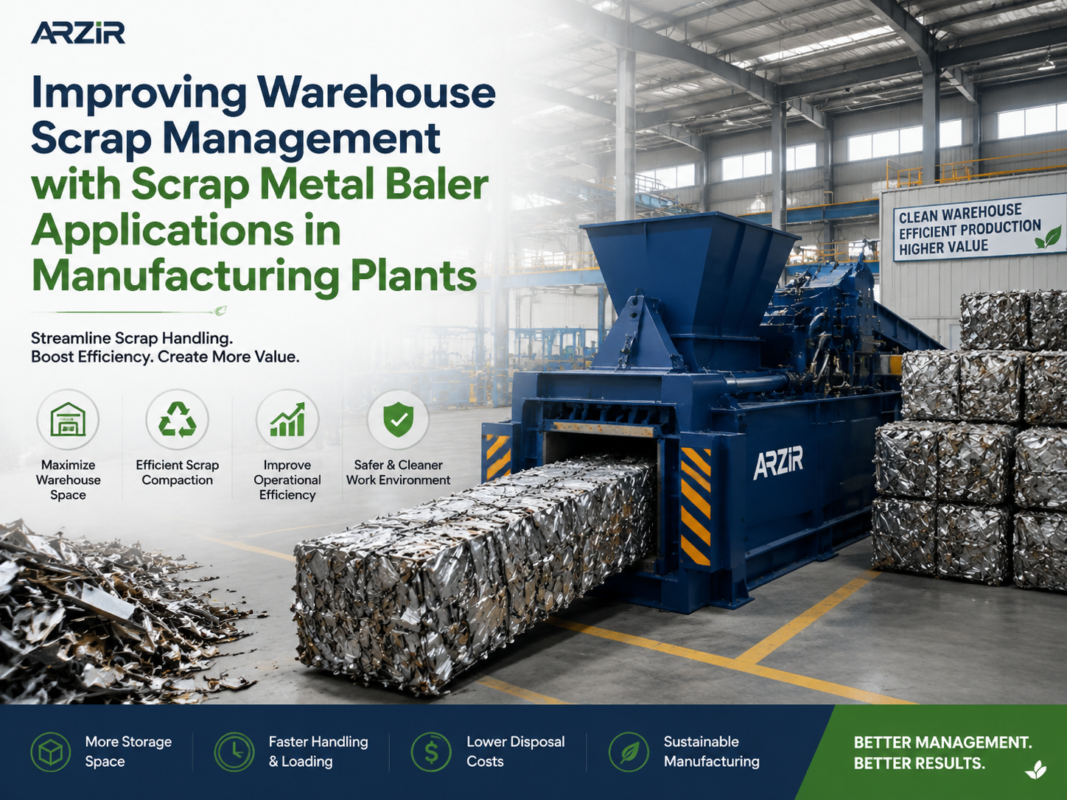
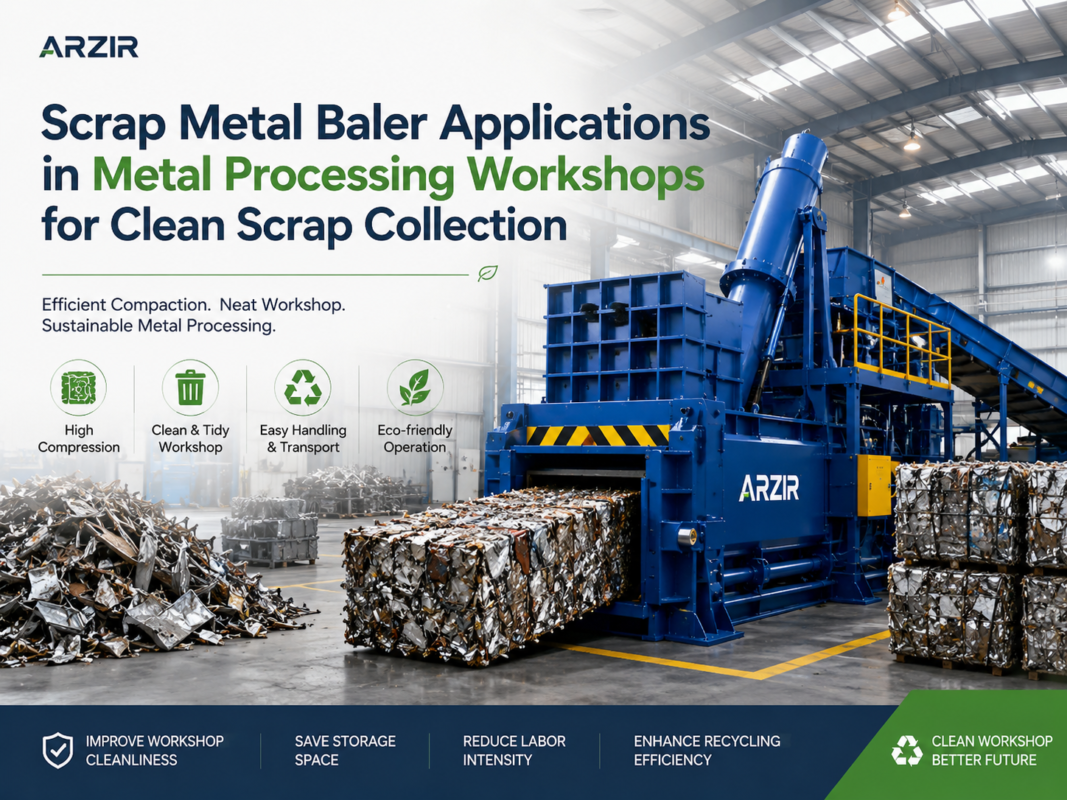
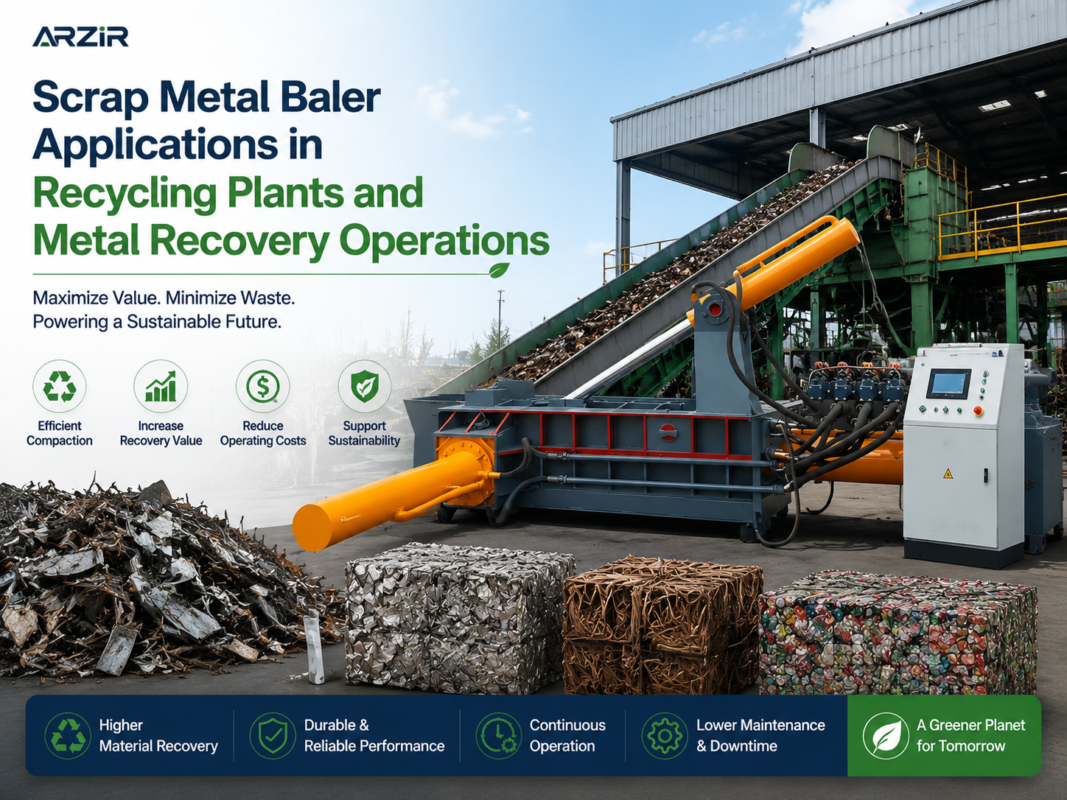
The application of scrap metal balers within a steel mill is multifaceted. Primarily, they are used for “Home Scrap” or “Return Material Recovery.” During the casting, rolling, and finishing processes, a significant amount of steel is trimmed or rejected. This material is of known chemical composition and is highly valuable. Without baling, this return material is difficult to transport back to the melting shop due to its irregular shapes and low density. Scrap metal balers allow mills to process this internal waste immediately, keeping the production loop closed and efficient.
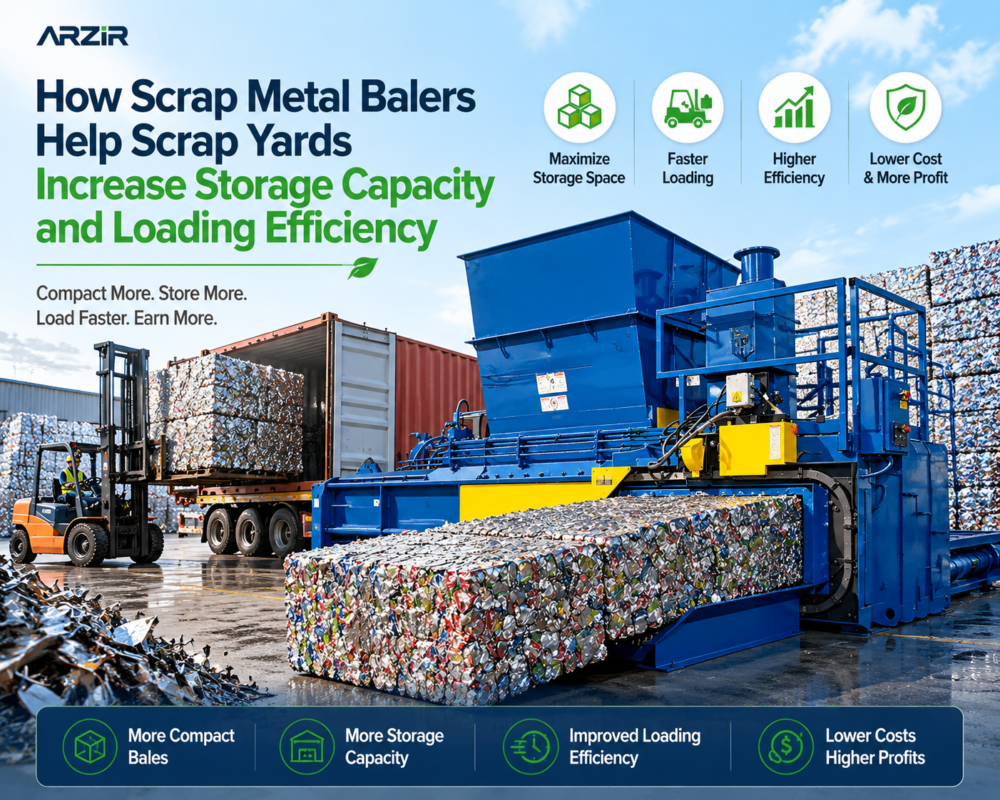
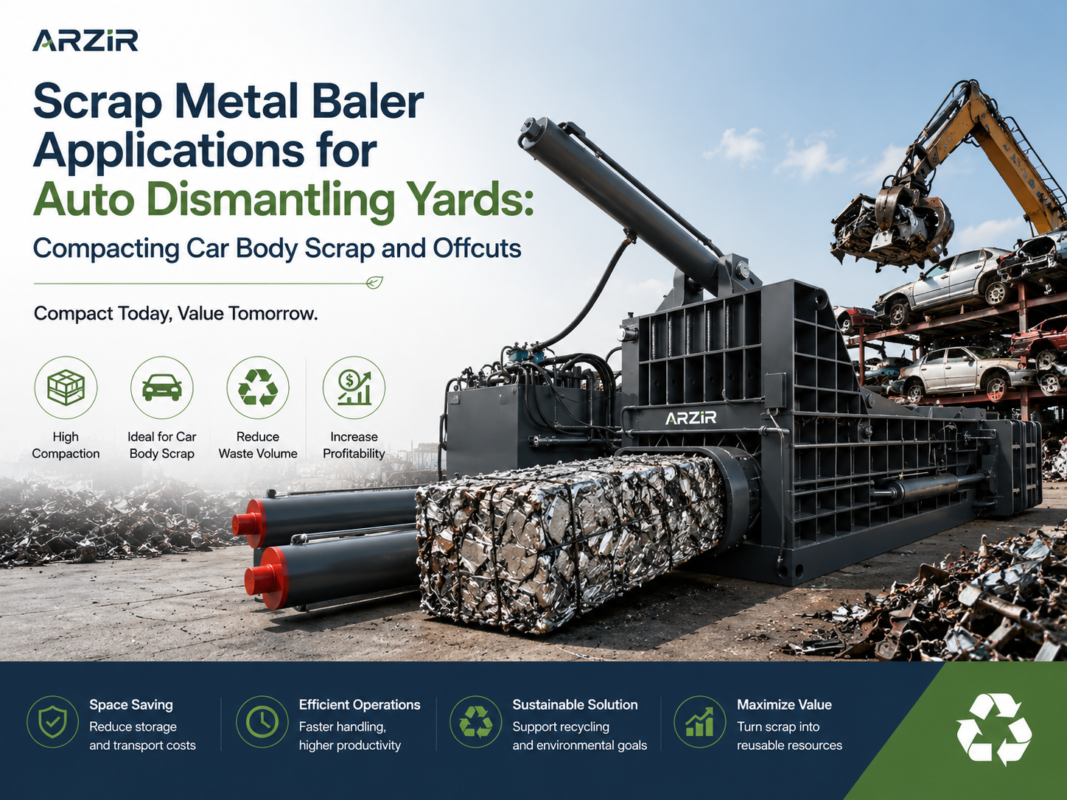
Beyond internal recovery, steel mills often operate large-scale scrap yards where external scrap is received from various sources. This external scrap can include automotive bodies, structural steel, and industrial clippings. Handling these materials in their loose form requires massive storage space and results in inefficient furnace charging. By implementing a centralized baling station, the mill can standardize the size and weight of the scrap units, leading to more predictable melting cycles and reduced logistics costs. The ability to stack bales also maximizes the vertical storage capacity of the scrap yard.
Furthermore, scrap metal balers are essential in specialized alloy steel production. In these scenarios, maintaining the purity of the scrap is paramount. Balers allow for the segregation and compacting of specific grades of steel, preventing cross-contamination. When a specific batch of stainless or tool steel is required, the mill can pull precisely the right number of high-density bales from inventory, ensuring the chemical integrity of the final product while minimizing the energy required to submerge the scrap into the molten bath.
Material and Process Requirements for Effective Recovery
To understand how Scrap Metal Balers Support Steel Mill Scrap Handling Return Material Recovery, one must consider the physical and chemical requirements of the steelmaking process. The primary goal of baling is to achieve a specific bulk density. In an Electric Arc Furnace, low-density scrap tends to float on top of the slag, leading to increased oxidation and energy loss. High-density bales, conversely, sink into the melt, providing better heat transfer and faster melting times. Typically, steel mills require a bale density of at least 30% to 50% of the solid metal density.
The materials processed by these balers vary widely. Common inputs include:
- New Production Offcuts: Clean, high-quality steel from stamping and shearing lines.
- Light Gauge Scrap: Sheet metal, ductwork, and thin-walled tubing.
- Wire and Cable: Often bundled before baling to ensure structural integrity of the bale.
- Structural Steel: Smaller sections of I-beams or angles that require high-pressure compaction.
The process also requires strict adherence to safety and environmental standards. Scrap must be free of hazardous materials, sealed containers, or excessive moisture, which can cause explosions in the furnace. Modern baling processes often include a pre-sorting or inspection phase. The baler itself must be capable of exerting enough force to overcome the yield strength of the material, which for steel, requires robust hydraulic cylinders and a rigid frame structure. HARSLE machines are specifically designed with these high-stress requirements in mind, utilizing reinforced chambers and high-tensile steel liners.
Recommended Machine Configuration for Steel Mills
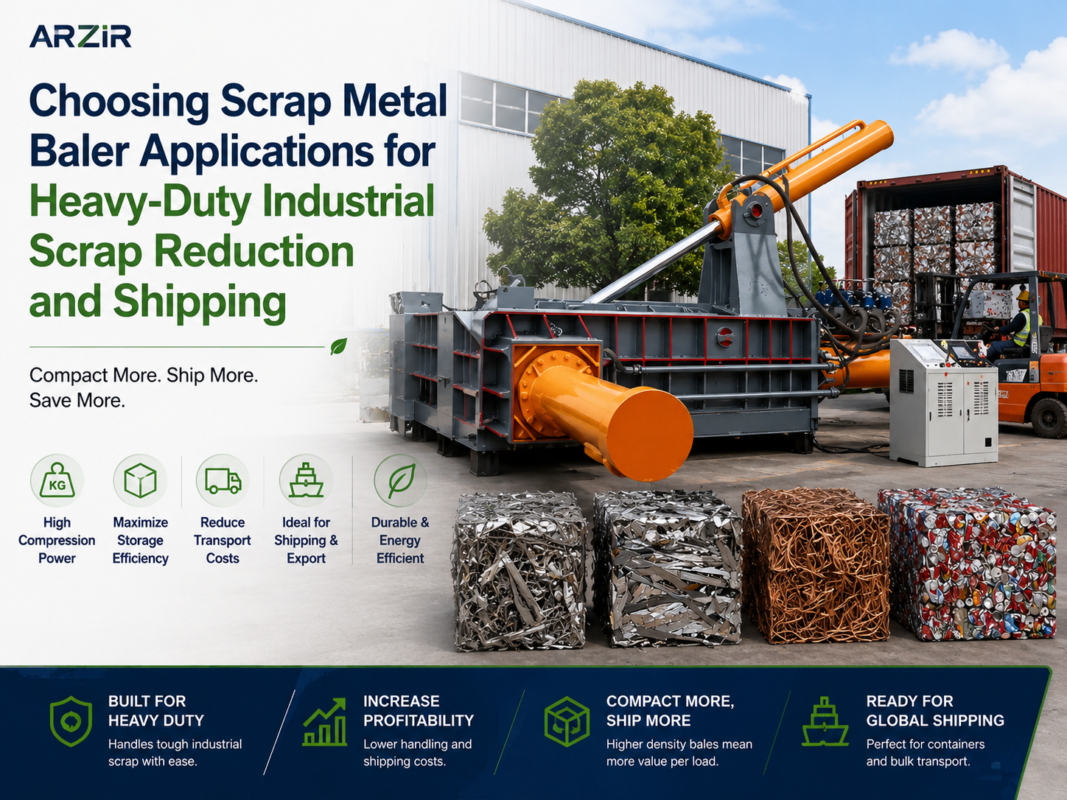
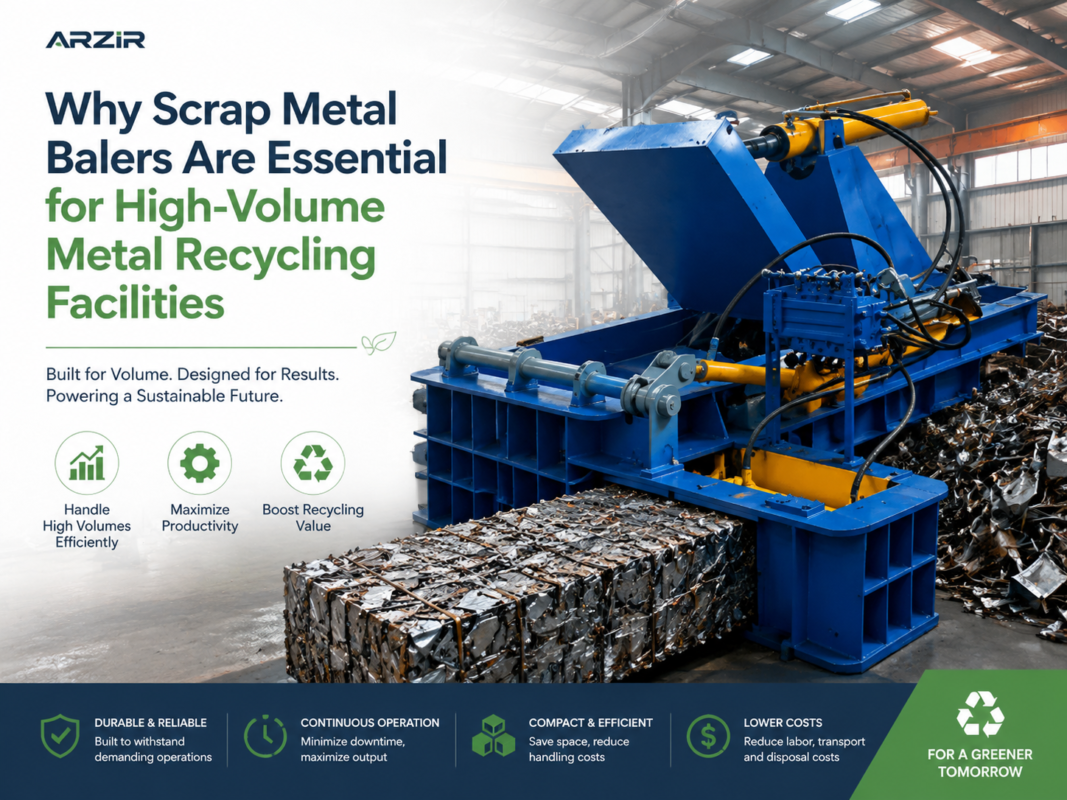
When selecting a scrap metal baler for a steel mill environment, the configuration must prioritize durability, speed, and density. A standard “one-size-fits-all” approach rarely works in heavy industry. HARSLE recommends a triple-compression hydraulic baler for maximum efficiency. This configuration applies pressure from three directions, ensuring the tightest possible bale and the highest density. The following table outlines the typical specifications for a high-capacity mill-grade baler:
| Feature | Specification Requirement | Benefit for Steel Mills |
|---|---|---|
| Main Cylinder Force | 2500 kN – 6300 kN | Ensures high density for heavy steel scrap. | Chamber Size | 2000x1400x900 mm (Adjustable) | Accommodates large industrial offcuts. | Bale Size | 400×400 mm to 600×600 mm | Optimized for standard furnace charging buckets. | Cycle Time | 90 – 120 seconds | High throughput for continuous production. | Control System | Siemens PLC with Touchscreen | Precision control and easy troubleshooting. | Cooling System | Industrial Water or Air Cooling | Allows for 24/7 operation in hot environments. |
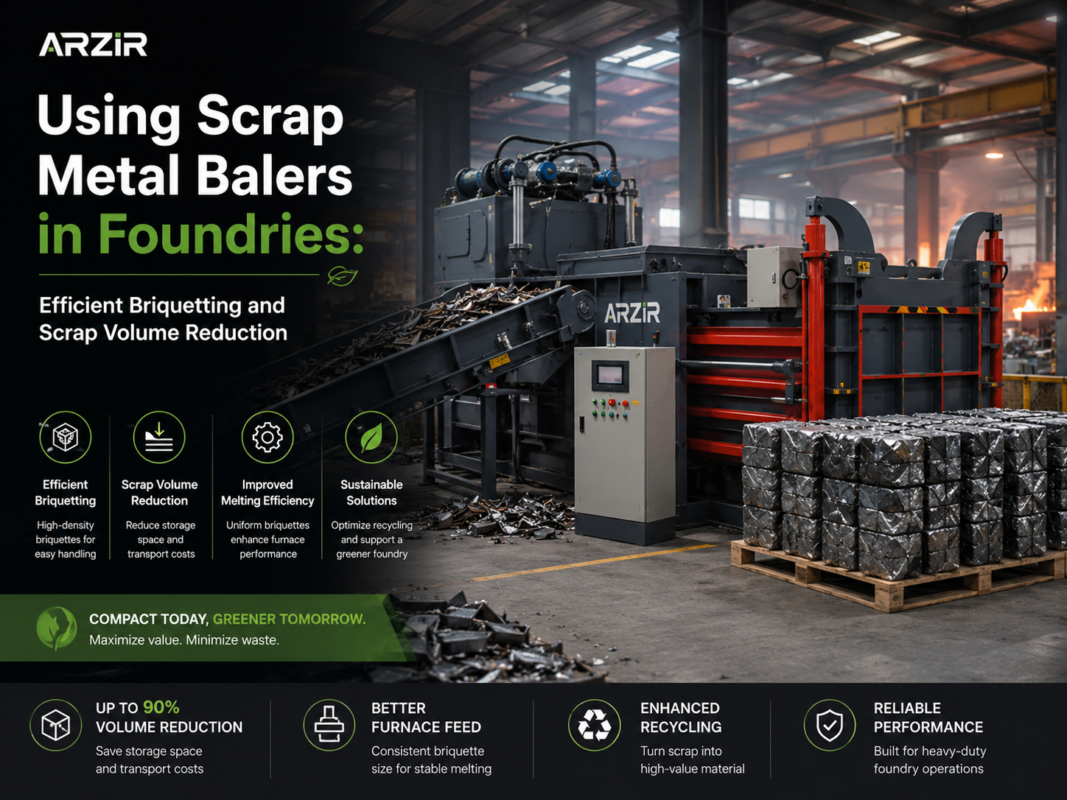
In addition to the core hydraulic power, the machine should be equipped with wear-resistant liners, such as Hardox plates. Steel scrap is incredibly abrasive; without these liners, the chamber walls would degrade rapidly, leading to frequent downtime. Another critical configuration is the discharge method. For steel mills, a “side-push” or “forward-out” discharge is often preferred as it allows the bale to be moved directly onto a conveyor or into a collection bin without manual intervention. Automation features, such as remote control operation and automatic bale weighing, further enhance the integration of the baler into the mill’s digital ecosystem.
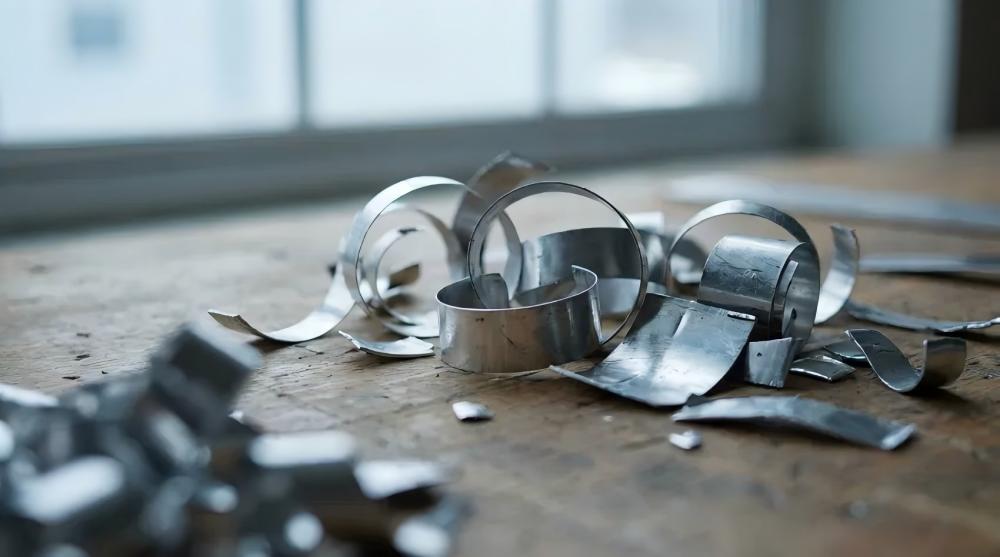
Workflow: From Loose Scrap to Furnace Charge
The workflow of Scrap Metal Balers Support Steel Mill Scrap Handling Return Material Recovery is a streamlined sequence designed to minimize labor and maximize throughput. It begins with the collection of scrap at the source—whether it is the trimming station of a rolling mill or the unloading dock of a scrap yard. The material is transported via magnetic crane or conveyor to the baler’s feeding hopper.
- Loading: The scrap is dropped into the large compression chamber. Sensors or operators ensure the chamber is filled to the optimal level to achieve the desired bale weight.
- Pre-Compression: The lid or the first lateral ram moves to close the chamber and perform the initial crush. This reduces the volume significantly and prepares the material for final compaction.
- Main Compression: The secondary and tertiary rams engage, applying the full force of the hydraulic system. This stage is where the “interlocking” of the metal pieces occurs, creating a structurally sound bale without the need for strapping or wire.
- Ejection: Once the cycle is complete, the discharge gate opens, and the bale is pushed out. In a HARSLE system, this is often synchronized with a discharge conveyor.
- Transport and Storage: The dense bales are moved to the charging bay. Because they are uniform in size, they can be stacked neatly, reducing the footprint of the scrap inventory by up to 80%.
- Furnace Charging: When the furnace is ready, a magnet crane picks up the bales and drops them into the charging bucket. The high density ensures that the bucket is filled to its weight capacity, reducing the number of “charges” required per heat.
Productivity Benefits and ROI
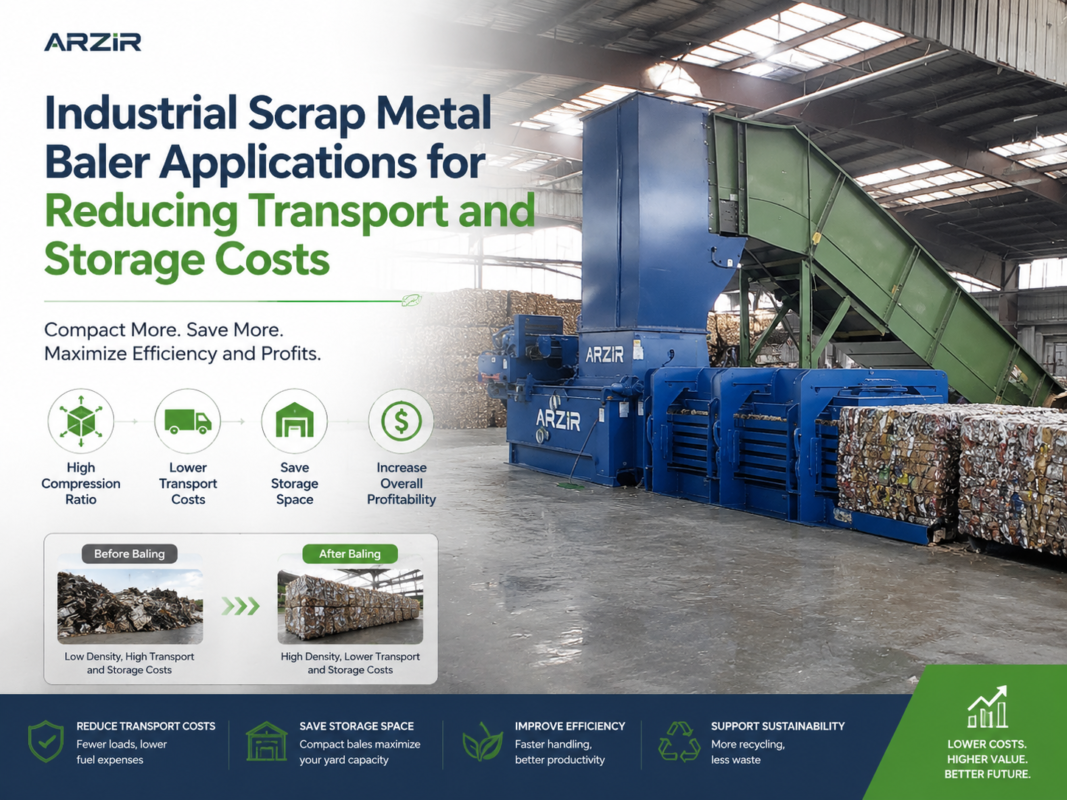
The investment in a high-quality scrap metal baler yields significant productivity benefits that directly impact the bottom line. The most immediate benefit is the reduction in transportation and handling costs. Loose scrap is expensive to move; a truck that can carry 20 tons of baled scrap might only be able to carry 5 tons of loose scrap. By compacting the material at the source, mills can slash their internal and external logistics expenses.
From a metallurgical perspective, the benefits are even more profound. High-density bales reduce the surface area of the metal exposed to the air during the melting process. This significantly lowers the oxidation rate (burn-off), meaning more of the scrap actually turns into liquid steel. In a large-scale operation, a 1-2% increase in yield due to reduced oxidation can save millions of dollars annually. Additionally, the uniform size of the bales allows for more consistent melting profiles, reducing energy consumption and electrode wear in EAFs.
Safety is another critical factor. Loose scrap often has sharp edges and can be unstable when piled. Bales are much safer to handle, stack, and transport. They eliminate the risk of scrap falling from conveyors or cranes. Furthermore, the environmental impact cannot be ignored. By making the recovery of return material more efficient, mills reduce their reliance on virgin iron ore and coke, significantly lowering their overall carbon footprint and aligning with global sustainability targets.
Case Example: Optimizing a Mid-Sized Steel Plant
Consider a mid-sized steel plant producing 500,000 tons of structural steel annually. Before implementing a HARSLE scrap metal baling system, the plant struggled with its internal return material. Offcuts from the rolling mill were collected in large bins and transported loosely back to the furnace. This required three dedicated trucks and resulted in frequent furnace charging delays because the loose scrap was too bulky for the charging buckets.
After installing a HARSLE Y81 series hydraulic metal baler, the plant transformed its workflow. The offcuts were baled immediately at the rolling mill exit. The density of the scrap increased from 400 kg/m³ to 1800 kg/m³. This allowed the plant to reduce its internal transport fleet from three trucks to one. More importantly, the furnace charging time was reduced by 15 minutes per heat because the charging buckets could be filled to capacity in a single pass. The plant reported a 1.5% increase in total metallic yield and an ROI on the baler within just 14 months of operation.
Frequently Asked Questions (FAQ)
What is the typical lifespan of a HARSLE scrap metal baler in a steel mill?
With proper maintenance and the use of high-quality wear liners, a HARSLE baler is designed to last 10-15 years in a heavy-duty industrial environment. Regular hydraulic oil changes and liner replacements are key to longevity.
Can these balers handle stainless steel and high-alloy scraps?
Yes, HARSLE balers are equipped with high-pressure hydraulic systems capable of compacting high-strength alloys. The use of hardened steel liners ensures that the abrasive nature of these materials does not damage the machine.
How does baling improve the energy efficiency of the furnace?
Baled scrap has a higher bulk density, which improves the electrical conductivity in an EAF and allows for a more stable arc. It also ensures the scrap is submerged quickly in the melt, maximizing heat transfer and reducing the total power-on time required for a heat.
Is automation available for these machines?
Absolutely. HARSLE offers fully automated configurations where the baling cycle is triggered by sensors in the hopper, and the bales are automatically weighed and logged into the mill’s production tracking system.
What maintenance is required for the hydraulic system?
Routine maintenance includes monitoring oil levels, checking for leaks, cleaning filters, and ensuring the cooling system is functioning correctly. HARSLE provides detailed maintenance schedules and remote technical support to ensure minimal downtime.
Conclusion: Partnering with HARSLE for Superior Scrap Management
The evidence is clear: Scrap Metal Balers Support Steel Mill Scrap Handling Return Material Recovery by providing a bridge between waste generation and efficient production. In an era where every kilowatt-hour and every kilogram of material counts, the ability to process scrap into high-density, furnace-ready bales is a competitive advantage that no modern steel mill can afford to overlook.
HARSLE remains committed to providing the steel industry with robust, high-performance machinery that stands up to the toughest conditions. Our scrap metal balers are more than just equipment; they are essential components of a sustainable and profitable steelmaking operation. By choosing HARSLE, you are investing in a legacy of engineering excellence, dedicated service, and a future where material recovery is seamless and efficient.
Ready to optimize your scrap handling process? Contact HARSLE today to speak with our technical experts about a customized baling solution tailored to your mill’s specific needs. Let us help you turn your scrap into a strategic asset.