Scrap Metal Baler Applications in Recycling Plants: Improving Material Density and Transport Efficiency

Introduction to Scrap Metal Baler Applications in Recycling Plants
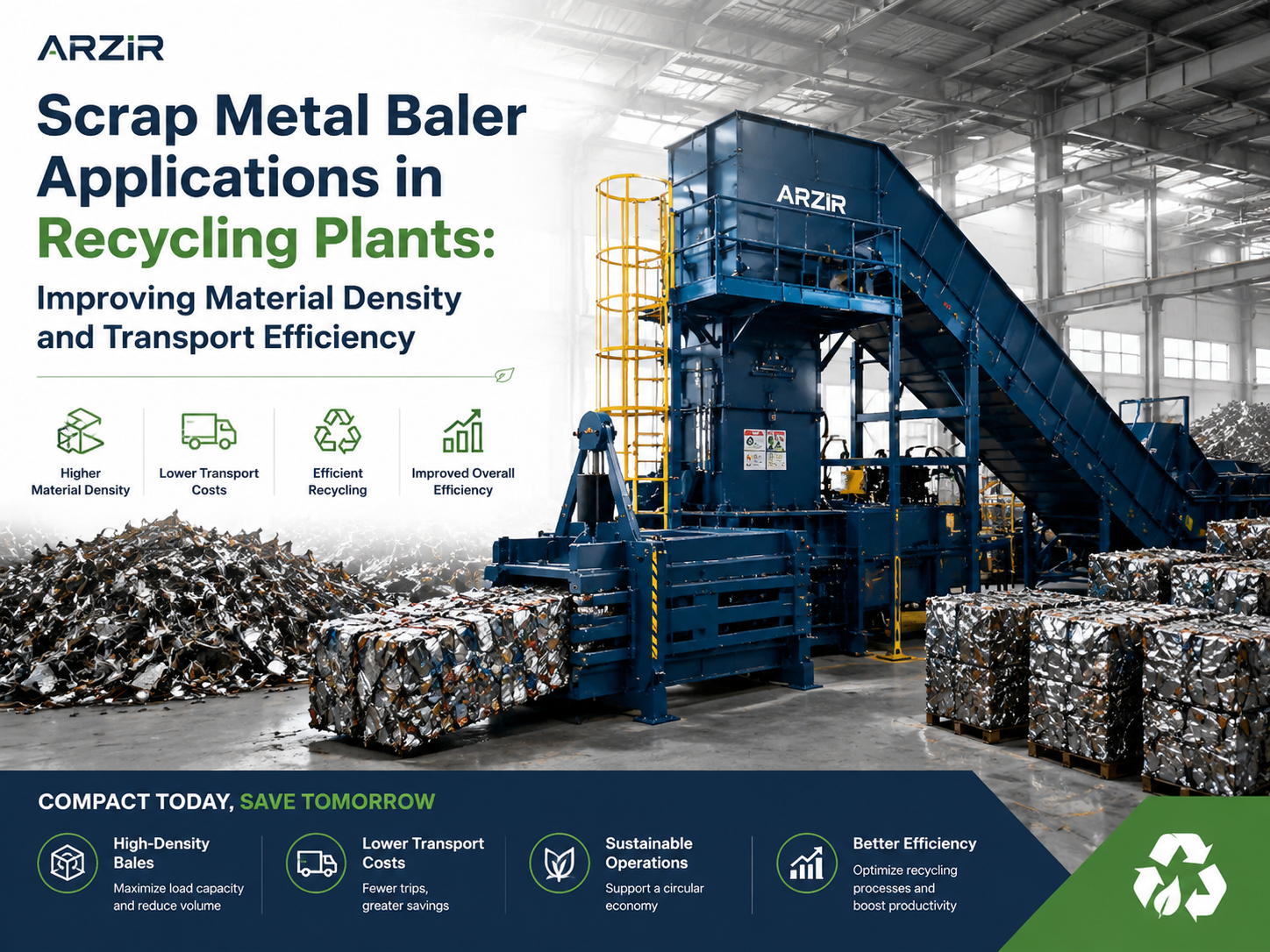
In the modern industrial landscape, the management of waste materials has transitioned from a logistical burden to a critical component of the circular economy. Scrap metal baler applications in recycling plants play a pivotal role in this transformation, specifically by addressing the challenges of material density and transport efficiency. As global demand for recycled steel, aluminum, and copper continues to rise, the ability to process loose scrap into compact, manageable units is no longer optional—it is a prerequisite for profitability and sustainability.
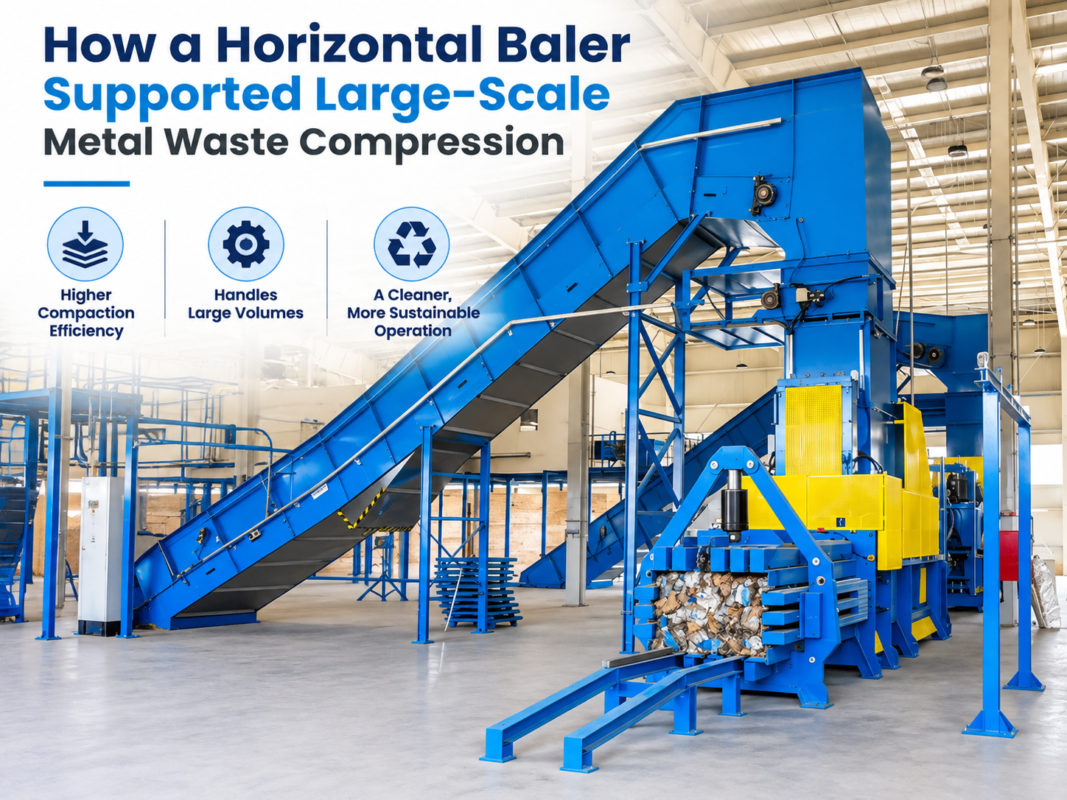
HARSLE, a leader in metal fabrication machinery, provides advanced hydraulic baling solutions designed to meet the rigorous demands of high-volume recycling facilities. By utilizing high-pressure hydraulic systems, these machines compress voluminous scrap—ranging from aluminum cans to heavy structural steel—into dense bales. This process not only facilitates easier handling but also significantly reduces the carbon footprint associated with transporting raw materials to smelting plants. In this comprehensive guide, we will explore the various applications, technical requirements, and productivity benefits of integrating high-performance balers into your recycling workflow.
Application Scenarios for Scrap Metal Balers
Automotive Recycling and End-of-Life Vehicle Processing
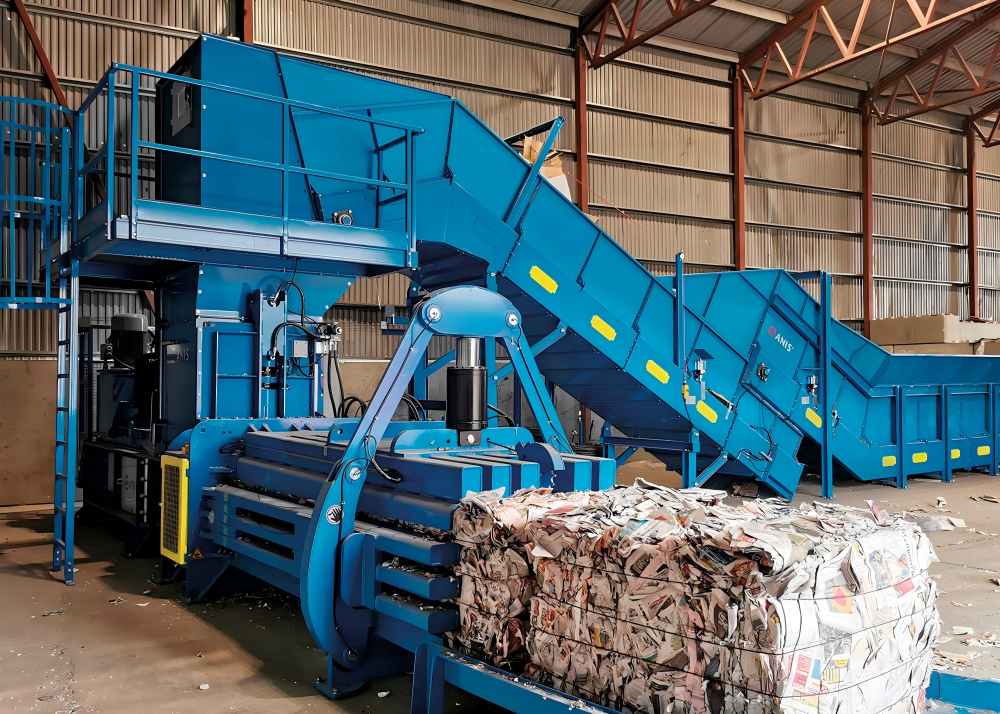
One of the most prominent scrap metal baler applications in recycling plants is within the automotive sector. When vehicles reach the end of their functional life, they are stripped of fluids and reusable parts, leaving behind a bulky shell of steel and aluminum. Without baling, these shells occupy massive amounts of space in scrap yards. HARSLE balers are used to crush these frames into high-density cubes, allowing for efficient stacking and transport to shredding facilities. This application is essential for maintaining a clean and organized yard while maximizing the throughput of the recycling line.
Industrial Manufacturing and Stamping Offcuts
Manufacturing plants that specialize in metal stamping, punching, or CNC machining generate significant amounts of skeletal scrap and metal shavings. These materials are often sharp, irregular, and difficult to handle manually. By placing a scrap metal baler at the end of the production line, manufacturers can immediately convert waste into a revenue stream. The baled offcuts are much easier to weigh and sell to recyclers, ensuring that the factory floor remains clear of hazardous debris and that the value of the scrap material is preserved through high-density packaging.
Demolition and Construction Waste Management
Demolition sites are a primary source of ferrous scrap, including rebar, I-beams, and metal piping. These materials are inherently difficult to transport due to their length and irregular shapes. Scrap metal baler applications in recycling plants that handle demolition waste focus on reducing these long components into compact bales. This allows for more tons per truckload, directly reducing the number of trips required to clear a site. The efficiency gained here is critical for meeting tight project deadlines and reducing the environmental impact of construction logistics.
Municipal and Consumer Recycling Centers
On a smaller but equally important scale, municipal recycling centers use balers to process consumer waste such as aluminum beverage cans, tin food containers, and light household appliances. These materials have very low bulk density, meaning they take up a lot of space while weighing very little. Baling these materials is the only way to make their transport economically viable. HARSLE’s range of balers includes models specifically optimized for these lighter materials, ensuring that even small-scale recycling operations can achieve professional-grade density and efficiency.
Material and Process Requirements
Understanding Material Composition and Compressibility
The effectiveness of scrap metal baler applications in recycling plants depends heavily on the type of material being processed. Ferrous metals, such as carbon steel and cast iron, require significantly higher compression forces compared to non-ferrous metals like aluminum or copper. Furthermore, the “spring-back” effect—where material attempts to expand after the compression cycle—must be accounted for in the machine’s design. High-quality balers utilize a combination of sustained pressure and structural locking mechanisms to ensure the bale retains its shape and density once ejected.
Volume and Throughput Demands
Recycling plants must match their baler selection to their daily volume requirements. A facility processing 50 tons of scrap per day requires a different configuration than a local yard processing 5 tons. The process requirements involve calculating the cycle time—the time it takes for the ram to extend, compress, and retract. For high-volume applications, automated feeding systems, such as conveyor belts or orange-peel grapples, are integrated to ensure the baler is never idling, thereby maximizing the return on investment.
Density Targets for Smelting and Logistics
The ultimate goal of baling is to reach a specific density target required by the end-user, typically a foundry or steel mill. Smelters prefer high-density bales because they melt more efficiently and reduce the amount of oxidation during the heating process. From a logistics perspective, the goal is to reach the maximum weight capacity of a shipping container or truck before reaching the volume limit. Achieving a density of 1,500 kg/m³ to 2,000 kg/m³ is often the benchmark for high-quality ferrous bales, and the machinery must be robust enough to reach these levels consistently.
Recommended Machine Configuration
Hydraulic System and Power Unit
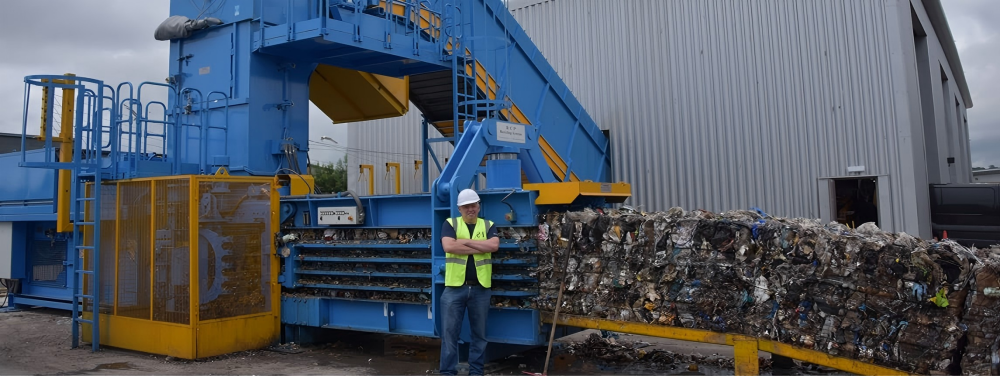
The heart of any scrap metal baler is its hydraulic system. For industrial-grade applications, HARSLE recommends a configuration featuring high-pressure piston pumps and heavy-duty cylinders. The system should include a variable displacement pump to optimize energy consumption; it provides high flow at low pressure for fast movement and switches to low flow at high pressure for the final compression stage. This ensures the machine operates efficiently without unnecessary heat buildup in the hydraulic oil.
Structural Design and Wear Liners
Given the abrasive nature of scrap metal, the baling chamber must be constructed from high-tensile steel. A critical configuration feature is the use of replaceable wear liners, typically made from Hardox or similar abrasion-resistant materials. These liners protect the main structure of the machine from the constant friction of metal-on-metal compression. Additionally, the inclusion of shear blades on the edge of the ram and the chamber allows the machine to cut through overhanging scrap, preventing jams and ensuring a clean bale every time.
Control Systems and Automation
Modern scrap metal baler applications in recycling plants benefit immensely from PLC (Programmable Logic Controller) integration. A recommended configuration includes a Siemens or Schneider PLC with a touchscreen HMI (Human Machine Interface). This allows operators to select different programs for different materials (e.g., a “soft” cycle for aluminum and a “hard” cycle for steel). Automation features like bale-end sensors, oil temperature alarms, and remote diagnostic capabilities significantly reduce downtime and improve safety.
Workflow of a Scrap Metal Baling Operation
Step 1: Collection and Sorting
The workflow begins with the collection of scrap from various sources. Sorting is a crucial first step; mixing different types of metals can lower the value of the final bale. Ferrous materials are often separated from non-ferrous ones using magnetic separators. Once sorted, the material is staged near the baler’s loading hopper.
Step 2: Feeding the Baler
Material is fed into the compression chamber. In manual operations, this might be done with a forklift or a small crane. In high-efficiency recycling plants, a continuous conveyor system or a large hydraulic grab is used. The goal is to fill the chamber to its optimal capacity to ensure each bale is of uniform size and weight.
Step 3: Compression Cycle
Once the chamber is full, the operator initiates the cycle. The lid (in top-loading models) closes and locks, and the main ram begins its forward stroke. In multi-ram balers, a side ram may first compress the material laterally before the main ram performs the final longitudinal compression. This multi-directional force is what achieves the high density required for industrial transport.
Step 4: Bale Ejection and Storage
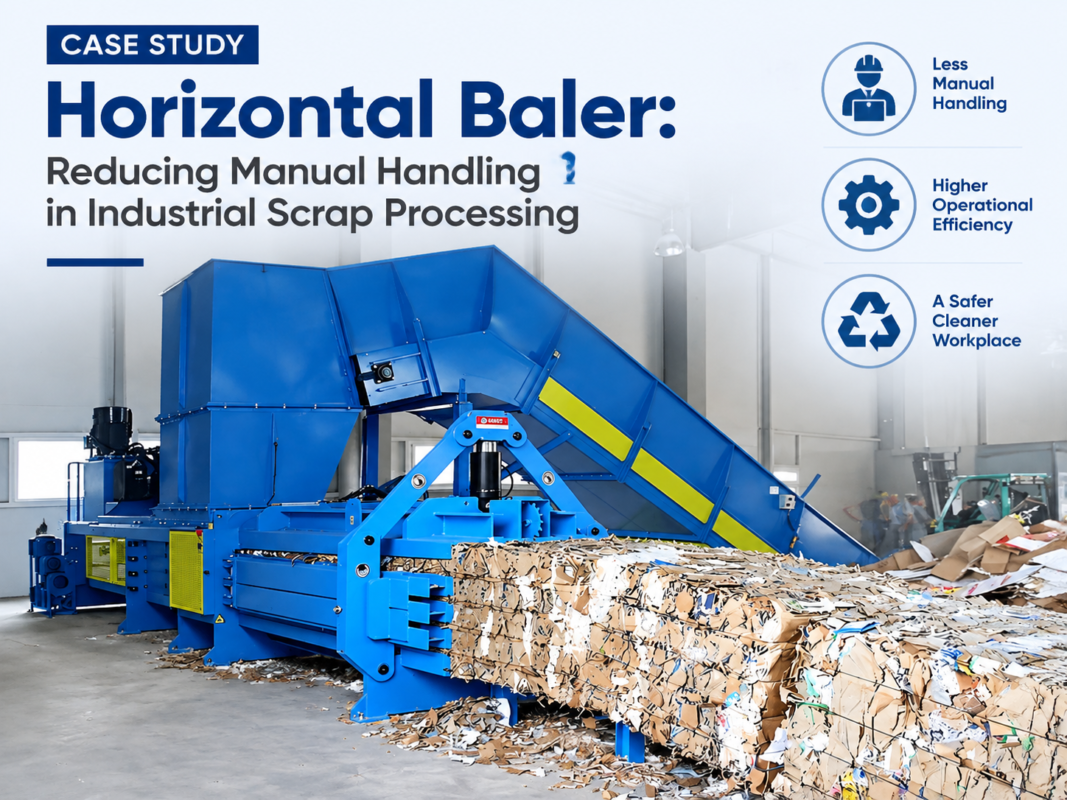
After the compression is complete, the bale is ejected from the machine. Depending on the model, this can be a “side-push” or “forward-push” ejection. The finished bale is then moved to a storage area using a forklift. Because the bales are now uniform in shape, they can be stacked safely and efficiently, maximizing the use of vertical space in the warehouse.
Productivity Benefits: Improving Material Density and Transport Efficiency
Drastic Reduction in Logistics Costs
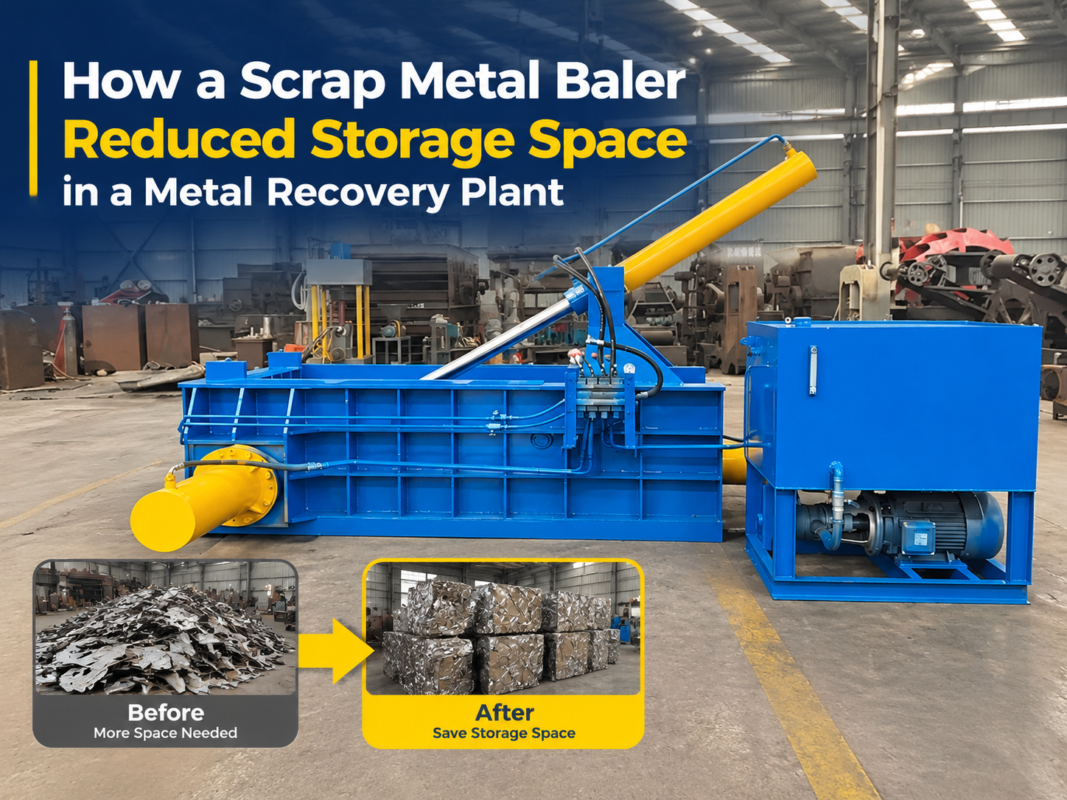
The most immediate benefit of scrap metal baler applications in recycling plants is the reduction in transport costs. Loose scrap is incredibly inefficient to move; a truck might reach its volume capacity while only carrying 20% of its weight capacity. By increasing material density through baling, plants can ensure that every truck leaving the facility is loaded to its maximum legal weight. This can reduce the number of required trips by up to 75%, leading to massive savings in fuel, labor, and vehicle maintenance.
Optimized Storage and Yard Management
Space is often the most constrained resource in a recycling plant. Loose scrap piles are not only unsightly but also hazardous and difficult to navigate. Baling transforms these sprawling piles into neat, stackable blocks. This optimization allows plants to store more inventory in the same footprint, enabling them to hold onto material when market prices are low and sell in bulk when prices rise.
Enhanced Safety and Environmental Compliance
Handling loose, jagged scrap metal is a leading cause of workplace injuries in the recycling industry. Baled metal is much safer to handle with standard material handling equipment like forklifts. Furthermore, by reducing the number of truck trips required for transport, recycling plants significantly lower their carbon emissions, contributing to corporate sustainability goals and meeting increasingly stringent environmental regulations.
Case Example: Upgrading a Regional Recycling Facility
A mid-sized recycling facility in Eastern Europe was struggling with the high cost of transporting loose aluminum and light steel scrap to a smelter located 300 kilometers away. They were utilizing three trucks daily, but each truck was only carrying about 6 tons of material due to the bulkiness of the scrap. After consulting with HARSLE, they installed a high-density hydraulic scrap metal baler with a 200-ton compression force.
The results were transformative. The facility was able to increase the density of their aluminum bales to 600 kg/m³ and their steel bales to 1,800 kg/m³. This allowed them to load 24 tons of material onto a single truck. Consequently, they reduced their daily transport requirement from three trucks to just one. Within the first year, the savings in logistics costs alone paid for the machine, while the improved organization of their yard allowed them to increase their total processing capacity by 30%.
Frequently Asked Questions (FAQ)
What is the average lifespan of a HARSLE scrap metal baler?
With proper maintenance, including regular oil changes and timely replacement of wear liners, a HARSLE scrap metal baler can operate efficiently for 15 to 20 years. The heavy-duty structural design is built to withstand the stresses of continuous industrial use.
Can one baler handle different types of metal?
Yes, HARSLE balers are versatile. By adjusting the pressure settings and cycle times via the PLC interface, operators can switch between processing light aluminum, copper wire, and heavy steel scrap. However, for maximum efficiency, it is best to process batches of the same material together.
How do I determine the right bale size for my operation?
The ideal bale size depends on your end-buyer’s requirements and your transport method. Standard sizes like 600x600mm or 800x800mm are common because they fit well in standard shipping containers and truck beds. We recommend checking with your local foundry or smelter to see if they have a preferred bale dimension.
What maintenance is required for the hydraulic system?
Key maintenance tasks include monitoring hydraulic oil levels, checking for leaks in hoses and fittings, and replacing oil filters every 500-1,000 hours of operation. It is also important to keep the oil cool; HARSLE balers often come equipped with air or water cooling systems to maintain optimal operating temperatures.
Conclusion: Partnering with HARSLE for Recycling Excellence
The integration of scrap metal baler applications in recycling plants is a strategic move that yields immediate dividends in material density and transport efficiency. By converting loose, unmanageable waste into high-density bales, recycling facilities can drastically reduce their operational costs, improve safety, and enhance their market competitiveness. HARSLE remains committed to providing the robust, high-performance machinery needed to drive the recycling industry forward.
Whether you are a small local recycler or a large-scale industrial processing plant, HARSLE has the expertise and the equipment to optimize your workflow. Our hydraulic balers are engineered for durability, efficiency, and ease of use, ensuring that your investment continues to deliver value for decades to come. Contact us today to learn more about our scrap metal baling solutions and how we can help you achieve your productivity goals.