Where Scrap Metal Balers Deliver the Most Value in the Machinery Industry

Introduction to Scrap Metal Balers in Modern Manufacturing
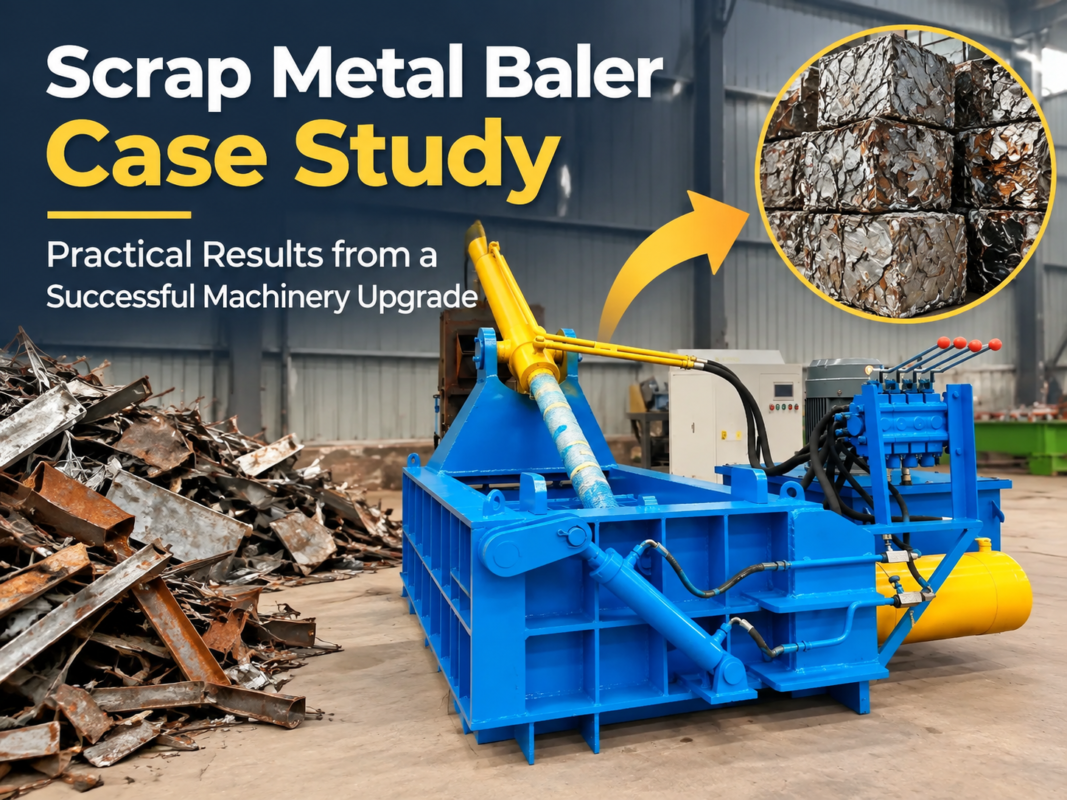
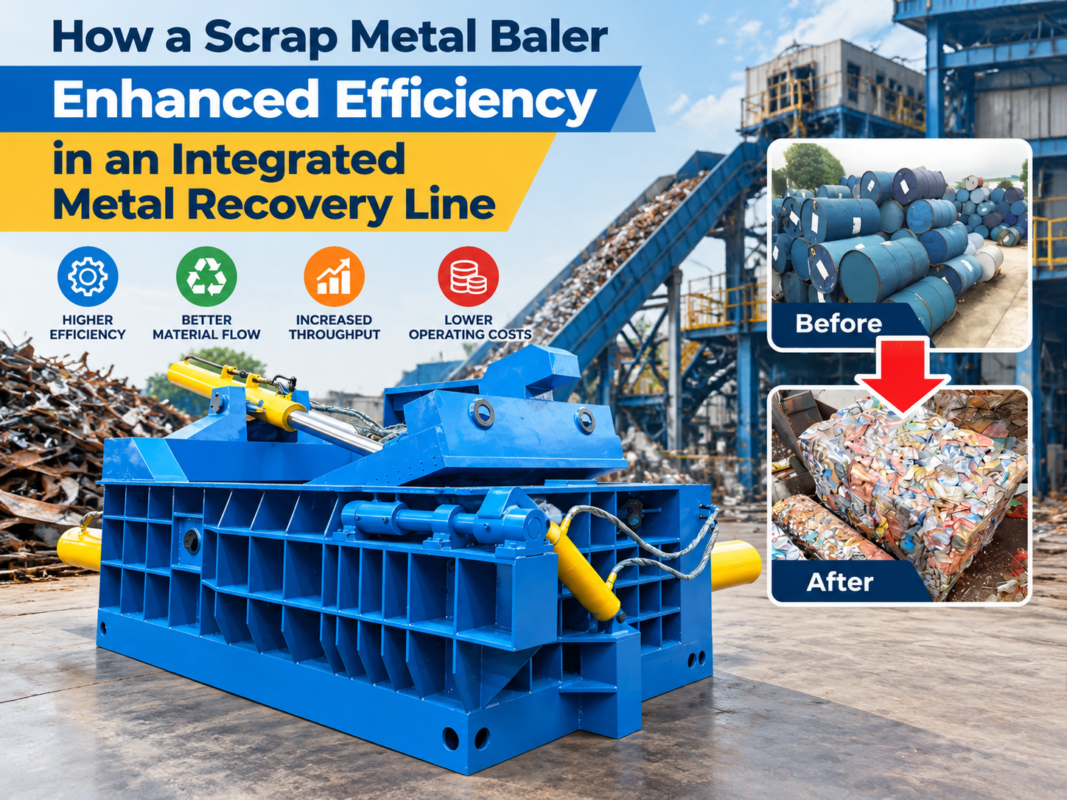
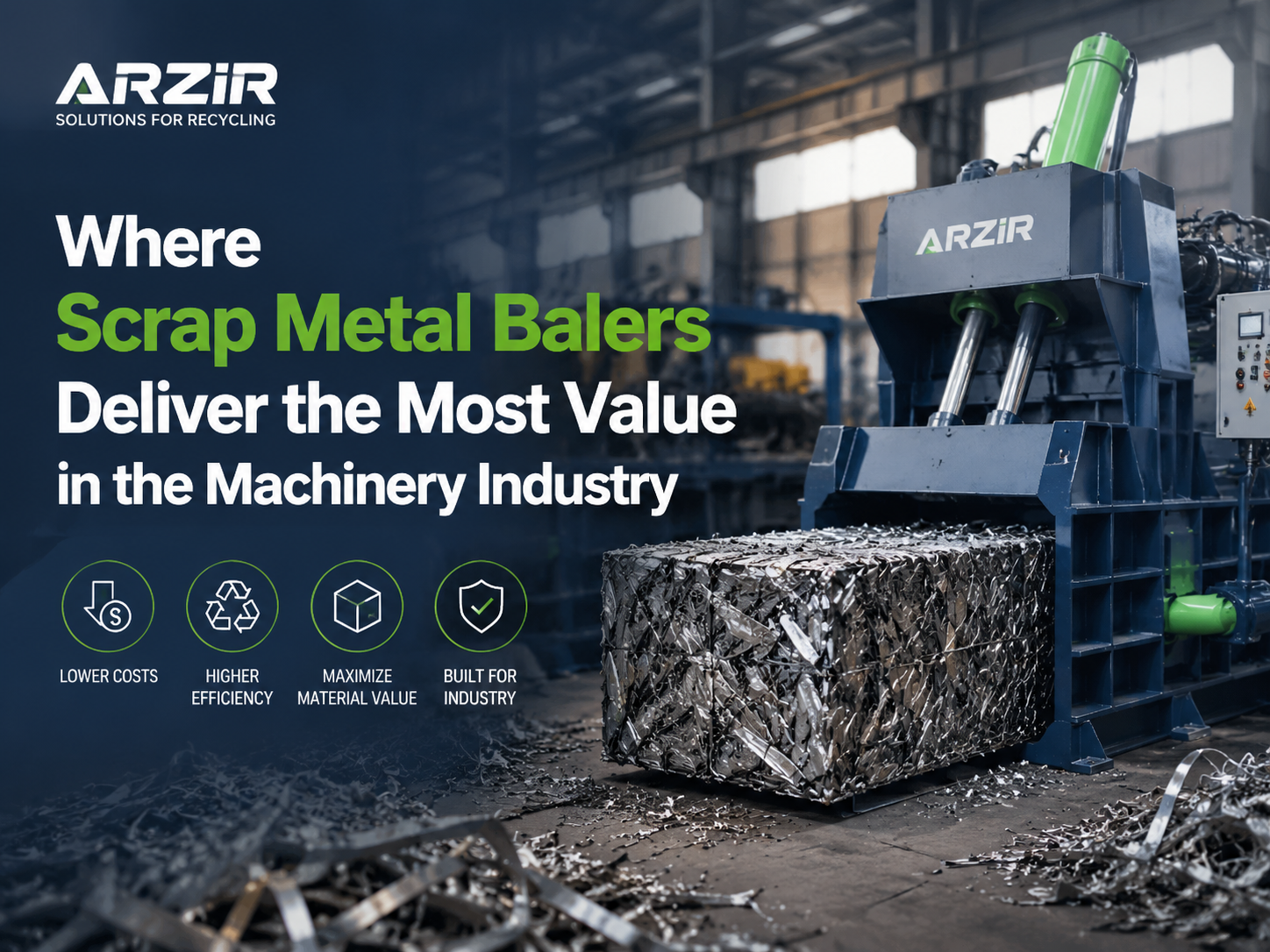
In the high-stakes world of industrial manufacturing and metal fabrication, efficiency is not just a goal—it is a necessity for survival. As global industries shift toward more sustainable practices and leaner production models, the management of waste materials has moved from a secondary concern to a primary operational focus. This is exactly where scrap metal balers deliver the most value in the machinery industry. These robust machines are designed to compress voluminous metal waste into dense, manageable blocks, transforming what was once a logistical nightmare into a profitable asset.
HARSLE, a leader in metal fabrication machinery, understands that the value of a scrap metal baler extends far beyond simple waste compression. It involves optimizing the entire lifecycle of metal scrap, from the moment it falls off the cutting table to its eventual arrival at a smelting facility. By integrating high-pressure hydraulic systems with precision engineering, modern balers allow companies to reclaim floor space, reduce transportation costs, and command higher prices for their recycled materials. In this comprehensive guide, we will explore the specific scenarios, technical requirements, and productivity benefits that define the value proposition of scrap metal balers in today’s industrial landscape.
Application Scenarios: Where the Value is Realized
1. High-Volume Automotive Stamping Plants
The automotive industry is perhaps the largest generator of high-quality metal scrap. During the stamping process, large sheets of steel and aluminum are cut into body panels, leaving behind significant amounts of “skeleton” scrap. Without a baler, this scrap is awkward to handle, sharp, and takes up massive amounts of bin space. In these environments, scrap metal balers deliver value by providing a continuous processing solution that keeps the production line moving without interruptions caused by overflowing scrap bins.
2. Aerospace and Precision Machining
In aerospace manufacturing, the materials used—such as titanium, high-grade aluminum, and specialized alloys—are incredibly expensive. Every gram of waste represents a loss of capital. Balers in this sector are used to segregate and compress these high-value turnings and offcuts. By baling these materials, manufacturers prevent cross-contamination and ensure that the scrap retains its maximum metallurgical value when sold back to refineries.
3. Large-Scale Demolition and Construction Sites
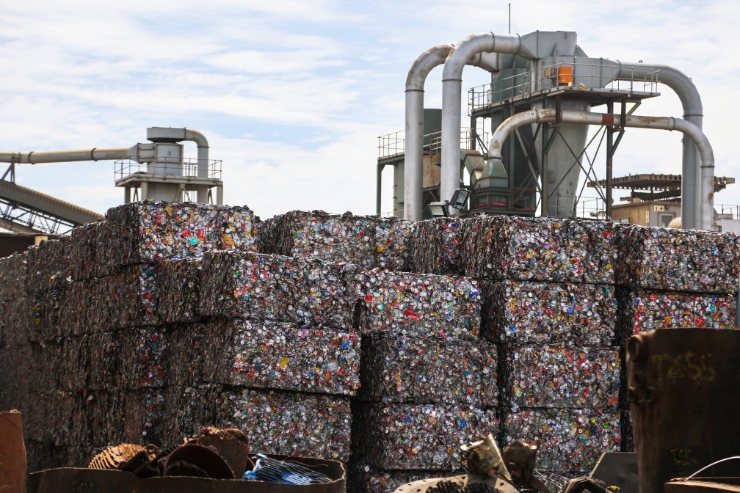
Demolition projects generate vast quantities of structural steel, rebar, and copper piping. Transporting loose rebar is notoriously inefficient because of its low bulk density. Scrap metal balers used on-site or at nearby collection hubs allow contractors to process this material into dense cubes. This drastically reduces the number of truck trips required to clear a site, directly impacting the project’s bottom line and reducing its carbon footprint.
4. Professional Recycling and Scrap Yards
For professional recyclers, the baler is the heart of the operation. It is the primary tool used to prepare material for the furnace. Steel mills and foundries have strict requirements for the density and size of the scrap they purchase. A high-quality baler ensures that the scrap yard can meet these specifications consistently, allowing them to access premium markets and international export opportunities.
Material and Process Requirements
To understand where scrap metal balers deliver most value in machinery industry, one must look at the technical demands of the materials being processed. Not all scrap is created equal, and the baling process must be tailored to the physical properties of the metal.
Ferrous vs. Non-Ferrous Materials
Ferrous metals, such as carbon steel and cast iron, are magnetic and generally have higher tensile strength. Baling these materials requires significant hydraulic force (often exceeding 200 tons of pressure) to overcome the metal’s natural elasticity and ensure the bale stays compressed. Non-ferrous metals like aluminum, copper, and brass are softer but often more voluminous. The requirement here is often speed and the ability to handle “springy” materials that might expand after the initial press.
Material Thickness and Geometry
The geometry of the scrap—whether it is thin-gauge sheet metal, thick structural beams, or long wires—dictates the type of baler needed. For example, long pieces of rebar may require a baler with integrated shearing blades that cut the material to size as the lid closes. Thin-gauge materials, on the other hand, require a chamber with tight tolerances to prevent “flash” or thin sheets of metal from jamming the hydraulic rams.
Density and Purity Standards
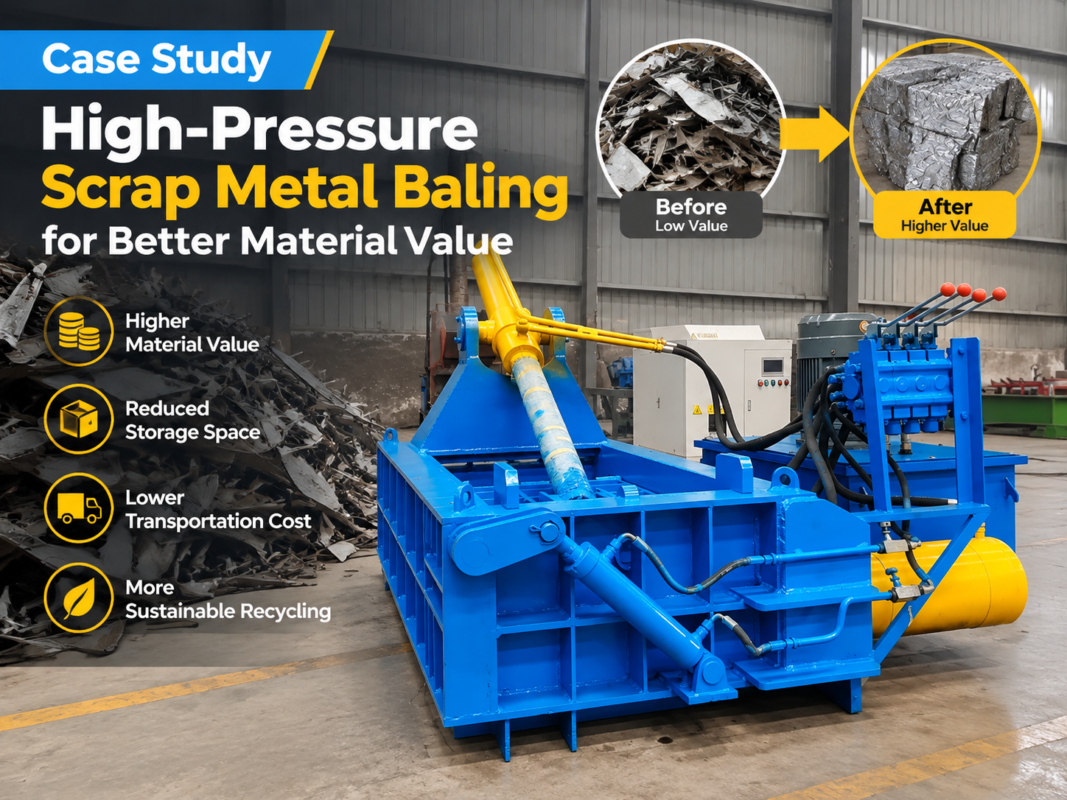
The ultimate goal of the baling process is to achieve a specific density. For most industrial applications, a bale density of 30% to 50% of the solid metal’s density is the target. This ensures the bale will sink in a molten bath during smelting rather than floating on top and oxidizing. Furthermore, the process must allow for easy inspection to ensure no contaminants (like plastics or hazardous materials) are trapped inside the bale.
Recommended Machine Configuration
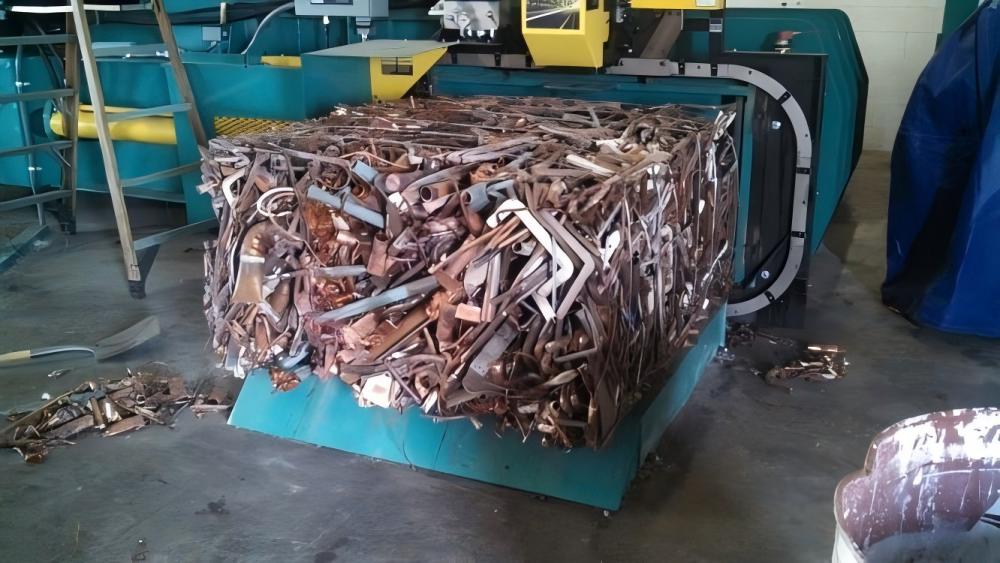
Selecting the right configuration is critical to maximizing ROI. HARSLE offers several configurations depending on the specific industrial need.
| Feature | Manual/Semi-Auto Balers | Fully Automatic Horizontal Balers | Triple Compression Balers |
|---|---|---|---|
| Primary Use | Small shops, low volume | High-volume manufacturing | Heavy industrial/Steel mills |
| Control System | Manual valves | PLC with Touchscreen | Advanced PLC with Remote Monitoring |
| Cooling System | Air-cooled (Optional) | Water or Industrial Air Cooling | Integrated High-Capacity Cooling |
| Bale Ejection | Manual/Side-push | Automatic Continuous | Front-push or Turn-out |
| Pressure Range | 60 – 125 Tons | 125 – 400 Tons | 400 – 1000+ Tons |
Hydraulic System Excellence
The core of any baler is its hydraulic system. For industrial-grade performance, we recommend systems equipped with variable displacement pumps. These pumps adjust the flow based on the resistance encountered, providing high speed during the initial stroke and high torque during the final compression phase. This maximizes energy efficiency and reduces wear on the motor.
Chamber Liners and Wear Plates
In the machinery industry, durability is king. Balers should be equipped with replaceable wear plates made from Hardox or similar high-abrasion-resistant steel. Since scrap metal is inherently abrasive, these liners protect the main structure of the machine, ensuring a service life that can span decades with proper maintenance.
The Workflow: From Loose Scrap to Dense Bales
The efficiency of a scrap metal baler is best realized when it is integrated into a seamless workflow. Here is the typical process flow in a high-value industrial setting:
- Collection and Sorting: Scrap is collected at the source (e.g., under a CNC machine) and sorted by alloy type. This is crucial because mixed-metal bales have significantly lower market value.
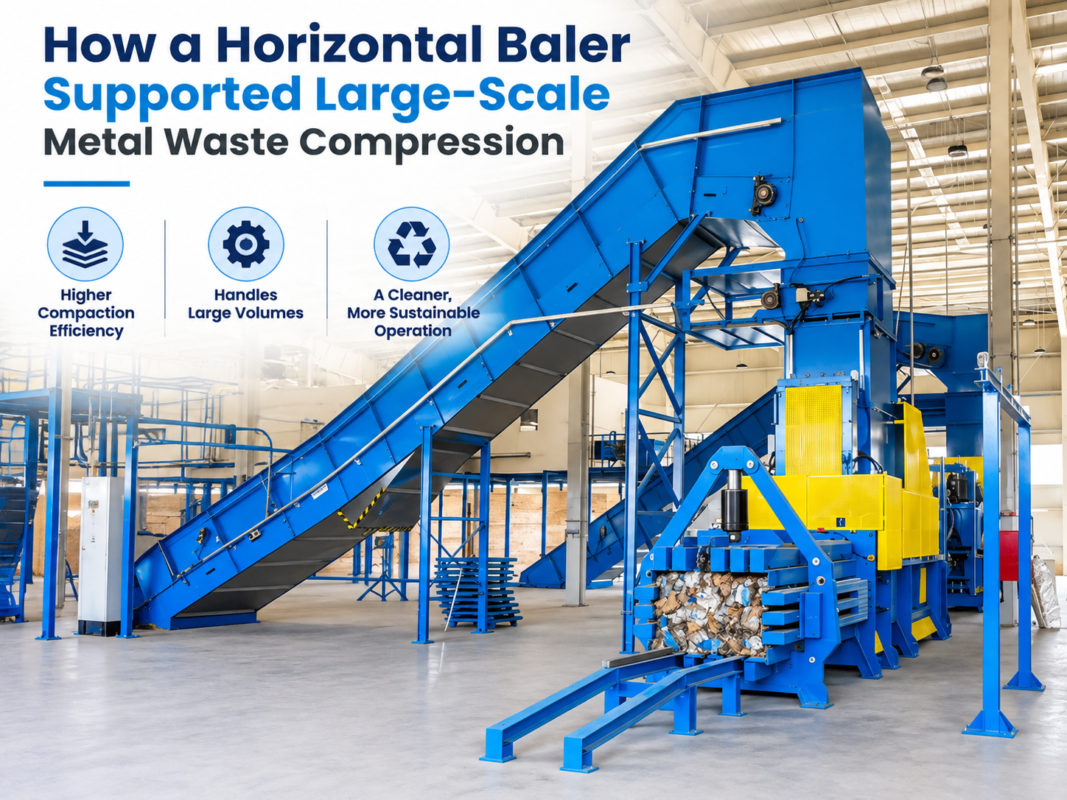
- Feeding: Material is fed into the baler’s hopper. This can be done manually, via a conveyor belt, or using a grapple crane for larger operations.
- Pre-Compression: Many high-end balers use a “pre-fill” or “side-press” design where a secondary ram or the lid itself performs an initial crush to fit the material into the main chamber.
- Main Compression: The primary hydraulic ram moves forward with maximum force, crushing the metal against the end gate or the previously formed bale.
- Binding (Optional): While many metal bales stay together through friction and mechanical interlocking, some materials may require wire tying, though this is more common in plastic/paper baling.
- Ejection: The finished bale is pushed out of the machine. In HARSLE’s side-push models, the bale is ejected through a side gate, while turn-out models flip the bale out of the chamber.
- Logistics: Bales are stacked using forklifts and loaded onto flatbeds or into containers for transport.
Productivity Benefits and ROI
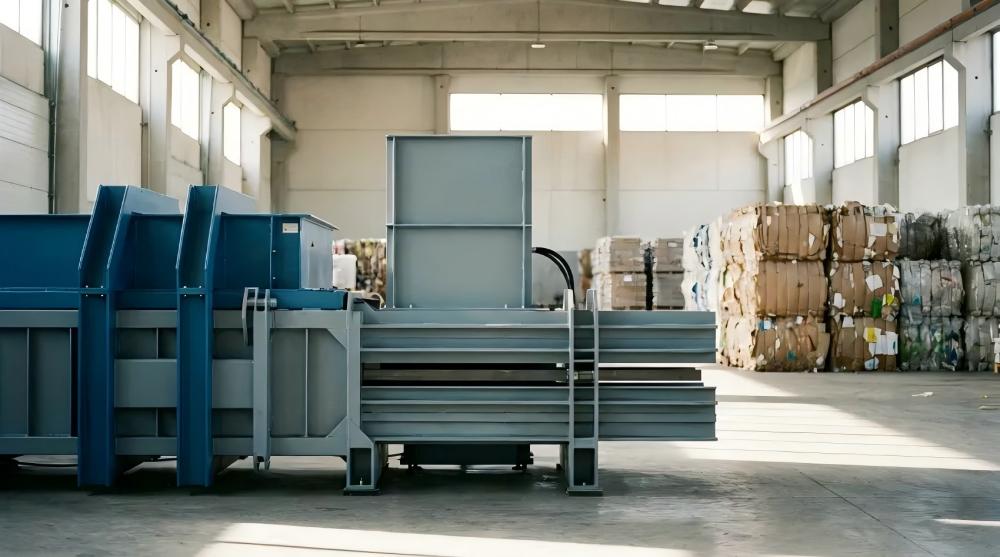
Why should a machinery business invest in a high-quality baler? The productivity benefits are measurable and often lead to a full return on investment within 12 to 24 months.
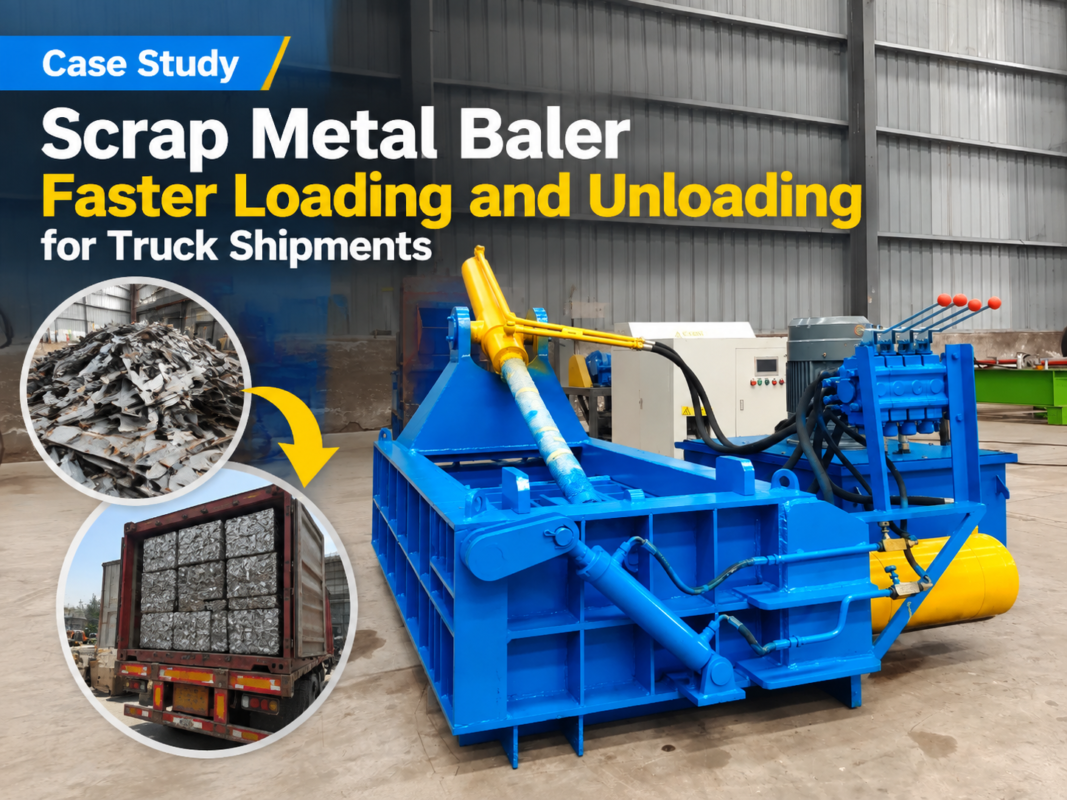
- Reduction in Logistics Costs: Loose scrap is mostly air. By baling, you can increase the weight of a single truckload by up to 500%. This means fewer trucks, less fuel, and lower labor costs for transport.
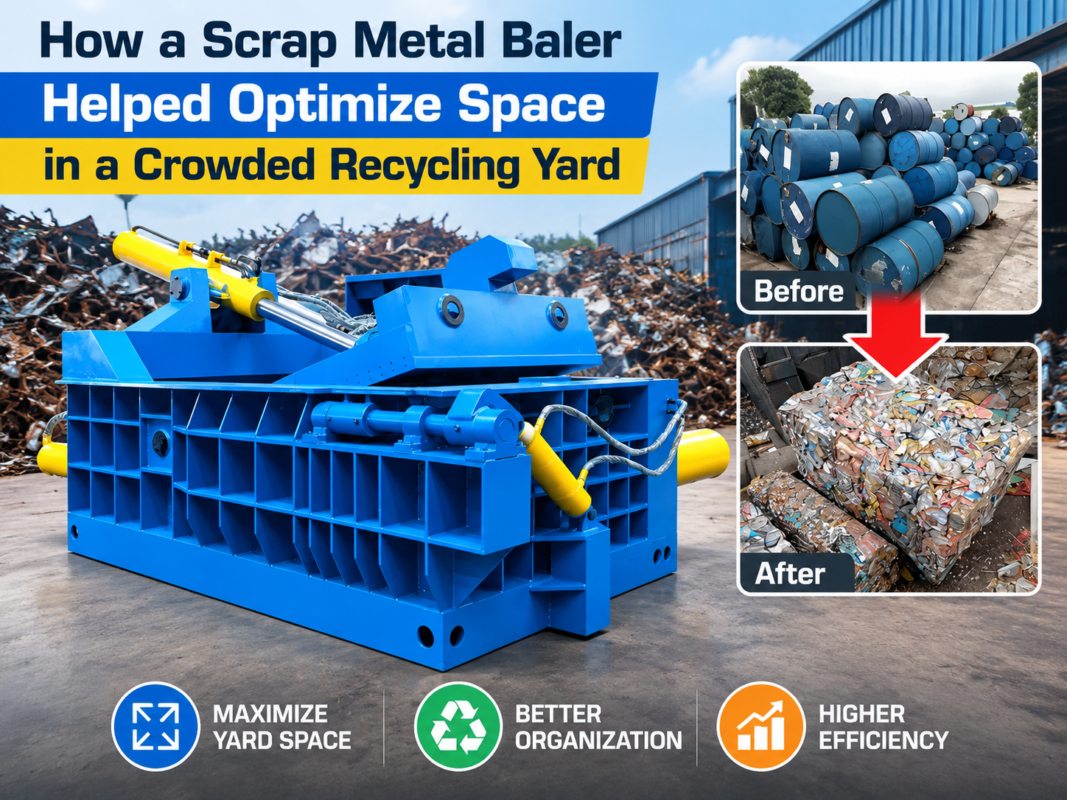
- Space Optimization: Scrap bins take up valuable floor space that could be used for additional production machinery. A baler allows you to store the same amount of metal in 1/10th of the footprint.
- Safety and Compliance: Loose metal shavings and sharp offcuts are significant workplace hazards. Baling contains these materials, reducing the risk of cuts, trips, and environmental contamination from residual cutting oils.
- Higher Resale Value: Recyclers pay a premium for baled material because it saves them the labor of processing it themselves. Furthermore, the density of a bale is preferred by foundries for more efficient melting.
Case Example: Mid-Sized Fabrication Shop
Consider a fabrication shop processing 50 tons of aluminum scrap per month. Previously, they used open-top bins that were collected twice a week. The recycler charged a “collection fee” and paid a lower rate due to the low density of the loads.
After installing a HARSLE Y81 Series Metal Baler, the shop began producing 300mm x 300mm bales. They were able to store a full month’s worth of scrap in a small corner of the yard. Instead of 8 collections per month, they moved to a single large shipment. The collection fees were eliminated, and the price per ton received from the recycler increased by 15%. The total monthly gain was approximately $4,500, allowing the machine to pay for itself in just over a year.
Frequently Asked Questions (FAQ)
What is the maintenance schedule for a scrap metal baler?
Daily checks should include hydraulic oil levels and inspecting for leaks. Weekly, operators should grease moving parts and check the tightness of the wear plate bolts. A full hydraulic oil change and filter replacement are typically required every 2,000 to 4,000 hours of operation, depending on the environment.
Can one baler handle different types of metal?
Yes, most balers can handle a variety of metals. However, it is vital to clean the chamber between different materials (e.g., switching from steel to aluminum) to prevent contamination, which can significantly devalue the resulting bales.
How do I choose between a vertical and horizontal baler?
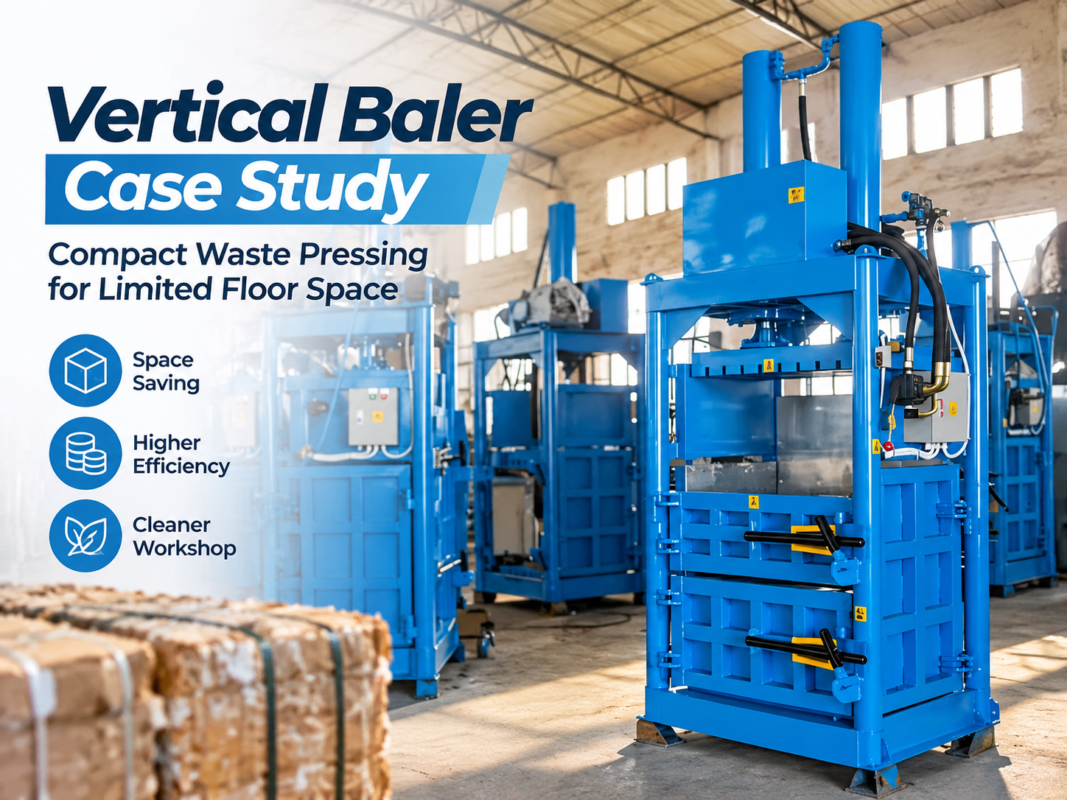
Vertical balers are generally for lower volumes and take up less floor space but require more manual labor. Horizontal balers are designed for high-volume, often automated processing and are the standard for industrial machinery applications where throughput is a priority.
What safety features should I look for?
Look for machines with emergency stop buttons, safety interlocks on all doors and gates, and infrared sensors that prevent the ram from moving if a person or foreign object is detected in the hopper area. All HARSLE machines comply with international safety standards.
Conclusion: Partnering with HARSLE for Your Baling Needs
Understanding where scrap metal balers deliver the most value in the machinery industry is the first step toward transforming your waste management strategy. Whether you are looking to reduce costs, improve safety, or increase your scrap revenue, the right baling solution is an essential component of a modern factory.
HARSLE provides a wide range of hydraulic scrap metal balers tailored to various industrial needs, from compact units for small workshops to massive, fully automated systems for heavy industry. Our commitment to quality, durability, and customer support ensures that your investment continues to deliver value for years to come.
Ready to optimize your scrap processing? Contact HARSLE today for a technical consultation and a customized quote on the perfect baler for your operation. Let us help you turn your waste into wealth.