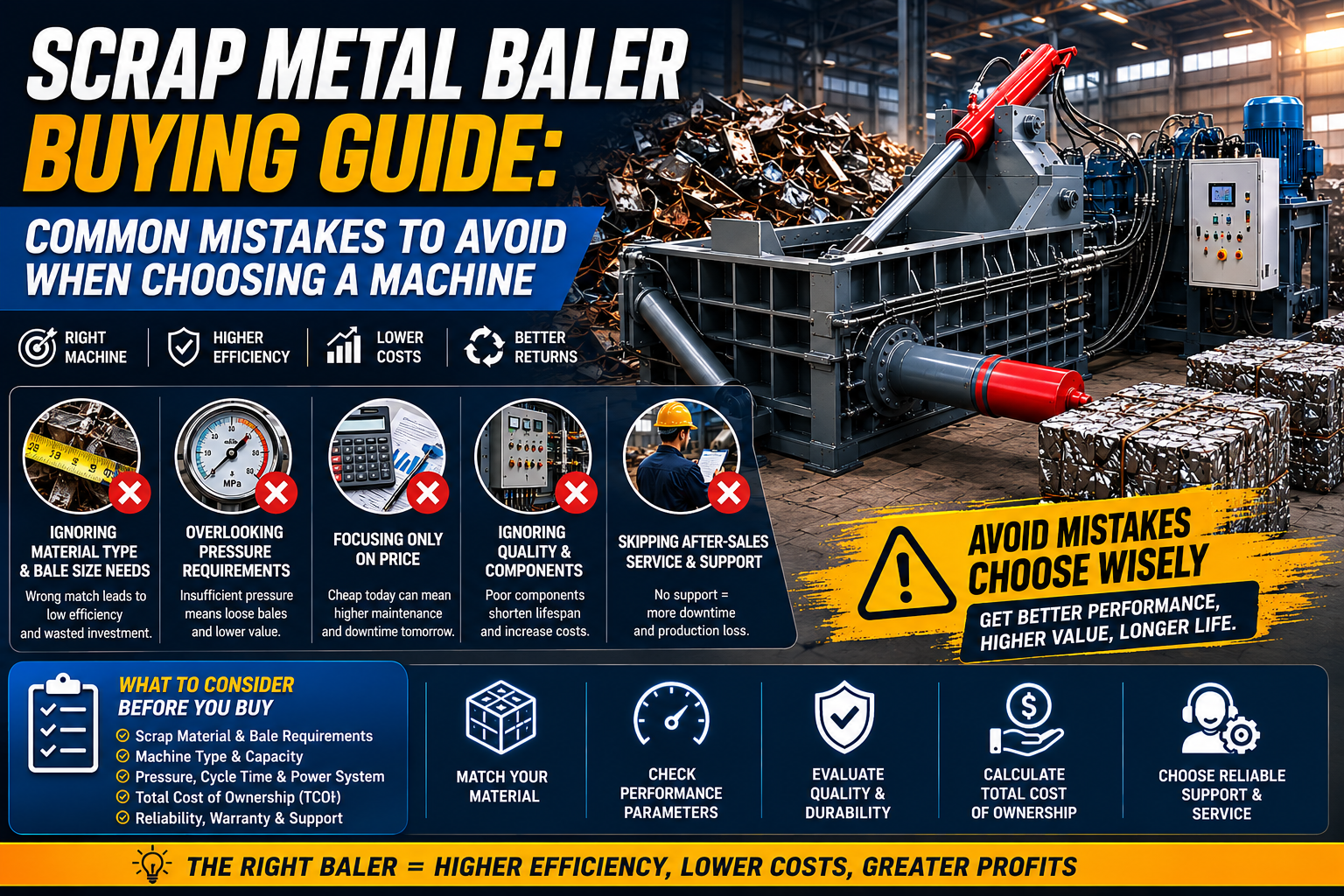
Scrap Metal Baler Buying Guide: Common Mistakes to Avoid When Choosing a Machine

Introduction to Scrap Metal Baler Procurement
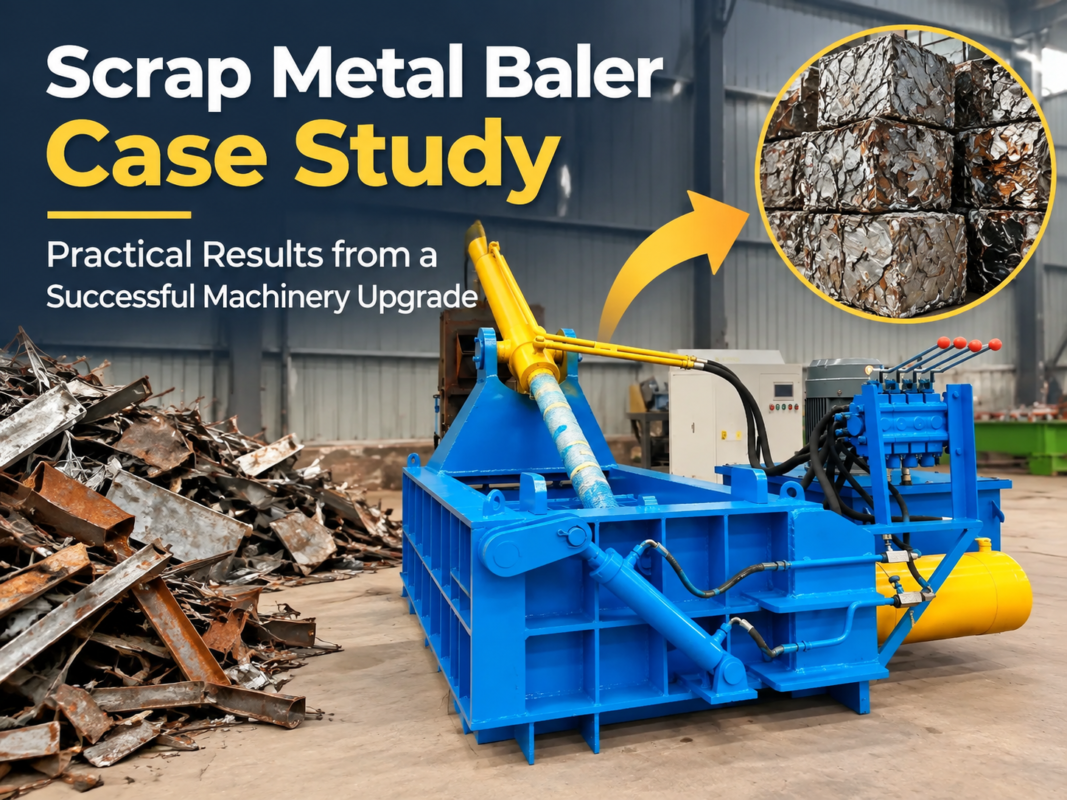
In the rapidly evolving world of metal recycling, the efficiency of your operations often hinges on the quality and suitability of your equipment. A scrap metal baler is a significant investment for any recycling facility, scrap yard, or manufacturing plant. It serves as the workhorse that transforms loose, voluminous metal waste into dense, manageable, and transportable bales. However, the process of Scrap Metal Baler Buying : Common Mistakes Avoid When Choosing A Machine is fraught with technical nuances that can lead to costly errors if not approached with a strategic mindset.
HARSLE, a leader in metal fabrication machinery, understands that a baler is more than just a hydraulic press; it is a critical component of your profit margin. Choosing the wrong machine can lead to excessive downtime, high maintenance costs, and inefficient logistics. This guide is designed to navigate the complexities of the market, helping you identify the right specifications while avoiding the pitfalls that many first-time and even experienced buyers fall into. By the end of this article, you will have a comprehensive understanding of how to evaluate a scrap metal baler based on performance, cost, and long-term return on investment.
Price Range Overview: What to Expect
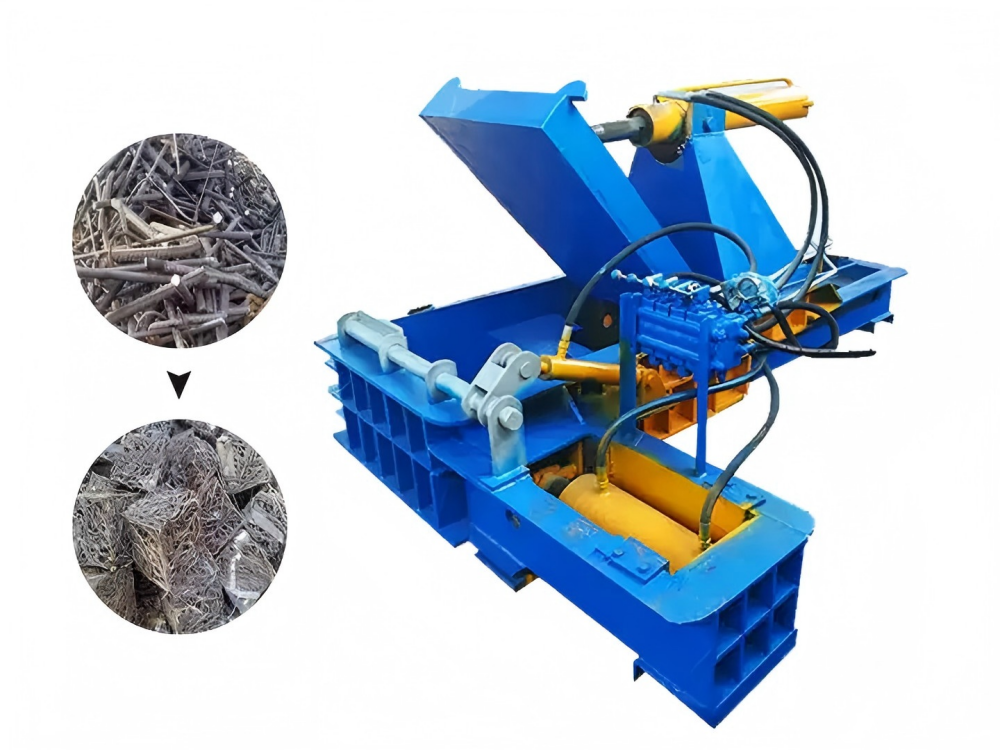
Understanding the financial landscape of scrap metal balers is the first step in budgeting. Prices vary wildly based on tonnage, automation, and build quality. Generally, the market is divided into three primary tiers: entry-level, mid-range, and heavy-duty industrial machines. Each tier serves a specific volume and material type, and misaligning your budget with your operational needs is a primary mistake in the buying process.
Entry-level machines, often vertical or small horizontal balers, typically range from $8,000 to $20,000. These are suitable for small recycling centers or manufacturing plants that generate a limited amount of non-ferrous scrap like aluminum cans or thin copper wiring. While they are affordable, they lack the compression force required for heavy steel or high-volume throughput. Investing in an entry-level machine for a high-volume yard is a recipe for mechanical failure.
Mid-range balers, which are the most common in professional scrap yards, fall between $30,000 and $85,000. These machines offer higher hydraulic pressure (usually 100 to 250 tons) and faster cycle times. They are capable of processing a wider variety of materials, including light ferrous scrap and stainless steel. Finally, heavy-duty industrial balers can exceed $150,000, reaching upwards of $500,000 for fully automated, high-speed systems designed for 24/7 operation. These machines are built with premium components and advanced PLC systems to maximize efficiency.
| Baler Category | Typical Price Range (USD) | Compression Force (Tons) | Best For |
|---|---|---|---|
| Small/Portable | $8,000 – $20,000 | 30 – 60 Tons | Aluminum, Copper, Light Non-Ferrous |
| Medium Industrial | $30,000 – $85,000 | 100 – 250 Tons | Mixed Scrap, Light Steel, High Volume Non-Ferrous |
| Heavy-Duty | $100,000 – $500,000+ | 400+ Tons | Structural Steel, Car Bodies, Industrial Waste |
Main Cost Drivers in Scrap Metal Balers
When evaluating the price of a machine, it is essential to look under the hood. The primary cost driver is the hydraulic system. High-quality pumps (such as those from Rexroth or Vickers) and valves significantly increase the initial price but offer superior reliability and precision. A common mistake is choosing a machine with generic hydraulic components to save money, only to face frequent leaks and pressure drops later on.
The structural integrity of the baler frame and the compression chamber is another major factor. Machines built with high-tensile steel and reinforced with wear-resistant liners (like Hardox) are more expensive. These liners protect the main frame from the abrasive nature of scrap metal. Without them, the chamber walls will thin over time, eventually leading to structural failure. HARSLE emphasizes the use of premium materials to ensure that the machine can withstand the immense internal pressures generated during the baling process.
Automation and control systems also play a role. A manual valve-operated baler is cheaper than one equipped with a Siemens PLC and a touch-screen interface. However, automation reduces human error and allows for consistent bale density. Furthermore, the inclusion of features like remote control operation, automatic bale ejection, and integrated cooling systems for the hydraulic oil will drive the price up but are essential for high-productivity environments.
Configuration Impact: Vertical vs. Horizontal
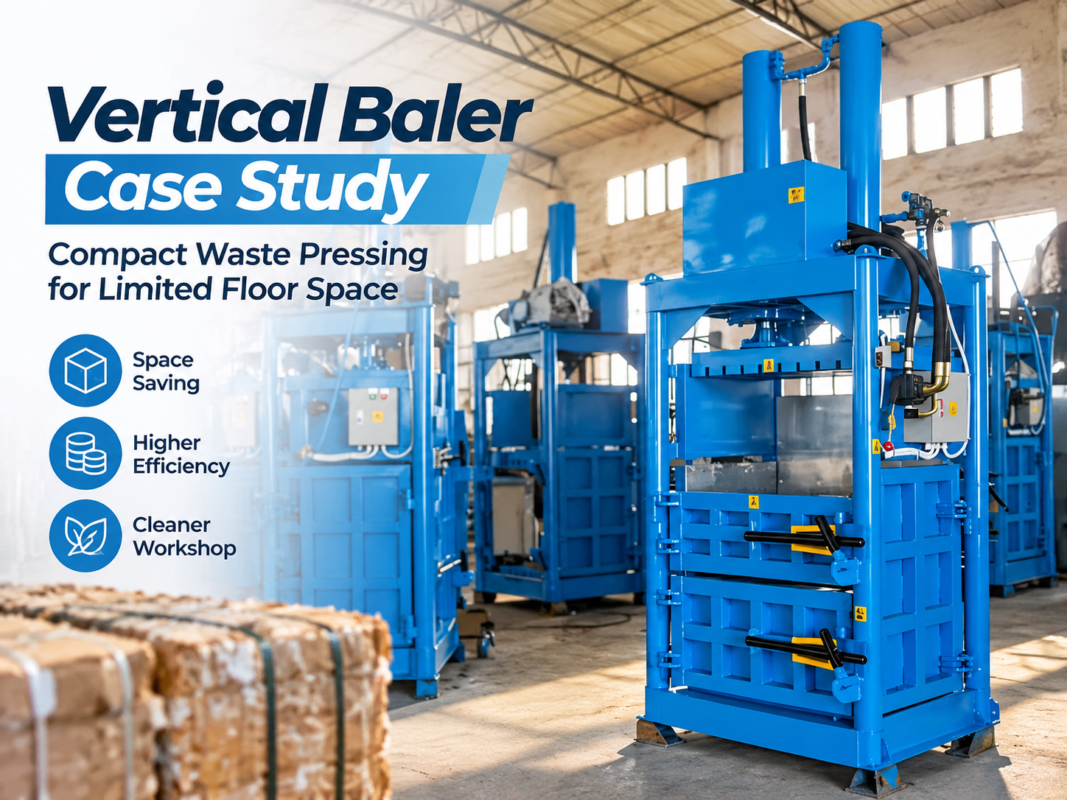
One of the most critical decisions in the Scrap Metal Baler Buying : Common Mistakes Avoid When Choosing A Machine process is selecting the right configuration. Vertical balers are compact and have a smaller footprint, making them ideal for facilities with limited space. They are generally manually loaded and are best for low-to-medium volumes of light materials. However, their throughput is limited because the operator must wait for the cycle to finish before reloading, and bale ejection is often a manual or semi-manual process.
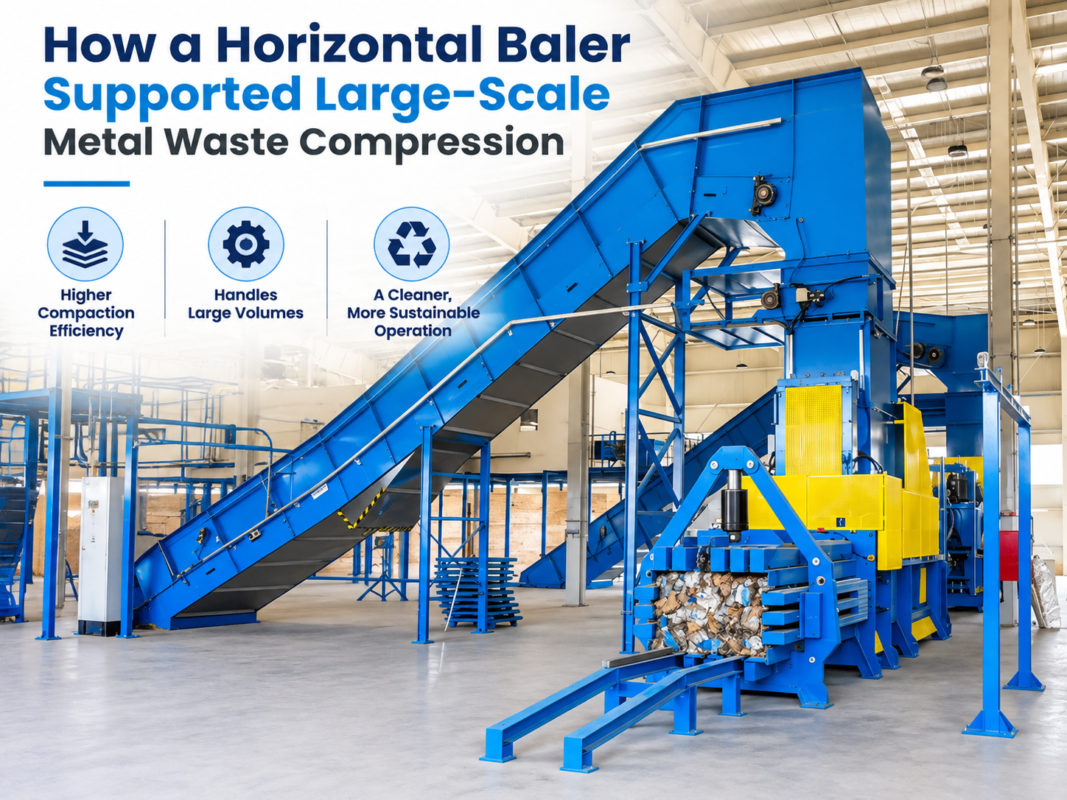
Horizontal balers, on the other hand, are designed for high-volume throughput. They can be integrated into conveyor systems for continuous feeding. Horizontal machines are typically more powerful and produce denser bales, which is a significant advantage for shipping. The mistake many buyers make is choosing a vertical baler because of its lower price, only to find that it becomes a bottleneck in their production line as their business grows.
Within the horizontal category, you also have choices between “closed-end” and “open-end” (auto-tie) configurations. Closed-end balers are better for achieving maximum density in non-ferrous metals, while open-end balers are preferred for high-speed processing of uniform materials. Understanding your specific material flow is vital to choosing the configuration that will minimize labor costs and maximize output.

Common Mistakes to Avoid When Choosing a Machine
The most frequent mistake is underestimating the required tonnage. Buyers often look at the “average” thickness of their scrap and buy a machine rated for that. However, scrap is rarely uniform. If a piece of heavy-duty structural steel accidentally enters a machine rated only for light aluminum, it can cause catastrophic damage to the hydraulic cylinders or the frame. Always choose a machine with a safety margin of at least 20% more power than your heaviest expected material requires.
Another common error is ignoring the “Cycle Time.” Cycle time is the duration it takes for the ram to extend and retract. In a high-volume yard, a difference of 10 seconds per cycle can result in dozens of fewer bales per day. This lost productivity quickly outweighs any initial savings from buying a slower, cheaper machine. Buyers should also be wary of machines that do not offer easy access for maintenance. If changing a hydraulic seal or a wear plate requires dismantling half the machine, your downtime costs will skyrocket.
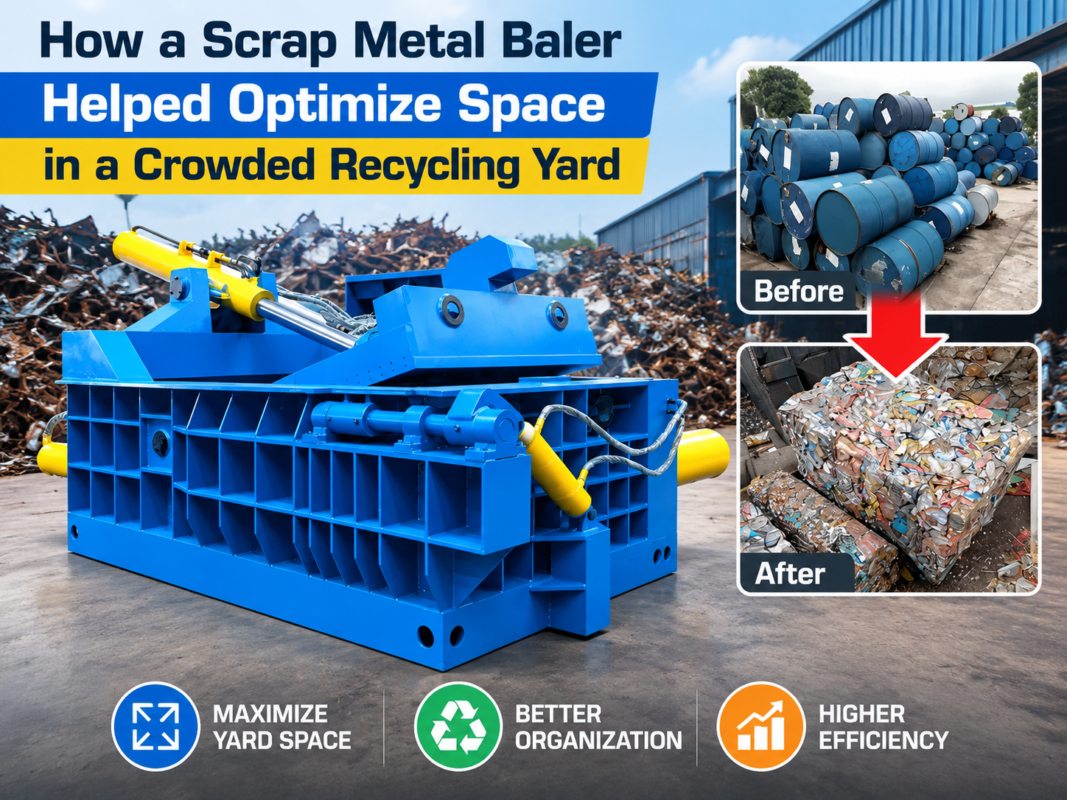
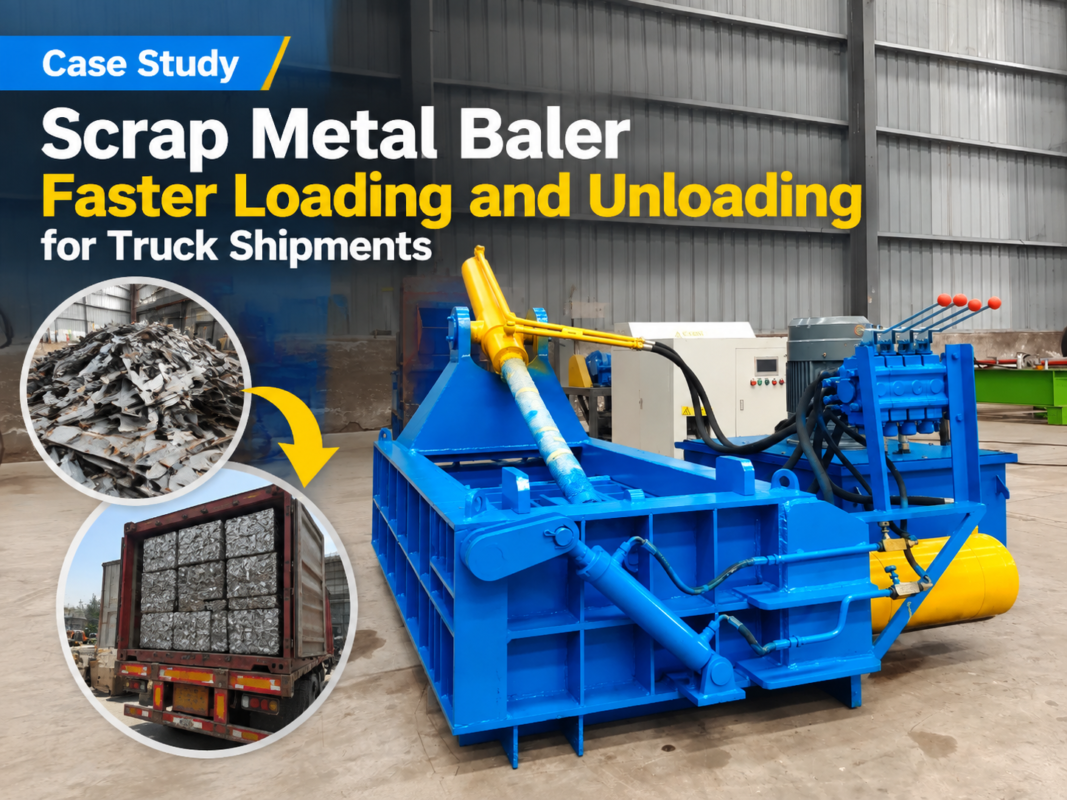
Furthermore, many buyers fail to consider the bale size in relation to their transport methods. If your bales are too large or too small for standard shipping containers or truck beds, you will end up paying to ship “air.” This inefficiency can eat into the profit margins of the recycled metal. Always verify that the bale dimensions produced by the machine are optimized for the logistics chain of your local or international buyers.
Hidden Costs of Ownership
The purchase price of a scrap metal baler is just the beginning. Hidden costs can significantly impact your budget if not accounted for. Shipping and installation are often overlooked. These machines are incredibly heavy and require specialized freight, cranes for offloading, and often a reinforced concrete foundation to handle the vibration and weight. Failure to prepare the site correctly can lead to the machine shifting or the floor cracking under pressure.
Hydraulic oil is another recurring expense. A large baler can require hundreds of gallons of high-grade hydraulic fluid. Additionally, the electricity consumption of a 50HP or 100HP motor is substantial. Buyers should look for machines with energy-efficient motors or variable frequency drives (VFDs) to mitigate these costs. Maintenance parts, such as replacement blades for the shearing mechanism and hydraulic seals, should be factored into the annual operating budget.
Finally, consider the cost of operator training. A sophisticated machine requires a skilled operator to ensure safety and efficiency. HARSLE recommends comprehensive training programs to prevent accidents and ensure that the machine is operated within its designed parameters. Neglecting training often leads to “operator-induced” failures, which are rarely covered under warranty.
ROI Calculation: Is the Investment Worth It?
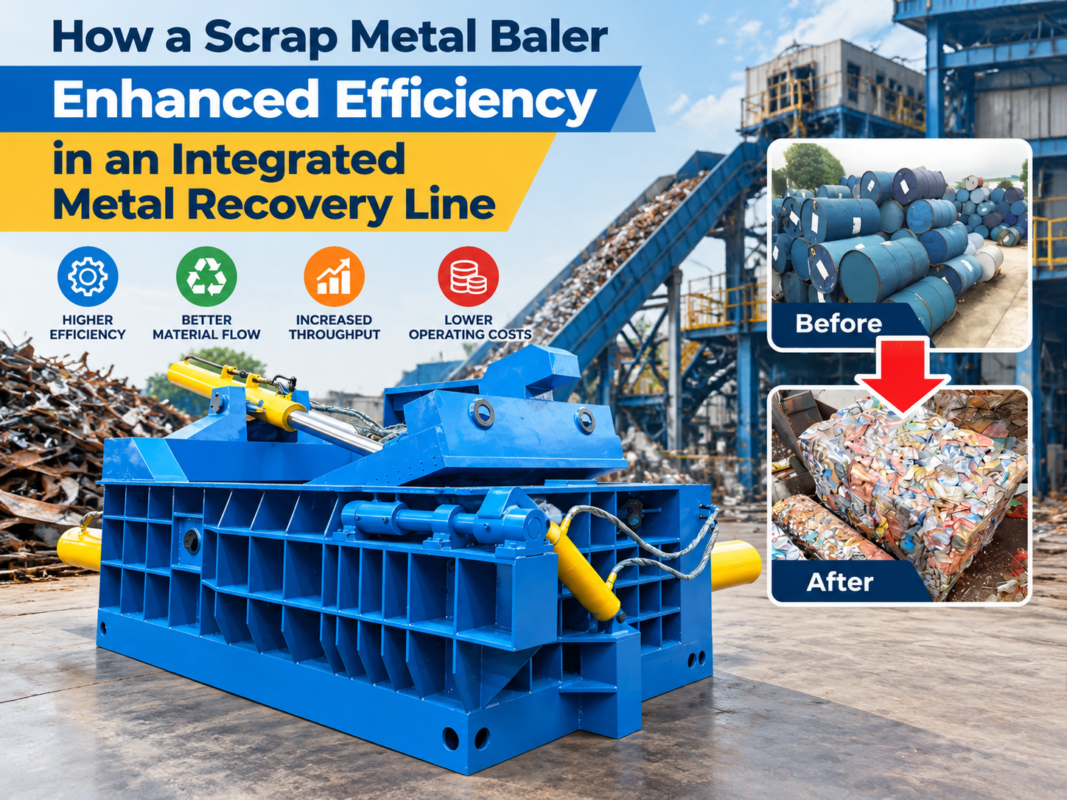
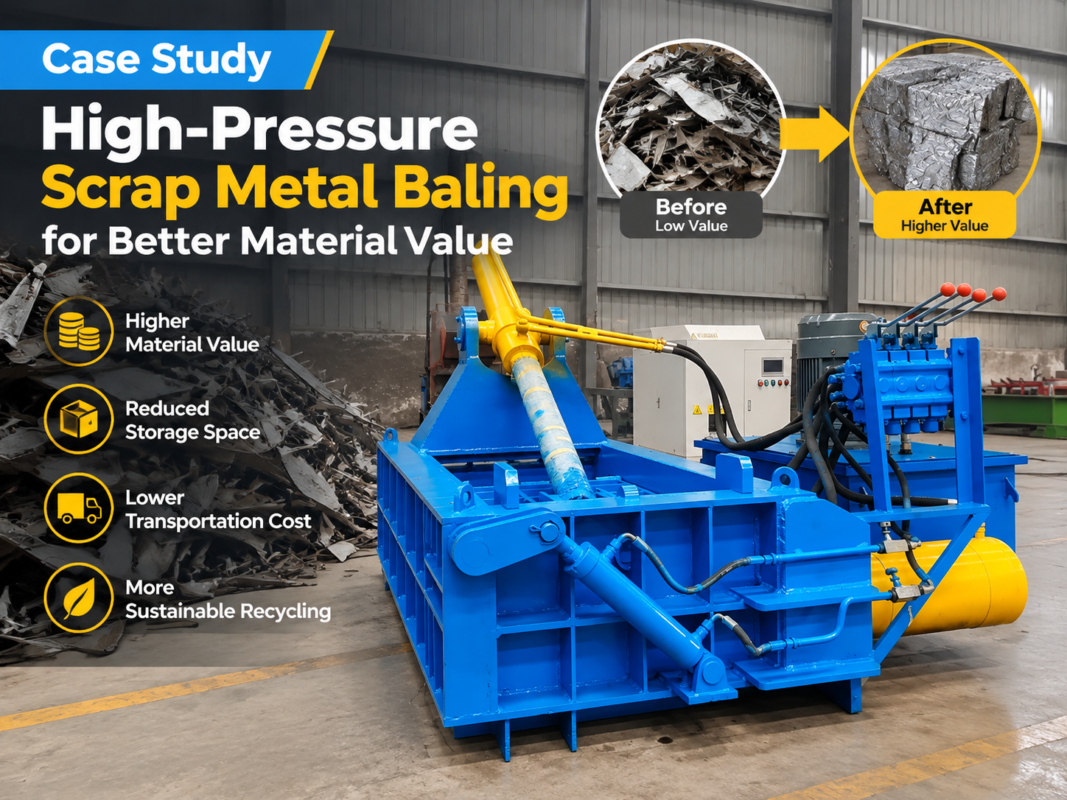
To determine the Return on Investment (ROI) for a scrap metal baler, you must look at three factors: labor savings, transportation savings, and the increase in scrap value. Loose scrap is expensive to move and fetches a lower price at the mill. Baled scrap, because of its density, allows you to maximize the weight capacity of every truckload, drastically reducing freight costs per ton.
For example, if you are currently shipping loose aluminum and can only fit 5 tons on a truck, but baling allows you to fit 20 tons, you have reduced your shipping frequency by 75%. Additionally, many steel mills and smelters offer a premium (often $20-$50 more per ton) for baled material because it is easier for them to handle and melt. By calculating the total tons processed per year multiplied by the shipping savings and the price premium, you can find your annual gain.
Subtract your annual operating costs (electricity, maintenance, labor) from this gain to find your net profit increase. Divide the initial cost of the machine by this net profit to find the payback period. A well-chosen HARSLE baler typically pays for itself within 12 to 24 months, depending on volume. If the payback period exceeds 4 years, you may need to re-evaluate your machine choice or your business model.
Buying Advice: A Checklist for Success
Before signing a purchase agreement, follow this checklist to ensure you are making a sound investment. First, request a live or video demonstration of the machine processing the exact type of scrap you intend to bale. A machine that works well for cardboard or plastic may struggle with stainless steel. Second, verify the availability of spare parts. Choosing a manufacturer like HARSLE ensures that you have access to a global supply chain for critical components.
- Material Assessment: Clearly define the maximum thickness and type of metal you will process.
- Throughput Requirements: Calculate how many tons per hour you need to process to meet your goals.
- Site Preparation: Ensure your facility has the electrical capacity and floor strength for the machine.
- Warranty and Support: Look for at least a 12-month warranty and clear technical support channels.
- Safety Compliance: Ensure the machine meets CE, ISO, or local safety standards to protect your workers.
Lastly, don’t be afraid to ask for references. A reputable manufacturer will be happy to put you in touch with existing customers who can speak to the machine’s long-term performance and the company’s after-sales service. Avoiding the Scrap Metal Baler Buying : Common Mistakes Avoid When Choosing A Machine means doing your homework before the machine arrives at your door.
Frequently Asked Questions (FAQ)
How long does a typical scrap metal baler last?
With proper maintenance, a high-quality industrial baler can last 15 to 20 years. Key components like hydraulic cylinders may need rebuilding every 5-7 years, and wear plates should be replaced as needed depending on the abrasiveness of the material processed.
Can one baler handle both ferrous and non-ferrous metals?
Yes, most medium-to-heavy duty balers can handle both. However, you must ensure the tonnage is sufficient for the toughest material (usually steel) and that the chamber is cleaned between different types of metal to avoid contamination, which can lower the scrap value.
What is the most common cause of baler breakdown?
Hydraulic contamination is the leading cause of failure. If dust, metal shavings, or moisture enter the hydraulic oil, they can damage the pump and valves. Regular oil filtration and seal inspections are the best ways to prevent this.
Is a horizontal baler always better than a vertical one?
Not necessarily. If you process less than 5 tons of light scrap per week and have limited floor space, a vertical baler is a much more cost-effective solution. Horizontal balers are only “better” when high volume and automation are required to maintain profitability.
Does HARSLE provide installation services?
HARSLE provides comprehensive technical support, including detailed installation guides, video consultations, and, in many regions, on-site technician support to ensure your machine is set up correctly and your staff is fully trained.