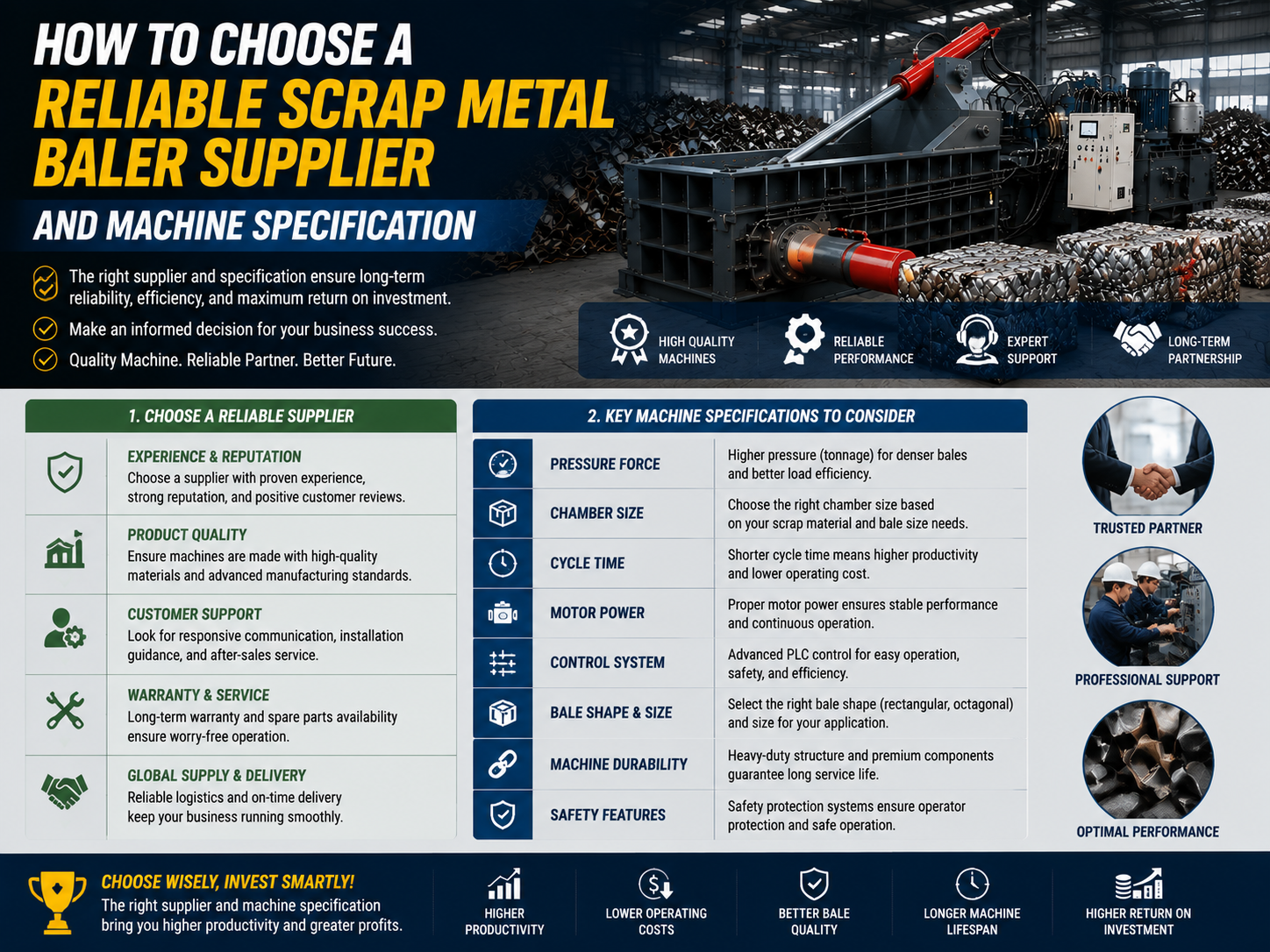
How to Choose a Reliable Scrap Metal Baler Supplier and Machine Specification

Introduction to Scrap Metal Baling Technology
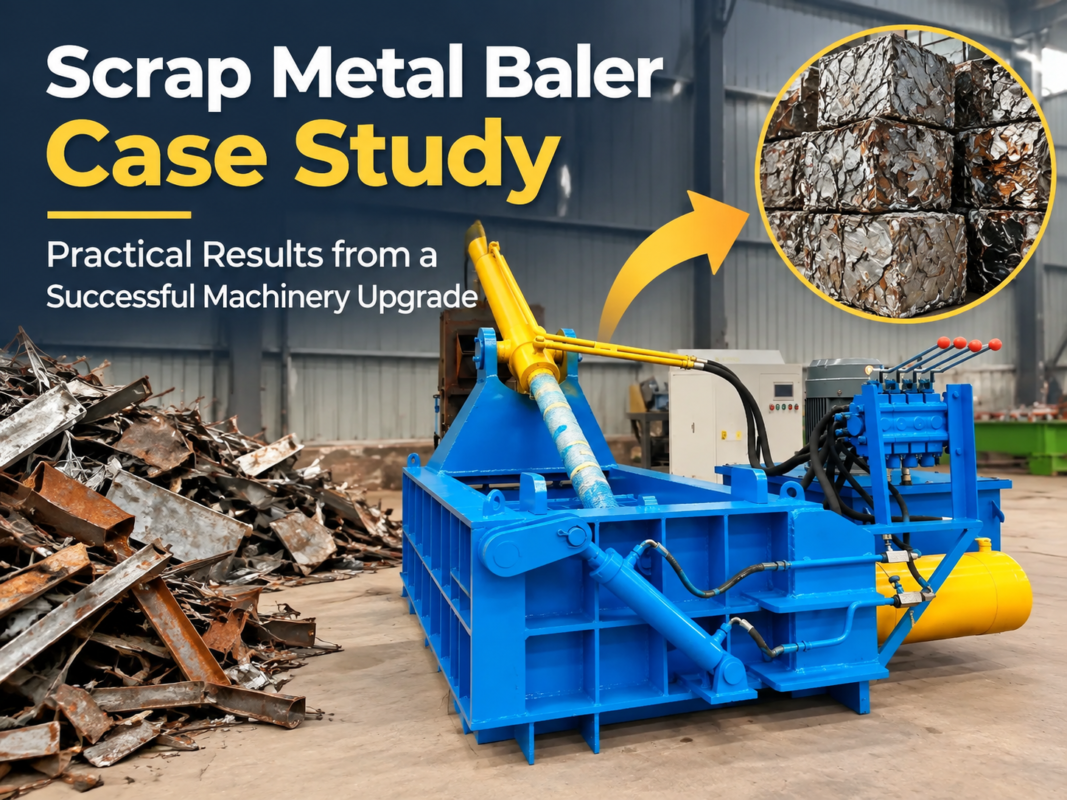
In the modern recycling industry, the efficiency of processing scrap metal directly correlates with the profitability of the operation. Scrap metal balers are the backbone of this industry, designed to compress various metal scraps—ranging from aluminum cans and copper wire to steel shavings and end-of-life vehicle parts—into dense, manageable blocks. However, the market is saturated with various models and manufacturers, making the task to choose a reliable scrap metal baler supplier and machine specification a daunting challenge for many business owners.
Selecting the right equipment is not merely about finding the lowest price; it is about understanding the synergy between machine capacity, hydraulic pressure, structural durability, and the supplier’s long-term support capabilities. A mismatch in machine specification can lead to frequent breakdowns, high energy consumption, or bales that do not meet transport regulations. Conversely, choosing a reliable supplier ensures that you receive a machine built with high-quality components that can withstand the rigorous demands of 24/7 recycling operations.
This guide provides an exhaustive breakdown of the factors you must consider. We will explore price ranges, technical configurations, hidden costs, and the return on investment (ROI) to empower you with the knowledge needed to make an informed capital investment. Whether you are a small scrap yard looking for your first baler or a large industrial facility upgrading your fleet, the following sections will serve as your definitive roadmap.
Price Range Overview: What to Expect
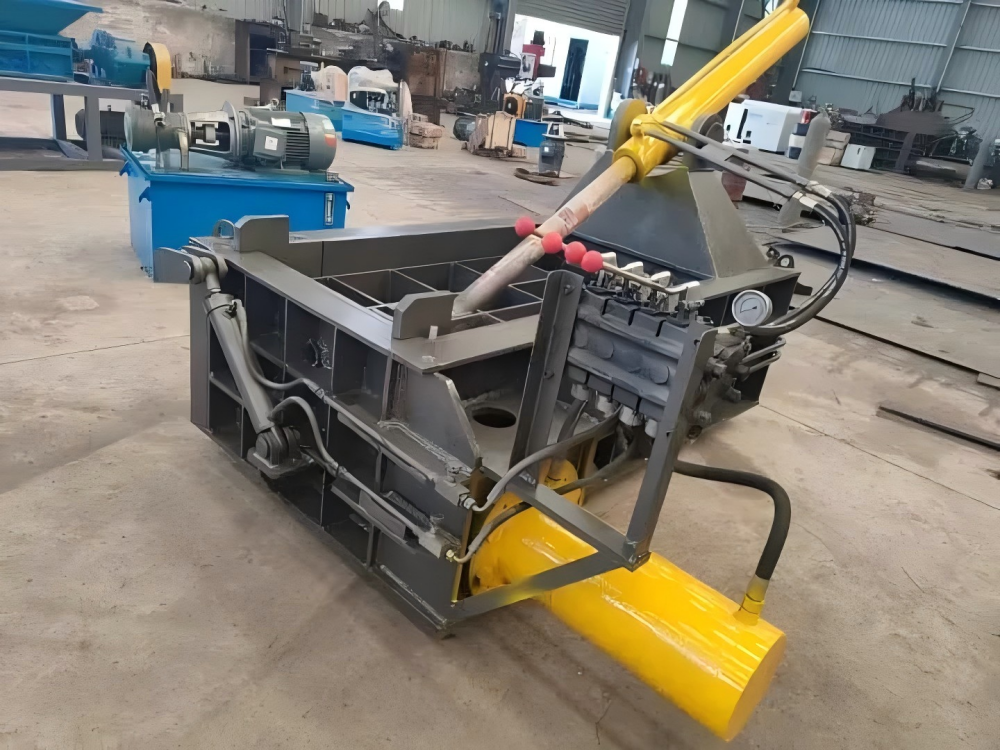
The cost of a scrap metal baler varies significantly based on its size, automation level, and compression force. Understanding these price brackets is the first step in budgeting for your facility. Generally, the market is divided into three primary categories: entry-level portable units, mid-range stationary balers, and high-capacity industrial systems.
Entry-Level and Portable Balers ($5,000 – $20,000): These machines are typically designed for small-scale recycling centers or workshops that handle light-gauge metals like aluminum and thin copper. They often feature manual controls and lower hydraulic pressure (around 60 to 100 tons). While affordable, their throughput is limited, and they may struggle with heavier steel scraps. These are ideal for businesses processing less than 5 tons of scrap per day.
Mid-Range Stationary Balers ($25,000 – $75,000): This is the most common category for professional scrap yards. These machines offer hydraulic pressures between 125 and 250 tons and are capable of baling stainless steel, aluminum extrusions, and light ferrous metals. They often include semi-automatic controls and improved cycle times. At this price point, you should expect better build quality, including wear-resistant liners in the baling chamber.
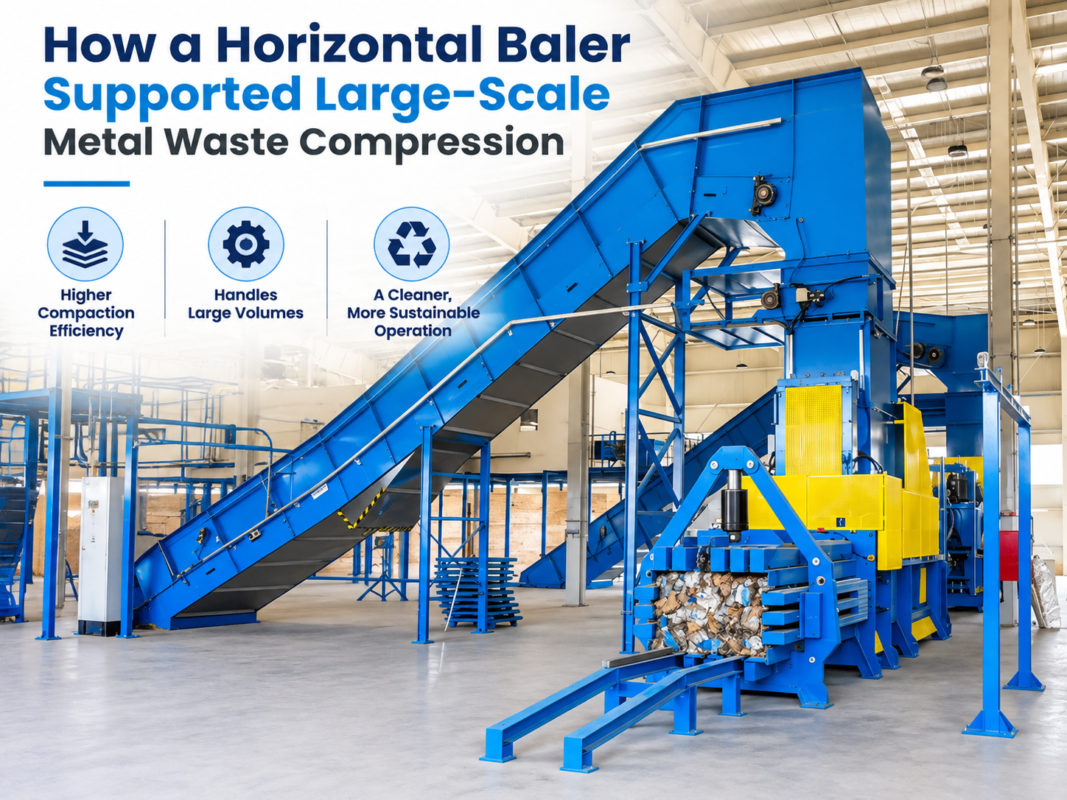
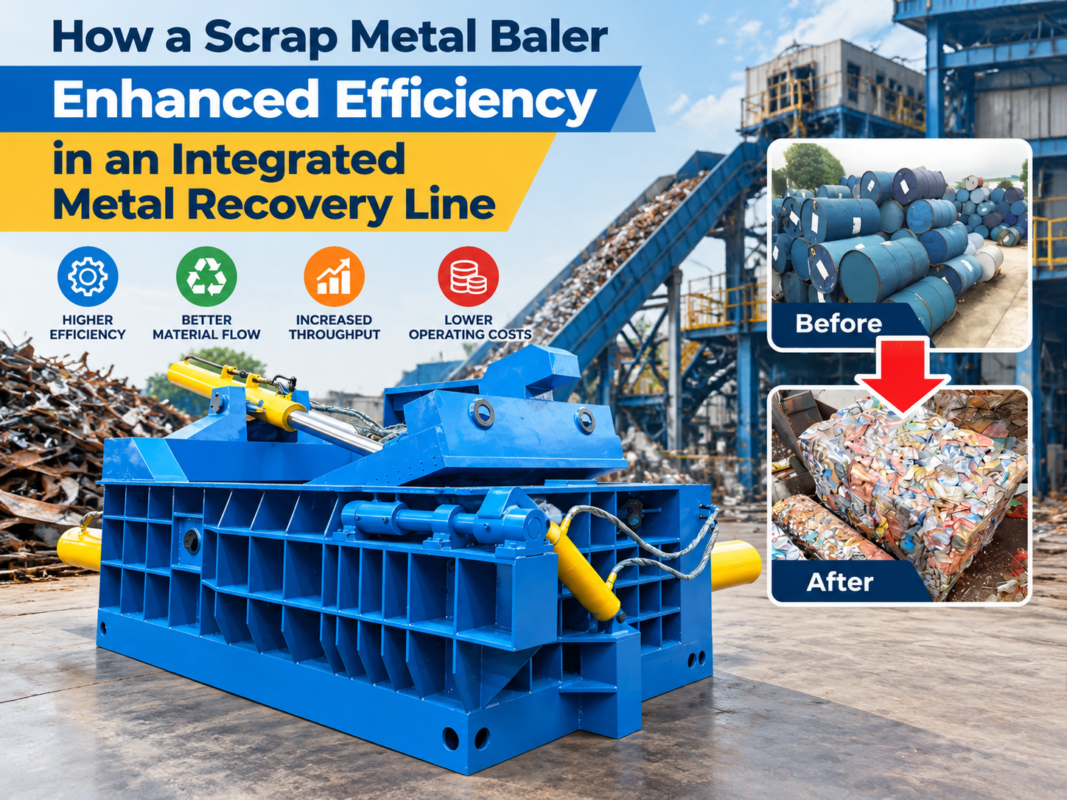
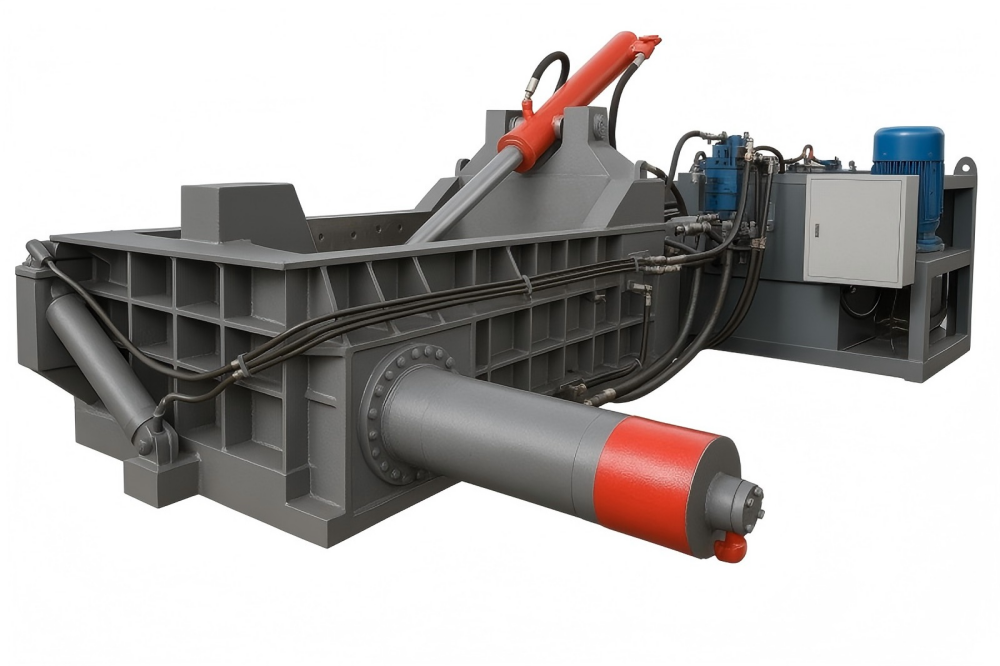
High-Capacity Industrial Systems ($80,000 – $250,000+): Designed for heavy-duty industrial use, these balers exert pressures exceeding 315 tons. They are fully automated, often integrated with conveyor belts for continuous feeding. These machines can process heavy HMS (Heavy Melting Scrap) and large volumes of automotive scrap. The high price reflects the use of premium components, advanced PLC systems, and massive structural steel frames designed to last decades.
Main Cost Drivers in Metal Baler Manufacturing
When you choose a reliable scrap metal baler supplier and machine specification, it is essential to understand why one machine costs $30,000 while a seemingly identical one costs $50,000. The difference usually lies in the quality of the internal components and the engineering standards applied during manufacturing.
- Hydraulic System Quality: The heart of the baler is its hydraulic system. Premium suppliers like HARSLE use high-pressure piston pumps (often from brands like Rexroth or Vickers) and high-quality valves. Cheaper machines may use gear pumps that are noisier, less efficient, and prone to overheating under heavy loads.
- Steel Grade and Frame Construction: The baling chamber is subjected to immense internal pressure. High-quality balers use Q345B or even Hardox wear-resistant plates for the chamber lining. The thickness of the main frame steel also dictates the machine’s lifespan; a heavier frame prevents warping over years of use.
- Electric Motors and PLC: The efficiency of the motor (IE3 ratings) and the sophistication of the PLC (Siemens or Schneider) contribute to the cost. A good PLC allows for precise control over the baling cycle, remote diagnostics, and safety interlocks that protect the operator and the machine.
- Labor and Engineering: Precision welding, stress-relieving heat treatments for the frame, and rigorous factory testing add to the initial cost but significantly reduce the total cost of ownership by preventing structural failures.
Configuration Impact: Matching Specs to Your Needs
The technical specification of the machine must align with your specific material type and volume. Choosing the wrong configuration can lead to bottlenecks or underutilized equipment. Here are the key configuration factors to evaluate:
1. Compression Force and Bale Density
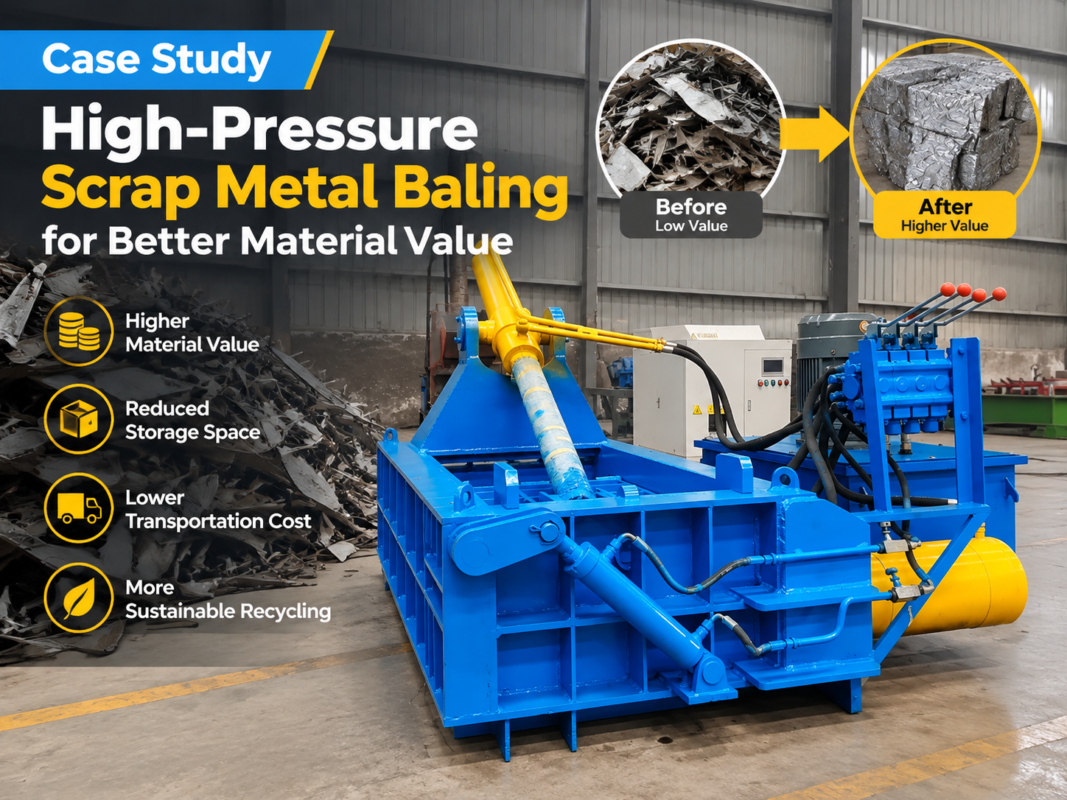
The nominal force (measured in kilonewtons or tons) determines what materials the machine can handle. For aluminum and light copper, 100-125 tons is sufficient. For steel scrap and bulky items, you should look for 160-250 tons. If you are processing heavy structural steel or car bodies, 315-500 tons is necessary to achieve the required bale density for steel mills.
2. Bale Discharge Method
There are three main types of discharge: Turn-out (Side-flip), Side-push, and Forward-out. Turn-out balers are generally faster and more common for small to medium loads. Side-push balers are often used in high-pressure applications where the bale needs to be pushed out with significant force. The choice depends on your facility layout and how you plan to move the finished bales.
3. Cycle Time and Throughput
Cycle time refers to the time it takes for the ram to complete one full compression and return. A faster cycle time (e.g., 60-90 seconds) increases hourly throughput. If your facility processes 20 tons a day, a slow machine will become a bottleneck. Suppliers should provide “dry cycle” times as well as estimated production rates for specific materials.
4. Cooling and Filtration Systems
Hydraulic oil generates heat during continuous operation. A reliable baler must have an effective cooling system—either air-cooled or water-cooled. Furthermore, high-quality filtration systems are vital to keep the hydraulic oil clean, preventing damage to sensitive valves and pumps. This is a critical spec often overlooked in cheaper models.
Hidden Costs of Owning a Scrap Metal Baler
The purchase price is only the beginning. To truly choose a reliable scrap metal baler supplier and machine specification, you must account for the ongoing costs that will impact your bottom line. Many buyers are blindsided by these expenses in the first year of operation.
Installation and Commissioning: Large balers require professional installation. This involves foundation preparation, hydraulic oil filling (which can be hundreds of liters), and electrical wiring. Some suppliers include this in the price, while others charge extra for technician travel and labor.
Consumables and Wear Parts: The knives used to shear excess metal at the chamber edge and the liner plates inside the chamber are wear items. Depending on the abrasiveness of your scrap, these may need replacement every 6 to 12 months. Ensure your supplier has a ready stock of these parts.
Energy Consumption: A baler with an inefficient motor or a poorly designed hydraulic circuit will consume significantly more electricity. Over a 10-year lifespan, the difference in electricity bills between a high-efficiency machine and a cheap one can exceed $10,000.
Maintenance and Downtime: This is the most significant hidden cost. A machine that breaks down once a month costs you not just in repairs, but in lost production time and potential penalties from scrap buyers for late delivery. Choosing a supplier with a reputation for reliability is the best way to mitigate this risk.
ROI Calculation: Is the Investment Worth It?
Calculating the Return on Investment (ROI) helps justify the capital expenditure. A scrap metal baler generates value in three primary ways: transportation savings, labor efficiency, and material value increase.
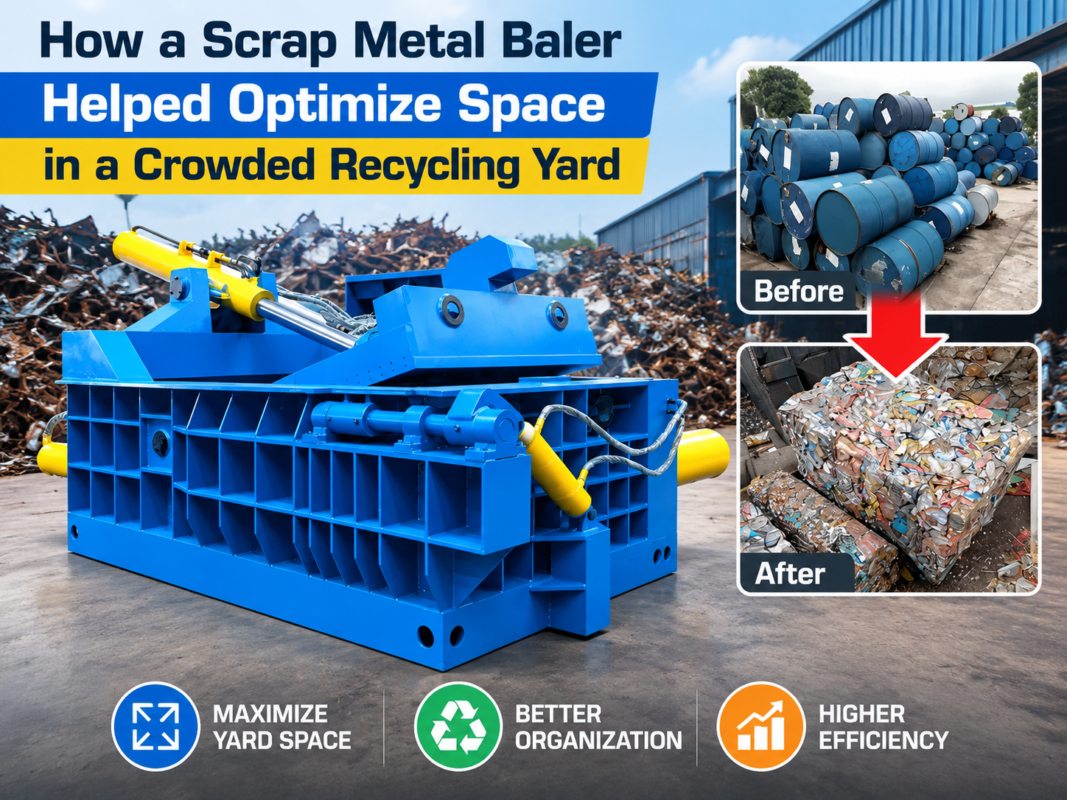
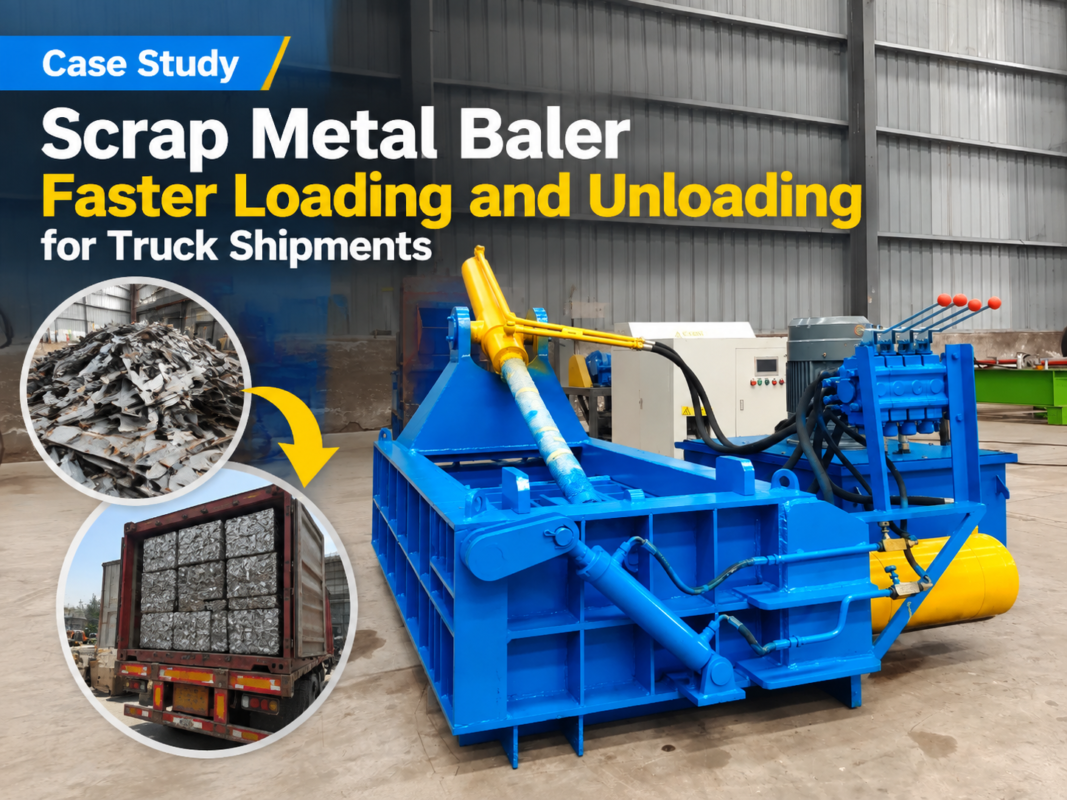
Transportation Savings: Loose scrap is expensive to transport because you are mostly hauling air. Baled scrap increases the weight-to-volume ratio. For example, if you can fit 20 tons of baled aluminum in a truck compared to only 5 tons of loose scrap, you reduce your shipping costs by 75%. If your monthly shipping cost was $4,000, you save $3,000 per month.
Material Value: Many steel mills and smelters pay a premium for baled scrap because it is easier for them to handle and melt. This “baling premium” can range from $10 to $30 per ton. If you process 100 tons per month, that is an additional $1,000 to $3,000 in revenue.
Labor Efficiency: Manual sorting and loading of loose scrap are labor-intensive. An automated baler reduces the man-hours required to process each ton of material. If the machine saves the labor of two employees, that could be a saving of $5,000 per month depending on local wage rates.
Payback Period Example: If a mid-range baler costs $50,000 and provides total monthly benefits (savings + extra revenue) of $4,000, the payback period is approximately 12.5 months. After just over a year, the machine effectively pays for itself and begins generating pure profit.
Buying Advice: How to Vet a Supplier
When you are ready to choose a reliable scrap metal baler supplier and machine specification, follow this checklist to ensure you are dealing with a reputable company like HARSLE:
- Check Factory Credentials: Does the supplier actually manufacture the machines, or are they just a trading company? Look for ISO 9001 certification and CE marking. A real manufacturer will have a physical factory you can visit or see via video call.
- Request a Reference List: Ask for contacts of previous customers who have used the specific model you are considering for at least two years. Their feedback on reliability and after-sales service is invaluable.
- Evaluate Technical Support: What happens if the machine breaks down? Does the supplier offer remote video support? Do they have local technicians or a fast shipping policy for spare parts?
- Review the Warranty Terms: A standard warranty should be at least 12 months. Pay attention to what is covered. Does it include the hydraulic pump and PLC? Are wear parts excluded?
- Compare Detailed Quotations: Do not just look at the final price. Compare the weight of the machines, the brand of the components, and the thickness of the steel plates. A significantly lighter machine for the same price usually indicates lower structural quality.
Frequently Asked Questions (FAQ)
What is the average lifespan of a scrap metal baler?
With proper maintenance, a high-quality industrial scrap metal baler can last 15 to 25 years. The hydraulic pumps and motors may need rebuilding or replacement every 7-10 years, and wear liners should be replaced as needed, but the main structural frame should remain intact for decades.
Can one baler handle all types of metal?
Technically, yes, but it is not always efficient. A baler designed for heavy steel might be overkill for aluminum cans, leading to higher energy costs. Conversely, a light-duty baler will be damaged if you attempt to process heavy structural steel. It is best to choose a machine based on your most common material type.
How often does the hydraulic oil need to be changed?
In most industrial environments, hydraulic oil should be tested every 6 months and typically changed every 2,000 to 4,000 operating hours. However, using high-quality filtration systems and maintaining proper operating temperatures can significantly extend the life of the oil.
Is a manual or automatic baler better?
This depends on your volume. If you process less than 2 tons a day, a manual machine is cost-effective. For higher volumes, an automatic or semi-automatic system is essential to maintain throughput and reduce labor costs. Automation also ensures consistent bale density, which is preferred by scrap buyers.
What safety features should I look for?
A reliable baler must include emergency stop buttons, safety interlocks on all access doors, pressure relief valves to prevent hydraulic overloads, and ideally, an infrared safety curtain or physical guarding to prevent operators from reaching into the chamber during operation.
Conclusion
To choose a reliable scrap metal baler supplier and machine specification requires a balance of technical scrutiny and financial planning. By focusing on high-quality hydraulic components, robust frame construction, and a supplier with a proven track record like HARSLE, you can ensure that your investment yields high returns for years to come. Remember that the cheapest machine often becomes the most expensive one due to downtime and repairs. Prioritize specifications that match your material needs and look for a partner who offers comprehensive after-sales support. With the right equipment, your recycling operation will achieve higher efficiency, lower transport costs, and improved profitability in an increasingly competitive market.