Scrap Metal Baler Selection Guide: Match Machine Type to Your Scrap Material

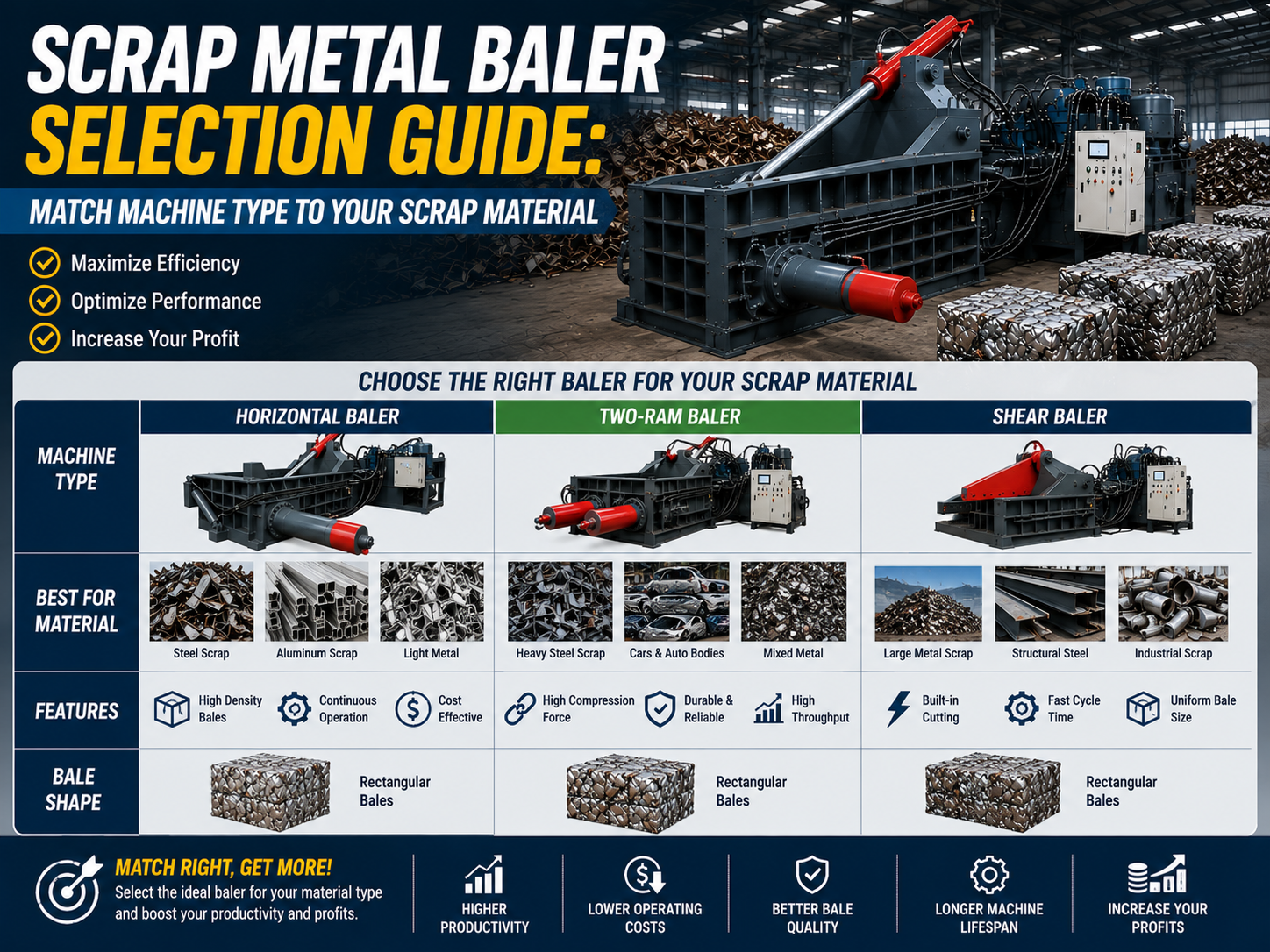
Introduction to Scrap Metal Baler Selection
In the modern recycling industry, the efficiency of your operations is directly tied to the equipment you utilize. A scrap metal baler is not just a machine; it is a critical investment that transforms loose, voluminous waste into dense, manageable, and high-value commodities. However, the market is flooded with various designs, pressures, and configurations, making the process of Scrap Metal Baler Selection : Match Machine Type Scrap Material a daunting task for many facility managers. Choosing the wrong machine can lead to premature wear, inefficient processing, and lost revenue.
HARSLE understands that every recycling yard has unique requirements. Whether you are dealing with lightweight aluminum extrusions, bulky end-of-life vehicle parts, or industrial steel offcuts, the physics of compression remains the same, but the mechanical requirements differ vastly. This guide is designed to walk you through the technical nuances of selecting the perfect baler, ensuring that your investment yields the highest possible return while maintaining operational longevity.
Price Range Overview: Understanding the Investment Tiers
When embarking on a Scrap Metal Baler Selection Guide Match Machine Type To Your Scrap Material journey, the first question is often about the budget. The price of a scrap metal baler can range from $15,000 for entry-level manual units to over $250,000 for fully automated, high-capacity systems. Understanding what fits into these price brackets is essential for realistic financial planning.
Entry-Level and Portable Balers ($15,000 – $40,000)
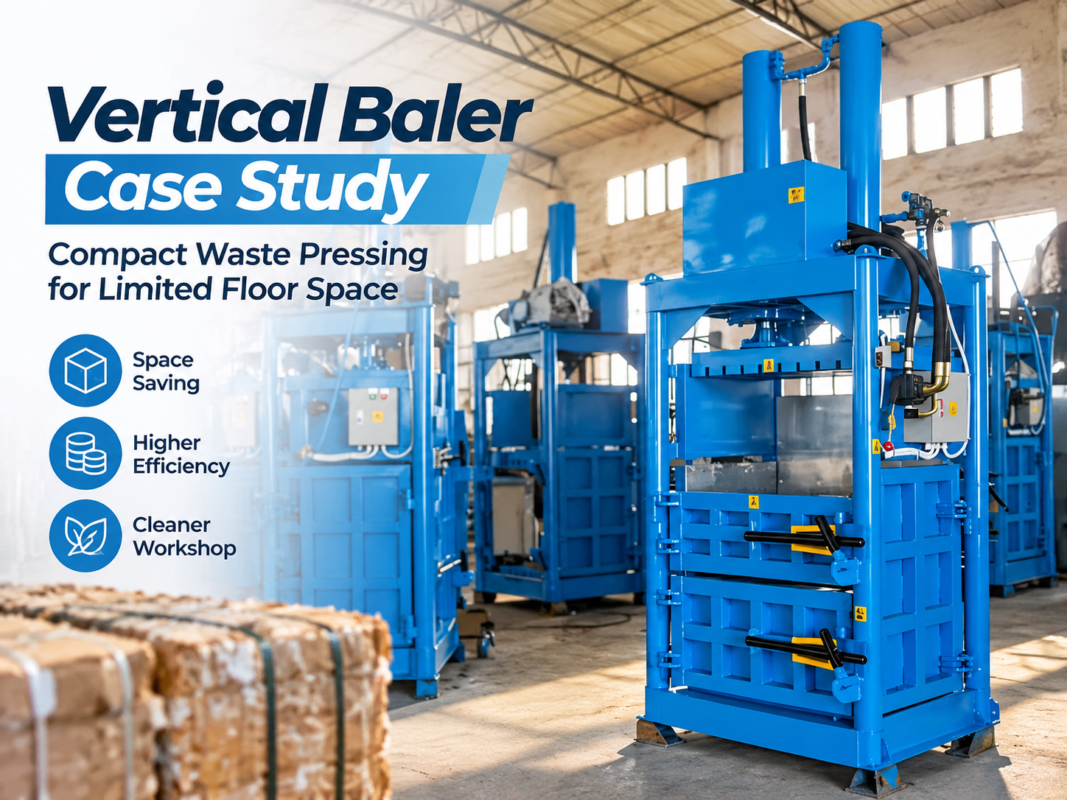
These machines are typically designed for small-scale recycling centers or manufacturing plants that generate a consistent but low volume of scrap. They often feature manual valve controls and smaller chamber sizes. While they lack the speed of larger units, they are excellent for baling non-ferrous metals like copper wire, aluminum cans, and thin brass fittings. Their compact footprint makes them ideal for facilities with limited floor space.
Mid-Range Industrial Balers ($45,000 – $95,000)
This is the most popular category for professional scrap yards. These machines offer a balance of power and speed, often featuring semi-automatic controls and PLC systems. They are capable of handling a wider variety of materials, including light ferrous scrap, stainless steel sheets, and larger volumes of aluminum. In this range, you begin to see features like side-cutting blades and reinforced chamber liners which are crucial for durability.
High-Capacity and Heavy-Duty Systems ($100,000 – $250,000+)
Designed for 24/7 operation, these balers are the workhorses of large-scale industrial recycling. They feature massive hydraulic cylinders, high-flow pump systems for fast cycle times, and advanced automation. These machines are built to compress heavy HMS (Heavy Melting Scrap), automotive bodies, and thick industrial plate. The investment here is justified by the sheer volume of throughput and the density of the final bales, which significantly reduces shipping costs.
Main Cost Drivers in Scrap Metal Baler Selection
The price of a baler is not arbitrary; it is driven by the engineering and components required to handle specific forces. When you perform a Scrap Metal Baler Selection Match Machine Type Scrap Material analysis, you must look under the hood to see what is driving the cost.
- Hydraulic System Pressure and Flow: The heart of the baler is its hydraulic system. High-pressure pumps (often from brands like Rexroth or Vickers) and large-diameter cylinders increase the cost but provide the necessary force to crush dense metals. The flow rate determines the cycle time; faster cycles mean more bales per hour.
- Chamber Construction and Liners: For abrasive materials like steel, the chamber must be lined with wear-resistant plates, such as Hardox 450 or 500. The thickness and quality of these liners are significant cost drivers but are essential for preventing the main structure of the machine from warping or wearing out.
- Shearing Capabilities: Many modern balers include integrated shearing blades on the lid and chamber edges. These blades allow the machine to cut oversized scrap as it closes, preventing jams. The quality of the tool steel used for these blades and the reinforcement of the lid to handle shearing forces add to the initial price.
- Automation and PLC Integration: A machine controlled by a Siemens or Mitsubishi PLC with a touchscreen HMI (Human Machine Interface) costs more than a manual lever-operated machine. However, automation reduces labor costs and ensures consistent bale density regardless of operator skill.
Configuration Impact: Matching Machine Type to Workflow
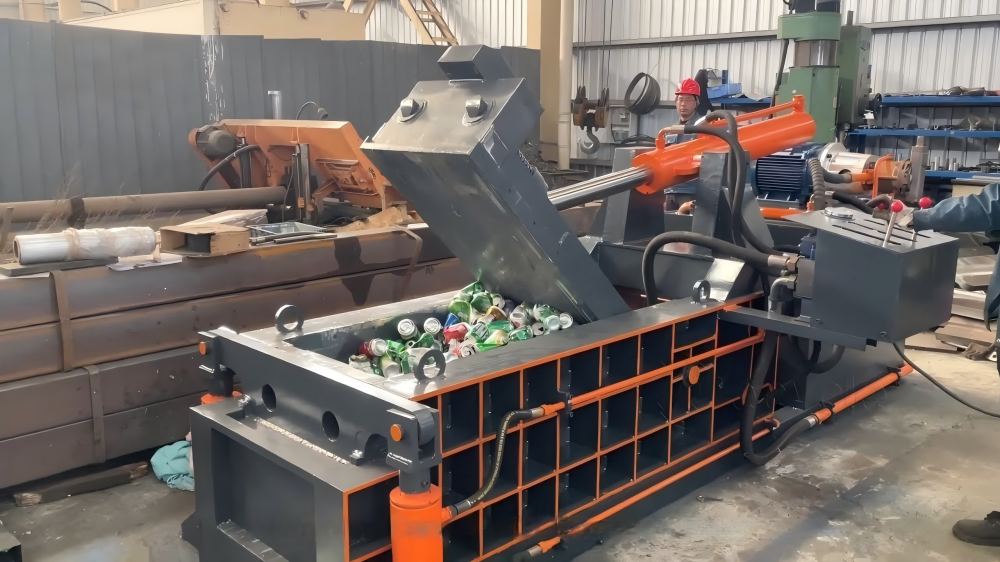
The physical configuration of the baler dictates how it fits into your facility’s workflow. There are three primary discharge types to consider during your Scrap Metal Baler Selection : Match Machine Type Scrap Material process.
Turn-Out (Side-Tilt) Balers
In a turn-out baler, once the compression cycle is complete, the bale is pushed out of the chamber by a secondary cylinder that tilts the bale out of the side. This is a common configuration for small to medium machines. It is reliable and relatively simple, making it easy to maintain. It is best suited for materials that don’t require extreme density, such as light aluminum or copper.
Side-Push Balers
Side-push balers eject the bale through a gate at the side of the machine. This design is often used in high-production environments because it allows for a continuous flow of material. As one bale is being pushed out, the next load can often be prepared. This configuration is excellent for mid-to-heavy scrap where throughput speed is a priority.
Forward-Out (Front-Ejection) Balers
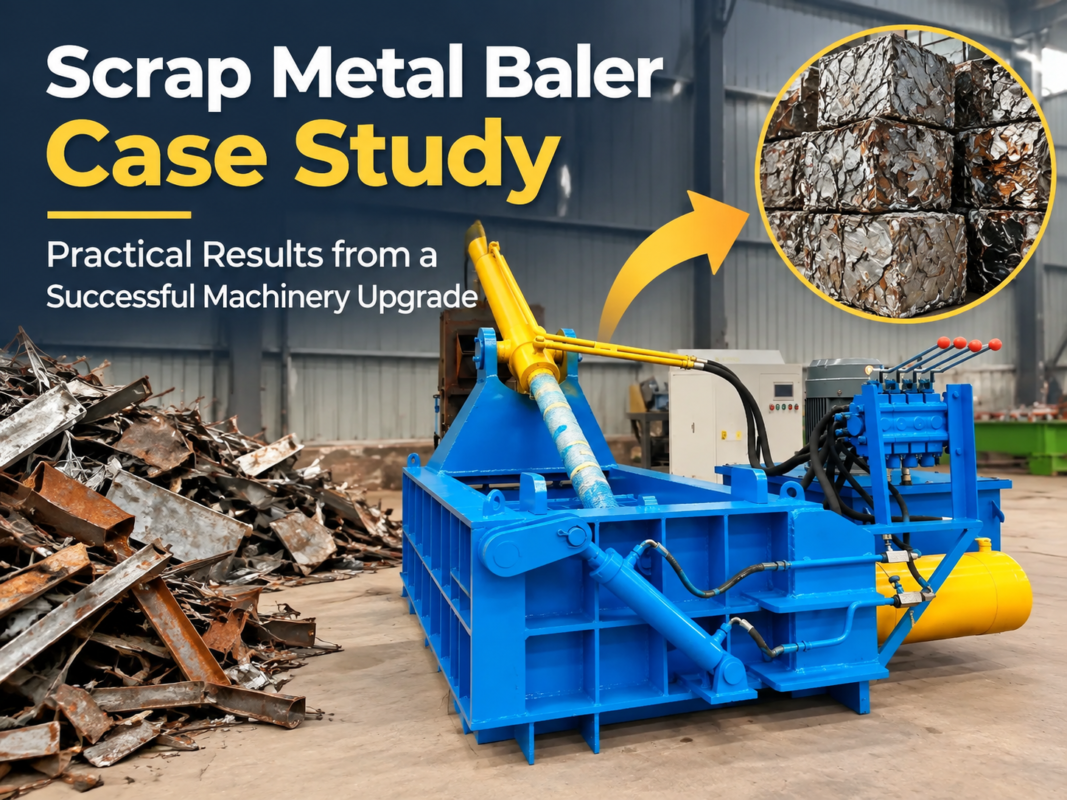
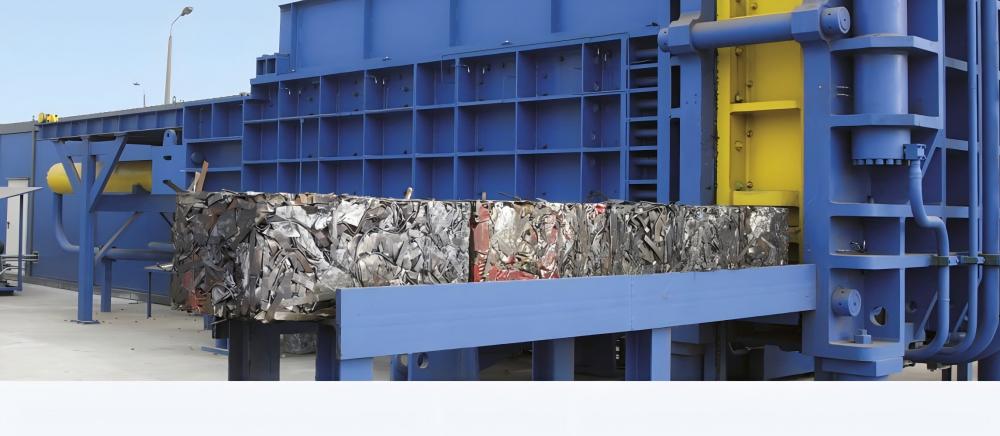
Forward-out balers push the finished bale out through the front of the machine. This is often seen in very large, heavy-duty balers. The advantage of this design is the structural integrity of the machine frame, as the force of the main ram is directed straight toward the exit gate. This is the preferred choice for heavy steel scrap and high-density requirements.
Hidden Costs of Owning a Scrap Metal Baler
The purchase price is only the beginning. To truly understand the Scrap Metal Baler Selection Guide Match Machine Type To Your Scrap Material, one must account for the total cost of ownership (TCO).
Installation and Site Preparation: Large balers require a reinforced concrete foundation to handle the vibration and weight. You may also need to upgrade your electrical service to handle the high-kilowatt motors used in hydraulic power units. These costs can easily add 10-15% to your initial investment.
Consumables and Wear Parts: Hydraulic oil is a significant ongoing expense. A large baler might require 1,000 liters or more of high-grade hydraulic fluid. Additionally, shearing blades need regular sharpening or replacement, and chamber liners will eventually wear down. Budgeting for these parts is crucial for avoiding unexpected downtime.
Energy Consumption: Industrial balers are power-hungry. Choosing a machine with an efficient motor (IE3 or higher) or a variable frequency drive (VFD) can save thousands of dollars in electricity bills over the life of the machine. While a VFD adds to the upfront cost, the energy savings often provide a payback period of less than two years.
ROI Calculation: Is the Baler Paying for Itself?
The primary reason for Scrap Metal Baler Selection Match Machine Type Scrap Material is to increase profitability. The Return on Investment (ROI) is calculated based on three main factors: transport savings, material value, and labor efficiency.
Consider a facility processing 100 tons of loose aluminum scrap per month. Loose scrap might require 10 truckloads to transport to a smelter. Once baled, that same 100 tons might only require 3 truckloads. If each truckload costs $500, the monthly savings in transport alone is $3,500. Over a year, that is $42,000.
Furthermore, smelters and large-scale processors pay a premium for baled material because it is “furnace-ready.” This premium can range from $20 to $50 per ton. At 100 tons per month, that is an additional $2,000 to $5,000 in monthly revenue. When you combine transport savings, increased material value, and the reduction in labor required to move loose scrap around the yard, a $100,000 baler can often pay for itself in less than 18 months.
Buying Advice: Matching Material to Machine
To ensure success in your Scrap Metal Baler Selection : Match Machine Type Scrap Material, follow these material-specific recommendations:
For Aluminum and Non-Ferrous Metals
Focus on speed and cleanliness. Aluminum is soft but voluminous. You need a baler with a large hopper and a fast cycle time. Since aluminum doesn’t require massive pressure to compress, you can opt for a machine with a higher speed/lower pressure ratio. Ensure the chamber is easy to clean to prevent cross-contamination between different grades of non-ferrous metals.
For Ferrous Steel and Heavy Scrap
Power and durability are the only things that matter. You need a machine with a high “specific pressure” (the amount of force applied per square inch of the bale surface). Look for heavy-duty liners and integrated shearing blades. A triple-compression baler (applying force from three directions) is often the best choice for achieving the density required for steel mill specifications.
For Industrial Offcuts and Stamping Scrap
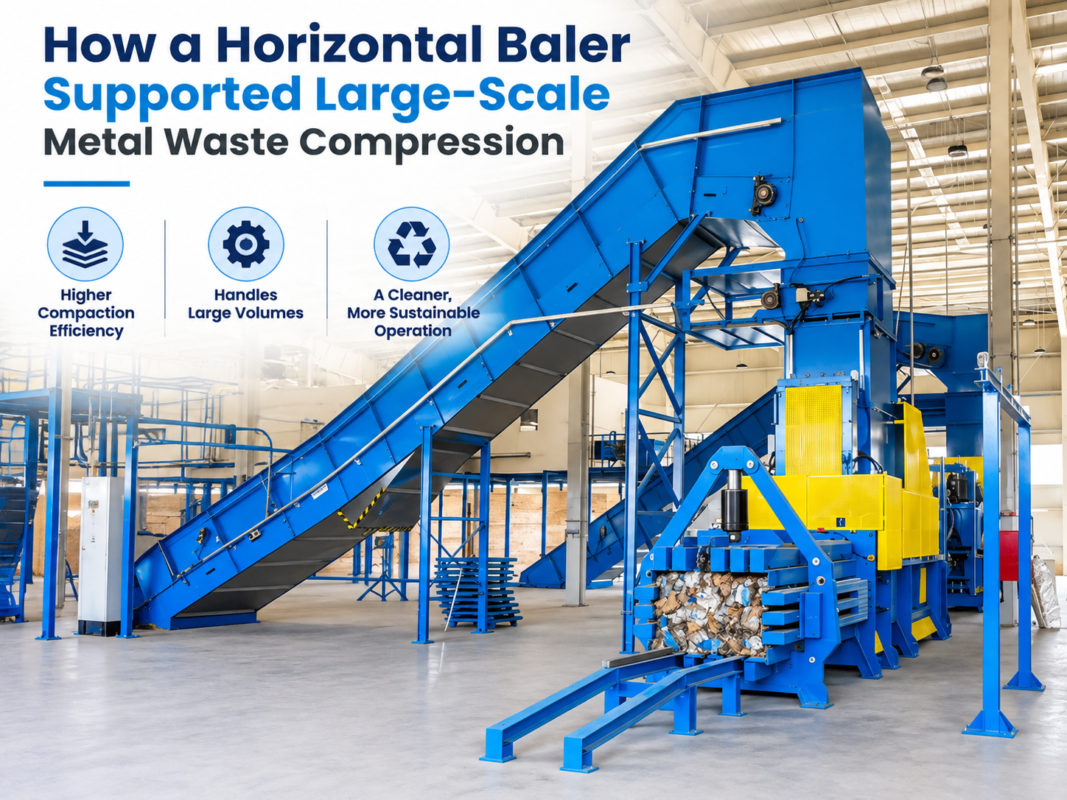
If your scrap is uniform in size and shape, an automated horizontal baler with a conveyor feed is the most efficient choice. These systems can run with minimal operator intervention, directly taking scrap from the production line and turning it into bales. This is common in automotive and appliance manufacturing.
| Material Type | Recommended Baler Type | Key Feature Needed |
|---|---|---|
| Aluminum Cans (UBC) | High-Speed Extrusion | Fast Cycle Time |
| HMS 1/2 Steel | Heavy-Duty Forward-Out | Hardox Liners / High Pressure |
| Copper Wire / Tubing | Small Turn-Out Baler | Precision Chamber Seals |
| Auto Bodies | Large Triple-Compression | Massive Chamber Volume |
Maintenance Tips for Long-Term Performance
Once you have completed your Scrap Metal Baler Selection Guide Match Machine Type To Your Scrap Material and installed your machine, maintenance is the key to protecting your investment. Hydraulic systems are sensitive to contamination. Implementing a strict oil filtration and testing schedule is the single most important thing you can do. Small metal particles in the oil can act like sandpaper, destroying pumps and valves from the inside out.
Daily inspections should include checking for hydraulic leaks, inspecting the tightness of the liner bolts, and ensuring the shearing blades are clear of debris. Lubrication of moving parts, such as the lid hinges and ejection gates, should be performed weekly. By following a proactive maintenance schedule, you can extend the life of a HARSLE baler by decades, ensuring it remains a profitable asset for your business.
Frequently Asked Questions (FAQ)
1. How do I determine the right bale size for my needs?
Bale size is usually dictated by your end buyer (the smelter or mill). Standard sizes like 300x300mm or 600x600mm are common. Smaller bales are easier to handle with forklifts, while larger bales are more efficient for bulk shipping in containers or rail cars. Always check with your material buyer before selecting a machine.
2. Can one baler handle both aluminum and steel?
Yes, most industrial balers can handle both, but they will be optimized for one. If you bale mostly steel, the machine will be slower when processing aluminum. If you bale mostly aluminum, a steel-optimized machine might be overkill and consume more energy than necessary. For mixed yards, a mid-range versatile baler is usually the best compromise.
3. What is the difference between a single-compression and a triple-compression baler?
A single-compression baler uses one main ram to push material against a wall. A triple-compression baler uses three rams (usually side, longitudinal, and vertical) to squeeze the material from all sides. Triple-compression results in much higher density, which is often required for heavy ferrous scrap to meet export or mill standards.
4. How often should I replace the wear liners?
This depends entirely on the material you are baling. If you are processing abrasive steel scrap 8 hours a day, you might need to flip or replace liners every 12-24 months. If you are baling soft aluminum, the liners could last 5-10 years. Regular measurement of liner thickness is part of a good maintenance program.
5. Is a manual or automatic control system better?
For low-volume operations where the operator is also the loader, manual controls are fine. However, for any operation processing more than 5 tons a day, a PLC-controlled automatic system is highly recommended. It ensures that every bale is compressed to the same density and allows the operator to focus on loading the next batch while the machine cycles.
Conclusion
The process of Scrap Metal Baler Selection : Match Machine Type Scrap Material is a critical junction for any recycling business. By understanding the relationship between material density, hydraulic force, and machine configuration, you can make an informed decision that balances initial cost with long-term profitability. HARSLE remains committed to providing high-quality, durable machinery that meets the rigorous demands of the global recycling industry. Whether you are just starting out or upgrading a high-volume facility, choosing the right baler is the first step toward a more efficient and profitable future.