The Ultimate Scrap Metal Baler Buying Guide for Metal Recycling Operations


Introduction to Scrap Metal Balers in Modern Recycling
In the rapidly evolving landscape of the global circular economy, metal recycling operations face increasing pressure to optimize efficiency, reduce logistics costs, and maximize the value of processed materials. At the heart of these operations lies the scrap metal baler—a powerhouse of industrial engineering designed to compress bulky metal waste into dense, manageable blocks. Whether you are processing aluminum extrusions, copper wire, end-of-life vehicles, or industrial steel offcuts, selecting the right machinery is a critical capital investment decision. This Ultimate Scrap Metal Baler Buying Guide for Metal Recycling Operations is designed to provide facility managers and business owners with the technical depth and market insight required to make an informed purchase.
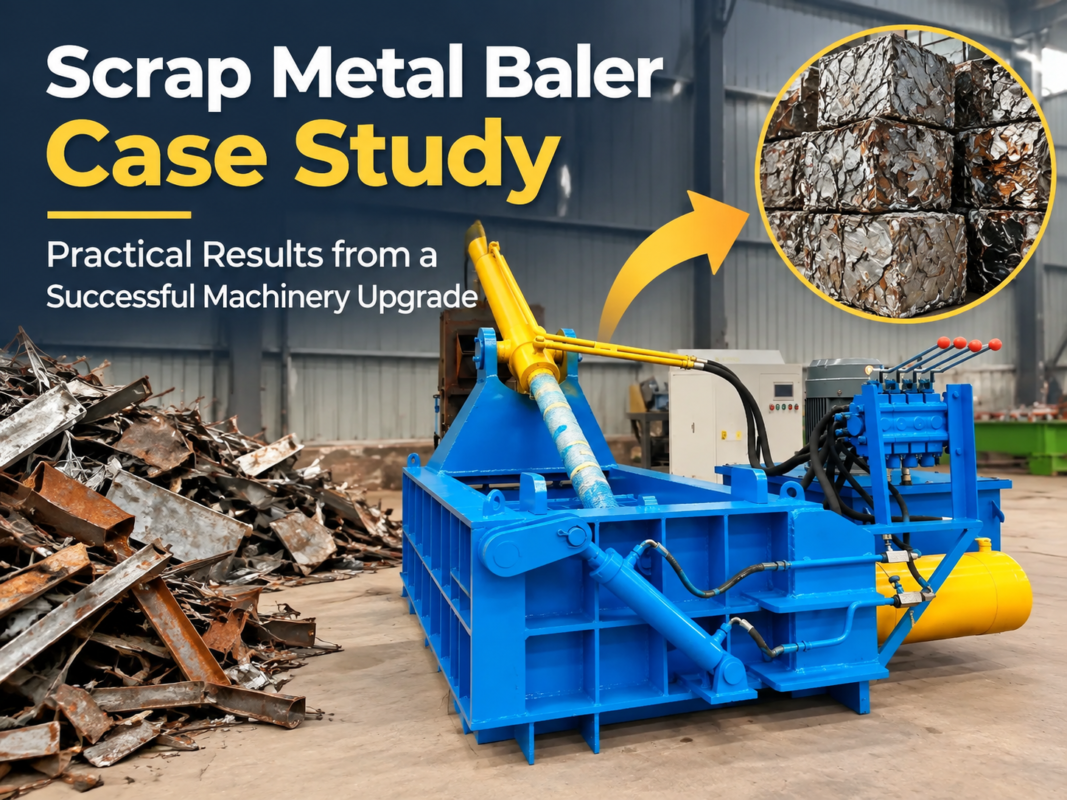
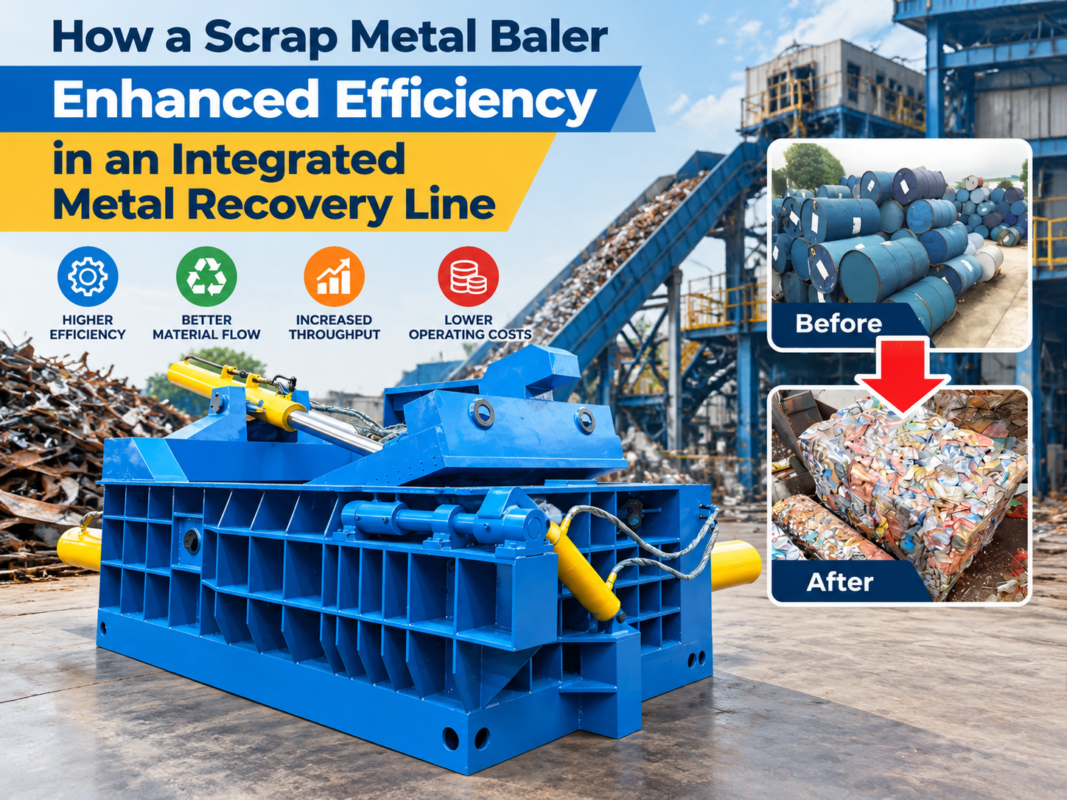
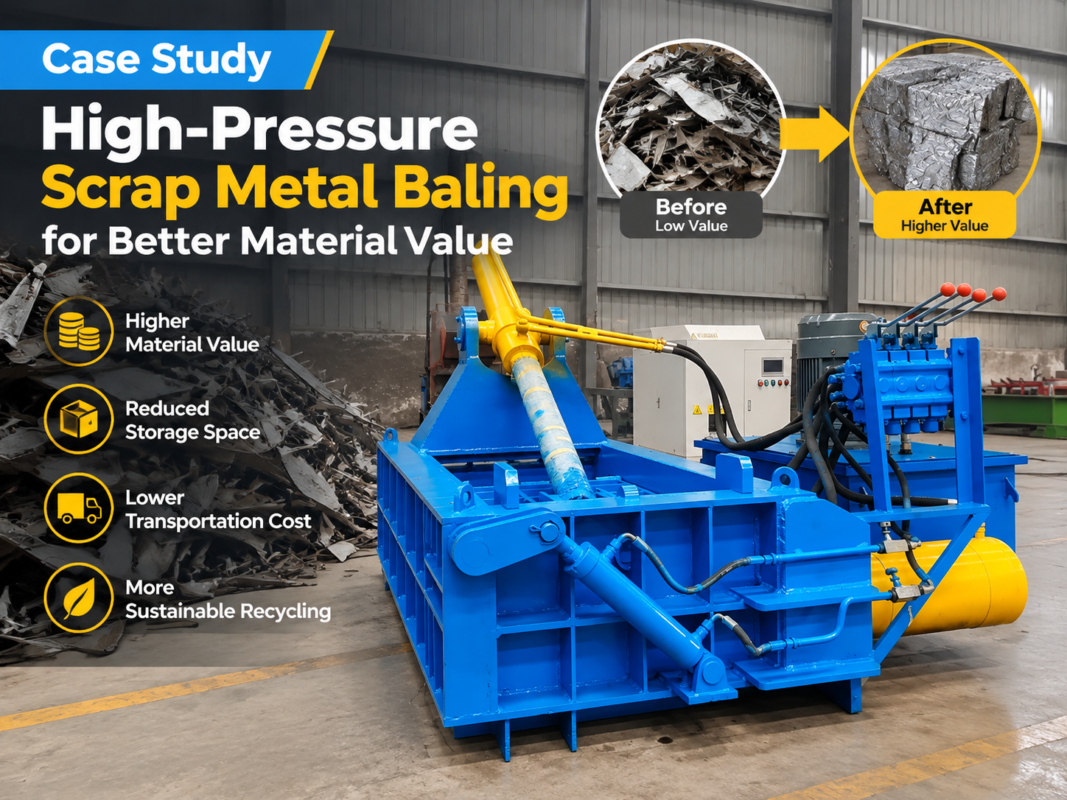
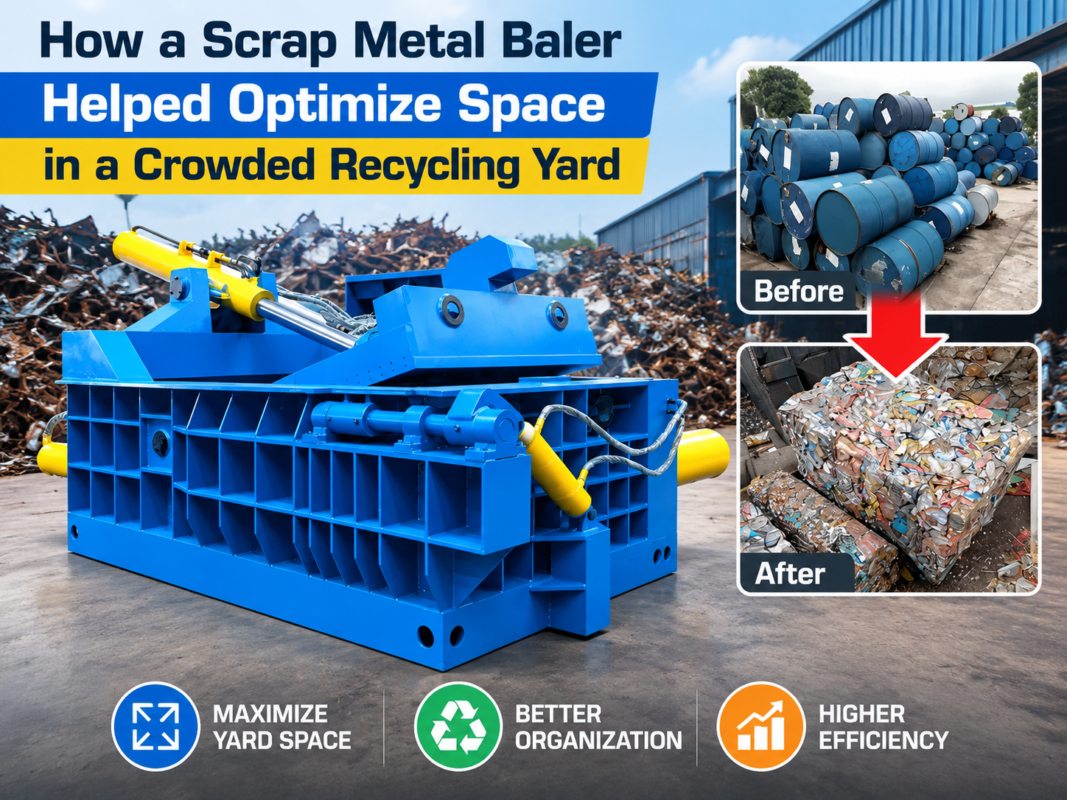
HARSLE has long been a leader in providing high-performance metal fabrication machinery, and our scrap metal balers are engineered to meet the rigorous demands of high-volume recycling yards. The primary goal of a baler is simple: volume reduction. However, the execution of this task involves complex hydraulic systems, structural integrity, and advanced control logic. By reducing the volume of scrap, facilities can significantly lower transportation costs—often the highest overhead in the recycling industry—while simultaneously increasing the market value of the material, as densified bales are preferred by smelters and foundries.
Price Range Overview: Understanding the Investment
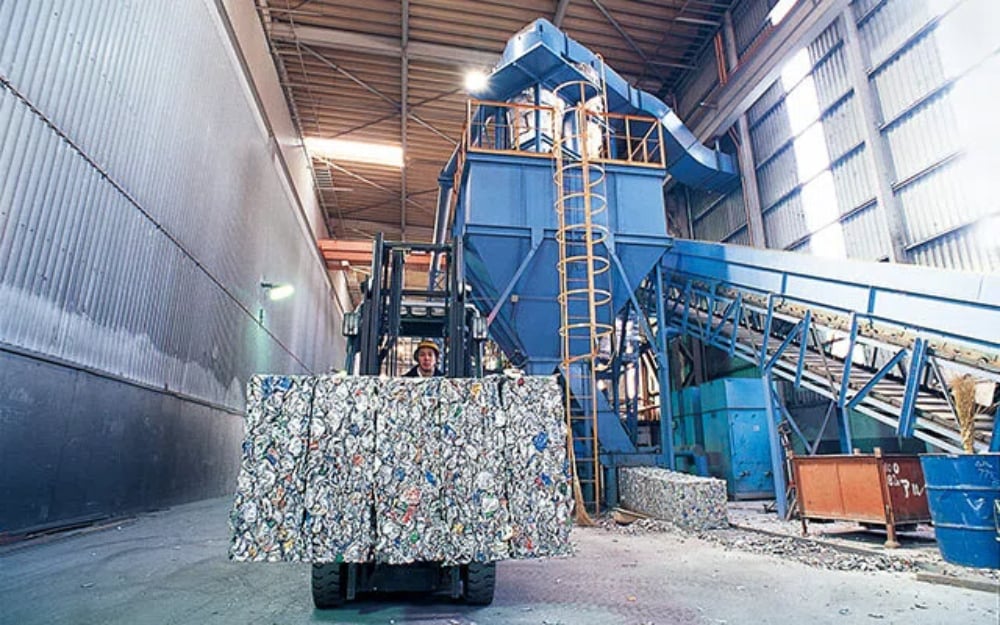
When embarking on the journey of Ultimate Scrap Metal Baler Buying Metal Recycling Operations, the first question is almost always regarding price. The cost of a scrap metal baler can vary wildly based on capacity, force, and automation. Generally, the market is divided into three primary tiers. Entry-level or portable balers, often used for light non-ferrous metals like aluminum cans (UBC) or thin copper, typically range from $15,000 to $45,000. These machines are ideal for smaller yards or specialized processing lines where high throughput is not the primary concern.
Mid-range industrial balers, which are the workhorses of most regional recycling centers, generally fall between $50,000 and $150,000. These machines offer higher hydraulic pressure (often between 125 to 250 tons of force) and can handle heavier materials like HMS 1 and 2 (Heavy Melting Scrap). They feature larger chamber sizes and faster cycle times, allowing for the processing of several tons of material per hour. For large-scale industrial operations or auto-shredding facilities, heavy-duty continuous balers or large triple-compression balers can exceed $250,000, reaching into the millions for fully automated, high-speed systems.
It is important to note that the initial purchase price is only one part of the financial equation. A lower-priced machine with a slow cycle time may end up costing more in labor over five years than a more expensive, faster machine. When evaluating the price range, buyers must consider the “cost per ton processed” rather than just the sticker price. HARSLE focuses on providing high-value configurations that balance robust build quality with competitive pricing, ensuring that the machine remains an asset rather than a liability.
Main Cost Drivers in Scrap Metal Baler Procurement
Several technical factors dictate the final price of a scrap metal baler. Understanding these drivers allows buyers to prioritize features that align with their specific operational needs. The most significant driver is Hydraulic Force. The tonnage of the main ram determines what materials the machine can process. A machine designed for 100 tons of force uses smaller cylinders, pumps, and motors than a 400-ton machine. Higher force requires thicker steel plates for the chamber to prevent warping under pressure, which adds significantly to the material cost of the machine.
Another major factor is the Cycle Time and Motor Power. A faster cycle time (the time it takes for the ram to extend and retract) requires larger hydraulic pumps and higher-kilowatt motors. For example, a machine with a 30-second cycle time will process twice as much material as one with a 60-second cycle time, but it requires a much more sophisticated hydraulic cooling system to manage the heat generated by the rapid movement of fluid. Advanced PLC (Programmable Logic Controller) systems from brands like Siemens or Schneider also add to the cost but provide essential diagnostics and automation capabilities.
The Quality of Wear Components is a frequently overlooked cost driver. High-quality balers use Hardox or similar abrasion-resistant liners inside the compression chamber. These liners protect the structural frame of the machine from the grinding action of scrap metal. While these materials increase the upfront cost, they drastically extend the machine’s lifespan and reduce the frequency of expensive structural repairs. Finally, the inclusion of features like remote control operation, integrated bale weighing systems, and specialized loading hoppers will further influence the total investment.
Configuration Impact: Vertical vs. Horizontal and Compression Types
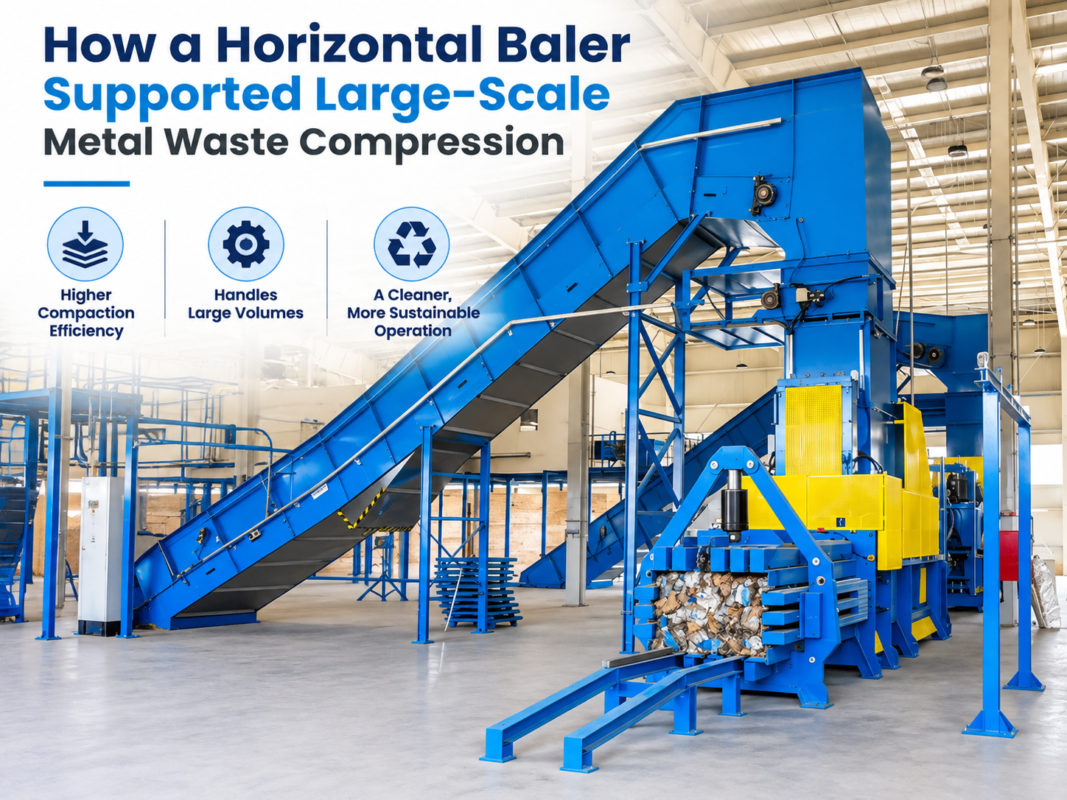
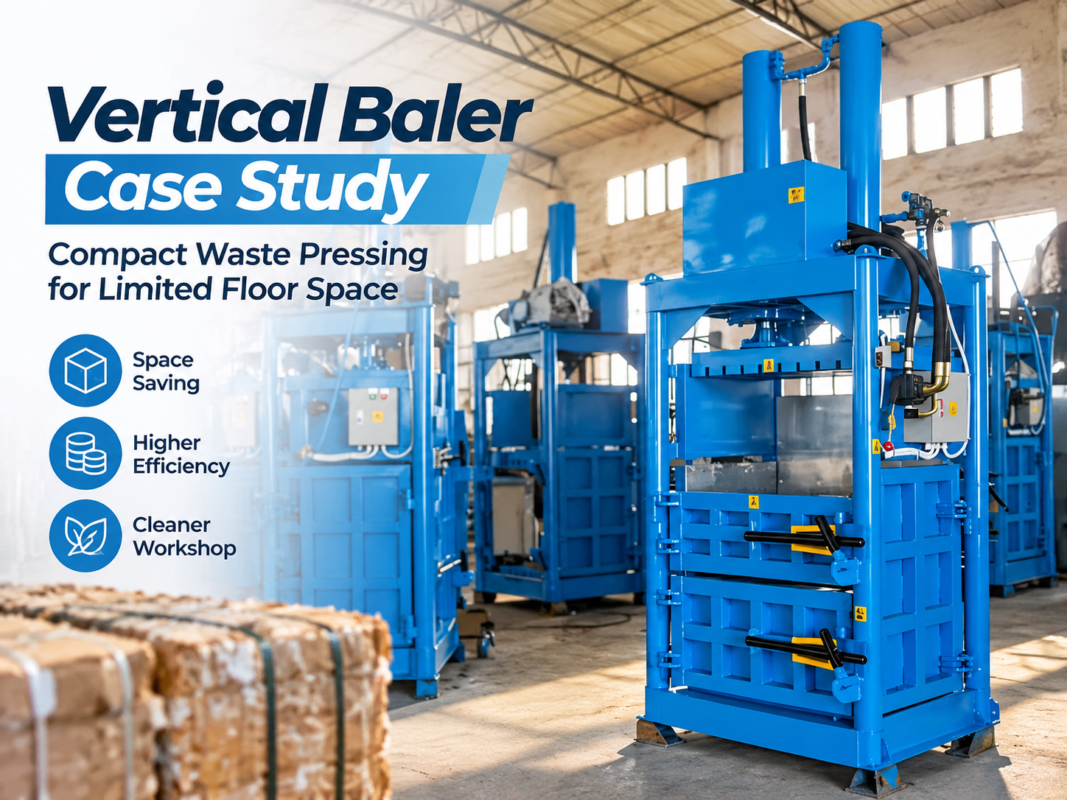
Choosing the right configuration is vital for operational flow. Vertical Balers are typically used for smaller volumes or lighter materials. They have a smaller footprint, making them ideal for facilities with limited floor space. However, they are generally manual-load and have slower throughput compared to horizontal models. For most serious metal recycling operations, Horizontal Balers are the standard. They allow for continuous feeding via conveyor or grapple and can produce much denser bales at a higher frequency.
Within horizontal balers, there are different compression styles: Side-push, Forward-out, and Turn-out. Side-push balers are excellent for non-ferrous metals and provide high density. Forward-out models are often used for larger, bulkier scrap. The choice depends on how you intend to move the finished bales. Furthermore, the Chamber Size must be matched to your primary scrap source. If you are processing large appliance shells or automotive parts, a small chamber will require pre-shredding or manual cutting, which adds labor costs. A larger chamber allows for “bulk feeding,” significantly increasing efficiency.
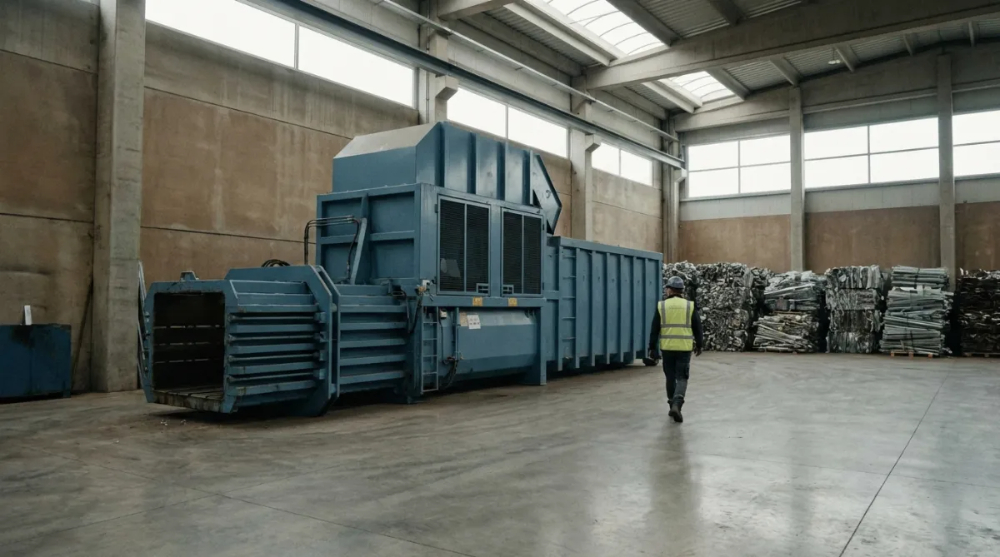
The Number of Compression Stages also plays a role. Single-compression balers are simpler and cheaper, but triple-compression balers (which compress the metal from three sides) produce the highest density bales possible. These “loggers” or high-density balers are essential if you are shipping material internationally in containers, where maximizing weight-per-volume is the only way to maintain profitability against high freight rates.
Hidden Costs: What to Budget for Beyond the Machine
Buying a scrap metal baler involves several “hidden” costs that can surprise unprepared buyers. Installation and Commissioning are the first hurdles. These machines are heavy and often require specialized rigging, cranes, and reinforced concrete foundations to handle the vibration and weight. Electrical infrastructure is another factor; an industrial baler may require a significant power upgrade to your facility to handle the high-amperage draw of the hydraulic motors.
Hydraulic Oil is a substantial initial and ongoing expense. A large baler can require hundreds of gallons of high-grade hydraulic fluid. Furthermore, Maintenance and Wear Parts must be budgeted for annually. This includes replacing hydraulic filters, sharpening or replacing shear blades (if the baler is equipped with them), and eventually replacing the chamber liners. Neglecting these can lead to catastrophic pump failure or structural cracks, which are far more expensive than routine maintenance.
Finally, consider Operator Training and Safety Compliance. Modern balers come with various safety interlocks and emergency stops, but operators must be trained to use the machine safely and efficiently. Improper loading can cause “jams” that take hours to clear, leading to lost productivity. Budgeting for a comprehensive training program and a stock of critical spare parts (like seals and sensors) will ensure that your operation stays up and running with minimal downtime.
ROI Calculation: Measuring the Success of Your Purchase
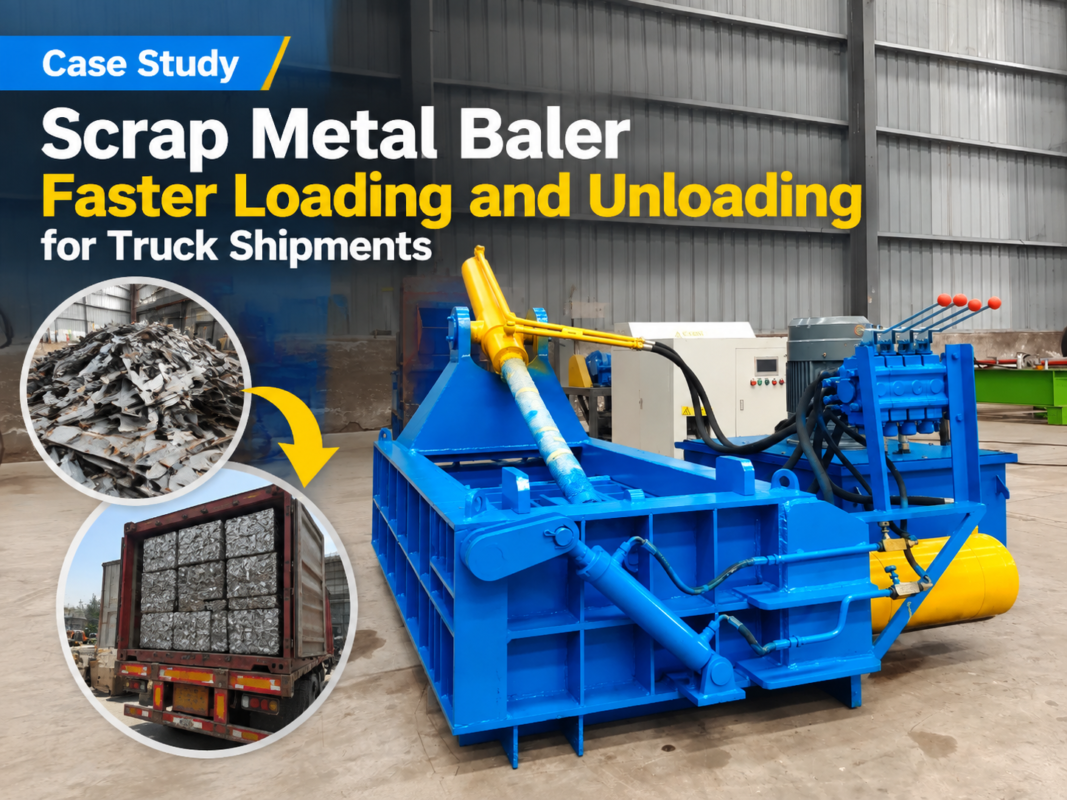
The Return on Investment (ROI) for a scrap metal baler is calculated by looking at three primary areas: labor reduction, transportation savings, and material value uplift. To calculate ROI, first determine your Transportation Savings. If un-baled scrap allows you to fit only 5 tons on a truck, but baled scrap allows for 20 tons, you have reduced your shipping frequency by 75%. Calculate the annual savings in fuel, driver time, and vehicle maintenance based on your volume.
Next, look at Labor Efficiency. A manual sorting and loading process is slow. An automated baler with a conveyor feed can replace several manual laborers, allowing them to be redeployed to higher-value tasks. Calculate the annual salary and benefit savings. Finally, consider the Market Premium. Smelters often pay a higher price per ton for baled material because it is easier for them to handle and melt. This “baling premium” can range from $10 to $40 per ton depending on the material and market conditions.
A typical ROI formula looks like this: (Annual Transport Savings + Annual Labor Savings + Annual Material Premium) / Total Investment Cost. For most high-volume operations using HARSLE equipment, the ROI period is often between 12 to 24 months. Beyond this point, the machine contributes directly to the bottom-line profit of the facility. Understanding these numbers before the purchase helps in justifying the capital expenditure to stakeholders or lenders.
Buying Advice: A Checklist for Metal Recycling Operations
When you are ready to move forward with Ultimate Scrap Metal Baler Buying Metal Recycling Operations, follow this checklist to ensure you choose the right partner and machine:
- Define Your Material Mix: Are you processing 80% aluminum and 20% steel, or vice versa? The hardness and elasticity of the metal dictate the required shear force and chamber design.
- Verify Throughput Requirements: Don’t buy a machine based on its maximum theoretical speed. Look at “real-world” throughput, accounting for loading time and bale tie-off.
- Check Component Brands: Ensure the hydraulics and electronics are from reputable, globally recognized brands. This ensures that you can find replacement parts locally in the future.
- Evaluate the Manufacturer’s Support: Does the vendor offer remote diagnostics? What is their lead time on wear parts? HARSLE prides itself on responsive after-sales service, which is vital for industrial machinery.
- Inspect the Build Quality: Look at the weld quality and the thickness of the frame. In the world of scrap metal, weight is often an indicator of durability. A heavier machine usually contains more steel and can withstand more abuse.
- Consider Future Growth: It is often better to buy a machine with 20% more capacity than you currently need than to outgrow a machine within two years.
Frequently Asked Questions (FAQ)
1. What is the average lifespan of an industrial scrap metal baler?
With proper maintenance, a high-quality industrial baler from a manufacturer like HARSLE can last 15 to 20 years. The key is regular hydraulic oil changes, liner replacements, and ensuring the machine is not consistently pushed beyond its rated tonnage capacity.
2. Can one baler handle both ferrous and non-ferrous metals?
Yes, most horizontal balers are versatile enough to handle both. However, the settings (such as pressure and bale size) may need to be adjusted. For example, aluminum requires less pressure to bale than stainless steel. It is also important to clean the chamber between different materials to prevent cross-contamination.
3. Do I need a permit to install a scrap metal baler?
Permit requirements vary by jurisdiction. Generally, you will need to comply with local industrial zoning laws, noise ordinances, and environmental regulations regarding hydraulic fluid containment. Always check with your local planning department before installation.
4. What is the difference between a baler and a logger?
A baler produces compact, rectangular blocks designed for easy stacking and transport. A logger (or baler-logger) is typically a larger, more powerful machine that can either produce high-density bales or simply “log” a car or large piece of scrap into a dense, irregular mass for transport to a shredder.
5. How often should the hydraulic oil be changed?
Most manufacturers recommend a full oil change every 2,000 to 4,000 operating hours. However, regular oil analysis is a better approach, as it can detect internal component wear or contamination before it leads to a failure.
6. Is automation worth the extra cost?
For operations processing more than 10 tons of scrap per day, automation (such as automatic bale tying and conveyor feeding) almost always pays for itself through reduced labor costs and more consistent bale density. For smaller operations, manual controls may be more cost-effective.
Conclusion
Investing in a scrap metal baler is a transformative step for any recycling operation. By following this Ultimate Scrap Metal Baler Buying Guide for Metal Recycling Operations, you can navigate the complexities of technical specifications, pricing, and ROI. HARSLE remains committed to providing the industry with robust, efficient, and high-value machinery that stands the test of time. Whether you are looking to reduce your carbon footprint through more efficient logistics or aiming to capture higher market margins, the right baler is the key to unlocking your facility’s full potential. Focus on quality, understand your material, and choose a partner that supports your growth long after the machine is installed.