Scrap Metal Baler Purchase Guide: Capacity, Automation, and Maintenance Tips

Introduction to Scrap Metal Baler Procurement
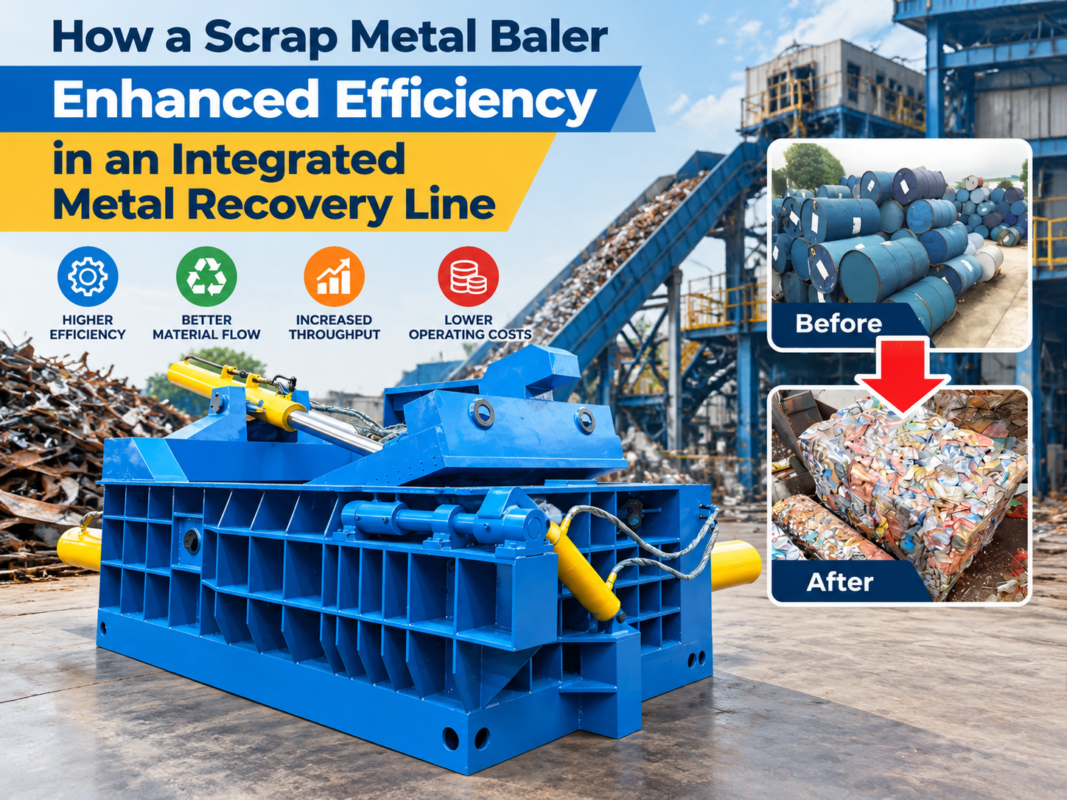
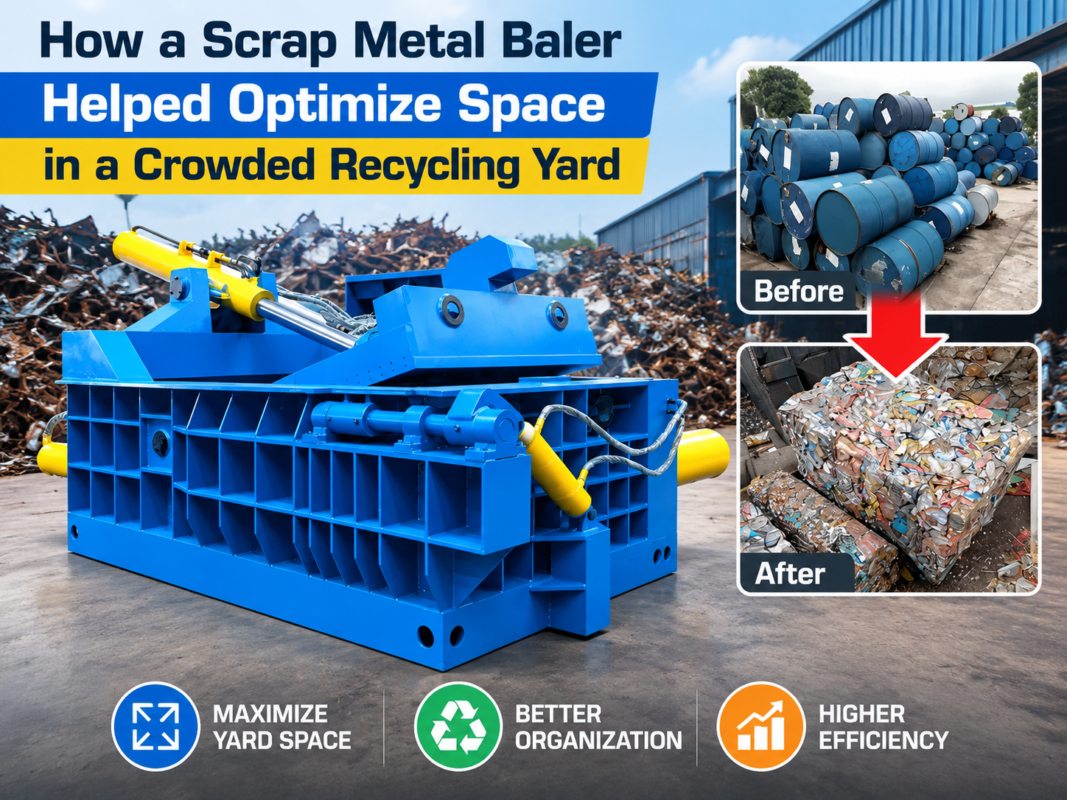
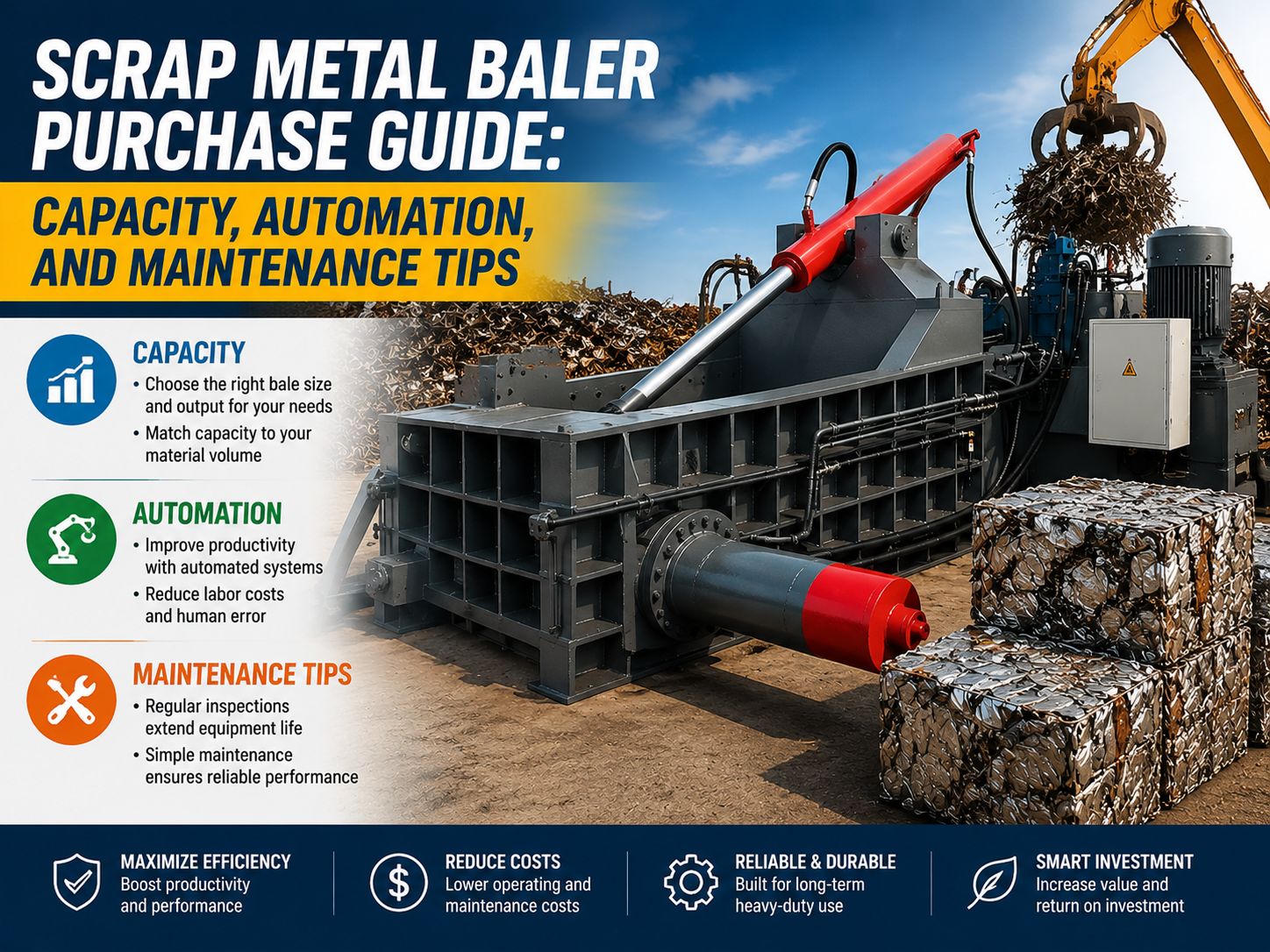
In the rapidly evolving landscape of global recycling, the efficiency of material processing determines the profitability of a scrap yard or manufacturing facility. A scrap metal baler is not merely a piece of equipment; it is the heart of a logistics strategy designed to reduce volume, lower transportation costs, and increase the market value of waste metal. Whether you are dealing with aluminum extrusions, copper wiring, or end-of-life vehicle shells, selecting the right machinery requires a deep understanding of technical specifications and operational requirements. This guide provides a comprehensive overview of the scrap metal baler purchase process, focusing on capacity, automation, and long-term maintenance.
Price Range Overview: Understanding the Investment Tiers
The market for scrap metal balers is diverse, ranging from small vertical units to massive, fully automated horizontal systems. Understanding the price tiers is the first step in budgeting for your facility. Generally, the cost of a baler is directly proportional to its compressive force (tonnage), cycle speed, and level of automation.
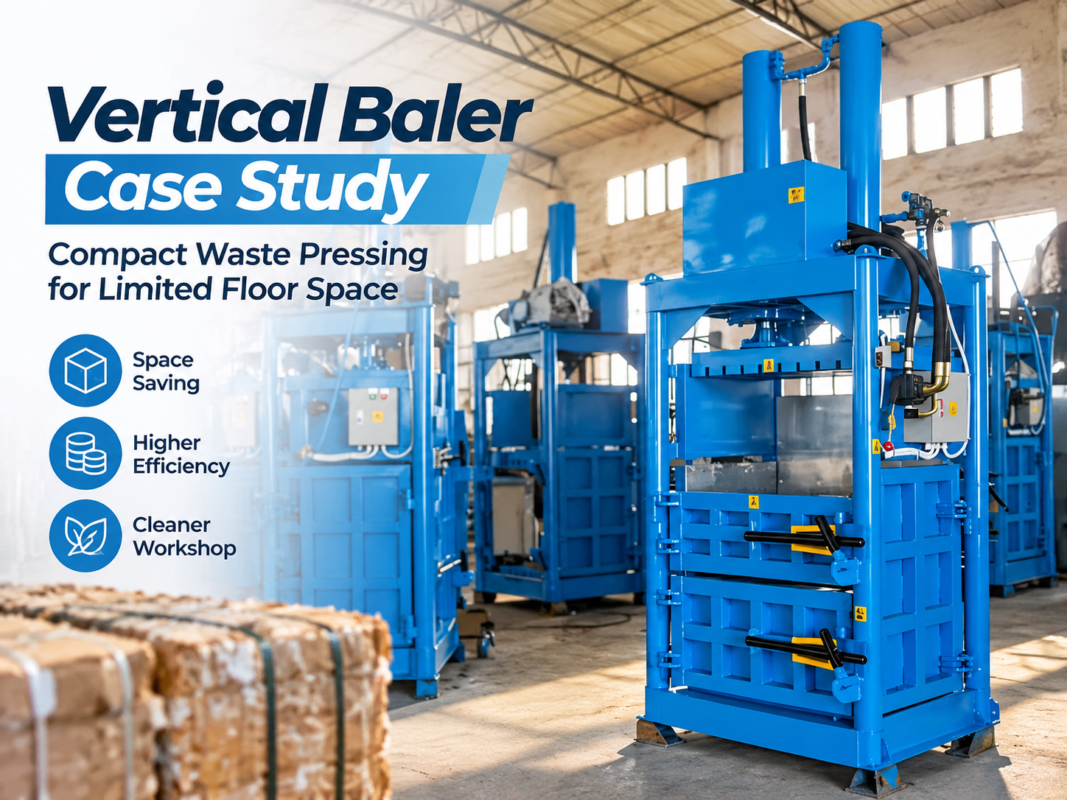
- Entry-Level Vertical Balers ($5,000 – $15,000): These are typically used by small workshops or retail centers for light-gauge materials like aluminum cans or thin copper wire. They require manual loading and manual tying.
- Mid-Range Horizontal Balers ($20,000 – $75,000): These machines offer higher throughput and are suitable for medium-sized recycling centers. They often feature semi-automatic operation and can handle heavier materials like stainless steel turnings and aluminum profiles.
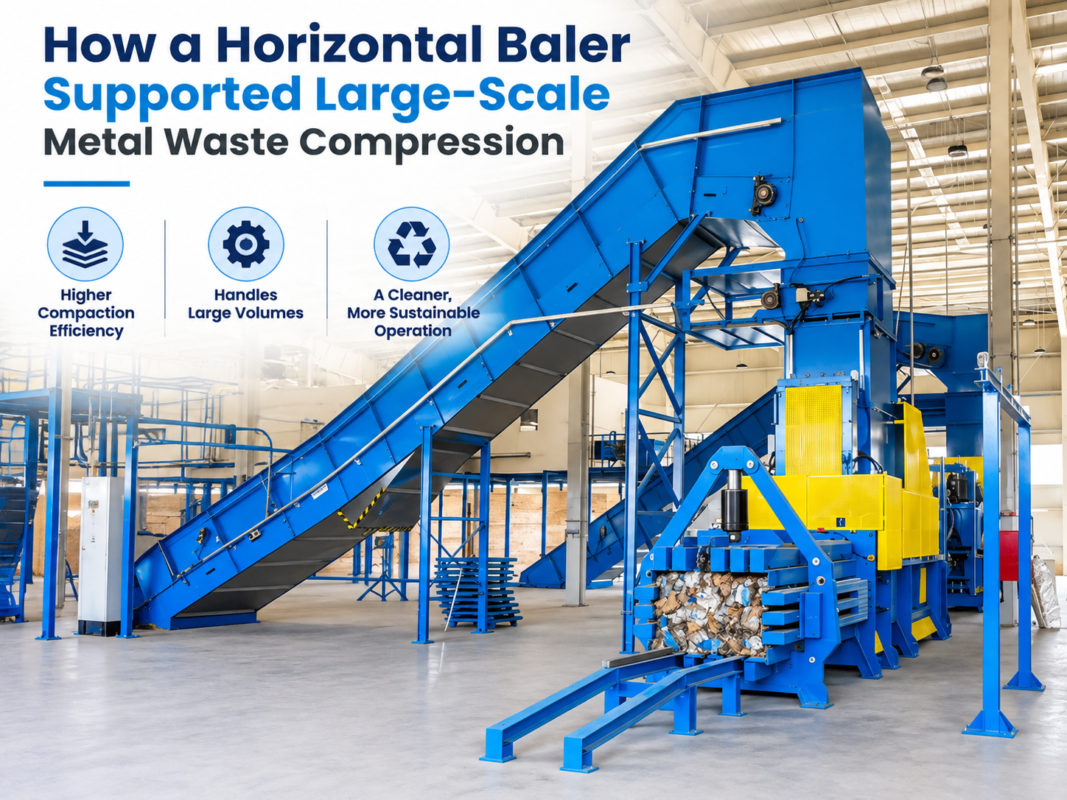
- Industrial-Scale Heavy Duty Balers ($80,000 – $300,000+): Designed for 24/7 operation, these machines feature high-tonnage cylinders (200-500 tons), automatic shearing capabilities, and integrated conveyor systems. They are essential for large-scale scrap yards processing HMS (Heavy Melting Scrap).
When evaluating the price, it is crucial to look beyond the initial sticker price. A lower-cost machine with a slow cycle time may end up costing more in labor over a five-year period than a more expensive, faster machine.
Main Cost Drivers in Scrap Metal Baler Purchase
Several technical factors dictate the manufacturing cost and, consequently, the selling price of a scrap metal baler. Identifying these drivers helps buyers prioritize features that align with their specific needs.
1. Compressive Force (Tonnage)
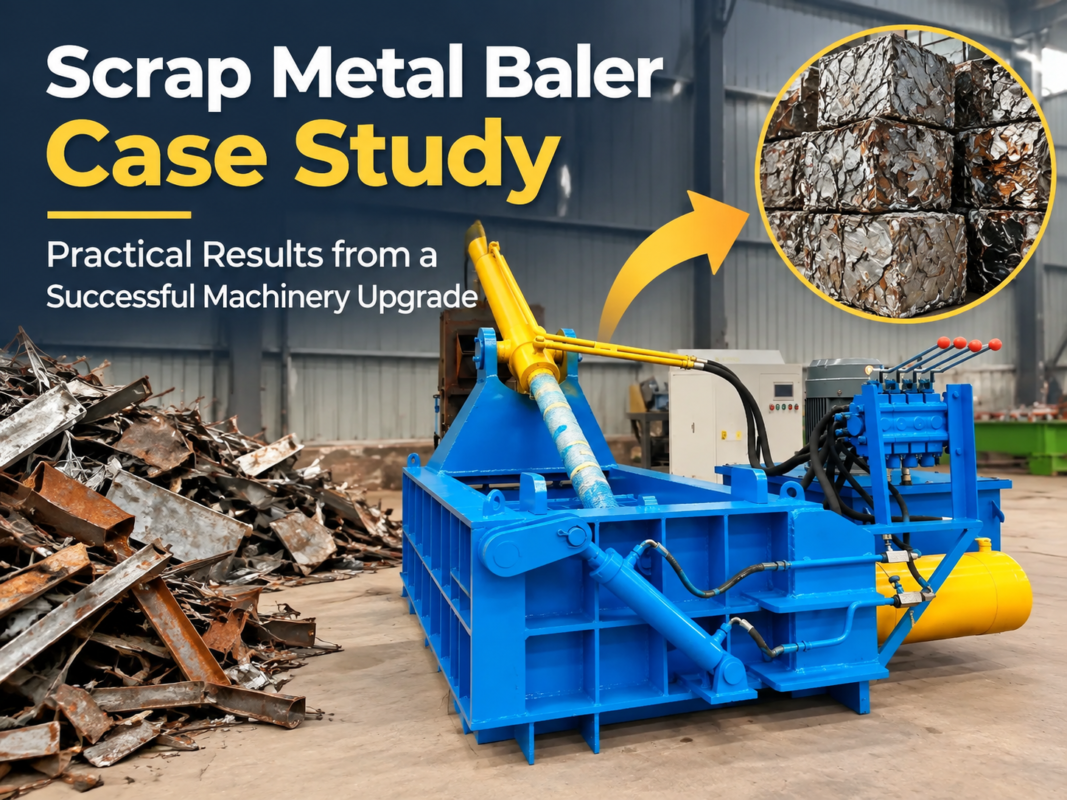
The tonnage of the main cylinder is the primary cost driver. Higher tonnage allows for the processing of thicker materials and creates denser bales. Denser bales are highly preferred by smelting plants and offer better shipping efficiency. For example, a 125-ton baler is sufficient for aluminum cans, but a 250-ton or 400-ton machine is required for structural steel or car bodies.
2. Hydraulic System Quality
The hydraulic pump and valve blocks are the “muscles” of the machine. High-end brands like HARSLE utilize premium hydraulic components (often from Rexroth or Vickers) to ensure consistent pressure and minimize leaks. The inclusion of high-efficiency oil coolers also adds to the cost but is essential for machines operating in warm climates or high-intensity shifts.
3. Structural Steel and Wear Liners
The frame of the baler must withstand immense internal pressure. Machines built with thicker high-tensile steel plates and reinforced welding points command a higher price. Furthermore, the use of replaceable Hardox wear liners inside the baling chamber significantly extends the machine’s lifespan by protecting the main structure from the abrasive nature of scrap metal.
Configuration Impact: Manual vs. Automatic Systems
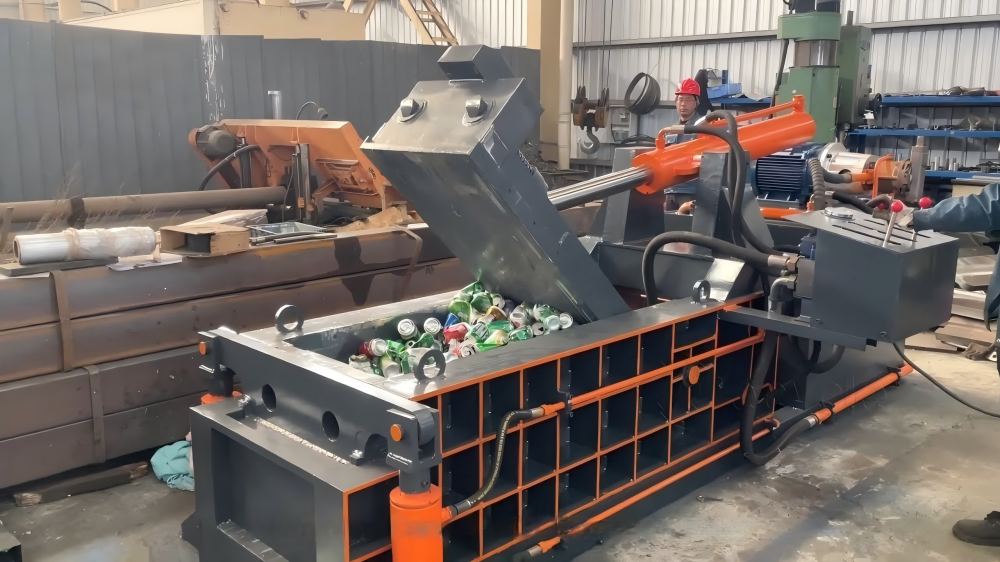
The configuration of the baler determines how many operators are needed and how the material flows through your facility. Choosing the right level of automation is a balance between capital expenditure (CAPEX) and operational expenditure (OPEX).
Manual and Semi-Automatic Configurations
Manual balers require an operator to load the chamber, initiate the press cycle, and manually tie the bale with wire or straps. This is cost-effective for low-volume operations but becomes a bottleneck as volume increases. Semi-automatic versions may include a hydraulic door and automatic bale ejection, reducing the physical labor involved but still requiring constant supervision.
Fully Automatic Systems
Fully automatic balers are integrated with conveyor belts and sensors. When the hopper is full, the machine automatically begins the cycle. These systems often include “auto-tie” mechanisms, which wrap the bale without human intervention. While the initial investment is significantly higher, the reduction in labor costs and the increase in safety make them the standard for modern industrial recycling.
Feeding Mechanisms
The way you feed the machine impacts its efficiency. Options include:
- Grapple/Crane Loading: Best for large, irregular scrap.
- Conveyor Loading: Ideal for uniform scrap like UBC (Used Beverage Cans) or electronic waste.
- Hopper Feeding: Allows for a buffer of material, ensuring the baler is always working at peak capacity.
Hidden Costs to Consider During Purchase
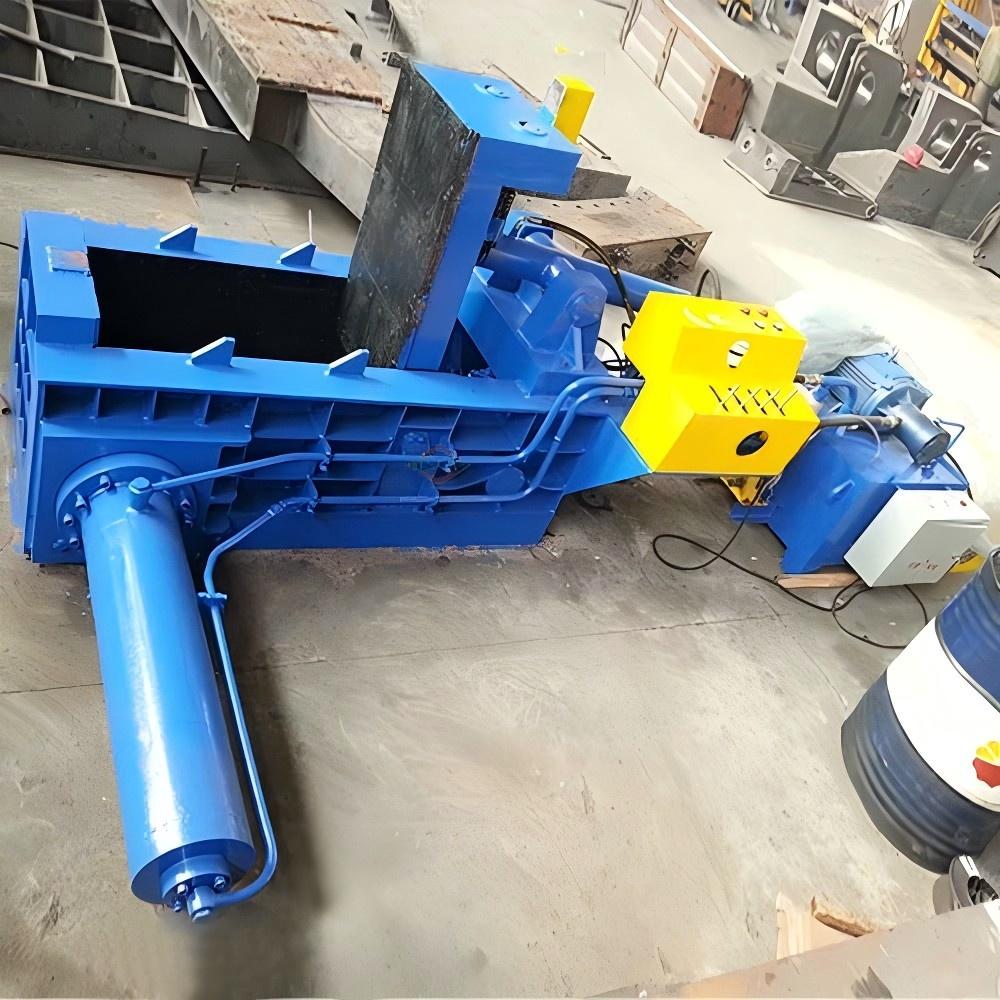
The purchase price is only one part of the Total Cost of Ownership (TCO). Buyers often overlook several secondary expenses that can impact the budget.
Shipping and Installation
Scrap metal balers are heavy, oversized pieces of equipment. Shipping costs from the manufacturer to your site can be substantial, especially for international orders. Additionally, you must account for the cost of a crane to offload the machine and the electrical work required to provide high-voltage power to the hydraulic motors.
Foundation and Site Prep
Heavy-duty balers generate significant vibration and force. Most industrial balers require a reinforced concrete pad. If your current floor is not rated for the weight and dynamic load of the machine, you will need to invest in site preparation before the machine arrives.
Consumables and Wear Parts
Baling wire, hydraulic oil, and replacement wear liners are ongoing costs. It is advisable to purchase a “start-up kit” of spare parts (seals, filters, and limit switches) to prevent downtime during the first year of operation.
ROI Calculation: When Does the Machine Pay for Itself?
Calculating the Return on Investment (ROI) is essential for justifying the purchase of a scrap metal baler. The ROI is typically driven by three factors: labor savings, transportation savings, and material premiums.
1. Transportation Savings
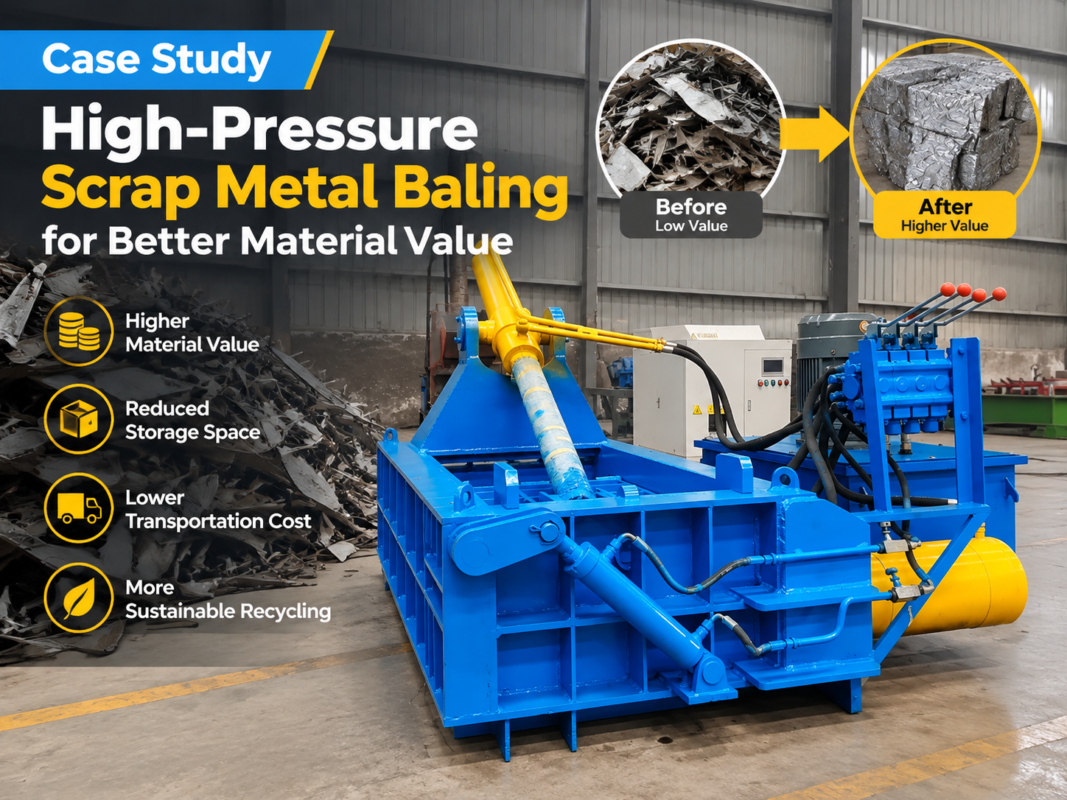
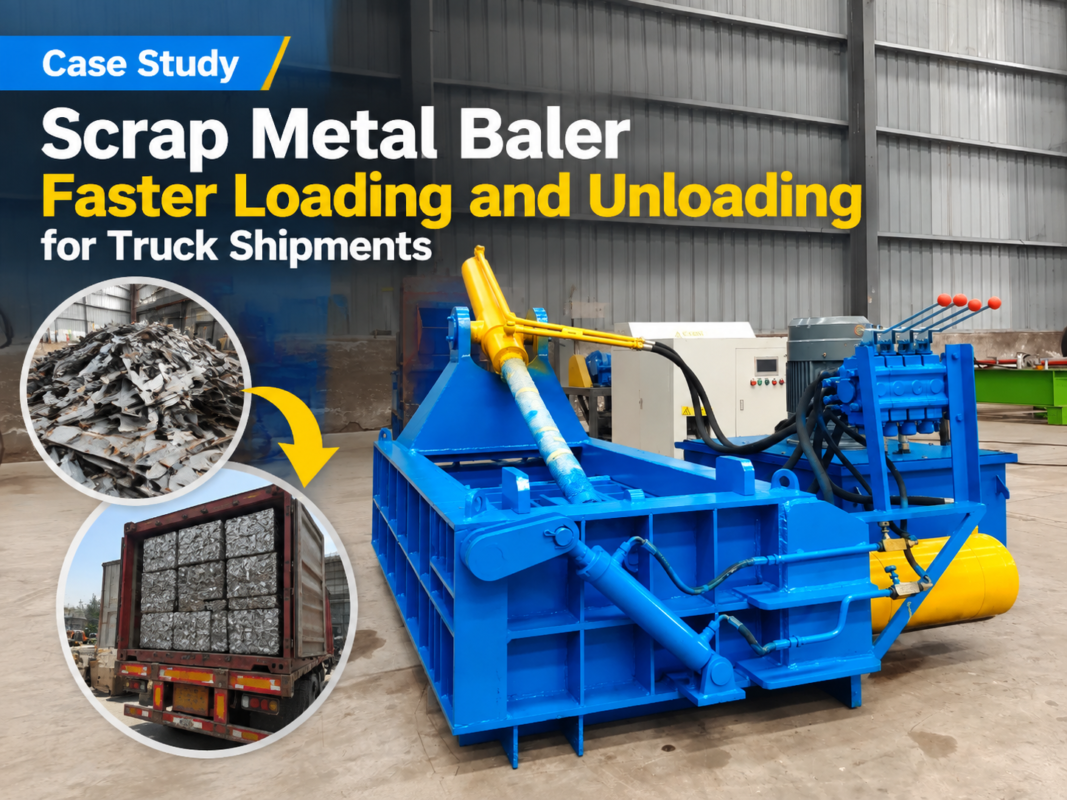
Loose scrap metal is expensive to move because you are essentially paying to transport air. A baler can increase the density of your loads by 500% to 1000%. If you currently ship 5 tons of loose aluminum per truckload and a baler allows you to ship 20 tons in the same space, your freight costs per ton drop by 75%.
2. Mill Premiums
Smelters and refineries prefer baled material because it is easier to handle and melts more efficiently with less oxidation loss. Many mills offer a “density premium” or a higher grade price for baled scrap compared to loose or “shredder feed” scrap.
3. Labor Efficiency
An automated baler can replace 2-3 manual sorters/loaders. By calculating the annual salary and benefits of these positions, you can determine how many months of operation are required to offset the cost of the automation upgrade.
| Factor | Loose Scrap (Monthly) | Baled Scrap (Monthly) | Monthly Savings/Gain |
|---|---|---|---|
| Shipping Loads | 20 Trucks | 5 Trucks | Cost of 15 Truckloads |
| Labor Hours | 400 Hours | 120 Hours | 280 Labor Hours |
| Market Value | $1,000/ton | $1,150/ton | $150/ton Premium |
Buying Advice: A Checklist for the Professional Buyer
Before finalizing your purchase with a manufacturer like HARSLE, go through this checklist to ensure the machine meets your long-term goals:
- Material Verification: Send samples of your toughest material to the manufacturer for a test bale. Ensure the shear blades (if equipped) can handle your specific scrap thickness.
- Bale Size Compatibility: Ensure the bale dimensions fit perfectly into the shipping containers or trucks you use. Standardizing bale size (e.g., 60″ x 30″ x 42″) is key for logistics.
- PLC and Software: Opt for a machine with a user-friendly PLC (Programmable Logic Controller) interface. Remote diagnostic capabilities are a huge plus for troubleshooting without waiting for a technician to visit.
- Safety Features: Ensure the machine complies with local safety standards (CE, ANSI, etc.). Look for emergency stops, safety interlocks on doors, and protective guarding around moving parts.
- After-Sales Support: Verify the availability of spare parts in your region. A machine that is down for three weeks waiting for a seal kit from overseas is a major liability.
Maintenance Tips for Longevity and Performance
A scrap metal baler operates in a harsh, dusty, and high-pressure environment. Rigorous maintenance is the only way to protect your investment and ensure operator safety.
Daily Maintenance Tasks
Operators should perform a visual inspection at the start of every shift. Check for hydraulic leaks, loose bolts, and debris buildup around the limit switches. Cleaning the “ram track” is essential to prevent metal shavings from scoring the floor plates or damaging the seals.
Weekly and Monthly Intervals
Check the hydraulic oil levels and the condition of the oil filters. If the oil appears cloudy, it may be contaminated with water or air, requiring immediate attention. Grease all pivot points and cylinder pins. For balers with shearing blades, check the gap between the blades; an improper gap leads to jagged cuts and puts unnecessary strain on the motor.
Annual Professional Audit
Once a year, have a factory-trained technician perform a full system audit. This includes testing the pump pressure, checking the structural integrity of the welds, and calibrating the PLC sensors. Replacing hydraulic hoses before they burst is a proactive measure that prevents environmental spills and costly emergency repairs.
Frequently Asked Questions (FAQ)
What is the difference between a single-ram and a triple-ram baler?
A single-ram baler applies pressure from one direction, suitable for simple shapes and softer metals. A triple-ram (or three-compression) baler applies pressure from three sides, creating an extremely dense, brick-like bale. Triple-ram balers are typically used for high-volume steel processing where maximum density is required for export.
Can I process different types of metal in the same baler?
Yes, but you must clean the chamber between different materials to avoid cross-contamination. For example, getting steel fragments into an aluminum bale will significantly lower the value of the aluminum at the mill. Many modern balers have a “clean-out” cycle to facilitate this.
How long does a typical scrap metal baler last?
With proper maintenance, a high-quality industrial baler from a reputable manufacturer like HARSLE can last 15 to 20 years. The hydraulic cylinders may need rebuilding every 7-10 years, and wear liners will need periodic replacement depending on the abrasiveness of the scrap.
Does the machine require a special power supply?
Most industrial balers require 3-phase power (220V, 380V, or 480V). It is important to confirm your facility’s electrical capacity before purchasing, as upgrading a transformer can be an expensive hidden cost.
Conclusion
Investing in a scrap metal baler is a strategic move that can transform the profitability of your recycling operations. By focusing on the correct capacity, choosing the right level of automation, and committing to a strict maintenance schedule, you ensure that your equipment remains a productive asset for decades. HARSLE continues to lead the industry by providing robust, high-performance baling solutions tailored to the needs of modern metal fabrication and recycling professionals. When you prioritize quality and technical fit over the lowest initial price, the ROI will follow through improved efficiency, lower shipping costs, and higher material margins.