
Industrial Shredder Cutting Chamber Blockage: Causes and Prevention

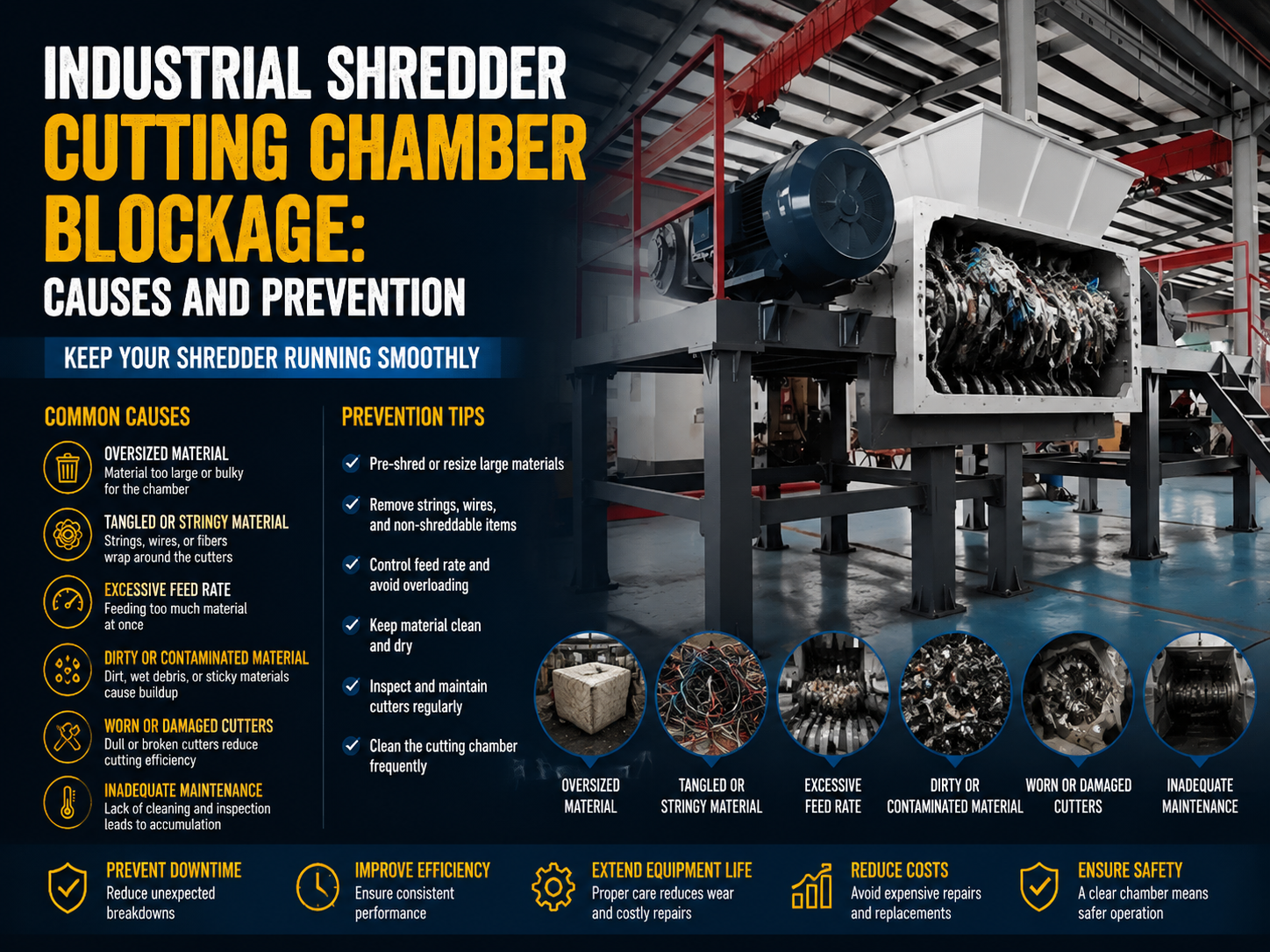
Introduction to Industrial Shredder Cutting Chamber Blockage
In the world of waste management, recycling, and metal fabrication, the industrial shredder stands as a cornerstone of efficiency. However, the productivity of these powerful machines is often threatened by a common yet disruptive issue: cutting chamber blockages. An Industrial Shredder Cutting Chamber Blockage: Causes Prevention strategy is essential for any facility looking to maintain high uptime and protect their capital investment. The cutting chamber is the heart of the shredder, where high-torque shafts and precision-engineered blades work in tandem to reduce bulky materials into manageable fractions. When this process is interrupted by a jam, the consequences range from minor downtime to catastrophic motor or gearbox failure.
Understanding the mechanics of a blockage requires a deep dive into how material interacts with the cutting elements. Industrial shredders, whether they are single-shaft, double-shaft, or four-shaft configurations, rely on the principle of shearing or tearing. A blockage occurs when the material fed into the chamber exceeds the mechanical limits of the machine—either through sheer volume, physical hardness, or structural elasticity that resists cutting. For operators and plant managers, recognizing the early warning signs of a potential jam is the first step in a comprehensive prevention program.
HARSLE, a leader in metal fabrication and industrial machinery, emphasizes that a shredder is only as good as its operational environment. A blockage isn’t just a mechanical failure; it is often a symptom of a mismatch between the material being processed and the machine’s specific configuration. By addressing the root causes—ranging from improper feeding techniques to neglected maintenance—facilities can significantly extend the lifespan of their equipment and ensure a safer working environment for their staff.
This article provides an in-depth exploration of why blockages occur and, more importantly, how to prevent them. We will examine the technical nuances of cutting chamber design, the role of automated control systems in jam detection, and the best practices for material pre-sorting. Whether you are processing municipal solid waste, scrap metal, or industrial plastics, the principles of Industrial Shredder Cutting Chamber Blockage: Causes Prevention remain universal and vital for operational excellence.
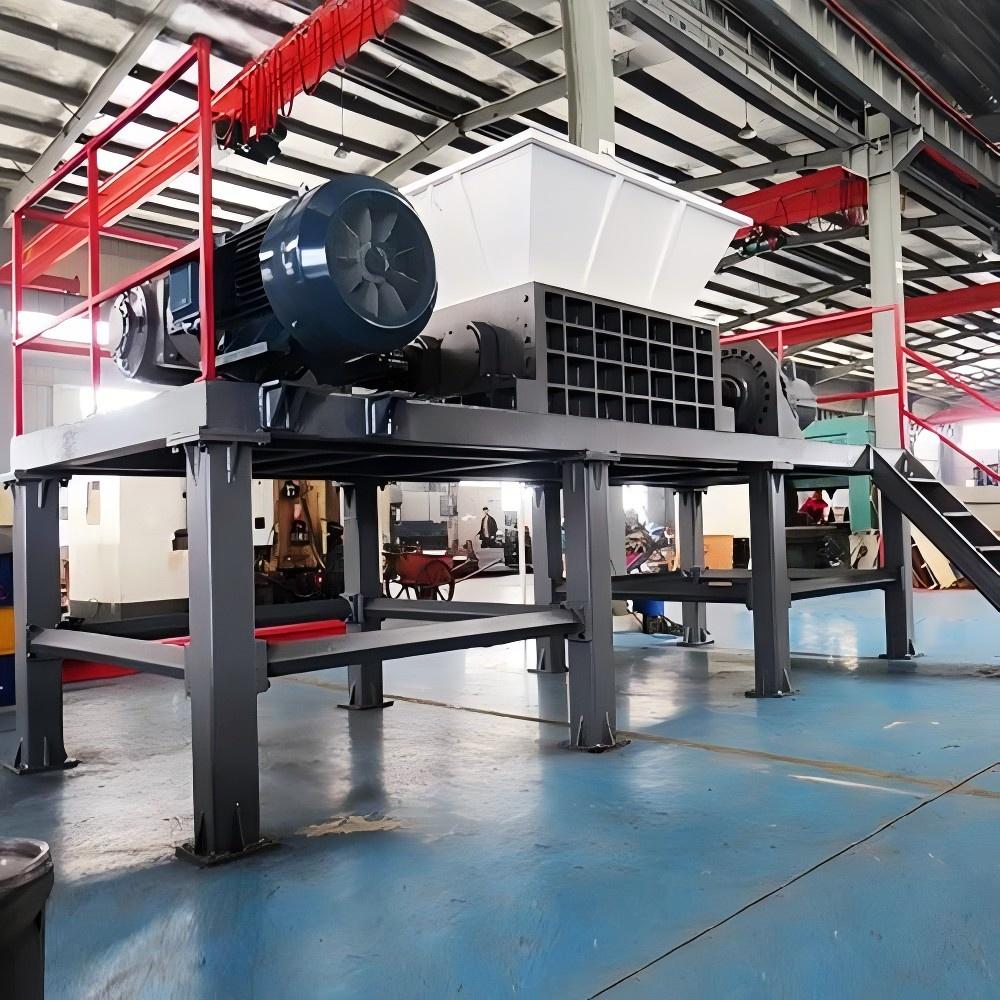
Key Considerations for Preventing Shredder Jams
Preventing a blockage begins long before the material reaches the cutting chamber. The first key consideration is material characterization. Not all shredders are created equal; a machine designed for plastic film will struggle significantly with thick-walled HDPE pipes or metal reinforcements. Operators must be trained to identify “unshreddables”—materials that are too hard, too thick, or too elastic for the specific blade geometry and motor power of their unit. For instance, large chunks of solid steel or heavy engine blocks can cause immediate mechanical stalls in shredders not rated for such high-impact loads.
Feed rate management is another critical factor. It is a common misconception that filling the hopper to its maximum capacity increases throughput. In reality, overfeeding often leads to “bridging,” where material arches over the cutting shafts, or “slugging,” where too much material enters the chamber at once, exceeding the motor’s torque capacity. Implementing a metered feeding system, such as a vibrating conveyor or a synchronized belt feed, ensures that the cutting chamber receives a consistent volume of material that matches its processing speed.
Moisture content and material stickiness also play a significant role in blockages. In applications like paper recycling or organic waste processing, high moisture levels can cause materials to clump together, forming a dense mass that the blades cannot easily penetrate. Furthermore, sticky materials can adhere to the cleaning combs or the shafts themselves, gradually reducing the effective cutting area and increasing friction. This buildup generates heat, which can further melt plastics or resins, creating a localized “weld” that completely seizes the chamber.
Finally, the human element cannot be ignored. Operator training is the most effective preventative measure. An experienced operator can hear the change in the motor’s pitch or observe the vibration patterns that signal an impending jam. By adjusting the feed rate or initiating a manual reverse cycle early, they can prevent a minor hiccup from becoming a multi-hour maintenance event. Establishing clear protocols for material inspection and hopper loading is fundamental to the Industrial Shredder Cutting Chamber Blockage: Causes Prevention workflow.
Technical Details: The Mechanics of a Blockage
To truly master Industrial Shredder Cutting Chamber Blockage: Causes Prevention, one must understand the technical forces at play. The cutting chamber typically consists of one or more shafts equipped with knives (or teeth) and spacers. In a double-shaft shredder, the shafts rotate toward each other at low speeds but with extremely high torque. The blockage occurs when the resistance force of the material (R) exceeds the torque force (T) provided by the motor and gearbox. When T < R, the shafts stop rotating, and the electrical system draws a massive spike in current (Amps) as the motor attempts to overcome the resistance.
Modern industrial shredders utilize Programmable Logic Controllers (PLCs) to manage these events. A sophisticated PLC will monitor the motor’s current draw in real-time. When the current exceeds a pre-set threshold—indicating a jam—the PLC triggers an automatic reversal. The shafts spin backward for a few seconds to reposition the material and then attempt to shred forward again. While this “auto-reverse” feature is excellent for clearing minor blockages, repeated cycling indicates a fundamental issue with the material size or blade sharpness, leading to excessive heat and wear.
Blade Geometry and Wear Patterns
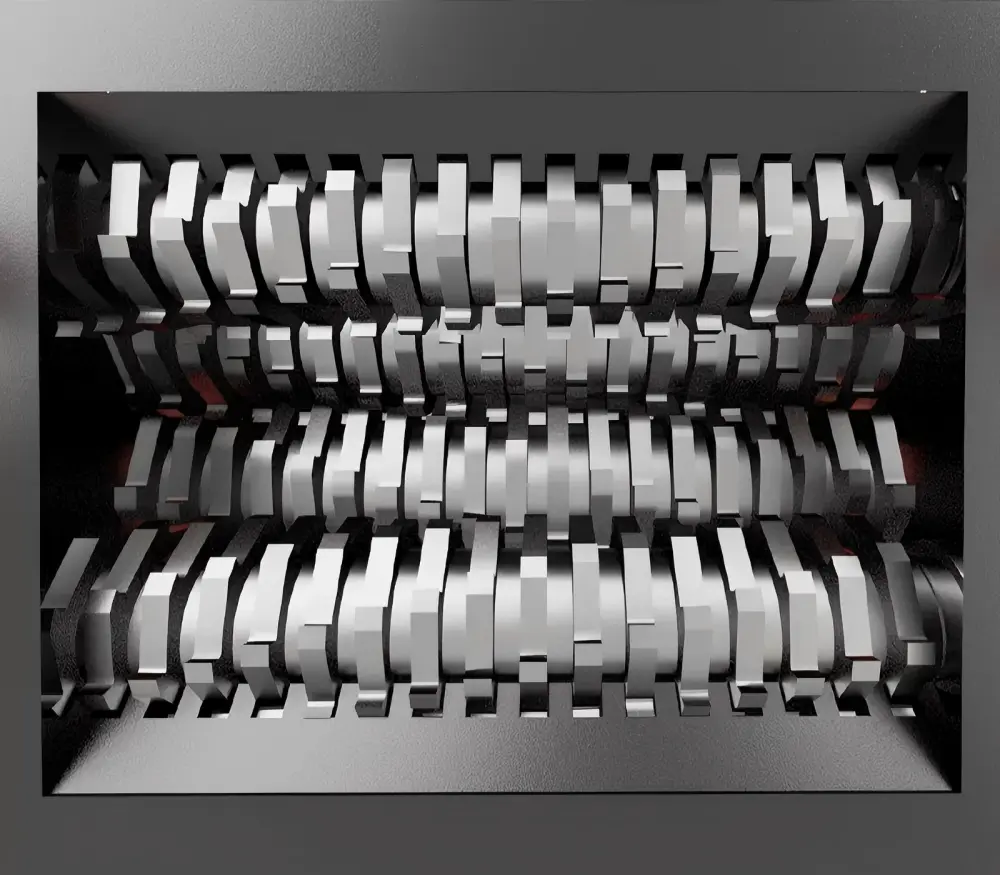
The design of the blades (knives) is paramount. Blades are often designed with specific “hooks” or “teeth” that grab the material and pull it into the cutting zone. As these hooks wear down and become rounded, they lose their ability to grip. Instead of cutting, the blades begin to rub against the material, creating friction and heat. This not only increases the likelihood of a blockage but also degrades the quality of the output. Regular inspection of blade tolerances—the gap between the rotating knives and the stationary cleaning combs—is vital. If this gap becomes too wide, thin materials like plastic bags or wires can slip through without being cut, eventually wrapping around the shafts and causing a “wrap-around” jam.
The Role of Cleaning Combs
Cleaning combs (or scrapers) are often the unsung heroes of the cutting chamber. Their job is to strip shredded material away from the shafts and ensure it falls through the discharge area. If these combs are bent, worn, or missing, material will continue to rotate with the shaft. This phenomenon, known as “carry-over,” leads to a rapid accumulation of material in the upper chamber, eventually packing so tightly that the shafts can no longer turn. Maintaining the integrity of the cleaning combs is a technical necessity for preventing long-term blockage issues.
Selection Advice: Choosing the Right Shredder to Avoid Jams
Selecting the correct machinery is the most proactive step in Industrial Shredder Cutting Chamber Blockage: Causes Prevention. The choice between a single-shaft and a multi-shaft shredder depends heavily on the material’s physical properties. Single-shaft shredders are generally better for materials that require a specific output size, as they utilize a screen to retain material until it is small enough to pass through. However, the screen itself can become a point of blockage if the material is wet or prone to melting. In contrast, double-shaft shredders are “open” systems that rely on the blade width to determine size, making them much less prone to clogging when handling bulky or mixed waste.
When evaluating a shredder, consider the following technical specifications:
- Drive System: Hydraulic drives offer superior shock absorption and can handle frequent reversals better than standard electric drives. However, modern electric drives with Variable Frequency Drives (VFDs) provide excellent torque control and energy efficiency.
- Blade Material: For abrasive materials like glass-filled plastics or contaminated metals, blades made from high-alloy steels (like D2 or specialized heat-treated alloys) are necessary to maintain sharpness and prevent the rounding that leads to jams.
- Shaft Diameter and Torque: Ensure the shaft diameter is sufficient to handle the maximum expected load without flexing. Higher torque at lower RPMs is generally safer for preventing blockages in heavy-duty applications.
- Hopper Design: A hopper with steep walls and an active “pusher” or “ram” system can prevent material bridging, ensuring a steady flow into the cutting chamber.
Consulting with a manufacturer like HARSLE allows you to customize the blade profile. For example, a “multi-hook” blade might be better for high-volume light plastics, while a single, heavy-duty hook is preferred for thick rubber or wood. Matching the blade profile to the material density is a critical component of professional selection advice.
Maintenance Strategies for Blockage Prevention
A rigorous maintenance schedule is the backbone of Industrial Shredder Cutting Chamber Blockage: Causes Prevention. Maintenance should be categorized into daily, weekly, and monthly tasks. Daily checks should include a visual inspection of the cutting chamber (while locked out) to remove any wrapped wires or trapped debris. Operators should also check for loose bolts on the blade assemblies, as a loose blade can shift and cause a catastrophic mechanical jam.
Weekly maintenance should focus on lubrication and tensioning. Bearings that are not properly lubricated will run hot, potentially leading to shaft misalignment. In chain-driven shredders, ensuring proper tension prevents slippage during high-torque events. Monthly maintenance involves a deeper dive into blade health. Measuring the gap between knives and combs using feeler gauges ensures that the machine is still operating within its design tolerances. If the blades show significant rounding, they should be rotated (if they are four-way blades) or sent for professional sharpening.
| Component | Maintenance Action | Frequency | Impact on Blockage |
|---|---|---|---|
| Cutting Blades | Inspect for sharpness and chips | Weekly | Sharp blades reduce torque requirements and prevent rubbing. |
| Cleaning Combs | Check for alignment and wear | Monthly | Prevents material carry-over and shaft wrapping. |
| PLC/Sensors | Test auto-reverse functionality | Monthly | Ensures the machine protects itself during a jam. |
| Hydraulic Fluid | Check levels and contamination | Monthly | Maintains consistent torque delivery for heavy loads. |
| Hopper/Ram | Clear debris from guide rails | Daily | Prevents material bridging and uneven feeding. |
Frequently Asked Questions (FAQ)
1. What is the most common cause of a shredder blockage?
The most common cause is overfeeding or the introduction of “unshreddable” materials. When the volume or hardness of the material exceeds the machine’s torque capacity, the shafts stall. Proper pre-sorting and metered feeding are the best defenses against this.
2. How does an auto-reverse system work?
An auto-reverse system monitors the electrical current or hydraulic pressure. When a spike is detected (indicating a jam), the PLC automatically reverses the shaft direction to dislodge the material, then resumes forward operation. If the jam persists after several attempts, the machine will shut down and alert the operator.
3. Can I shred wet materials?
Yes, but with caution. Wet materials are heavier and more prone to clumping or sticking to the blades and combs. If you frequently shred wet waste, you may need a shredder with specialized scrapers and a more powerful motor to overcome the added friction.
4. How often should I sharpen my shredder blades?
This depends entirely on the material being processed. Abrasive materials like glass or sandy plastics may require sharpening every few hundred hours, while clean wood or soft plastics might allow for thousands of hours of use. Regular visual inspections are the only way to determine the correct schedule.
5. What should I do if the shredder is completely seized?
First, follow all Lock-Out Tag-Out (LOTO) safety procedures. Never attempt to clear a jam while the machine is powered. Once safe, you may need to manually remove the material using pry bars or, in extreme cases, disassemble part of the cutting chamber or remove the cleaning combs to free the shafts.
Conclusion: Achieving Maximum Uptime
Mastering Industrial Shredder Cutting Chamber Blockage: Causes Prevention is an ongoing process that combines technical knowledge, disciplined maintenance, and smart equipment selection. By understanding the relationship between material properties and mechanical torque, facilities can avoid the costly pitfalls of frequent downtime and expensive repairs. The cutting chamber is a high-stress environment, and treating it with the respect it deserves—through sharp blades, clean scrapers, and controlled feeding—is the key to long-term success.
HARSLE remains committed to providing the industry with robust, high-performance shredding solutions designed to minimize these risks. However, even the best machine requires a knowledgeable operator and a proactive maintenance culture. By implementing the strategies discussed in this guide, you can ensure that your industrial shredder remains a productive asset for years to come, turning waste into value with minimal interruption. Remember, the cost of prevention is always lower than the cost of a catastrophic failure.


