
How to Fix Poor Particle Size Control in an Industrial Shredder

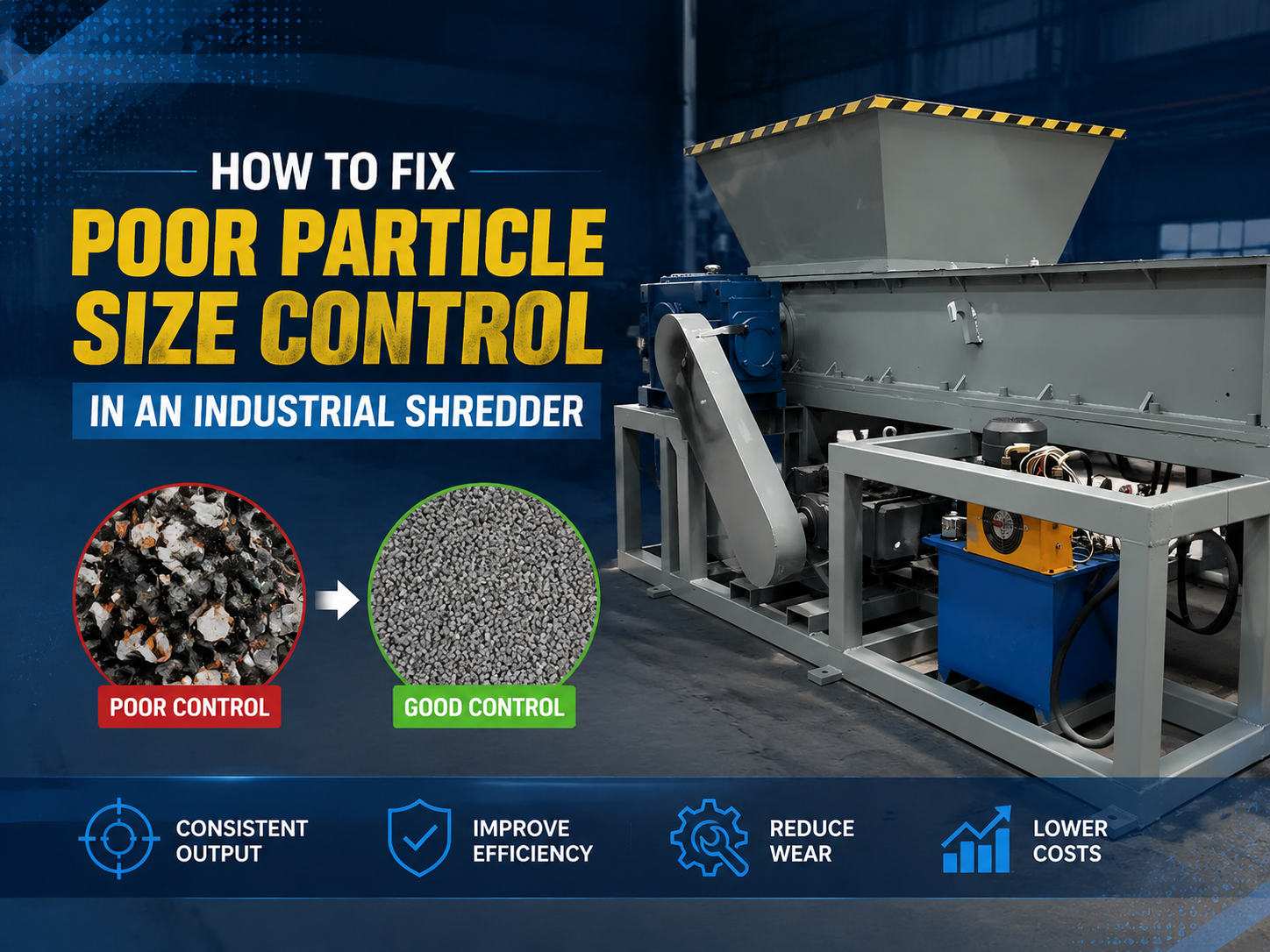
How to Fix Poor Particle Size Control in an Industrial Shredder
In the world of industrial recycling and material processing, consistency is the hallmark of quality. Whether you are processing plastic regrind, metal scrap, or electronic waste, the ability to maintain a uniform output size is critical for downstream processes. When an industrial shredder begins to produce inconsistent results—ranging from oversized chunks to excessive fines—it disrupts the entire production chain. Learning how to Fix Poor Particle Size Control In An Industrial Shredder is not just about maintenance; it is about optimizing the efficiency and profitability of your entire operation.
At HARSLE, we understand that a shredder is a significant investment. When that investment fails to meet the specified particle size requirements, it can lead to material rejection, increased wear on secondary granulators, and higher energy costs. This comprehensive guide explores the technical reasons behind poor size control and provides actionable solutions to restore your machinery to peak performance. From mechanical adjustments to material handling strategies, we will cover everything you need to know to ensure your shredder delivers the precision your business demands.
Understanding the Root Causes of Inconsistent Particle Size
Before you can Fix Poor Particle Size Control In An Industrial Shredder, you must identify why the deviation is occurring. Particle size in a shredder is primarily governed by the interaction between the cutting blades, the counter-knives, and the discharge screen. If any of these components are compromised, the output quality will inevitably suffer. One of the most common culprits is the gradual wear of the cutting edges. As blades dull, they lose their ability to cleanly shear material, leading to tearing and the production of irregular, elongated pieces that may bypass the screen incorrectly.
Another critical factor is the integrity of the screen itself. The screen acts as the final gatekeeper for particle size. If the screen mesh is worn, bent, or has developed holes due to heavy impact, oversized material will escape the cutting chamber prematurely. Conversely, if the screen is blinded or clogged with sticky or melted material, the shredder may over-process the remaining material, creating an excess of fine dust. Understanding these mechanical relationships is the first step in troubleshooting your equipment.
Operational variables also play a significant role. The rate at which material is fed into the shredder can impact how long it stays in the cutting chamber. Overfeeding can force material through the screen before it has been properly reduced, while underfeeding can lead to inefficient cutting and unnecessary friction. Furthermore, the physical properties of the material—such as moisture content, brittleness, and elasticity—dictate how it responds to the shredding force. A setup that works perfectly for rigid HDPE may fail miserably when processing flexible film or tough rubber.
Technical Solutions to Fix Poor Particle Size Control In An Industrial Shredder
1. Optimizing Blade Sharpness and Clearance
The most direct way to Fix Poor Particle Size Control In An Industrial Shredder is to address the cutting interface. Industrial shredders rely on a precise gap between the rotating knives and the stationary counter-knives. Over time, this gap widens due to mechanical stress and abrasive wear. When the clearance exceeds the manufacturer’s specifications, the shredder begins to “chew” rather than “cut.” This results in “tails” or long strips of material that fail to meet size requirements.
To fix this, operators must implement a rigorous blade maintenance schedule. This includes not only sharpening the blades but also adjusting the bed knives to maintain the optimal tolerance. For many HARSLE single-shaft shredders, this involves loosening the retaining bolts and using adjustment screws to bring the counter-knife closer to the rotor. A general rule of thumb for many materials is a clearance of 0.1mm to 0.5mm, though this varies by application. Using a feeler gauge to ensure uniformity across the entire length of the rotor is essential for consistent particle size.
2. Screen Inspection and Replacement
The screen is the primary mechanism for size regulation in a single-shaft shredder. If you notice a sudden increase in oversized particles, the screen is the first place to look. Inspect the screen for “rounding” of the hole edges. Sharp edges on the screen holes actually contribute to the cutting process; once they become rounded, material tends to bounce off the screen rather than being sheared through it. This increases the residence time in the chamber and can lead to heat buildup.
If the screen is damaged or the holes have elongated, replacement is the only viable fix. However, you can also optimize size control by selecting the correct screen geometry. For example, staggered hole patterns often provide better throughput and more consistent sizing than straight rows. Additionally, for materials that tend to “bridge” or clog, using a screen with a slightly larger open area or a different thickness can prevent the over-shredding that leads to excessive fines.
3. Managing the Hydraulic Pusher and Feed Rate
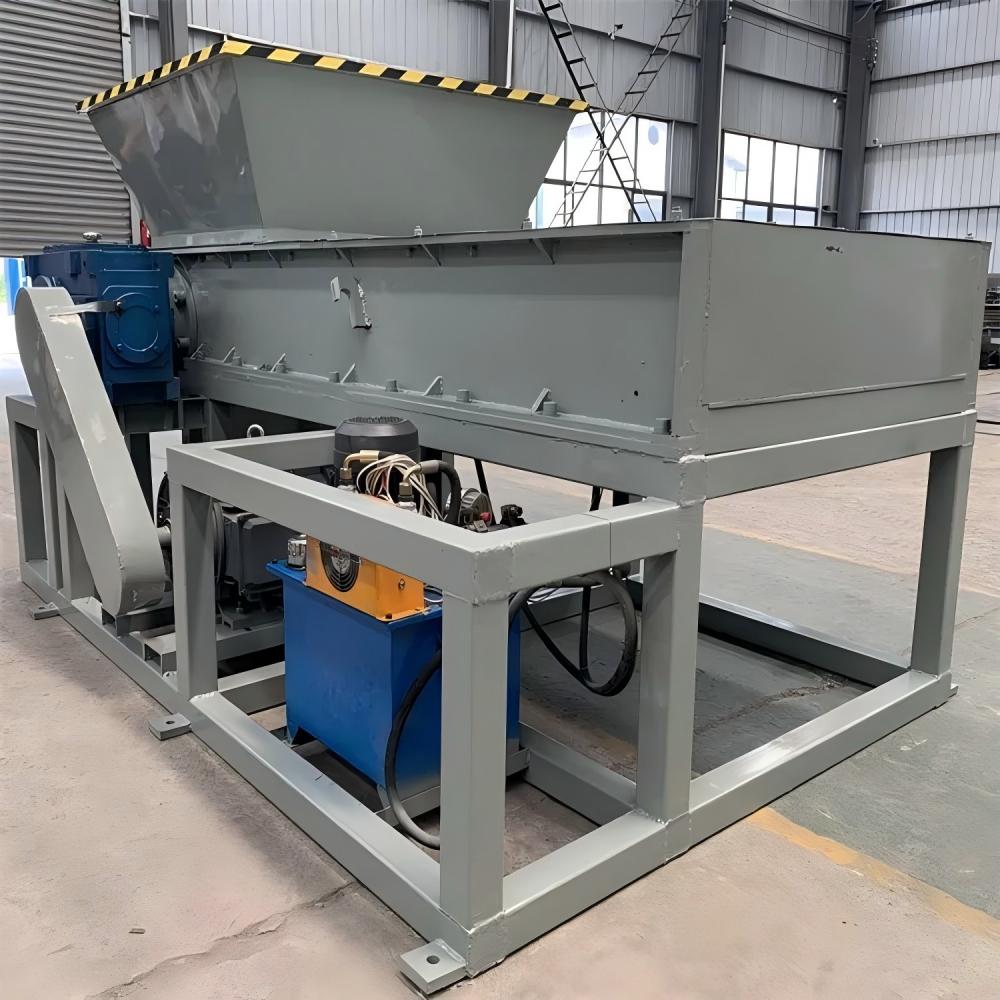
In single-shaft shredders, the hydraulic pusher (or ram) forces material against the rotating drum. If the pusher pressure is too high, it can jam too much material into the rotor, causing the motor to lug and the blades to tear through the material inconsistently. This often results in a wide distribution of particle sizes. To Fix Poor Particle Size Control In An Industrial Shredder, you must calibrate the pusher’s logic via the PLC (Programmable Logic Controller).
Modern HARSLE shredders feature intelligent ram control that adjusts the pressure based on the motor’s current draw. If the motor load is too high, the ram retracts slightly to allow the rotor to clear. By fine-tuning these parameters—such as the “load limit” and the “retraction time”—you can ensure a steady, controlled feed that allows the blades to work efficiently. A steady feed results in a steady output size, whereas a pulsing, aggressive feed creates erratic results.
Selection Advice: Choosing the Right Shredder for Precision
If you are consistently struggling with size control, it may be that your current machinery is not ideally suited for your specific material. When selecting a shredder, you must consider the torque-to-speed ratio. High-speed shredders are excellent for thin plastics and paper but can struggle with thick metals or elastomers, leading to uneven fracturing. Conversely, low-speed, high-torque shredders provide excellent control for heavy-duty applications but may produce larger particles if not equipped with the right screen.
Consider the following factors when evaluating a shredder for particle size precision:
- Rotor Design: V-shaped rotor configurations tend to pull material toward the center, preventing material buildup at the side walls and ensuring every piece is subjected to the same cutting force.
- Drive System: Frequency-controlled drives (VFDs) allow you to adjust the rotor speed to match the material’s fracture point, which is vital for maintaining size consistency across different batches.
- Ease of Maintenance: Look for machines with easy-access screen cradles. If a screen is difficult to change, operators are less likely to swap it out for the correct size or inspect it for wear, leading to long-term size control issues.
The Impact of Material Temperature and Moisture
Environmental and material conditions are often overlooked when trying to Fix Poor Particle Size Control In An Industrial Shredder. For instance, thermoplastics become more elastic as they heat up. If your shredding process generates excessive heat, the plastic may soften and stretch rather than snap. This leads to “stringy” output that clogs screens and fails size tests. Implementing a water-cooling system for the rotor or using an air-extraction system can help maintain a stable temperature, ensuring the material remains brittle enough for a clean cut.
Moisture content is equally important, especially in organic waste or wood processing. Wet material is heavier and more cohesive, which can cause it to clump together and bypass the screen’s intended sizing mechanism. In these cases, adjusting the cutting geometry to a more aggressive angle or increasing the rotor speed can help break apart clumps and maintain the desired particle dimensions. Always ensure your material is as consistent as possible before it enters the hopper.
Maintenance Checklist for Consistent Particle Size
To prevent future issues with particle size, follow this technical maintenance checklist:
| Component | Action Required | Frequency |
|---|---|---|
| Cutting Knives | Check for chips, rounding, and tightness. Rotate or sharpen as needed. | Weekly / Bi-weekly |
| Counter-Knives | Adjust the gap to manufacturer specifications (e.g., 0.2mm). | Monthly |
| Discharge Screen | Inspect for holes, clogs, or thinning of the metal. | Daily (Visual) |
| Hydraulic System | Check oil levels and pressure settings for the pusher ram. | Monthly |
| Rotor Bearings | Grease and check for vibration which can cause uneven cutting. | Every 500 Hours |
| PLC Settings | Review load-sensing parameters to ensure optimal feed rate. | Quarterly |
Frequently Asked Questions
Why is my shredder producing more dust (fines) than usual?
Excessive fines are usually caused by “over-shredding.” This happens when the material stays in the cutting chamber too long, often because the screen is clogged or the blades are so dull that they are grinding the material instead of cutting it. Check your screen for blinding and ensure your blades have a sharp leading edge.
Can I change the particle size without changing the screen?
To a small degree, yes. By increasing the rotor speed or adjusting the blade clearance, you can slightly alter the output. However, for a significant change in particle size (e.g., moving from 40mm to 20mm), you must change the discharge screen to one with the appropriate hole diameter.
How do I know when to rotate my shredder blades?
Most modern shredder blades are four-way reversible. You should rotate them when the cutting edge shows a visible radius or when you notice a 15-20% drop in throughput or an increase in “tails” in your output material. Monitoring the motor’s amperage is also a good indicator; as blades dull, the motor has to work harder, drawing more current.
Does the shape of the screen holes matter?
Yes. Round holes are standard for general purpose, but square or hexagonal holes can offer better throughput for certain materials. For thin, film-like materials, a screen with a “conical” hole profile can help prevent clogging and maintain size consistency.
Conclusion
Maintaining precise output is essential for any industrial operation, and knowing how to Fix Poor Particle Size Control In An Industrial Shredder is a vital skill for operators and maintenance teams alike. By focusing on the “holy trinity” of shredding—blade sharpness, proper clearance, and screen integrity—you can eliminate the majority of size-related issues. Furthermore, by leveraging the advanced PLC controls and robust engineering found in HARSLE machinery, you can automate much of this consistency, reducing the need for manual intervention.
At HARSLE, we are committed to providing not just the machinery, but the technical expertise required to keep your production lines running smoothly. If you are experiencing persistent issues with your shredder’s output, or if you are looking to upgrade to a system designed for high-precision recycling, our team of engineers is ready to assist. Remember, a well-maintained shredder is a profitable shredder. Invest the time in calibration and maintenance today to ensure the quality of your product tomorrow.


