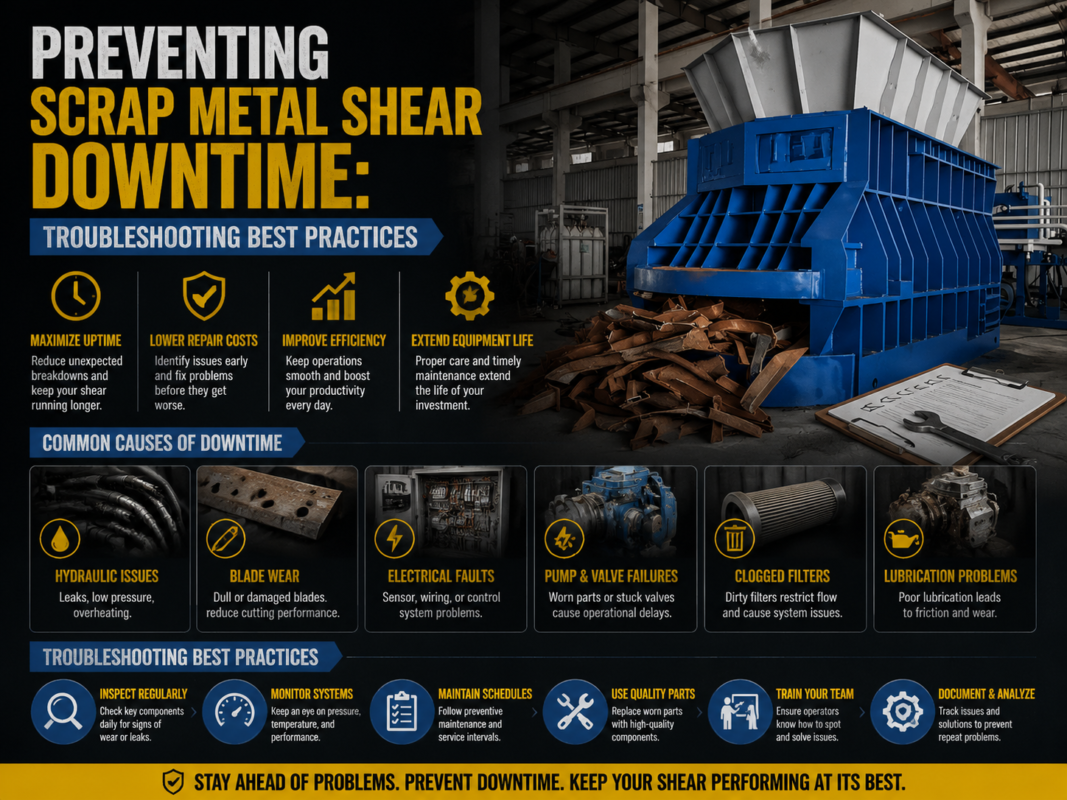
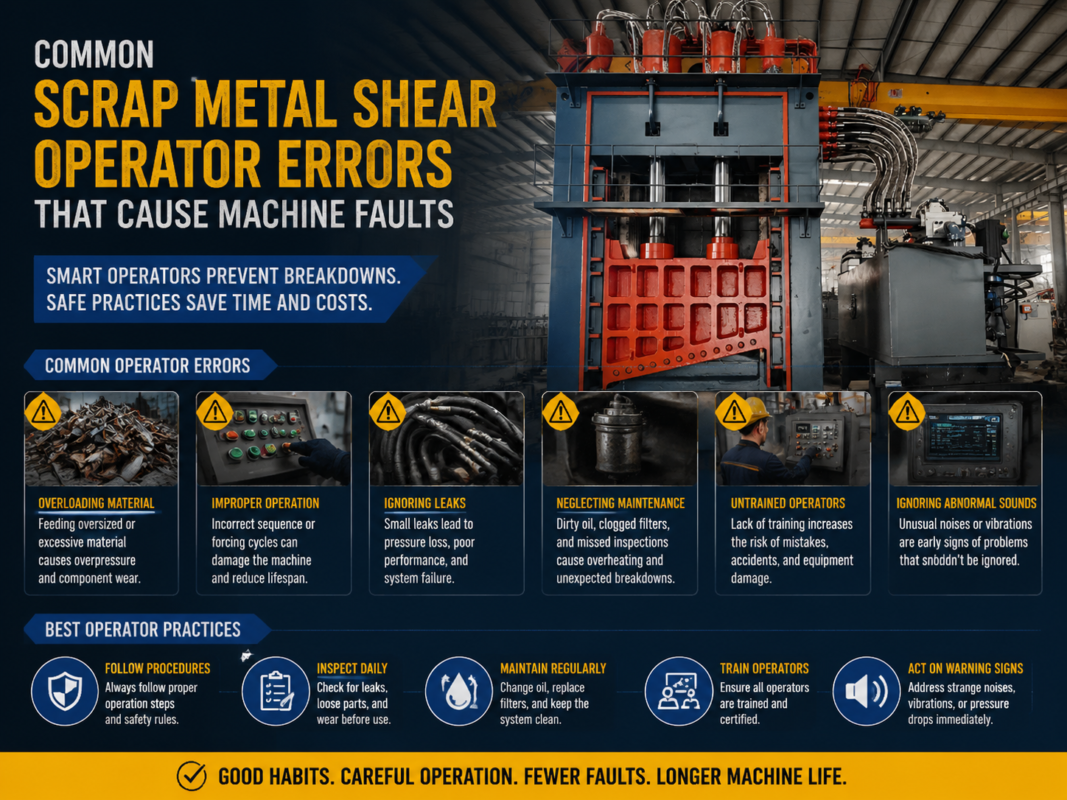
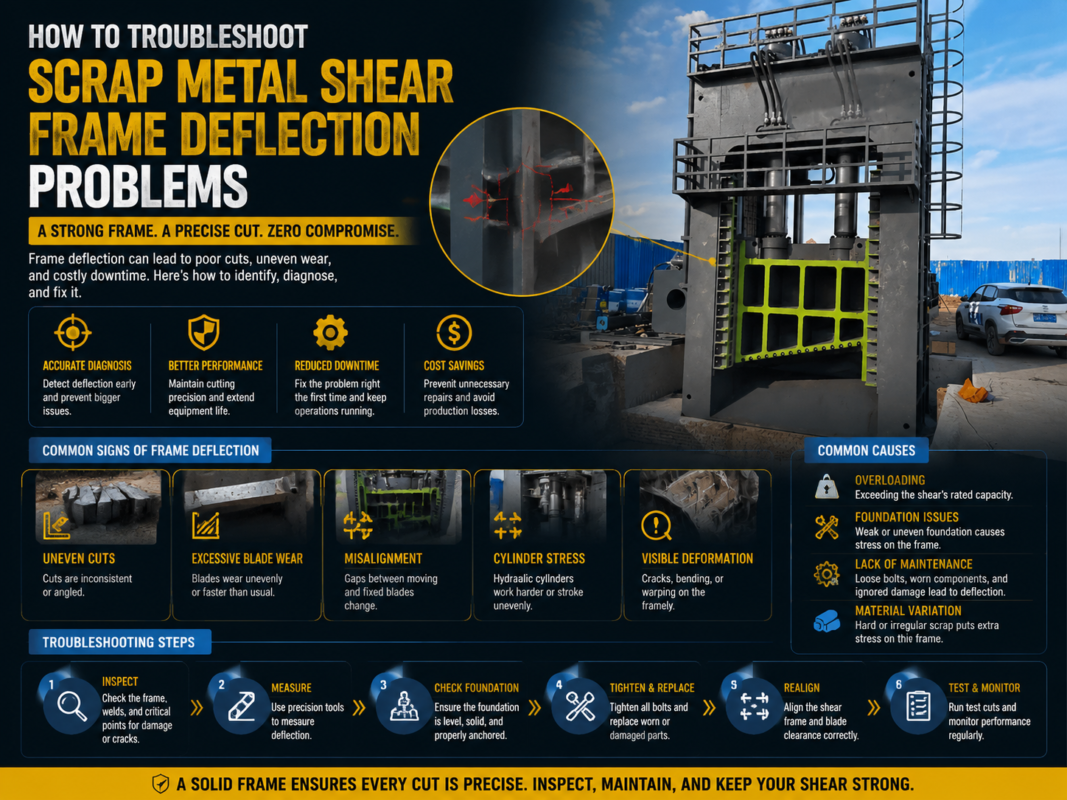
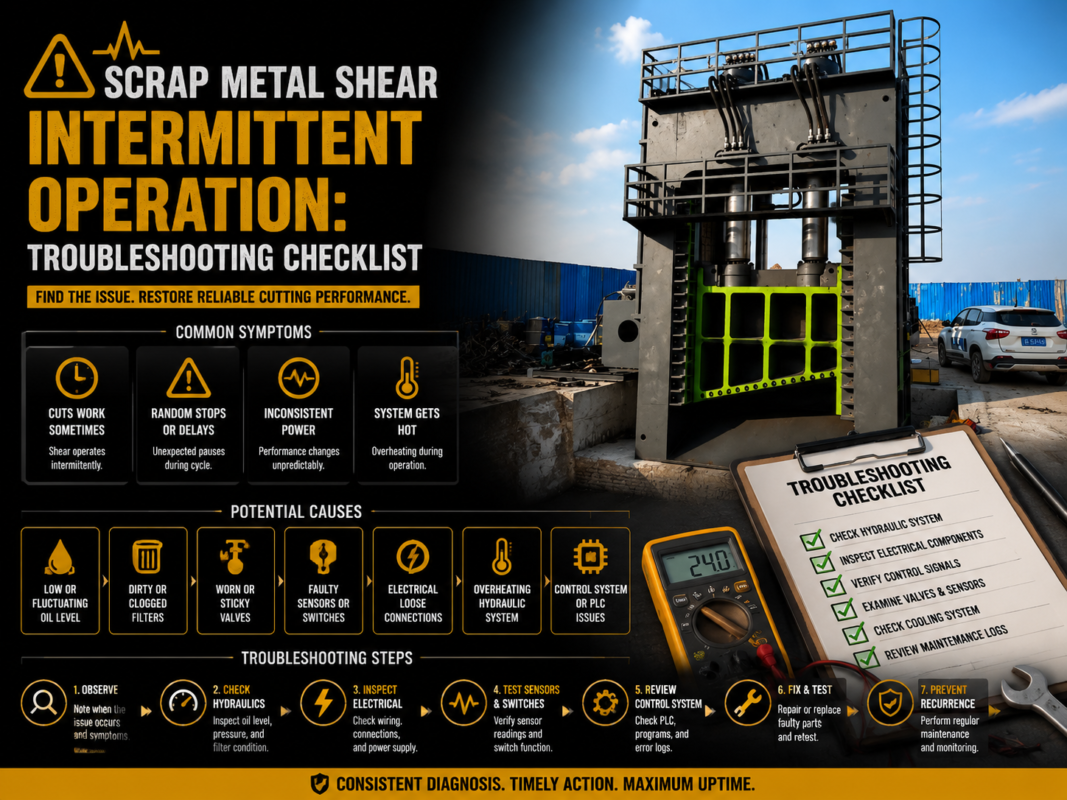
Scrap Metal Shear Doesn’t Hold Pressure: What to Inspect

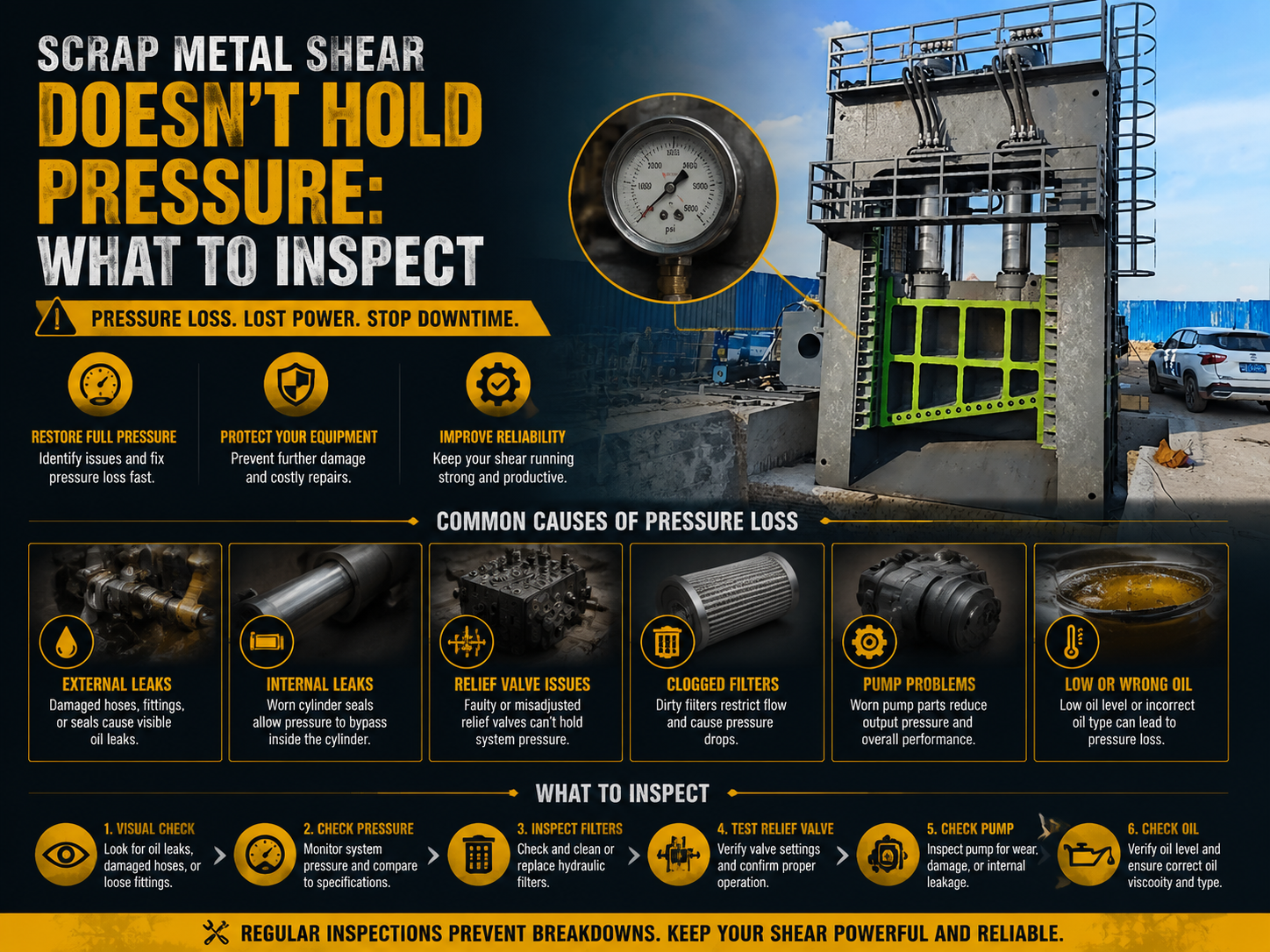
Introduction to Pressure Loss in Scrap Metal Shears
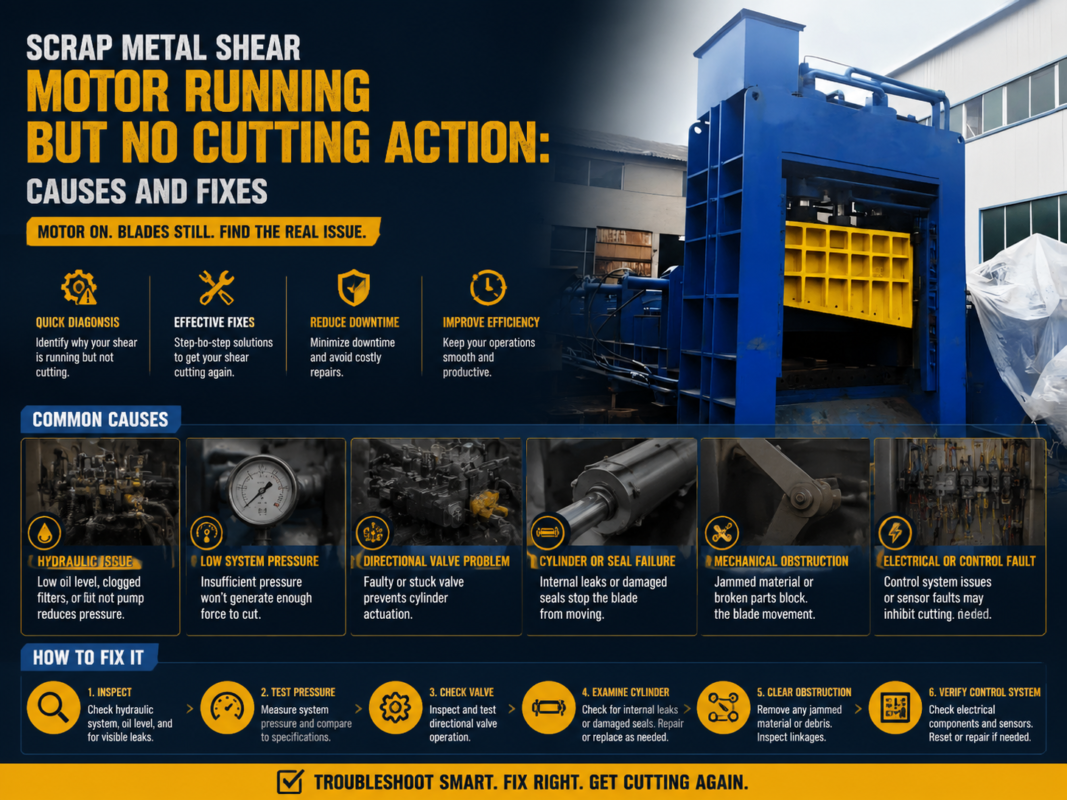
In the high-stakes environment of a scrap recycling yard, the scrap metal shear is the backbone of production. When a Scrap Metal Shear Doesn’t Hold Pressure: Inspect becomes the priority, the entire workflow can grind to a halt. Pressure loss in a hydraulic shear isn’t just a minor inconvenience; it is a symptom of internal inefficiencies that can lead to increased energy consumption, overheating, and eventual component failure. Whether you are operating a gantry shear, an alligator shear, or a container shear, maintaining consistent hydraulic pressure is essential for cutting through heavy-duty materials like rebar, I-beams, and automotive scrap.
Understanding why a shear fails to maintain its rated tonnage requires a systematic approach to troubleshooting. Hydraulic systems are closed loops, meaning that if pressure is not being held, the fluid is either escaping the system (external leak) or bypassing its intended path (internal leak). For operators and maintenance managers, identifying the root cause quickly can save thousands of dollars in downtime and repair costs. This guide will delve deep into the technical aspects of pressure maintenance, providing a comprehensive roadmap for inspection and resolution.
HARSLE, a leader in metal fabrication machinery, emphasizes that a well-maintained shear should provide years of reliable service. However, the harsh conditions of scrap processing—dust, temperature fluctuations, and heavy shock loads—take a toll on even the most robust machines. By following a structured inspection protocol, you can ensure your equipment returns to its peak performance, delivering the shearing force necessary to meet your daily production targets.
Key Considerations Before Troubleshooting
Before diving into the mechanical and hydraulic components, it is vital to establish a baseline for the machine’s performance. Has the pressure drop occurred suddenly, or has it been a gradual decline over several weeks? A sudden drop often points to a catastrophic seal failure or a stuck valve, while a gradual decline usually suggests wear and tear in the pump or internal cylinder bypass. Understanding the timeline of the issue helps narrow down the potential culprits significantly.
Safety must be the primary consideration during any inspection. Hydraulic systems operate at extremely high pressures, often exceeding 3,000 PSI (210 Bar). Before opening any lines or adjusting valves, ensure the machine is powered down, the ram is mechanically blocked or fully retracted, and all residual pressure has been bled from the system. Never use your hands to check for leaks; a pinhole leak under high pressure can cause serious hydraulic injection injuries. Always use a piece of cardboard or a specialized tool to detect escaping fluid.
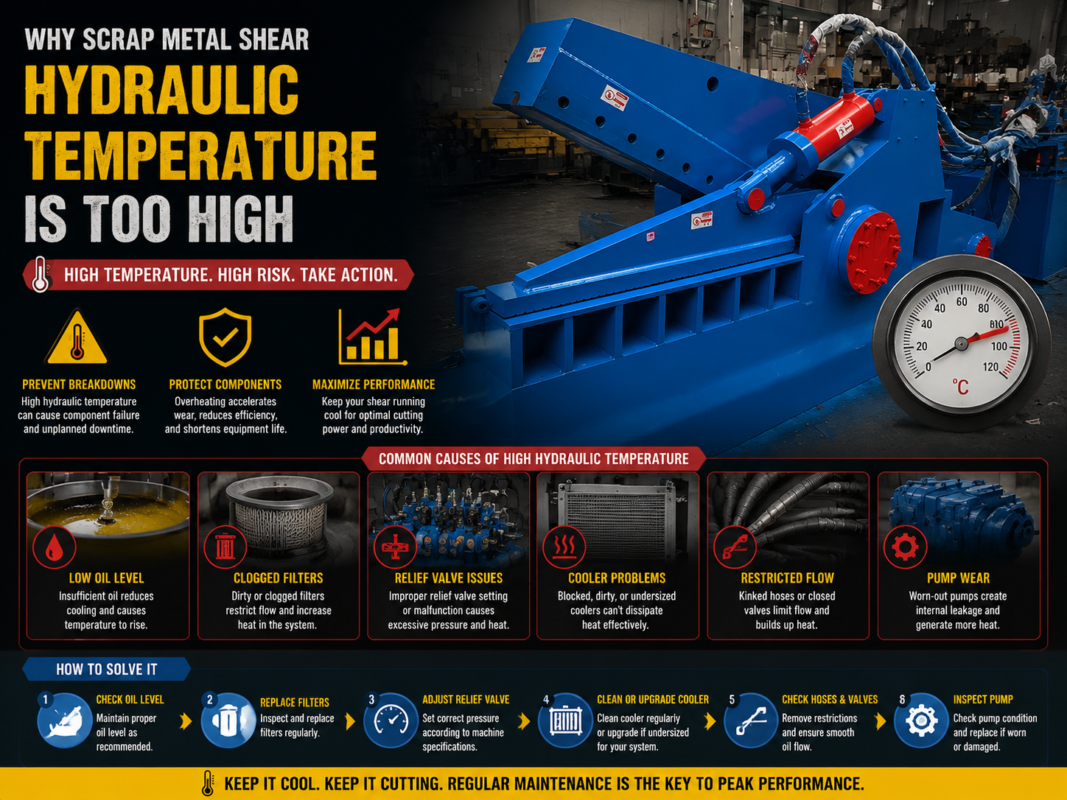
Environmental factors also play a role. Hydraulic oil viscosity changes with temperature. If the shear is operating in an extremely cold environment without a pre-heating cycle, the oil may be too thick to flow correctly, mimicking a pressure issue. Conversely, if the system is overheating, the oil thins out, leading to increased internal leakage across valves and seals. Checking the oil temperature and quality is a fundamental first step that should never be overlooked.
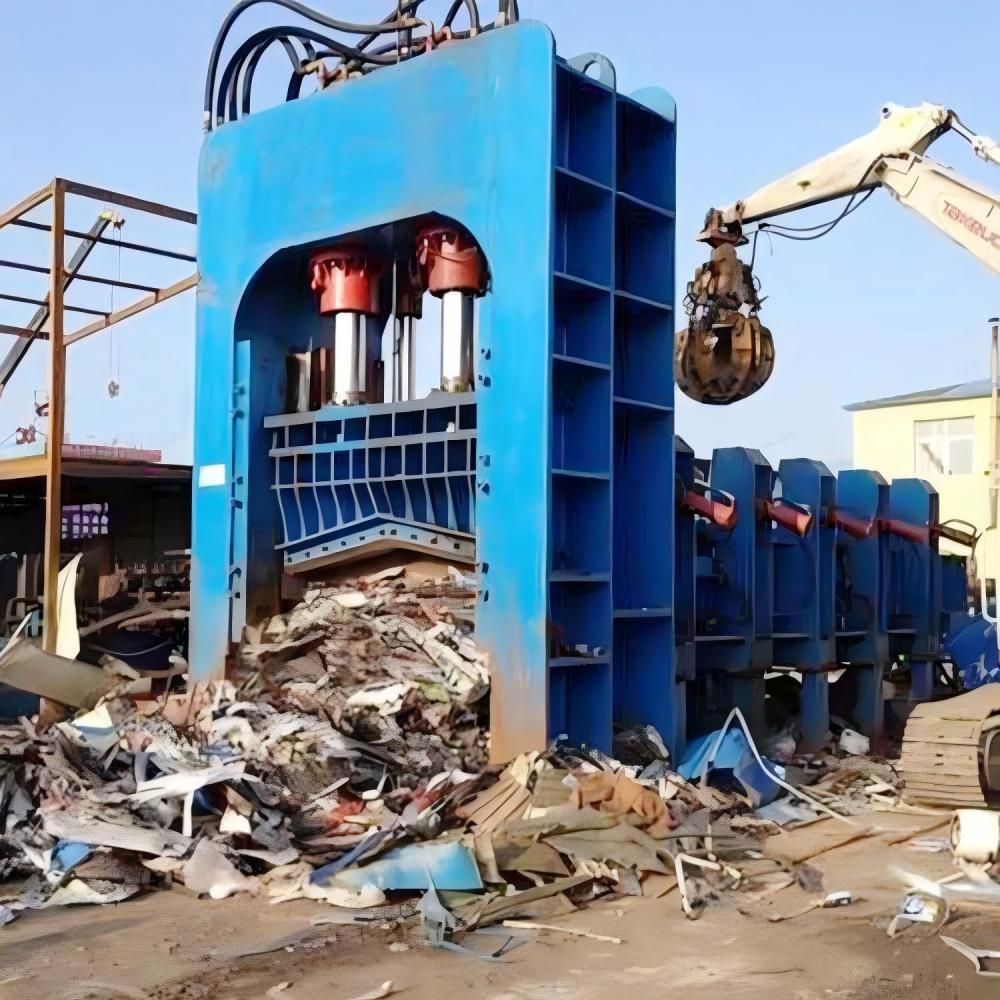
Technical Details: What to Inspect
1. Hydraulic Cylinder Internal Leakage
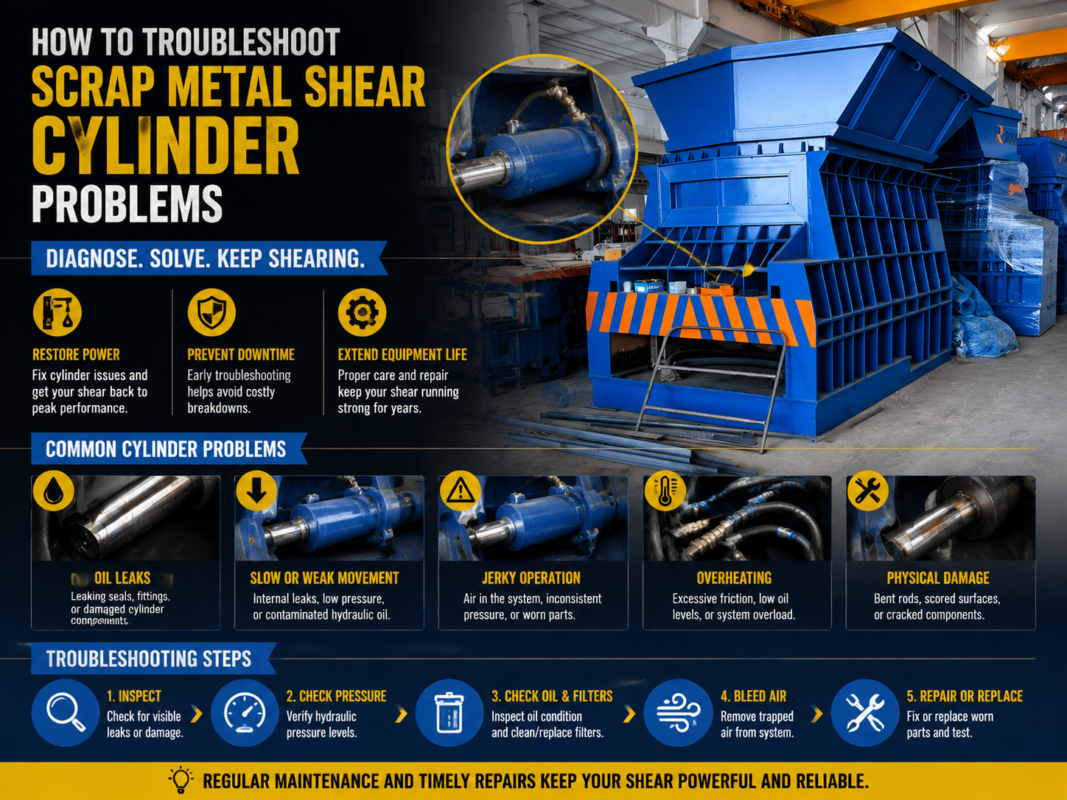
The most common reason a Scrap Metal Shear Doesn’t Hold Pressure: Inspect the main cylinders first. Internal leakage, also known as “bypassing,” occurs when the piston seals inside the cylinder wear out or become damaged. When this happens, high-pressure oil leaks from the cap end to the rod end (or vice versa) instead of pushing the piston forward. This results in a loss of force and the inability of the ram to hold its position under load.
To test for cylinder bypass, you can perform a “drift test.” Extend the cylinder partially and then shut off the machine. If the ram begins to retract or move on its own, the seals are likely compromised. A more technical method involves pressurizing the cylinder to its limit and checking the return line for oil flow. If oil is flowing out of the return port while the cylinder is supposed to be holding pressure, the piston seal is definitely leaking. Replacing these seals requires specialized tools and a clean environment to prevent contamination.
2. Relief Valve Malfunction
The relief valve is the safety gatekeeper of your hydraulic system. It is designed to open and divert oil back to the tank when the pressure reaches a pre-set limit, protecting the pump and hoses from bursting. If the relief valve is stuck partially open due to debris or a broken spring, it will prevent the system from ever reaching its full operating pressure. The oil simply takes the path of least resistance back to the reservoir.
Inspect the relief valve by checking its setting. If adjusting the valve doesn’t result in a pressure change on the gauge, the valve may be contaminated. Often, a small piece of metal or a sliver of a worn seal can lodge in the valve seat, preventing it from closing fully. Cleaning the valve or replacing the cartridge is a relatively simple fix that can restore full power to the shear. Always refer to the manufacturer’s specifications for the correct pressure settings to avoid over-pressurizing the system.
3. Directional Control Valve Wear
Directional control valves (DCVs) manage the flow of oil to the different parts of the shear. Over time, the internal spool and the valve body can wear down, creating a gap that allows oil to leak back to the tank. This is particularly common in older machines or those that have been operated with contaminated oil. If the DCV is leaking internally, the pressure will drop as soon as the valve is actuated.
Check for heat buildup around the valve body. Excessive heat in a specific valve often indicates internal friction or high-velocity oil bypassing a seal. If the valve feels significantly hotter than the surrounding hydraulic lines, it is a prime candidate for inspection. In many cases, the entire valve bank may need to be refurbished or replaced to ensure tight tolerances are maintained.
4. Hydraulic Pump Efficiency
The pump is the heart of the system, converting mechanical energy into hydraulic flow. If the pump is worn, it may still produce flow but fail to generate the necessary pressure when it meets resistance. This is known as a loss of volumetric efficiency. Common causes include cavitation (air bubbles in the oil), aeration, or simply the natural wear of the internal gears, vanes, or pistons.
A flow meter test is the most accurate way to diagnose a failing pump. By measuring the flow at no load and then measuring it under pressure, you can calculate the efficiency. If the flow drops significantly as the pressure increases, the pump is worn out. Additionally, listen for unusual noises; a high-pitched whining or growling sound often indicates that the pump is struggling or sucking in air through a leaky suction line.
Selection Advice for Reliable Scrap Shears
When purchasing a new scrap metal shear, the quality of the hydraulic components is the single most important factor in long-term reliability. HARSLE recommends looking for machines that utilize world-class hydraulic brands such as Rexroth, Vickers, or Parker. These components are designed with tighter tolerances and higher-quality materials, making them less prone to the pressure loss issues discussed above. A cheaper machine might save money upfront, but the cost of replacing inferior valves and pumps will quickly exceed those initial savings.
Consider the design of the cooling system. Heat is the enemy of hydraulic pressure. A shear equipped with a robust air-cooled or water-cooled heat exchanger will maintain oil viscosity, protecting the seals and valves from premature wear. Furthermore, look for machines with integrated filtration systems that include magnetic separators. Scrap yards are inherently dirty, and keeping the hydraulic oil clean is the best way to prevent relief valves from sticking and pumps from wearing out.
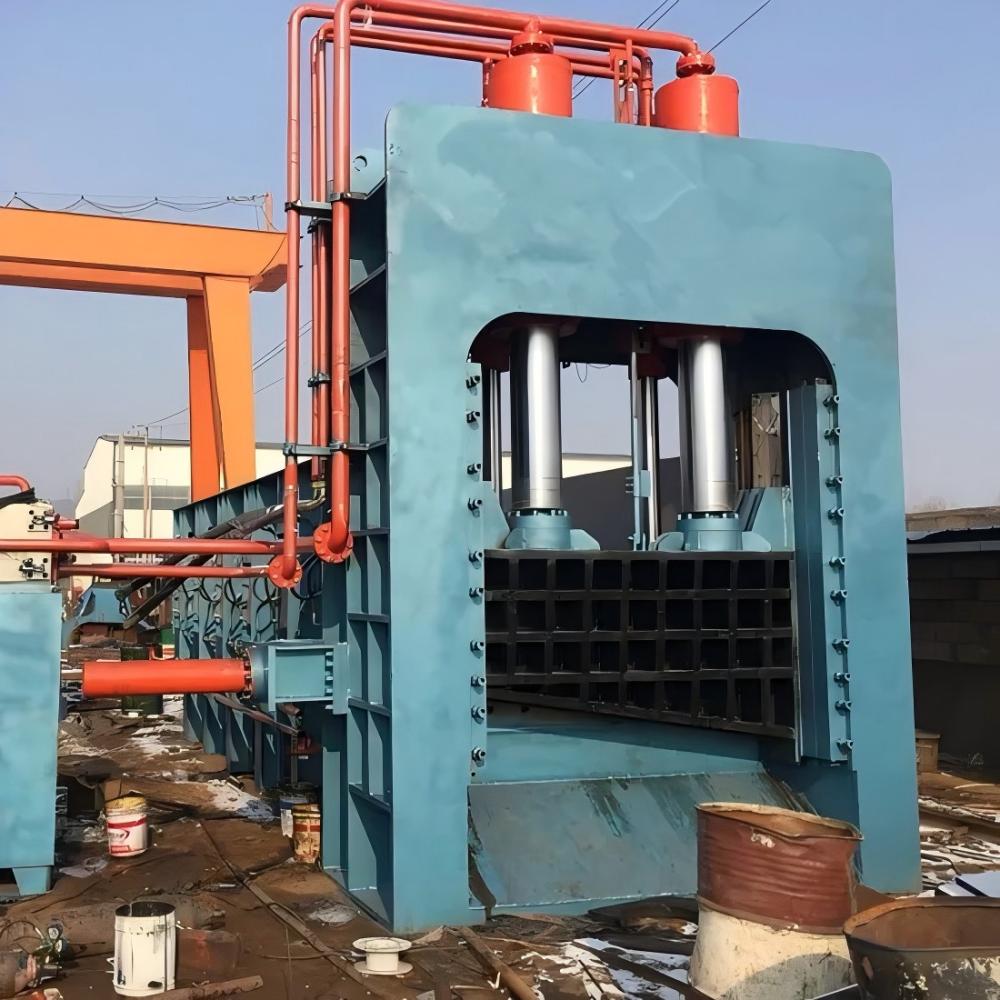
Another critical selection criterion is the accessibility of the hydraulic components. A well-designed shear should allow maintenance personnel to easily reach the cylinders, valve blocks, and filters. If a machine requires hours of disassembly just to check a relief valve, maintenance will likely be neglected. HARSLE’s gantry and alligator shears are engineered with serviceability in mind, ensuring that routine inspections are fast and effective, thereby maximizing the machine’s uptime.
Maintenance Checklist for Pressure Consistency
To prevent the scenario where your Scrap Metal Shear Doesn’t Hold Pressure: Inspect should be part of a proactive maintenance schedule. Use the following checklist to keep your system in top shape:
- Daily: Check hydraulic oil levels and look for visible external leaks around fittings and hoses.
- Daily: Monitor the oil temperature gauge during operation; it should stay within the 40°C to 60°C range.
- Weekly: Inspect the cylinder rods for scoring or pitting, which can damage the rod seals.
- Monthly: Take an oil sample for analysis. Look for metal particles or water contamination.
- Monthly: Clean the air breathers on the hydraulic reservoir to prevent a vacuum from forming.
- Quarterly: Check the torque on all hydraulic mounting bolts and flange connections.
- Annually: Replace all hydraulic filters and consider a full system flush if the oil analysis shows high acidity or contamination.
Frequently Asked Questions (FAQ)
Why does my shear lose pressure only when it gets hot?
This is usually due to oil thinning (loss of viscosity). As the oil heats up, it flows more easily through small gaps in worn seals or valves. If your system loses pressure as the day progresses, check your cooling system and ensure you are using the correct grade of hydraulic oil (e.g., ISO VG 46 or 68) for your climate.
Can a clogged filter cause the shear to not hold pressure?
While a clogged filter usually causes a loss of speed (flow) rather than pressure, it can lead to pump cavitation. Cavitation damages the internal components of the pump, which eventually leads to an inability to generate pressure. Always change filters according to the manufacturer’s schedule.
How do I know if the problem is the pump or the cylinder?
If the pressure is low across all functions (shearing, clamping, and retracting), the problem is likely the pump or the main relief valve. If the pressure is only low during the shearing stroke but the clamp holds fine, the issue is likely localized to the shearing cylinder or its specific control valve.
Is it worth repairing a leaking hydraulic cylinder?
Yes, in most cases, re-sealing a cylinder is much more cost-effective than replacing it. However, if the internal barrel is badly scratched or “honed out,” a simple seal kit won’t fix the problem, and the cylinder will need to be bored and sleeved or replaced entirely.
Conclusion
A scrap metal shear that doesn’t hold pressure is a significant liability, but with a systematic inspection process, most issues can be identified and resolved without a total system overhaul. By focusing on the cylinders, relief valves, and pump efficiency, operators can pinpoint the source of the leak—whether internal or external—and take corrective action. Remember that the key to longevity in hydraulic machinery is cleanliness and temperature control. Preventing contamination and overheating will solve 80% of pressure-related problems before they even start.
At HARSLE, we are committed to providing not only the highest quality metal fabrication equipment but also the technical knowledge required to keep that equipment running at peak performance. If your Scrap Metal Shear Doesn’t Hold Pressure: Inspect the components mentioned in this guide, and don’t hesitate to reach out to professional technicians for complex hydraulic diagnostics. Investing in regular maintenance today ensures that your recycling operation remains profitable and productive for years to come.