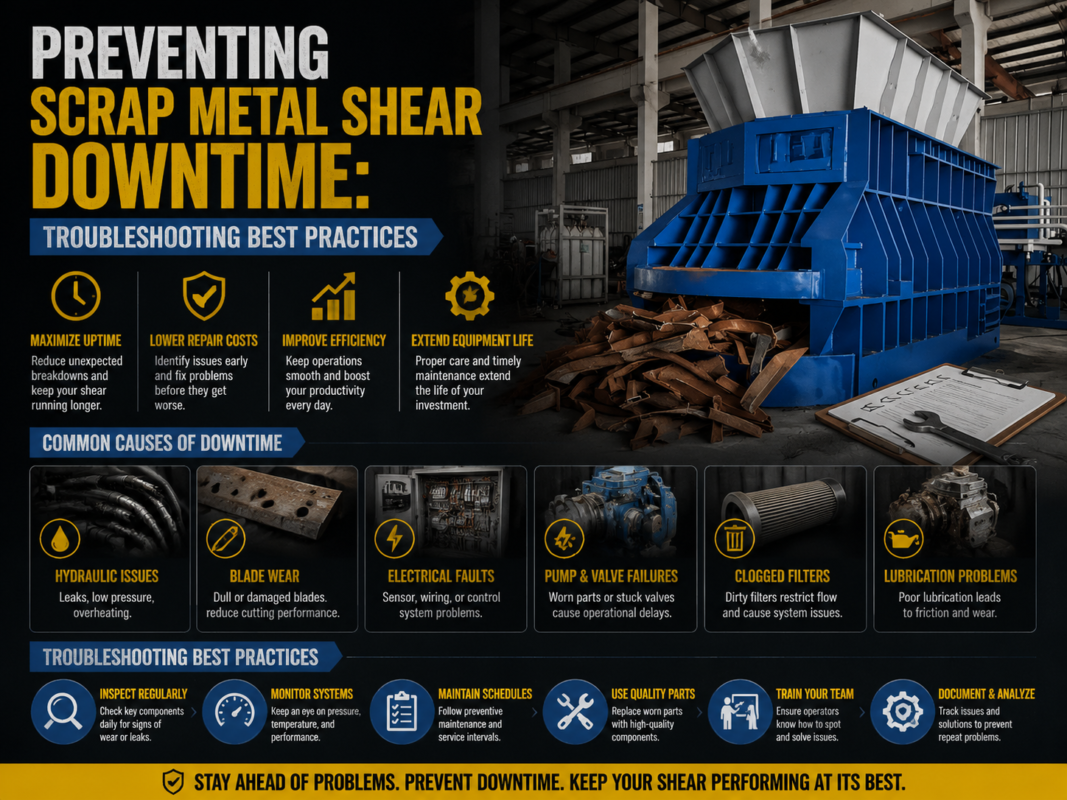
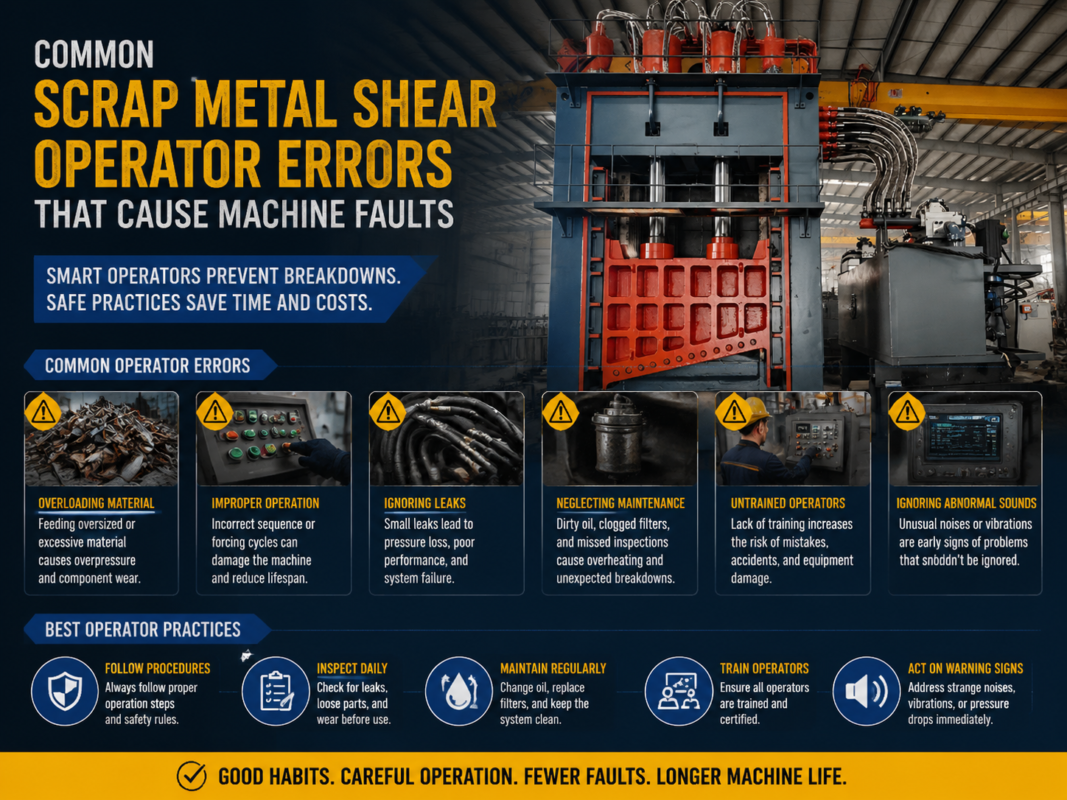
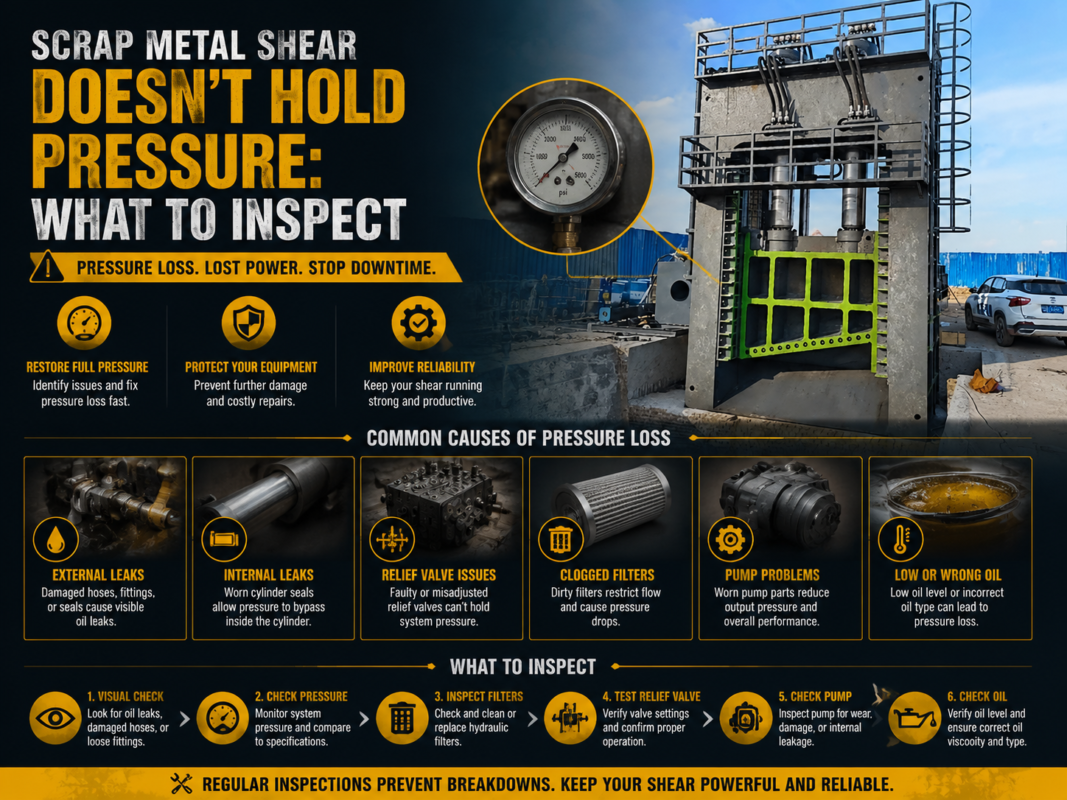
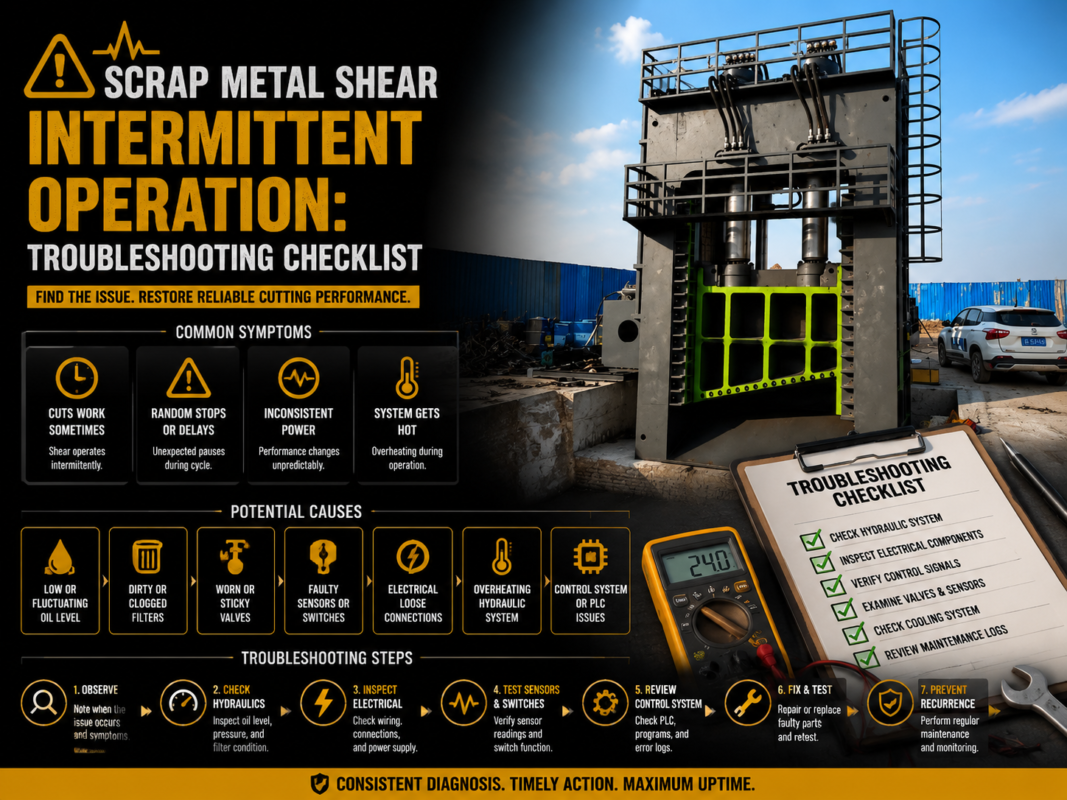
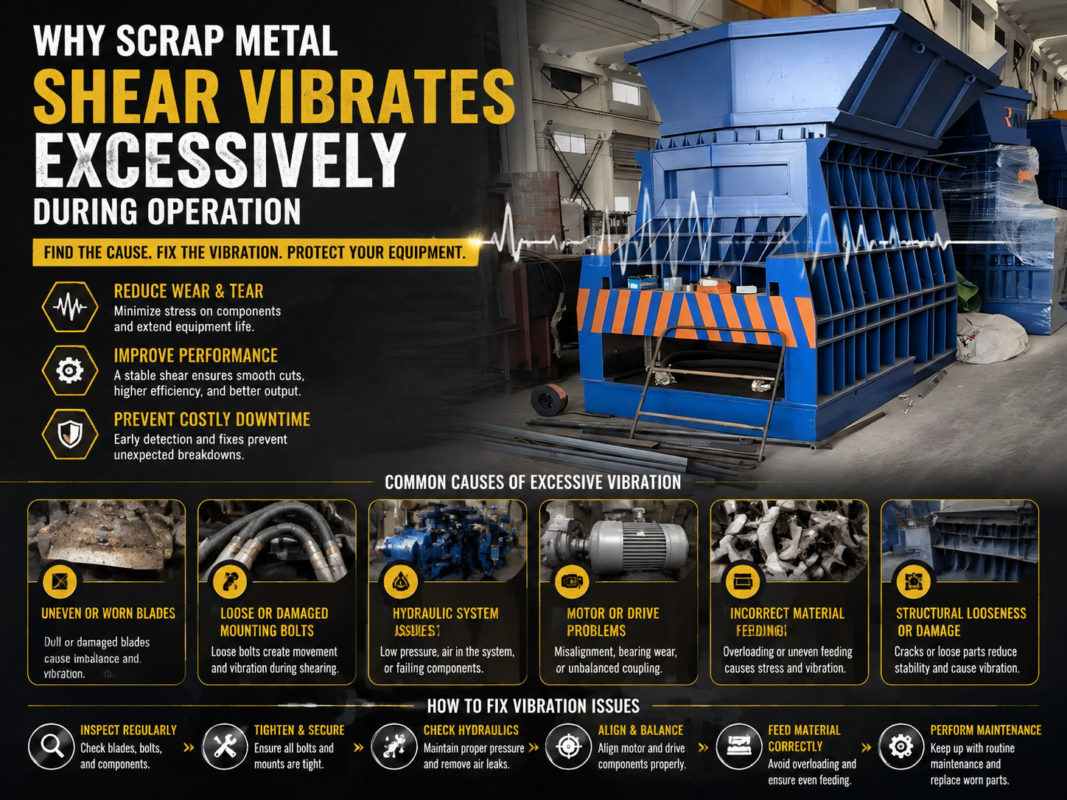
Why Scrap Metal Shear Hydraulic Temperature Is Too High: A Comprehensive Technical Guide

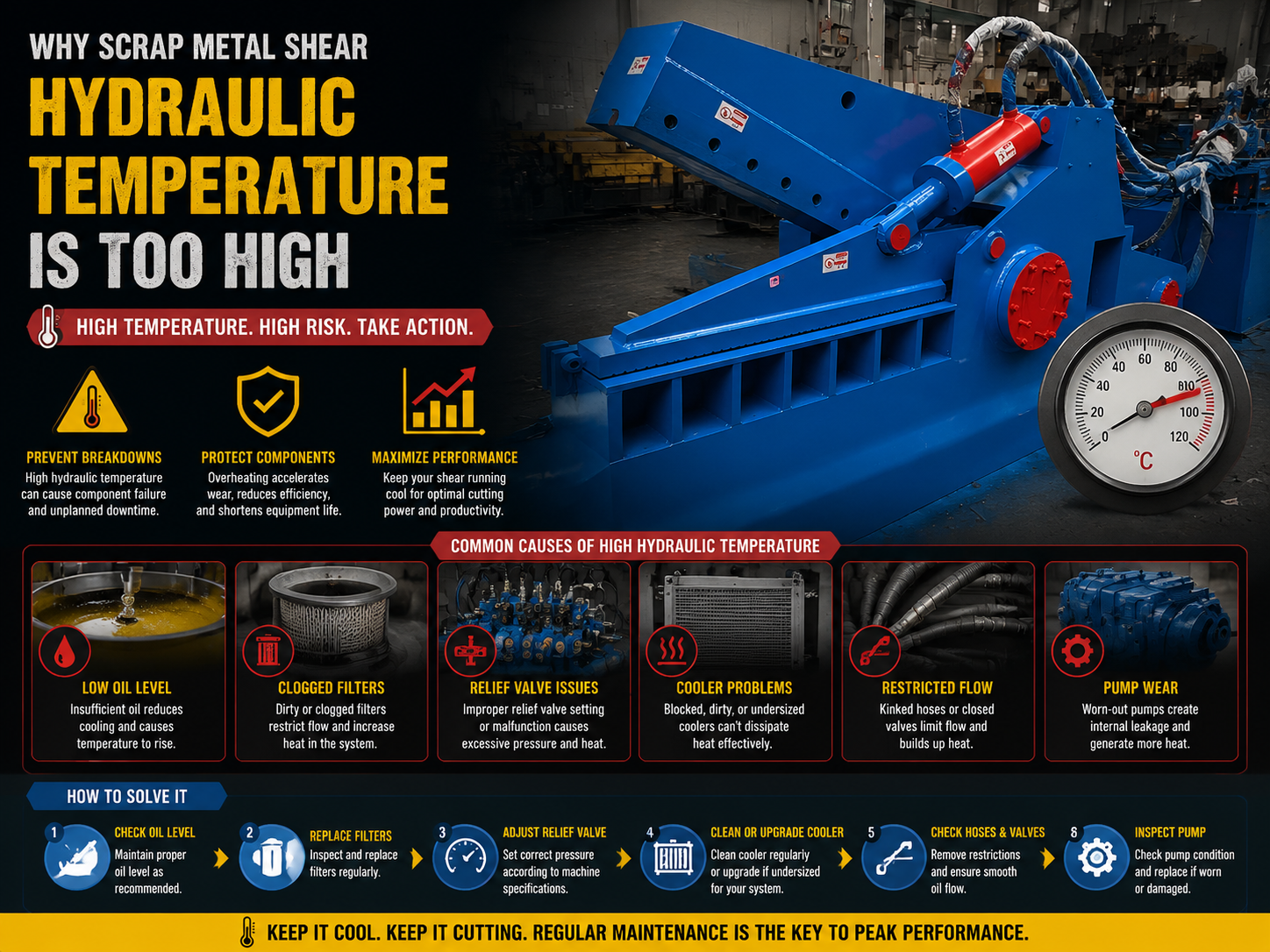
Introduction to Hydraulic Temperature Management in Scrap Metal Shears
In the demanding world of metal recycling and industrial fabrication, the scrap metal shear stands as a cornerstone of productivity. These machines, particularly those engineered by HARSLE, are designed to exert massive force to cut through steel, aluminum, and various alloys. However, the efficiency of these machines is heavily dependent on the health of their hydraulic systems. One of the most common and disruptive issues operators face is when the Scrap Metal Shear Hydraulic Temperature Is Too High. When the oil temperature exceeds the recommended operating range—typically between 35°C and 55°C (95°F to 131°F)—the entire system begins to suffer.
High hydraulic temperatures are not merely a nuisance; they are a symptom of underlying mechanical or operational inefficiencies. If left unaddressed, overheating leads to the rapid degradation of hydraulic oil, the hardening and failure of seals, and accelerated wear on expensive components like pumps and valves. For a business relying on high-volume throughput, downtime caused by a thermal shutdown or component failure can result in significant financial losses. Understanding the root causes of why scrap metal shear hydraulic temperature is too high is the first step toward maintaining a reliable and profitable operation.
HARSLE has spent decades refining the design of alligator shears and container shears to mitigate heat generation. Yet, even the best-engineered machines require proper maintenance and an understanding of the environment in which they operate. This article provides a deep dive into the technical reasons behind hydraulic overheating, offering actionable advice for operators and maintenance teams to keep their equipment running cool and efficient.
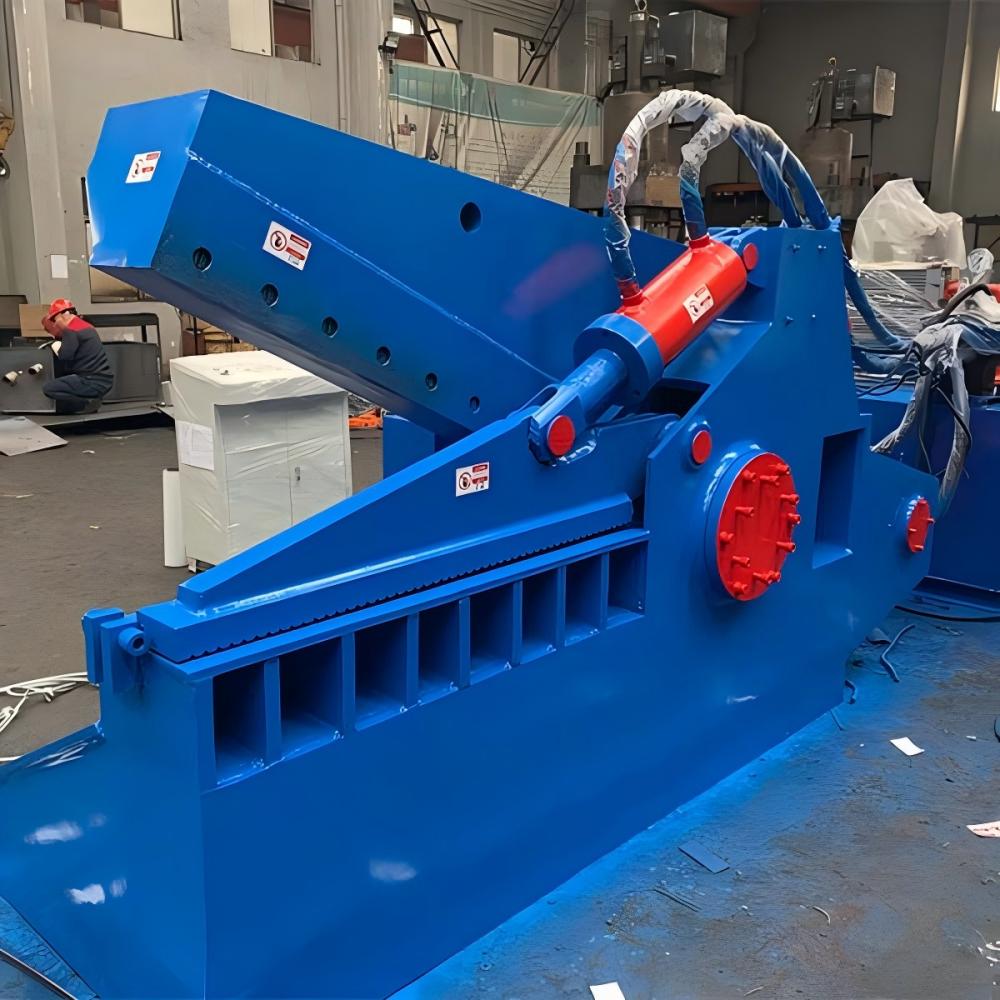
Key Considerations: Why Scrap Metal Shear Hydraulic Temperature Is Too High
When diagnosing why a scrap metal shear is overheating, it is essential to look at the system holistically. Heat in a hydraulic system is essentially wasted energy. Every time oil passes through a restriction without doing work, or when friction occurs between moving parts, heat is generated. Several key factors contribute to this thermal buildup.
1. Environmental and Ambient Conditions
The environment in which the scrap metal shear operates plays a significant role. In many recycling yards, machines are exposed to direct sunlight and high ambient temperatures. If the surrounding air is already at 40°C, the cooling system (whether air-cooled or water-cooled) has a much harder time dissipating the heat generated by the machine’s internal operations. Furthermore, poor ventilation in indoor facilities can trap hot air around the hydraulic power unit, creating a feedback loop of rising temperatures.
2. Hydraulic Oil Quality and Viscosity
The choice of hydraulic oil is critical. If the oil’s viscosity is too high, it creates excessive internal friction as it moves through the pipes and valves, generating heat. Conversely, if the viscosity is too low (often due to the oil thinning out as it gets hot), internal leakage increases within the pump and cylinders. This internal leakage allows high-pressure oil to slip back to the low-pressure side, converting pressure energy directly into heat. Using the wrong grade of oil for the specific climate or failing to change oil that has oxidized will inevitably lead to temperature spikes.
3. System Pressure and Relief Valve Settings
One of the most frequent technical reasons why scrap metal shear hydraulic temperature is too high involves the relief valve. The relief valve is a safety mechanism designed to limit the maximum pressure in the system. If the relief valve is set too low, or if it is stuck in a partially open position, oil will constantly bypass the work circuit and dump back into the reservoir at high pressure. This process generates an immense amount of heat very quickly. Operators often try to increase the pressure to cut tougher materials, but if the system isn’t designed for those loads, the energy is simply converted to heat.
4. Cooling System Inefficiency
Most modern scrap shears are equipped with dedicated cooling units. In air-cooled systems, the radiator fins can become clogged with dust, metal shavings, and debris common in scrap yards. This prevents effective heat exchange. In water-cooled systems, mineral buildup (scaling) inside the heat exchanger can insulate the oil from the cooling water. If the cooling fan fails or the water pump loses efficiency, the system will lose its ability to regulate temperature, leading to a rapid climb in the oil’s thermal profile.
Technical Details: The Mechanics of Heat Generation
To truly understand why scrap metal shear hydraulic temperature is too high, we must examine the physics of the hydraulic circuit. Heat is generated primarily through three mechanisms: friction, throttling, and compression.
Internal Leakage and Volumetric Efficiency
Every hydraulic pump has a volumetric efficiency rating. As a pump wears down, the clearances between the gears, vanes, or pistons and the pump housing increase. This allows oil to leak internally from the discharge side back to the suction side. This “slip” does no work but consumes energy, which is entirely converted into heat. A pump that is 90% efficient is generating significantly less heat than one that has worn down to 70% efficiency. Monitoring the case drain flow of a pump is a technical way to measure this internal leakage and predict overheating issues before they become critical.
Pressure Drops and Throttling
Whenever hydraulic fluid passes through a narrow orifice, a sharp bend in piping, or a partially closed valve, a pressure drop occurs. According to the laws of thermodynamics, this lost pressure energy must go somewhere—it turns into heat. In a scrap metal shear, if the hoses are undersized for the flow rate, or if the directional control valves are poorly matched to the pump’s output, the resulting “throttling” effect will cause the temperature to rise. HARSLE engineers optimize these flow paths to minimize unnecessary pressure drops, but aftermarket modifications or incorrect repairs can disrupt this balance.
| Component | Potential Heat Source | Maintenance Solution |
|---|---|---|
| Hydraulic Pump | Internal wear and slippage | Check case drain flow; replace worn parts |
| Relief Valve | Incorrect setting or sticking open | Calibrate pressure settings; clean valve seat |
| Oil Cooler | Clogged fins or scale buildup | Regular cleaning and flushing |
| Hydraulic Oil | Degraded viscosity or contamination | Periodic oil analysis and scheduled changes |
| Cylinders | Bypassing seals (internal leakage) | Replace piston seals and check rod alignment |
The Role of the Reservoir
The hydraulic reservoir (tank) is not just a storage container; it is a vital heat exchanger. A well-designed reservoir allows the oil to slow down, letting air bubbles escape and heat dissipate through the tank walls. If the reservoir is too small for the pump’s flow rate, the oil does not spend enough time in the tank to cool down before being sucked back into the pump. Furthermore, if the oil level is low, the remaining oil must circulate more frequently, leaving less time for cooling and causing the temperature to skyrocket.
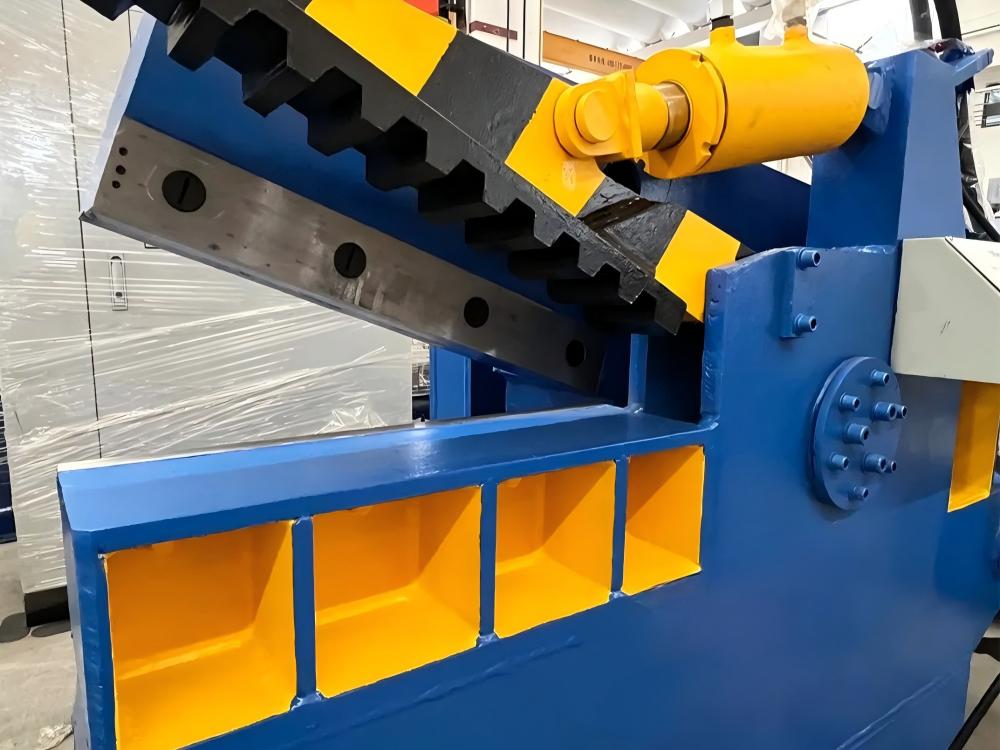
Selection Advice: Choosing a Shear That Stays Cool
When purchasing a new scrap metal shear, it is vital to look beyond just the cutting force. The thermal management capabilities of the machine will determine its long-term reliability. Here is what to look for when selecting equipment from HARSLE or other manufacturers:
- Integrated Cooling Systems: Ensure the machine comes with an appropriately sized oil cooler. For high-duty cycle operations, an independent cooling circuit (kidney loop) is preferable, as it continues to cool the oil even when the main shear functions are idle.
- High-Quality Components: Look for shears that utilize reputable pump and valve brands. High-efficiency components generate less heat from the start. HARSLE utilizes precision-engineered components to ensure maximum volumetric efficiency.
- Smart Control Systems: Modern shears often feature PLC-based monitoring that can alert the operator when temperatures reach a warning threshold. Some systems can even automatically throttle the machine or increase cooling fan speed in response to rising heat.
- Reservoir Design: Check the tank capacity. A general rule of thumb is that the reservoir should hold 3 to 5 times the pump’s flow per minute. Additionally, internal baffles in the tank help direct oil flow along the outer walls for better cooling.
- Seal Material: Ensure the hydraulic seals are rated for high-temperature environments. Viton or other high-spec fluorocarbon seals can withstand higher temperatures than standard nitrile seals, providing a safety margin if the system does get hot.
Investing in a machine with a robust thermal design might have a higher upfront cost, but it saves thousands in oil changes, seal replacements, and lost productivity over the machine’s lifespan. HARSLE’s range of scrap shears is specifically designed with these industrial realities in mind, balancing power with thermal stability.
Frequently Asked Questions (FAQ)
Q1: What is the maximum safe temperature for hydraulic oil in a scrap shear?
Generally, you should aim to keep the oil below 60°C (140°F). While some high-quality oils can handle up to 70°C, the lifespan of the oil and the rubber seals drops significantly for every 10 degrees above 60°C. If your system consistently hits 65°C+, you need to investigate the cause immediately.
Q2: Can I just add more oil to stop the overheating?
If the oil level is low, adding oil to the proper level will definitely help, as it increases the surface area for cooling and the time the oil spends in the reservoir. However, if the tank is already full, adding more oil (overfilling) can actually cause aeration and foaming, which increases heat.
Q3: How often should I clean the oil cooler?
In a typical scrap yard environment, the air-cooled radiator should be blown out with compressed air daily or weekly, depending on the dust levels. A deep clean with a pressure washer (carefully, to avoid bending fins) should be done monthly.
Q4: Why does the temperature rise faster when I cut thicker scrap?
Cutting thicker material requires higher pressure. Higher pressure increases internal leakage (slippage) in the pump and cylinders. Furthermore, if the material is too thick and the shear stalls, the oil is forced through the relief valve at maximum pressure, which generates heat at an extremely high rate.
Q5: Does the type of hydraulic oil really matter for temperature?
Yes. Using an oil with a high Viscosity Index (VI) means the oil’s thickness changes less as it heats up. This maintains better lubrication and reduces internal leakage at higher temperatures compared to low-VI oils.
Conclusion: Maintaining Peak Performance
Understanding why Scrap Metal Shear Hydraulic Temperature Is Too High is essential for any industrial operator. Overheating is rarely a single-issue problem; it is usually a combination of environmental factors, component wear, and maintenance oversights. By monitoring oil quality, keeping cooling systems clean, and ensuring that relief valves are correctly calibrated, you can significantly extend the life of your HARSLE scrap metal shear.
Proactive maintenance is the most cost-effective strategy. Regularly checking for internal leaks, using the correct grade of hydraulic fluid, and ensuring the machine is operated within its design parameters will prevent the cascading failures associated with high temperatures. When you choose a HARSLE machine, you are choosing a partner in productivity, but the longevity of that partnership depends on the care given to the hydraulic heart of the equipment. Keep your system cool, and it will provide years of reliable, high-force cutting performance.