Comprehensive Guide: How to Identify and Fix Scrap Metal Shear Knife Chipping Issues

Introduction to Scrap Metal Shear Knife Integrity
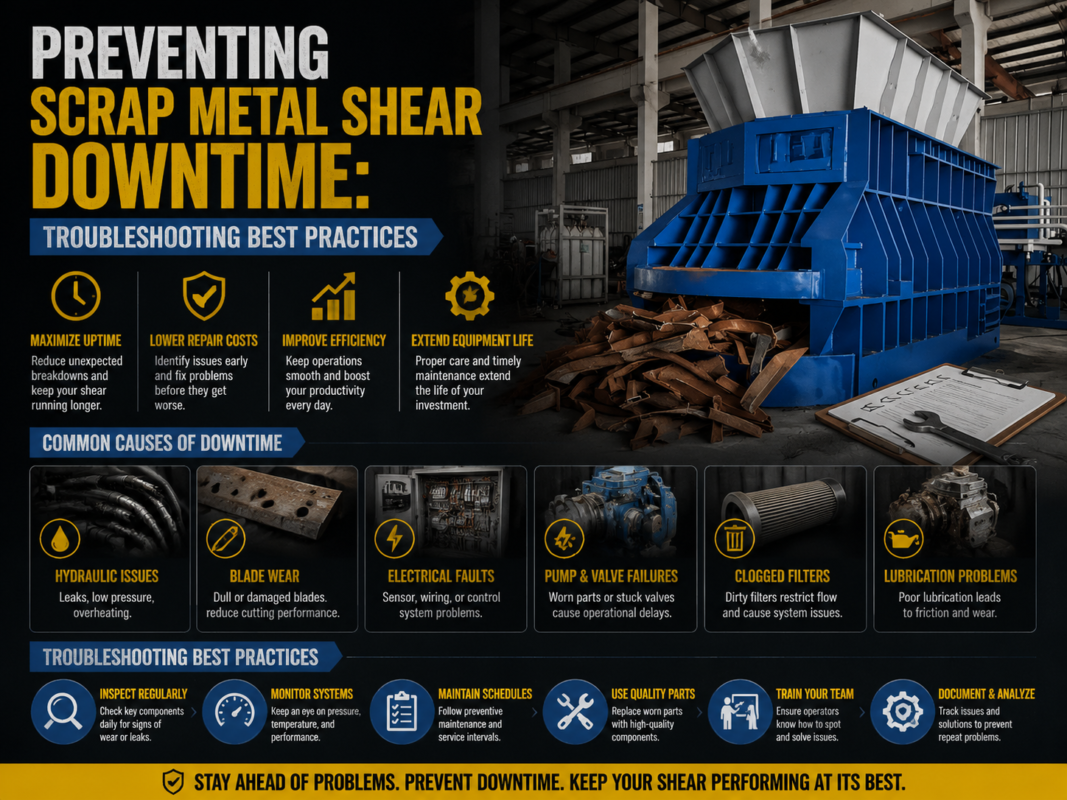
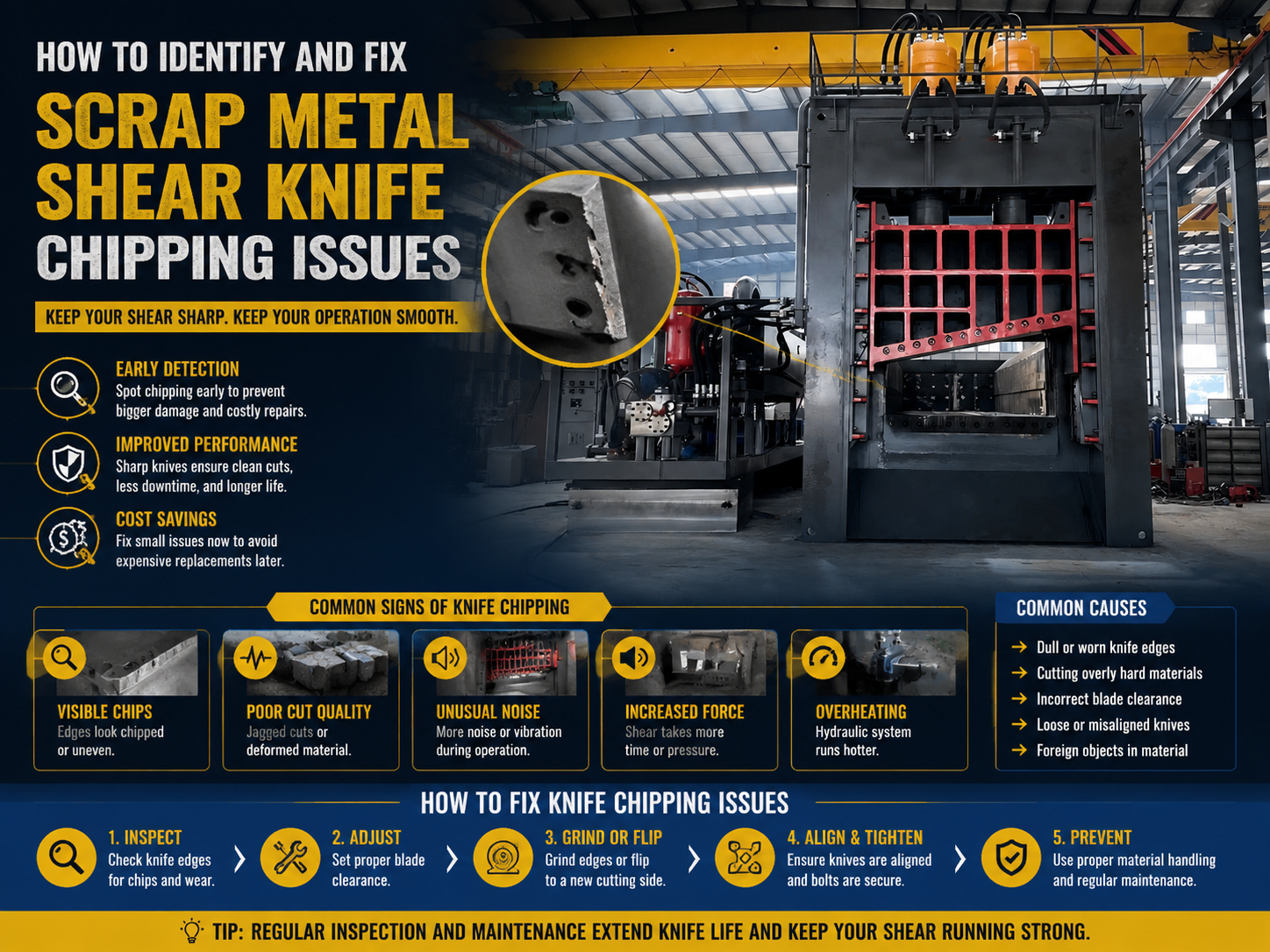
In the high-intensity world of metal recycling and industrial fabrication, the scrap metal shear stands as a workhorse of productivity. However, the efficiency of these machines is heavily dependent on the condition of their cutting edges. One of the most common and frustrating problems operators face is knife chipping. When you need to identify and fix scrap metal shear knife chipping issues, you are not just looking at a maintenance task; you are engaging in a critical process to preserve the lifespan of your HARSLE machinery and ensure the safety of your workshop.
Knife chipping occurs when small fragments of the blade’s cutting edge break away during the shearing process. Unlike uniform wear, which rounds the edge over time, chipping creates jagged gaps that compromise the shear’s ability to produce clean cuts. This leads to increased hydraulic pressure requirements, excessive burrs on the processed scrap, and potential damage to the shear seats and frames. Understanding the root causes—ranging from metallurgical failures to operational errors—is the first step in maintaining a high-performance recycling operation.
HARSLE industrial shears are engineered for durability, but even the most robust equipment requires precise calibration and maintenance. In this guide, we will delve deep into the technical aspects of why blades chip, how to spot the early warning signs, and the professional methods used to rectify these issues. By the end of this article, you will have a comprehensive roadmap to optimize your shearing operations and minimize downtime caused by blade failure.
Key Considerations for Identifying Blade Failure
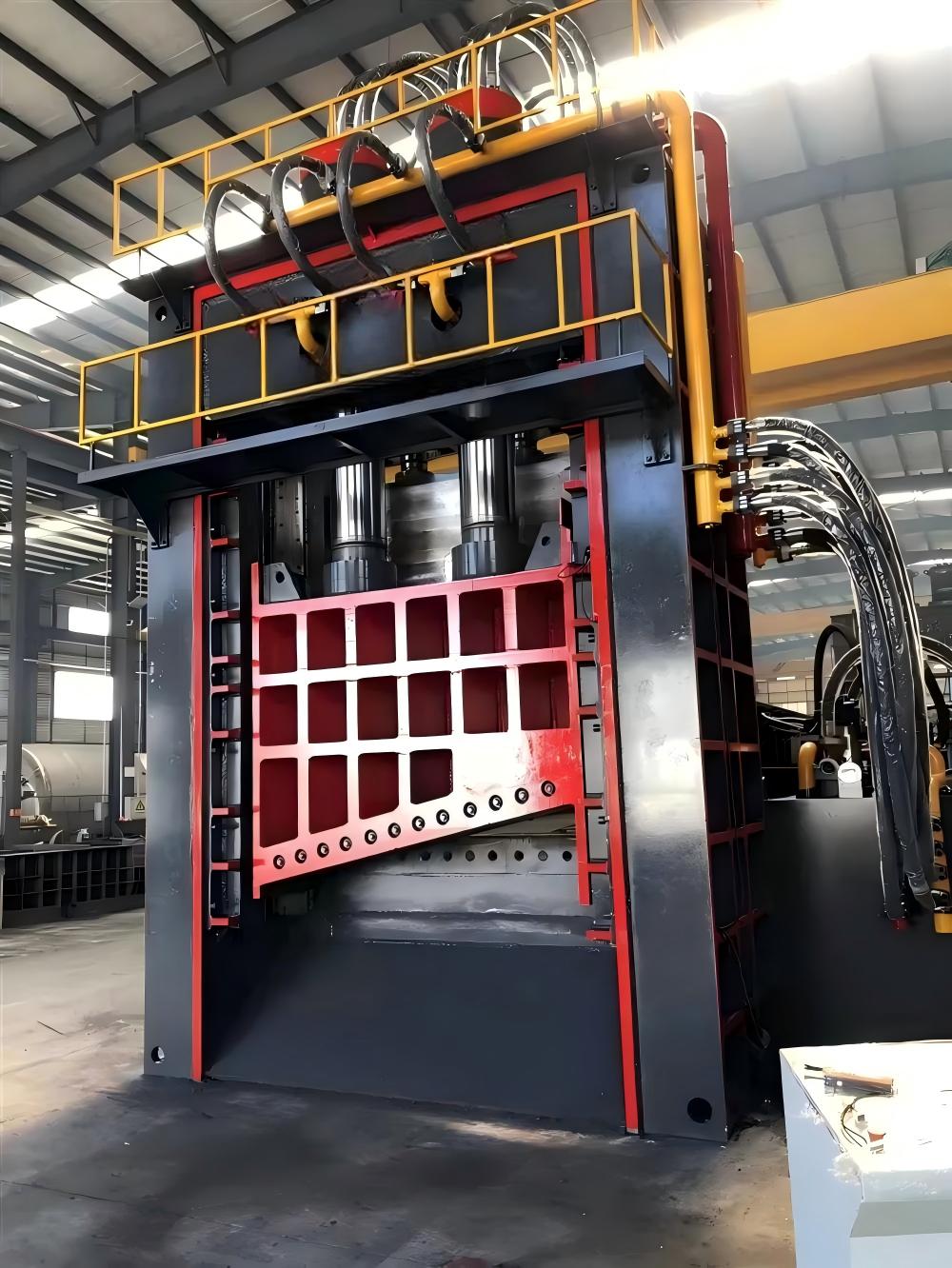
Identifying the onset of knife chipping requires a keen eye and a systematic approach to machine inspection. Often, the first sign isn’t visible on the blade itself but is reflected in the quality of the output. If the scrap metal shows signs of tearing rather than clean shearing, or if there is a noticeable increase in the “bang” sound when the blade impacts the material, it is time to inspect the knives. Operators should look for “witness marks” on the cut surface—lines or ridges that correspond to gaps in the blade edge.
Another key consideration is the type of material being processed. Scrap metal is notoriously unpredictable. A load of mild steel might contain hidden hardened pins, stainless steel alloys, or non-shearable contaminants like tool steel shafts. When these high-hardness materials encounter a shear blade set for standard structural steel, the resulting stress concentration at the point of contact often leads to immediate chipping. Regular auditing of the scrap feed is essential to prevent these catastrophic failures.
Furthermore, the mechanical state of the shear itself plays a vital role. Loose blade bolts are a frequent culprit. If a knife segment is allowed to move even a fraction of a millimeter during the cutting stroke, it can deflect and strike the opposing blade or the bed, causing significant chipping. Checking the torque on all fastening hardware should be a daily pre-shift ritual. Additionally, thermal expansion can alter blade clearances; a machine that runs perfectly at 8:00 AM might start chipping by noon if the hydraulic fluid and mechanical components have overheated and expanded beyond their tolerances.
Technical Details: The Physics of Chipping
To effectively identify and fix scrap metal shear knife chipping issues, one must understand the metallurgical and mechanical forces at play. Most industrial shear blades are manufactured from high-carbon, high-chromium tool steels such as D2, S7, or H13. These materials are heat-treated to achieve a balance between hardness (to resist wear) and toughness (to resist breaking). However, as hardness increases, toughness generally decreases. Chipping is essentially a failure of the material’s toughness under localized high-stress conditions.
The Role of Blade Clearance
Blade clearance—the horizontal distance between the upper and lower knives as they pass each other—is the most critical technical factor. If the clearance is too tight, the blades may rub against each other, generating immense heat and causing micro-fractures that eventually lead to chipping. If the clearance is too wide, the metal is not sheared but rather bent and pulled into the gap. This “wedging” action exerts lateral force on the blade edges, which they are not designed to withstand, resulting in large chips being snapped off the edge.
Stress Concentration and Fracture Zones
During a cut, the pressure is not distributed evenly across the blade. It is concentrated at the point where the blade first penetrates the metal. If the blade has a slight nick or a previous small chip, that point becomes a “stress riser.” The hydraulic force of the HARSLE shear concentrates at this imperfection, causing the crack to propagate and a larger piece of the blade to break away. This is why even minor chips must be addressed immediately; they are the precursors to total blade failure.
Step-by-Step: How to Fix Chipping Issues
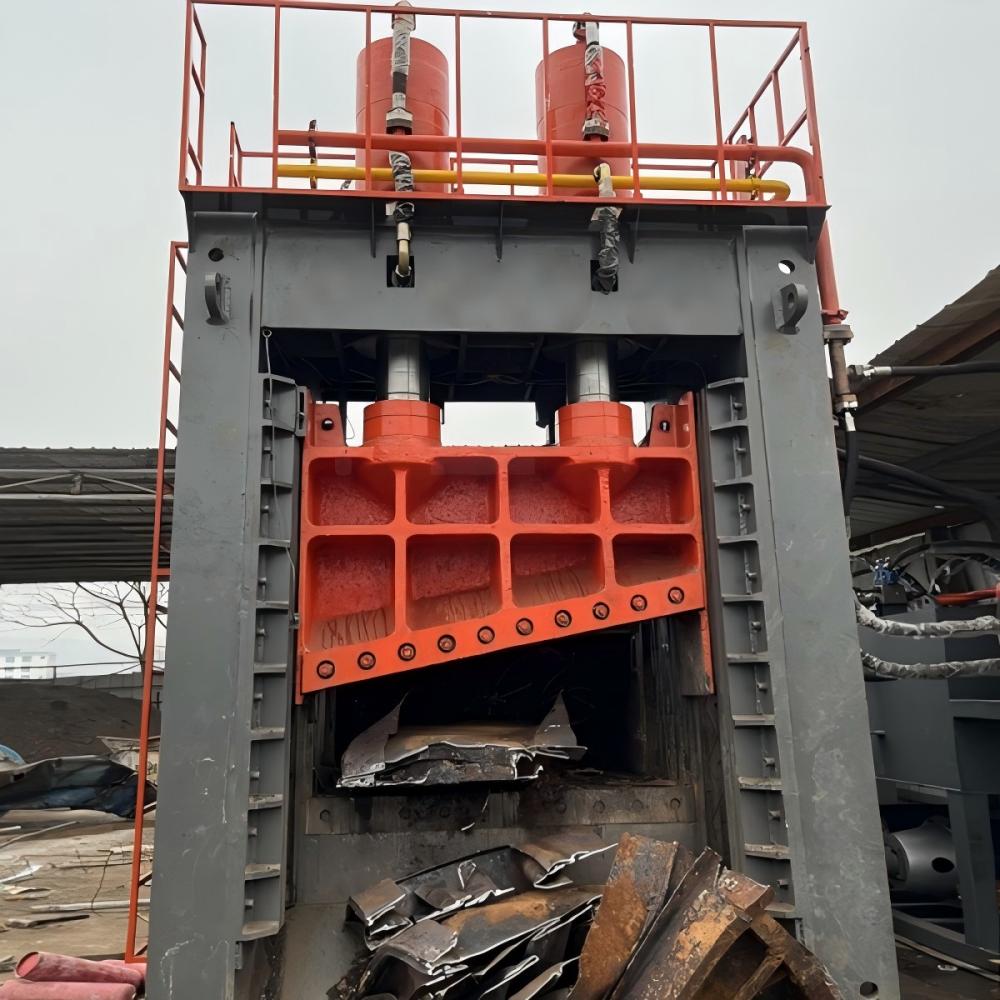
Once you have identified that chipping is occurring, the fix involves a combination of immediate repair and long-term adjustment. The following steps outline the professional protocol for restoring your shear blades to peak condition.
- Inspection and Cleaning: Thoroughly clean the blade area using a wire brush and degreaser. You cannot accurately assess the damage if it is covered in grease and metal dust. Use a magnifying glass to check for hairline cracks extending from the chips.
- Grinding and Resharpening: If the chips are shallow (less than 2-3mm), the blades can often be reground. It is imperative to use a professional grinding service or a dedicated in-house blade grinder. Hand-grinding with a portable angle grinder is discouraged as it creates uneven surfaces and localized heat spots that soften the steel (annealing), making it even more prone to future chipping.
- Shimming for Clearance: After grinding, the blade is thinner. To maintain the correct clearance, you must use precision shims behind the blade. Refer to your HARSLE manual for the specific clearance required for the thickness of the material you are cutting. A general rule of thumb is 7-10% of the material thickness, but this varies by alloy.
- Blade Rotation: Most HARSLE shear blades are rectangular and have four usable cutting edges. If one edge is chipped, you can often rotate the blade to a fresh edge. Ensure the seat is perfectly clean before installing the new edge, as any debris trapped behind the blade will cause misalignment.
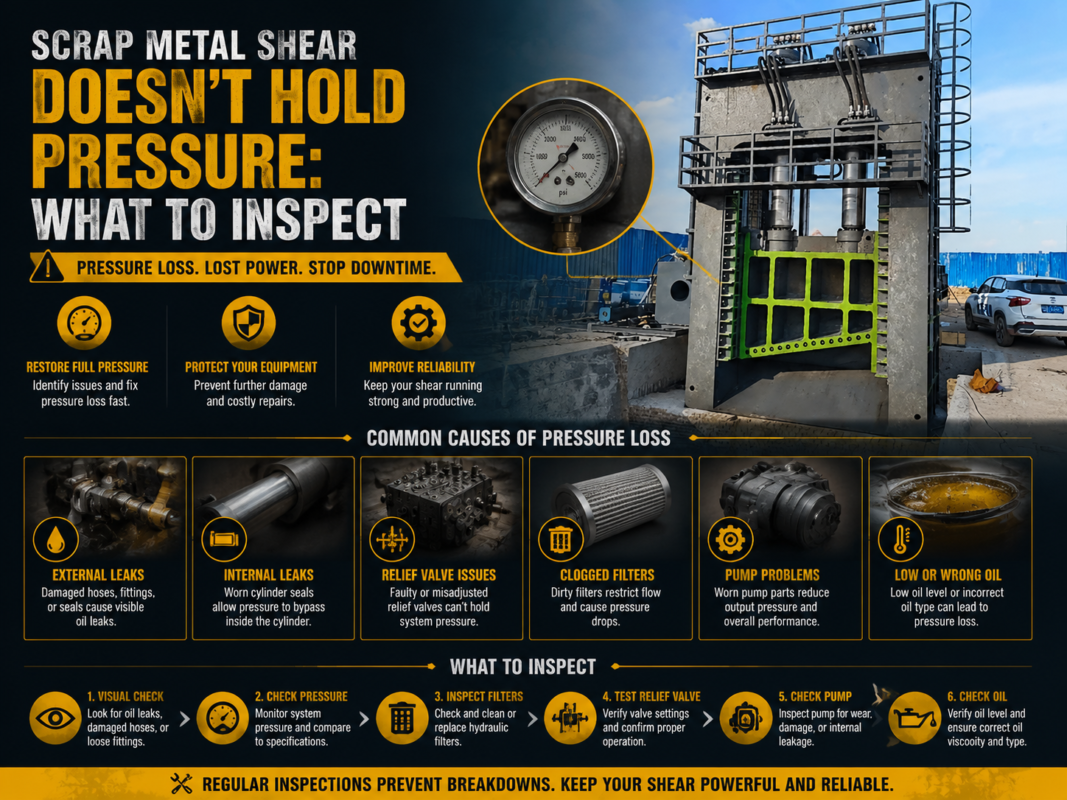
- Hydraulic Pressure Calibration: Check the relief valve settings on your hydraulic system. If the pressure is set too high, the machine will force the blade through materials it should stall on, leading to blade breakage.
Selection Advice: Choosing the Right Blades
Preventing chipping often starts at the procurement stage. Not all shear blades are created equal, and selecting the wrong grade of steel for your specific application is a recipe for disaster. When purchasing replacement knives for your scrap metal shear, consider the following criteria:
| Material Type | Recommended Blade Grade | Best For |
|---|---|---|
| Light Scrap / Sheet Metal | D2 High Carbon/Chrome | Maximum wear resistance and edge retention. |
| Heavy Structural / Rebar | S7 Shock Resistant | High impact toughness to prevent chipping under heavy loads. |
| Mixed Scrap / Unknown Alloys | Modified A8 or H13 | A balance of heat resistance and toughness for versatile use. |
If you are processing primarily “dirty” scrap with high levels of contamination, you should prioritize toughness over hardness. An S7 blade might require more frequent sharpening than a D2 blade, but it is far less likely to suffer catastrophic chipping when it hits a piece of hardened steel. Conversely, if you are shearing clean aluminum or thin gauge mild steel, a harder D2 blade will provide a much longer service life between grinds.
Additionally, consider the “rake angle” of the shear. A higher rake angle reduces the shearing force required but increases the lateral load on the blade. If you find that your blades are consistently chipping at the start of the cut, you may need to consult with HARSLE technical support about adjusting the rake angle or switching to a blade profile with a more robust edge geometry.
Maintenance Checklist to Prevent Chipping
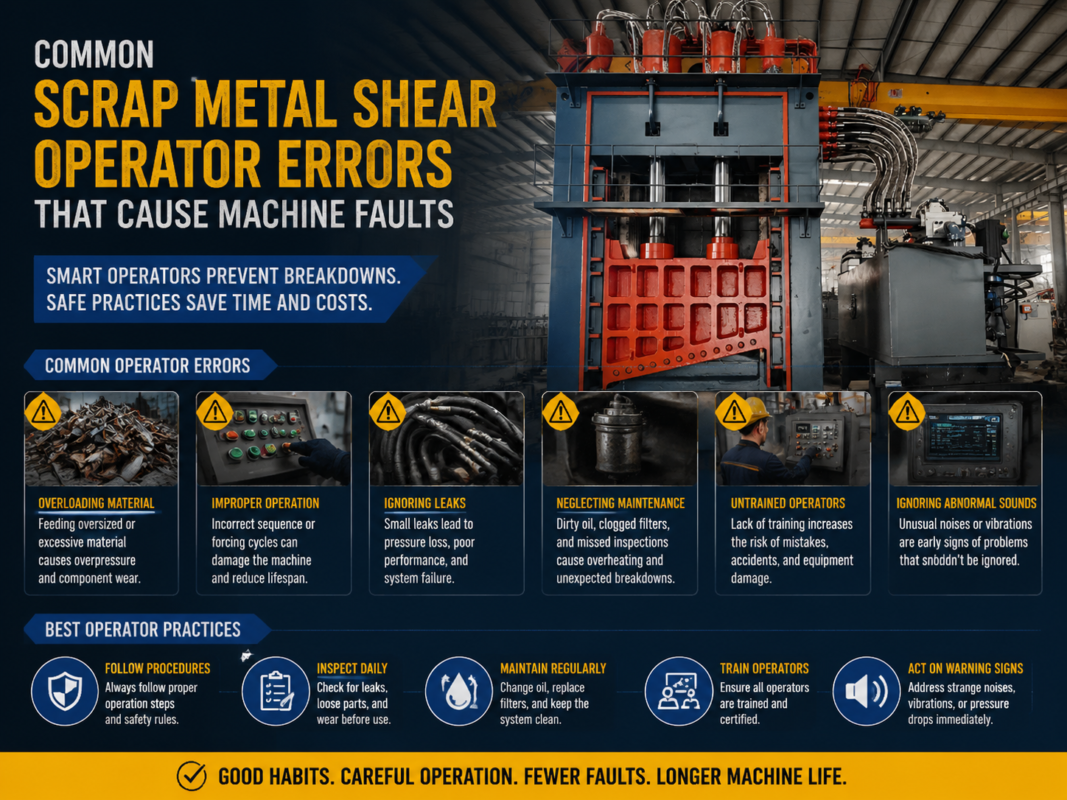
To avoid the need to identify and fix scrap metal shear knife chipping issues frequently, implement a rigorous preventative maintenance schedule. Consistency is the enemy of mechanical failure. Use the following checklist to keep your equipment in top shape:
- Daily: Visually inspect the cutting edges for nicks. Check for loose or missing blade bolts. Clear any jammed scrap from the throat of the shear.
- Weekly: Measure the blade clearance at multiple points along the length of the knives using feeler gauges. Check the hydraulic oil level and temperature.
- Monthly: Check the condition of the blade seats. If the seats are worn or deformed, the blades will not sit flat, leading to uneven stress and chipping. Torque all bolts to manufacturer specifications.
- Quarterly: Perform a full hydraulic system audit, including pressure tests and filter changes. Inspect the guide slides and gibs for excessive play, which can cause the ram to twist during a cut.
FAQ: Troubleshooting Shear Blade Issues
Why does my shear blade chip only in the center?
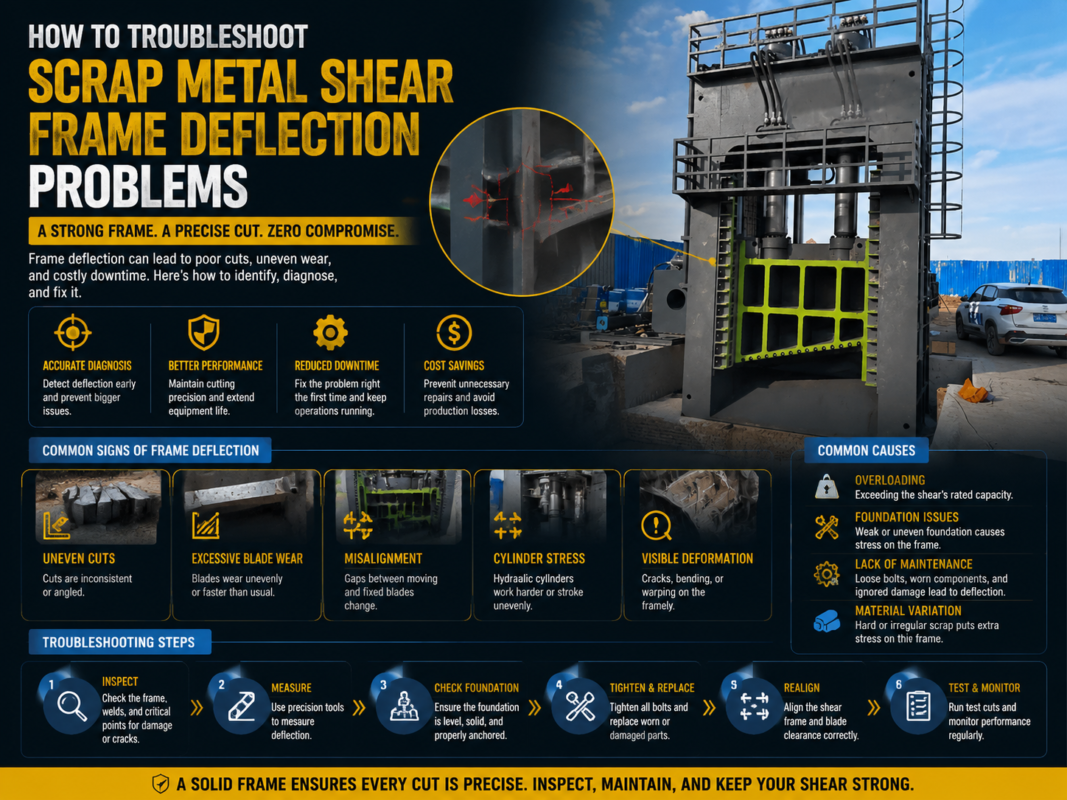
Chipping in the center usually indicates “bowing” of the ram or the bed. Under heavy load, the machine frame may flex slightly, causing the clearance in the center to become tighter than at the ends. This can also be caused by consistently cutting narrow, heavy pieces of scrap in the center of the blade rather than distributing the wear across the full length.
Can I weld a chipped shear blade?
While it is technically possible to weld-repair a chip using specialized hard-facing electrodes, it is generally not recommended for high-production environments. The heat from welding changes the grain structure of the tool steel, creating a “heat-affected zone” (HAZ) that is often brittle. The weld itself may be harder or softer than the surrounding material, leading to uneven wear or further cracking. Replacing or rotating the blade is the safer, more reliable option.
How often should I sharpen my scrap metal shear knives?
There is no fixed timeframe, as it depends on the volume and type of material processed. However, a good rule of thumb is to sharpen the blades once the radius of the worn edge exceeds 1.5mm to 2mm. Waiting longer increases the hydraulic load on the machine and makes the blade more susceptible to chipping.
What is the “paper test” for shear blades?
The paper test involves attempting to shear a single sheet of paper along the length of the blades (with the machine powered down and following all safety lock-out procedures). If the blades cut the paper cleanly without tearing it, the clearance and sharpness are excellent. If it tears or folds the paper, the clearance is too wide or the blades are dull.
Does cold weather affect blade chipping?
Yes. Tool steel becomes more brittle at lower temperatures. In extremely cold environments, it is advisable to “warm up” the machine by cycling it several times without material to allow the hydraulic oil and the metal components to reach a more stable operating temperature before processing heavy scrap.
Conclusion: Maximizing Your HARSLE Investment
The ability to identify and fix scrap metal shear knife chipping issues is a vital skill for any industrial operator. By understanding the relationship between material hardness, blade clearance, and mechanical alignment, you can significantly extend the life of your cutting tools and reduce the total cost of ownership of your machinery. Remember that chipping is rarely a random occurrence; it is a physical response to specific stresses that can usually be managed through proper maintenance and operation.
Investing in high-quality replacement blades, maintaining strict clearance tolerances, and training operators to recognize the early signs of wear will ensure that your HARSLE scrap metal shear remains a productive asset for years to come. In the competitive recycling industry, the difference between profit and loss often comes down to the condition of your equipment. Keep your blades sharp, your clearances tight, and your scrap sorted, and you will minimize the downtime associated with knife failure.
For more technical guides on metal fabrication and recycling equipment, or to explore our latest range of hydraulic shears, visit the HARSLE knowledge base. Our commitment to engineering excellence ensures that you have the tools and the information needed to succeed in the most demanding industrial environments.