Gantry Shear Ram Not Returning Properly? Common Causes Explained

Introduction
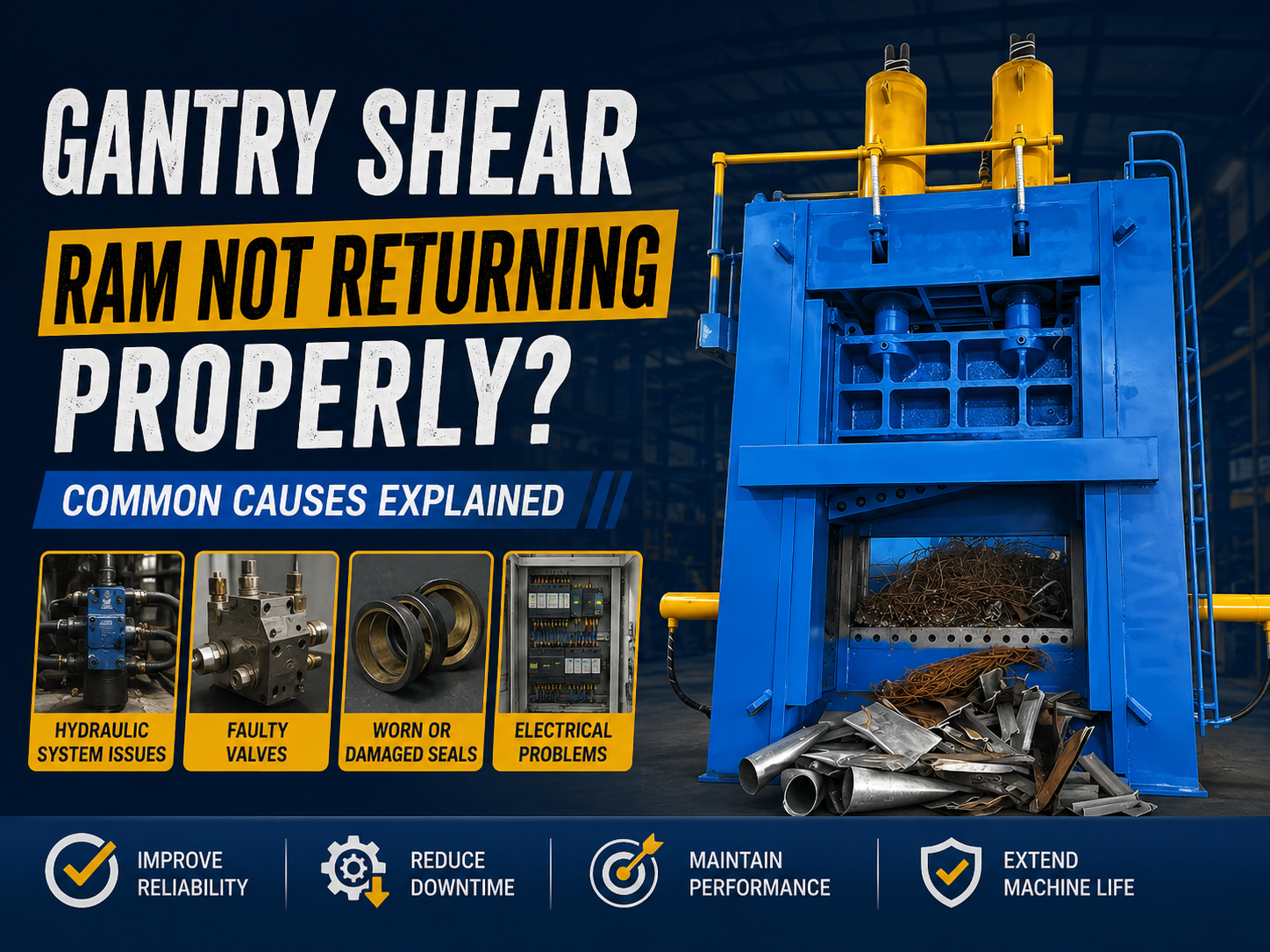
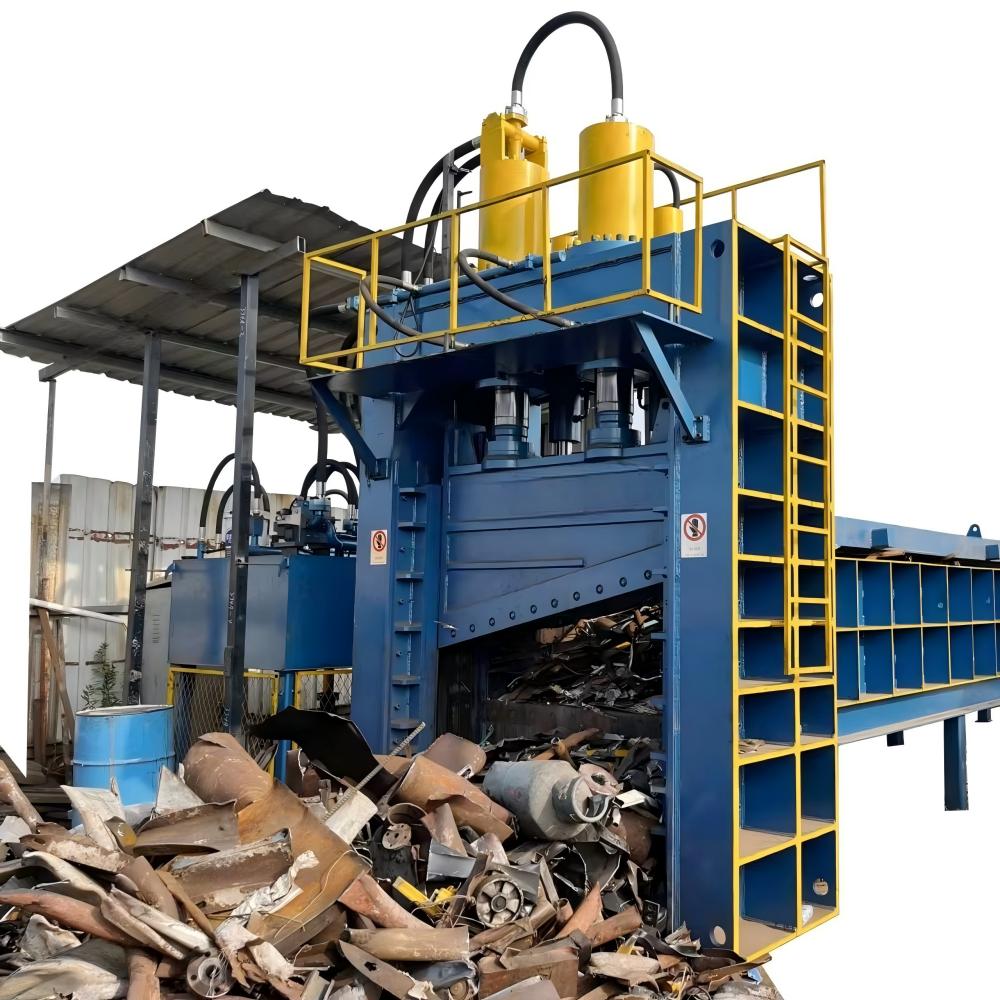
In the demanding world of metal fabrication, the gantry shear stands as a cornerstone of productivity. Designed for high-capacity cutting of heavy plates and structural sections, these machines rely on precise hydraulic synchronization to function effectively. However, operators occasionally encounter a frustrating scenario: the gantry shear ram not returning properly. This issue can halt production lines, compromise safety, and lead to significant downtime if not addressed with technical precision.
When a hydraulic ram fails to retract to its home position, it is rarely a sign of a single catastrophic failure. Instead, it is often the result of a subtle imbalance in the hydraulic circuit, a mechanical obstruction, or a malfunctioning sensor. Understanding the root cause is essential for any maintenance team or machine operator. At HARSLE, we prioritize equipment reliability, and this guide aims to demystify the complexities of ram retraction issues in heavy-duty gantry shears.
This article explores the mechanical and hydraulic intricacies that govern the return stroke of a gantry shear. By breaking down the common failure points—from solenoid valve malfunctions to air entrapment in the cylinders—we provide a roadmap for troubleshooting. Whether you are a seasoned technician or a shop floor manager, this guide serves as a comprehensive resource for maintaining the operational integrity of your metal fabrication equipment.
Effective maintenance is not just about fixing problems; it is about preventing them. By identifying the early warning signs of a sluggish ram, you can implement proactive measures that extend the lifespan of your HARSLE machinery. We will delve into the technical specifications, diagnostic procedures, and safety protocols required to ensure your gantry shear remains a reliable asset in your facility.
Key Considerations for Hydraulic Ram Performance
The hydraulic system is the heart of the gantry shear. For the ram to return properly, the system must maintain consistent pressure and flow. One of the most common factors affecting ram movement is hydraulic fluid quality. Contaminated oil can lead to sticky valves or internal bypass in the cylinder, preventing the ram from completing its full stroke. It is vital to monitor oil viscosity and cleanliness levels regularly to ensure the hydraulic components operate within their design parameters.
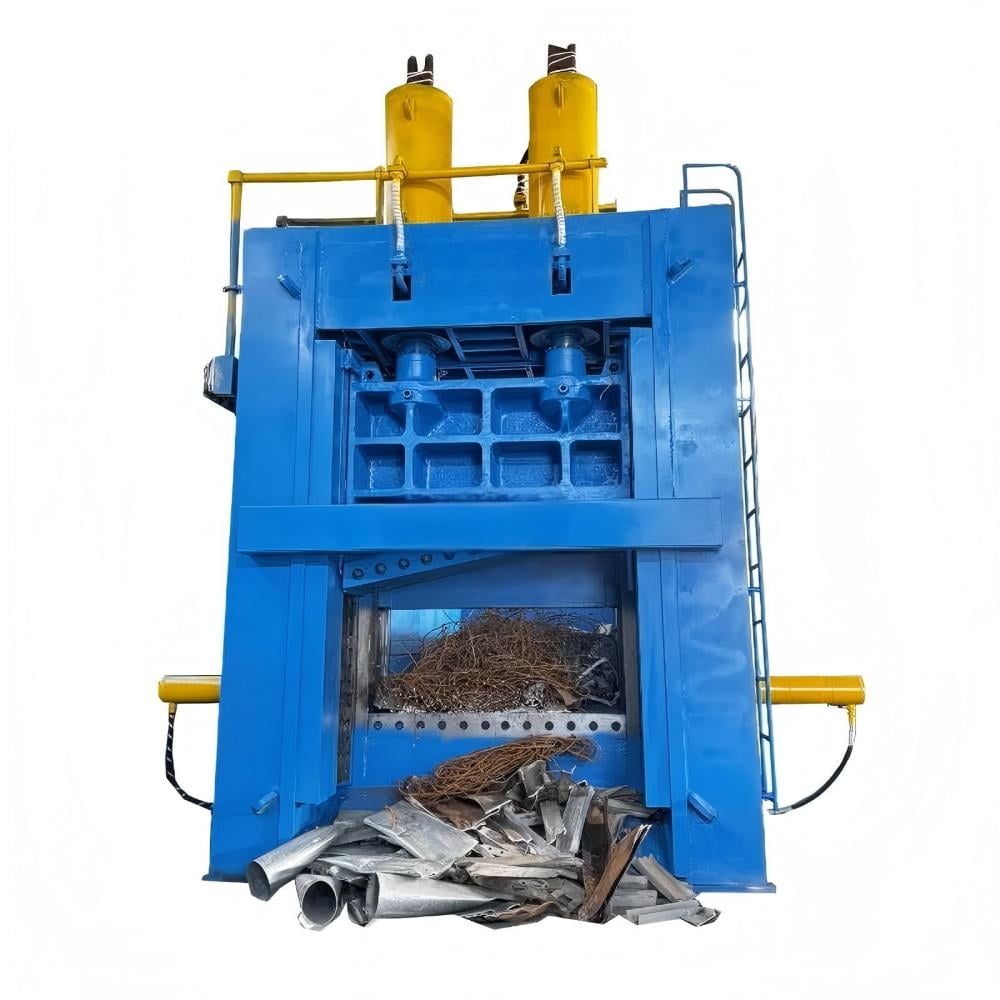
Another key consideration is the synchronization of the dual-cylinder systems often found in large gantry shears. If the cylinders are not perfectly synchronized, the ram may bind or tilt, causing the return mechanism to stall. This is often caused by uneven wear on the guide rails or a discrepancy in the hydraulic flow distribution. Ensuring that the guide ways are properly lubricated and that the hydraulic manifold is balanced is essential for smooth, consistent operation.
Environmental factors also play a significant role in machine performance. Extreme temperature fluctuations can affect the viscosity of the hydraulic fluid, leading to sluggish response times. In colder environments, it is often necessary to run a warm-up cycle to bring the hydraulic fluid to its optimal operating temperature. Conversely, in high-heat environments, cooling systems must be functioning at peak efficiency to prevent fluid degradation and seal damage.
Finally, the operator’s role in monitoring the machine cannot be overstated. Subtle changes in the sound of the hydraulic pump or the speed of the ram during the return stroke are often the first indicators of an underlying issue. By fostering a culture of observation and reporting, maintenance teams can address minor issues before they escalate into major mechanical failures, ensuring that the gantry shear ram not returning properly becomes a rare occurrence rather than a recurring headache.
Technical Details: Why the Ram Fails to Return
When investigating why a gantry shear ram is not returning properly, the first point of inspection should be the directional control valves. These valves are responsible for switching the flow of hydraulic oil to the return side of the cylinder. If a solenoid is burnt out or if the valve spool is stuck due to debris, the oil will not be directed correctly, leaving the ram trapped in its downward or mid-stroke position. Testing the electrical signal to the solenoid and checking for mechanical obstruction in the spool is a standard diagnostic step.
Air entrapment within the hydraulic system is another frequent culprit. Air is compressible, whereas hydraulic fluid is not. If air bubbles are present in the return line, the pressure required to retract the ram may be insufficient, leading to a “spongy” or incomplete return stroke. Bleeding the hydraulic system according to the manufacturer’s specifications is a necessary procedure to remove trapped air and restore the rigidity of the hydraulic circuit.
Seal wear within the hydraulic cylinder is a more significant mechanical issue. Over time, the internal seals that separate the high-pressure and low-pressure sides of the piston can degrade. This allows hydraulic fluid to bypass the piston, effectively reducing the force available for the return stroke. If the ram moves slowly or stops entirely under load, a pressure test of the cylinder can confirm whether internal leakage is the cause of the failure.
Mechanical binding is a physical cause that should not be overlooked. The gantry shear ram travels along guide ways that must be perfectly aligned. If these ways are damaged, clogged with metal shavings, or lack sufficient lubrication, the friction can overcome the hydraulic force intended to retract the ram. Regular cleaning of the guide ways and the application of high-quality lubricants are essential to prevent this type of mechanical resistance.
Selection Advice and Maintenance Best Practices
Choosing the right gantry shear for your specific application is the first step in preventing operational issues. When selecting a machine, consider the duty cycle and the types of materials you intend to process. A machine that is consistently pushed to its maximum capacity will experience faster wear on hydraulic components. Investing in a machine with a slightly higher capacity than your current needs can provide a buffer that reduces stress on the hydraulic system and improves overall reliability.
Maintenance schedules should be strictly adhered to. This includes regular oil analysis to check for metallic particles or moisture, which can indicate internal component wear. Replacing hydraulic filters at the recommended intervals is one of the most cost-effective ways to protect your investment. A clean hydraulic system is a long-lasting hydraulic system, and the cost of a filter is negligible compared to the cost of a cylinder rebuild or a pump replacement.
Training your staff on the proper operation of the gantry shear is equally important. Operators should be trained to recognize the signs of hydraulic stress and to perform daily pre-operation checks. These checks should include verifying the oil level, inspecting for external leaks, and ensuring that all safety guards and limit switches are functioning correctly. A well-trained operator is the first line of defense against machine downtime.
Finally, keep a detailed log of all maintenance activities and repairs. This documentation is invaluable for identifying recurring issues and planning for future component replacements. If you notice that a specific valve or seal is failing frequently, it may indicate a deeper issue with the machine’s configuration or the way it is being operated. By analyzing these logs, you can make informed decisions about upgrades or process changes that will enhance the long-term performance of your gantry shear.
Frequently Asked Questions (FAQ)
1. What is the first thing I should check if the ram stops mid-stroke?
First, check the electrical control system to ensure the solenoid valves are receiving the correct signal. If the signals are correct, check for any physical obstructions in the guide ways or debris blocking the hydraulic lines.
2. Can low hydraulic oil cause the ram to not return?
Yes, low oil levels can lead to cavitation in the pump, which reduces the pressure available to retract the ram. Always ensure the oil reservoir is filled to the recommended level.
3. How often should I bleed the hydraulic system?
You should bleed the system whenever you perform maintenance on the hydraulic lines or if you notice the ram movement becoming sluggish or inconsistent.
4. Is it safe to manually push the ram back up?
No, never attempt to manually force the ram back up. This is extremely dangerous and can cause severe injury. Always consult a qualified technician to address hydraulic pressure issues safely.
5. What are the signs of a failing hydraulic seal?
Signs include external oil leaks, a loss of pressure during the cutting cycle, and the ram failing to return to the home position even when the pump is running at full capacity.
Conclusion
Dealing with a gantry shear ram not returning properly is a challenge that requires a systematic approach. By understanding the interplay between hydraulic pressure, mechanical alignment, and electrical control, you can effectively diagnose and resolve the issue. Remember that the longevity of your HARSLE equipment depends on consistent maintenance, proper lubrication, and a proactive approach to troubleshooting.
If you find that the issue persists despite your best efforts, do not hesitate to contact our technical support team. At HARSLE, we are committed to ensuring that your metal fabrication equipment operates at peak efficiency. By prioritizing safety and adhering to the guidelines outlined in this article, you can minimize downtime and maximize the productivity of your shop floor. Keep your machinery in top condition, and it will continue to deliver the precision and power your business demands.