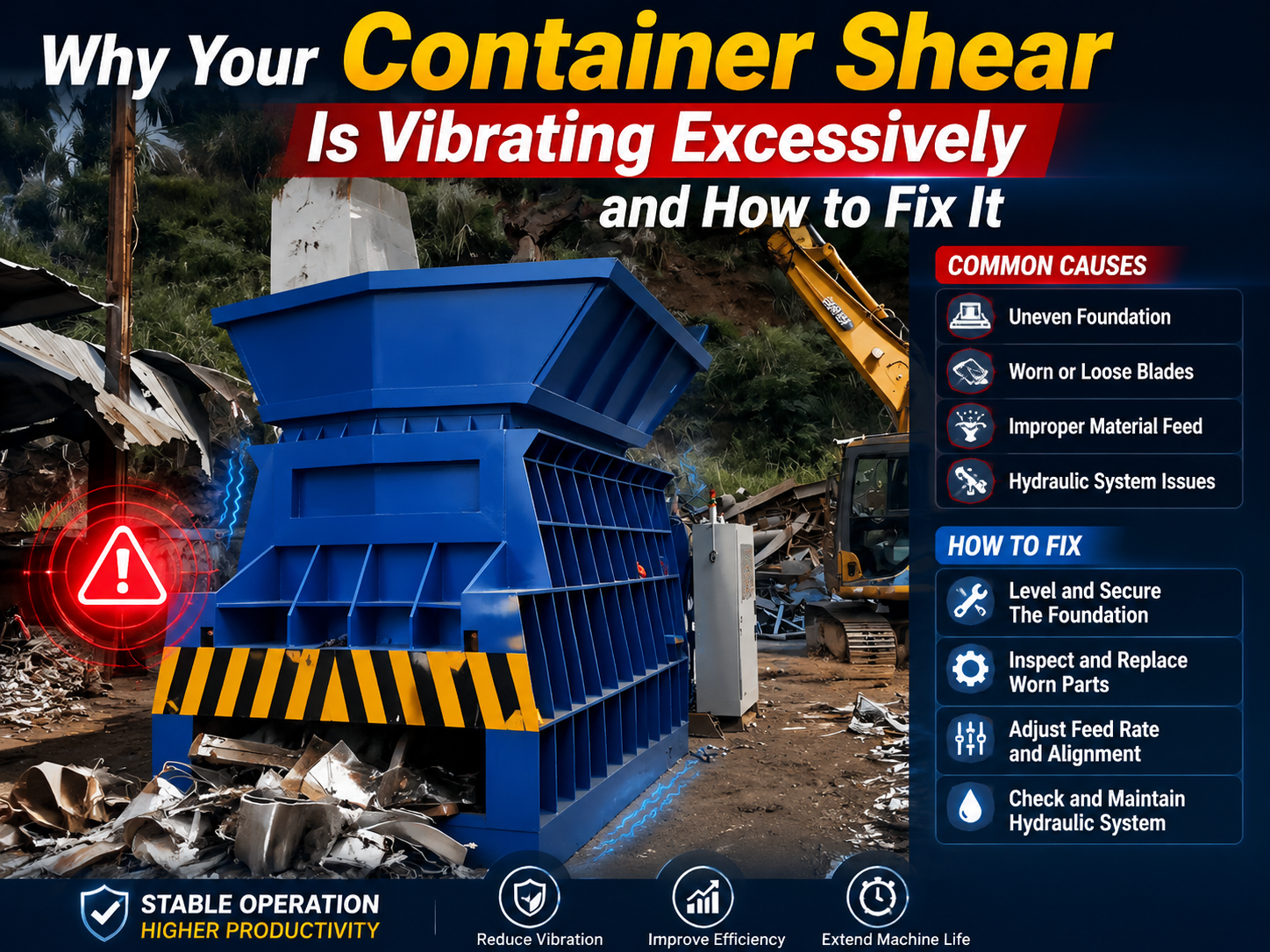
Why Your Container Shear Is Vibrating Excessively and How to Fix It

Introduction
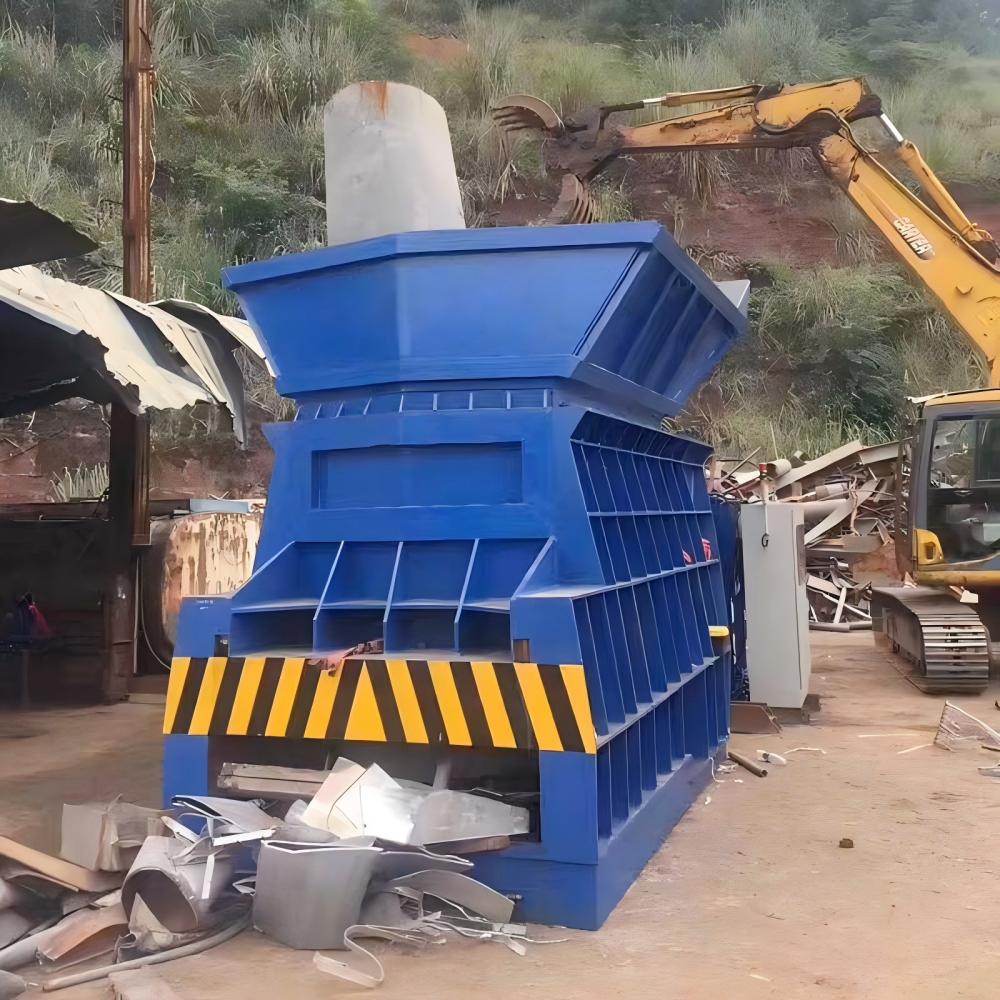
In the high-stakes world of metal recycling and heavy-duty fabrication, the container shear stands as a cornerstone of operational efficiency. These massive machines are designed to process scrap metal with immense force, turning bulky waste into manageable, high-density commodities. However, when a container shear begins to vibrate excessively, it is not merely a minor annoyance; it is a critical warning sign of mechanical distress. If you find yourself asking, ‘Why is my container shear vibrating excessively and how to fix it?’, you are already on the right path to preventing catastrophic equipment failure.
Excessive vibration in industrial shears can lead to accelerated wear on internal components, structural fatigue, and, in severe cases, complete machine downtime. Understanding the root causes of these vibrations is essential for any facility manager or maintenance technician. Whether the issue stems from hydraulic instability, structural misalignment, or worn-out cutting blades, addressing the problem promptly is the only way to ensure the longevity of your HARSLE equipment and the safety of your workforce.
This comprehensive guide explores the technical nuances of shear vibration, providing actionable insights into troubleshooting and long-term maintenance. By systematically evaluating your machine’s performance, you can identify whether the vibration is a symptom of routine wear or a deeper mechanical flaw. Let us dive into the mechanics of your container shear and restore the smooth, powerful operation your production line demands.
Key Considerations for Vibration Analysis
When diagnosing vibration, the first step is to establish a baseline. Every industrial shear has a characteristic ‘hum’ or operational rhythm. Vibration becomes ‘excessive’ when it deviates from this norm, manifesting as audible rattling, visible shaking of the frame, or erratic movement of the hydraulic lines. Before tearing the machine apart, observe the timing of the vibration. Does it occur during the initial approach, the peak cutting phase, or the return stroke? This timing is the most valuable diagnostic clue available.
Environmental factors also play a significant role. Is the machine anchored to a reinforced concrete foundation? If the foundation has developed cracks or if the anchor bolts have loosened over time, the machine’s energy will dissipate into the floor rather than being contained within the frame. This lack of rigidity is a common, yet often overlooked, cause of excessive vibration. Always verify the integrity of the mounting points before assuming the issue is internal.
Another key consideration is the material being processed. Are you feeding the shear material that exceeds its rated capacity? Overloading the shear forces the hydraulic system to work beyond its design limits, leading to pressure spikes that can cause the entire structure to shudder. Ensure that your operators are strictly adhering to the material density and size specifications provided in your HARSLE user manual. Consistent overloading will inevitably lead to structural vibration and premature component failure.
Finally, consider the ambient temperature and hydraulic fluid viscosity. If your facility experiences extreme temperature fluctuations, the hydraulic oil may become too thin or too thick, affecting the responsiveness of the valves. A sluggish valve can cause ‘chatter’ in the hydraulic system, which translates directly into vibration. Monitoring your oil temperature and ensuring the correct grade of hydraulic fluid is used is a fundamental aspect of vibration control.
Technical Details: Root Causes of Excessive Vibration
The primary culprit behind excessive vibration in container shears is often the hydraulic system. Air trapped in the hydraulic cylinders or lines can cause a ‘spongy’ effect, leading to erratic pressure delivery. When the shear encounters resistance, this trapped air compresses and expands rapidly, causing the machine to vibrate violently. Bleeding the hydraulic system is a standard maintenance procedure that should be performed regularly to eliminate this issue.
Worn or improperly adjusted blade clearances are another frequent cause. If the gap between the upper and lower blades is too wide, the material may bend or ‘fold’ rather than being cleanly sheared. This creates uneven forces on the blade carrier, causing it to twist or vibrate as it moves through the stroke. Regularly checking and shimming the blades to the manufacturer’s recommended clearance is essential for smooth operation and clean cuts.
Mechanical wear in the guide rails and slide bearings can also lead to instability. Over time, the constant friction of the moving shear head wears down the bearing surfaces. If there is excessive play in the slide, the head will ‘wobble’ during the cutting cycle. This movement is amplified by the massive forces involved, resulting in significant vibration. Inspecting the lubrication of these sliding surfaces and replacing worn wear plates is critical for maintaining alignment.
Furthermore, check the integrity of the hydraulic pump and motor coupling. If the coupling between the motor and the pump is misaligned or worn, it will transmit high-frequency vibrations directly into the machine frame. Even a slight misalignment can cause the pump to operate inefficiently, leading to pressure pulsations that ripple through the entire hydraulic circuit. Regular alignment checks and coupling inspections are vital for preventing this type of vibration.

Selection Advice: Choosing the Right Shear for Your Needs
When selecting a container shear, the most effective way to avoid vibration issues is to choose a machine that is appropriately sized for your specific application. A common mistake is purchasing a shear that is ‘just enough’ for the job. If your daily throughput frequently hits the machine’s maximum capacity, you are operating in a zone where vibration and wear are inevitable. Always opt for a machine with a 20-30% buffer in capacity to ensure it operates within its ‘sweet spot’ of efficiency.
Consider the build quality and the rigidity of the frame. HARSLE container shears are engineered with heavy-duty, stress-relieved steel frames designed to absorb the shock of high-force shearing. When comparing models, look for the weight of the machine and the thickness of the steel plate used in the construction. A heavier, more robust machine will naturally be more resistant to vibration than a lighter, more ‘economical’ alternative.
Evaluate the hydraulic system design. Modern shears utilize sophisticated proportional valves and advanced control logic to manage the flow of oil, which significantly reduces pressure spikes and associated vibrations. Ask your supplier about the type of hydraulic system integrated into the machine. Systems with integrated pressure dampening and high-quality filtration are far less likely to develop vibration issues over time.
Finally, consider the availability of spare parts and technical support. Even the best-maintained machine will eventually require replacement parts like seals, blades, or bearings. Choosing a manufacturer like HARSLE, which provides comprehensive documentation and reliable support, ensures that when you do encounter vibration, you have the resources to fix it quickly. A machine is only as good as the support behind it.
Troubleshooting Checklist
- Check Foundation: Inspect anchor bolts for tightness and check the concrete base for cracks.
- Inspect Blades: Verify blade clearance and check for chipped or dull cutting edges.
- Bleed Hydraulics: Ensure no air is trapped in the cylinders or hoses.
- Lubrication: Confirm that all slide ways and bearings are properly greased.
- Check Couplings: Inspect the motor-to-pump coupling for wear or misalignment.
- Monitor Pressure: Use a pressure gauge to check for pulsations during the cutting cycle.
- Review Material: Ensure the scrap being processed is within the machine’s rated capacity.
FAQ: Common Questions About Shear Vibration
Why does my shear vibrate only during the cutting stroke?
Vibration during the cutting stroke usually indicates that the machine is struggling with the load. This could be due to dull blades, incorrect blade clearance, or insufficient hydraulic pressure. Check the blades first, as they are the most common point of failure.
Can loose bolts cause excessive vibration?
Yes, absolutely. If the machine is not securely anchored to the floor, the kinetic energy of the shear cannot be properly dissipated, leading to the entire frame shaking. Always check your anchor bolts as part of your monthly maintenance routine.
How often should I check my blade clearance?
Blade clearance should be checked weekly, or more frequently if you are processing high-tensile or abrasive materials. Proper clearance is the single most important factor in achieving clean cuts and reducing mechanical stress.
Is vibration always a sign of a major problem?
Not always, but it should never be ignored. While minor vibrations can sometimes be attributed to environmental factors, they often lead to more serious issues if left unaddressed. Treat every vibration as a potential mechanical failure waiting to happen.
Conclusion
Addressing the question, ‘Why is my container shear vibrating excessively and how to fix it?’ requires a methodical approach that combines regular maintenance with a deep understanding of your equipment’s mechanics. By focusing on the hydraulic system, structural integrity, and blade maintenance, you can effectively mitigate the risks associated with excessive vibration. Remember that the goal is not just to stop the shaking, but to ensure that your HARSLE container shear continues to deliver the high-performance results your business relies on.
Investing time in preventative maintenance is far more cost-effective than dealing with the downtime and repair costs of a catastrophic failure. Use the checklist provided in this guide to establish a routine that keeps your machinery in top condition. When in doubt, consult your HARSLE service manual or reach out to our technical support team. With the right care, your container shear will remain a reliable, powerful asset in your metal fabrication shop for years to come.