Container Shear Blade Chipping Troubleshooting: Causes and Preventive Measures

Introduction
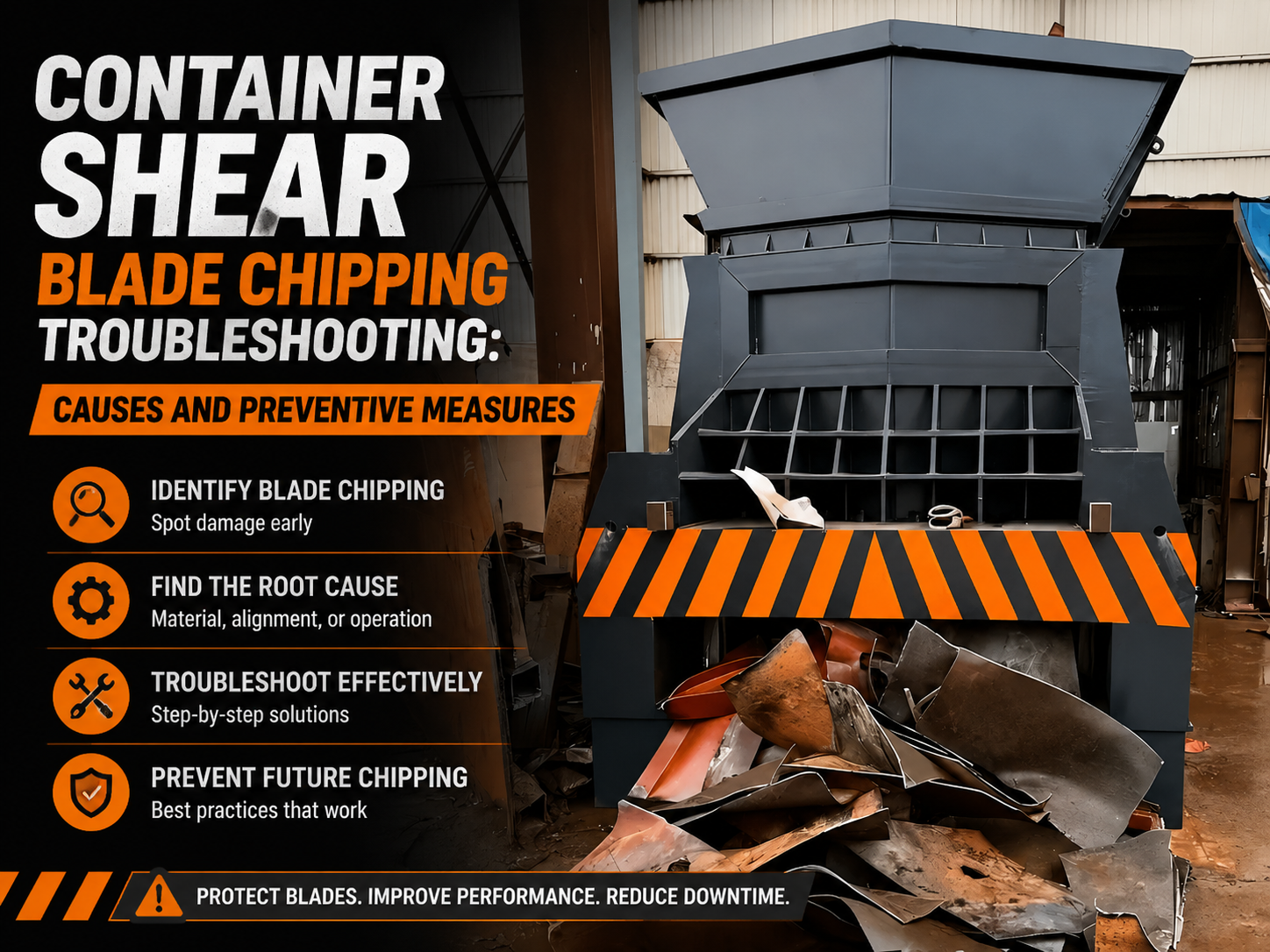
In the high-stakes environment of metal recycling and heavy-duty fabrication, the container shear stands as a cornerstone of operational efficiency. However, even the most robust HARSLE machinery can encounter performance degradation, with blade chipping being one of the most critical issues. Understanding Container Shear Blade Chipping Troubleshooting: Causes and Preventive Measures is essential for any facility manager looking to minimize downtime and maximize the lifespan of their cutting components.
Blade chipping is not merely a minor inconvenience; it is a symptom of underlying mechanical, material, or operational imbalances. When a shear blade chips, it compromises the quality of the cut, increases the load on the hydraulic system, and poses a significant safety risk to operators. By addressing the root causes early, facilities can avoid catastrophic failures and expensive emergency repairs.
This comprehensive guide explores the technical intricacies of shear blade failure. We will delve into the physics of metal cutting, the importance of material hardness, and the precise maintenance protocols required to keep your HARSLE equipment operating at peak performance. Whether you are dealing with frequent edge fractures or looking to implement a proactive maintenance schedule, this article provides the technical foundation you need.
At HARSLE, we believe that knowledge is the best tool in your workshop. By mastering the troubleshooting process, your team can transition from reactive repairs to a culture of predictive maintenance. Let us explore the critical factors that influence blade integrity and how you can safeguard your investment against premature wear and tear.
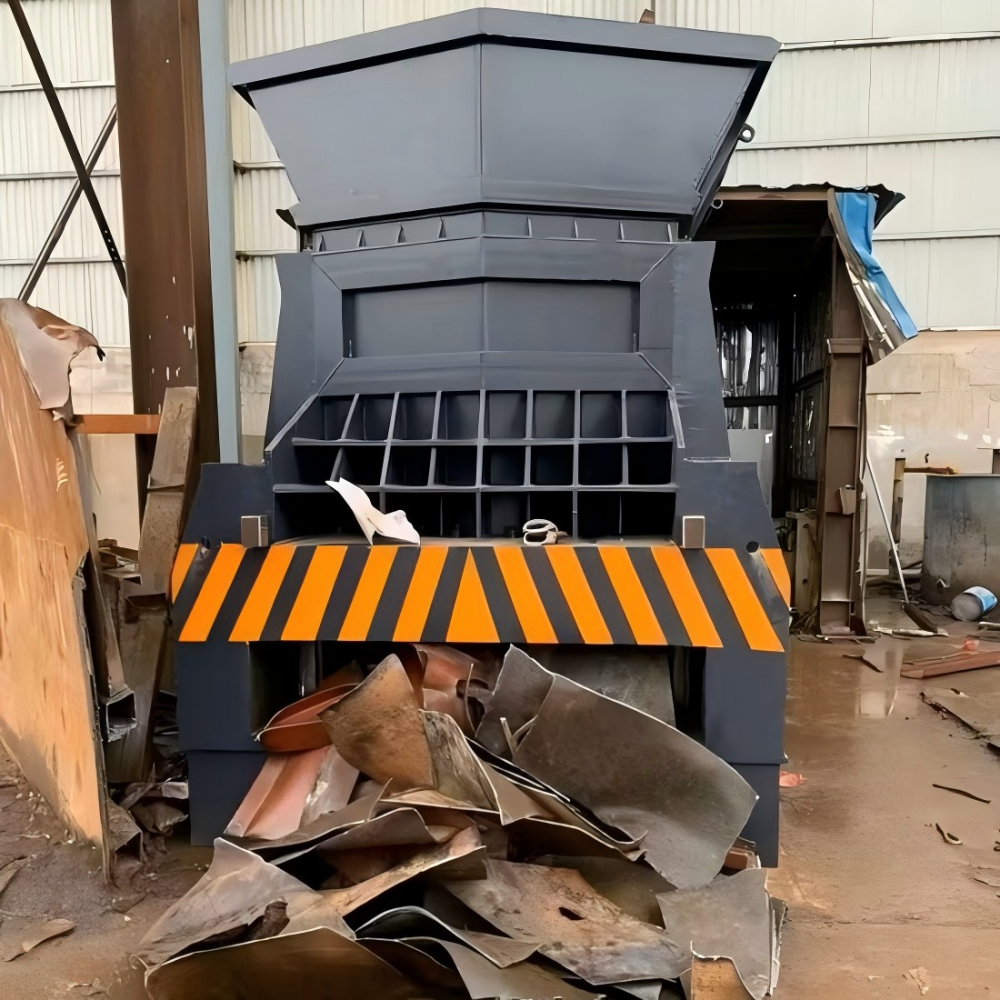
Key Considerations for Blade Integrity
The integrity of a container shear blade is dictated by a delicate balance between material science and mechanical force. When troubleshooting chipping, the first consideration must be the material being processed. If the feedstock contains high-tensile steel, hardened alloys, or unexpected contaminants like concrete or non-ferrous debris, the blade edge is subjected to stress levels far beyond its design threshold. Operators must ensure that the material feed is consistent with the machine’s rated capacity.
Another critical factor is the clearance between the upper and lower blades. In the world of industrial shearing, the ‘gap’ is everything. If the clearance is too wide, the material tends to bend rather than shear, creating excessive tensile stress on the cutting edge. Conversely, if the clearance is too tight, the blades may collide or experience extreme friction, leading to rapid edge degradation and eventual chipping. Proper adjustment is a non-negotiable aspect of daily operation.
Lubrication and cooling also play a pivotal role in blade longevity. As the shear operates, the friction between the blade and the metal generates significant heat. If the blade is not properly lubricated, this heat can cause thermal expansion and micro-cracking, which eventually manifest as chips. Implementing a consistent lubrication schedule is one of the most effective preventive measures against thermal-induced blade failure.
Finally, consider the structural alignment of the shear housing. Over time, the heavy-duty nature of shearing can lead to slight misalignments in the machine frame. If the blade carrier is not perfectly parallel to the bed, the force distribution across the blade edge will be uneven. This uneven pressure creates ‘hot spots’ of stress, where the blade is more likely to chip. Regular structural audits are necessary to ensure the machine remains within factory tolerances.
Technical Details: Why Blades Fail
To effectively troubleshoot, one must understand the metallurgy of the blade. Most industrial container shear blades are manufactured from high-carbon, high-chromium tool steels, which are heat-treated to achieve a specific Rockwell hardness. While this hardness is necessary for cutting, it also makes the blade inherently brittle. When a shock load occurs—such as a sudden impact with a hardened steel bolt or a thick plate—the blade cannot deform elastically, so it fails by fracturing.
Fatigue is another silent killer of shear blades. Every cut cycle exerts a cyclic load on the blade edge. Over thousands of cycles, microscopic cracks form at the edge, often invisible to the naked eye. If these cracks are not addressed through periodic grinding and edge restoration, they propagate until a large piece of the blade breaks away. This is why scheduled maintenance intervals are based on cycle counts rather than just visual inspection.
The hydraulic system’s role in blade failure is often overlooked. If the hydraulic pressure is set too high, the shear force may exceed the structural capacity of the blade material. Conversely, if the pressure is inconsistent, the blade may ‘chatter’ against the material, causing vibration-induced chipping. Ensuring that the hydraulic relief valves are calibrated to HARSLE specifications is a fundamental step in troubleshooting.
Environmental factors also contribute to blade degradation. Operating in extreme cold can make the blade material more susceptible to brittle fracture. If your facility is located in a region with significant temperature fluctuations, it is advisable to allow the machine to warm up through a few dry cycles before beginning full-scale production. This simple practice can significantly reduce the risk of thermal shock to the blade edge.
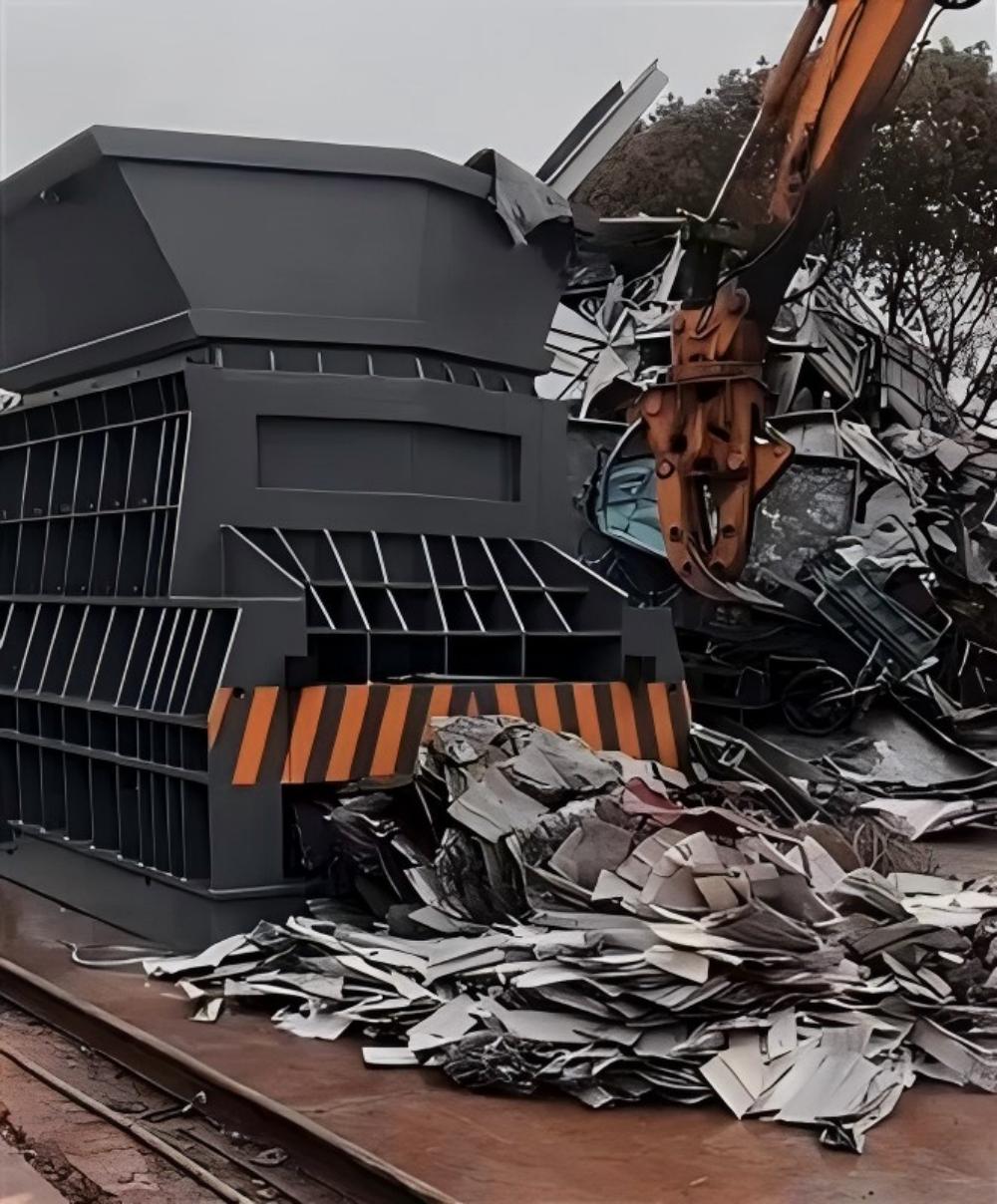
Selection Advice: Choosing the Right Blades
When it comes time to replace your blades, the selection process is just as important as the troubleshooting process. Not all blades are created equal, and choosing the wrong material for your specific application is a recipe for future chipping. For facilities processing mixed scrap, a blade with a higher toughness-to-hardness ratio is often preferred over an ultra-hard, brittle blade.
Consult with HARSLE technical support to determine the optimal blade grade for your specific throughput. We categorize blades based on the tensile strength of the materials they are designed to cut. Using a blade designed for thin-gauge sheet metal to cut heavy structural beams will inevitably lead to chipping. Always prioritize the manufacturer’s recommendations over third-party ‘universal’ blades.
Consider the geometry of the blade edge as well. A sharper edge provides a cleaner cut but is more prone to chipping when encountering heavy impacts. A slightly blunted or ‘radius’ edge may be more durable for heavy-duty, high-impact applications. Discussing your specific material mix with our engineering team can help you find the ‘sweet spot’ between cut quality and blade durability.
Finally, invest in high-quality mounting hardware. Even the best blade will fail if it is not securely fastened. Ensure that all bolts are torqued to the exact specifications provided in your HARSLE manual. Using worn or stretched bolts can lead to blade movement, which is a primary cause of edge chipping. Keep a stock of high-tensile mounting bolts and replace them during every blade change.
Preventive Measures and Maintenance Protocols
Prevention is always more cost-effective than repair. The first line of defense is a rigorous daily inspection routine. Before starting the shift, operators should visually inspect the blade edge for any signs of nicks, cracks, or dulling. If a small chip is detected early, it can often be ground out, preventing it from growing into a larger, more damaging fracture.
Implement a ‘No-Go’ policy for contaminated feedstock. Train your sorting team to identify materials that are known to cause blade damage, such as hardened tool steel, thick concrete-filled pipes, or heavy-duty industrial fasteners. By filtering the input material, you remove the most common triggers for catastrophic blade failure.
Develop a structured maintenance log. Record every blade change, the number of cycles since the last sharpening, and any incidents of chipping. This data will allow you to identify patterns. For example, if you notice that chipping occurs more frequently after a specific type of material is processed, you can adjust your operational procedures accordingly.
Finally, ensure that your maintenance team is properly trained in blade sharpening techniques. Improper grinding can introduce heat-affected zones (HAZ) into the blade, which weakens the material and makes it even more prone to chipping. Use precision grinding equipment and follow the cooling protocols to maintain the blade’s temper and structural integrity.
FAQ: Common Questions
- Q: How often should I inspect my container shear blades?
A: We recommend a visual inspection at the start of every shift and a detailed measurement of blade clearance every 100 operating hours. - Q: Can I weld a chipped shear blade?
A: Generally, no. Welding introduces localized heat that can ruin the blade’s heat treatment, leading to further cracking. It is safer and more economical to grind out the chip or replace the blade. - Q: Why does my blade chip even when cutting within the rated capacity?
A: This is often due to improper blade clearance or structural misalignment. Check your clearance settings and ensure the blade carrier is perfectly aligned. - Q: What is the ideal clearance for a container shear?
A: The ideal clearance depends on the material thickness and type. Refer to your HARSLE manual for the specific clearance chart corresponding to your machine model. - Q: Does the ambient temperature affect blade performance?
A: Yes. Extremely cold temperatures can increase the brittleness of the steel. Always perform a warm-up cycle in cold environments.
Conclusion
Container shear blade chipping is a manageable challenge when approached with technical rigor and a commitment to preventive maintenance. By understanding the causes—ranging from material contamination and improper clearance to thermal stress and fatigue—you can take proactive steps to protect your HARSLE equipment. Remember that the longevity of your blades is a direct reflection of the care and precision applied to your daily operations.
At HARSLE, we are committed to supporting your fabrication goals with high-quality machinery and expert guidance. By implementing the troubleshooting and preventive measures outlined in this guide, you ensure that your facility remains productive, safe, and profitable. Do not wait for a major failure to address minor edge wear; stay ahead of the curve, maintain your equipment with diligence, and keep your production line moving smoothly.
For further assistance or to order genuine HARSLE replacement parts, please contact our technical support team. We are here to help you optimize your shearing processes and achieve the best possible results in your metal fabrication projects.