Why Scrap Metal Shear Vibrates Excessively During Operation: Causes and Solutions

Introduction to Vibration Issues in Scrap Metal Shears
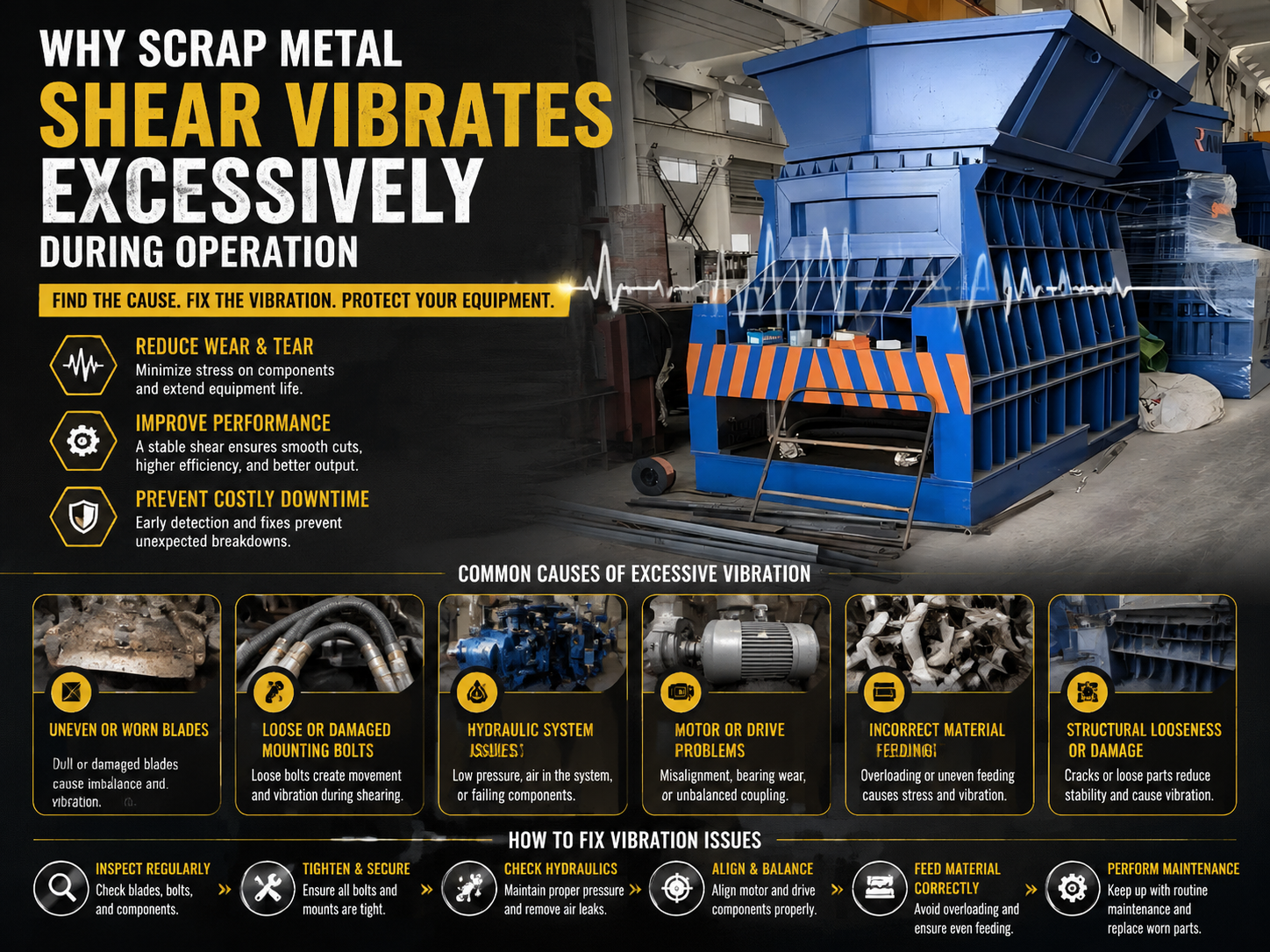
In the high-intensity world of metal recycling and industrial fabrication, the scrap metal shear stands as a cornerstone of productivity. These machines are designed to exert massive amounts of force to cut through heavy steel beams, automotive frames, and various alloys. However, operators often encounter a frustrating and potentially dangerous problem: the machine begins to shake or shudder. Understanding why a scrap metal shear vibrates excessively during operation is critical for maintaining both the longevity of the equipment and the safety of the workspace.
Excessive vibration is rarely a standalone issue; it is typically a symptom of an underlying mechanical, hydraulic, or operational imbalance. When a shear vibrates beyond its normal design parameters, it accelerates the wear and tear on sensitive components such as hydraulic seals, guide rails, and electronic sensors. If left unaddressed, these vibrations can lead to catastrophic structural failure, resulting in expensive downtime and costly repairs. For companies relying on HARSLE machinery or similar high-performance equipment, identifying the root cause is the first step toward restoration.
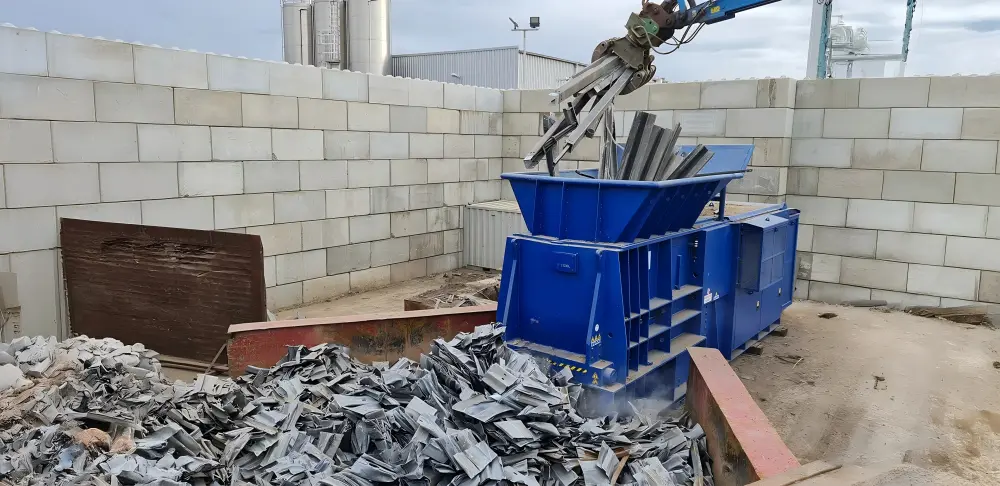
This guide will delve deep into the technical reasons behind excessive vibration, ranging from foundation stability to complex hydraulic dynamics. We will explore how different types of scrap material affect machine stability and provide actionable advice on how to mitigate these issues through proper selection and maintenance. By the end of this article, you will have a comprehensive understanding of how to keep your scrap metal shear running smoothly and efficiently.
Key Considerations for Vibration Control
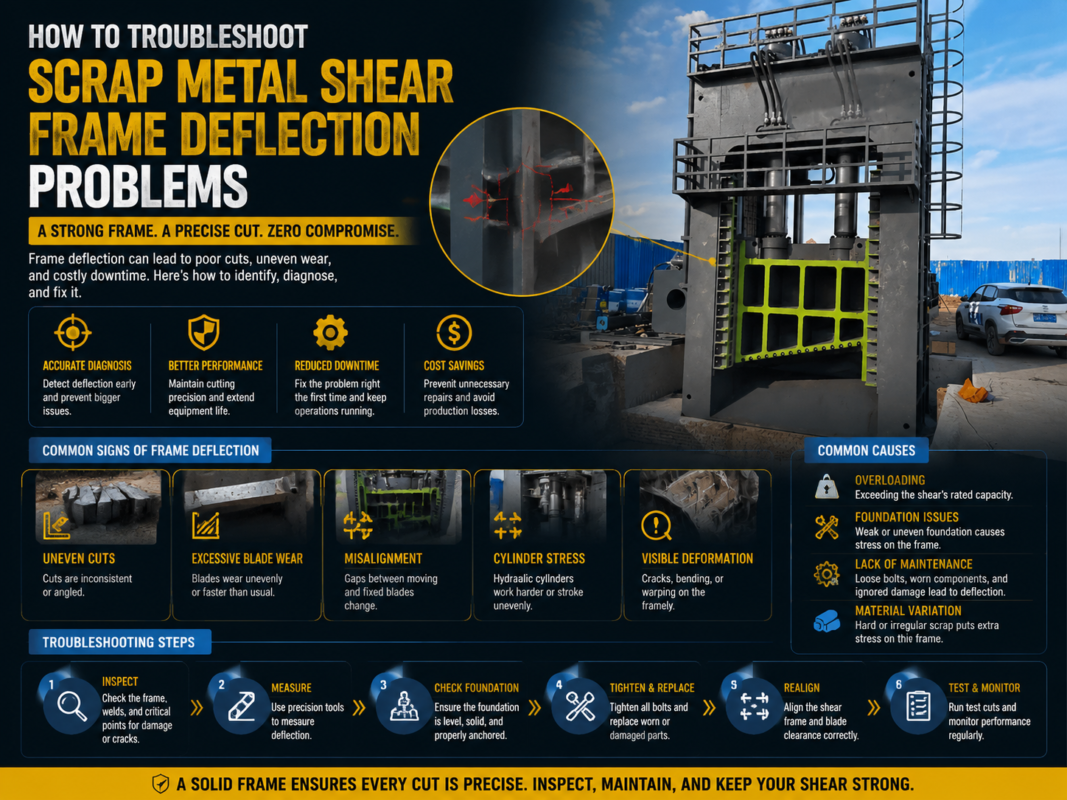
Before diving into the complex technicalities, it is essential to consider the fundamental factors that influence machine stability. The environment in which the scrap metal shear operates plays a significant role. For instance, a shear installed on an uneven or insufficiently reinforced concrete pad will naturally exhibit more vibration than one on a precision-engineered foundation. The sheer force generated during the cutting cycle must be absorbed by the ground; if the foundation is weak, that energy reflects back into the machine frame.
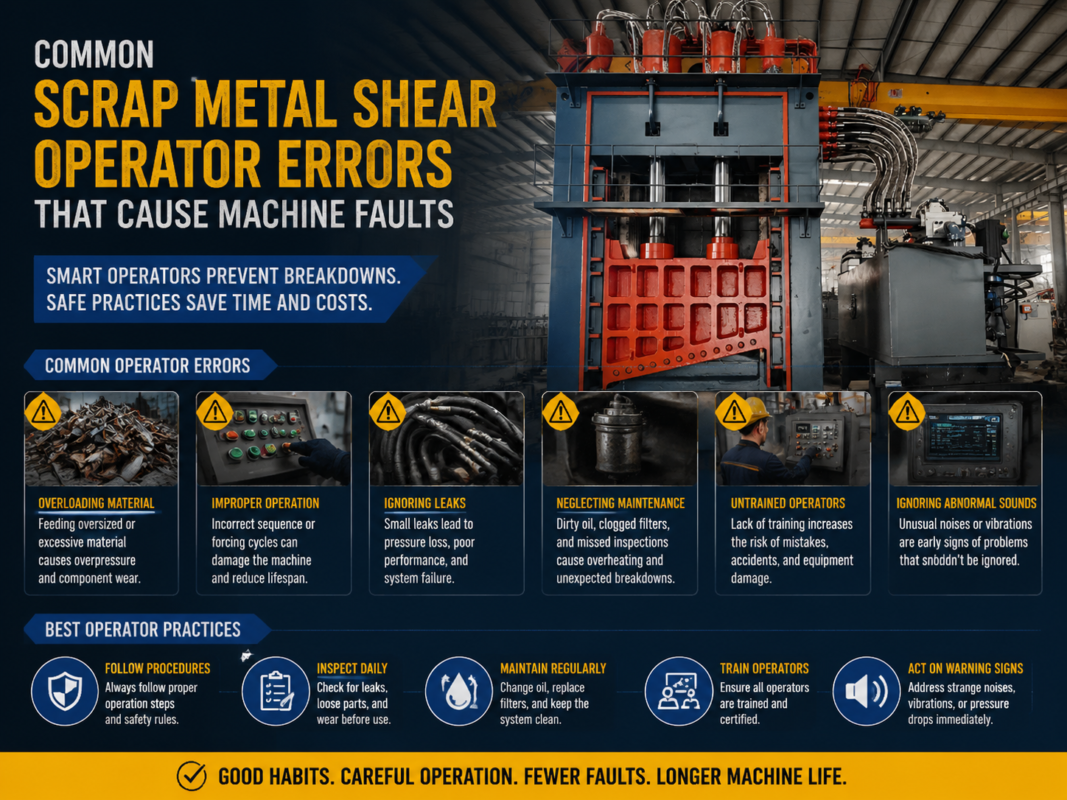
Another key consideration is the type of material being processed. Scrap metal is inherently inconsistent. Processing thin-gauge aluminum requires different force dynamics than shearing heavy-duty I-beams. When a machine is pushed beyond its rated capacity or fed materials that are too hard for the current blade setting, the resulting resistance causes the hydraulic system to spike, leading to violent tremors. Operators must be trained to recognize the limits of their specific shear model to prevent unnecessary stress.
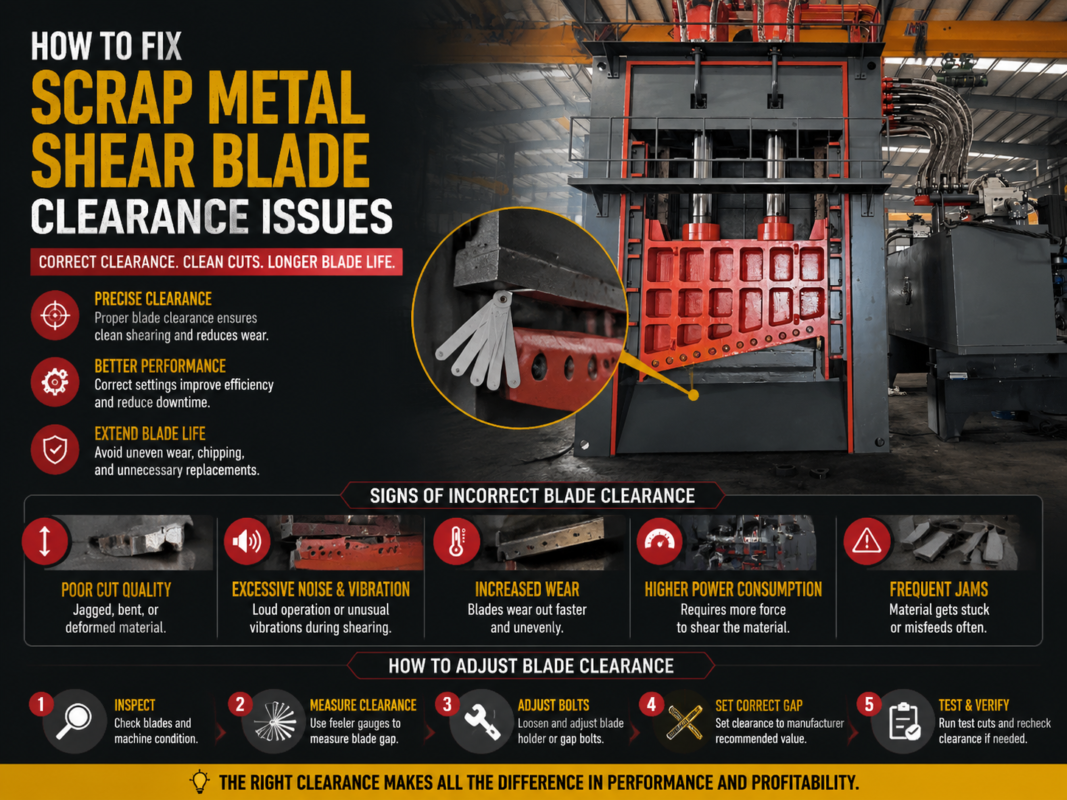
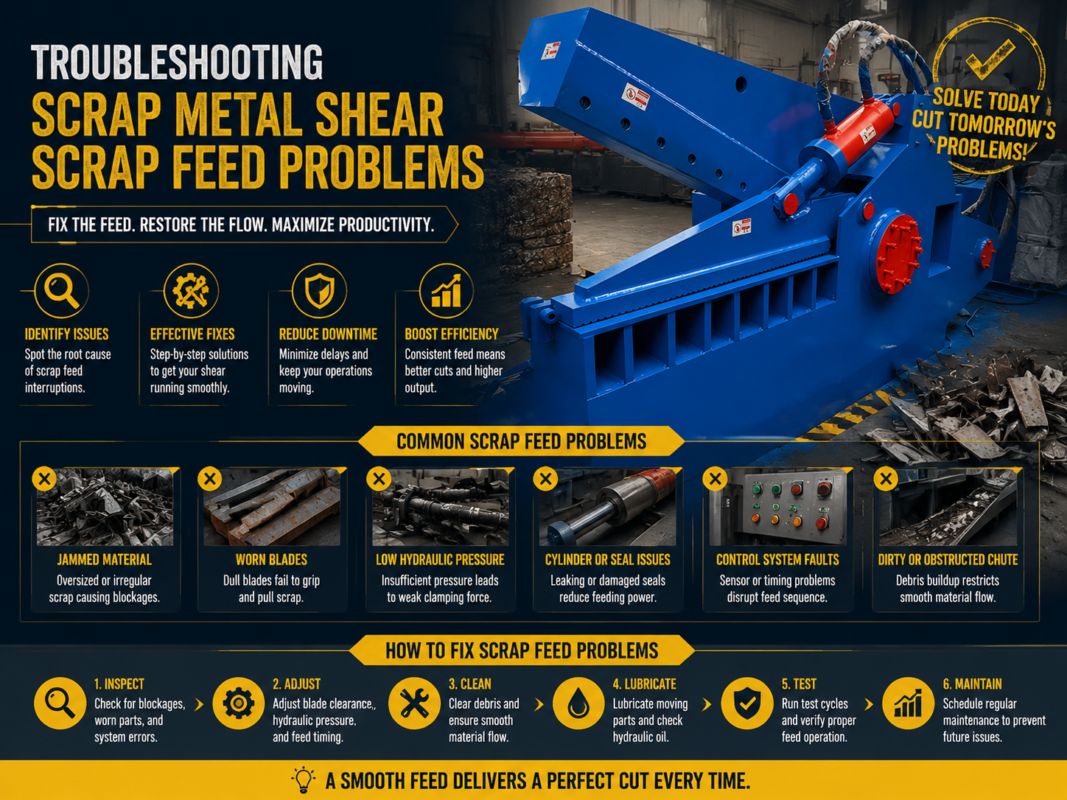
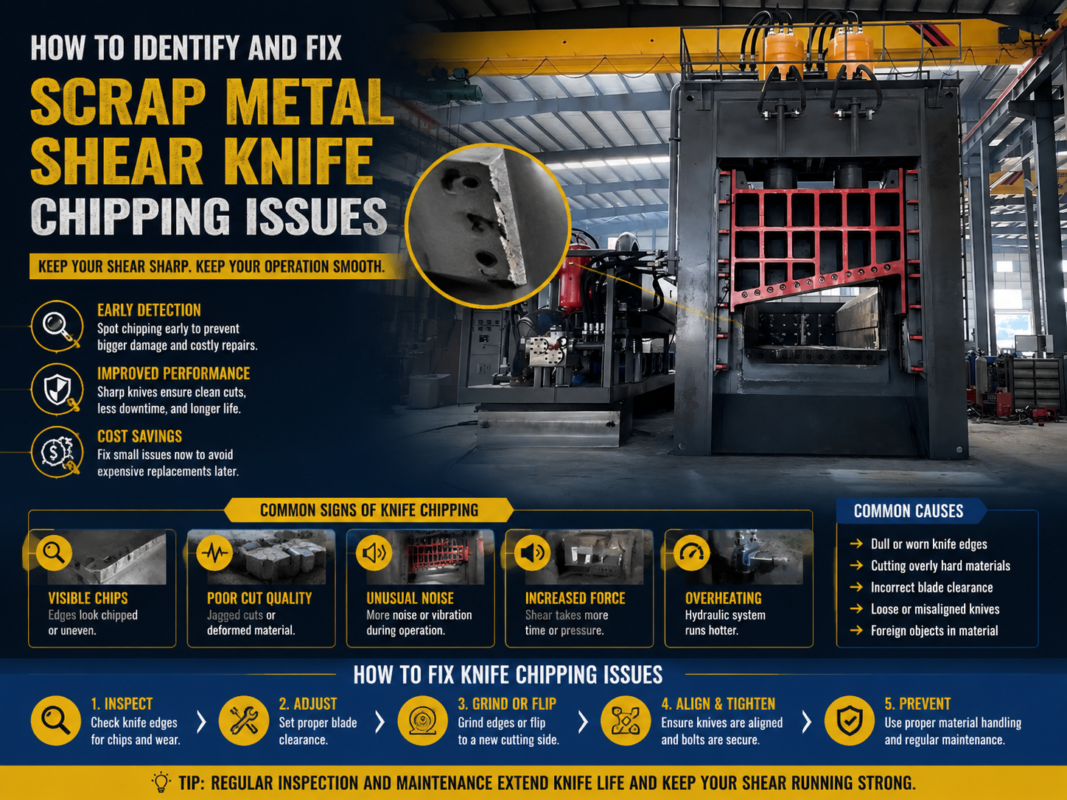
Blade condition is perhaps the most overlooked factor in vibration control. Dull, chipped, or improperly gapped blades do not cut cleanly. Instead, they “crush” the metal until it eventually snaps under pressure. This sudden release of energy, known as the breakthrough shock, is a primary source of excessive vibration. Regular blade rotation and sharpening are not just maintenance tasks; they are essential vibration-dampening strategies. Ensuring that the clearance between the upper and lower blades is calibrated to the thickness of the material is vital for a smooth operation.
Finally, the age and maintenance history of the machine cannot be ignored. Over time, the fasteners that hold the frame together can loosen due to the constant rhythmic stress of shearing. A single loose bolt in the main cylinder housing can cause the entire machine to rattle. A systematic approach to checking torque levels on all critical fasteners is a simple yet effective way to reduce noise and vibration levels in the facility.
Technical Details: Why Scrap Metal Shear Vibrates Excessively During Operation
1. Hydraulic System Instability and Cavitation
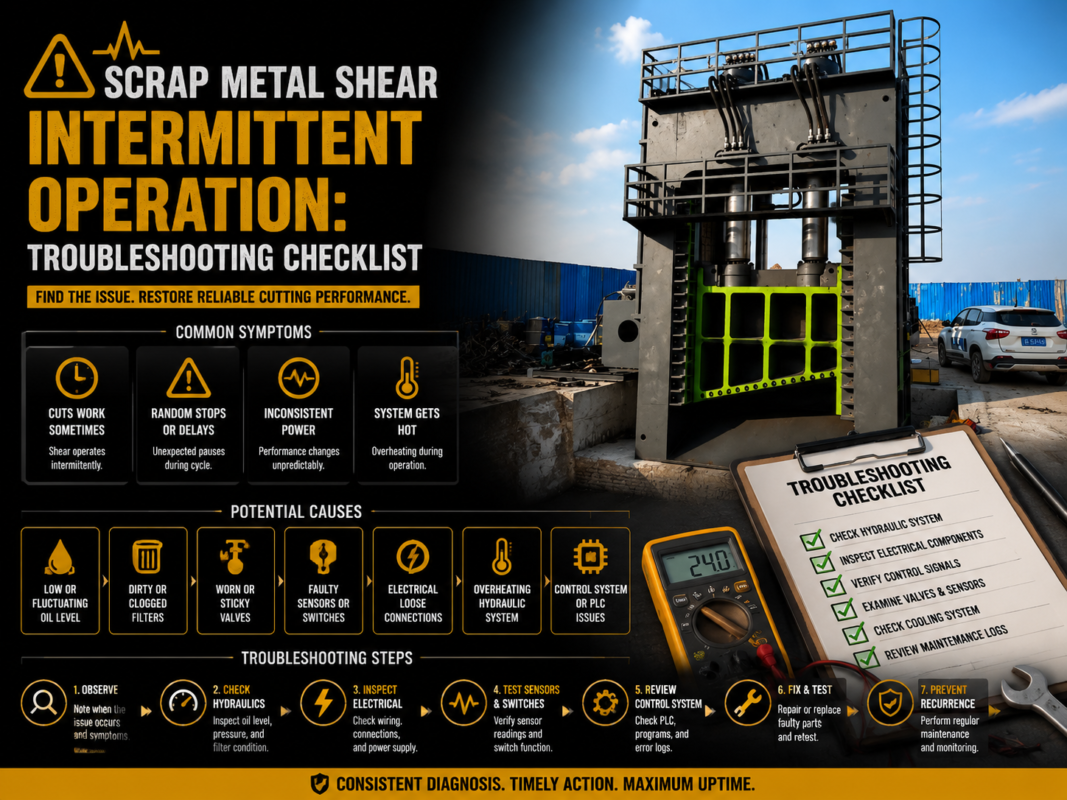
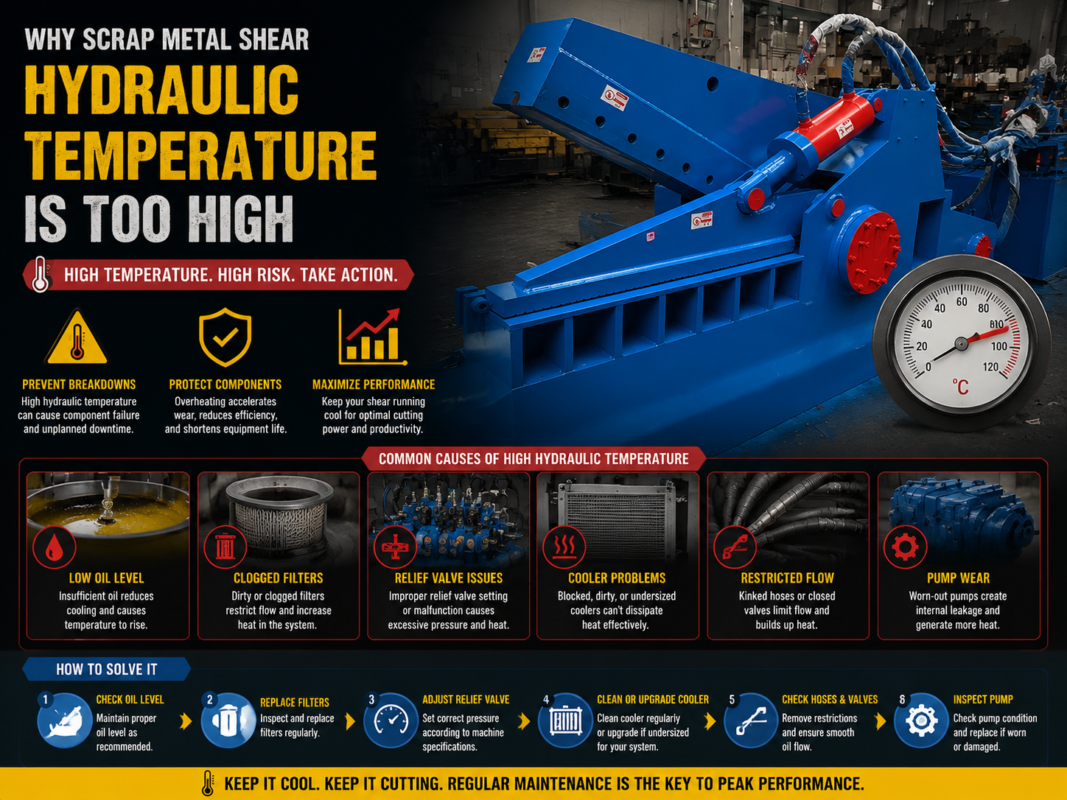
The hydraulic system is the heart of the scrap metal shear. When this system malfunctions, vibration is often the first sign. One of the most common technical causes is hydraulic cavitation. This occurs when air bubbles form in the hydraulic fluid due to a drop in pressure, usually at the pump inlet. When these bubbles reach the high-pressure side of the pump, they implode with significant force. These micro-explosions create a high-frequency vibration and a distinct “marbles in a blender” sound.
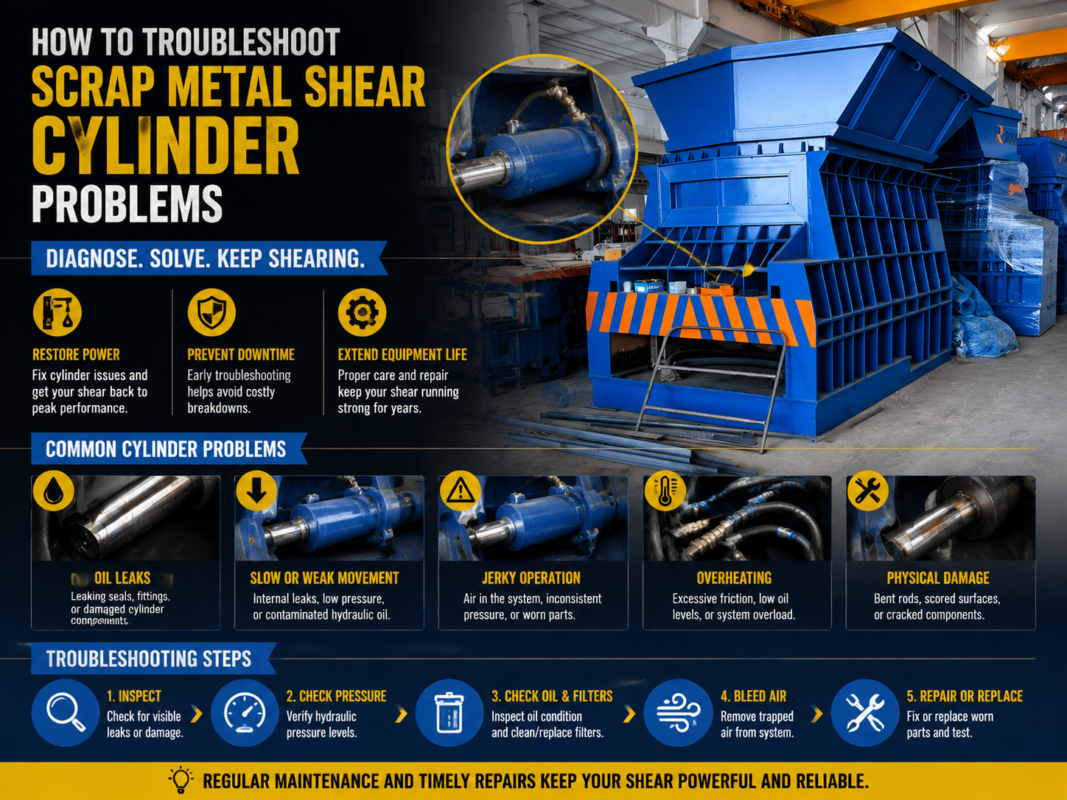
Furthermore, air trapped in the hydraulic cylinders can cause “spongy” movement. Unlike hydraulic fluid, air is compressible. When the piston moves against an air pocket, it compresses the air until the pressure overcomes the resistance of the scrap metal, causing the blade to jump forward suddenly. This jerky motion translates into significant mechanical vibration throughout the machine’s structure. Bleeding the air from the system and ensuring that suction lines are airtight are critical technical fixes.
2. Mechanical Misalignment and Wear
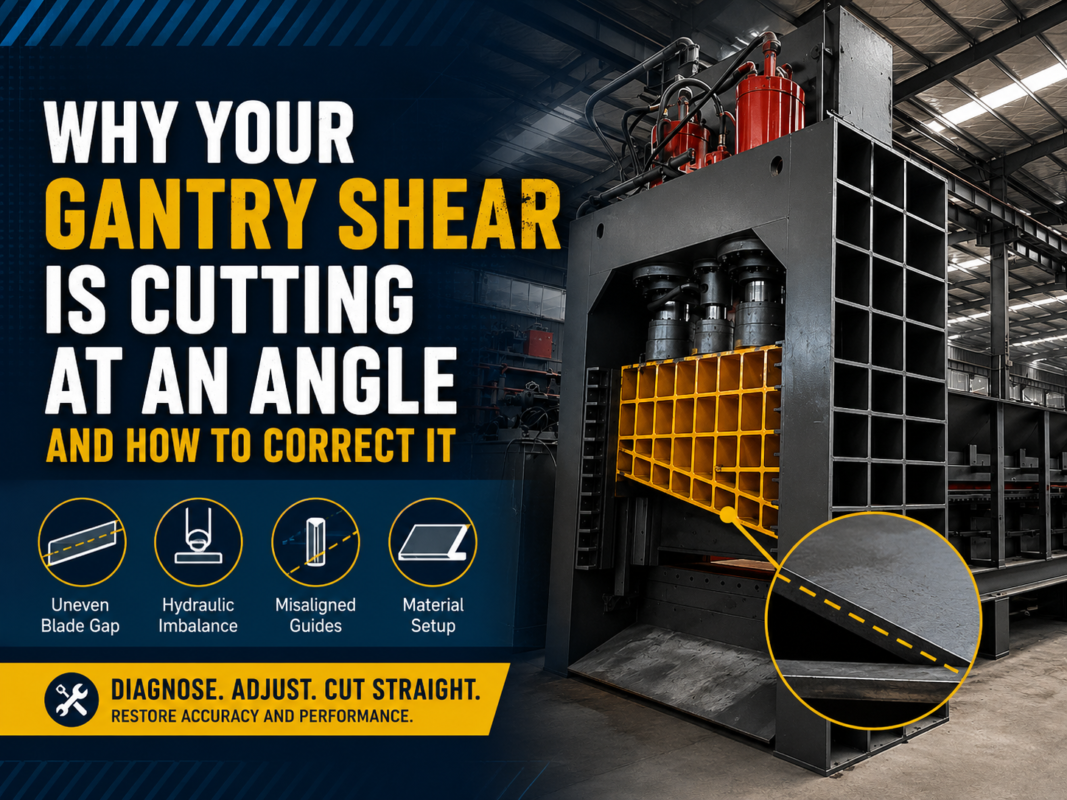
The precision of a scrap metal shear depends on the alignment of its moving parts. The slide blocks and guide rails ensure that the blade moves in a perfectly vertical or angled path. Over years of heavy use, these guides can wear down, creating “play” or clearance where there should be none. When the blade hits the metal, this play allows the entire ram assembly to shift laterally, resulting in a heavy thud or vibration. This is particularly prevalent in older machines where the lubrication systems may have failed intermittently.
Misalignment can also occur in the coupling between the electric motor and the hydraulic pump. If these two components are not perfectly aligned, the rotational imbalance creates a constant vibration that increases with motor speed. This type of vibration is usually constant and rhythmic, unlike the intermittent shocks felt during the actual shearing process. Using laser alignment tools during installation and after major repairs is the industry standard for preventing this issue.
3. Structural Resonance and Frequency Matching
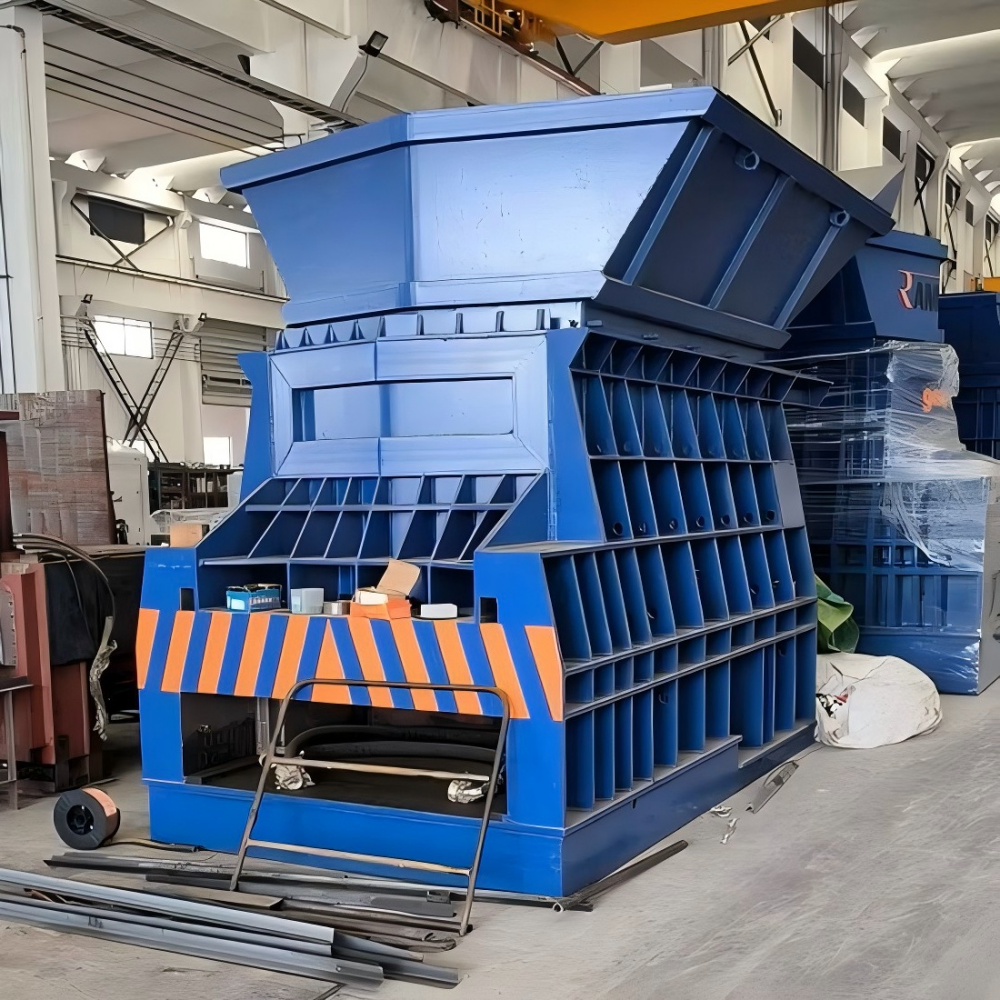
Every physical structure has a natural frequency at which it prefers to vibrate. If the operational frequency of the shear (the rhythm of the strokes or the RPM of the pump) matches the natural frequency of the machine frame or the foundation, resonance occurs. Resonance exponentially amplifies the vibration, potentially leading to structural cracks. This is why high-quality manufacturers like HARSLE design their frames with heavy ribbing and specific mass distributions to ensure that the natural frequency is far outside the operational range.
4. Pressure Relief Valve Malfunction
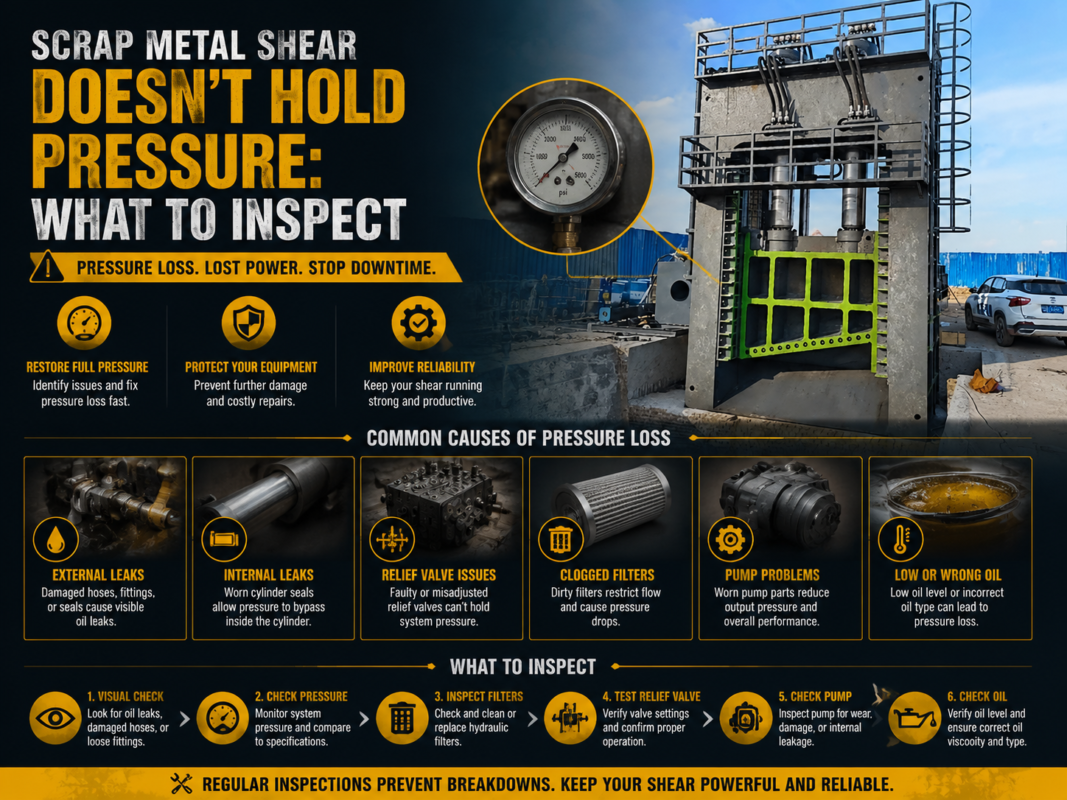
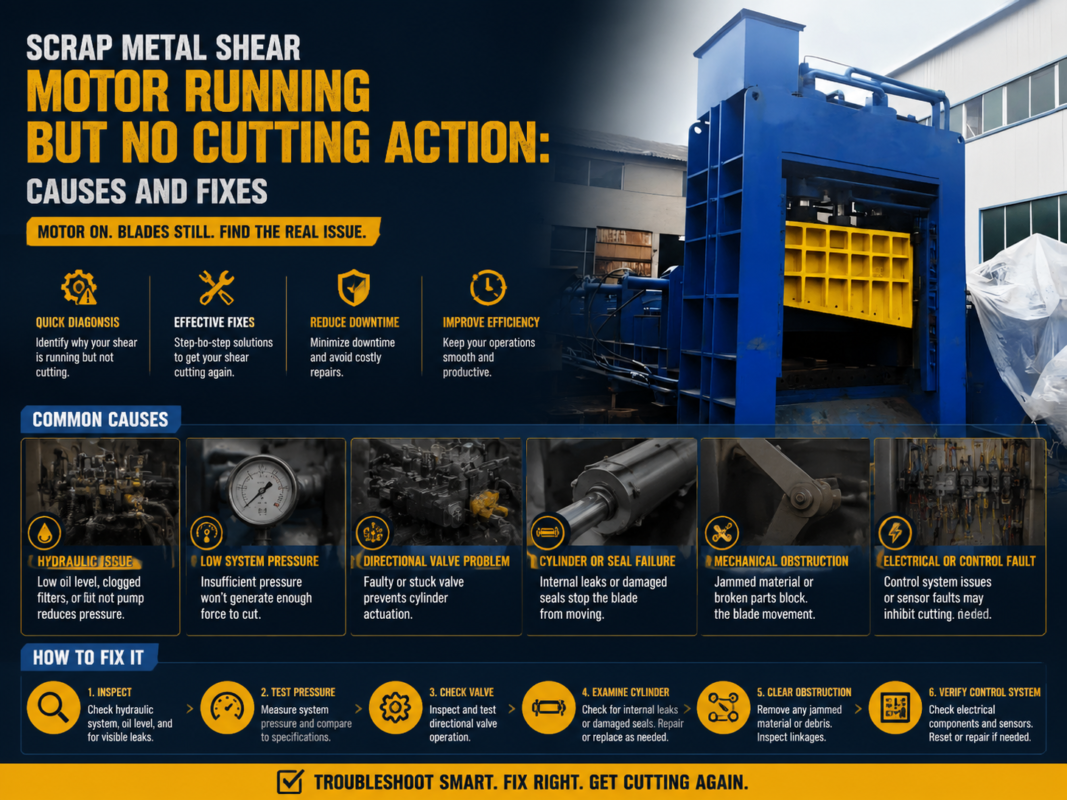
The pressure relief valve acts as a safety mechanism, diverting fluid when the pressure exceeds a set limit. If this valve is faulty or set incorrectly, it may open and close rapidly (a phenomenon known as “chattering”). This rapid cycling creates pressure waves in the hydraulic lines, which manifest as high-frequency vibrations. If the valve is stuck partially open, the pump may struggle to maintain pressure, leading to an inconsistent cutting force and further mechanical instability.
Selection Advice for High-Performance Shears
When purchasing a new scrap metal shear, choosing a model designed to minimize vibration is a wise long-term investment. Look for machines with a “monoblock” or heavily welded frame construction. These designs offer superior rigidity compared to bolted frames, as they provide fewer points for vibration to originate. A heavier machine is generally better at dampening vibration, as the increased mass requires more energy to move.
Consider the hydraulic technology integrated into the machine. Modern shears often feature “soft-shift” valves and variable displacement pumps. Soft-shift valves allow the hydraulic fluid to change direction more gradually, reducing the “hydraulic shock” that occurs at the end of a stroke. Variable displacement pumps can adjust their output based on the load, ensuring that the machine only uses the necessary force, which naturally reduces the stress and vibration during lighter cutting tasks.
Another factor to evaluate is the blade adjustment system. Machines that allow for easy and precise blade gap adjustment enable operators to fine-tune the shear for different materials. As discussed, a proper blade gap is essential for reducing the breakthrough shock. Some advanced HARSLE models feature semi-automatic blade gap settings, which take the guesswork out of the process and ensure the machine is always operating in its “sweet spot.”
| Feature | Impact on Vibration | Recommendation |
|---|---|---|
| Frame Weight | Higher mass absorbs more kinetic energy. | Choose heavy-duty cast or reinforced steel frames. |
| Hydraulic Damping | Reduces pressure spikes during the cut. | Look for accumulators or soft-shift valve technology. |
| Guide System | Prevents lateral movement of the blade. | Prefer adjustable bronze or composite wear plates. |
| Foundation Requirements | Transfers energy safely to the ground. | Follow manufacturer specs for concrete depth and PSI. |
Maintenance Checklist to Reduce Vibration
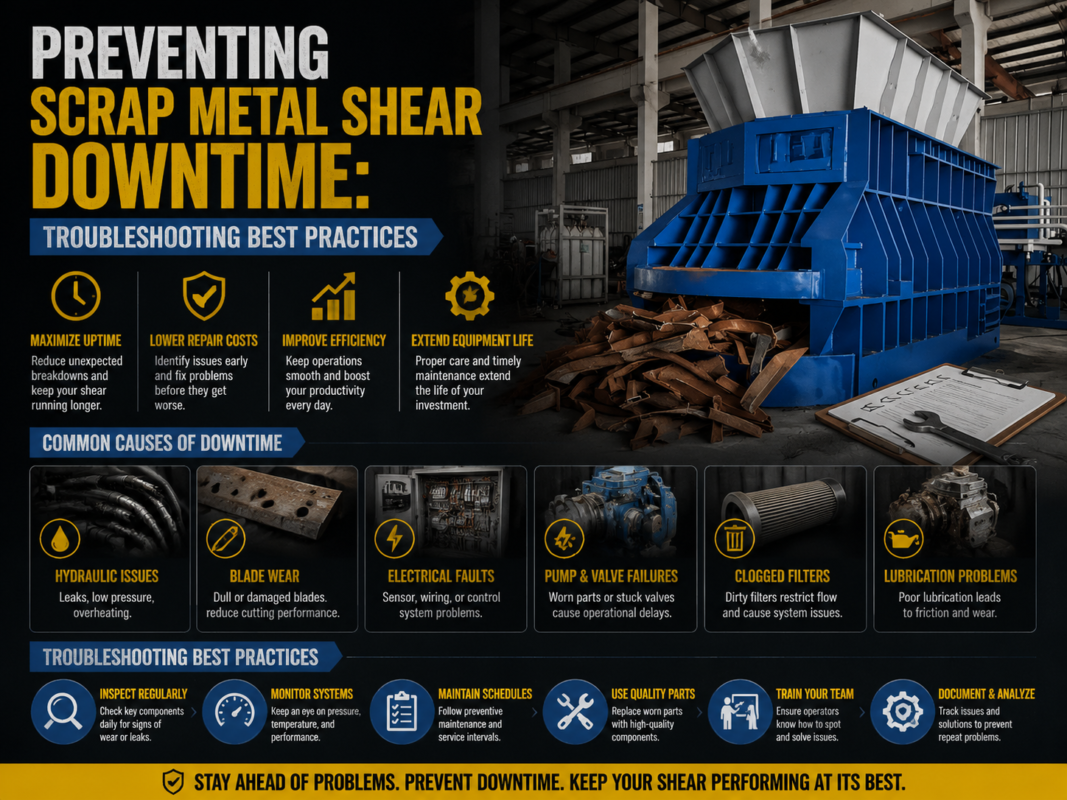
To keep your scrap metal shear operating at peak efficiency, a rigorous maintenance schedule is required. Below is a checklist specifically focused on identifying and eliminating sources of excessive vibration:
- Daily: Inspect blades for chips or excessive dullness. Check for loose scrap metal jammed in the guide rails.
- Weekly: Check hydraulic oil levels and look for signs of foaming (which indicates air in the system). Inspect all visible bolts and nuts for tightness.
- Monthly: Grease all slide ways and pivot points. Check the condition of the hydraulic filters; clogged filters can cause pump cavitation.
- Quarterly: Perform a pressure test on the hydraulic system to ensure the relief valves are operating at the correct settings. Check the alignment of the motor and pump.
- Annually: Inspect the foundation for cracks or settling. Replace worn wear plates and bushings in the guide system.
FAQ: Common Questions About Shear Vibration
Is some vibration normal during shearing?
Yes, a certain level of vibration is expected when cutting through thick metal. The “breakthrough” moment, where the metal finally yields, will always produce a minor shock. However, if the vibration causes the machine to move on its foundation, creates a deafening noise, or results in visible shaking of the hydraulic lines, it is considered excessive and needs attention.
Can the wrong hydraulic oil cause vibration?
Absolutely. If the oil viscosity is too low, it may not provide enough lubrication for the pump and cylinders, leading to friction-induced vibration. If the viscosity is too high, the pump may struggle to draw the oil, leading to cavitation. Always use the oil grade recommended by the manufacturer, such as HARSLE’s specifications for their industrial shears.
How do I know if my blades are the cause?
If the vibration is most intense at the exact moment the blade touches the metal and continues throughout the cut, the blades are likely dull or the gap is too wide. A clean cut should produce a sharp “crack” rather than a prolonged grinding or shaking sensation.
What is the danger of ignoring excessive vibration?
Ignoring vibration can lead to cracked weldments on the machine frame, premature failure of hydraulic pumps, and ruptured high-pressure hoses. Most importantly, it poses a safety risk to the operator, as parts could potentially break off under high tension.
Can I install vibration pads under my shear?
While vibration-dampening pads can help reduce the noise transmitted to the rest of the building, they are not a substitute for a proper foundation. For heavy scrap shears, the machine should be securely anchored to a reinforced concrete pad to ensure structural integrity.
Conclusion
Understanding why a scrap metal shear vibrates excessively during operation is a vital skill for any facility manager or machine operator. Whether the cause is as simple as a loose bolt or as complex as hydraulic cavitation, addressing the issue promptly is essential for maintaining productivity. By focusing on high-quality equipment selection, such as the robust offerings from HARSLE, and adhering to a strict maintenance regimen, you can significantly reduce vibration and extend the life of your machinery.
In the demanding environment of metal fabrication, stability is synonymous with efficiency. A smooth-running shear not only produces better results but also creates a safer and more professional working environment. Keep your blades sharp, your hydraulic systems clean, and your foundations solid, and your scrap metal shear will provide years of reliable service.