Troubleshooting Slow Scrap Metal Shear Cycle Times: A Comprehensive Industrial Guide

Introduction to Scrap Metal Shear Efficiency
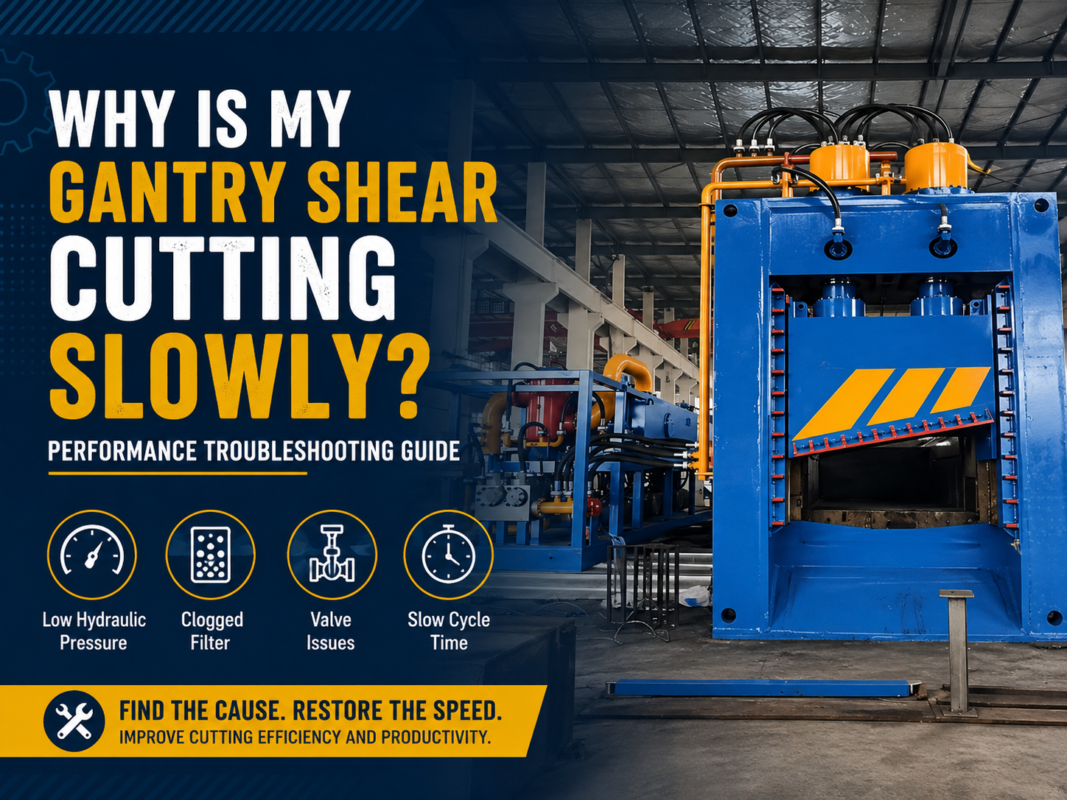
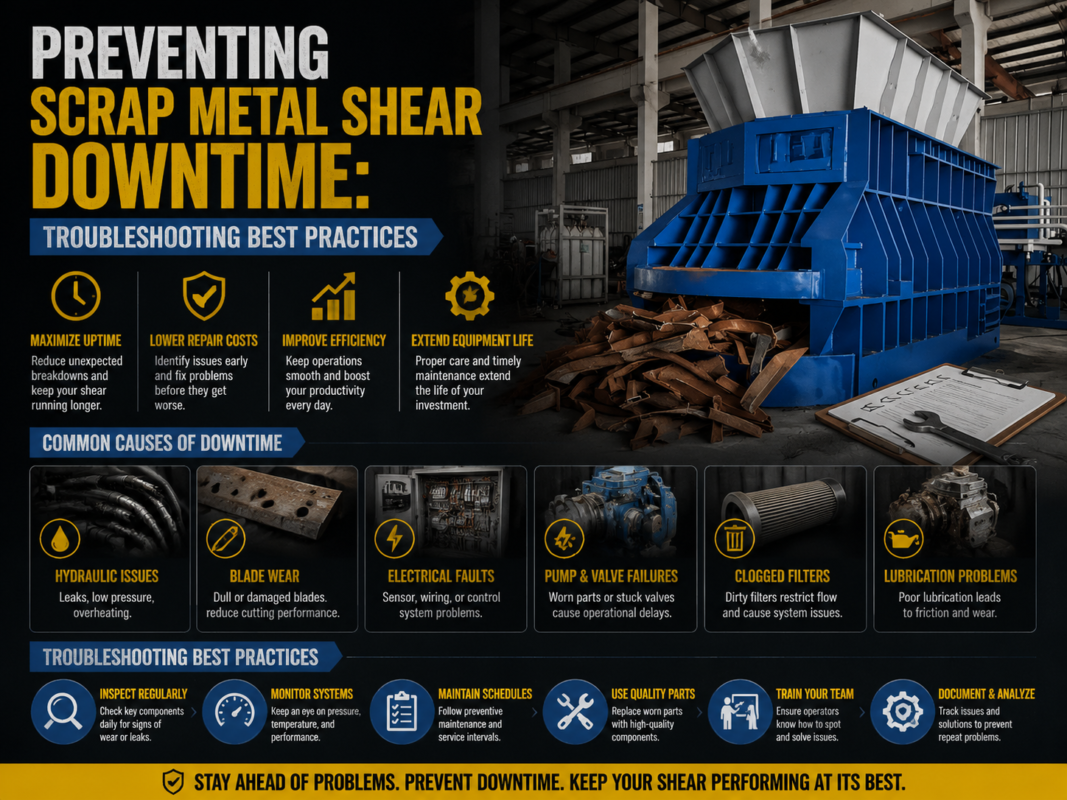
In the high-stakes world of metal recycling and industrial fabrication, throughput is the primary metric of success. Scrap metal shears, particularly heavy-duty container shears and gantry shears, are the workhorses of the yard. When these machines operate at peak performance, they process tons of material per hour, ensuring a steady flow of prepared scrap for foundries and mills. However, one of the most frustrating and costly issues a facility manager can face is a noticeable decrease in cycle times. Troubleshooting slow scrap metal shear cycle times is not just about fixing a broken part; it is about optimizing a complex interplay of hydraulics, electronics, and mechanical engineering.
A slow cycle time—the duration it takes for the shear to complete one full stroke from the open position, through the cut, and back to the start—directly impacts the bottom line. If a machine designed for four cycles per minute drops to two, the facility’s productivity is effectively halved while labor and energy costs remain constant. This guide is designed to provide a deep technical dive into the root causes of sluggish performance and offer actionable solutions to restore your HARSLE machinery to its original factory specifications.
Understanding the anatomy of a cycle is the first step. A typical cycle involves the feeding of material, the closing of the lid or side-press, the downward stroke of the shear blade, and the retraction of all components. Any delay in these sub-movements contributes to the overall slowdown. By systematically analyzing each phase, operators can pinpoint whether the issue lies in the hydraulic power unit, the electrical control logic, or the physical resistance of the mechanical assembly.
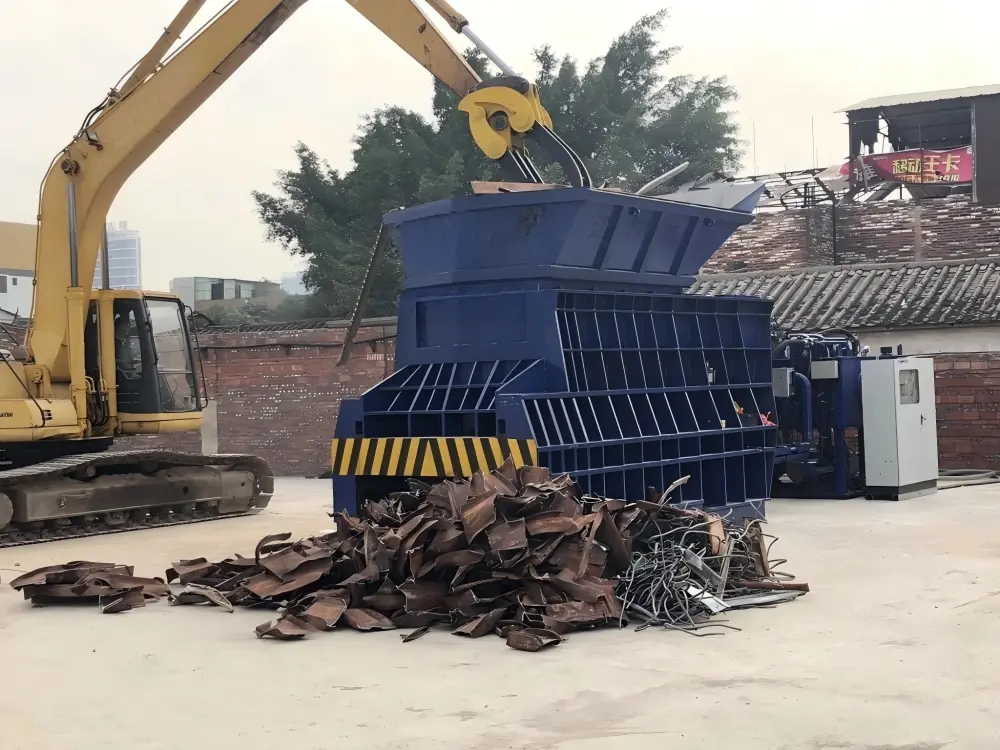
Key Considerations for Diagnosing Slow Performance
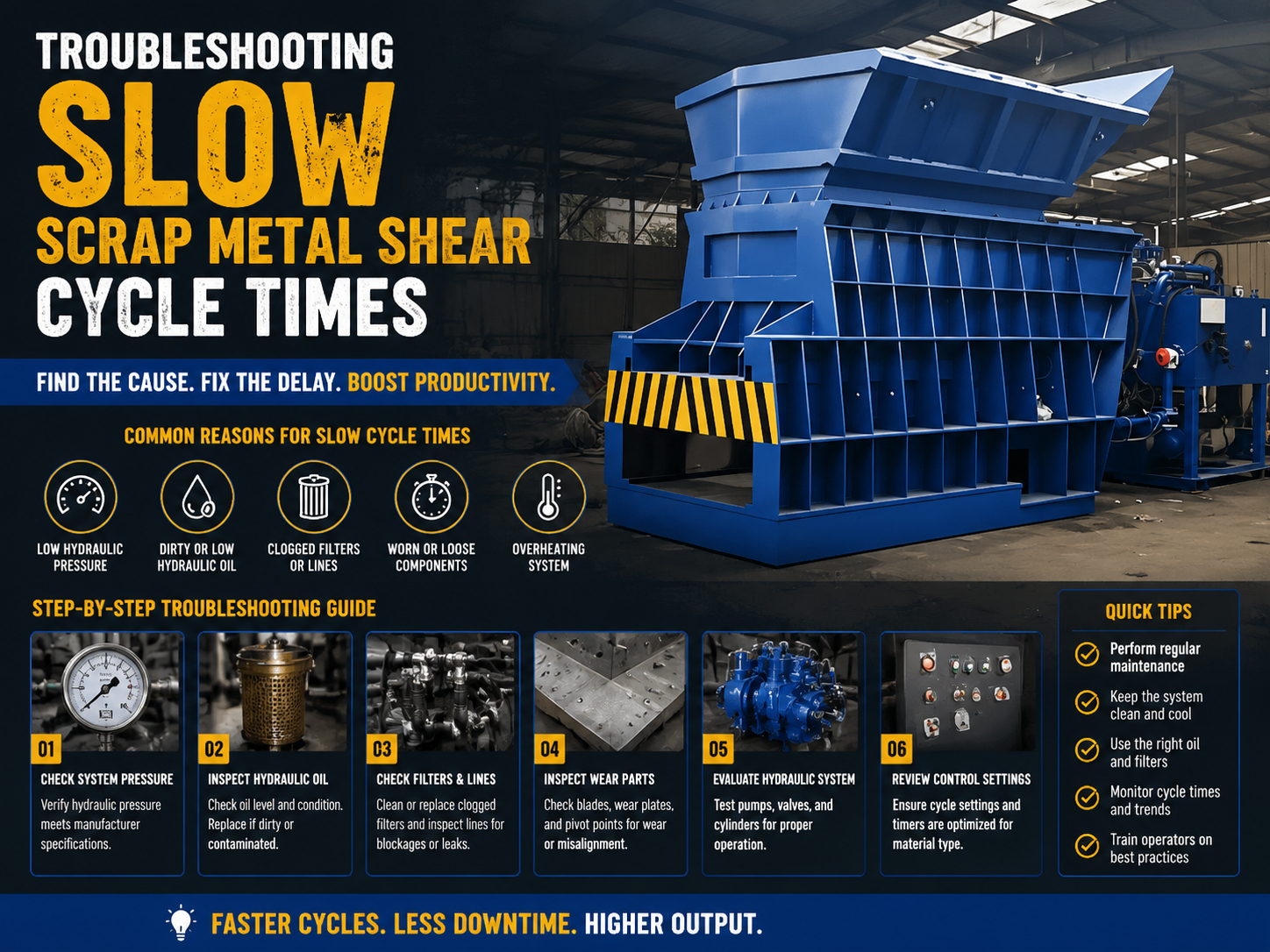
When troubleshooting slow scrap metal shear cycle times, it is essential to look at the machine as a holistic system. Often, the symptom (slow movement) is far removed from the actual cause. Before diving into the complex internal components, start with the most common external factors that influence speed. These include the quality of the hydraulic fluid, the ambient operating temperature, and the type of material being processed. If the shear is struggling with oversized or excessively hardened scrap, the relief valves will trigger more frequently, slowing the stroke to protect the machine.
Hydraulic fluid health is perhaps the most critical consideration. As oil ages, it loses its viscosity and lubricating properties. Contaminated oil can lead to internal wear in pumps and valves, causing internal leakage. This leakage means that a portion of the oil intended to move the cylinder is instead slipping back to the tank, resulting in slower movement. Furthermore, if the oil is too hot, its viscosity drops, leading to the same efficiency loss. Conversely, if the oil is too cold, it becomes thick and resistant to flow, particularly during the first hour of operation in winter months.
Another key consideration is the electrical control system. Modern scrap shears utilize Programmable Logic Controllers (PLCs) and a network of sensors (limit switches, pressure transducers, and proximity sensors) to manage the sequence of operations. If a sensor is misaligned or failing, it may send a delayed signal to the PLC, or the PLC may wait for a ‘clear’ signal that is slow to arrive. This creates ‘dead time’ between the mechanical movements, where the machine appears to be doing nothing for several seconds. Checking the PLC’s I/O (Input/Output) status during a cycle can reveal these hidden delays.
The Impact of Mechanical Friction and Wear
Mechanical resistance is a frequently overlooked factor in cycle time degradation. The shear slide moves within heavy-duty guides or wear plates. Over time, these plates can become worn, scarred, or improperly lubricated. Increased friction requires more hydraulic pressure to overcome, which can slow down the approach speed of the blade. Furthermore, if the blade gap (the clearance between the upper and lower blades) is too wide, the machine will struggle to ‘snap’ the metal, leading to a prolonged cutting phase where the system builds maximum pressure just to shear through the material.
Technical Details: Deep Dive into Hydraulic and Electrical Systems
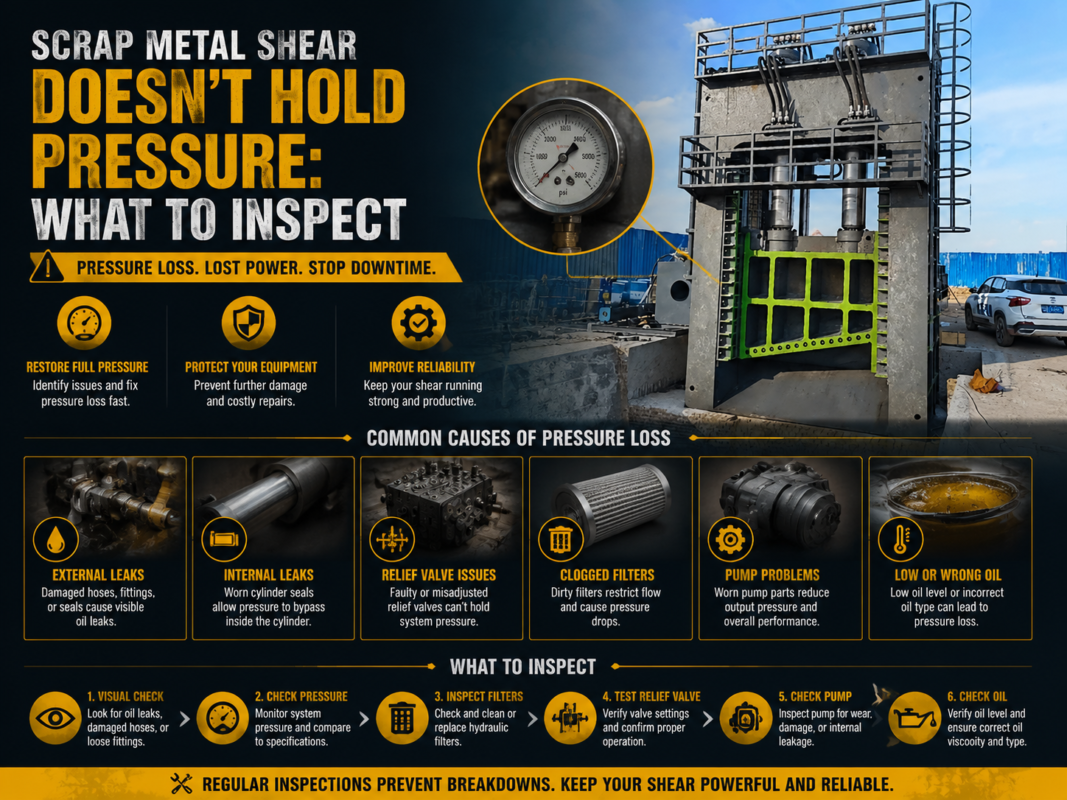
To effectively troubleshoot slow scrap metal shear cycle times, one must understand the technical specifications of the hydraulic power unit (HPU). The HPU is responsible for converting electrical energy into fluid power. If the motor is underperforming or the pump is failing, the entire system suffers. In HARSLE machines, we utilize high-efficiency axial piston pumps that are designed for variable displacement. If the displacement control mechanism (the swashplate) is stuck or sluggish, the pump will not reach its full flow rate, directly resulting in slow cylinder speeds.
Hydraulic Pump Efficiency and Cavitation
The pump is the heart of the shear. A common cause of slow cycles is pump cavitation or aeration. Cavitation occurs when the pump cannot pull enough oil from the reservoir, often due to a clogged suction filter or a restricted intake line. This creates vacuum bubbles that implode with violent force, damaging the pump internals and significantly reducing flow. If you hear a high-pitched whining or ‘marbles in a blender’ sound, cavitation is likely the culprit. Regular inspection of suction strainers and ensuring the reservoir is filled to the correct level are vital maintenance steps.
Valve Block and Logic Element Failures
Large scrap shears use a manifold system with logic valves or cartridge valves to handle high flow rates. If a logic valve’s seal is damaged, or if the spring has weakened, the valve may not open fully or may allow ‘cross-talk’ between hydraulic circuits. For example, if the oil intended for the main shear cylinder is partially diverted back to the tank through a faulty relief valve or a leaking directional valve, the cylinder will move slower. Technicians should use flow meters and pressure gauges at various test points to identify where the flow is being lost.
| Component | Common Issue | Symptom | Solution |
|---|---|---|---|
| Hydraulic Pump | Internal Wear / Swashplate sticking | Consistent slow speed under all loads | Rebuild or replace pump; check displacement settings |
| Main Relief Valve | Set too low or debris in seat | Machine stalls or slows under heavy load | Clean valve seat and reset to factory PSI |
| Directional Valve | Solenoid failure or spool wear | Delayed start of movement | Check electrical signal; replace spool or seals |
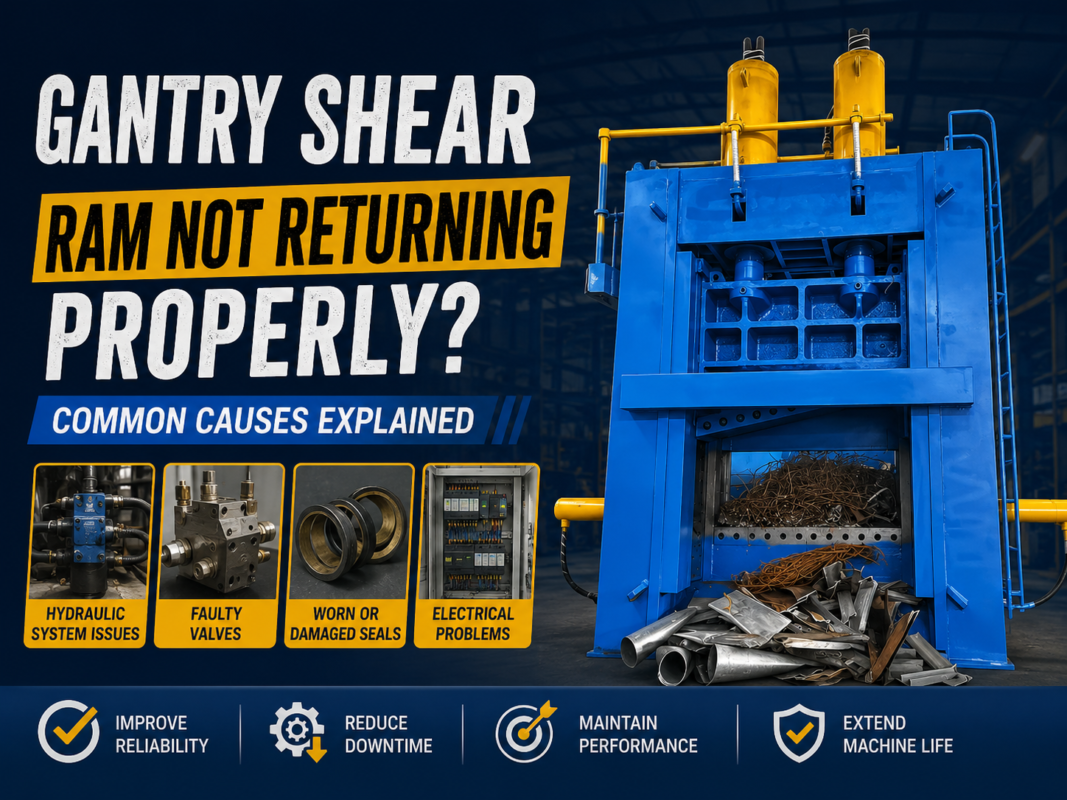
| Cylinder Seals | Internal bypassing | Slow movement and heat buildup in cylinder | Replace piston seals |
| Suction Filter | Clogging | Noisy pump and erratic speed | Replace filter and check oil quality |
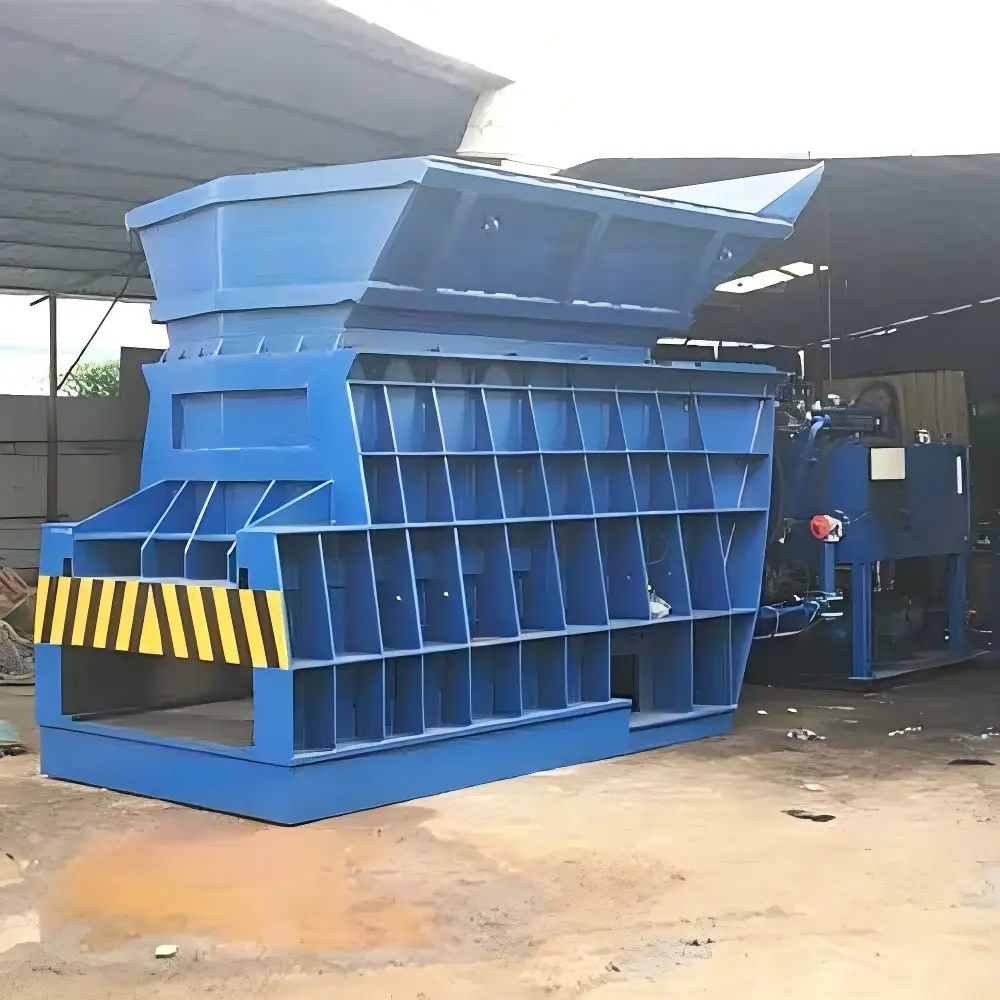
Cylinder Internal Bypassing
The main shear cylinder is subject to immense pressures. Over years of service, the internal piston seals can wear out. When this happens, high-pressure oil can leak from the ‘push’ side of the piston to the ‘return’ side. This is known as internal bypassing. Because the oil is moving within the cylinder rather than pushing the piston forward, the stroke slows down significantly. A tell-tale sign of this is a cylinder that becomes excessively hot to the touch compared to the rest of the hydraulic system, as the energy of the pressurized oil is converted into heat during the bypass.
Selection Advice: Choosing and Maintaining the Right Shear
When purchasing a scrap metal shear, or when looking to upgrade to avoid future cycle time issues, selection criteria should focus on the robustness of the hydraulic circuit and the sophistication of the control system. HARSLE recommends looking for machines equipped with regenerative circuits. A regenerative circuit allows the oil from the rod end of the cylinder to be redirected to the cap end during the fast-approach phase, effectively doubling the speed of the stroke without requiring a larger pump. This is a standard feature on high-performance HARSLE shears and is a key factor in achieving competitive cycle times.
Furthermore, consider the cooling capacity of the machine. In high-volume scrap yards, shears run 10-16 hours a day. Without an oversized oil cooler (heat exchanger), the hydraulic fluid will inevitably overheat, leading to the sluggishness discussed earlier. Opt for machines with independent cooling loops that can maintain oil temperatures between 40°C and 55°C even in peak summer conditions. This ensures consistent viscosity and protects the longevity of your seals and pumps.
Checklist for Maintaining Peak Cycle Times
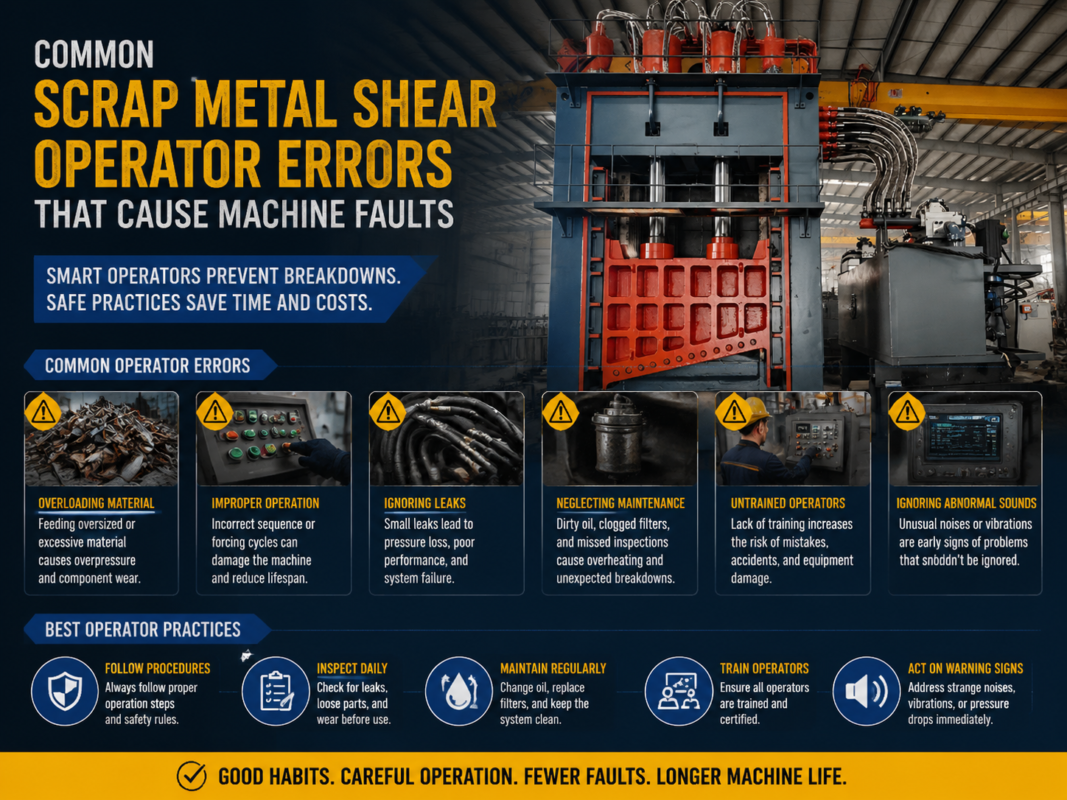
- Daily: Check hydraulic oil levels and inspect for external leaks. Listen for unusual pump noise.
- Weekly: Grease all mechanical pivot points and shear slide guides. Check the blade gap and tighten bolts.
- Monthly: Inspect electrical cabinets for loose wiring and clean air filters on the cooling fans.
- Quarterly: Perform a hydraulic oil analysis to check for contamination and additive depletion.
- Annually: Calibrate all pressure transducers and check the accumulator pre-charge (if equipped).
Investing in a machine with a user-friendly HMI (Human Machine Interface) is also beneficial. Modern HARSLE shears provide real-time diagnostics on the screen, allowing operators to see exactly which part of the cycle is lagging. This transparency reduces troubleshooting time from hours to minutes, as the PLC can often point directly to a failed sensor or a pressure drop in a specific circuit.
Frequently Asked Questions (FAQ)
Why does my shear slow down after two hours of operation?
This is almost always related to heat. As the hydraulic oil heats up, its viscosity decreases (it becomes thinner). Thinner oil leaks more easily past internal seals in the pump, valves, and cylinders. This internal leakage reduces the effective flow rate to the cylinders, slowing them down. Check your oil cooler for blockages or fan failure.
Can a dull blade cause slow cycle times?
Yes. While a dull blade doesn’t change the speed of the cylinder’s approach, it significantly increases the time spent in the ‘cutting’ phase. The machine must build up to maximum relief pressure to force a dull blade through the material, whereas a sharp blade would shear the metal at a lower pressure and move through the material much faster.
How do I know if my hydraulic pump is failing?
The most accurate way is to perform a flow test under load. If the pump produces its rated flow at low pressure but the flow drops significantly as the pressure increases, the pump is worn internally. Excessive noise and heat generation at the pump housing are also strong indicators of failure.
What is the ideal cycle time for a container shear?
Cycle times vary by model and material. However, a standard heavy-duty container shear should typically complete a full dry cycle (no material) in 40 to 60 seconds. Under load, this may increase depending on the density of the scrap. Always refer to your HARSLE technical manual for the specific benchmarks of your model.
Conclusion: Maximizing Your ROI Through Proactive Maintenance
Troubleshooting slow scrap metal shear cycle times is an essential skill for any industrial operation looking to maximize its return on investment. By understanding that speed is a product of hydraulic flow, electrical precision, and mechanical freedom, you can move beyond guesswork and implement a scientific approach to machine repair. A well-maintained shear is not only faster but also safer and more energy-efficient, reducing the cost per ton of processed scrap.
At HARSLE, we are committed to providing not just world-class machinery, but also the technical expertise required to keep that machinery running at peak performance. Whether you are dealing with a minor slowdown or a significant production bottleneck, the steps outlined in this guide—from checking oil viscosity to auditing PLC logic—will help you restore your equipment’s throughput. Remember, in the scrap industry, time is literally money. Don’t let a slow cycle time drain your profits; take a proactive approach to troubleshooting and maintenance today.