Why Your Scrap Metal Shear Is Making Unusual Noise and How to Fix It

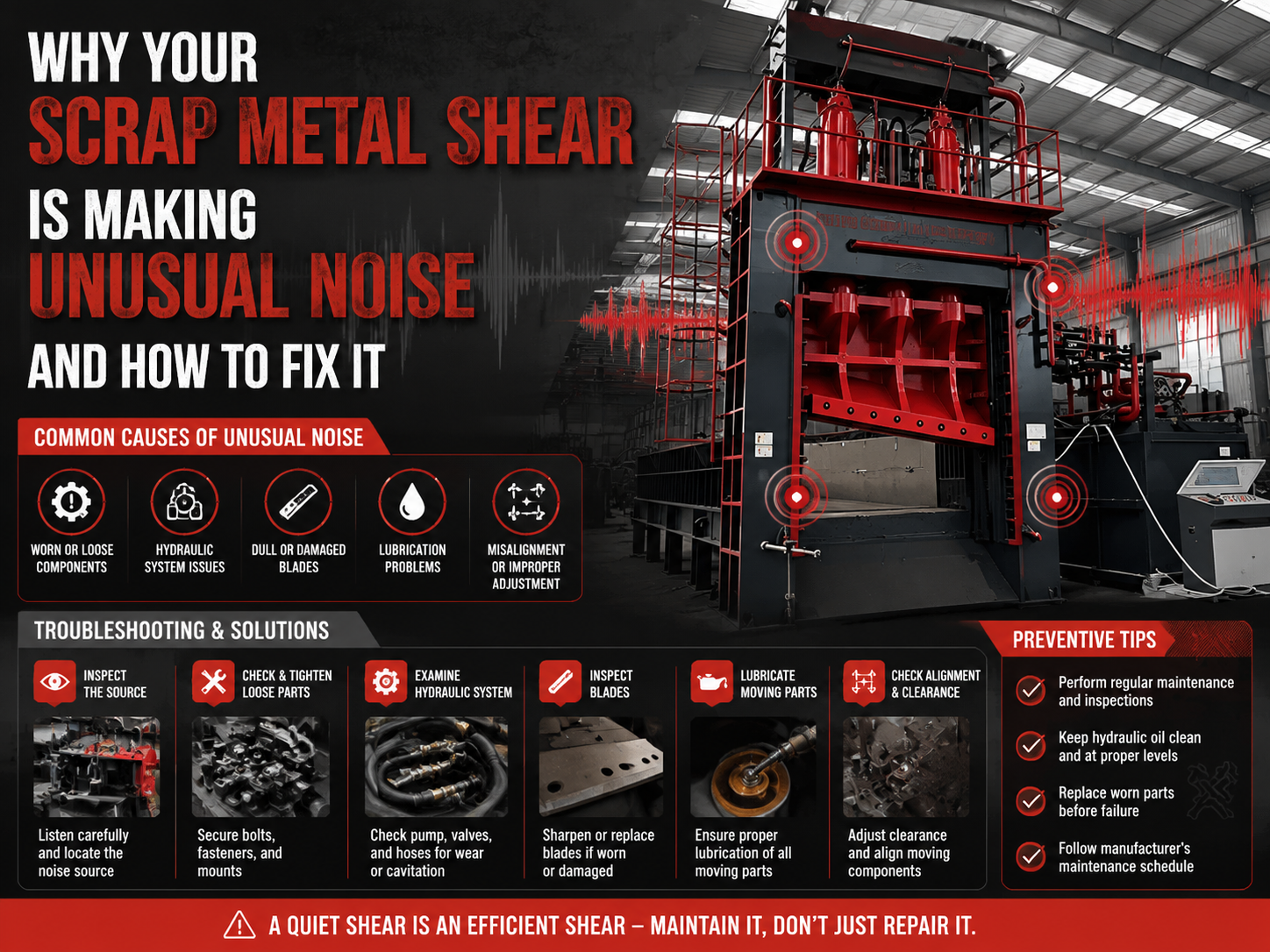
Introduction: Understanding the Warning Signs of Your Scrap Metal Shear
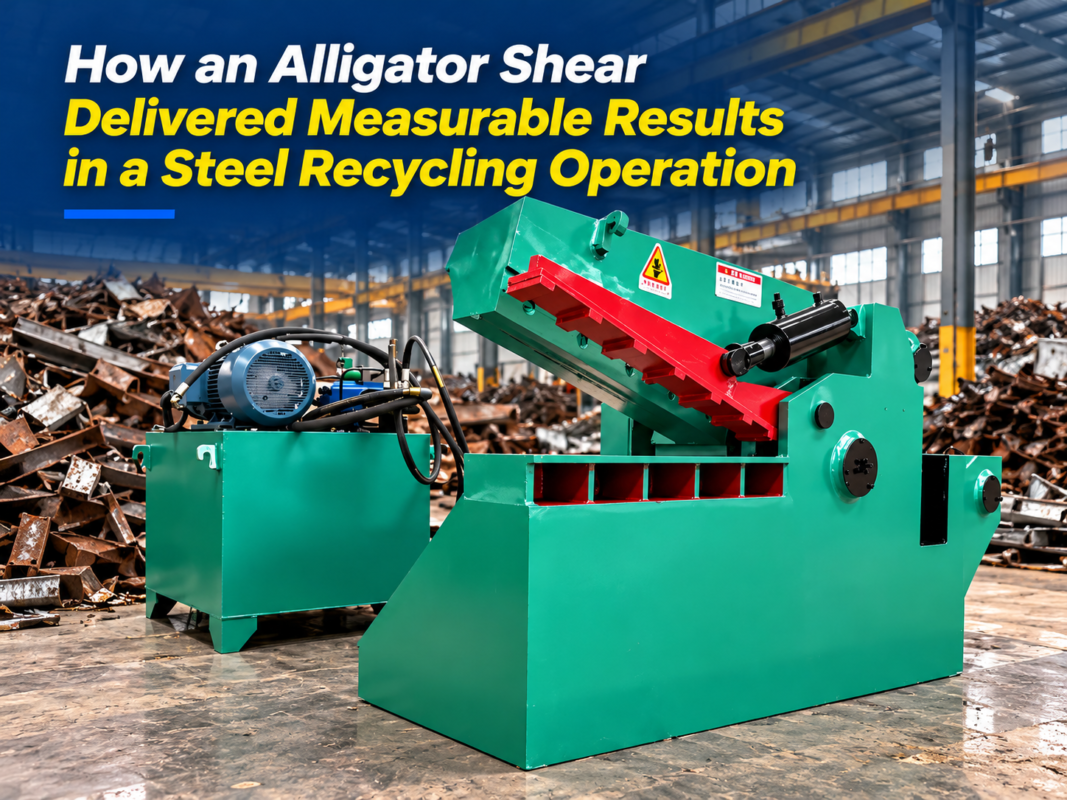
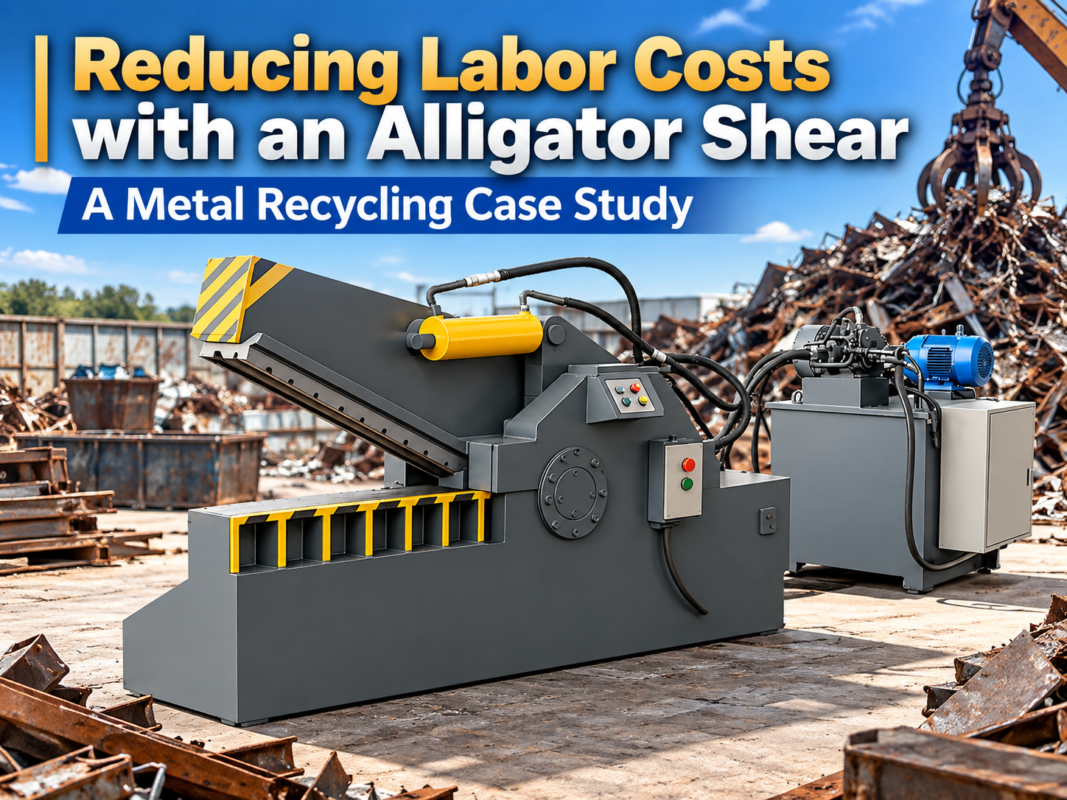
In the high-intensity world of metal recycling and industrial fabrication, the scrap metal shear is the workhorse of the yard. Whether you are operating a massive gantry shear or a versatile alligator shear, these machines are designed to handle immense pressure and heavy-duty materials. However, like any precision-engineered industrial equipment, they are susceptible to wear and tear. One of the most common indicators that something is wrong is a change in the acoustic profile of the machine. If your Scrap Metal Shear Is Making Unusual Noise Fix It becomes your top priority to prevent catastrophic failure and ensure operator safety.
Unusual noises are rarely just a nuisance; they are the machine’s way of communicating internal distress. A well-maintained shear should operate with a consistent, rhythmic sound—the hum of the electric motor, the steady flow of hydraulic fluid, and the clean ‘thud’ of the blade meeting the anvil. When these sounds are replaced by high-pitched squeals, grinding metal, or erratic banging, it is a signal that components are misaligned, lubrication is failing, or the hydraulic system is compromised. Ignoring these sounds can lead to expensive downtime, ruined materials, and potential injury.
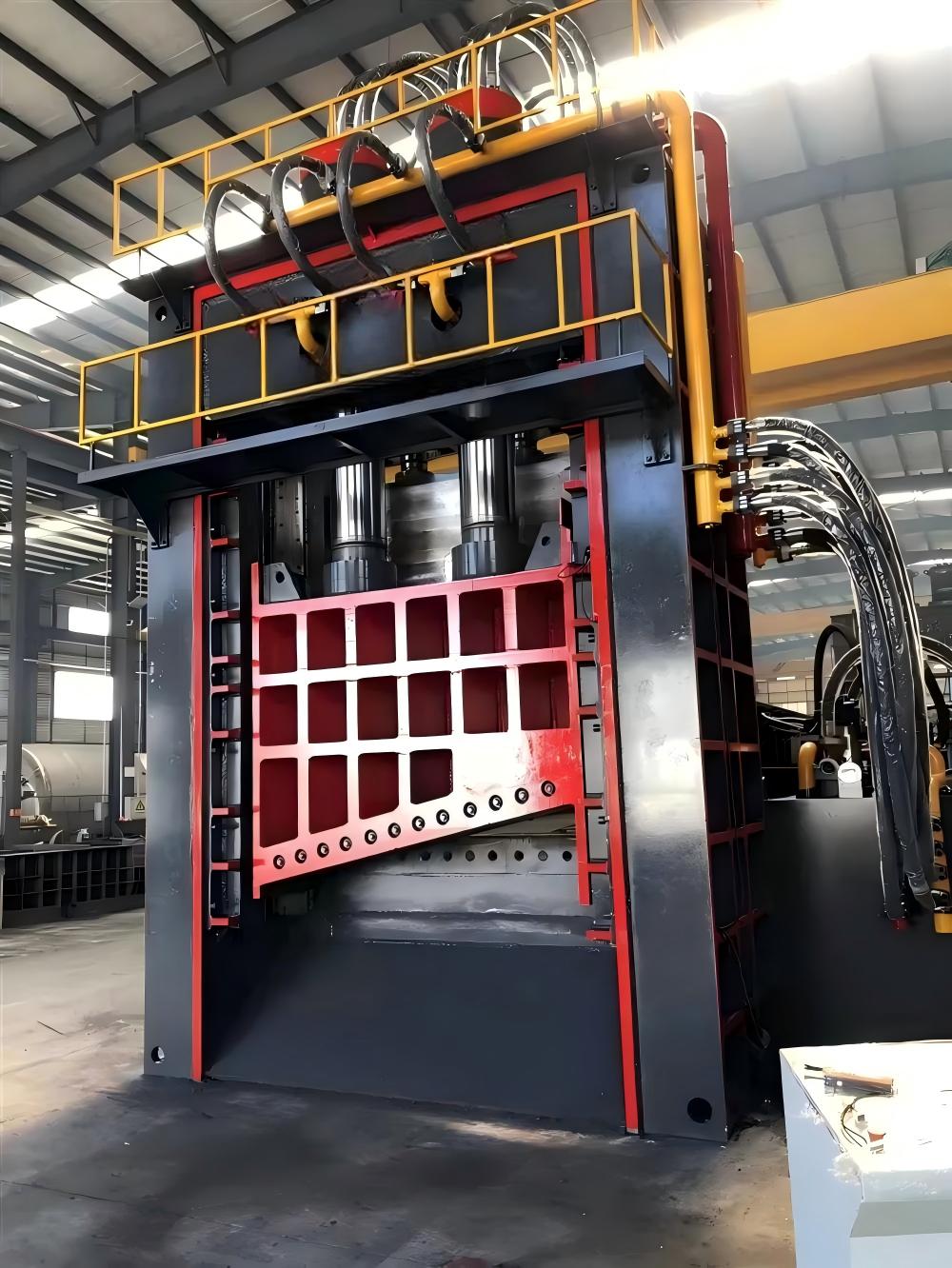
This comprehensive guide is designed to help facility managers, maintenance technicians, and machine operators identify the root causes of noise in scrap metal shears. We will delve into the technical nuances of hydraulic systems, mechanical clearances, and structural integrity. By the end of this article, you will have a clear roadmap for troubleshooting and resolving noise issues, ensuring your HARSLE equipment or any industrial shear remains a productive asset for years to come.
Key Considerations: Identifying the Type of Noise
Before diving into repairs, it is essential to categorize the noise. Different sounds point to different subsystems within the machine. Identifying the specific ‘flavor’ of the noise is the first step in the diagnostic process. For instance, a rhythmic clicking might suggest a mechanical obstruction, while a continuous high-pitched whine almost always points toward the hydraulic pump or fluid aeration.
1. Grinding and Screeching: These sounds are typically indicative of metal-on-metal contact where there should be lubrication or clearance. This often occurs at the blade slide guides or within the main pivot bearings of an alligator shear. If the bronze wear plates are depleted or if the lubrication system has failed, the friction generates intense heat and noise. This is a critical issue that requires immediate attention to prevent the seizing of moving parts.
2. Banging or Heavy Thumping: A heavy thumping sound during the shearing stroke often suggests that the material being cut is shifting violently or that the blade clearance is too wide. When the gap between the upper and lower blades is excessive, the metal ‘tears’ rather than ‘shears,’ creating a shockwave that reverberates through the machine frame. It can also indicate loose foundation bolts or a failing hydraulic dampening system.
3. Hissing and Whistling: These are classic signs of hydraulic issues. A hissing sound usually indicates a high-pressure leak, either internally through a valve or externally through a seal. Whistling can occur when fluid is forced through a restricted orifice, such as a partially blocked filter or a damaged hydraulic hose. These noises are often accompanied by a noticeable drop in shearing force and an increase in fluid temperature.
4. Cavitation (Rattling like Pebbles): If your hydraulic pump sounds like it is pumping gravel or pebbles, you are likely dealing with cavitation. This occurs when air bubbles form in the hydraulic fluid and implode under pressure. Cavitation is incredibly destructive to pump internals and is often caused by low fluid levels, clogged suction strainers, or air leaks in the intake line.
Technical Details: The Root Causes of Noise in Scrap Shears
Hydraulic System Anomalies
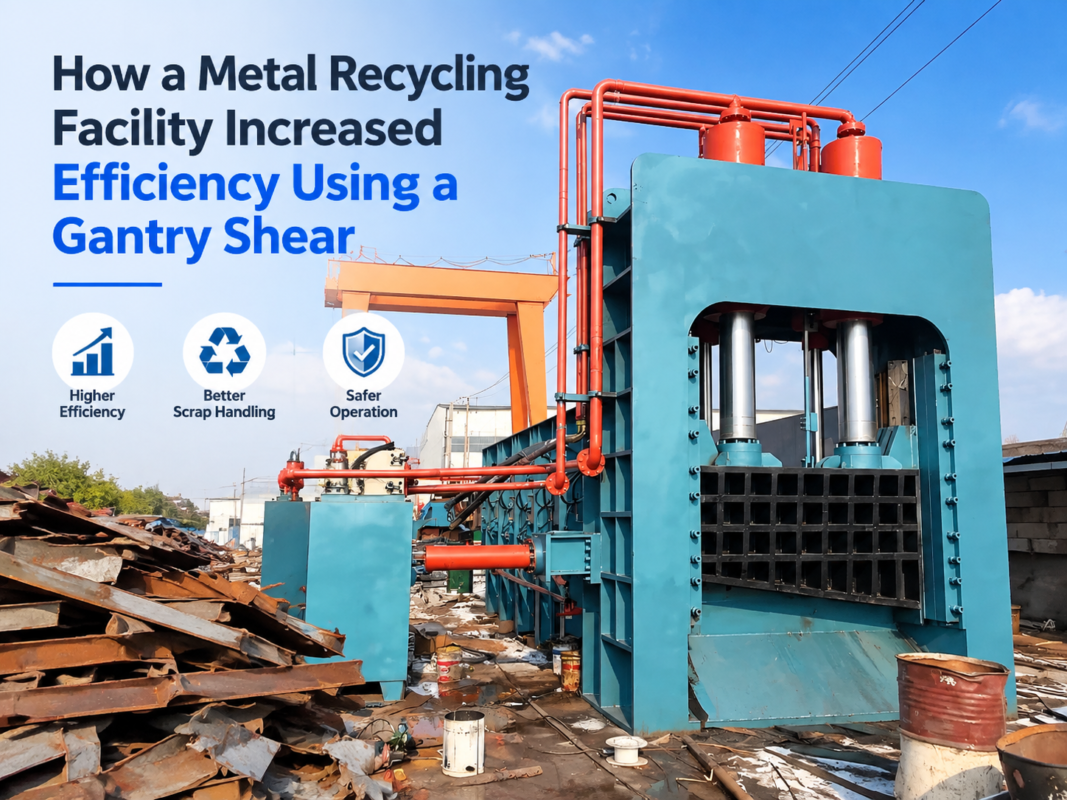
The hydraulic system is the heart of the scrap metal shear. In gantry shears, the massive cylinders require a steady, laminar flow of high-quality hydraulic oil. When the Scrap Metal Shear Is Making Unusual Noise Fix It by checking the oil quality first. Contaminated oil containing microscopic metal shavings or water can cause the valves to chatter. Furthermore, if the oil viscosity is too high (common in cold starts) or too low (due to overheating), the pump will struggle, leading to increased decibel levels.
Aeration is another technical culprit. If air enters the system through a loose fitting on the suction side, it mixes with the oil. As this aerated oil reaches the high-pressure side of the pump, the air bubbles compress and expand rapidly, creating a loud, erratic noise. This not only causes noise but also leads to ‘spongy’ operation, where the shear blade moves inconsistently or fails to reach full pressure.
Mechanical Clearance and Blade Alignment
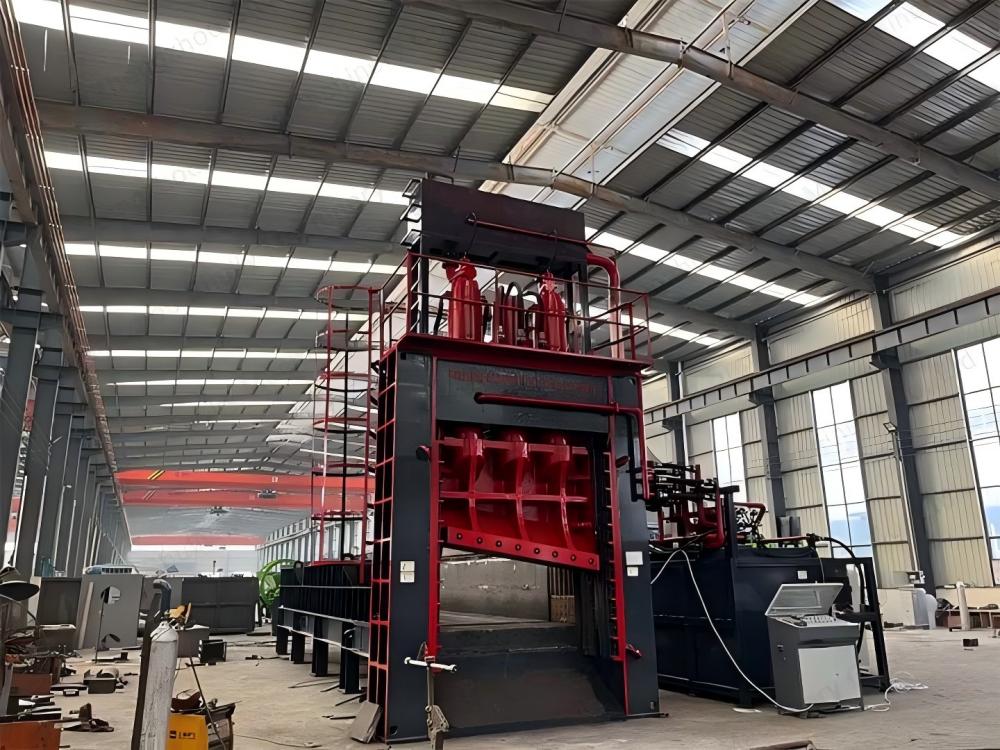
The physics of shearing requires a very specific clearance between the moving blade and the fixed blade. This clearance is typically calculated based on the thickness and tensile strength of the scrap metal being processed. Over time, the bolts holding the blades can stretch or loosen due to the immense vibration. When the blades are misaligned, they may rub against each other (grinding) or be too far apart (banging).
Furthermore, the guide rails (or gibs) that maintain the vertical travel of the ram must be perfectly adjusted. If there is too much ‘play’ in the guides, the ram will tilt slightly during the cut, causing a jarring noise as it realigns itself under load. Regular adjustment of these wear plates is a technical necessity for any high-volume scrap yard.
Structural and Foundation Integrity
Industrial shears exert hundreds of tons of force. This force must be dissipated into the ground. If the foundation is cracked or if the anchor bolts have vibrated loose, the entire machine frame can flex or shift during operation. This structural movement creates deep, low-frequency booming sounds. In gantry shears, even a few millimeters of frame flex can throw the entire hydraulic cylinder alignment out of sync, leading to secondary noises in the seals and rods.
Selection Advice: Choosing a Shear That Stays Quiet
When purchasing a new scrap metal shear, noise reduction should be a key consideration in your selection criteria. Modern engineering has introduced several features that help mitigate noise and vibration. If you are in the market for a new machine, consider the following:
- Variable Displacement Pumps: These pumps adjust their output based on demand, reducing the constant high-pitched whine associated with fixed-displacement pumps running at full bypass.
- Shock-Absorbing Mounts: High-quality shears like those from HARSLE often feature vibration-dampening mounts for the motor and pump assembly, preventing noise from resonating through the steel frame.
- Automated Lubrication Systems: A machine that lubricates itself ensures that wear plates and bearings never run dry, preventing the grinding noises associated with manual maintenance neglect.
- Robust Frame Construction: Look for shears with heavy, cast, or thick-plate welded frames. A heavier frame has a higher natural frequency and is less likely to vibrate or ‘ring’ during the shearing process.
- Advanced Control Systems: PLC-controlled shears can manage the ‘soft-start’ and ‘soft-stop’ of hydraulic cycles, reducing the hydraulic shock (water hammer effect) that causes banging in the pipes.
Investing in a HARSLE gantry shear, for example, provides the benefit of precision-machined components that are tested for acoustic output before leaving the factory. Choosing a reputable manufacturer ensures that the Scrap Metal Shear Is Making Unusual Noise Fix It issues are minimized from day one through superior design.
Troubleshooting and Maintenance Checklist
If your machine is already making noise, use the following table to guide your immediate actions:
| Noise Type | Probable Cause | Recommended Fix |
|---|---|---|
| High-pitched Whine | Pump Cavitation / Low Oil | Check oil level; clean suction filters; check for air leaks in intake. |
| Metal Grinding | Lack of Lubrication / Blade Rub | Grease all points; check blade clearance; inspect wear plates. |
| Loud Banging | Loose Bolts / Excessive Blade Gap | Tighten foundation and blade bolts; adjust blade clearance to spec. |
| Rhythmic Clicking | Debris in Guides / Bearing Failure | Clean guide rails; inspect bearings for pitting or heat damage. |
| Hissing | Internal Valve Leak | Inspect solenoid valves and seals; replace worn O-rings. |
Step-by-Step: How to Fix Common Noise Issues
Step 1: The Hydraulic Purge. If you suspect air in the lines (aeration), cycle the shear through its full range of motion several times without material. This can often help bleed air back to the reservoir. Ensure the reservoir is filled to the correct level so the suction line is fully submerged.
Step 2: Blade Rotation and Gap Adjustment. Most scrap shears have four-sided blades. If the noise is a result of dullness or improper gap, rotate the blades to a fresh edge and use a feeler gauge to set the clearance according to the manufacturer’s manual (usually 10% of the material thickness).
Step 3: Tightening the Foundation. Use a torque wrench to check every anchor bolt. A shear that is even slightly ‘loose’ on its moorings will create significant noise and eventually crack its own frame due to harmonic vibration.
FAQ: Common Questions About Shear Noise
1. Is it normal for a scrap metal shear to be loud?
While shearing metal is inherently noisy, the machine itself should not produce erratic or piercing sounds. The sound of the metal breaking is normal; the sound of the machine struggling is not. If the noise level increases over time, it is a sign of wear.
2. Can the wrong hydraulic oil cause noise?
Yes. If the oil is too thin, it won’t provide enough lubrication for the pump gears, leading to a whine. If it is too thick, the pump may cavitate. Always use the ISO grade recommended by HARSLE or your equipment provider.
3. How often should I check the blade clearance?
For high-volume operations, blade clearance should be checked weekly. Small shifts in the blades can lead to massive increases in operating noise and stress on the hydraulic cylinders.
4. Why does my shear make a loud ‘bang’ at the end of the stroke?
This is often ‘hydraulic shock.’ It happens when the pressurized oil has nowhere to go once the cylinder reaches its limit. Check your limit switches and the dampening settings on your directional valves.
5. Can a noisy shear be dangerous?
Absolutely. Noise is often the precursor to mechanical failure. A grinding bearing can seize, causing a motor burnout, or a misaligned blade can shatter, sending metal fragments across the yard.
Conclusion: Proactive Maintenance for Longevity
Maintaining a scrap metal shear requires a keen ear and a proactive mindset. When your Scrap Metal Shear Is Making Unusual Noise Fix It immediately rather than waiting for the next scheduled maintenance interval. By understanding the technical causes—ranging from hydraulic cavitation to mechanical misalignment—you can significantly extend the lifespan of your equipment and maintain a safer, more efficient working environment.
HARSLE remains committed to providing the industry with robust, high-performance shearing solutions. By following the troubleshooting steps and selection advice outlined in this guide, you can ensure that your metal fabrication and recycling operations continue to run smoothly, quietly, and profitably. Remember, a quiet machine is a healthy machine. Regular inspections, proper lubrication, and attention to hydraulic health are the cornerstones of industrial excellence.