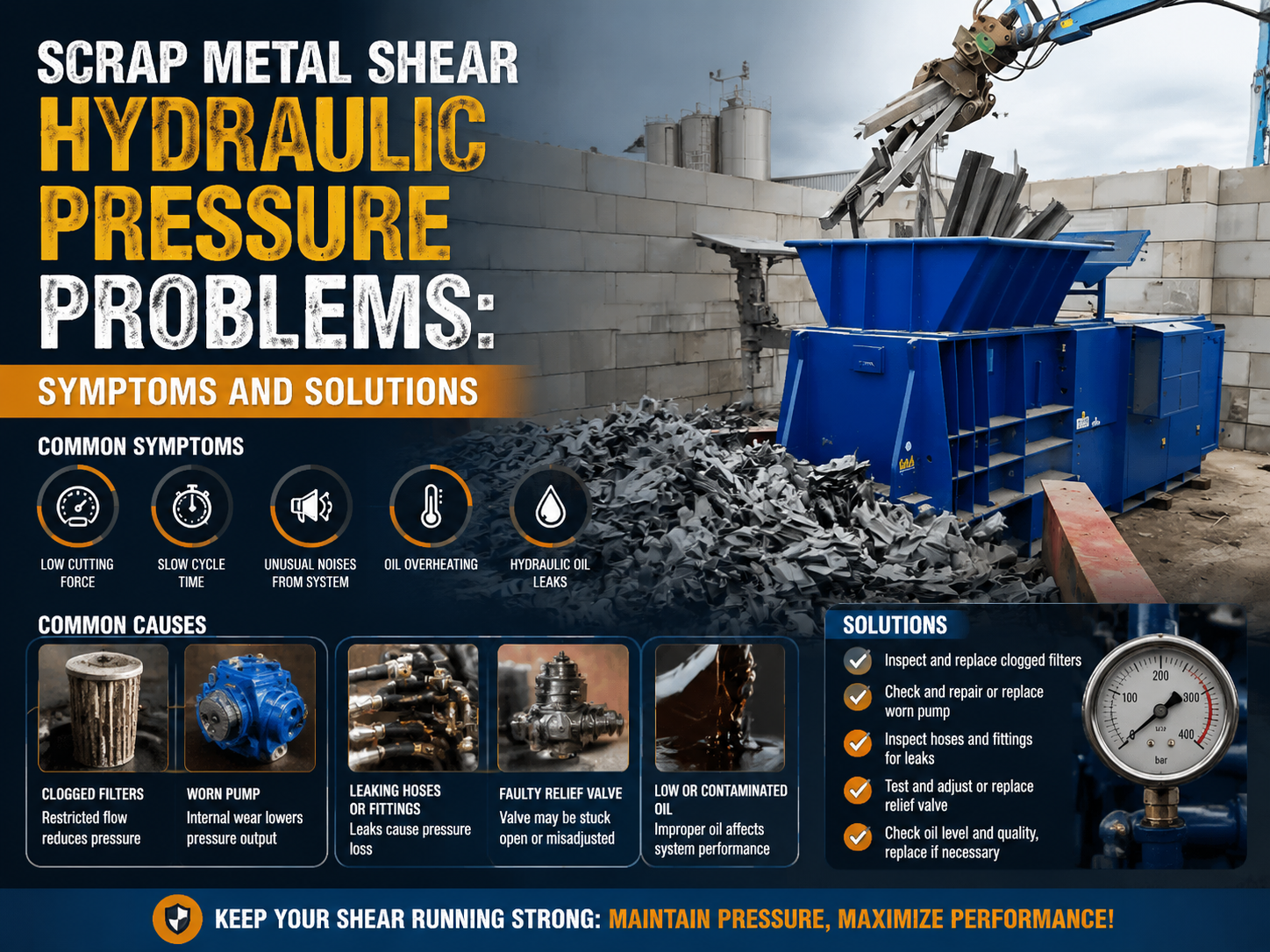
Scrap Metal Shear Hydraulic Pressure Problems: Symptoms and Solutions

Introduction to Scrap Metal Shear Hydraulic Systems
In the demanding world of metal recycling and industrial fabrication, the scrap metal shear stands as a cornerstone of efficiency. These robust machines are designed to process massive volumes of steel, aluminum, and copper, transforming bulky scrap into manageable sizes for smelting and repurposing. At the heart of every high-performance shear, such as those manufactured by HARSLE, lies a complex hydraulic system. This system is responsible for generating the immense force required to slice through heavy-duty structural steel. However, like any precision-engineered industrial machinery, hydraulic systems are susceptible to performance degradation over time.
Understanding Scrap Metal Shear Hydraulic Pressure Problems: Symptoms Solutions is critical for facility managers and operators who aim to minimize downtime and maximize ROI. A drop in hydraulic pressure or erratic pressure behavior can lead to significant production bottlenecks, increased energy consumption, and potential safety hazards. This guide provides an exhaustive analysis of the common pressure-related issues encountered in scrap metal shears, offering technical insights into their root causes and practical solutions for restoration.
The reliability of a scrap metal shear is directly proportional to the health of its hydraulic circuit. From the main pump to the intricate network of valves and cylinders, every component must function in harmony. When pressure fluctuations occur, they are rarely isolated incidents; they are often symptoms of underlying mechanical wear, fluid contamination, or thermal instability. By mastering the diagnostics of these systems, operators can transition from reactive repairs to proactive maintenance strategies, ensuring the longevity of their metal fabrication equipment.
Key Considerations for Hydraulic Pressure Stability
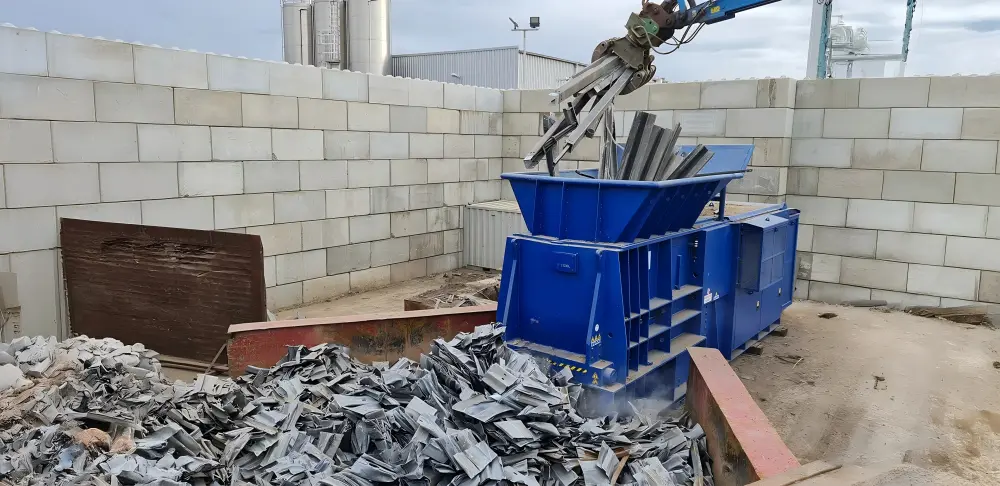
Maintaining stable hydraulic pressure in a scrap metal shear requires a holistic understanding of the machine’s operating environment. One of the primary considerations is the quality and condition of the hydraulic fluid. Hydraulic oil is not merely a lubricant; it is the medium through which power is transmitted. Contamination by metal particulates, moisture, or dust can lead to abrasive wear in the pump and valves, directly impacting the system’s ability to maintain consistent pressure levels.
Another critical factor is the thermal management of the system. Scrap metal shears often operate in harsh outdoor environments or high-temperature recycling facilities. As hydraulic oil heats up, its viscosity decreases. If the oil becomes too thin, internal leakage within the pump and valves increases, leading to a noticeable drop in operating pressure. Conversely, extremely cold temperatures can make the oil too viscous, causing cavitation and sluggish response times. Effective cooling systems and the use of high-viscosity index (HVI) oils are essential considerations for maintaining pressure stability across varying climates.
Furthermore, the mechanical integrity of the shear’s structure plays a role in hydraulic performance. If the shear blades are dull or improperly gapped, the hydraulic system must work harder to achieve the same cutting result. This increased load can lead to pressure spikes and accelerated wear on the relief valves. Regular inspection of the mechanical cutting assembly is just as important as monitoring the hydraulic gauges. A well-maintained machine ensures that the hydraulic force is applied efficiently, reducing the strain on the entire power unit.
Technical Details: Identifying Symptoms of Pressure Problems
1. Sluggish Cycle Times and Loss of Cutting Power
The most immediate symptom of Scrap Metal Shear Hydraulic Pressure Problems: Symptoms Solutions is a decrease in the speed of the shearing cycle. If the ram moves slower than usual or struggles to complete a cut that it previously handled with ease, the system is likely failing to reach its rated operating pressure. This loss of power is often attributed to internal bypass leakage. When seals within the hydraulic cylinders or the main control valves wear out, high-pressure oil escapes back to the reservoir instead of doing work, resulting in a weak and slow machine.
2. Unusual Noises: Cavitation and Aeration
Hydraulic systems should operate with a consistent, rhythmic hum. High-pitched whining, growling, or banging noises are clear indicators of pressure-related distress. Cavitation occurs when the pump cannot draw enough oil, creating vacuum bubbles that implode with violent force, damaging the pump’s internal surfaces. Aeration, on the other hand, happens when air enters the system through a leak in the suction line. Both conditions cause erratic pressure fluctuations and can lead to catastrophic pump failure if not addressed immediately.
3. Excessive Heat Generation
While hydraulic systems naturally generate heat, excessive temperatures (typically above 65°C or 150°F) indicate inefficiency. When pressure is lost through internal leaks or restricted flow, the energy that should have been used for cutting is converted into heat. An overheating shear is a red flag that the hydraulic system is working against itself. This heat further degrades the oil and hardens the seals, creating a destructive cycle that eventually leads to total system failure.
4. Erratic or Jerky Movement
If the shear’s ram or clamp moves in a stuttering or jerky fashion, it often points to air trapped in the lines or a malfunctioning proportional valve. Pressure instability prevents the smooth transmission of force, which can be dangerous when processing large, heavy scrap pieces. This symptom often worsens under load, indicating that the system cannot maintain the required pressure threshold during the peak of the cutting stroke.
Technical Solutions and Diagnostic Procedures
Systematic Pressure Testing
To solve pressure problems, one must first quantify them. Utilizing high-precision pressure gauges at various test points in the circuit—such as the pump outlet, the manifold, and the cylinder ports—allows technicians to isolate the problem area. If the pump produces the correct pressure but the cylinder does not receive it, the issue lies in the valving or the lines. If the pump itself cannot reach the relief valve setting, the pump is likely worn or the suction line is restricted.
Valve Calibration and Cleaning
Relief valves are the “safety fuses” of the hydraulic system. Over time, the springs in these valves can weaken, or debris can lodge in the seat, causing the valve to stay partially open. This allows pressure to bleed off prematurely. Cleaning the relief valves and recalibrating them to the manufacturer’s specifications (often found in the HARSLE technical manual) can frequently restore full cutting power without the need for expensive component replacements.
Seal and Cylinder Overhaul
Internal leakage in the main hydraulic cylinder is a common culprit for pressure loss. By performing a “drift test”—holding the cylinder under pressure and monitoring for movement—technicians can determine if the piston seals are compromised. Replacing these seals with high-quality, heat-resistant fluorocarbon or polyurethane components ensures a tight seal and restores the volumetric efficiency of the cylinder.
Filtration and Fluid Restoration
If contamination is the root cause, a simple oil change is rarely enough. The entire system should be flushed, and high-efficiency 10-micron filters should be installed. Implementing a kidney-loop filtration system can help clean the oil while the machine is in operation, removing the microscopic particles that cause “stiction” in valves and abrasive wear in pumps. Maintaining an ISO 4406 cleanliness level of 18/16/13 or better is recommended for high-pressure scrap shears.
Selection Advice: Choosing the Right Shear for Longevity
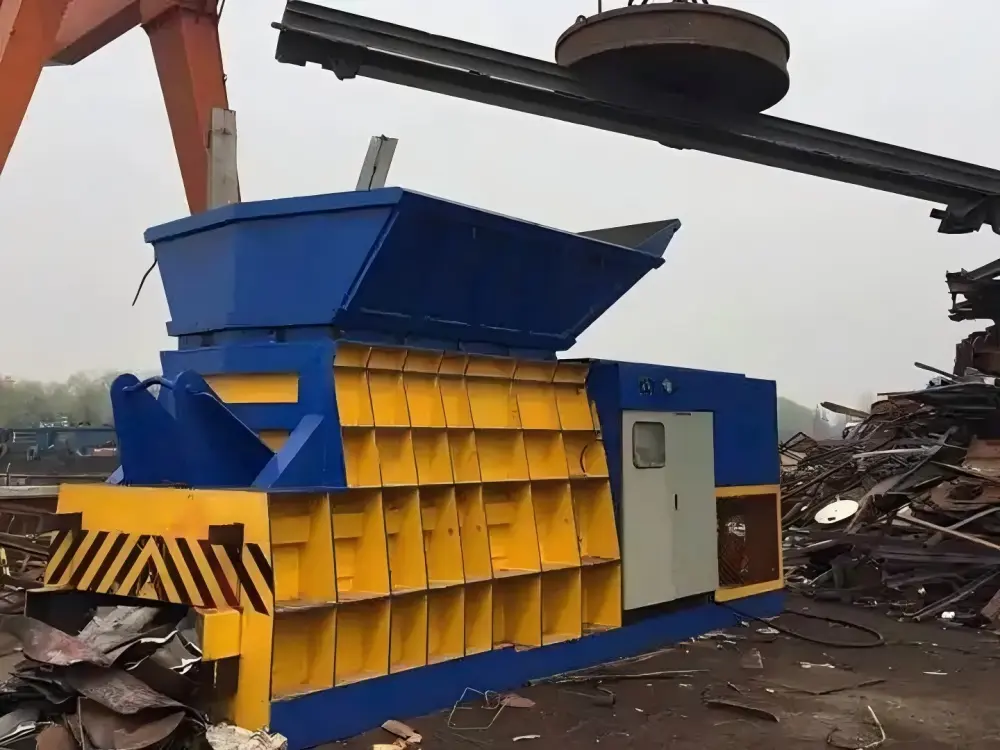
When investing in a new scrap metal shear, selecting a machine with a robust hydraulic design is paramount. Look for manufacturers like HARSLE that utilize world-class hydraulic components from brands such as Rexroth, Vickers, or Parker. These components are engineered for the high-cycle, high-pressure environment of scrap processing and offer better parts availability for future repairs.
Consider the following checklist when evaluating a scrap metal shear:
- Pump Type: Variable displacement piston pumps are generally more efficient and durable for heavy shearing than gear pumps.
- Cooling Capacity: Ensure the machine has an oversized air or water-cooled heat exchanger, especially if operating in warm climates.
- Frame Rigidity: A heavy, cast or reinforced steel frame prevents flexing, which can misalign hydraulic cylinders and cause premature seal wear.
- Ease of Maintenance: Are the filters, test ports, and valves easily accessible? A machine that is hard to service is often a machine that gets neglected.
- Control Systems: Modern PLC-controlled shears can monitor pressure in real-time and provide diagnostic codes, significantly reducing troubleshooting time.
Choosing a shear with a higher tonnage than your average daily requirement can also extend the life of the hydraulic system. By not constantly running the machine at its maximum relief pressure, you reduce the thermal and mechanical stress on the pumps and seals, leading to a much longer service interval.
Frequently Asked Questions (FAQ)
Q1: Why does my scrap metal shear lose pressure only after an hour of operation?
This is a classic symptom of oil thinning due to heat. As the oil temperature rises, its viscosity drops, allowing it to leak past worn internal components more easily. Check your cooling system and ensure you are using the correct grade of hydraulic oil for your operating environment.
Q2: Can I just turn up the relief valve to get more cutting power?
No. Increasing the relief valve setting beyond the manufacturer’s specifications can lead to catastrophic failure of the pump, hoses, or even the structural frame of the shear. If the machine isn’t cutting at its rated pressure, the problem is likely wear or contamination, not the valve setting.
Q3: How often should I change the hydraulic filters on my HARSLE shear?
In a typical scrap yard environment, filters should be checked monthly and replaced every 500 to 1,000 operating hours. However, if the environment is exceptionally dusty, more frequent changes may be necessary. Always monitor the filter bypass indicator.
Q4: What causes the hydraulic pump to make a loud screaming noise?
A screaming or high-pitched whining noise usually indicates cavitation. This happens when the pump is starved of oil. Check for a clogged suction strainer, a closed suction valve, or a collapsed intake hose.
Q5: Is it normal for hydraulic cylinders to leak a little bit of oil?
A very slight film of oil on the rod is normal for lubrication, but any dripping or pooling of oil indicates a failed rod seal. Leaking seals not only waste oil but also allow contaminants to enter the system, leading to further pressure problems.
Conclusion: The Path to Hydraulic Reliability
Mastering Scrap Metal Shear Hydraulic Pressure Problems: Symptoms Solutions is an ongoing process of observation and maintenance. The hydraulic system is the lifeblood of the scrap shear, and its performance dictates the productivity of the entire recycling operation. By recognizing the early warning signs of pressure loss—such as increased heat, unusual noises, or slower cycle times—operators can intervene before a minor issue escalates into a major mechanical failure.
HARSLE remains committed to providing the industry with high-durability scrap metal shears that incorporate advanced hydraulic technology designed for the toughest environments. However, even the best machinery requires a disciplined approach to maintenance. Regular fluid analysis, consistent filter changes, and periodic pressure testing are the keys to ensuring your metal fabrication equipment remains a profitable asset for years to come. In the high-stakes world of metal recycling, a well-maintained hydraulic system isn’t just a technical requirement; it is a competitive advantage.
By following the diagnostic and solution strategies outlined in this guide, you can ensure that your scrap metal shear operates at peak efficiency, delivering the power and precision needed to tackle the most challenging materials in the yard. Remember, in hydraulics, cleanliness and coolness are the foundations of pressure stability. Protect these, and your machine will protect your bottom line.