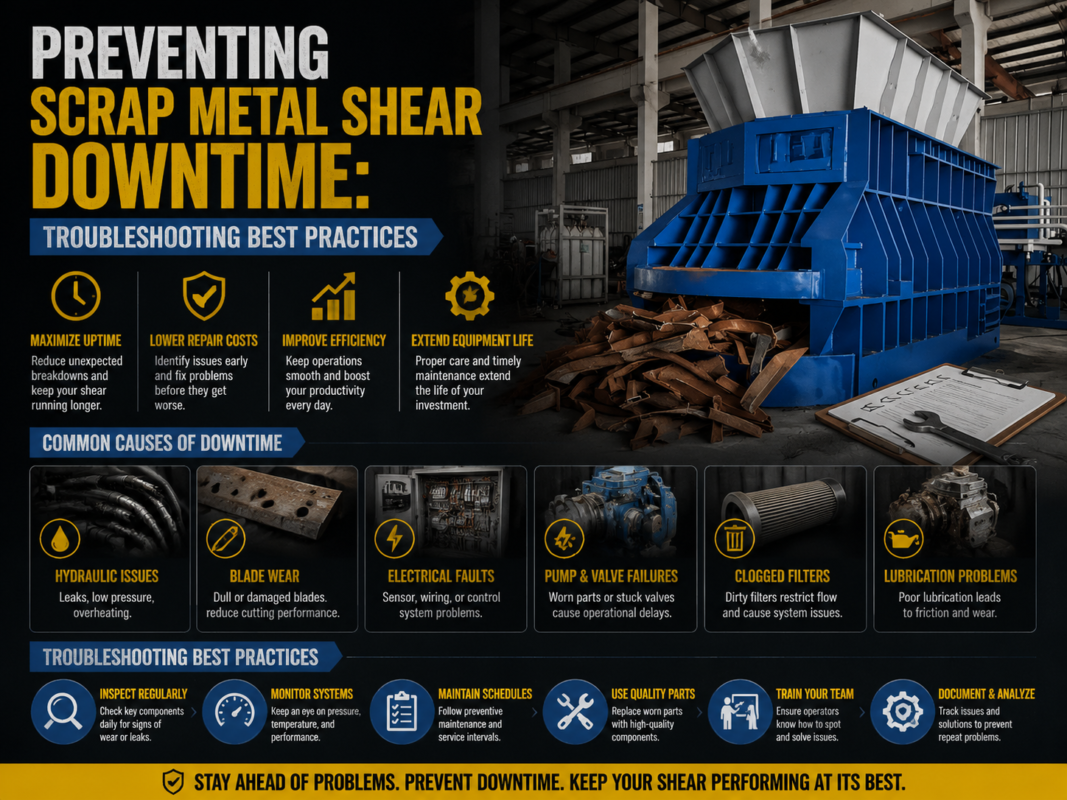
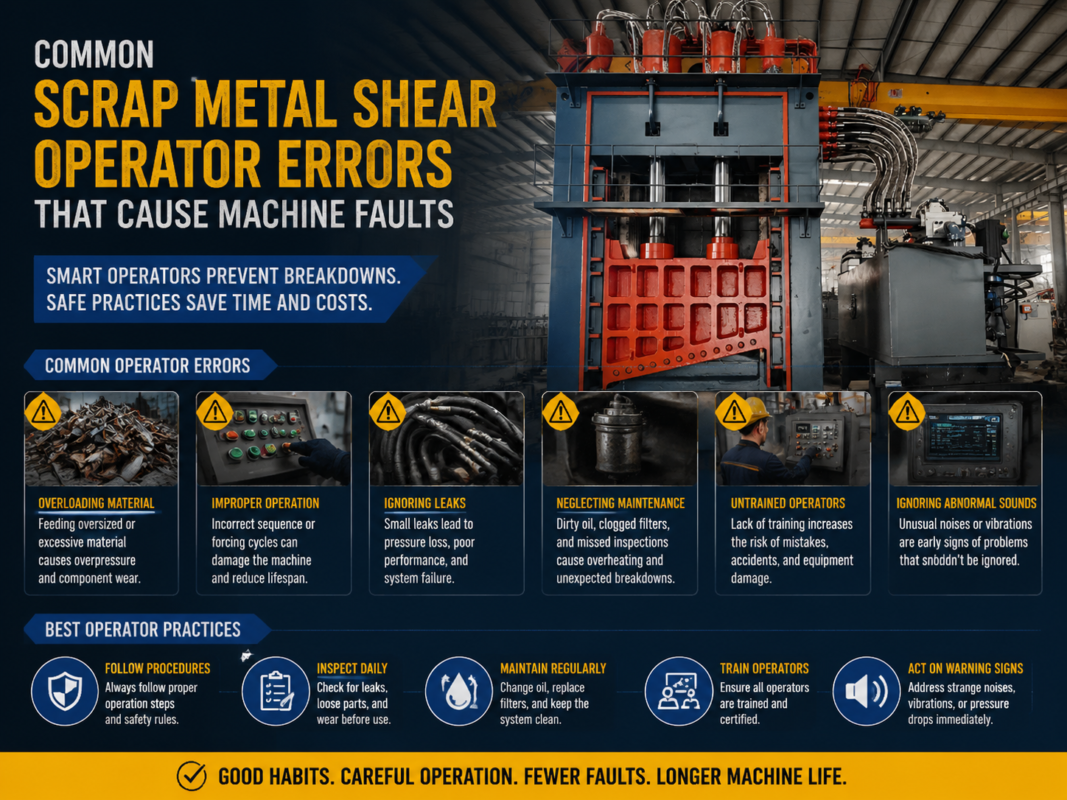
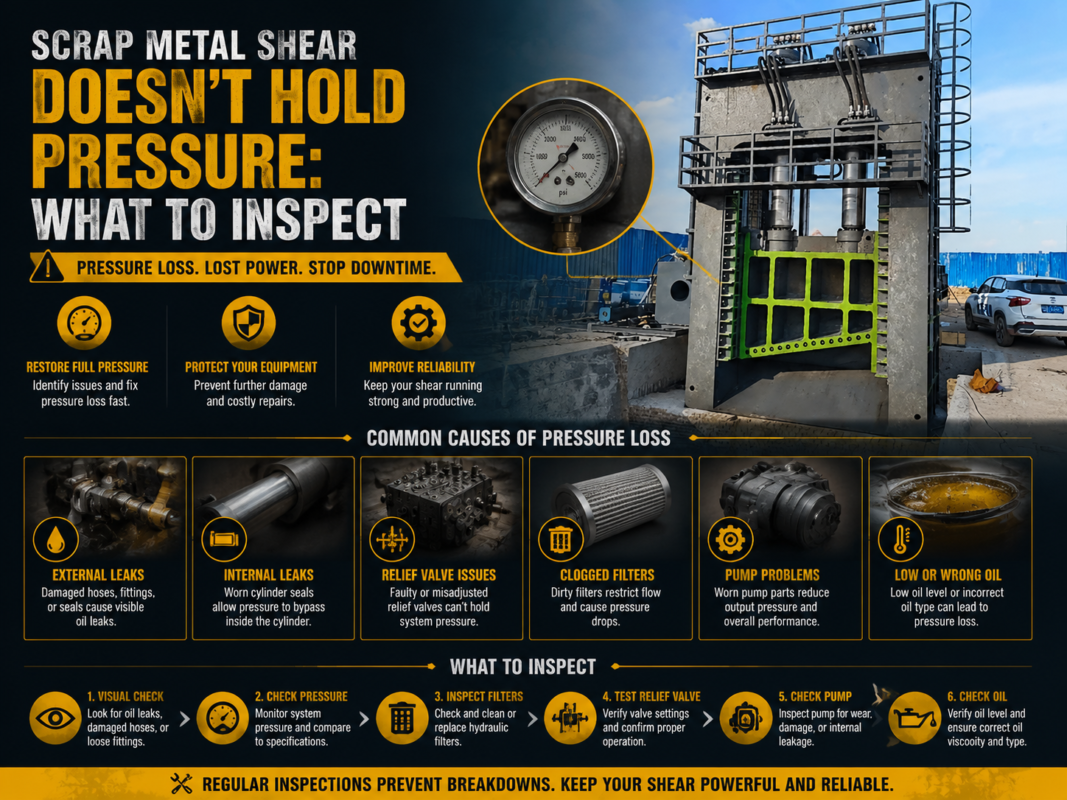
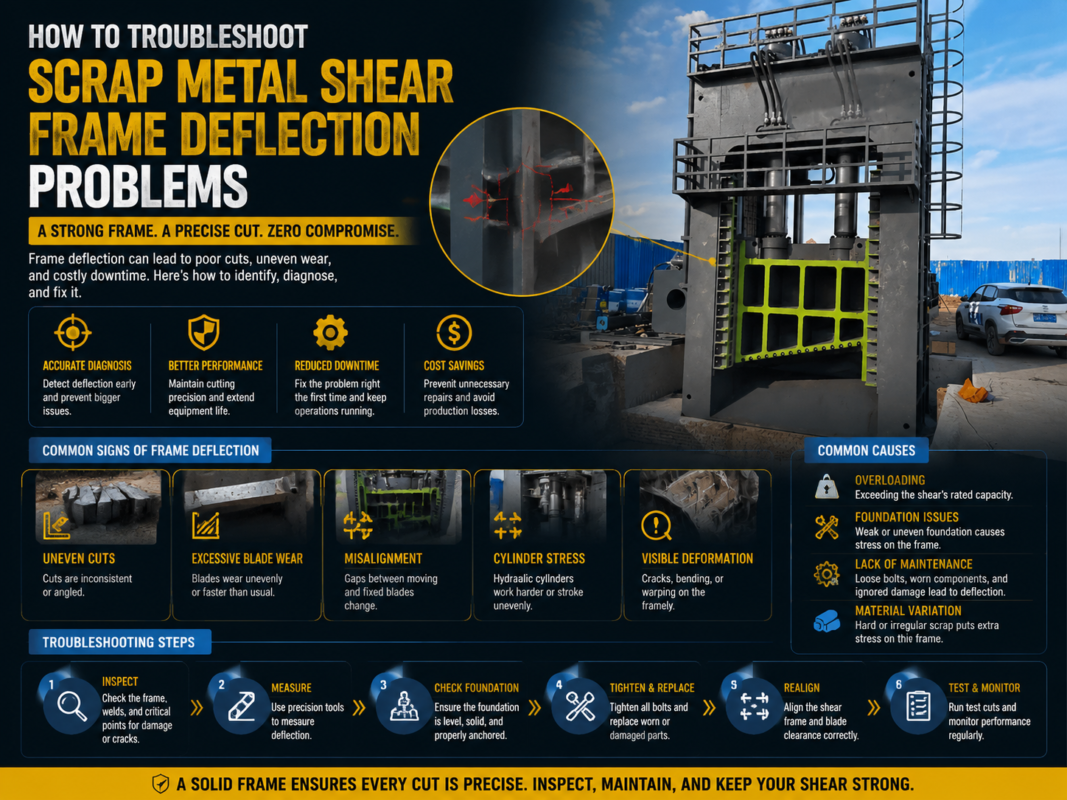
How to Troubleshoot Scrap Metal Shear Blade Misalignment: A Comprehensive Industrial Guide

Introduction to Scrap Metal Shear Blade Alignment
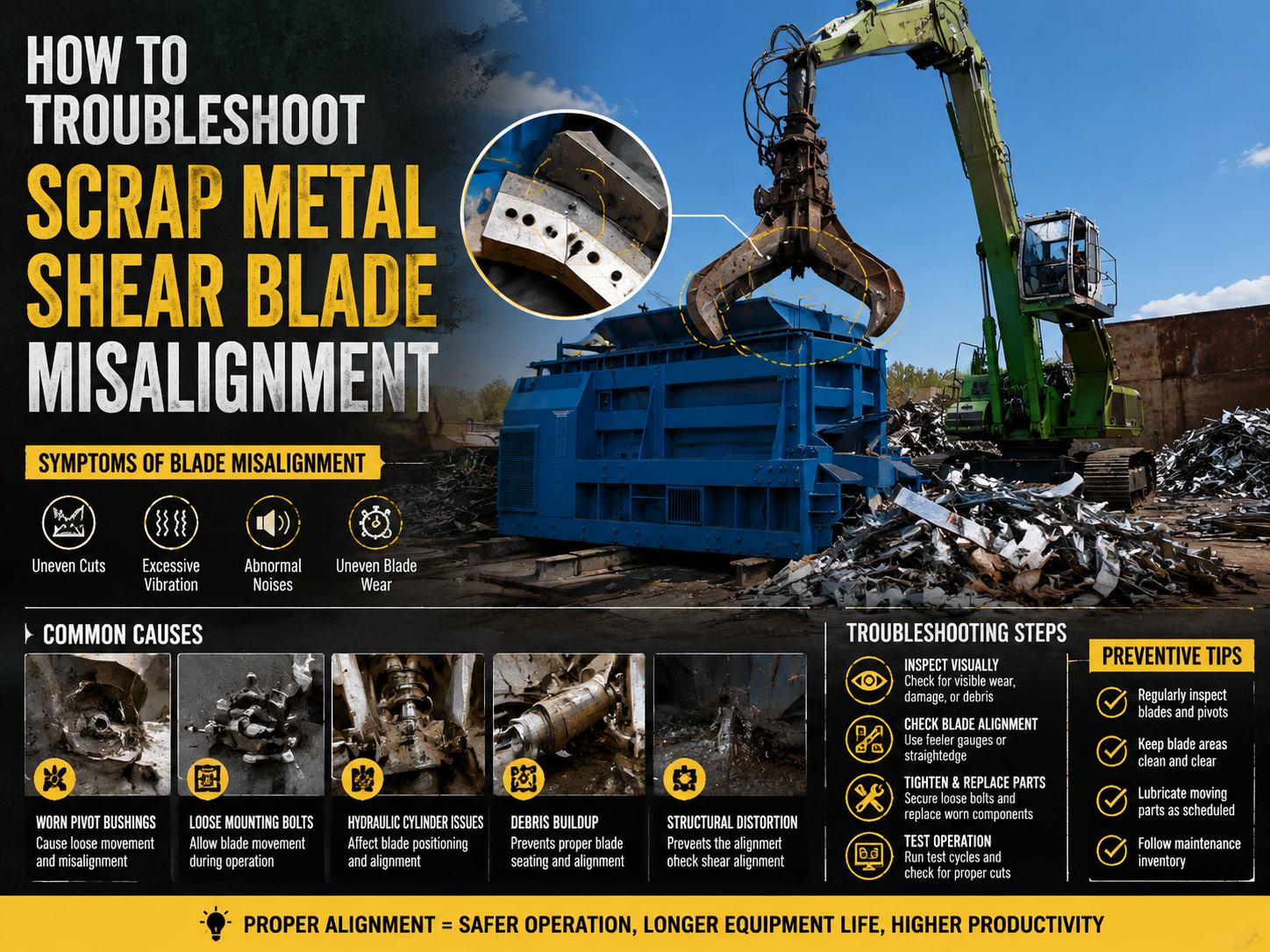
In the high-stakes environment of metal recycling and industrial fabrication, the scrap metal shear stands as a cornerstone of productivity. These robust machines are designed to exert immense force to render oversized metal structures into manageable, recyclable pieces. However, the efficiency of this process is entirely dependent on the precision of the cutting mechanism. When you need to troubleshoot scrap metal shear blade misalignment, you are addressing one of the most common yet critical issues that can plague a recycling facility. Misalignment is not merely a technical glitch; it is a precursor to catastrophic machine failure, increased operational costs, and significant safety hazards.
Blade misalignment occurs when the upper (moving) blade and the lower (stationary) blade do not maintain the specific clearance or parallel relationship required for a clean shear. Instead of cutting through the material, the blades may rub against each other, causing extreme friction, or they may be too far apart, leading to ‘folding’ where the metal is wedged between the blades rather than severed. This guide is designed to provide maintenance managers, machine operators, and facility owners with a deep technical understanding of how to identify, diagnose, and rectify these issues to ensure their HARSLE equipment remains in peak condition.
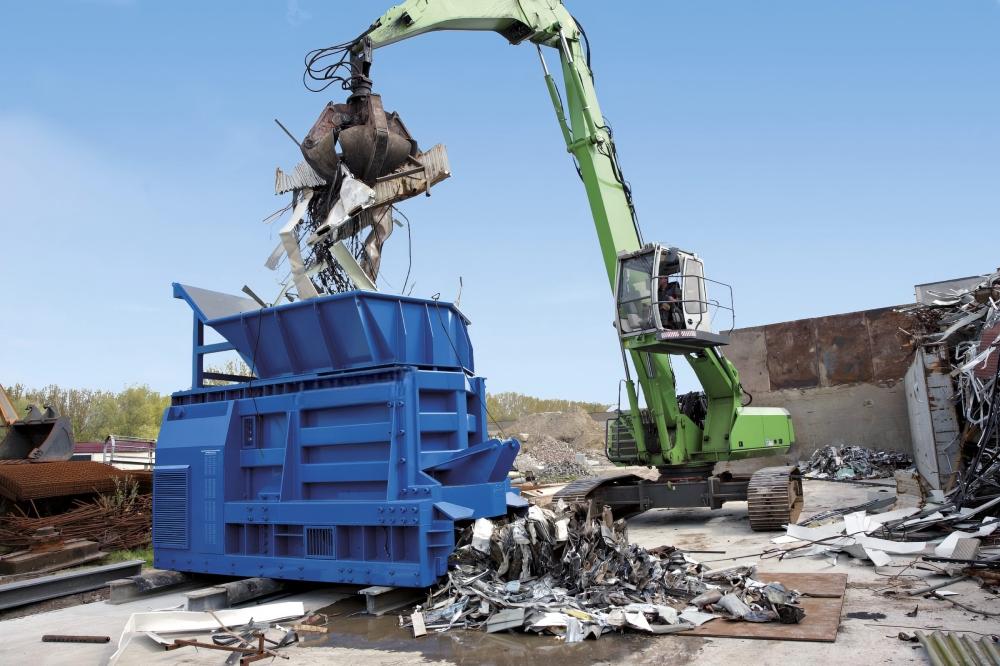
The consequences of ignoring misalignment are severe. Beyond the immediate drop in cut quality—characterized by excessive burrs and jagged edges—misaligned blades place uneven stress on the hydraulic cylinders, the ram guides, and the machine frame itself. Over time, this leads to premature wear of expensive components and can even result in the cracking of the blade seats. By mastering the ability to troubleshoot scrap metal shear blade misalignment, you protect your investment and ensure the longevity of your metal fabrication equipment.
Key Considerations Before Troubleshooting
Before diving into the mechanical adjustments, it is vital to understand the foundational factors that influence blade alignment. Troubleshooting is not just about turning bolts; it is about understanding the physics of the cut and the environment in which the machine operates. Safety is the paramount consideration. Always ensure the machine is locked out and tagged out (LOTO) according to OSHA or local industrial standards. The sheer weight of the ram and the sharpness of the blades pose a lethal risk if the machine is accidentally cycled during inspection.
Another key consideration is the type of material being processed. Different metals—ranging from soft aluminum to high-tensile structural steel—require different blade clearances. A misalignment issue might actually be an incorrect clearance setting for the specific gauge of scrap being processed. If the gap is too wide for thin material, the metal will pull into the gap, creating a jam that mimics the symptoms of a mechanical misalignment. Conversely, if the gap is too tight for thick, hardened steel, the resulting lateral force can push the blades out of alignment or cause them to chip.
Thermal expansion is an often-overlooked factor in industrial machinery. In high-volume operations, the friction generated during continuous shearing can cause the blades and the blade seats to expand. If the machine was aligned while cold, the tolerances might change as the temperature rises. When you troubleshoot scrap metal shear blade misalignment, consider whether the issue persists throughout the day or only appears after several hours of operation. This distinction can point toward issues with the cooling system or the need for high-temperature lubricants in the guide rails.
Finally, consider the history of the blades themselves. Have they been recently flipped or reground? Improperly ground blades can have uneven thicknesses, making it impossible to achieve a consistent gap across the entire length of the cutting surface. Always verify that the blades are within the manufacturer’s specified dimensions before attempting to adjust the machine’s internal alignment mechanisms. Using a precision micrometer to check blade thickness at multiple points is a standard prerequisite for any deep-dive troubleshooting session.
Technical Details: Step-by-Step Troubleshooting Process
1. Visual Inspection and Initial Diagnostics
The first step to troubleshoot scrap metal shear blade misalignment is a thorough visual audit. With the machine safely powered down, examine the cutting edges of both the upper and lower blades. Look for signs of ‘shining’ or galling on the vertical faces of the blades. If you see bright, polished metal on the sides of the blades, it indicates that they are rubbing against each other during the stroke, which is a clear sign of insufficient clearance or a skewed ram. Conversely, if the edges are rounded or ‘rolled over,’ it suggests the gap is too wide, causing the metal to deform rather than shear.
Check the blade mounting bolts. In many cases, what appears to be a complex alignment issue is simply a loose bolt that has allowed a blade segment to shift slightly. Use a calibrated torque wrench to ensure every bolt meets HARSLE’s specifications. A single loose bolt can cause a ‘chatter’ effect during the cut, which vibrates the entire assembly and leads to further misalignment over time.
2. Measuring the Blade Gap (Clearance)
Precision measurement is the heart of troubleshooting. Using a set of long-reach feeler gauges, measure the gap between the upper and lower blades at various points along the stroke. It is important to measure at the beginning, middle, and end of the blade length. For most scrap shears, the clearance should be consistent across the entire length, typically ranging from 5% to 10% of the material thickness, though you must refer to your specific HARSLE manual for exact tolerances.
If the measurements vary—for example, if the gap is 0.5mm at the left side and 0.8mm at the right—the ram is likely not traveling parallel to the bed. This indicates an issue with the guide rail adjustments or uneven wear in the gibs. If the gap is consistent but simply too wide or too narrow, the adjustment can usually be made at the lower blade seat using the provided shims or adjustment screws.
3. Inspecting the Guide Rails and Gibs
The ram of a scrap metal shear is held in place by guide rails and adjustable gibs. These components ensure that the ram moves in a perfectly vertical or inclined path without lateral play. Over years of heavy use, these liners can wear down. To troubleshoot scrap metal shear blade misalignment caused by guide wear, check for ‘play’ in the ram. If the ram can be moved side-to-side even slightly when not under load, the gibs need to be tightened or the wear plates replaced.
Lubrication plays a massive role here. Check the automatic lubrication system to ensure that the guide rails are receiving a consistent flow of oil. Dry rails increase friction, which can cause the ram to ‘cock’ or tilt during the downward stroke, leading to an inconsistent cut and blade interference. If you find metal shavings or heavy scoring on the guide rails, it is a sign that the alignment has been off for some time and physical damage to the guides has occurred.
4. Checking the Hydraulic Balance
In large hydraulic scrap shears, the ram is often driven by two or more cylinders. If the hydraulic system is not perfectly balanced, one cylinder may lead the other, causing the ram to tilt. This is a common source of misalignment that cannot be fixed by adjusting the blades themselves. Check the synchronization valves and the pressure transducers. If one cylinder is showing significantly higher pressure than the other during an empty stroke, there is an internal leak or a valve malfunction that is forcing the ram out of alignment.
5. Analyzing the Blade Seat and Bed Integrity
The foundation upon which the blades sit must be perfectly flat. If a piece of hard scrap was previously jammed in the machine, it might have ‘upset’ the metal of the blade seat, creating a small burr or high spot. Even a 0.1mm protrusion on the blade seat can translate to a significant misalignment at the cutting edge. When the blades are removed for flipping or replacement, always stone the blade seats to ensure they are smooth and clean. Use a precision straightedge to check the bed for any sagging or warping, which can occur in older machines subjected to extreme overloads.
Selection Advice for High-Performance Shearing
When purchasing new equipment or upgrading your current fleet, selecting a machine that simplifies the alignment process is a major operational advantage. HARSLE scrap metal shears are engineered with maintenance in mind. Look for features such as independent blade seat adjustments and easy-access gib liners. A machine that allows for quick gap adjustments without requiring the operator to spend hours shimming blades will significantly reduce downtime.
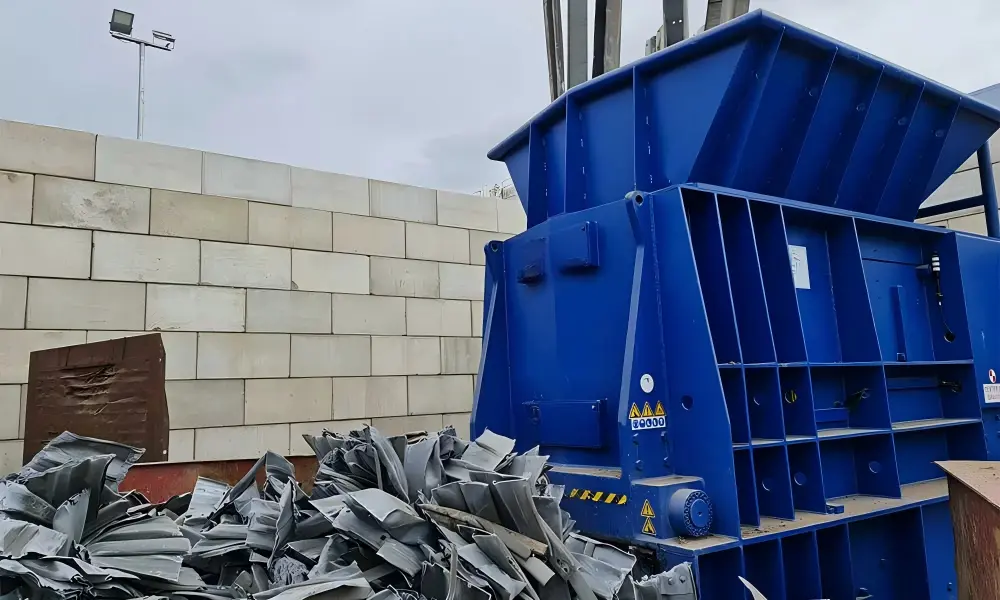
Consider the frame construction. A ‘C-frame’ shear may offer more accessibility, but a ‘Box-frame’ or ‘Bridge-style’ shear provides much higher rigidity. Rigidity is the enemy of misalignment; the less the frame flexes under load, the more likely the blades are to stay in their intended path. For heavy-duty scrap processing, a box-frame design is often the superior choice because it resists the lateral forces that naturally try to push the blades apart during a cut.
Furthermore, the choice of blade material is critical. High-chrome, high-carbon tool steels offer the best balance of hardness and toughness. While these blades are more expensive, they hold their edge longer and are less likely to deform under pressure. Deformed blades are a primary cause of perceived misalignment. By investing in premium HARSLE-approved blades, you reduce the frequency with which you need to troubleshoot scrap metal shear blade misalignment.
Frequently Asked Questions (FAQ)
How often should I check the blade alignment on my scrap shear?
For high-volume operations running multiple shifts, a quick visual inspection should be performed daily. A formal measurement of the blade gap using feeler gauges should be conducted weekly or whenever the blades are flipped or changed. Regular monitoring allows you to catch minor shifts before they become major mechanical failures.
What are the signs that my blades are misaligned during operation?
The most common signs include an increase in the noise level (banging or grinding sounds), the presence of large burrs on the cut material, the machine struggling to cut material it previously handled easily, and visible ‘smoke’ or heat coming from the blade area due to excessive friction.
Can I fix a misaligned ram by just adjusting the blades?
No. If the ram itself is tilted or has lateral play due to worn guide rails, adjusting the blades is only a temporary fix that may actually lead to more damage. You must first ensure the ram is traveling correctly within its guides before fine-tuning the blade clearance.
Why does my shear cut well at the start of the blade but not at the end?
This usually indicates that the upper and lower blades are not parallel. This can be caused by a skewed ram, an unevenly worn blade seat, or the machine frame flexing under load. It requires a systematic check of the guide rails and the bed’s levelness.
Does the temperature of the scrap metal affect alignment?
While the temperature of the scrap itself has a negligible effect on the machine’s alignment, the ambient temperature and the heat generated by the machine do. Extreme cold can make hydraulic fluid viscous and slow, while extreme heat can cause metal expansion. Always allow your machine to reach operating temperature before performing final alignment checks.
Is it necessary to replace all blade bolts every time I change blades?
It is highly recommended. Blade bolts are subjected to extreme tension and vibration. Over time, they can stretch (fatigue), which reduces their clamping force. Replacing them is a low-cost insurance policy against a blade coming loose during operation.
Conclusion: Maintaining Precision in Metal Fabrication
The ability to effectively troubleshoot scrap metal shear blade misalignment is a vital skill for any industrial operation involved in metal fabrication or recycling. As we have explored, the process involves more than just a simple adjustment; it requires a holistic understanding of the machine’s hydraulics, structural integrity, and the physical properties of the materials being processed. By following a systematic diagnostic approach—starting with visual cues and moving into precision measurements—operators can identify the root cause of misalignment and implement lasting solutions.
Regular maintenance, proper lubrication, and the use of high-quality components are the best defenses against misalignment. HARSLE remains committed to providing robust machinery that stands up to the rigors of the scrap yard while offering the precision required for modern industrial standards. Remember that a well-aligned shear is not only more productive but also safer and more cost-effective over its entire lifecycle. By prioritizing blade alignment, you ensure that your facility remains a leader in efficiency and quality output.