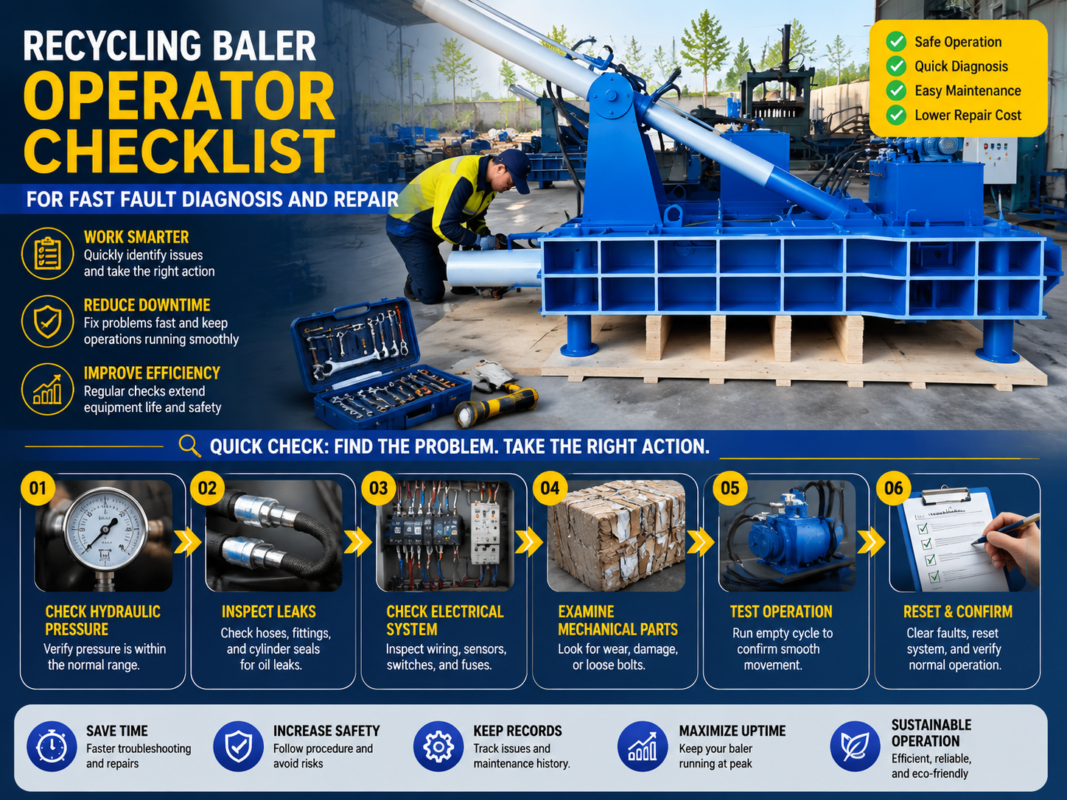
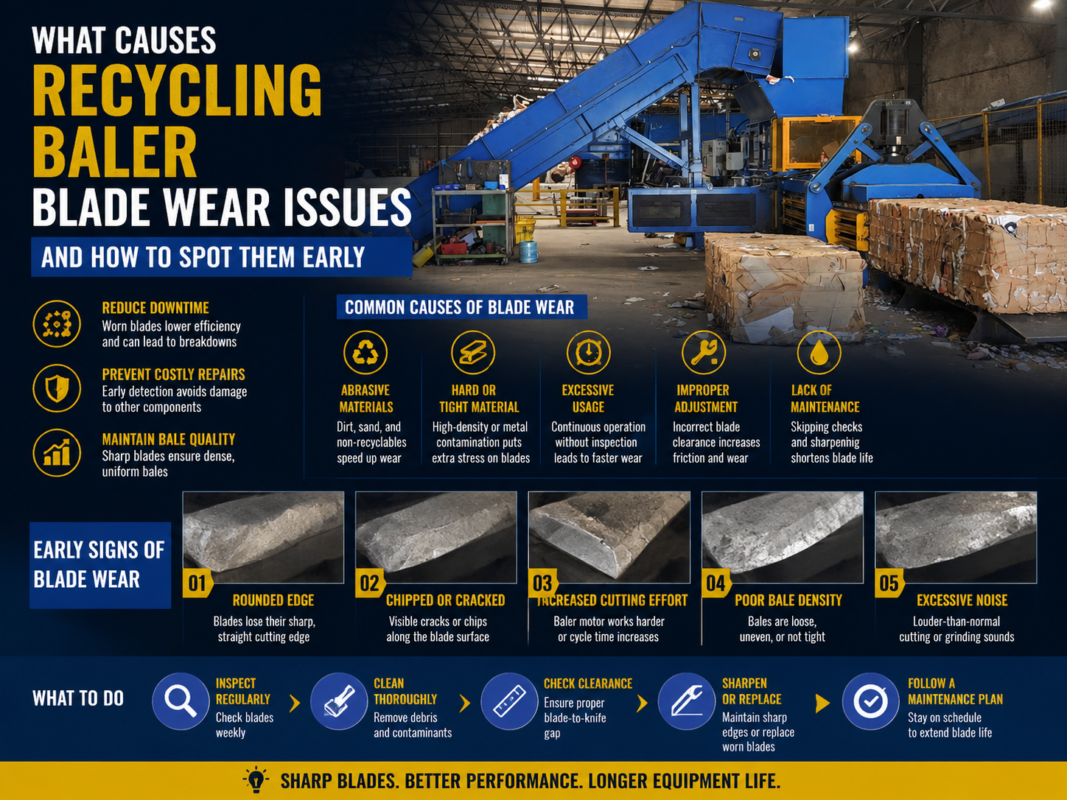
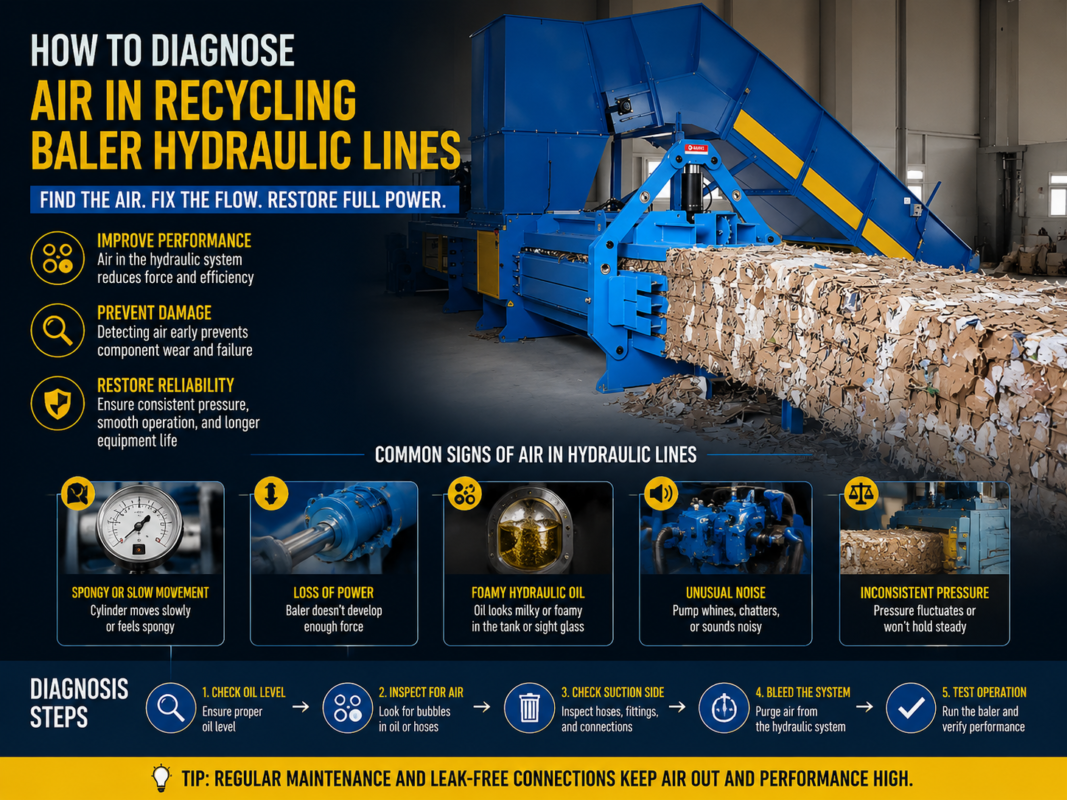
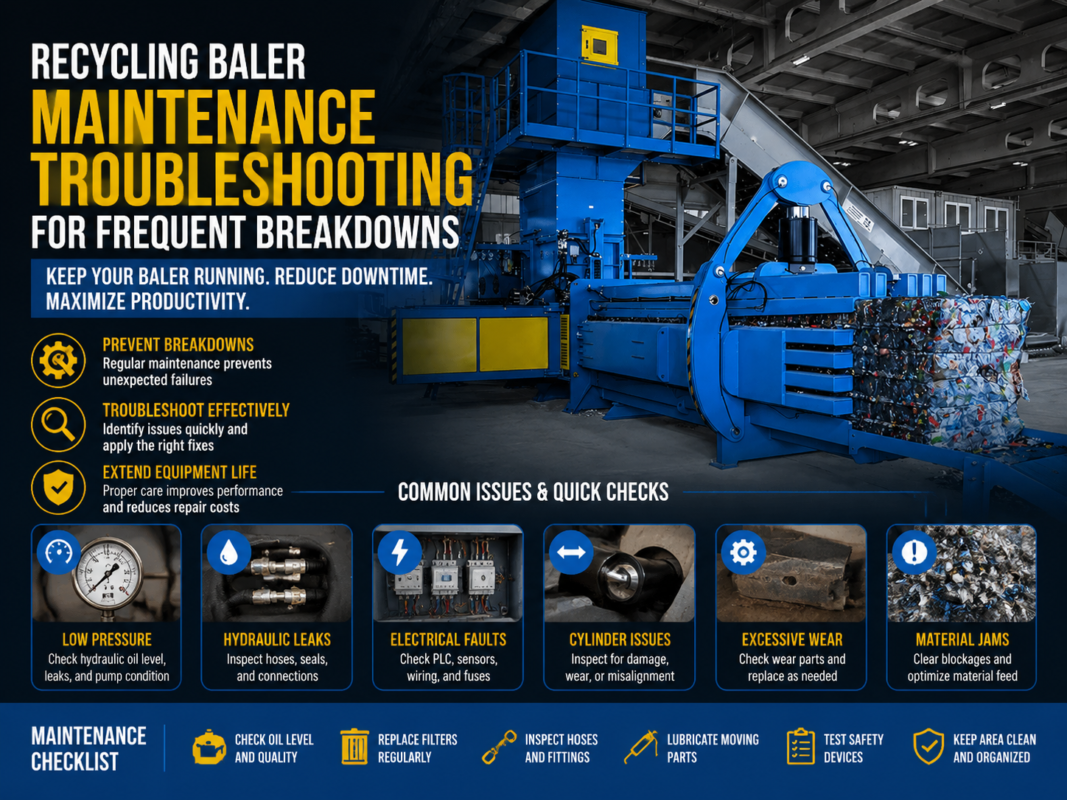
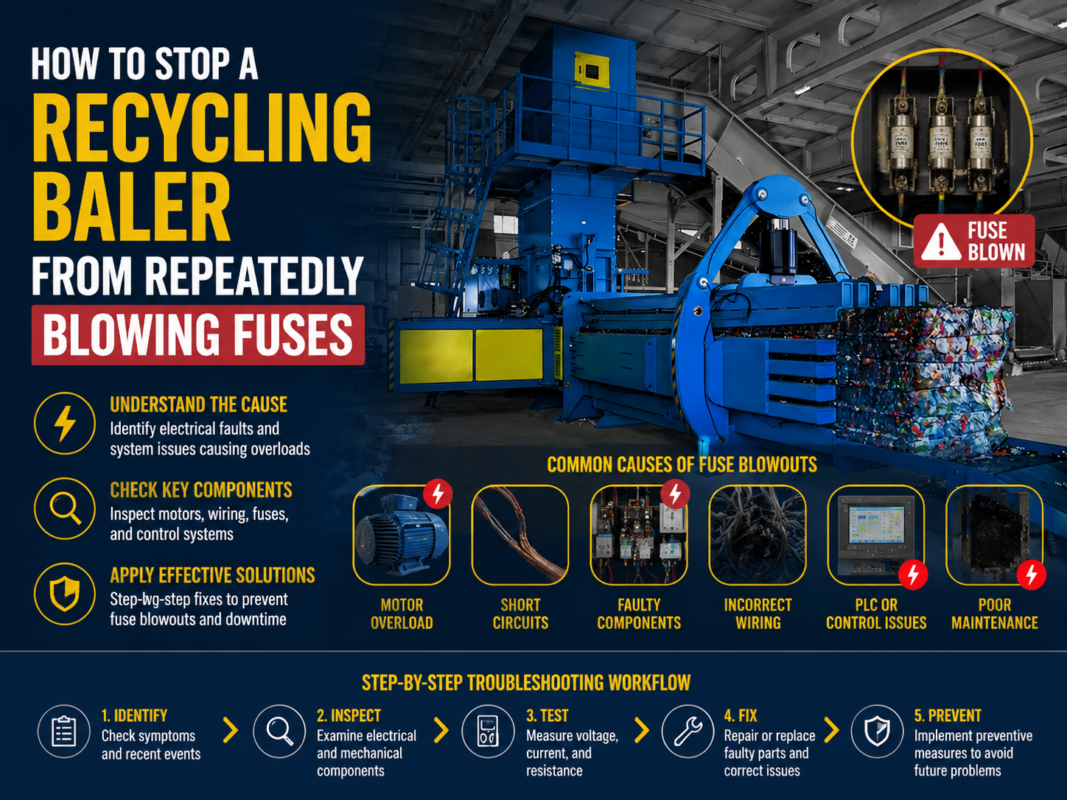
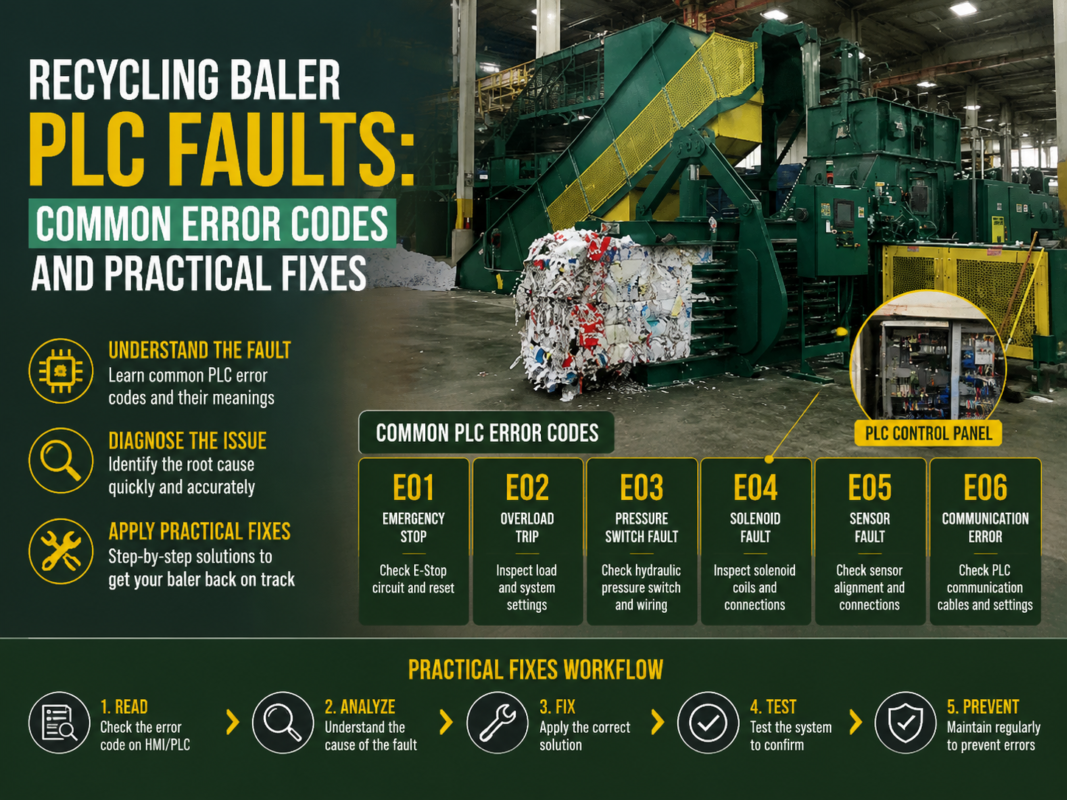
How to Troubleshoot Recycling Baler Power Supply and Wiring Problems

Introduction to Recycling Baler Electrical Systems
In the demanding world of waste management and metal fabrication, the recycling baler stands as a cornerstone of efficiency. Whether you are processing cardboard, plastics, or scrap metal, these machines rely on a complex interplay of hydraulic force and electrical precision. However, even the most robust machines, such as those engineered by HARSLE, can encounter downtime due to electrical issues. Learning how to troubleshoot recycling baler power supply wiring problems is an essential skill for operators and maintenance technicians alike. Electrical failures are often the primary cause of sudden machine stoppage, and understanding the root causes can save a facility thousands of dollars in lost productivity and emergency repair costs.
Industrial recycling balers typically operate on high-voltage three-phase power systems. These systems are designed to handle the massive torque required by hydraulic pumps, but they are also sensitive to fluctuations, environmental contaminants, and physical wear. A minor wiring fault can lead to catastrophic motor failure or PLC (Programmable Logic Controller) errors. This guide provides a comprehensive deep dive into diagnosing and resolving these issues, ensuring your equipment remains operational and safe. By following a systematic approach, you can distinguish between a simple blown fuse and a complex control circuit failure, allowing for faster recovery and more informed decision-making regarding machine upgrades.
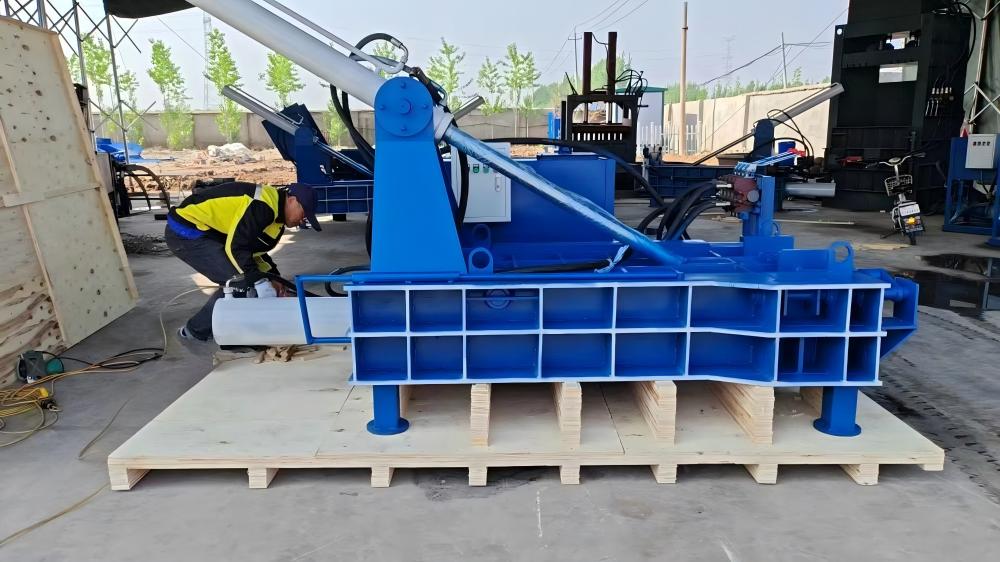
Key Considerations Before Troubleshooting
Before diving into the technicalities of wiring and voltage, safety must be the absolute priority. Industrial balers carry enough electrical energy to be lethal, and the mechanical components can move unexpectedly if the control system glitches. The first step in any troubleshooting process is the implementation of Lockout/Tagout (LOTO) procedures. Ensure the main power source is disconnected and padlocked, and verify that no residual energy remains in the capacitors or hydraulic accumulators. Never attempt to probe a live circuit unless you are a qualified electrician using the appropriate Category III or IV rated multimeters and personal protective equipment (PPE).
Another key consideration is the environment in which the baler operates. Recycling facilities are often dusty, humid, or subject to extreme temperature swings. These factors contribute significantly to electrical degradation. Dust can be conductive or act as an insulator, causing components to overheat or short-circuit. Vibration from the baling process can loosen terminal screws over time, leading to intermittent connections that are notoriously difficult to diagnose. Before assuming a component has failed, always perform a visual inspection for signs of heat (discoloration), moisture ingress, or physical damage to conduit and wiring harnesses.
Understanding the Electrical Schematic
Every professional troubleshooting effort should begin with the machine’s electrical schematic. This document is the roadmap of your baler’s nervous system. It identifies the flow of power from the main disconnect to the motor starters, transformers, and control logic. If you are working on a HARSLE baler, the schematic will detail the specific wire numbers and component labels. Being able to read these diagrams allows you to isolate specific branches of the circuit, such as the emergency stop loop or the solenoid valve control circuit, without having to trace every physical wire by hand.
Technical Details: Diagnosing Power Supply and Wiring Issues
1. Verifying Incoming Power and Phase Stability
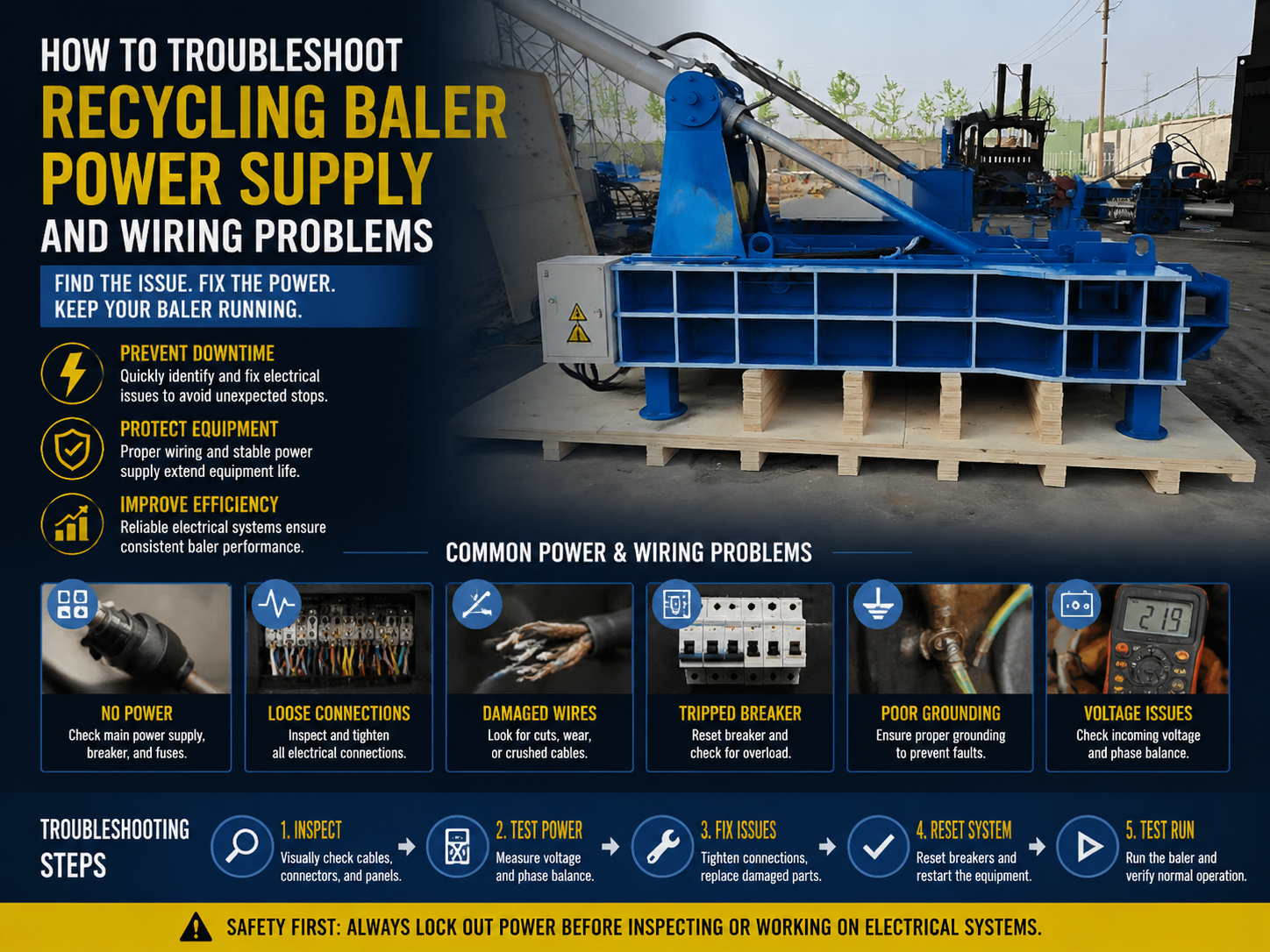
The most common starting point to troubleshoot recycling baler power supply wiring problems is the incoming line voltage. Industrial balers usually require 220V, 380V, or 480V three-phase power. Use a multimeter to check the voltage between all three phases (L1-L2, L2-L3, and L1-L3). The readings should be within 5-10% of the rated voltage and, more importantly, they should be balanced. A significant imbalance between phases can cause the motor to draw excessive current, leading to overheating and tripping of the thermal overload relays.
Phase loss, often called “single-phasing,” occurs when one of the three lines is interrupted (perhaps due to a blown fuse at the main distribution board). If a baler attempts to start under a single-phase condition, the motor will hum loudly but fail to turn, eventually burning out the windings if the protection circuits do not trip immediately. Additionally, check for phase reversal; if the motor is spinning in the wrong direction after a power supply change, two of the incoming phases must be swapped.
2. Inspecting the Control Transformer and DC Power Supply
While the main motors run on high-voltage AC, the control logic (buttons, sensors, and PLCs) usually operates on 24V DC or 110V AC. This is achieved through a step-down transformer or a switching power supply located inside the control cabinet. If the machine’s lights are off and the screen is blank despite having main power, the problem likely lies here. Check the primary and secondary fuses of the transformer. If the DC power supply has failed, the PLC will not execute commands, and the solenoid valves that direct hydraulic fluid will remain closed.
3. Troubleshooting Control Circuitry and Interlocks
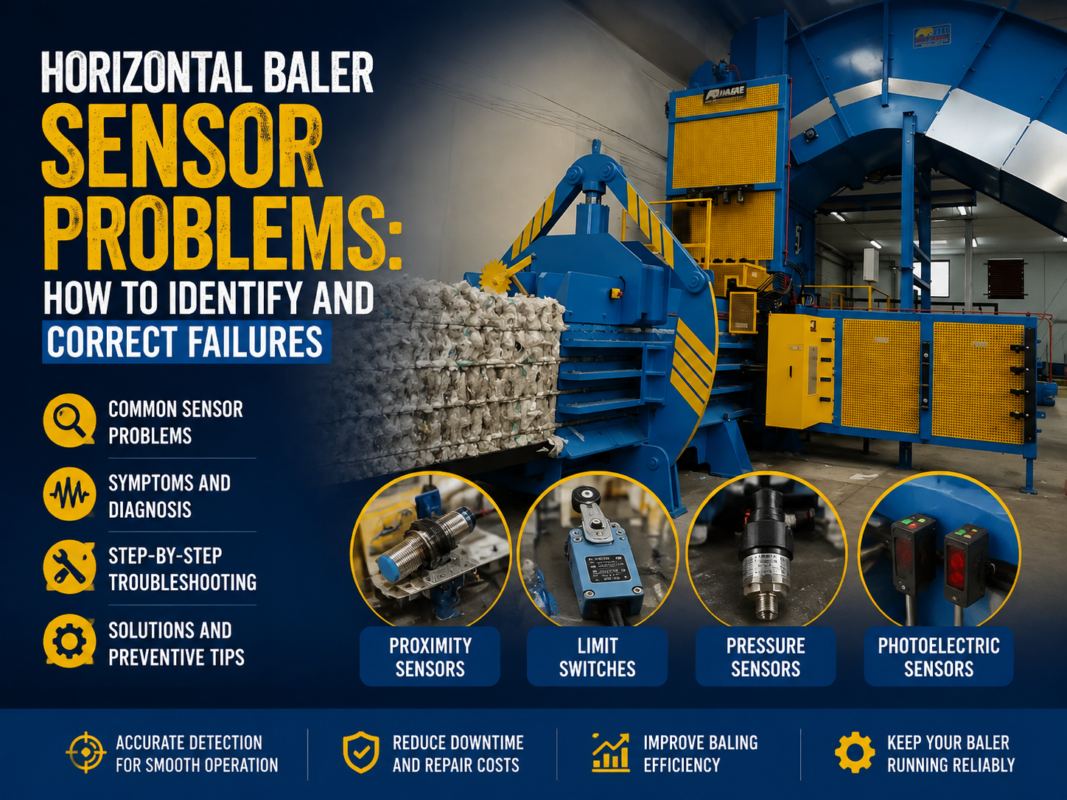
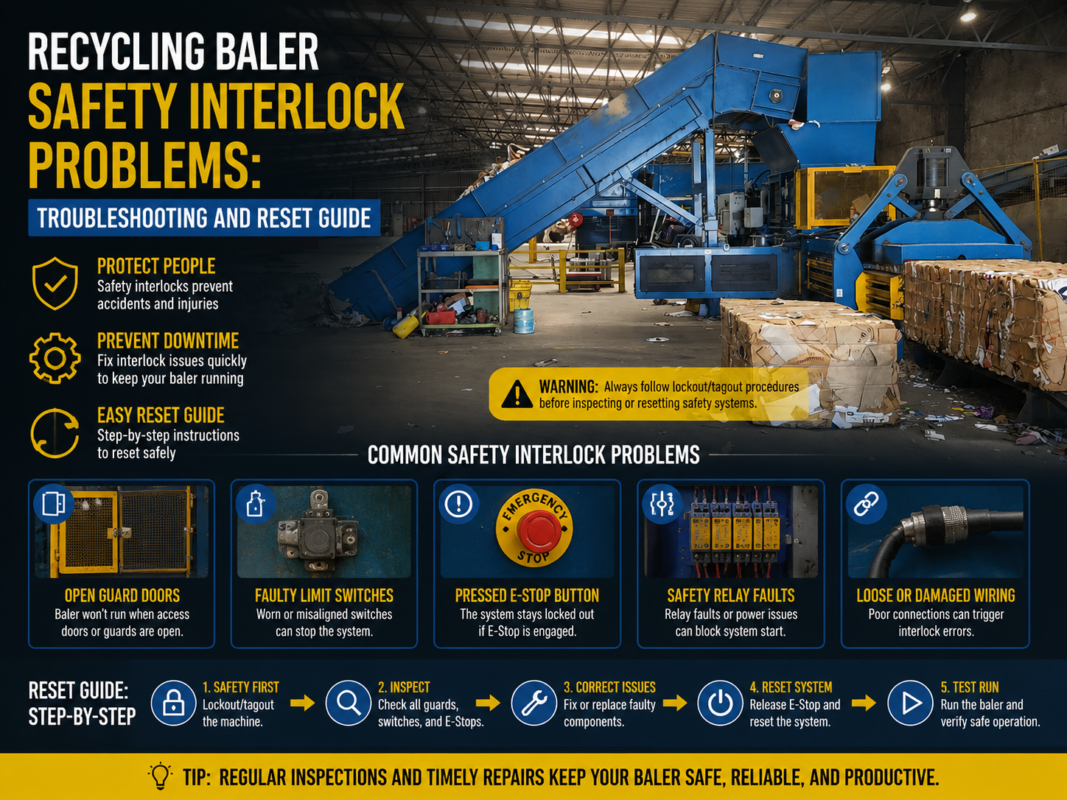
Recycling balers are equipped with numerous safety interlocks, including emergency stop buttons, gate limit switches, and oil level sensors. These are typically wired in a “normally closed” (NC) series loop. If any single switch is tripped, damaged, or has a loose wire, the entire control circuit breaks, and the machine will not start. To troubleshoot this, use your multimeter to check for continuity across the safety string. A common culprit is a limit switch on the loading gate that has become misaligned due to the physical impact of heavy scrap material.
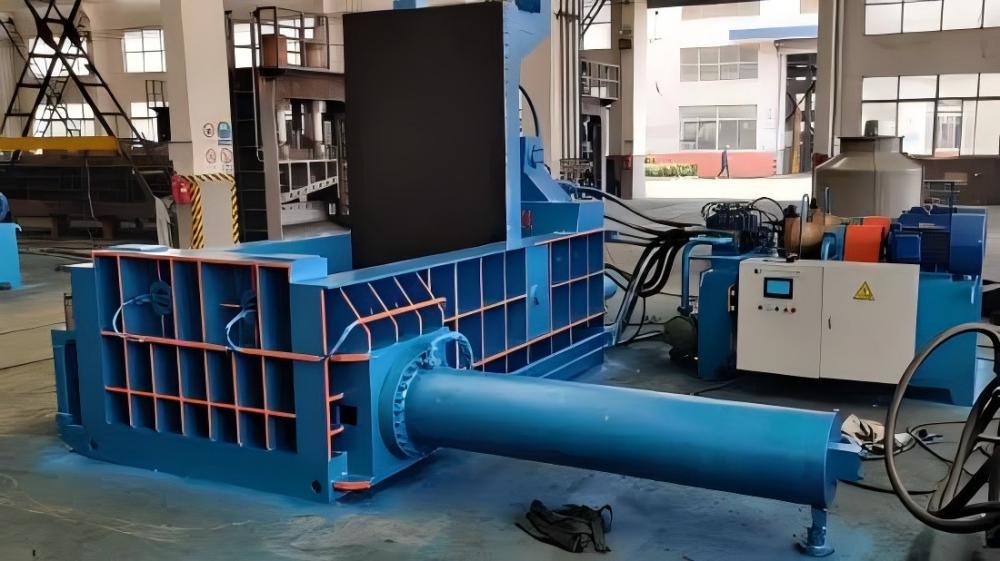
4. Wire Integrity and Terminal Connections
Over time, the constant vibration of the hydraulic pump can cause wires to vibrate against sharp metal edges or pull out of their terminals. Inspect the wiring for frayed insulation, which can cause intermittent grounding faults. A grounding fault occurs when a live wire touches the machine frame, often tripping the circuit breaker immediately. Furthermore, go through the terminal blocks and ensure every screw is tight. A loose connection creates high resistance, which generates heat. This heat can melt the plastic housing of the terminal, eventually leading to a fire or a complete circuit break.
5. Solenoid Valve and Sensor Diagnostics
If the motor runs but the ram does not move, the issue is likely in the wiring between the PLC and the hydraulic solenoid valves. These valves are the bridge between the electrical and hydraulic systems. You can test a solenoid by checking for voltage at the coil when the command is given. If voltage is present but the valve doesn’t shift, the coil may be burnt out. Conversely, if no voltage is present, you must trace the wire back to the PLC output module to see if the controller is actually sending the signal.
Selection Advice for Reliable Baler Electrical Systems
When purchasing a new recycling baler or upgrading an existing one, the quality of the electrical components is just as important as the thickness of the steel frame. Here is what to look for to minimize future wiring problems:
- Component Branding: Ensure the baler uses internationally recognized brands for its electrical components, such as Schneider, Siemens, or ABB. These parts are more reliable and easier to source globally than generic alternatives.
- IP Ratings: The electrical enclosures should have a high Ingress Protection (IP) rating, such as IP54 or IP65, to protect against the dust and moisture common in recycling environments.
- Vibration Dampening: Look for machines where the control cabinet is isolated from the main frame or where wiring is secured with high-quality cable glands and corrugated conduits to prevent abrasion.
- PLC Diagnostics: Modern balers with HMI (Human Machine Interface) screens can often tell you exactly which limit switch or sensor is preventing operation, drastically reducing troubleshooting time.
- Thermal Protection: Ensure the motor starters include adjustable thermal overload protection to prevent motor burnout during heavy-duty cycles.
| Symptom | Potential Electrical Cause | Recommended Action |
|---|---|---|
| Machine won’t start, no lights | Main power loss or blown control fuse | Check main breaker and transformer fuses |
| Motor hums but doesn’t turn | Phase loss (Single-phasing) | Check voltage across all three phases |
| Intermittent stopping | Loose terminal or vibrating limit switch | Tighten all connections and check switch alignment |
| Ram moves slowly or erratically | Low voltage or faulty solenoid wiring | Check voltage under load and solenoid coil resistance |
| PLC Error Code displayed | Sensor failure or communication error | Refer to manual to identify specific sensor fault |
Frequently Asked Questions (FAQ)
Why does my recycling baler keep tripping the circuit breaker?
A circuit breaker trips when it detects an overcurrent or a short circuit. This could be caused by a motor that is working too hard (due to a hydraulic blockage or dull shear blades), a grounding fault where a wire’s insulation has rubbed through, or a failing motor winding. It can also happen if the breaker itself has become weak over years of use.
How can I tell if a solenoid coil is bad?
To test a solenoid coil, disconnect it from the power source and use a multimeter to measure its resistance (ohms). A reading of infinity (OL) indicates an open circuit (burnt out), while a reading of zero indicates a short. Most healthy coils will have a specific resistance value listed in the manufacturer’s specifications.
Can I bypass a limit switch to keep the machine running?
Absolutely not. Bypassing safety limit switches is extremely dangerous and can lead to severe injury or death. If a limit switch is preventing the machine from running, it is either because the machine is in an unsafe state or the switch itself is faulty. Replace the switch immediately rather than bypassing it.
What is the best way to clean an electrical cabinet?
Use compressed air at low pressure or a specialized electrical vacuum to remove dust. Never use water or liquid cleaners inside the cabinet. Ensure the power is completely off before cleaning, as even dust removal can occasionally bridge contacts if not done carefully.
How often should I check the wiring in my baler?
For high-volume operations, a monthly visual inspection of the wiring and a quarterly check of terminal tightness is recommended. The vibration inherent in baling scrap metal makes regular maintenance of electrical connections vital for preventing downtime.
Conclusion
Successfully learning how to troubleshoot recycling baler power supply wiring problems requires a blend of patience, safety consciousness, and technical knowledge. By understanding the relationship between the high-voltage power supply and the low-voltage control logic, operators can quickly narrow down the source of a malfunction. Regular preventative maintenance—such as tightening terminals, cleaning cabinets, and inspecting sensors—remains the most effective way to prevent electrical failures before they occur.
HARSLE continues to lead the industry by providing recycling balers with intuitive electrical designs and high-quality components that simplify the troubleshooting process. However, the longevity of any machine ultimately depends on the care it receives. By treating the electrical system with the same importance as the hydraulic system, you ensure that your recycling operations remain profitable, efficient, and, most importantly, safe for all personnel involved. When in doubt, always consult the technical manual or reach out to a certified industrial electrician to handle complex wiring repairs.