Why Is My Vertical Baler Overheating? Troubleshooting Motor, Pump, and Electrical Faults

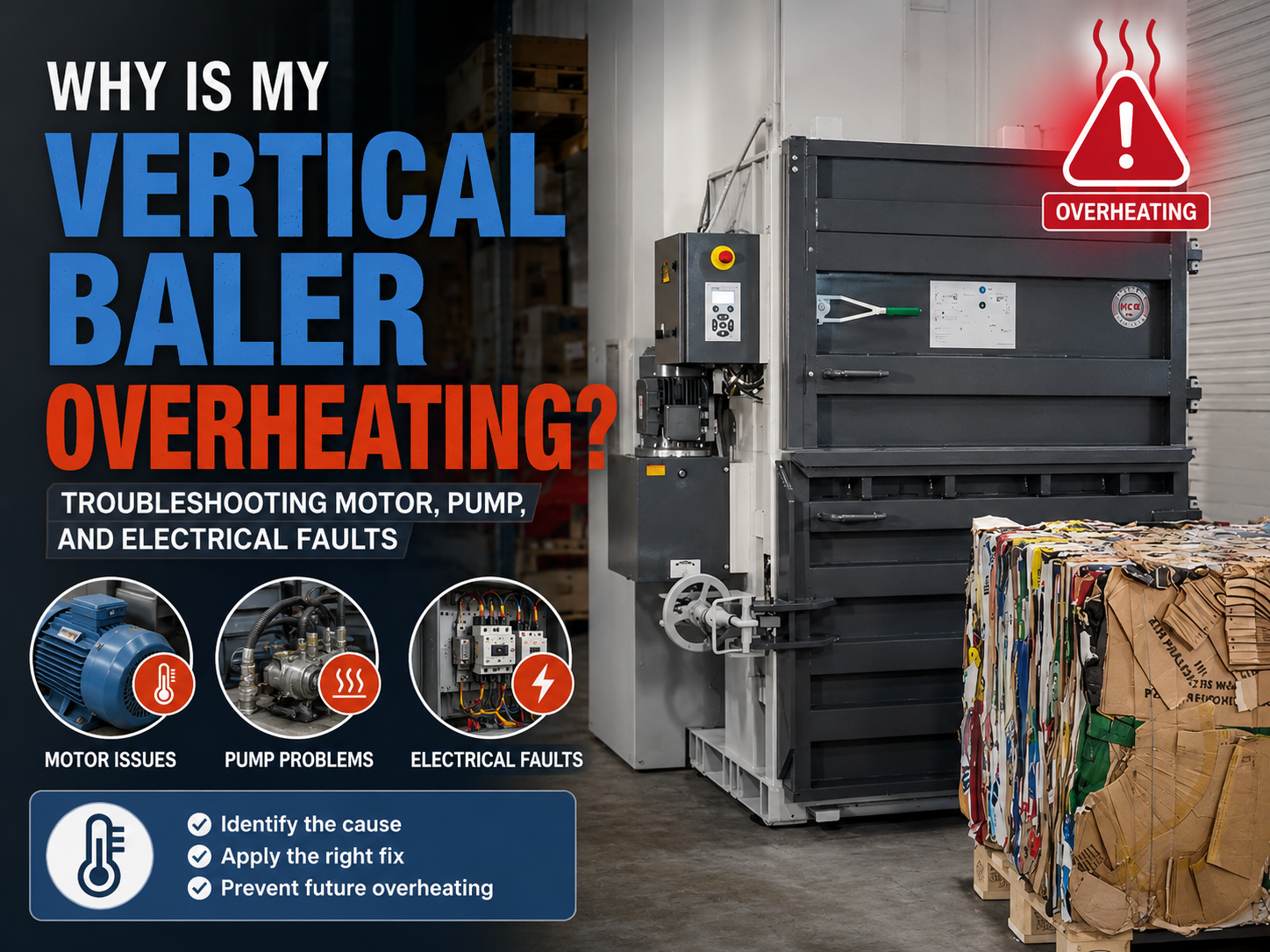
Why Is My Vertical Baler Overheating? Troubleshooting Motor, Pump, and Electrical Faults
In the demanding world of waste management and metal fabrication, the vertical baler is a workhorse. However, operators often ask, “Is my vertical baler overheating? Troubleshooting motor, pump, and electrical faults is essential to maintaining uptime.” When a machine designed for high-pressure compaction begins to run hot, it is not just a minor inconvenience; it is a signal of underlying mechanical or electrical stress that, if ignored, can lead to catastrophic failure.
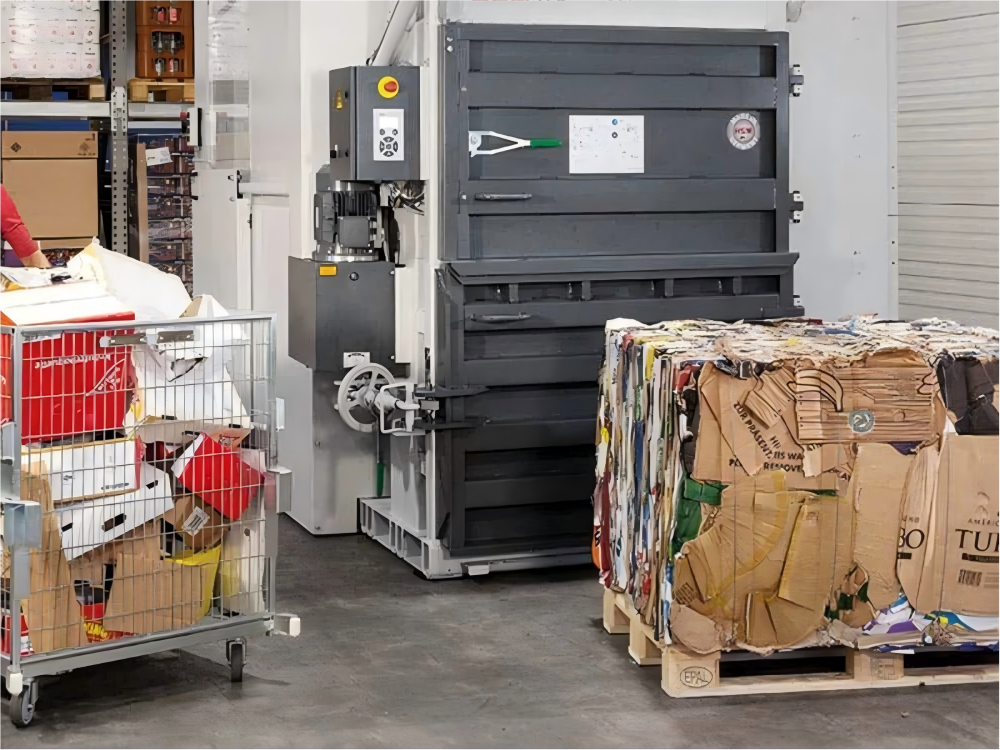
Understanding the Mechanics of Overheating
Overheating in a vertical baler is rarely caused by a single factor. Instead, it is usually the result of a cumulative breakdown in the hydraulic or electrical systems. The hydraulic system is the heart of the baler, and when the oil temperature exceeds the recommended operating range, the viscosity of the fluid drops. This leads to internal leakage, reduced pressure, and increased wear on the pump and valves.
The motor, which drives the hydraulic pump, is also a common culprit. If the motor is drawing excessive current due to a mechanical bind or a failing bearing, it will generate significant heat. This heat is often transferred to the hydraulic reservoir, creating a feedback loop of rising temperatures. Understanding the relationship between these components is the first step in effective troubleshooting.
Environmental factors also play a significant role. If your baler is located in a poorly ventilated area or exposed to direct sunlight in a metal fabrication shop, the ambient temperature can prevent the hydraulic oil cooler from functioning effectively. Ensuring proper airflow around the power unit is a fundamental yet often overlooked aspect of machine maintenance.
Finally, operator error can contribute to heat buildup. Overloading the chamber or attempting to cycle the machine too rapidly prevents the hydraulic system from recovering between cycles. By understanding these core mechanics, operators can better diagnose whether the heat is a symptom of a specific component failure or a result of operational habits.
Troubleshooting the Hydraulic Pump
The hydraulic pump is the most frequent source of heat generation in a vertical baler. When a pump begins to fail, it often experiences internal bypass, where high-pressure oil leaks back to the low-pressure side. This internal friction generates immense heat. If you notice the baler is slower than usual or the motor sounds strained, the pump is likely the first place to look.
Check the hydraulic oil levels and quality. Contaminated oil or oil with the wrong viscosity rating can cause the pump to work harder than necessary. If the oil appears milky, it indicates water contamination, which drastically reduces lubrication properties and leads to rapid heat buildup. Always ensure that the oil is clean and changed according to the HARSLE maintenance schedule.
Inspect the suction line for any signs of air ingestion. Air in the hydraulic system, known as cavitation, causes the pump to operate with erratic pressure and noise, leading to extreme heat. Tighten all fittings and ensure that the suction strainer is not clogged, as a starved pump will always run hot and eventually seize.
If the pump is physically hot to the touch, use an infrared thermometer to measure the temperature of the pump housing versus the reservoir. A significant temperature differential suggests that the pump is generating heat internally. In such cases, professional inspection or replacement of the pump cartridge is often the only viable solution to prevent further damage to the hydraulic circuit.
Electrical Faults and Motor Stress
Electrical issues are often the silent killers of industrial machinery. A motor that is overheating may be suffering from an electrical imbalance, such as a voltage drop or a loose connection in the starter. If the voltage supplied to the motor is inconsistent, the motor will draw higher amperage to compensate, resulting in excessive heat production in the windings.
Inspect the motor starter and contactors. Pitted or burnt contact points can create resistance, which leads to heat buildup at the electrical panel. This heat can migrate to the motor leads, causing insulation breakdown over time. Regularly cleaning the electrical cabinet and tightening all terminal connections is a simple but vital maintenance task.
The motor cooling fan is another critical component. If the fan blades are damaged or blocked by dust and debris, the motor will not be able to dissipate heat effectively. In a metal fabrication environment, metal dust can easily accumulate on the motor housing, acting as an insulator that traps heat. Use compressed air to blow out the motor fins regularly.
Finally, consider the duty cycle. If the motor is running continuously without adequate rest periods, it will inevitably reach thermal limits. Ensure that your HARSLE vertical baler is being used within its rated capacity. If the motor is tripping the thermal overload relay, it is a clear sign that the system is being pushed beyond its design parameters, and immediate investigation is required.
Selection Advice for Long-Term Reliability
When selecting a vertical baler, it is important to choose a machine that matches your specific throughput requirements. An undersized baler will be forced to run constantly, leading to the overheating issues discussed above. HARSLE offers a range of balers designed for different volumes; choosing the right size ensures that the motor and pump operate within their optimal efficiency range.
Look for machines that feature high-quality cooling systems. An integrated oil cooler is a standard feature on many industrial-grade balers, but the size and efficiency of these coolers vary. If you operate in a high-temperature environment, consider an upgraded cooling package to ensure the hydraulic oil stays within the ideal operating temperature range.
Consider the ease of maintenance when making your purchase. A machine with accessible hydraulic components and a well-organized electrical panel will be much easier to troubleshoot. HARSLE designs its equipment with the technician in mind, ensuring that panels are easily removable and components are clearly labeled for quick diagnostics.
Lastly, invest in a preventative maintenance contract. Having a professional technician inspect your baler annually can identify potential overheating issues before they cause a breakdown. This proactive approach saves money in the long run by extending the lifespan of the motor, pump, and hydraulic seals, ensuring your metal fabrication equipment remains a reliable asset.
Frequently Asked Questions (FAQ)
Why does my hydraulic oil turn dark and smell burnt?
Burnt-smelling, dark oil is a classic sign of thermal degradation. This happens when the oil is repeatedly pushed past its temperature limits, causing it to break down chemically. You must flush the system and replace the oil immediately, then investigate the cause of the overheating.
How often should I clean the hydraulic oil cooler?
In a dusty environment like a metal fabrication shop, the oil cooler should be inspected and cleaned weekly. Use low-pressure compressed air to remove dust and debris from the fins to ensure maximum heat transfer.
Can a low oil level cause overheating?
Yes. A low oil level reduces the system’s ability to dissipate heat, as there is less fluid to circulate through the cooler. It also causes the pump to work harder and potentially ingest air, leading to cavitation and extreme heat.
What is the ideal operating temperature for a vertical baler?
Most hydraulic systems operate best between 40°C and 60°C (104°F – 140°F). If your system consistently exceeds 70°C (158°F), you are likely causing damage to the seals and the oil itself.
Conclusion
Addressing the question, “Is my vertical baler overheating? Troubleshooting motor, pump, and electrical faults,” requires a systematic approach. By monitoring your hydraulic oil quality, ensuring the motor is free of debris, and checking electrical connections, you can prevent the majority of thermal-related failures. HARSLE machinery is built for durability, but like all industrial equipment, it thrives on consistent care and informed operation. If you find that your baler is consistently running hot, do not wait for a total failure—take the time to inspect these critical systems today to ensure your production line remains efficient and safe.