Recycling Baler Valve Malfunctions: Signs, Causes, and Repair Advice

Introduction to Recycling Baler Valve Systems
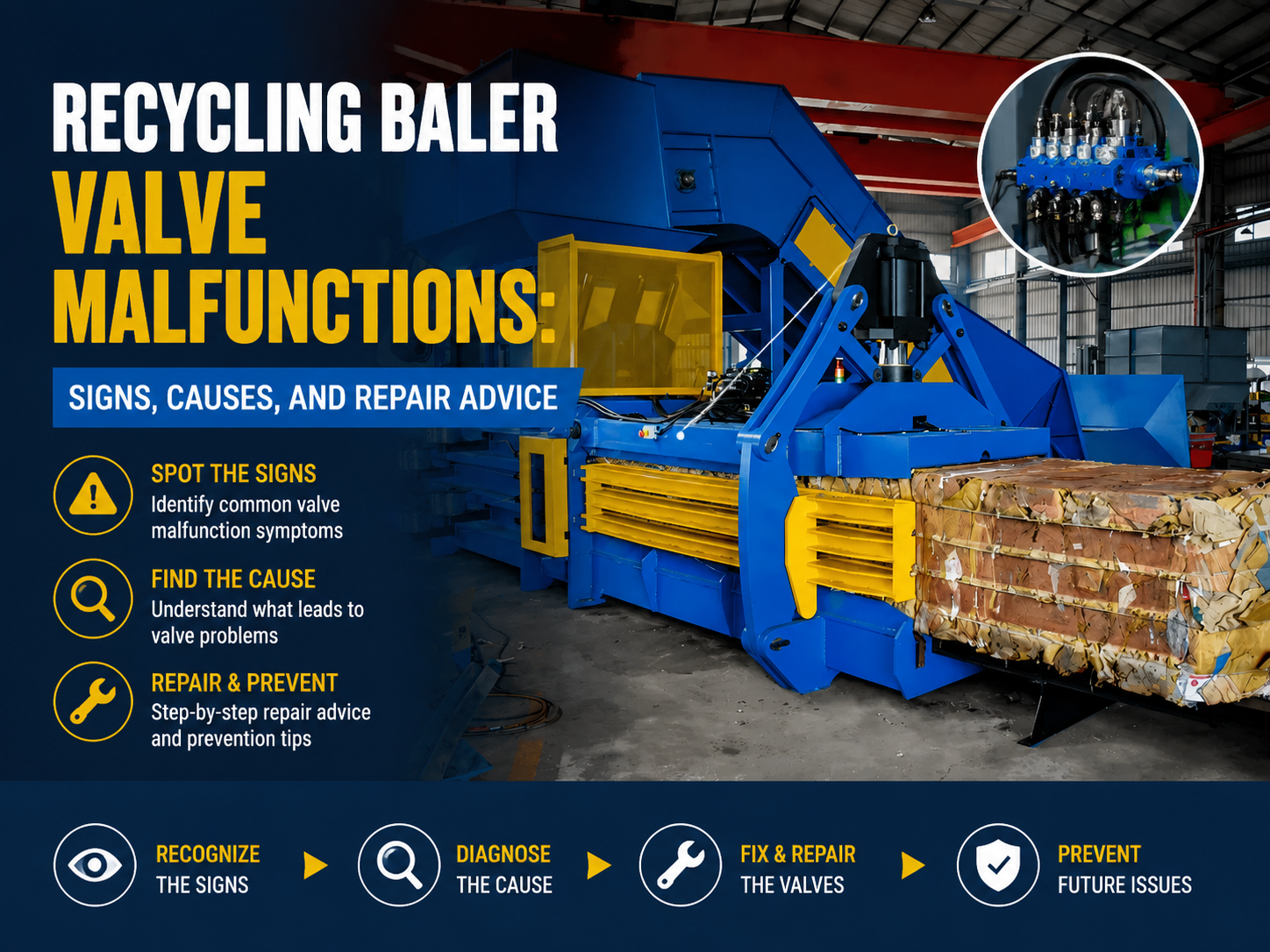
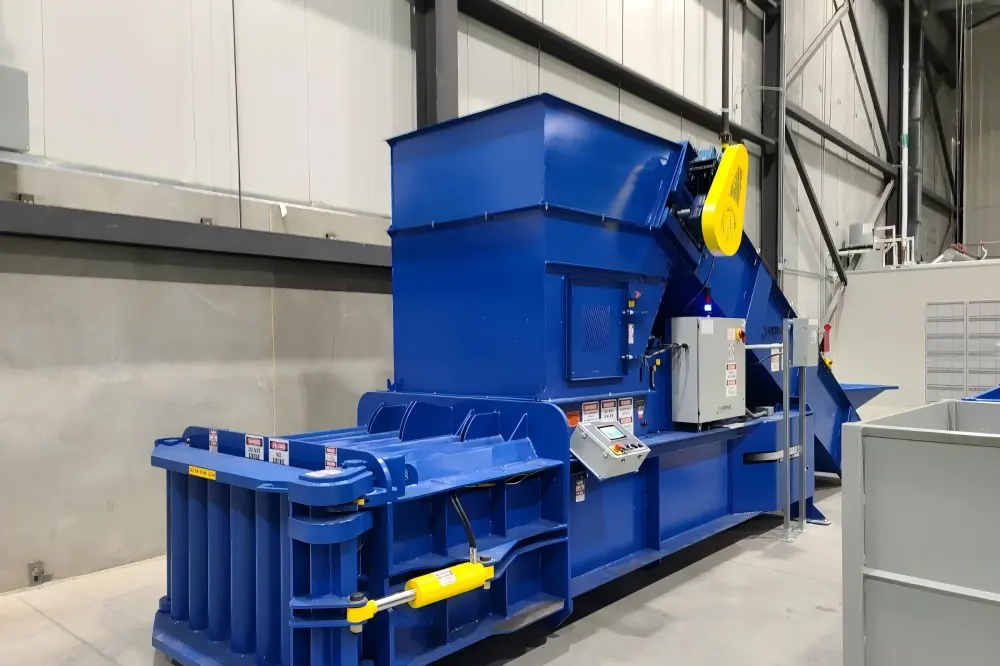
In the demanding world of waste management and metal recycling, the efficiency of a recycling baler is paramount. These machines are the workhorses of the industry, compressing vast quantities of paper, plastic, and metal into manageable, transportable units. At the heart of every high-performance recycling baler, such as those manufactured by HARSLE, lies a complex hydraulic system. The valves within this system act as the ‘brain’ and ‘nervous system,’ directing the flow of hydraulic fluid to ensure precise movement, pressure, and timing. However, like any mechanical component subjected to high pressure and continuous cycles, these valves are susceptible to malfunctions.
Understanding Recycling Baler Valve Malfunctions: Signs, Causes, and Repair Advice is essential for facility managers and maintenance technicians. A minor valve issue, if left unaddressed, can escalate into a catastrophic system failure, leading to expensive downtime, safety hazards, and significant repair costs. This guide aims to provide a deep dive into the technicalities of valve failure, offering actionable insights to keep your recycling operations running smoothly. By mastering the diagnostics of hydraulic valves, you can extend the lifespan of your equipment and optimize your return on investment.
Modern recycling balers utilize a variety of valve types, including directional control valves, pressure relief valves, and flow control valves. Each plays a specific role in the baling cycle—from the initial compression stroke to the final bale ejection. When these components fail, the symptoms can range from subtle performance drops to complete machine immobilization. In the following sections, we will explore the key indicators of valve distress and the underlying reasons why these robust components eventually falter.
Key Considerations: Identifying Signs of Valve Malfunction
The first step in effective maintenance is recognition. Identifying Recycling Baler Valve Malfunctions: Signs, Causes, and Repair Advice starts with a keen observation of the machine’s behavior. One of the most common signs of a failing valve is an audible change in the machine’s operation. If you hear high-pitched squealing or ‘chattering’ sounds, it often indicates that a relief valve is bypassing fluid at a high velocity or that a spool is vibrating within its housing. These sounds are not just annoying; they are a cry for help from the hydraulic circuit.
Another critical sign is the overheating of the hydraulic fluid. Valves are designed to direct flow with minimal resistance. When a valve is partially blocked or failing to seat correctly, it creates friction and turbulence, which converts mechanical energy into heat. If your baler’s oil temperature is consistently exceeding 140°F (60°C), the valves are a primary suspect. Overheated oil loses its lubricating properties, leading to a vicious cycle of wear across all hydraulic components, including pumps and cylinders.
Erratic or sluggish ram movement is a definitive indicator of valve trouble. If the compression ram moves slower than usual, or if it ‘stutters’ during its stroke, the directional control valve may be failing to shift fully. This could be due to a burnt-out solenoid coil or mechanical binding of the internal spool. Furthermore, if the ram drifts forward or backward when the controls are in neutral, it suggests internal leakage across the valve seals or a failure of the check valves designed to hold the load in place.
Finally, keep an eye on the bale quality itself. If the baler is failing to reach its maximum programmed pressure, the pressure relief valve may be set too low or its internal spring may have fatigued. Inconsistent bale density is often a direct result of a valve that cannot maintain steady pressure throughout the cycle. Regular monitoring of these signs allows for proactive intervention before a total breakdown occurs.
Technical Details: Causes of Valve Failure
To provide effective Recycling Baler Valve Malfunctions: Signs, Causes, and Repair Advice, we must look at the technical root causes. The number one enemy of hydraulic valves is contamination. Industrial recycling environments are inherently dusty and dirty. Even with high-quality filtration, microscopic particles of metal, grit, or plastic can enter the hydraulic reservoir. These particles act as abrasives, scoring the precision-ground surfaces of the valve spools and bores. Once the tight tolerances are compromised, internal leakage occurs, reducing the efficiency of the entire system.
Chemical degradation of the hydraulic fluid is another significant factor. Over time, hydraulic oil can oxidize, forming varnishes and sludges. These sticky deposits can coat the internal components of a valve, causing the spool to stick or move sluggishly. This is particularly common in machines that are not subjected to regular oil analysis and filter changes. When a spool sticks, the solenoid may overheat trying to force it into position, leading to electrical failure of the coil.
| Cause of Failure | Technical Impact | Prevention Strategy |
|---|---|---|
| Particulate Contamination | Scoring of spools and seals, leading to internal bypass. | Implement high-efficiency filtration and regular oil sampling. |
| Fluid Overheating | Hardening of O-rings and seals, causing external leaks. | Ensure oil coolers are clean and relief valves are correctly set. |
| Mechanical Fatigue | Spring breakage or weakening in relief/check valves. | Replace high-cycle valves according to manufacturer intervals. |
| Electrical Surges | Burnout of solenoid coils and PLC interface modules. | Use surge protectors and ensure stable power supply. |
Mechanical wear and tear are inevitable in high-volume recycling operations. The springs inside relief valves and check valves undergo millions of cycles. Eventually, these springs can lose their tension or snap entirely. A weakened spring in a relief valve will cause the valve to open at a lower pressure than required, preventing the baler from achieving full compaction force. Conversely, a broken spring might prevent a valve from opening at all, creating a dangerous over-pressure situation that could burst hoses or damage the pump.
Lastly, improper installation or adjustment can lead to premature failure. If a valve is bolted to a manifold with uneven torque, the valve body can slightly distort, causing the spool to bind. Similarly, if a technician ‘cranks down’ on a pressure relief valve without using a pressure gauge, they may exceed the design limits of the system, leading to rapid component degradation. Technical precision is non-negotiable when dealing with high-pressure hydraulics.
Selection Advice: Choosing the Right Replacement Valves
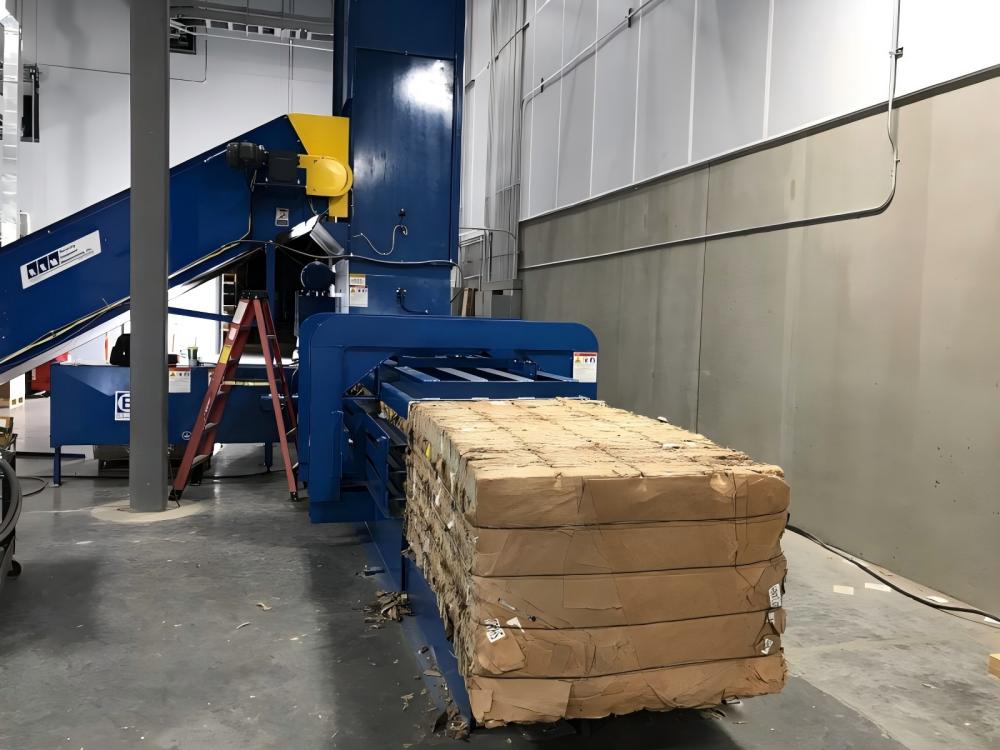
When it comes to Recycling Baler Valve Malfunctions: Signs, Causes, and Repair Advice, selection is just as important as repair. If a valve is beyond repair, choosing the correct replacement is vital for maintaining the machine’s original specifications. Always prioritize OEM (Original Equipment Manufacturer) parts or high-quality equivalents that meet the exact flow and pressure ratings of your HARSLE baler. Using a valve with an insufficient flow rating will cause excessive backpressure and heat, while a valve with the wrong pressure rating can be a safety hazard.
Consider the environment in which the baler operates. For facilities with high humidity or corrosive materials, valves with specialized coatings or stainless steel components may be necessary to prevent external corrosion. Additionally, look for valves with ‘wet-pin’ solenoids. These designs allow the hydraulic fluid to surround the solenoid plunger, providing cooling and lubrication, which significantly extends the life of the electrical components compared to older ‘dry’ designs.
Compatibility with the existing control system is another crucial factor. Modern balers often use proportional valves that interface with a PLC (Programmable Logic Controller) to provide smooth acceleration and deceleration of the ram. Replacing a proportional valve with a standard on/off directional valve will result in violent machine movements and structural damage. Always verify the voltage and connector type of the solenoid coils to ensure a seamless ‘plug-and-play’ installation.
Finally, consult with experts. HARSLE provides detailed technical documentation and support for all their recycling machinery. Before purchasing a replacement, provide your machine’s serial number to ensure the part is the latest revision. Manufacturers often update valve designs to address known issues, and buying the latest version can prevent a recurrence of the original malfunction.
Repair Advice: Step-by-Step Troubleshooting and Maintenance
Effective repair of Recycling Baler Valve Malfunctions: Signs, Causes, and Repair Advice requires a systematic approach. Before any work begins, safety is the absolute priority. Ensure the baler is powered down, the main disconnect is locked out (LOTO), and all residual hydraulic pressure is bled from the system. Never crack a hydraulic fitting while the system is under pressure, as this can result in fluid injection injuries, which are medical emergencies.
- Step 1: Visual Inspection: Check for external leaks around the valve seals and manifold interface. Look for signs of overheating, such as discolored paint on the valve body or a burnt smell near the solenoids.
- Step 2: Electrical Testing: Use a multimeter to check the resistance of the solenoid coils. A reading of ‘infinity’ indicates a broken wire (open circuit), while a very low reading may indicate a short. Ensure the PLC is sending the correct voltage signal to the valve when the controls are activated.
- Step 3: Cleaning and Flushing: If a valve is sticking, it may be possible to clean it without full replacement. Remove the valve and carefully disassemble the spool. Clean all parts with a lint-free cloth and fresh hydraulic fluid. Inspect for scoring. If the scoring is deep, the valve must be replaced.
- Step 4: Seal Replacement: Many valve malfunctions are simply due to worn O-rings. Replacement seal kits are inexpensive and can restore a leaking valve to full functionality. Ensure you use the correct seal material (e.g., Nitrile or Viton) compatible with your hydraulic fluid.
- Step 5: Testing and Calibration: Once the valve is reinstalled, start the machine and monitor the pressure gauges. Adjust the relief valves to the manufacturer’s specified settings. Cycle the machine multiple times to ensure the air is purged from the lines and the movement is smooth.
Preventive maintenance is the best ‘repair’ strategy. Implement a schedule for oil analysis every six months to detect contamination early. Replace hydraulic filters according to the hour-meter readings, not just when they look dirty. By maintaining the health of the hydraulic fluid, you protect the valves from the primary causes of failure, ensuring years of reliable service from your recycling equipment.
Frequently Asked Questions (FAQ)
How often should I inspect the valves on my recycling baler?
A visual inspection for leaks and unusual noises should be part of your daily pre-shift checklist. A more technical inspection, including checking solenoid temperatures and pressure settings, should be performed monthly or every 200 operating hours.
Can I repair a scored valve spool?
Generally, no. The tolerances between a valve spool and its bore are measured in microns. Attempting to sand or grind out a score will increase the clearance, leading to significant internal leakage and loss of system pressure. Replacement is the only reliable fix for a scored spool.
Why does my baler make a loud banging noise when the ram stops?
This is often ‘hydraulic shock’ or ‘water hammer.’ It can be caused by a directional valve closing too quickly or a failure in the decompression circuit. Check if your baler uses cushioned valves or if the PLC timing for decompression needs adjustment.
What type of hydraulic oil is best for preventing valve sticking?
Use a high-quality anti-wear (AW) hydraulic oil with the viscosity grade recommended by HARSLE (usually ISO 46 or 68). Ensure the oil has good thermal stability and anti-foaming properties to prevent the buildup of sludge and varnish.
Is it safe to swap solenoids between different valves for testing?
Yes, provided the solenoids are identical in voltage, wattage, and physical mounting. This is a common troubleshooting technique to determine if a problem is electrical (the coil) or mechanical (the valve spool).
Conclusion: Maximizing Baler Longevity
Mastering the nuances of Recycling Baler Valve Malfunctions: Signs, Causes, and Repair Advice is a vital skill for anyone involved in the operation of industrial recycling machinery. The hydraulic valves are the gatekeepers of your baler’s power; when they function correctly, the machine is a model of efficiency. When they fail, they can become a source of frustration and financial loss. By staying vigilant for the early signs of trouble—such as heat, noise, and slow cycles—you can address issues before they lead to total system failure.
Remember that the foundation of valve health is cleanliness. A robust filtration strategy and regular oil maintenance are the most effective ways to prevent the contamination that claims so many hydraulic components. When repairs are necessary, always follow strict safety protocols and use high-quality replacement parts that match your machine’s specifications. HARSLE remains committed to providing not only the highest quality metal fabrication and recycling equipment but also the knowledge and support needed to keep that equipment running at peak performance for decades.
In conclusion, treat your hydraulic system with the precision it deserves. Invest in training for your maintenance staff, keep a stock of critical spare valves and seal kits, and never ignore the subtle warnings your machine gives you. With the right approach to valve maintenance and repair, your recycling baler will continue to be a cornerstone of your facility’s productivity and sustainability goals.