Gantry Shear Not Starting: Electrical Fault Diagnosis and Repair Guide

Introduction to Gantry Shear Electrical Troubleshooting
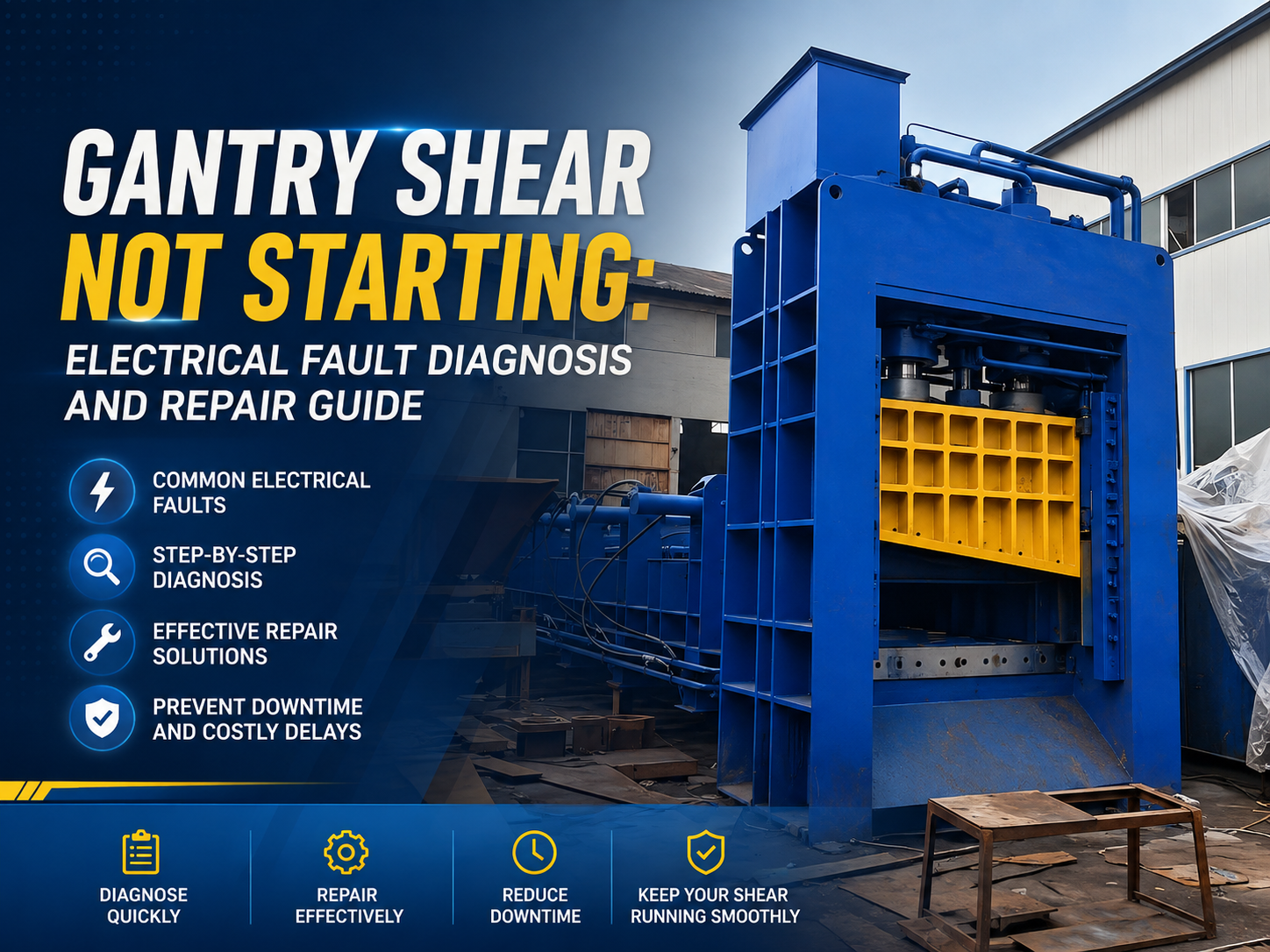
In the high-stakes environment of metal fabrication, a gantry shear is a cornerstone of production efficiency. When your equipment fails to start, it disrupts the entire workflow, leading to costly downtime and missed deadlines. Understanding the root causes of a gantry shear not starting is essential for maintenance teams and operators alike. This guide focuses on the systematic approach required for Gantry Shear Not Starting: Electrical Fault Diagnosis Repair, ensuring that you can identify, isolate, and resolve issues safely and effectively.
Electrical systems in modern gantry shears are complex, integrating high-voltage power supplies with sensitive PLC (Programmable Logic Controller) control circuits. Because these machines handle immense cutting forces, they are equipped with multiple safety interlocks that can prevent the machine from starting if a single condition is not met. Before diving into complex wiring diagrams, it is vital to approach the problem with a logical, step-by-step mindset to ensure both personnel safety and equipment integrity.
This article serves as a comprehensive technical resource for HARSLE equipment owners and operators. We will explore the common electrical failure points, from simple power supply interruptions to complex sensor malfunctions. By following these protocols, you can minimize the time your machine spends idle and extend the operational lifespan of your metal fabrication equipment.
Key Considerations for Electrical Safety
Before performing any diagnostic work on a gantry shear, safety must be the absolute priority. Electrical faults often involve high-voltage components that can cause severe injury or death if handled incorrectly. Always ensure that the main power disconnect is locked out and tagged out (LOTO) before opening any electrical cabinets or touching internal components. Never assume a circuit is dead just because the machine is not running.
Secondly, ensure that your diagnostic tools are calibrated and appropriate for the task. A high-quality digital multimeter is the most important tool in your arsenal. You should be comfortable measuring AC and DC voltages, checking for continuity, and testing resistance. If you are not familiar with the specific electrical schematics provided by HARSLE for your model, do not attempt to bypass safety circuits or modify wiring, as this can void warranties and create fire hazards.
Environmental factors also play a significant role in electrical reliability. Metal fabrication shops are often dusty, humid, or subject to vibration. Over time, these conditions can lead to loose connections, oxidized terminals, or moisture ingress in junction boxes. Regularly inspecting the electrical environment around your gantry shear is a proactive way to prevent the very faults that cause the machine to fail to start.
Finally, keep a detailed log of all maintenance activities. If a machine fails to start, having a history of past electrical issues can significantly speed up the diagnostic process. Documenting when components like contactors, relays, or proximity sensors were last replaced allows you to predict potential points of failure before they result in a total system shutdown.
Technical Details: Diagnosing the Power Circuit
The first step in Gantry Shear Not Starting: Electrical Fault Diagnosis Repair is verifying the power supply. If the machine shows no signs of life—no indicator lights, no hum from the hydraulic pump, and no response from the HMI—the issue is almost certainly in the primary power circuit. Start at the main disconnect switch. Use your multimeter to verify that the incoming voltage matches the machine’s specifications.
Check the fuses and circuit breakers within the main electrical cabinet. A tripped breaker or a blown fuse is often a symptom of an underlying issue, such as a short circuit or a motor overload. If you find a blown fuse, do not simply replace it and restart the machine. Inspect the wiring downstream for signs of insulation damage, burning, or loose connections that might have caused the surge.
Next, examine the magnetic contactors. These devices are responsible for switching the high-current power to the main hydraulic motor. If the contactor coil is burnt out or the contacts are welded shut, the motor will not receive the power it needs to start. You can often hear a distinct ‘click’ when the start button is pressed; if you hear the click but the motor doesn’t start, the issue is likely in the contactor or the motor itself.
The emergency stop (E-stop) circuit is another frequent culprit. Gantry shears are equipped with multiple E-stop buttons located around the machine. If any one of these buttons is engaged, or if the internal wiring to one of these buttons has been severed, the control circuit will remain open, preventing the machine from starting. Use your multimeter to check for continuity across the E-stop loop to ensure the circuit is closed.
Control Circuit and PLC Troubleshooting
If the power circuit is healthy but the machine still refuses to cycle, the problem likely lies within the control circuit or the PLC. Modern gantry shears use PLCs to monitor inputs—such as foot pedals, light curtains, and pressure switches—and provide outputs to the hydraulic valves. If the PLC does not receive a ‘ready’ signal from all safety inputs, it will inhibit the start command.
Check the status LEDs on the PLC module. Most industrial controllers have diagnostic lights that indicate whether the processor is running, if there is a communication error, or if an input/output (I/O) point is active. If you see a fault light, consult the HARSLE technical manual to interpret the error code. This is often the fastest way to pinpoint which specific sensor or safety gate is preventing the machine from starting.
Proximity sensors are critical for the operation of a gantry shear. These sensors detect the position of the shear blade or the material hold-down clamps. If a sensor is misaligned, covered in metal dust, or physically damaged, the PLC will assume the machine is not in the correct position to begin a cycle. Clean the sensors and verify their operation by observing the input lights on the PLC when the sensor is triggered.
Relays are another common point of failure in control circuits. Over years of operation, the internal contacts of a relay can become pitted or fail to close properly. If you suspect a relay is faulty, you can often swap it with an identical relay from a non-critical circuit to see if the machine starts. If it does, you have confirmed the faulty component and can order a replacement.
Selection Advice for Replacement Components
When you have identified a faulty electrical component, choosing the right replacement is vital for the long-term reliability of your gantry shear. Always prioritize OEM (Original Equipment Manufacturer) parts from HARSLE. While generic electrical components might fit physically, they may not meet the specific voltage, current, or environmental ratings required for heavy-duty metal fabrication machinery.
Consider the environment when selecting components. If your shop is particularly dusty, ensure that any replacement sensors or switches have the appropriate IP (Ingress Protection) rating. Using components with higher IP ratings can prevent future failures caused by metal shavings or coolant mist entering the electrical housing.
When replacing contactors or motor starters, ensure the new unit matches the horsepower and voltage rating of the motor exactly. An undersized contactor will overheat and fail prematurely, while an oversized one may not provide the necessary protection for the motor in the event of a stall. Always check the manufacturer’s datasheet for the specific duty cycle requirements of your shear.
Finally, keep a small inventory of critical electrical spares on-site. This should include fuses, common relays, E-stop buttons, and proximity sensors. Having these parts on hand can reduce a potential multi-day wait for shipping to a simple 30-minute repair, significantly improving your overall equipment effectiveness (OEE).
Frequently Asked Questions (FAQ)
- Why does my gantry shear hum but not start? This usually indicates a motor starting issue, such as a faulty capacitor, a bad contactor, or a mechanical jam in the hydraulic system. Check the motor for signs of overheating.
- How do I test a proximity sensor? Most sensors have an LED that lights up when they detect an object. If the light doesn’t turn on when an object is present, check the power supply to the sensor and ensure it is properly aligned.
- Can I bypass the E-stop to test the machine? No. Bypassing safety circuits is extremely dangerous and violates industrial safety standards. Always troubleshoot the fault rather than bypassing the protection.
- What should I do if the PLC shows a fault code? Refer to your HARSLE operation manual for the specific error code list. If the code is not listed, contact HARSLE technical support with the exact model number and error description.
- How often should I inspect the electrical cabinet? We recommend a visual inspection every three months to check for loose wires, signs of heat damage, and dust accumulation.
Conclusion
Mastering the art of Gantry Shear Not Starting: Electrical Fault Diagnosis Repair is a critical skill for any metal fabrication facility. By maintaining a disciplined approach to safety, utilizing the right diagnostic tools, and understanding the interaction between power and control circuits, you can resolve most electrical issues efficiently. Remember that the goal is not just to get the machine running again, but to ensure it operates safely and reliably for years to come.
HARSLE is committed to providing high-quality metal fabrication equipment, but the longevity of your investment depends on consistent maintenance and informed troubleshooting. If you encounter a fault that exceeds your internal capabilities, do not hesitate to reach out to professional technicians. Investing time in understanding your machine’s electrical architecture today will pay dividends in reduced downtime and increased productivity tomorrow.